
Reviewed · BERLIN WALL AND COLD WAR TOURS
Berlin: Cold War History and Berlin Wall Guided Walking Tour
Berlin’s Cold War story comes alive when you walk the places where the divide was real, visible, and dangerous. This tour links Checkpoint Charlie, a surviving wall section, and the Berlin Wall Memorial with the political story behind them. The result is more than a parade of old landmarks.
I like the clear route from the Brandenburg Gate to the Wall Memorial, and I like the human stories. Guides including Eugen, Cieran, and Paul explain escape attempts, family experiences, and the choices that shaped the divided city. The main drawback is that this is a three-hour walk, often beside busy roads, so traffic noise can make parts of the commentary harder to hear.
- A 75-minute visit to the Berlin Wall Memorial gives the tour its strongest historical focus.
- Checkpoint Charlie helps explain how a border crossing became a Cold War symbol.
- A 200-meter wall stretch on Niederkirchnerstrasse offers a direct look at what remains.
- Guides use personal photographs and escape stories to connect political events with ordinary lives.
- The walking route covers several central sites without requiring public transport between them.
- English and German tours are available, with wheelchair access and flexible cancellation up to 24 hours before the start.
Why This Three-Hour Walk Matters
Berlin can make the Cold War easy to miss. Much of the Wall is gone, and modern streets now cross the former border with little warning. A guided walk helps you read the city, showing where East Berlin ended, where West Berlin began, and why those lines mattered.
The tour begins outside Hopfingerbräu beside Brandenburg Gate, at Ebertstraße 24. This is a useful starting point because the gate once stood in East Berlin, close to the Wall, and later became a powerful image of German reunification.
You are not simply shown a collection of monuments. The guide explains the uneasy period after the Second World War, when the Soviet Union and the Western Allies shared control of Germany before their alliance broke down. That background makes the later division easier to understand.
You will hear about the construction of the Wall, daily life on both sides, daring escape attempts, and the events that led to its fall. The strongest guides, including Eugen, Cieran, and Paul, appear to bring the subject alive through clear explanations and personal material. Cieran has shown photographs connected with his own family’s experience of the Wall, while Eugen has been praised for linking dates and political decisions to individual lives.
Brandenburg Gate and the City Before the Wall
The first stop is Brandenburg Gate, with about 15 minutes to take in the site and set the scene. It is one of Berlin’s best-known landmarks, but its Cold War role matters more than its postcard appeal here.
The gate sat within East Berlin, while the Wall cut off access around it. For many years, it symbolized a divided Germany. After reunification, it became a symbol of a city and country reunited.
This opening stop helps you place the division on a map. It also gives the guide a chance to explain how Berlin was split among the Soviet, American, British, and French powers after 1945. If you know little about postwar Germany, pay close attention here. The political setup explains why Berlin became such a tense point inside Soviet-controlled East Germany.
The 15-minute visit is brief, so you should not expect a full architectural tour of the gate. Its value comes from the setting and the Cold War explanation rather than from a long stop for photographs.
More History Tours in Berlin
- Berlin: Natural History Museum Entrance Ticket
★ 4.6 · 3,382 reviews - Berlin Historical Highlights Walking Tour
★ 4.9 · 657 reviews - Berlin Private Complete History All Day Walking Tour
★ 5.0 · 474 reviews
Wall Remains on Niederkirchnerstrasse
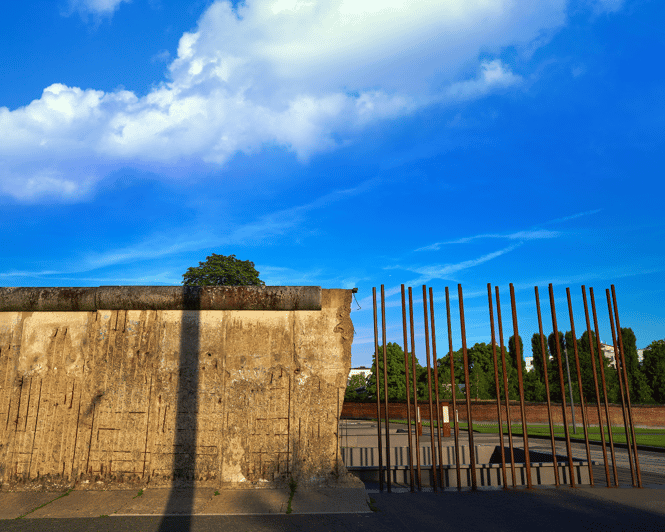
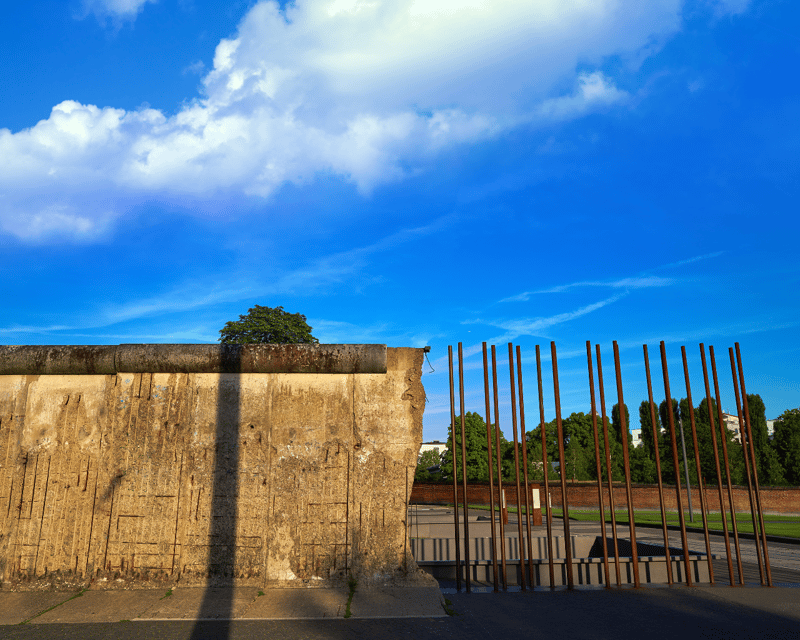
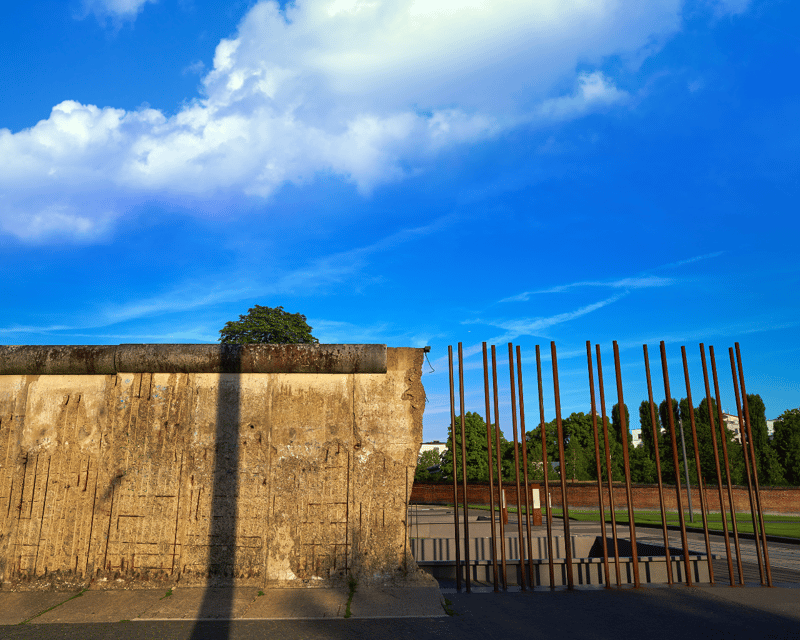
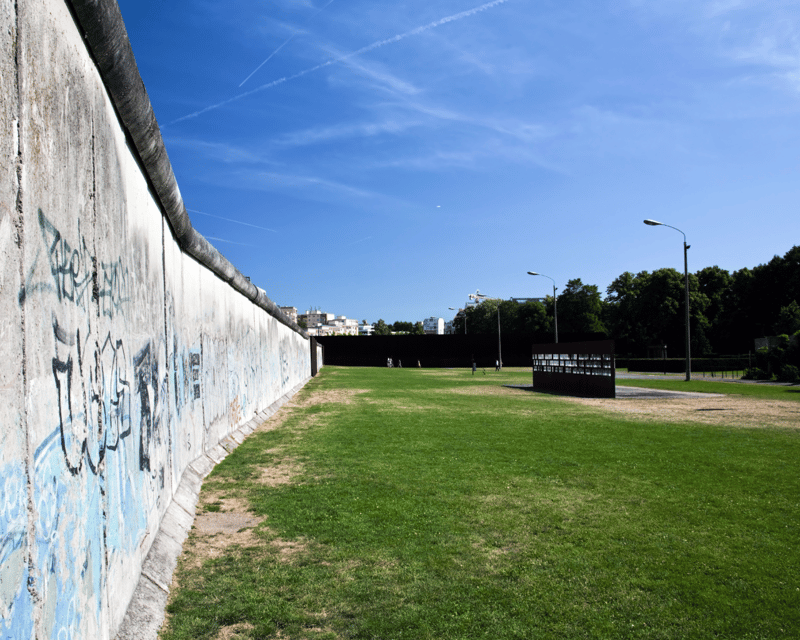
The route then reaches a 200-meter section of the former Berlin Wall along Niederkirchnerstrasse. This is one of the more useful physical reminders of the border because you can see an actual surviving stretch rather than only a marker or memorial plaque.
The wall itself does not tell the full story. A guide helps explain how the border worked, what stood behind it, and why crossing it was so difficult. The tour gives you the human cost alongside the concrete and masonry.
You may find this section less polished than a major museum display, which is part of its value. Berlin’s former border was not an isolated exhibit. It ran through streets, near offices, homes, railway lines, and public spaces. Seeing a remaining section in its urban setting helps you understand how disruptive the division was.
The planned stop lasts about 25 minutes. Wear shoes that can handle steady walking and bring clothing for the weather. The tour runs outdoors, and February feedback shows that it can continue in snow and cold, provided you are prepared.
Topography of Terror and Potsdamer Platz
The 15-minute stop at the Topography of Terror adds a different layer to the walk. The tour’s main subject is the Cold War, but Berlin’s postwar division cannot be separated from the crimes and destruction of the Nazi period.
Here, the guide can help place the Cold War in the larger story of Germany’s collapse after the Second World War. The stop is short, so it is best treated as context rather than a full visit to the documentation center.
Potsdamer Platz follows for around 15 minutes. Today it is known for modern architecture and busy city life, but the area once sat near the border and was heavily damaged during the war. The contrast between its present-day appearance and its divided past is striking.
I like these two stops because they prevent the tour from becoming a narrow sequence of wall fragments. They show how Berlin’s political changes altered the same streets again and again. You get a sense of the city before division, during division, and after reunification.
Checkpoint Charlie: Symbol More Than Structure
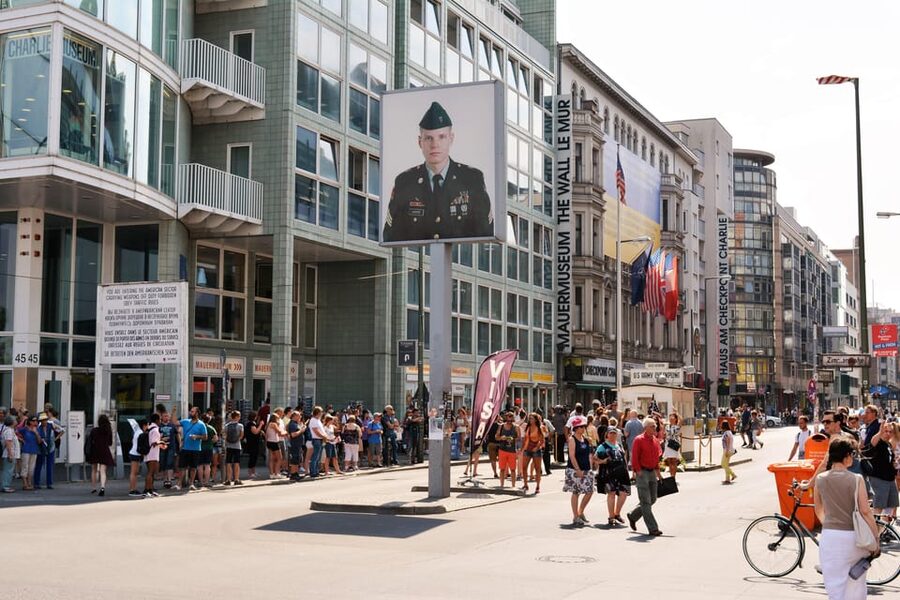
Checkpoint Charlie receives about 25 minutes of guided attention. It was the best-known crossing between East and West Berlin, used by Allied personnel, diplomats, and others with permission to cross the border.
The present-day site is not a preserved checkpoint in the way many first-time visitors expect. It is a famous city landmark surrounded by modern Berlin. The tour is useful because the guide can explain what happened here and why the crossing became such a potent Cold War symbol.
This is also a good place to ask questions. The political tension around the crossing, including the possibility of confrontation between Soviet and American forces, makes more sense when explained on site. The guide can also connect the checkpoint to the wider system of controls and restrictions faced by people living in East Berlin.
Do not expect a large museum visit at Checkpoint Charlie. The strength of the stop is the explanation, not a long indoor exhibition. Traffic and street noise can interfere with the guide, so stand where you can see the speaker clearly. One useful tip is to face the guide when the group stops, since the voice can carry less well beside the road.
More Walking Tours in Berlin
- Discover Berlin Half-Day Walking Tour
★ 5.0 · 9,624 reviews - Berlin: Third Reich and Cold War 2 Hour Walking Tour
★ 4.9 · 6,830 reviews - Berlin: Discover Berlin Walking Tour
★ 4.9 · 5,998 reviews - Berlin’s Best: 2 Hour Walking Tour Third Reich and the Cold War
★ 5.0 · 5,486 reviews
The Berlin Wall Memorial, the Tour’s Main Event
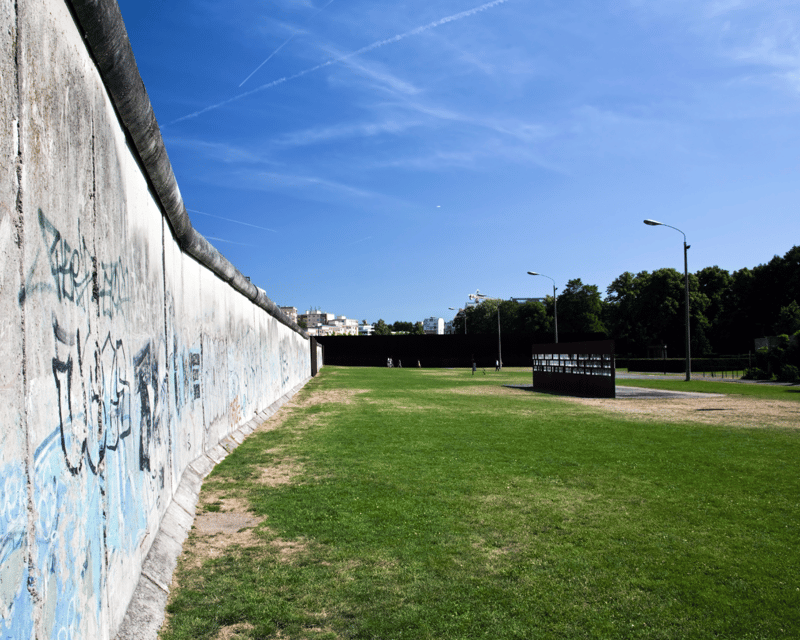
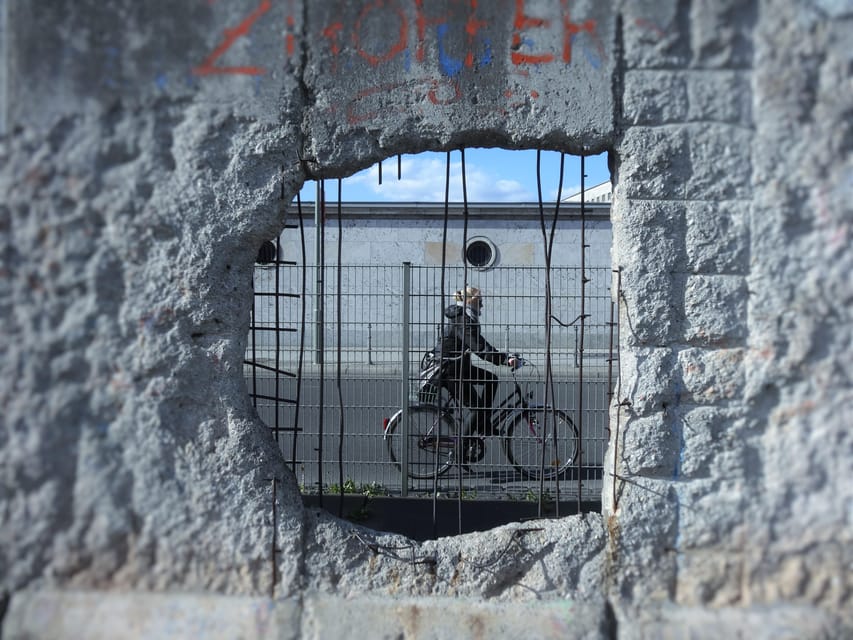
The longest stop is the Berlin Wall Memorial, with about 75 minutes of guided time. This is where the tour’s pieces come together.
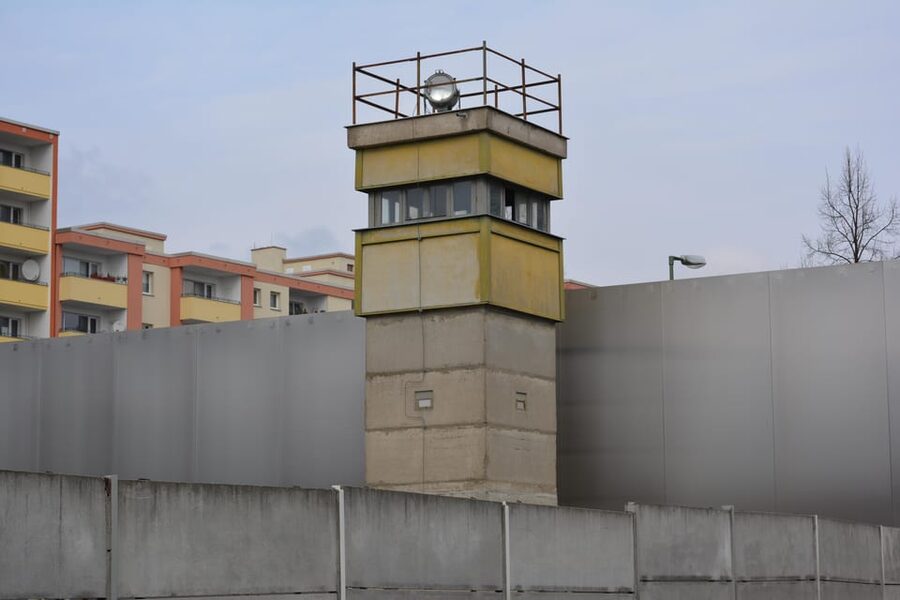
The memorial preserves part of the former border area and commemorates people who died because of the division. It gives you a clearer sense of the Wall as a layered border system, not just a single concrete barrier.
The guide explains how the border changed daily life, separated families, and made ordinary movement a political matter. You also hear stories of escape attempts, including the bravery, planning, and danger involved. These accounts give emotional weight to details that might otherwise remain abstract.
This is where Eugen’s approach seems especially well suited to the subject. He has been praised for explaining not only what happened, but when and why it happened, then tying those events to personal stories. That method is valuable in Berlin, where a date such as 1961 or 1989 can mean little until you understand its effect on a particular family or neighborhood.
The memorial is also the place to allow the guide’s explanation to settle. The stop is long enough for questions, unlike the shorter roadside visits. If you want a quick photo tour, 75 minutes may feel slow. If you want to understand how the border operated and why its fall mattered, this is the most worthwhile portion of the walk.
Guides Who Make the Difference
A history walk depends heavily on the person leading it. The strongest feedback here centers on guides who explain complex politics in plain language and remain open to questions.
Eugen is repeatedly praised for strong storytelling, careful explanations, and personal insight. Cieran has used photographs connected with his family’s experience, which can give the subject a direct and personal edge. Paul is also singled out for his command of the Cold War and Berlin Wall material.
These names matter because the experience can vary with the assigned guide. The tour is offered in English and German, but the specific guide may not be known until you arrive. You should expect a live guide rather than an audio device, and the group format means the quality of the delivery matters.
The guide’s tone also suits a difficult subject. The best accounts here combine political facts with stories of escape, loss, and survival without turning the tour into a dry lecture. At the same time, you should be ready for serious material. This is not a light sightseeing stroll.
The Walking Format and Practical Comfort
The full experience lasts three hours and returns to the starting point at Ebertstraße 24. It is a walking tour from beginning to end, so plan for sustained time outdoors rather than short walks between indoor attractions.
Comfortable shoes are essential. Weather-appropriate clothing matters just as much, since the route includes exposed streets and memorial areas. A warm layer, rain protection, and water can make a real difference, especially outside the warmer months.
The route is wheelchair accessible, which is helpful, though outdoor city surfaces and roadside stops can still affect comfort. If mobility is a major concern, confirm the current route details when booking.
Traffic noise is the main practical issue raised by the tour details. At Checkpoint Charlie and other central streets, you may need to move closer to the guide or ask for a point to be repeated. A good guide will usually pause and gather the group, but positioning yourself where you can hear remains wise.
The meeting point beside Brandenburg Gate is easy to recognize, with the guide outside Hopfingerbräu. Arrive ready to walk rather than expecting a formal indoor welcome or a place to store belongings.
Is $31 a Fair Price?
At $31 per person, this is a solid value if you want a guided introduction to Berlin’s Cold War past. You are paying for three hours of live explanation across several important sites, including the Wall Memorial and Checkpoint Charlie.
The value is strongest for first-time visitors and anyone who knows the names but not the sequence of events. A guide can save you from piecing together scattered plaques and fragments on your own. The personal stories and political context add something that a casual walk through central Berlin may not provide.
The price is less compelling if you prefer to explore at your own pace, spend long periods inside museums, or focus mainly on photographs. Several stops are short, and this is not an admission-included museum tour. You are paying for the route and the guide’s interpretation.
Free cancellation up to 24 hours before the start and the option to reserve now and pay later make it easier to fit into a changing schedule. Those booking terms add practical value, especially if your Berlin plans are still shifting.
Who Should Book This Berlin Walk?
I would choose this tour if you want the Cold War explained as a human and political story rather than a list of dates. It suits first-time visitors, families with older children, students, and anyone who wants a useful orientation before visiting more museums.
It is also a good choice if you want to see several central sites in one morning or afternoon without arranging transport between them. The route gives you a strong base for later visits to Berlin’s museums and memorials.
You may want a different experience if you dislike outdoor walking, need frequent indoor breaks, or want every stop to include a long museum visit. The traffic noise and weather can also affect the experience, so plan accordingly.
Should You Book It?
Book this tour if the Berlin Wall, divided Germany, and personal escape stories are high on your list. The 75-minute Berlin Wall Memorial visit is the key reason to go, while Checkpoint Charlie, Niederkirchnerstrasse, and Potsdamer Platz give the story a wider setting.
The tour works best when you listen closely, ask questions, and accept that some of Berlin’s most important evidence is now partial or understated. At $31, it offers a useful, human account of a complicated period, with guides such as Eugen, Cieran, and Paul bringing extra force to the walk.
FAQ
Where does the tour meet?
Meet outside Hopfingerbräu beside Brandenburg Gate at Ebertstraße 24 in Berlin.
How long does the walking tour last?
The tour lasts three hours and returns to the starting point at Ebertstraße 24.
Which languages are available?
The tour is offered in English and German with a live guide.
Which Cold War sites are included?
The route includes Brandenburg Gate, a 200-meter section of the former Berlin Wall on Niederkirchnerstrasse, Topography of Terror, Potsdamer Platz, Checkpoint Charlie, and the Berlin Wall Memorial.
Is the tour wheelchair accessible?
Yes, the activity is listed as wheelchair accessible.
What should I bring?
Bring comfortable shoes and clothing suited to the weather. The experience takes place outdoors and involves extended walking.
More Berlin Wall and Cold War Tours in Berlin
- Berlin: DDR Museum Tickets
★ 4.3 · 3,443 reviews - Skip-the-Line: Berlin Wall Museum at Checkpoint Charlie
★ 4.1 · 2,041 reviews - Berlin: East Side Gallery Spree Cruise in a Solar Catamaran
★ 4.0 · 1,039 reviews - Cold War, Berlin Wall, Spies and the East Side Gallery
★ 5.0 · 1,024 reviews
Just added in Berlin
- Berlin & The Third Reich Private Guided Tour★ 5.0 · 3 reviews
- Third Reich Quest Experience in Berlin★ 4.5 · 7 reviews
- Private Analogue Photography Experience in Berlin★ 5.0 · 3 reviews
- The Beauty of Berlin by Bike: Private Tour★ 5.0 · 59 reviews
- Berlin: Guided Bike tour of the Berlin Wall and Third Reich★ 5.0 · 160 reviews
- Berlin Urbex Adventure and History Tour★ 5.0 · 9 reviews
- Beyond Currywurst: Berlin’s Hidden Street Food & Culture Tour★ 5.0 · 100 reviews
- Berlin Third Reich & Cold War Walking Tour With A Guide★ 5.0 · 7 reviews
Berlin Wall and Cold War Tours, compared.

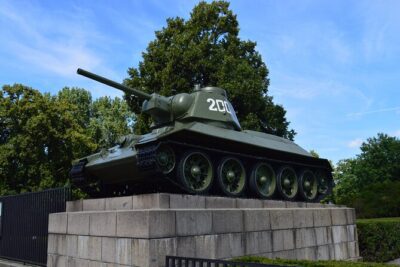
Berlin’s Best: 2 Hour Walking Tour Third Reich and the Cold War
Read our review →
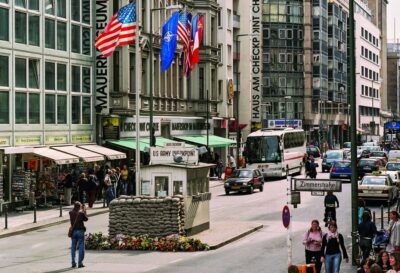
Skip-the-Line: Berlin Wall Museum at Checkpoint Charlie
Read our review →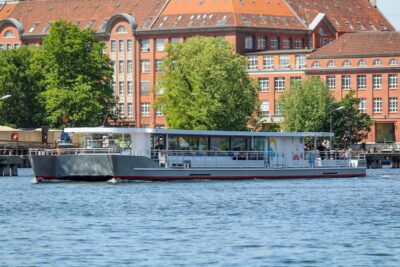
East Side Gallery Spree Cruise in a Solar Catamaran
Read our review →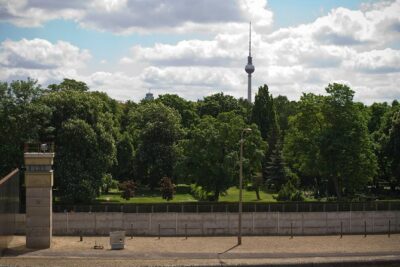
Cold War, Berlin Wall, Spies and the East Side Gallery
Read our review →
Guided Bike Tour of the Berlin Wall and Third Reich
Read our review →
Browse the lists this tour appears in