
Reviewed · BERLIN WALL AND COLD WAR TOURS
Skip-the-Line: Berlin Wall Museum at Checkpoint Charlie
The most striking part of the Berlin Wall Museum is its collection of real escape equipment. A hot-air balloon, mini-submarine, cars, and aircraft show the wild lengths people went to reach freedom from East Germany. I like that the museum was founded in 1962, while the Wall was still standing, and that it deals with human rights beyond the famous Checkpoint Charlie photo-op. I also like the multilingual explanations and the view over the checkpoint. The drawback is clear: this is a huge, text-heavy museum, and its layout can feel scattered.
I love the museum’s human scale. Instead of treating the Wall as only a Cold War monument, it follows the people who planned escapes, built tools, took risks, and helped others leave. You should allow two to three hours, and more if you read every panel. The ticket is simple and convenient, but remember that no guide or audioguide is included.
Key points to know before you go
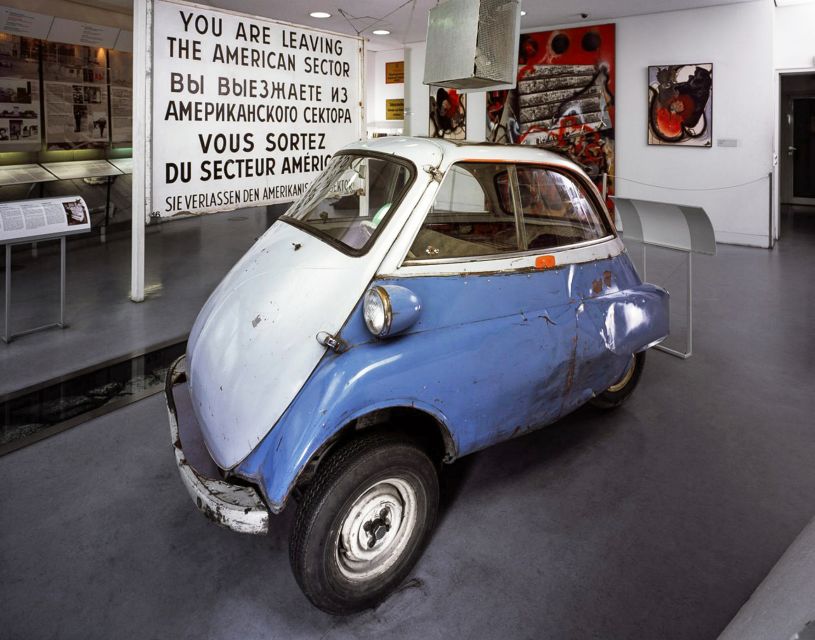
- Original escape artifacts: See a hot-air balloon, mini-submarine, cars, and aircraft used in successful escapes.
- Founded during the Wall’s lifetime: The museum opened on October 19, 1962, as an active protest against the Wall.
- More than Checkpoint Charlie: Exhibits cover the Wall, GDR rule, escape attempts, international conflicts, peace movements, and later events.
- A serious reading commitment: Displays are packed with photographs, documents, and written explanations, with translations available for many sections.
- Good value for history-minded visitors: The $21 admission can support two hours of steady study, and some visitors spend much of the day.
- Easy central location: The entrance is at Friedrichstraße 43-45, directly beside Checkpoint Charlie.
What this museum reveals about the Berlin Wall
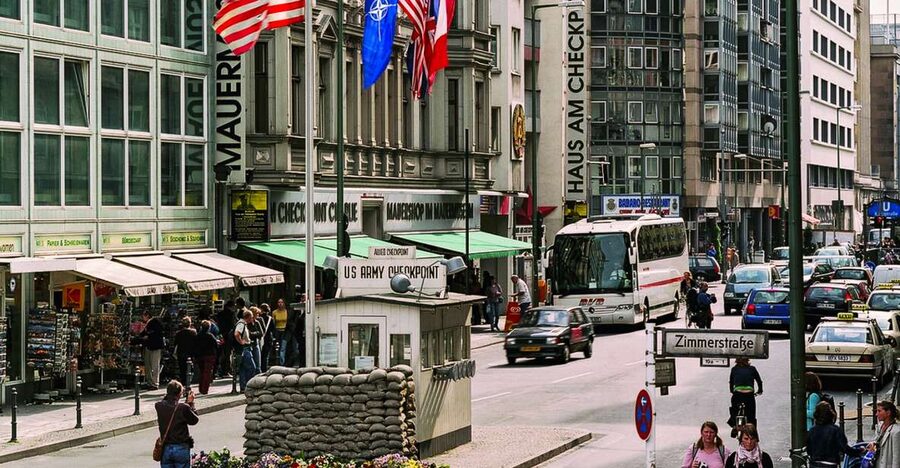
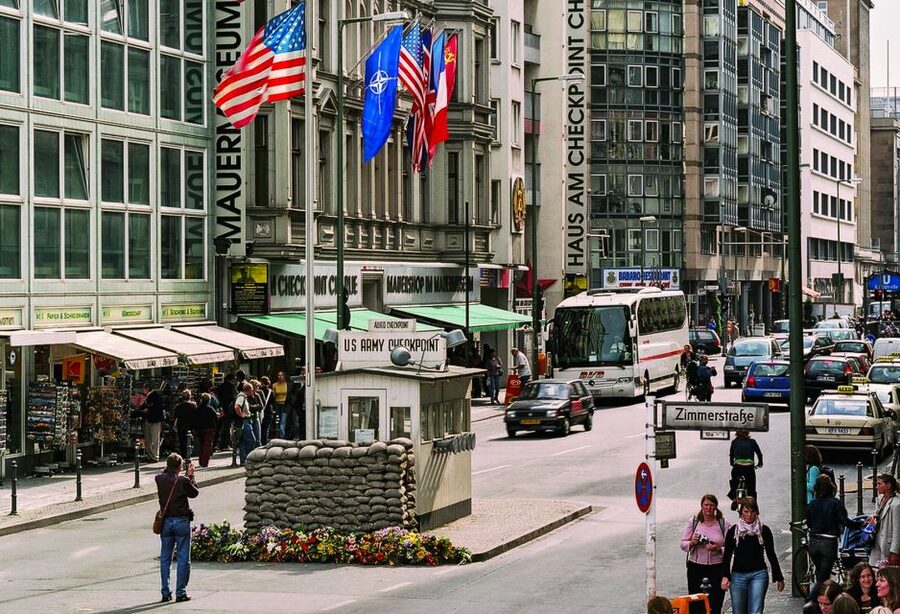
Checkpoint Charlie is one of Berlin’s most famous Cold War sites. It is also one of the city’s most commercialized spots, with souvenir stalls, photo opportunities, and a replica guardhouse nearby. The Berlin Wall Museum gives the location a much heavier purpose.
The museum was founded on October 19, 1962, only a short time after the Wall went up. It was created as a protest against the division of Berlin and as a place where people seeking help could find support. That timing matters. You are not entering a museum assembled decades later from distant memories. You are entering an institution that began while the Wall was still an active barrier.
The museum also supported people trying to escape East Germany, officially the German Democratic Republic, or GDR. Helpers used the building as a base to plan escapes and organize resistance. After successful escapes, refugees and their supporters donated the equipment and objects involved. That is why the displays include unusual machines instead of only standard museum pieces.
I find this gives the museum a different character from a simple memorial. It is part documentation, part protest, and part archive. You are not only learning what the Wall looked like. You are seeing evidence of how people tried to get around it.
More Museum Tours in Berlin
- Berlin: Jewish Museum Berlin Entrance Ticket
★ 4.5 · 8,393 reviews - Berlin: DDR Museum Tickets
★ 4.3 · 3,443 reviews - Berlin: Natural History Museum Entrance Ticket
★ 4.6 · 3,382 reviews
The escape machines are the museum’s strongest draw
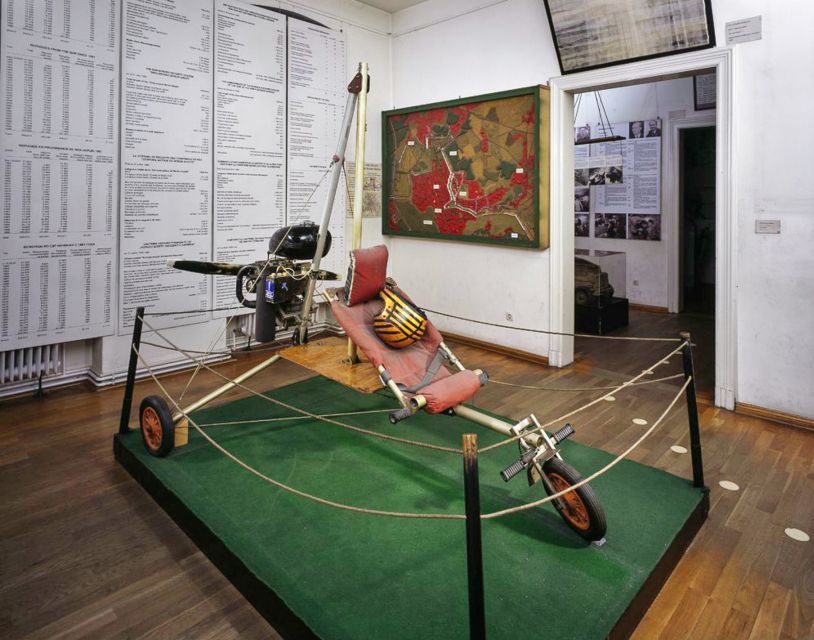
The most memorable exhibits are the objects connected with escape plans. A hot-air balloon immediately shows the scale of the problem. To leave East Germany, some people were willing to build an aircraft and rise over the border. A mini-submarine makes the same point from another direction, showing how escape planners searched for routes under water as well as over land.
Cars and aircraft add more detail to the story. These are not just symbols of freedom. They reflect practical attempts to hide people, cross borders, or move them out of reach of the East German authorities. The objects help you understand that escape was a technical problem as well as a political one.
The equipment is valuable because it cuts through abstraction. A paragraph about surveillance and border controls can feel remote. A vehicle modified for an escape forces you to picture the planning, fear, and physical limits involved. Some displays concern successful escapes, but the larger story remains sobering because success was never guaranteed.
The museum also preserves photographs, documents, and other objects connected with the Wall. You will need to read to understand how each item fits the story. The artifacts are the hooks, but the surrounding explanations provide the meaning.
Expect a large museum with a lot of reading
Do not judge the museum’s size from the street. Several people have found it much larger than expected, with enough material for two hours or more. One careful visit lasted nearly two and a half hours, and another account suggests you could spend most of a day if you want to absorb everything.
The displays are packed with information. You will find photographs, written panels, archival material, and explanations of the political situation in East Berlin and the wider Eastern Bloc. Many sections include translations into several languages, which makes the museum more useful if English is not your first language. The exact language coverage is not stated for every display, so you should expect some variation.
This format suits me when I want detail, but it will not suit everyone. Several sections depend on long passages of text. Some interactive features have not worked consistently, and the museum is not built around constant hands-on activity. Teenagers and visitors with limited time may lose patience, especially if they arrive expecting a quick stop.
I suggest setting aside a minimum of two hours. With less time, you can still see the major escape artifacts and get the main story, but you will have to skip much of the written material. If you have a fixed afternoon booking, do not assume this is a 45-minute attraction. The ticket is valid for one day, so a flexible schedule makes better sense.
The story moves from the Wall to wider human rights issues
The museum begins with the rise of the Wall and the political division of Berlin, but it does not stop at the Wall’s fall. The displays place the city within the wider Cold War and explain what life was like under Soviet influence and GDR rule.
You will encounter the political background needed to understand why the Wall was built and why leaving East Germany became so difficult. The museum also follows the protests and nonviolent movements that challenged repression. On the upper floor, displays focus on protests, peace, and the pursuit of human rights around the world.
That broader scope is useful, though it can also make the visit feel less tightly focused. Some of the material goes beyond Berlin and beyond the Wall itself. If you want only a compact museum about the physical barrier, you may find the international sections distracting. If you want to connect the Wall with wider struggles over freedom and state power, the extra material adds weight.
The museum also continues its archive into more recent times. It does not present the Wall as a problem that ended neatly in 1989. That approach encourages you to think about borders, repression, protest, and displacement as ongoing issues rather than sealed chapters in a textbook.
More Berlin Wall and Cold War Tours in Berlin:
- Berlin: Third Reich and Cold War 2 Hour Walking Tour
★ 4.9 · 6,830 reviews - Berlin’s Best: 2 Hour Walking Tour Third Reich and the Cold War
★ 5.0 · 5,486 reviews - Berlin: East Side Gallery Spree Cruise in a Solar Catamaran
★ 4.0 · 1,039 reviews - Cold War, Berlin Wall, Spies and the East Side Gallery
★ 5.0 · 1,024 reviews
Checkpoint Charlie gives the exhibits a real setting
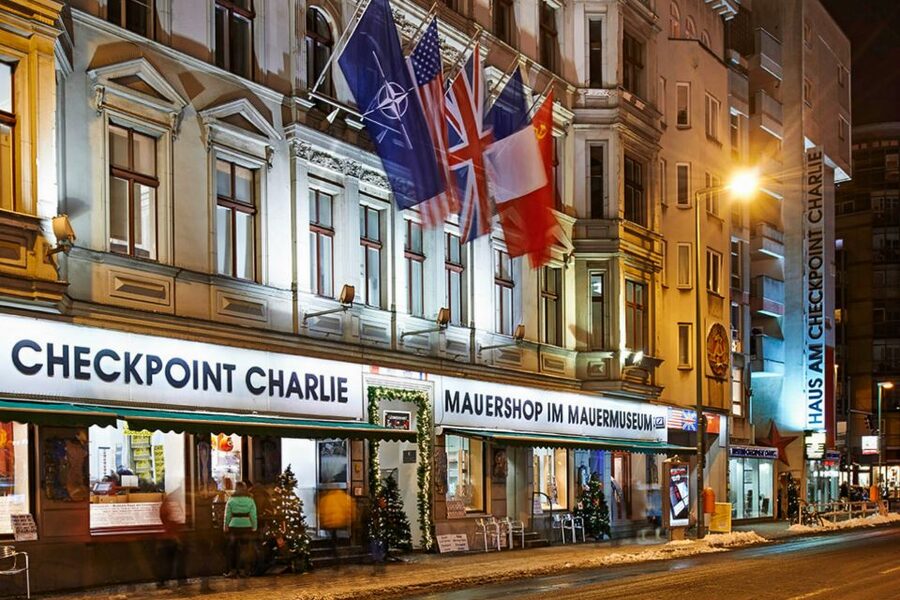
The location is a major part of the experience. The museum entrance at Friedrichstraße 43-45 is directly by Checkpoint Charlie, the former crossing point between the American and Soviet sectors of Berlin.
Before or after entering, look at the checkpoint area outside. The modern scene can feel noisy and touristy, but the position still helps you understand the geography of divided Berlin. The museum’s upper levels also provide a view toward Checkpoint Charlie, which connects the display material with the street below.
I recommend seeing the outside checkpoint first, then going indoors. That lets you form your own impression of the site before the museum fills in the history. Afterward, the familiar guardhouse and street crossing carry more meaning.
Finding the entrance may be less simple during building work or renovations. Keep the full address handy rather than relying only on the name Checkpoint Charlie. The site is in a central part of Berlin and is easy to reach from nearby hotels, but the museum’s entrance can be less obvious than the famous landmark outside suggests.
Why the skip-the-line ticket helps
The ticket costs $21 per person and includes admission with skip-the-ticket-line access. It does not include a guided tour or audioguide.
The value depends on how you use the museum. If you spend only 45 minutes inside, $21 feels high for an admission ticket. If you allow two to three hours and read the displays, the price becomes more reasonable, especially because the collection is larger than the exterior suggests.
Skipping the ticket line is most useful when the museum is busy or when you have a tight schedule. It saves uncertainty at the entrance, though it does not turn the visit into a timed guided experience. You still move through the displays at your own pace.
There is one practical price point to consider. Booking online may cost more than buying directly at the museum, according to one family who estimated an extra £3 to £4 per ticket. That added cost may be worthwhile if convenience and advance planning matter to you. For a larger family, compare the online price with the on-site price before paying.
Free cancellation up to 24 hours before the visit and reserve-now, pay-later booking add flexibility. The ticket is valid for one day, but you should check the available starting times when booking.
Do you need an audioguide or a human guide?
The ticket does not include either one. That is important because the museum contains a great deal of text and not every display will explain itself quickly.
Some people find the printed material sufficient, especially because many sections offer translations. Others may prefer spoken guidance to make the chronology easier to follow. The museum’s layout has been criticized as difficult to follow from entrance to exit, so an audio explanation could help you build a clearer sequence.
There are also comments about individual guides named Peter, Steve, and Louisa, but those comments do not establish that any of them are included with this admission ticket. Do not book this product expecting one of those guides. You are buying entry, not a guided visit.
If you want the most independent experience, go without an audioguide and choose your own pace. If you dislike reading long panels, look for a separate guided option rather than assuming one comes with the $21 ticket.
What the museum does especially well
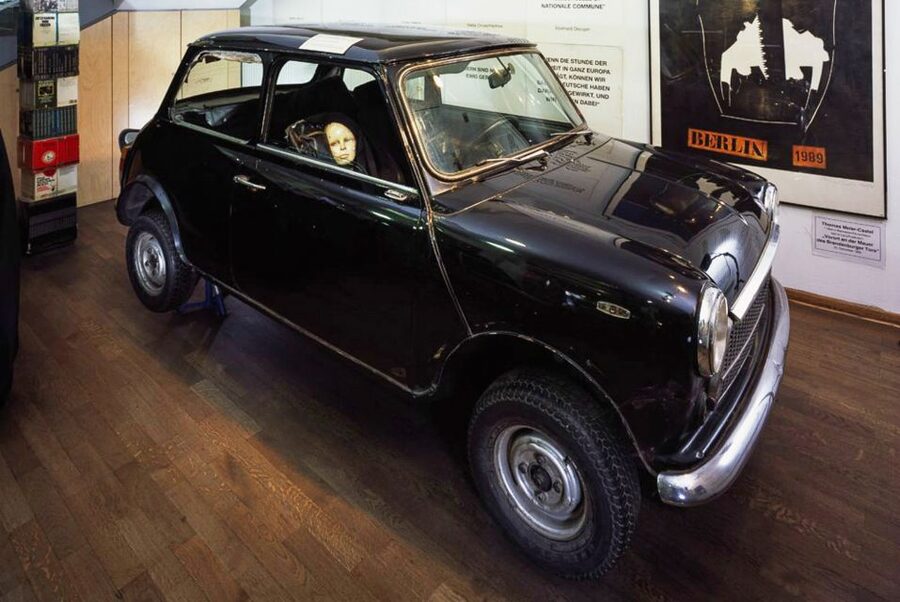
The strongest part of the visit is the human story. The museum shows how ordinary people confronted a powerful state with limited tools and enormous risk. Escape plans could involve balloons, cars, aircraft, or underwater craft, and each object gives you a different way to picture that struggle.
It also makes the Wall part of a wider story about rights. The museum was created to oppose the Wall, assisted escape efforts, and continued documenting events after the barrier fell. That gives the visit moral force without requiring you to treat the site as a simple monument.
The written information is another strength if you have the patience for it. You can learn about the political background, daily life in divided Berlin, escape attempts, protests, and international conflicts in one place. Many displays are available in multiple languages, which makes the museum accessible to a broad audience.
Finally, the museum has genuine local relevance. You are standing by the checkpoint while reading about the people who tried to cross the border. That link between place and subject is hard to reproduce in a museum far from Berlin.
Where the museum could be better
The museum’s size can work against it. There is so much material that the main path is not always obvious. You may find yourself moving between sections without a clear sense of chronology.
The displays are also reading-heavy. Some interactive elements may not be working, and several areas rely on walls covered with text. Visitors who want polished, modern presentation may find parts of the museum dated or in need of a redesign.
The subject matter can feel broad. The Wall and escape stories are the core, but the museum also covers later events, international conflicts, peace movements, and current human rights concerns. I appreciate the wider purpose, yet you may prefer a more tightly edited account.
Photography rules may also affect your visit. At least one admission holder was disappointed at not being allowed to take pictures. Because policies can change, check the current rules at the entrance and do not assume you can photograph every display.
A deposit may be needed for a locker if you bring a bag. One earlier visit noted a €2 coin deposit, so carrying a coin is sensible, though current arrangements may differ.
Who should book this museum?
I would choose this museum if you want the political story behind Berlin’s Cold War landmarks, not just a quick photograph at Checkpoint Charlie. It is especially good for adults, history students, and anyone interested in state control, escape attempts, protest, or human rights.
It also suits visitors who like to read and study at their own pace. You can stay for a short overview or remain for several hours. That flexibility is useful on a rainy day or when you want a serious indoor stop in central Berlin.
Families should think about the ages and patience of their children. The exhibits are not built around constant interaction, and the amount of reading may overwhelm younger visitors. Older children with an interest in history may connect strongly with the escape machines, but a parent should be ready to summarize the story.
This is not the best pick if you have only 30 minutes, want a polished modern museum, or need a guide to explain the sequence. In that case, a separate guided experience may serve you better.
Practical plan for a better visit
Use the following approach:
- Set aside two hours at minimum, with three hours preferred.
- Visit the outdoor Checkpoint Charlie area before entering.
- Start by getting an overview of the Wall and GDR background before focusing on the escape equipment.
- Read the labels around the hot-air balloon, mini-submarine, cars, and aircraft carefully.
- Save the upper floor for the sections on protests, peace, and human rights.
- Bring a coin for a possible locker deposit.
- Check the photography rules at the entrance.
- Compare the convenience of online booking with the possible extra cost for a larger group.
The museum rewards patience. If you rush from object to object, you will see the unusual machines but miss the reasons they matter. If you read everything in order, the amount of material can become tiring. A planned middle ground works best: take in the major displays, choose the stories that interest you most, and accept that no single visit needs to cover every panel.
Should you book the Berlin Wall Museum?
Yes, if you want a serious, detailed look at the Berlin Wall and the people who tried to escape it. The original escape artifacts, the museum’s early role in opposing the Wall, and its position beside Checkpoint Charlie make this more than a standard city attraction.
Book it if you can give it at least two hours and do not mind reading. Skip it, or choose a guided alternative, if you need a fast, highly interactive visit. At $21, it offers fair value for a long and information-packed stop, but the benefit comes from taking your time, not from simply walking through the doors.
FAQ
Where is the Berlin Wall Museum located?
The museum is at Friedrichstraße 43-45, 10969 Berlin, directly by Checkpoint Charlie.
What does the $21 ticket include?
The price includes entrance to the Berlin Wall Museum and skip-the-ticket-line access.
Is a guided tour included?
No. A guided tour is not included with this ticket.
Is an audioguide included?
No. The audioguide is not included. The museum has written displays, with translations available for many sections.
How long should I spend at the museum?
Plan for at least two hours. You could spend around two and a half hours or much longer if you read most of the material.
Is the museum wheelchair accessible?
Yes, the activity is listed as wheelchair accessible.
More Skip-the-Line Entries in Berlin
- Berlin: Panoramapunkt Skip-the-Line Elevator Ticket
★ 4.4 · 1,219 reviews - Skip-the-line Berlin Cathedral and Old Town Private Tour
★ 4.7 · 4 reviews - Hamburg: Hard Rock Cafe Skip-the-Line Meal
★ 4.0 · 945 reviews - Neuschwanstein Castle Tour with Skip the Line from Hohenschwangau
★ 5.0 · 323 reviews
Just added in Berlin
- Berlin & The Third Reich Private Guided Tour★ 5.0 · 3 reviews
- Third Reich Quest Experience in Berlin★ 4.5 · 7 reviews
- Private Analogue Photography Experience in Berlin★ 5.0 · 3 reviews
- Berlin Urbex Adventure and History Tour★ 5.0 · 9 reviews
- The Beauty of Berlin by Bike: Private Tour★ 5.0 · 59 reviews
- Berlin: Guided Bike tour of the Berlin Wall and Third Reich★ 5.0 · 160 reviews
- Beyond Currywurst: Berlin’s Hidden Street Food & Culture Tour★ 5.0 · 100 reviews
- Berlin Third Reich & Cold War Walking Tour With A Guide★ 5.0 · 7 reviews
Berlin Wall and Cold War Tours, compared.

Berlin’s Best: 2 Hour Walking Tour Third Reich and the Cold War
Read our review →
East Side Gallery Spree Cruise in a Solar Catamaran
Read our review →
Cold War, Berlin Wall, Spies and the East Side Gallery
Read our review →
Guided Bike Tour of the Berlin Wall and Third Reich
Read our review →
Browse the lists this tour appears in