
Reviewed · THIRD REICH TOURS
Munich: Nazi History 2-Hour Small Group Walking Tour
Munich’s Nazi past is not tucked away in a distant museum. It is written into the city center, where Hitler first built political support, the Nazi Party held meetings, and major rallies took place. This two-hour walking tour connects those sites with clear historical explanation from English-speaking guide Alun Evans.
I like the small-group format, which gives you room to ask questions rather than simply follow a flag through town. I also like the route’s mix of famous places and difficult history, especially Hofbräuhaus and the site of the failed Beer Hall Putsch. The main drawback is the short length: serious history fans may wish for more time.
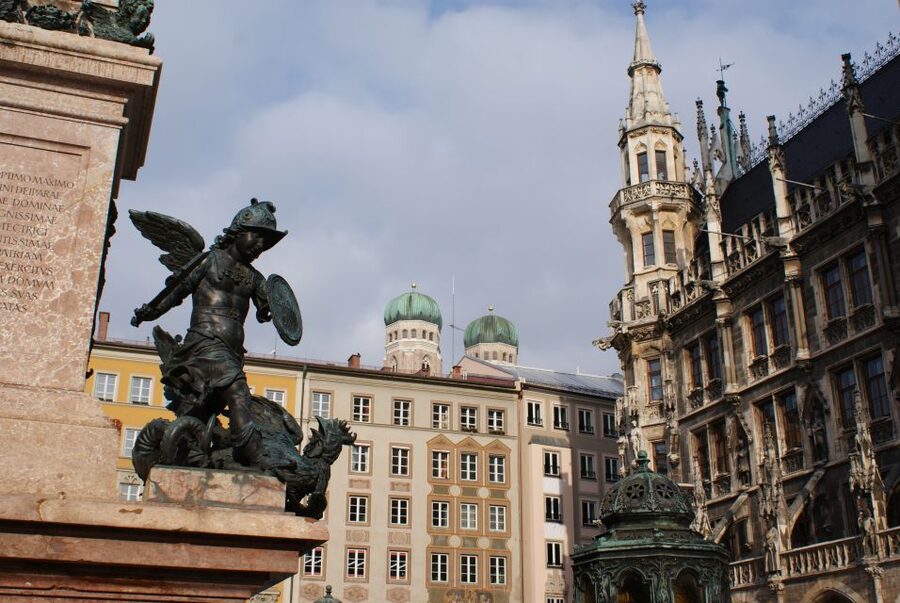
- Meet at Marienplatz: Begin in Munich’s central square, with the guide holding a sign for easy recognition.
- Follow Hitler’s Munich story: Learn how he arrived in the city in 1913 as a young man with no clear prospects.
- Enter Hofbräuhaus: Hear how the beer hall became a meeting place for the Nazi Party and a setting for Hitler’s speeches.
- See Odeonsplatz: Connect the square, Bavarian State Opera, and Residenz area with the political events of the period.
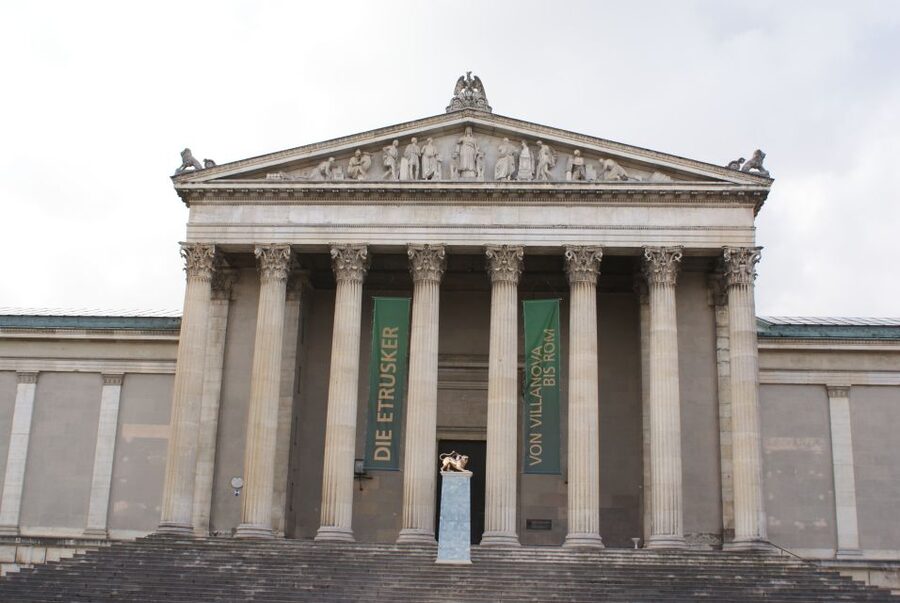
- Reach Nazi rally ground: The walk takes in Königsplatz, one of the most important Nazi ceremonial sites in Munich.
- Ask questions in a small group: The tour is listed as limited to 10 participants, although the highlights also mention a maximum of 15.
Why Munich is the right place for this history walk
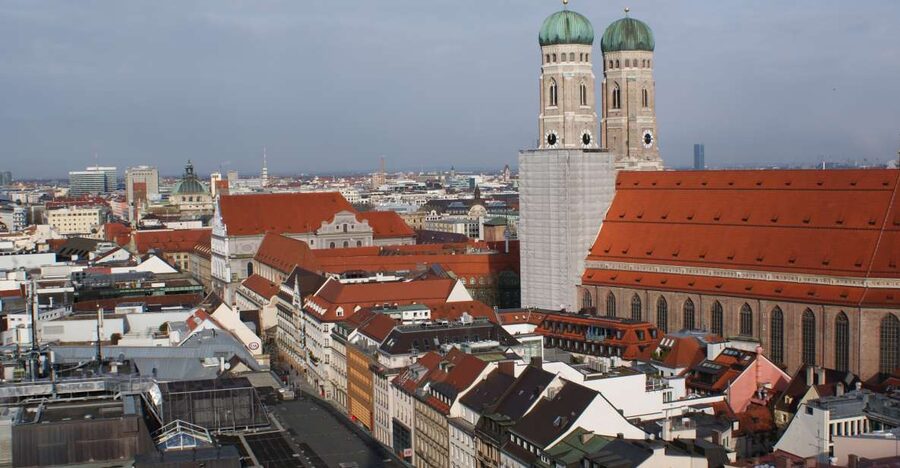
Munich was not merely a backdrop to Nazi history. It was one of the movement’s main centers, and the city’s streets help explain how a fringe political group gained influence.
Hitler arrived in Munich in 1913, aged 24, without a settled career or clear future. After the First World War, he became involved in German politics and began building a following in the city. The tour uses familiar central landmarks to show how that story developed in real places you can still see today.
That setting gives the walk its value. You are not only hearing dates and names in a classroom. You are standing in squares, outside major buildings, and near a beer hall where political speeches helped shape a dangerous movement.
The subject is grim, and the tour does not treat it as entertainment. At its best, the route helps you understand how public spaces, political anger, organized propaganda, and charismatic speaking worked together. It also gives you a chance to consider how ordinary city life can exist alongside events of terrible consequence.
Starting at Marienplatz
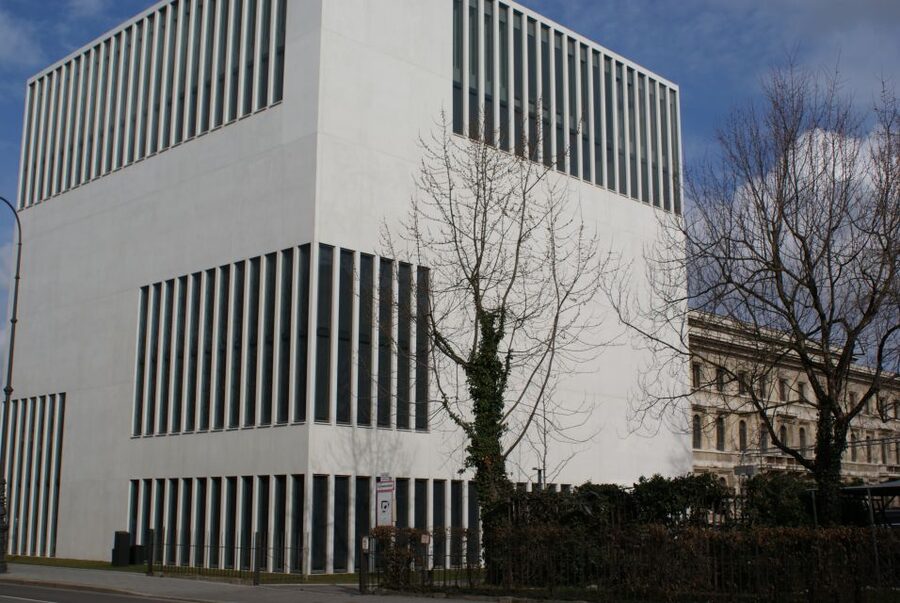
The tour begins in front of the Tourist Information Center at Marienplatz. This is a practical meeting point in the heart of Munich, and it is easy to identify because the guide carries a sign with the local operator’s name.
Marienplatz is one of Munich’s busiest central spaces, so arrive with enough time to find the Tourist Information Center. The location is also useful if you are fitting the tour into a larger day of sightseeing. You can reach the meeting point from other parts of central Munich without arranging hotel transport, since pickup is not included.
The opening portion lasts about 30 minutes and sets the political scene. You will hear how Munich became tied to the rise of the Nazi Party and how Hitler’s arrival in 1913 fits into the larger story.
This beginning matters because it avoids treating the Nazi period as an isolated episode. The guide links the city’s political life, public spaces, and later events so you can follow the progression rather than memorize disconnected stops.
More History Tours in Munich
- Munich: Guided Tour of the historic Town Hall on Marienplatz
★ 4.8 · 63 reviews - Munich Craft Beer & Cultural Tour With Snack
★ 5.0 · 46 reviews - Munich History Tour: Private & Personalized with a Local Guide
★ 4.5 · 33 reviews
Hofbräuhaus and the power of political speeches
Hofbräuhaus is one of Munich’s best-known beer halls, and its connection to Nazi history makes it a complicated stop. The tour spends about 10 minutes here, explaining how the Nazi Party met in the hall and how Hitler gave speeches there.
For many people, this is the point where the history feels especially immediate. Hofbräuhaus is still associated with Munich’s traditional beer culture, yet the same setting was used for political organizing and speeches that helped the Nazi movement gain attention.
The stop is brief, so you should not expect a long indoor visit or a full meal break. Refreshments are not included, and this is a guided history stop rather than a beer-hall tasting experience. If you want to eat or have a drink, plan that separately before or after the walk.
I like this part of the route because it shows how political movements can use ordinary social spaces. The story is not confined to government offices or military buildings. It also unfolded in places where people gathered, drank, listened, and formed opinions.
Odeonsplatz, the Bavarian State Opera, and the Residenz
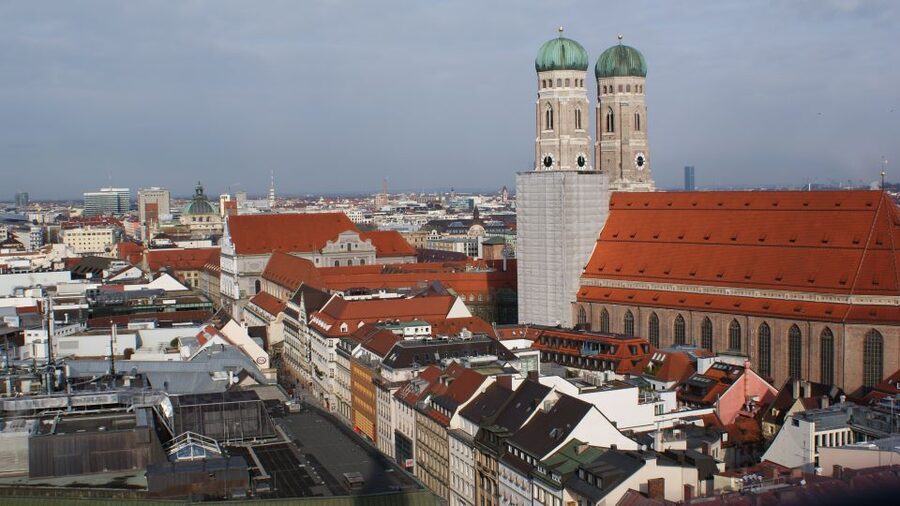
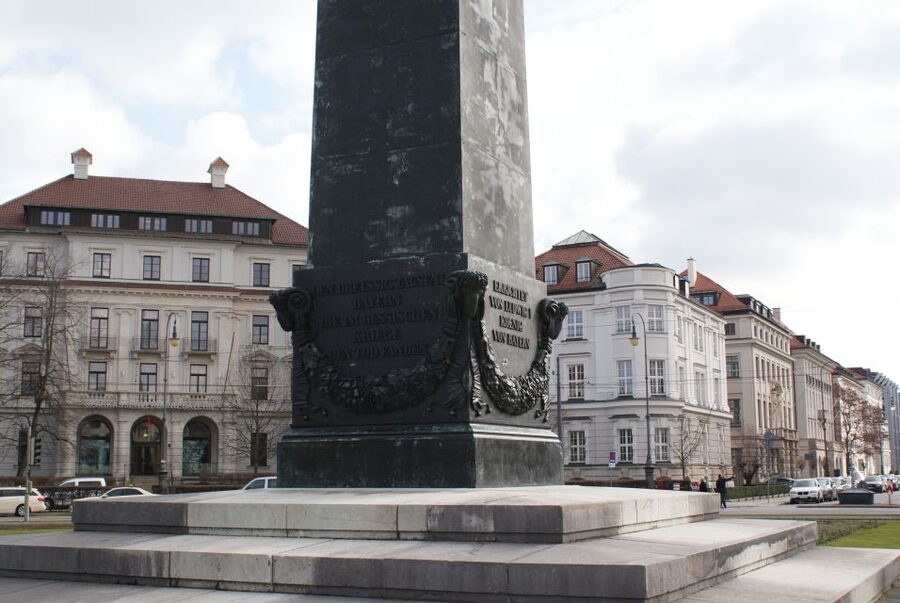
The route continues to Odeonsplatz, where the guide spends about 15 minutes explaining the importance of the area. You will also see the Bavarian State Opera and the Residenz building, giving this part of the walk a wider civic and cultural setting.
Odeonsplatz is linked to the failed Beer Hall Putsch of 1923. The attempted takeover was an important turning point in Hitler’s rise. Although the coup failed, the event helped bring him national attention and became part of the mythology the Nazi movement later used for political effect.
This is a useful stop for understanding the difference between an immediate defeat and a long-term political gain. A failed uprising might have ended Hitler’s career, but instead the movement used the event as a story of sacrifice and struggle.
The area also shows how Nazi politics intersected with Munich’s established institutions. The opera and Residenz represent the city’s older cultural and political identity, while the events discussed here reveal the pressure placed on that civic order.
You will be walking outdoors for the whole experience, so weather matters. The tour operates in all conditions. Wear shoes suitable for two hours on city streets and bring protection from rain, snow, cold, or strong sun.
Königsplatz and the Nazi rally grounds
Königsplatz is the strongest closing point described for the route. The Nazis used the square for rallies and ceremonial events, making it one of the clearest places to discuss how architecture and public space were turned into political tools.
Large gatherings were not simply meetings. They were carefully staged displays of power, designed to create a sense of unity and obedience. Seeing the square in person helps you understand the scale and public character of that messaging.
The published route information is slightly unclear about the final arrangement. The tour description says the walk ends at Königsplatz, while the itinerary lists a return to Marienplatz and notes that you can request to walk back there with the guide. Ask Alun at the start where your particular departure will finish, especially if you have a train, reservation, or another tour soon afterward.
That small uncertainty is worth noting, but it should not overshadow the route itself. Königsplatz provides a strong final lesson because it brings together the main themes of the walk: public ceremony, political theater, historical memory, and the way a city can be used to project authority.
More Third Reich Tours in Munich
- Munich: Third Reich & WWII Walking Tour
★ 4.6 · 6,181 reviews - Third Reich Walking Tour Munich
★ 4.5 · 4,291 reviews - Munich: Birthplace of the Third Reich Guided Walking Tour
★ 4.6 · 771 reviews - Munich City Walking Tour, includes Third Reich & Viktualienmarkt
★ 5.0 · 458 reviews
What Alun Evans adds to the experience
The guide can make or break a tour about such a difficult subject. The feedback about Alun Evans is consistently warm, with special praise for his calm manner, clear delivery, patience, and ability to engage a group.
That balance is important. A guide discussing Nazi history needs to be accurate and serious without turning the tour into a dry list of dates. Alun is described as bringing facts, stories, and context together in a way that works for both dedicated history fans and people with only a basic understanding of the period.
One particularly useful detail is the response to difficult weather. On one winter tour, heavy snow and severe cold made the walking conditions tough, but the group still found the explanations engaging enough to make the effort worthwhile. That tells you something practical: the guide remains committed to the subject, but you still need to dress properly.
History fans may appreciate the chance to ask detailed questions. At the same time, the tour is not presented as a specialist lecture. The clear, measured approach suits couples, families with older children, and anyone who wants more context than a standard sightseeing walk provides.
Small groups and the value of two hours
The tour is promoted as a small-group experience. The detailed activity information lists a limit of 10 participants, while the highlights mention a maximum of 15. Either way, this is much more personal than a large group moving through central Munich.
A small group makes it easier to hear the guide in busy public areas and gives you a better chance to ask questions. It also helps the route feel less like a formal procession. One booking even became a private tour because of the small number of participants, though you should not assume that will happen on your date.
Two hours is a sensible length for a first look at Munich’s Nazi past. You get a focused route without giving up an entire day of sightseeing. The drawback is that the time passes quickly. The route can introduce the main locations and events, but it cannot explain every political development, wartime decision, or postwar issue in detail.
If you already have a strong interest in the Third Reich, you may want a longer museum visit afterward. If you are new to the subject, this walk gives you a useful framework for understanding what you see elsewhere in Munich.
Is $58 a fair price?
At $58 per person, the tour costs more than a casual self-guided walk but includes a live English-speaking guide and a carefully chosen route through several important locations. The real value depends on how much context you want.
You are paying for interpretation, not admission tickets or refreshments. There is no hotel pickup, and transportation is not part of the experience because the route takes place on foot in central Munich. That keeps the format simple, but it also means you need to get yourself to Marienplatz.
For someone who has read about Hitler, the Beer Hall Putsch, or Munich’s role in the Nazi movement, a skilled guide can connect the details in a way that a map or guidebook cannot. For a casual sightseer, the price may feel high if you mainly want to see the buildings without a long historical discussion.
I consider it a reasonable price for a small, guided tour with a strong subject focus. The value is best if you listen actively, ask questions, and use the walk as a starting point for further visits.
Who should take this Munich walking tour?
I would choose this tour if you want to understand how Munich became a center of Nazi power rather than simply see the city’s famous architecture. It is especially suitable for:
- People with a serious interest in modern European history
- First-time visitors who want a darker, more thoughtful side of Munich
- Couples and families who prefer a small group
- Anyone who values a guide-led explanation over reading plaques alone
- Visitors with only two hours available for a history-focused activity
It may not suit you if you want a relaxed city walk with little discussion of politics or violence. The subject is heavy, and the tour requires sustained attention while walking outdoors in all weather.
You should also allow extra time if you want to return to Marienplatz with the guide or continue to a museum afterward. The stated duration is two hours, but your total schedule should include time for getting to the meeting point and moving on after the final stop.
Practical advice before you go
Meet in front of the Tourist Information Center at Marienplatz. Look for the guide holding a sign with the local tour operator’s name.
Wear comfortable walking shoes and dress for the forecast. The tour runs in rain, snow, and cold weather, so do not treat it as a fair-weather activity.
There are no refreshments included. Eat beforehand if needed, or plan a separate stop after the tour. Hofbräuhaus is discussed for its historical role, but the experience is not sold as a food or beer tasting.
The tour is conducted in English, and cancellation is free up to 24 hours before departure. You can also reserve now and pay later, which helps if your Munich plans are still changing.
Should you book it?
Book this tour if you want a clear, human explanation of Munich’s Nazi past in the places where it unfolded. Alun Evans is the main reason to expect a strong experience: his calm, engaging style appears well suited to a subject that requires both accuracy and care.
The route is short, the walking is outdoors, and the final meeting point needs clarification because the route details mention both Königsplatz and Marienplatz. Still, the combination of Marienplatz, Hofbräuhaus, Odeonsplatz, the Beer Hall Putsch site, and Königsplatz gives you a solid introduction in two hours.
I would especially recommend it early in your Munich stay. It can change how you see the city for the rest of your visit, giving familiar squares and buildings a more serious historical meaning.
FAQ
Where does the tour begin?
The tour begins in front of the Tourist Information Center at Marienplatz in central Munich.
Where does the tour end?
The route description identifies Königsplatz as the final historical stop, while the itinerary also lists a return to Marienplatz. You can request to walk back to Marienplatz with the guide, so confirm the ending point at the start.
How long does the tour last?
The walking tour lasts two hours.
What language is the tour conducted in?
The tour is conducted in English by a live, English-speaking guide.
Who leads the tour?
The experience provider is Alun Evans Personal Tour Guiding Munich, and Alun Evans is identified as the guide.
How large is the group?
The activity information lists a small group limited to 10 participants. The highlights also mention a maximum of 15, so the exact limit may vary by departure.
Does the tour include hotel pickup?
No. Hotel pickup is not included. You meet the guide at the fixed meeting point on Marienplatz.
Does the tour include food or drinks?
No. Refreshments are not included.
What happens if the weather is bad?
The tour operates in all weather conditions. Dress suitably for rain, snow, cold, or other outdoor conditions.
More 2-Hour Experiences in Munich
- Discover Munich 2-Hour Small Group Walking Tour
★ 4.6 · 491 reviews - Exploring Munich by Pedicab: Premium Two Hour Tour
★ 5.0 · 10 reviews - Private transfer: Vilshofen to Munich with 2h sightseeing stop
★ 5.0 · 6 reviews - 2 Hours Munich: VIP Private Segway Tour
★ 4.9 · 5 reviews
More Walking Tours in Munich
- Munich: Night Watchman Walking Tour
★ 4.7 · 2,092 reviews - Munich Ghosts and Spirits Evening Walking Tour
★ 5.0 · 1,900 reviews - Munich Old Town Walking Tour
★ 4.5 · 1,287 reviews - Munich: Walking Tour Old Town and Viktualienmarkt
★ 4.7 · 839 reviews
Just added in Munich
- Private transfer: Vilshofen to Munich with 2h sightseeing stop★ 5.0 · 6 reviews
- Pub crawl incl. Oktoberfest museum guided tour with beer tasting (private)★ 5.0 · 5 reviews
- South Tyrolean specialties and wine tasting★ 5.0 · 5 reviews
- Size Matters Beer Tour Munich★ 4.6 · 105 reviews
- Short & sweet: Tasting the Viktualienmarkt★ 4.8 · 37 reviews
- Secret Food Tours Munich★ 4.8 · 5 reviews
- Munich: Romantic Wine Experience for Two at Viktualienmarkt★ 4.2 · 14 reviews
- Munich: Resistance against Hitler – Historical Walking Tour★ 5.0 · 5 reviews
Third Reich Tours, compared.

Berlin’s Best: 2 Hour Walking Tour Third Reich and the Cold War
Read our review →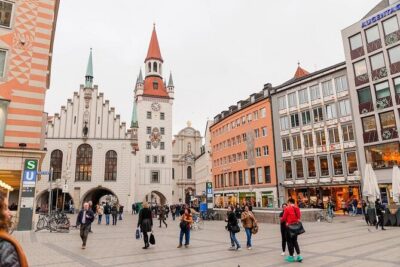
Third Reich Berlin: Hitler and WWII Walking Tour
Read our review →
Walking Tour of Former Nazi Party Rally Grounds
Read our review →
Berlin Third Reich Sites: Half-Day Walking Tour
Read our review →Browse the lists this tour appears in