
Reviewed · WINE TOURS
South Tyrolean specialties and wine tasting
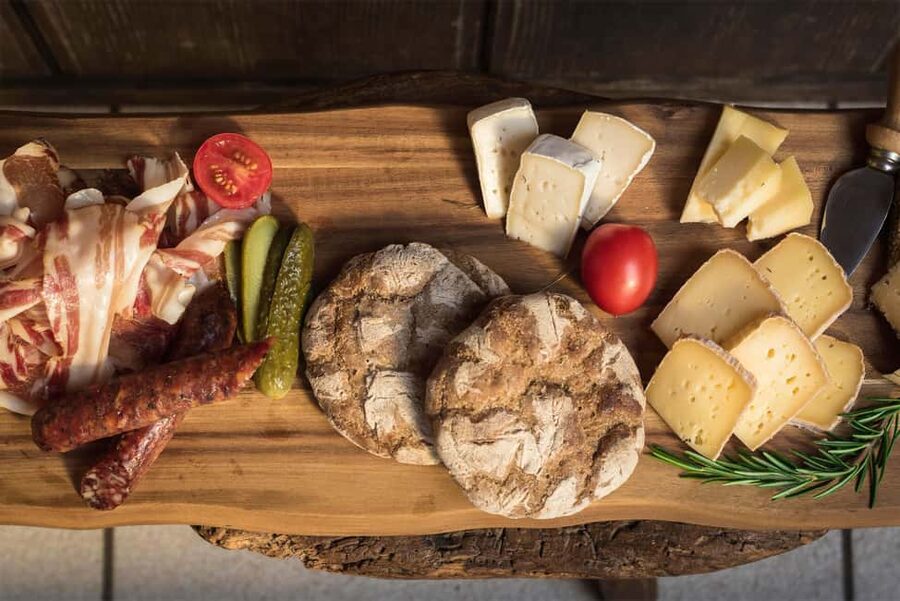
South Tyrolean wine meets a generous plate of bacon, cheese, Kaminwurzen, and Schüttelbrot at Aunt Alma’s tasting in Bavaria. The 1.5-hour event focuses on the region’s signature grapes, including Gewürztraminer, Pinot Blanc, Lagrein, and Vernatsch. The food is part of the experience, not an extra charge.
I like the small group of no more than 10 people, which should make it easier to ask questions and settle into the comfortable setting. I also like the choice of a rosé or an optional red in the middle pour. The main thing to consider is that this is strictly for adults, and the tasting is held in German, Italian, and English, so language comfort may affect how much you get from the explanations.
Key points
- Three wine pours: Expect one white, one rosé or optional red, and one red wine.
- Classic Marende included: Bacon, cheese, Kaminwurzen, and Schüttelbrot accompany the tasting.
- South Tyrolean grapes: Gewürztraminer, Pinot Blanc, Lagrein, and Vernatsch represent the region’s wine styles.
- Small-group format: The experience is limited to 10 participants.
- Easy, central format: The tasting starts and ends at Aunt Alma, with no transport required.
- Flexible booking: You can cancel up to 24 hours ahead for a full refund and reserve without paying immediately.
A South Tyrolean tasting in the heart of Bavaria
This experience brings the food and wine traditions of South Tyrol to Aunt Alma’s specialty shop in Bavaria. You are not being sent from one stop to another. You arrive at the stated meeting point, settle in, taste several wines, enjoy a traditional snack, and finish where you began.
That simple format is part of the appeal. A wine tasting works best when you are not watching the clock for a bus or trying to find the next address. The 1.5-hour length gives the event a clear shape without taking up an entire evening.
South Tyrol sits in the Alps and is known for wines shaped by mountain conditions and mineral-rich soils. You will taste wines that reflect that setting, but the useful point is not just the scenery behind the bottle. Each grape offers a different way into the region’s wine culture, from aromatic white wine to structured red.
The host team speaks German, Italian, and English. That is helpful in an area where several cultural traditions meet, and it gives you a fair chance to follow the explanations even if German is not your first language.
More Wine Tours in Munich:
- Original Munich Christmas Market Tour with Festive Wine and Food
★ 5.0 · 85 reviews - Munich: Romantic Wine Experience for Two at Viktualienmarkt
★ 4.2 · 14 reviews - Trier: Guided City Walk with Wine Tasting
★ 4.8 · 979 reviews
Three pours with room for different tastes
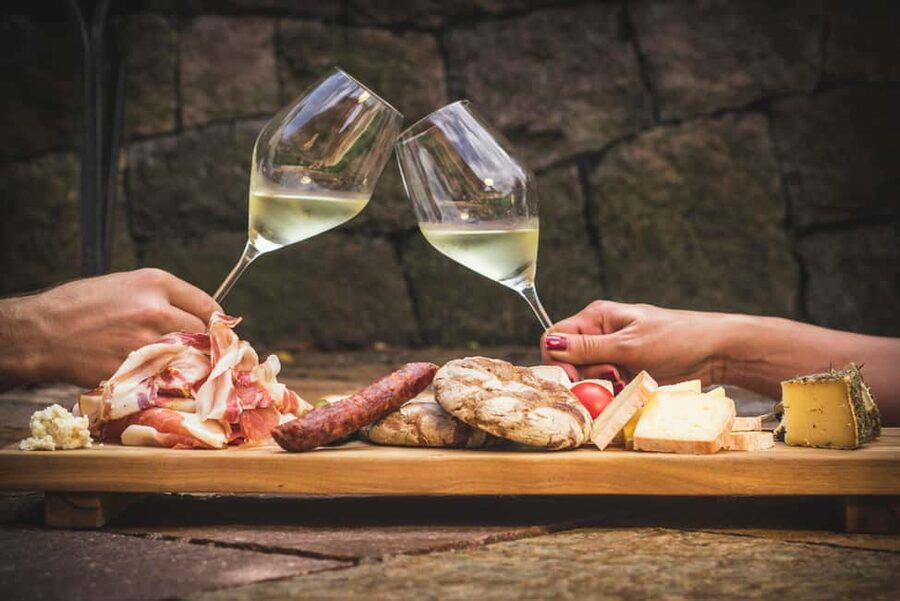
The tasting includes one white wine, one rosé or an optional red, and one red wine. The exact labels are not specified, so you should think of this as a guided introduction to South Tyrolean styles rather than a promised tasting of particular vintages or producers.
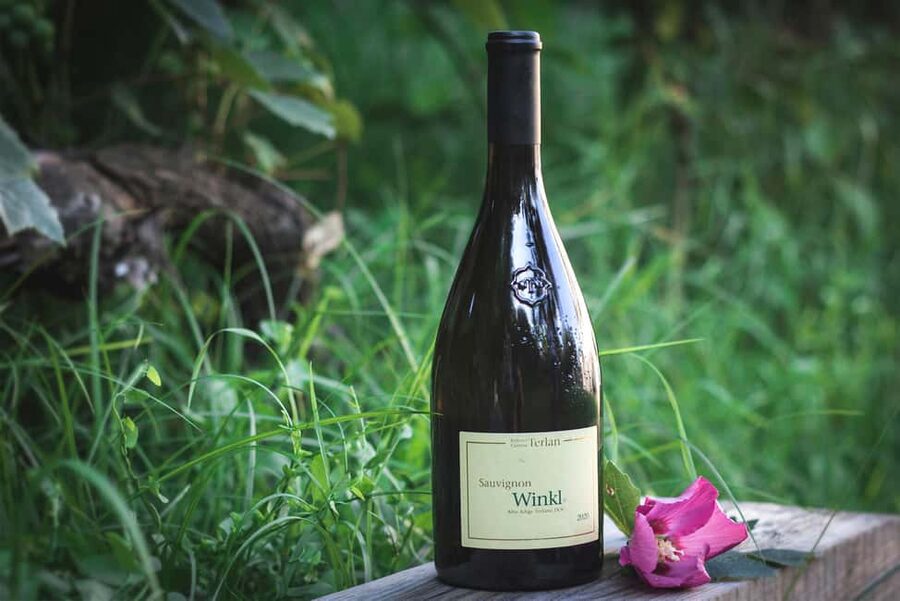
The white portion may feature Gewürztraminer or Pinot Blanc, two grapes associated with the region. Gewürztraminer is known for its aromatic character, while Pinot Blanc offers a more restrained white wine style. If you usually reach for white wine, this opening pour should give you a useful comparison between expressive fragrance and cleaner, gentler flavors.
The middle pour is flexible. You can choose a rosé, or take an optional red instead. That choice matters because it lets you shape the tasting around your own preferences. Rosé can offer a lighter bridge from white to red, while the second red gives you more time with South Tyrol’s darker grape styles.
The red pour may include Lagrein or Vernatsch. Lagrein is associated with fuller, darker red wine, while Vernatsch is a lighter local style. You do not need to arrive with a technical vocabulary. A good way to approach the tasting is to notice which wine you would actually order with a meal.
The selection of grapes is one of the strongest parts of the plan. You are not simply handed three unrelated glasses. The wines introduce the main range described for South Tyrol, from fragrant whites to elegant reds.
Why the Marende matters
Wine without food can make a short tasting feel formal. Aunt Alma pairs the pours with a South Tyrolean Marende, a traditional snack built around bacon, cheese, Kaminwurzen, and Schüttelbrot.
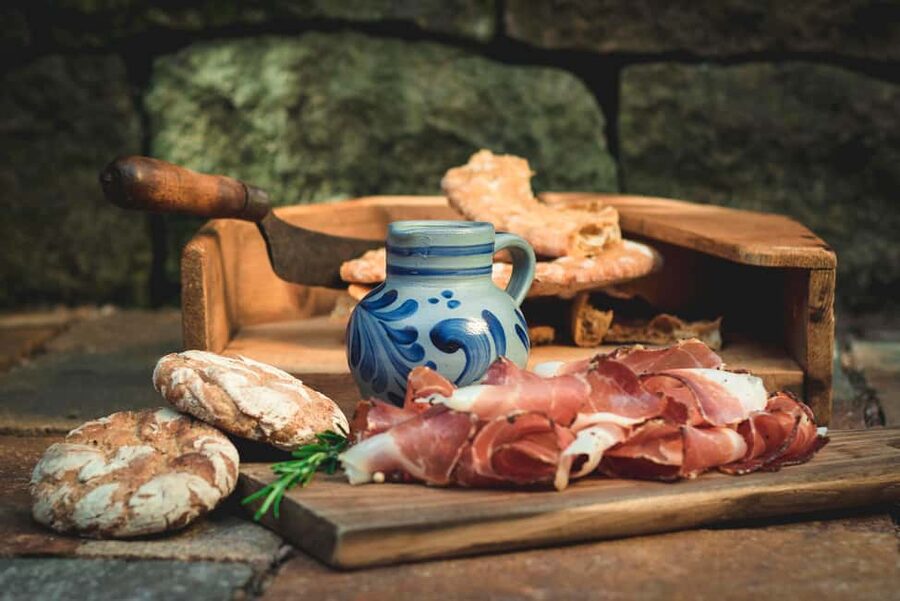
A Marende is a practical Alpine meal rather than a decorative nibble. The combination gives you salty, smoky, savory, and crisp elements to try with the wines. Bacon and cheese can soften the impression of a red wine, while Kaminwurzen adds another hearty, smoked-meat note. Schüttelbrot, a crisp South Tyrolean flatbread, gives the plate some crunch.
The food is included in the $44 price, which improves the value. You are paying for three pours, the guided setting, and enough food to make the tasting feel like an evening snack rather than three samples on an empty stomach.
The menu is not designed for every diet. The listed Marende centers on meat, dairy, and bread, and no alternative menu is specified. If you need a vegetarian, vegan, gluten-free, or other special option, ask Aunt Alma before booking rather than assuming a substitute will be available.
Soft drinks, extra snacks, and a small selection of additional South Tyrolean specialties are available to order and pay for on site. Those extras are optional, so you can keep the price close to the advertised rate or add more if the setting turns into a longer visit.
What the 1.5-hour schedule feels like
The tasting is short enough to fit neatly into a Bavaria sightseeing day. You will not need to build a whole afternoon around it, but you should still allow time to arrive at Aunt Alma before the scheduled start.
The event begins at Aunt Alma, South Tyrolean specialties. From there, the experience follows a natural sequence: welcome, wine tasting, snack service, and a return to the same meeting point. The precise order of the pours and food service is not specified, so you should expect a relaxed tasting rather than a timed performance.
A 1.5-hour duration is a good match for three wines. It gives you time to taste each one and compare notes, while keeping the event manageable for people who have evening plans. It may feel brief if you want a long technical lesson on vineyards, fermentation, or individual producers.
That limitation is worth understanding before you book. This is a friendly introduction with food, not a full-day winery visit or an advanced certification class. The appeal is its easy pace and local specialty focus.
A few more half-days in Munich worth comparing
- Munich: Third Reich & WWII Walking Tour
★ 4.6 · 6,181 reviews - Dachau Concentration Camp Memorial Site Tour from Munich by Train
★ 4.5 · 5,637 reviews - Third Reich Walking Tour Munich
★ 4.5 · 4,291 reviews - Munich Hop-On Hop-Off Tour: 1-Day or 2-Day Ticket
★ 4.3 · 4,161 reviews
A small group changes the experience
The group is limited to 10 participants. That is small enough for a more personal atmosphere than a large tasting room, where you may spend much of the time listening from the back.
A small group also makes questions more practical. You can ask about Gewürztraminer, Lagrein, the Marende, or the differences between the wines without turning the event into a formal lecture. If the host asks what you prefer, your answer can shape the conversation.
The setting is described as comfortable, and the strongest praise centers on the mix of good wine, a pleasant atmosphere, and a friendly hostess. That combination matters. Wine tasting is partly about what is in the glass, but also about whether you feel at ease enough to take your time and compare.
There is no named individual host in the available details, so you should book this for the experience and provider rather than expecting a specific guide. The provider is Tante Alma, also presented as Aunt Alma, South Tyrolean specialties.
The value of $44 per person
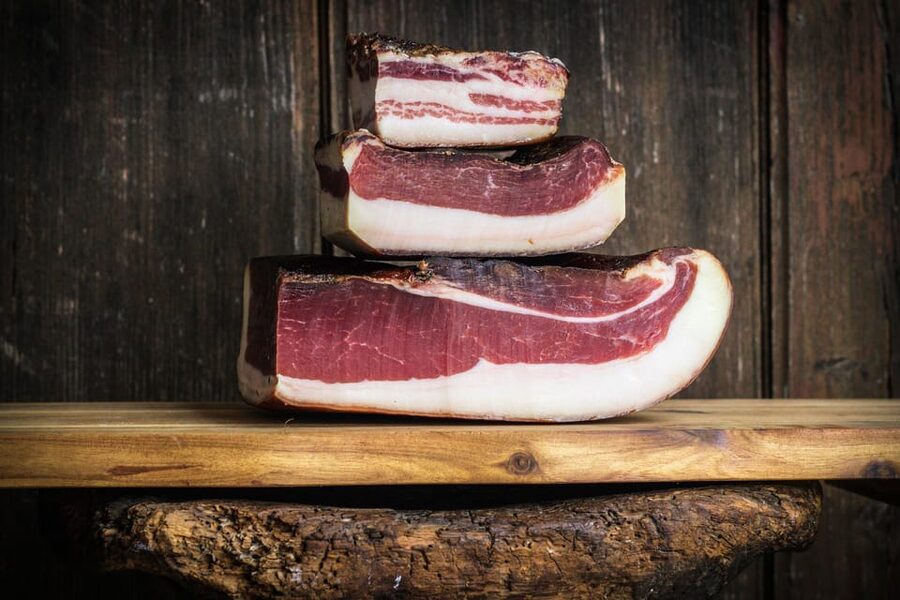
At $44 per person, this is not the cheapest way to drink wine, but it is a fair price for a hosted tasting with three pours and a substantial traditional snack. The included bacon, cheese, Kaminwurzen, and Schüttelbrot help distinguish it from a simple bar flight.
The value is strongest if you want a compact cultural experience. You get regional food, regional wine, explanations in one of three languages, and a small-group setting in one booking. You also avoid paying separately for a meal-sized snack during the tasting.
The value is weaker if you are mainly looking for a large number of wines or detailed producer comparisons. Only three pours are included, and the exact wineries and labels are not listed. The event promises wines from South Tyrol’s best wineries, but you should not assume a specific estate or vintage until you arrive.
Extra specialties and soft drinks cost more. That is normal for this type of shop-based tasting, but keep it in mind if you are trying to hold firmly to the $44 price.
Who will enjoy this tasting most
I would recommend this experience to adults who enjoy trying regional food with wine and want a straightforward evening activity. It suits couples, friends, and solo visitors who prefer a small group to a crowded tour.
It is also a good choice if South Tyrol is on your itinerary but you are not traveling into the region itself. The tasting gives you a compact introduction to its grape varieties and food traditions while you are based in Bavaria.
The event may suit wine beginners especially well. Gewürztraminer, Pinot Blanc, Lagrein, and Vernatsch provide clear points of comparison, and the food gives you something concrete to taste alongside each pour. You do not have to know how to describe tannins or acidity to enjoy the session.
Experienced wine drinkers may appreciate the regional focus, but they should keep their expectations realistic. With only three included pours and no listed producer or vintage information, this is more about discovering South Tyrolean styles than conducting a serious technical assessment.
Children under 18 are not permitted. That makes the adult-only policy clear, and it also means the atmosphere can remain focused on wine and conversation.
Language, access, and booking flexibility
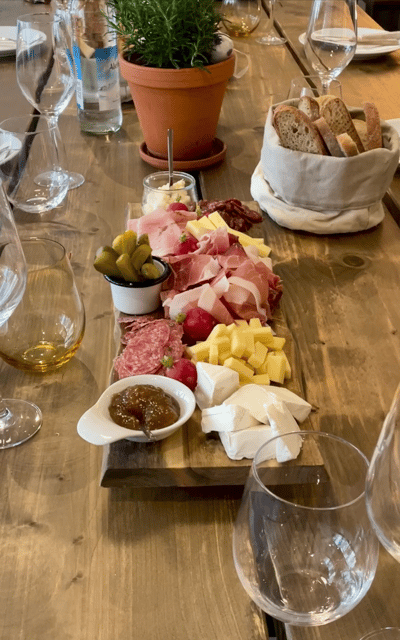
The host or greeter can speak German, Italian, and English. You should select the language in which you can best follow a conversation about the wines and food. If you speak more than one of these languages, the setting may offer an enjoyable cultural mix.
The activity is wheelchair accessible, which is useful for anyone who needs step-free access or a more manageable venue. The available details do not describe the exact layout, seating, or restroom arrangements, so contact Aunt Alma directly if you need specific accessibility information.
You can reserve now and pay later, which helps if your schedule is still shifting. Cancellation is free up to 24 hours before the activity for a full refund. Those terms are useful for a short event that may need to fit around weather, sightseeing, or dinner plans.
Because the activity starts and ends at Aunt Alma, you will need to make your own way there. No transportation is included or needed during the tasting.
What makes this experience worth booking
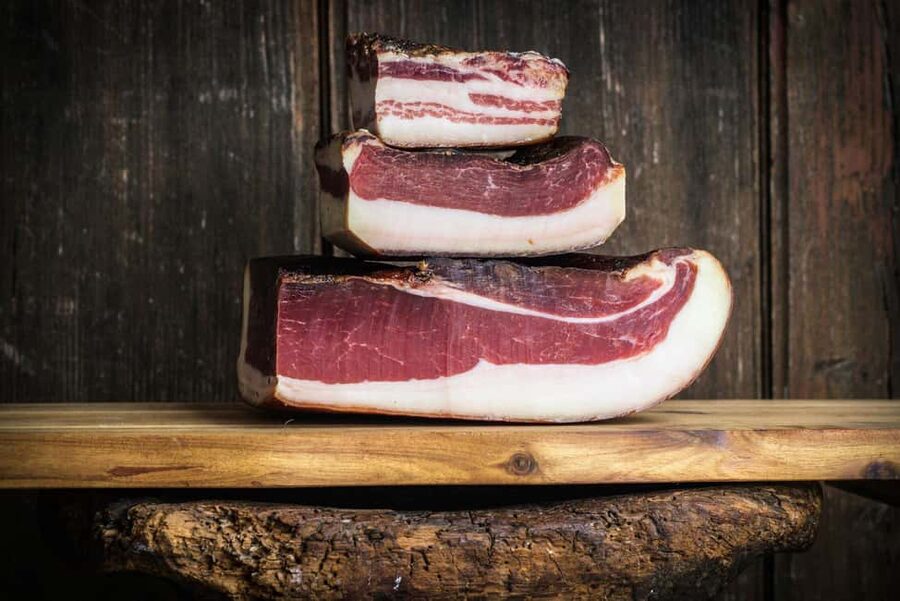
The strongest reason to book is the pairing of South Tyrolean wines with a proper Marende. Wine tasting and local food make more sense together, and the included snack gives the event a sense of place.
I also like the choice built into the second pour. You can try rosé or choose an additional red, which keeps the tasting from feeling too rigid. The small group and multilingual hosting add practical comfort.
The main caution is the limited detail about the exact wines. If you need a fixed list of labels, vintages, or wineries before paying, this experience may not provide enough certainty. Ask ahead if a particular grape or producer matters to you.
Should you book Aunt Alma’s wine tasting?
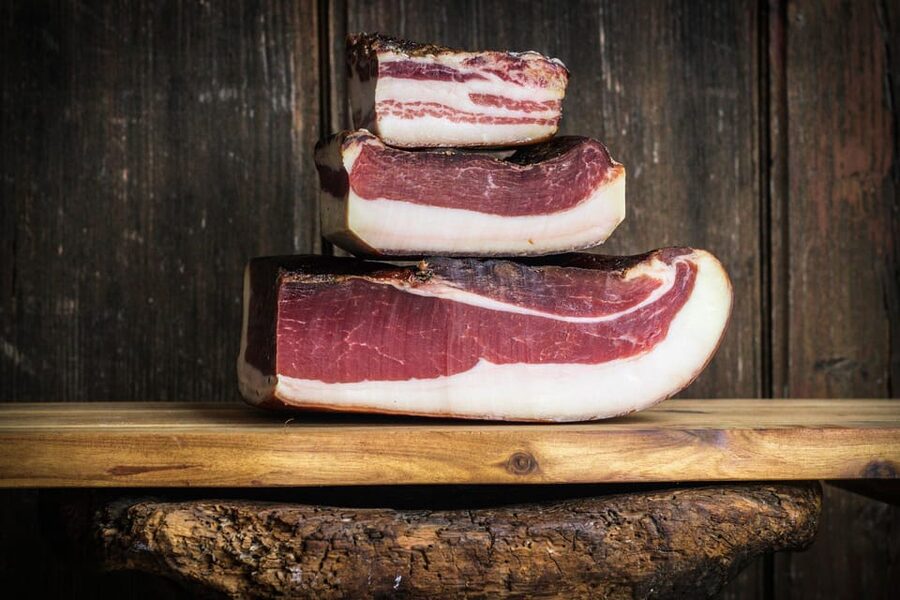
Book it if you want a relaxed adult experience with three South Tyrolean wines, a hearty regional snack, and a group capped at 10 people. The $44 price makes sense when you value the food and the setting as much as the wine.
Skip it if you want a vineyard visit, a large tasting flight, or a technical wine course. For everyone else, this is a tidy way to spend 1.5 hours learning the character of South Tyrolean wine while enjoying the very practical Alpine rule that wine is better with bacon, cheese, and crisp bread.
FAQ
Where does the wine tasting take place?
The tasting starts and ends at Aunt Alma, South Tyrolean specialties, in Bavaria, Germany.
How long does the experience last?
The wine tasting lasts 1.5 hours. Starting times depend on availability.
How many wines are included?
The tasting includes one white wine, one rosé or an optional red wine, and one red wine.
Which South Tyrolean grapes may be featured?
The experience may include Gewürztraminer, Pinot Blanc, Lagrein, and Vernatsch.
What food is included?
The included South Tyrolean Marende contains bacon, cheese, Kaminwurzen, and Schüttelbrot.
Which languages are available?
The host or greeter can speak German, Italian, and English.
Is the tasting suitable for children?
No. The activity is not suitable for children under 18.
Can I cancel for a refund?
Yes. You can cancel up to 24 hours in advance for a full refund. You can also reserve now and pay later.
Just added in Munich
- Private transfer: Vilshofen to Munich with 2h sightseeing stop★ 5.0 · 6 reviews
- Pub crawl incl. Oktoberfest museum guided tour with beer tasting (private)★ 5.0 · 5 reviews
- Size Matters Beer Tour Munich★ 4.6 · 105 reviews
- Short & sweet: Tasting the Viktualienmarkt★ 4.8 · 37 reviews
- Secret Food Tours Munich★ 4.8 · 5 reviews
- Munich: Romantic Wine Experience for Two at Viktualienmarkt★ 4.2 · 14 reviews
- Munich: Resistance against Hitler – Historical Walking Tour★ 5.0 · 5 reviews
- Residence of Munich private tour with skip the line ticket★ 5.0 · 4 reviews
Wine Tours, compared.



Advent Tour with Stollen Tasting and Mulled Wine
Read our review →Browse the lists this tour appears in