
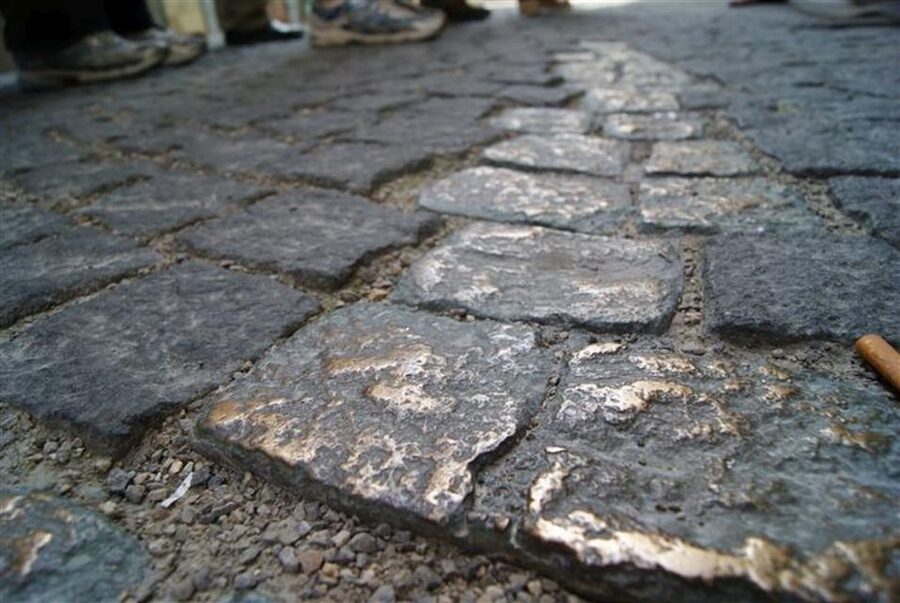
Reviewed · THIRD REICH TOURS
Munich: Birthplace of the Third Reich Guided Walking Tour
Munich was not just a backdrop to the Third Reich. It was one of the places where Hitler’s movement took shape, found an audience, and learned how to turn anger into political power. This 2.5-hour walking tour connects beer halls, government buildings, streets, and memorials to that difficult story.
I like the tour’s focus on place-based history, especially the contrast between surviving Nazi buildings and nearby memorials to victims. I also like the guides’ clear, human approach. Jake, Sam, Nick, Aileen, Steve, and others have been praised for answering questions well and handling a heavy subject without making the walk feel cold or academic. The main drawback is simple: you spend the whole time outdoors, so rain, heat, or winter cold can affect the experience.
Key points to know before you book
- Hitler’s early Munich speeches: Visit old beer halls connected with the Nazi Party’s first meetings and public talks.
- Kristallnacht context: Stop near the building where Goebbels plotted the Night of Broken Glass, a major step toward the Holocaust.
- Nazi power in the city: See the former official Nazi headquarters and buildings that survived wartime bombing.
- Memorials with meaning: Learn about victims of Nazism and people who opposed the regime.
- Strong guide-led storytelling: Guides including Jake, Steve, Sam, Nick, Aileen, Josh, and Iain are praised for clarity, warmth, and detailed answers.
- Good value at $29: The price covers the guide, the walking tour, and transportation to Munich’s historic center.
Munich was the setting where Nazi power took root

This tour works best when you think of it as a lesson in how political extremism grows. It does not treat the Third Reich as a sudden event that began when Hitler became chancellor. Instead, you follow the earlier stages: postwar anger, political meetings, failed attempts to seize power, public speeches, street violence, propaganda, and the gradual acceptance of anti-Semitism.
That setting matters. Munich’s beer halls were not only places for food and drink. They also provided large rooms where political groups could gather, speak loudly, and build a following. The tour takes you to halls connected with Hitler’s first party meetings and major speeches, helping you picture how a small movement reached a wider audience.
You will not simply hear a list of dates. The guide explains how the city’s streets and buildings fit together. That makes the story easier to follow, especially if your previous knowledge of German history comes mostly from books or museums.
The subject is disturbing, and the tour does not soften the crimes of the Nazi regime. At the same time, guides are encouraged to make the material understandable, and several have used gentle humor between the harder sections. That balance matters. It gives you room to keep listening without turning the suffering into entertainment.
More Third Reich Tours in Munich
- Munich: Third Reich & WWII Walking Tour
★ 4.6 · 6,181 reviews - Third Reich Walking Tour Munich
★ 4.5 · 4,291 reviews - Munich City Walking Tour, includes Third Reich & Viktualienmarkt
★ 5.0 · 458 reviews
The beer halls reveal how speeches became political power
The early beer-hall stops are among the most useful parts of the walk. Here, you learn about the first small meetings of the people who later controlled Germany. You also hear about the speeches that helped Hitler move from an obscure political figure to a force who could attract loyal supporters.
The buildings are important because they show the practical side of political organizing. A speech needed a room, an audience, a message, and people willing to return for the next meeting. The guide connects those simple ingredients to a much larger chain of events.
I find this part especially helpful for first-time visitors because it avoids the myth of one person changing history by force of personality alone. You learn about the setting around him, the frustrations people carried after the First World War, and the tactics used to make extreme ideas sound acceptable to more people.
The exact amount of time spent at each beer hall can vary, and the tour information does not promise entry into every building. You should expect to view significant locations from the outside while your guide explains what happened there. If you want long indoor visits, this is not the right format.
The failed putsch shows that power was not inevitable
The walk also covers Hitler’s failed putsch, an early attempt to seize power in Munich. This stop in the story is valuable because it reminds you that the Nazi rise was not guaranteed. The movement could fail, and for a time it did.
Your guide explains how the attempt unfolded and how the aftermath helped Hitler rethink his route to power. The focus is not only on the event itself, but also on what political lessons the Nazi leadership drew from it.
That distinction gives the tour more depth. The movement did not simply march from one victory to another. It tested methods, adjusted tactics, used public attention, and worked through political systems while continuing to promote violence and racial hatred.
As you move through the streets, you hear how Hitler and his Brownshirts fought their way into public life. The city becomes a map of pressure points, meetings, confrontation, and official power. You begin to understand why Munich mattered so much to the movement’s early identity.
Kristallnacht brings the story into sharper focus
One of the hardest parts of the walk is the stop connected with the planning of the Night of Broken Glass, known in German as Kristallnacht. The tour places you near the building where Goebbels plotted this coordinated attack on Jewish people, homes, businesses, and synagogues.
This section is not treated as an isolated night of destruction. The guide places it along the road toward the Holocaust, showing how public anti-Semitism and state-backed persecution became more violent and organized.
That context is essential. If you only see broken windows and burned buildings as a single outbreak of violence, you miss the long process that made it possible. The tour helps you follow that progression through policy, propaganda, intimidation, and organized attacks.
You may find this part emotionally heavy. That is appropriate. The walk is not designed as light sightseeing, and you should allow yourself time afterward if you need to process what you have heard.
More Walking Tours in Munich
- Munich: Night Watchman Walking Tour
★ 4.7 · 2,092 reviews - Munich Ghosts and Spirits Evening Walking Tour
★ 5.0 · 1,900 reviews - Munich Old Town Walking Tour
★ 4.5 · 1,287 reviews - Munich: Walking Tour Old Town and Viktualienmarkt
★ 4.7 · 839 reviews
Former Nazi buildings and wartime scars tell two stories
The route includes the former official Nazi headquarters and other buildings that still show the marks of the Second World War. Much of central Munich was damaged by Allied bombing, yet a number of Nazi-era buildings survived.
This creates an unusual contrast. The buildings are physical reminders of the regime’s power, but they are also ordinary parts of a modern city. People pass by them, streets continue around them, and daily life has moved on. Your guide gives those structures their historical meaning without suggesting that the city is frozen in the past.
You also hear about the way Munich remembers its role. The tour does not present German society only as a victim of wartime bombing. It keeps attention on the victims of Nazi persecution and on the people who opposed the regime.
That balance is one of the strongest features of the experience. You learn about destruction in Munich, but you also learn why responsibility, memory, and resistance must remain part of the story.
Memorials make the history personal
The final section includes monuments honoring victims of Nazism and people who sacrificed themselves to resist it. These memorials are not decorative stops added at the end. They change the tone of the tour.
After hearing about institutions, party meetings, speeches, and military power, you are brought back to individual lives. A memorial can be quiet and easy to miss when you walk past alone. With a guide explaining what it represents, the site becomes part of the larger story.
I appreciate that the tour includes opponents of Nazism as well as victims. It shows that people did make choices, even under a brutal dictatorship, and that resistance took courage. It also prevents the history from becoming a simple story of powerful men and official buildings.
The memorial stops may be the part you remember longest. They connect the political story to human consequences and encourage you to think about how public memory works in present-day Munich.
The guides shape the quality of the experience
This tour depends heavily on the person leading it. The material is dense, and a guide who simply recites dates could make the walk tiring. The strongest guides use a clear timeline, answer questions, and connect one location to the next.
Jake is praised for combining energy with serious information. Steve has been noted for extensive research and for using a binder of old photographs to show how Munich looked during the Nazi period. Sam is frequently described as personable and well prepared, while Nick and Nic are praised for clear English and friendly presentation.
Aileen has been singled out for explaining the different stages of Nazi history in a clear, orderly way. Josh brings strong enthusiasm and a personal connection to German history. Iain is a good fit if you enjoy asking detailed questions and discussing the wider political setting. Dan has also been praised for keeping people engaged in poor weather.
Guide assignments can change, so you should not book on the assumption that one particular person will lead your departure. Still, the range of feedback suggests that Radius Tours places real weight on guide preparation and presentation.
The best approach is to ask questions. If you already know the basics, you can ask about propaganda, Munich’s role within Germany, the meaning of a memorial, or the choices made by ordinary people. If you are starting from scratch, ask for the timeline to be clarified. The guides are expected to handle both levels.
Timing, weather, and the practical side
The tour lasts 2.5 hours, which is long enough to build a real narrative without taking your whole day. You start at the Radius Tours office, and transportation to Munich’s historic center is included. The experience ends with two listed drop-off points, including the Radius Tours office at postal code 80331.
Hotel pickup is not included, so plan to reach the meeting point yourself. Check the selected departure option carefully because the starting location can vary. The tour is offered in English with a live guide.
Wear shoes that are comfortable for walking and bring water. The route is outdoors, and the weather can make a clear difference. Winter departures have been completed in freezing conditions, while summer walks can feel hot. Rain has also been part of the experience for some groups. A light waterproof layer and extra water are sensible choices.
The schedule includes stops and movement through the city, but there is no promise of a café break. If you need regular indoor rests, consider that before booking. The tour’s 2.5-hour length is manageable for most people who are comfortable walking, but the subject itself can feel more tiring than the distance.
Is $29 a fair price?
At $29 per person, this is a good-value introduction to Munich’s Nazi-era history. You are paying for a live English-speaking guide, the full walking tour, and transportation to the historic center. You are not paying for museum admission, hotel pickup, or a private tour.
The value comes from the connections. You could walk past a beer hall, former headquarters, or memorial on your own, but you might not know what happened there or how one site relates to the next. A guide turns separate points on a city map into a sequence of events.
The price also makes sense if you have only a short stay in Munich. In 2.5 hours, you cover the early Nazi movement, the failed putsch, Hitler’s speeches, Kristallnacht, wartime damage, Nazi administration, victims, and resistance. You will not master the subject, but you will gain a useful framework for further reading or a museum visit.
I would not choose this tour if you want a relaxed sightseeing walk with only a few historical comments. The subject is serious, and much of the route deals with persecution and murder. At the same time, the guides’ humor, warmth, and openness to questions can keep the pace human.
Who should book this Munich history walk?
This tour suits you if you want to understand how the Nazi movement developed before the Second World War. It is particularly useful for first-time visitors who want context before visiting other sites connected with German history.
It also suits history students, readers of twentieth-century European history, and people who prefer seeing locations rather than studying only in museums. The guides can take detailed questions, so you do not need to be a beginner.
Families should consider the age and maturity of their children. The walk deals directly with anti-Semitism, political violence, Kristallnacht, war, and the Holocaust. The presentation is measured, but the content remains difficult.
You may want to skip it if you dislike long outdoor walks, have limited tolerance for emotionally heavy subjects, or need guaranteed indoor seating. You should also allow time afterward rather than placing another demanding activity immediately after the tour.
Should you book it?
I would book this tour if you want a serious, well-organized introduction to Munich’s role in the rise of the Third Reich. The strongest reasons are the route through original locations, the link between Nazi power and its victims, and the consistently praised guide style.
Book it early in your Munich visit if possible. The tour can help you understand later visits to museums and memorials, and the guide may point out places worth returning to. Choose a day with workable weather, wear practical shoes, and arrive ready to listen rather than simply take photographs.
At $29, it offers solid value for a focused 2.5-hour lesson in the city itself. It will not make a pleasant afternoon in the usual sightseeing sense, but it can make Munich more honest, more understandable, and much harder to view as just a pretty Bavarian city.
FAQ
How long does the Munich Third Reich walking tour last?
The tour lasts 2.5 hours.
What language is the tour offered in?
The tour is conducted in English with a live guide.
Where does the tour meet?
You meet at the Radius Tours office. The exact starting location can depend on the option selected when booking.
Is transportation included?
Transportation to Munich’s historic center is included. Hotel pickup is not included.
What places does the tour cover?
The walk includes old beer halls linked to Hitler’s early speeches and party meetings, the former official Nazi headquarters, buildings affected by the Second World War, the location connected with planning Kristallnacht, and memorials to victims and opponents of Nazism.
How much does the tour cost?
The listed price is $29 per person.
Can I cancel the booking?
You can cancel up to 24 hours in advance for a full refund. The activity also offers a reserve-now-and-pay-later option.
Just added in Munich
- Private transfer: Vilshofen to Munich with 2h sightseeing stop★ 5.0 · 6 reviews
- Pub crawl incl. Oktoberfest museum guided tour with beer tasting (private)★ 5.0 · 5 reviews
- South Tyrolean specialties and wine tasting★ 5.0 · 5 reviews
- Size Matters Beer Tour Munich★ 4.6 · 105 reviews
- Short & sweet: Tasting the Viktualienmarkt★ 4.8 · 37 reviews
- Secret Food Tours Munich★ 4.8 · 5 reviews
- Munich: Romantic Wine Experience for Two at Viktualienmarkt★ 4.2 · 14 reviews
- Munich: Resistance against Hitler – Historical Walking Tour★ 5.0 · 5 reviews
Third Reich Tours, compared.



Berlin’s Best: 2 Hour Walking Tour Third Reich and the Cold War
Read our review →

Third Reich Berlin: Hitler and WWII Walking Tour
Read our review →
Walking Tour of Former Nazi Party Rally Grounds
Read our review →
Berlin Third Reich Sites: Half-Day Walking Tour
Read our review →Browse the lists this tour appears in