
Reviewed · MUSEUMS
Berlin Museum of Photography Entry Ticket
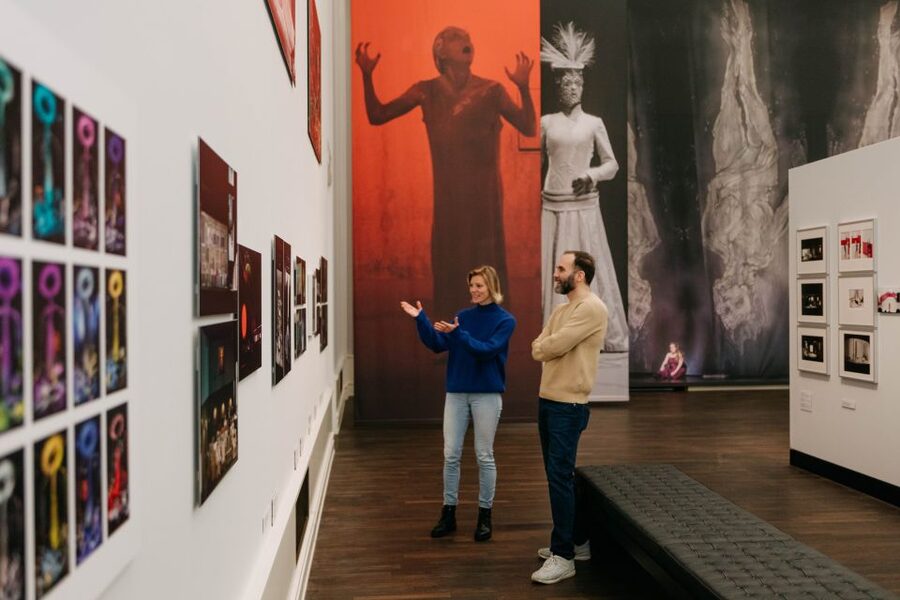
The Museum of Photography gives you two very different experiences under one roof: a broad look at photography from its earliest days to the present, and an intimate portrait of Berlin-born fashion photographer Helmut Newton. His provocative images, personal objects, cameras, and famous Newton-mobile give the visit a strong human focus.
I like the freedom of a full-day ticket, since you can set your own pace instead of being rushed through a fixed route. I also like the range, from 19th-century photographs and historical postcards to modern artistic work and current-event images. The main drawback is that the ticket is non-refundable, so you should be sure of your plans before booking.
Key points to know before you go
- Five parts of the photographic collection: See photographic archives, artistic photography, personal archives, photogrammetric holdings, and historical postcards.
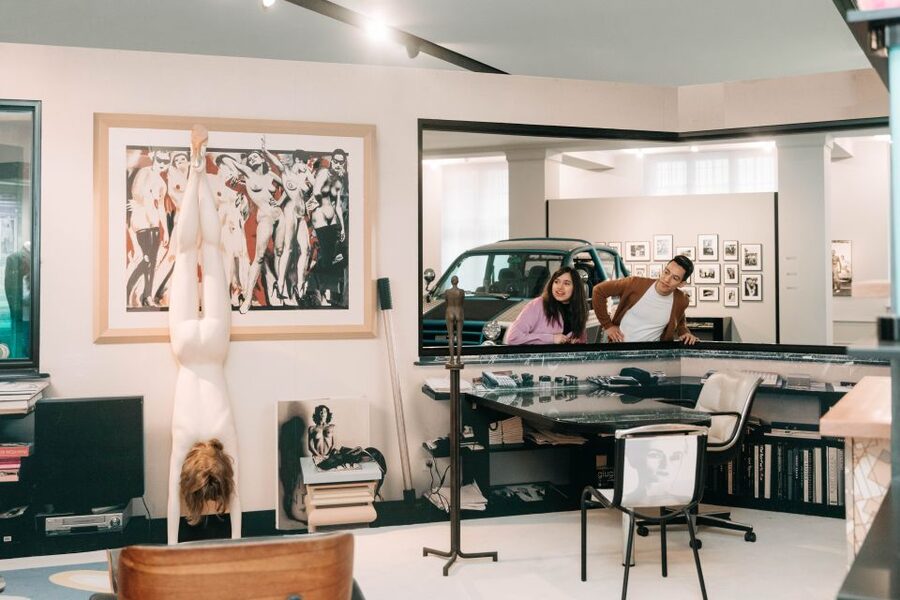
- Helmut Newton’s Berlin connection: Explore his work along with cameras, personal artifacts, his art collection, and the Newton-mobile.
- Temporary exhibitions add variety: Displays may include Body Performance and Post-War Modern Photography.
- One-day validity gives you flexibility: Enter during the available time and take the visit at your own speed.
- Plan for a light visit: Backpacks, oversize luggage, food, drinks, heavy coats, and wet clothing are not allowed in the exhibition areas.
- Accessible by wheelchair: The museum is listed as wheelchair accessible, and the activity ends at the museum entrance.
Seeing Berlin through the Museum of Photography
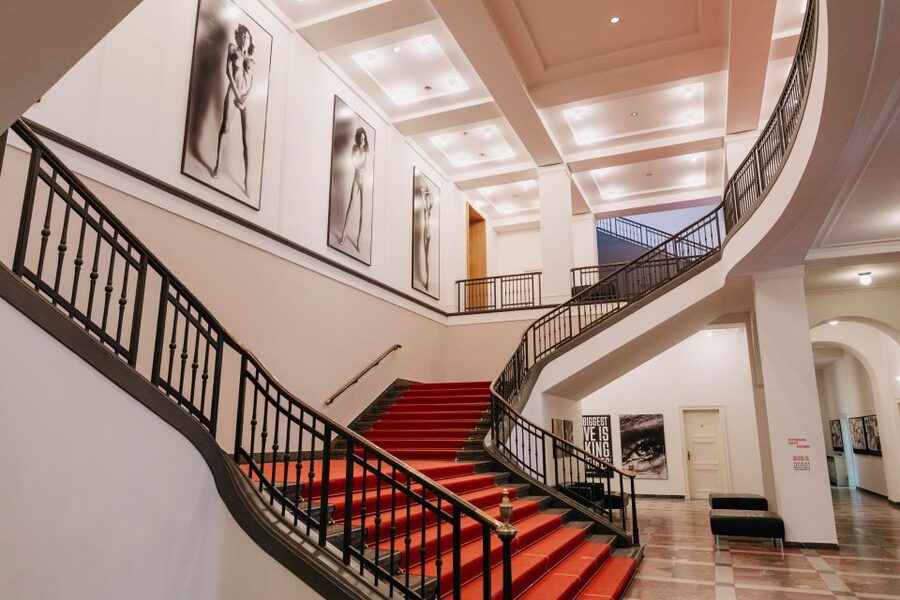
Photography can be viewed as art, evidence, family memory, fashion, science, and news. This museum gives you all of those angles in one visit. Rather than presenting only famous photographers, it brings together different kinds of images and records that show how photography has changed over time.
You begin with photographs from the 19th century, when the medium was still new and every image required patience, equipment, and careful preparation. From there, the displays move toward modern photography and current events. The result is a useful visual timeline, even if you are not already familiar with photography.
I like this broad approach because it prevents the museum from feeling like a single-artist shrine. You can look at a carefully composed artistic photograph, then shift to a historical image or postcard and consider how people used cameras in everyday life. That contrast helps explain why photography matters beyond galleries and fashion magazines.
The museum opened in 2004 and is divided into five main areas. These sections reflect different parts of its holdings, so you should expect variety rather than one continuous exhibition devoted to a single theme. Give yourself time to adjust between sections, since each one asks you to look at photographs in a slightly different way.
More Attraction Tickets in Berlin
- Berlin: Jewish Museum Berlin Entrance Ticket
★ 4.5 · 8,393 reviews - Berlin: Berlin Story Bunker Entry Ticket
★ 4.6 · 6,759 reviews - Berlin: Illuseum Berlin Entrance Ticket
★ 4.1 · 3,970 reviews
Five sections that cover more than art photography
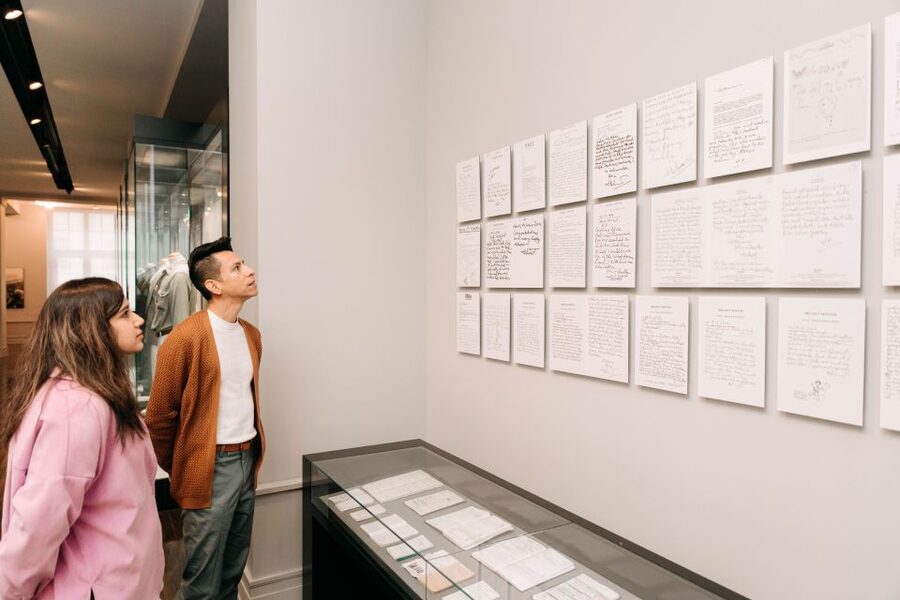
The photographic archive forms one major part of the visit. Here, you can see images as records of people, places, events, and changing public life. The value is not only in the individual photograph, but also in the way a large archive lets you compare different periods and subjects.
The collection of artistic photography offers a more deliberate and expressive side of the medium. These works are likely to reward a slower look. Instead of asking only what happened in the image, you can consider how the photographer used framing, light, arrangement, and mood.
The personal archive adds another layer. Personal material can make photography feel less distant because it connects an artist’s work with the life and working habits behind it. The museum also includes photogrammetric holdings, a specialized part of the collection that shows photography’s role in measurement and documentation, not just artistic expression.
Historical postcards complete the five-part picture. Postcards are small, practical objects, but they tell you how photographs circulated among ordinary people. They were made to be sent, collected, and shared, which gives them a different purpose from photographs created mainly for a gallery wall.
You may find the range more interesting than any single room. If you prefer only famous photographs, parts of the collection may feel less immediately familiar. If you enjoy seeing how images work in different settings, the variety gives the museum real value.
Helmut Newton’s provocative world
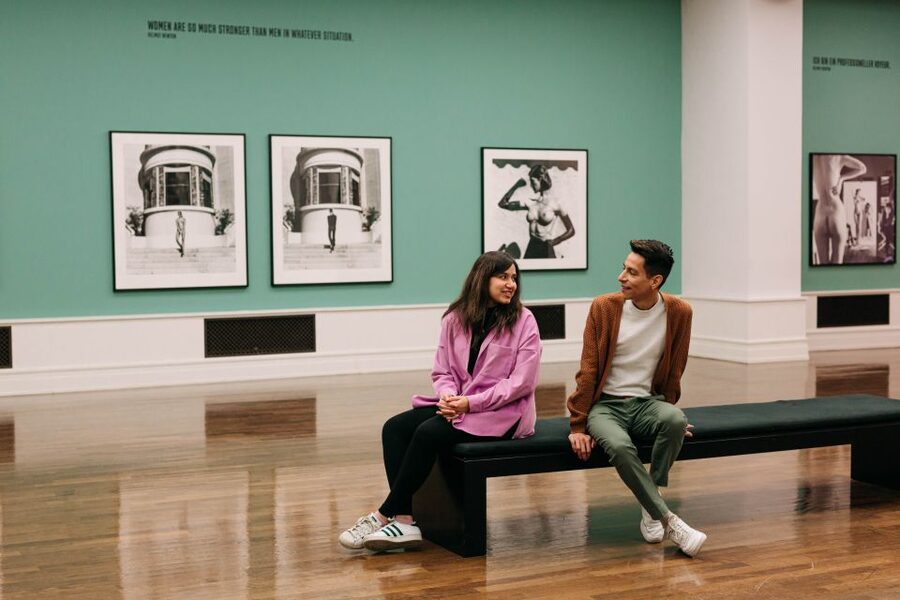
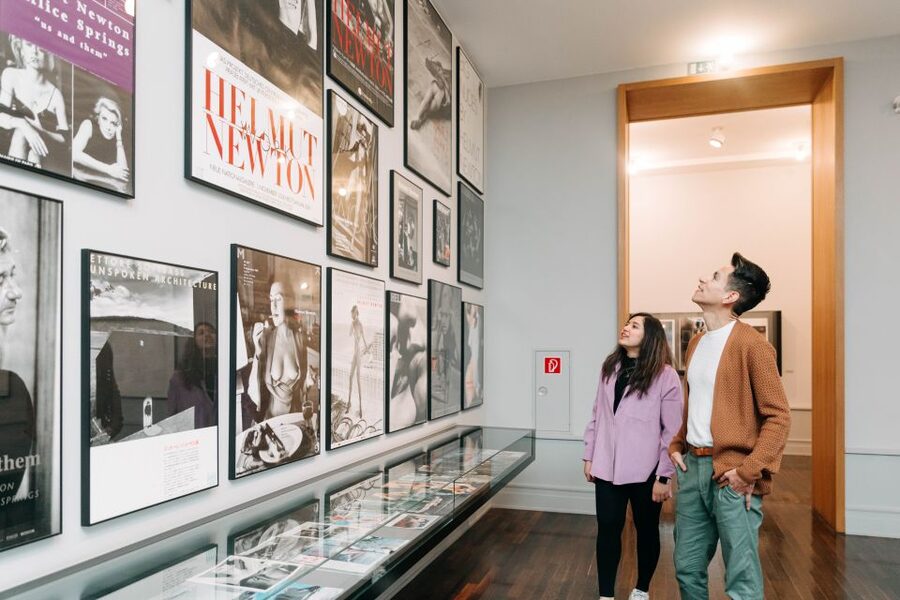
The permanent Helmut Newton exhibition is likely to be the main draw for many visitors. Newton was born in Berlin and became one of the most influential fashion photographers of the modern era. His work is known for its provocative style, strong figures, and confident presentation of fashion and the body.
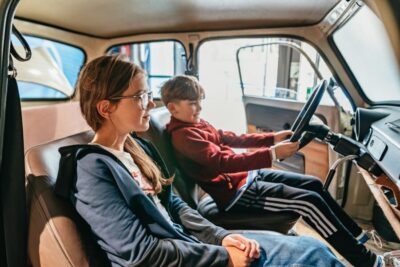
The exhibition does more than display finished photographs. You can also see Newton’s cameras, his art collection, and other objects connected with his life. The Newton-mobile is one of the more unusual items on view, giving the exhibition a physical detail that photographs alone cannot provide.
I like this part of the museum because it places fashion photography in a personal setting. You are not only looking at polished images. You are also getting clues about the photographer’s tools, interests, and working life. That makes the exhibition easier to connect with, even if fashion photography is not normally your first choice.
Newton’s style is not for everyone. Some images are deliberately provocative, and visitors looking for gentle or purely documentary photography may find his work confronting. It is best to approach this section with an open mind and remember that fashion photography often uses exaggeration, attitude, and performance as part of its language.
His Berlin background also gives the exhibition a local connection. You are seeing the work of a photographer who came from the city and later became known around the world. That link makes the display feel more rooted than a standard collection of international fashion images.
Temporary exhibitions, including Body Performance
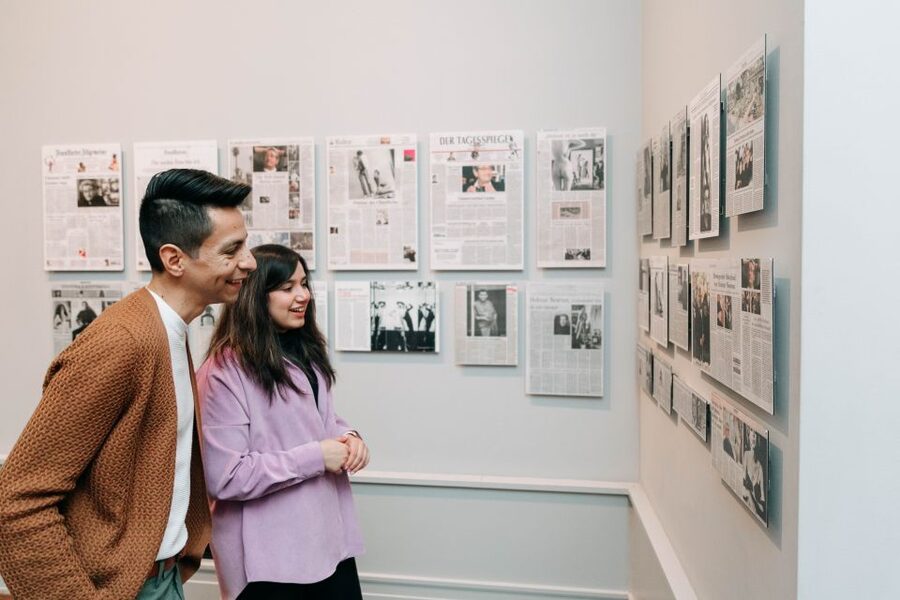
The museum’s temporary program gives repeat visitors a reason to return and gives first-time visitors a chance to see photography beyond the permanent holdings. The exhibitions listed with this experience include Body Performance and Post-War Modern Photography.
Body Performance looks at the body as something presented, staged, photographed, and interpreted. That subject connects naturally with fashion photography, but it can also lead toward questions of identity, movement, appearance, and public presentation. If you have just seen Newton’s work, this exhibition may offer a useful point of comparison.
Post-War Modern Photography shifts the focus toward photography after the Second World War. The title suggests a period of change, and the exhibition can help you consider how photographers responded to new social conditions and artistic ideas. You may find the contrast between post-war modern work and older photography especially useful.
Temporary displays can change, so check what is showing for your visit. The named exhibitions are a strong reason to confirm the current program before you book, particularly if one subject interests you more than the others. The entry ticket includes access to the museum experience described here, but the exact exhibition mix depends on what is on display.
More Museum Tours in Berlin
- Berlin: DDR Museum Tickets
★ 4.3 · 3,443 reviews - Berlin: Natural History Museum Entrance Ticket
★ 4.6 · 3,382 reviews - Berlin: Neues Museum Entry Ticket
★ 4.6 · 3,261 reviews - Skip-the-Line: Berlin Wall Museum at Checkpoint Charlie
★ 4.1 · 2,041 reviews
How much time should you allow?
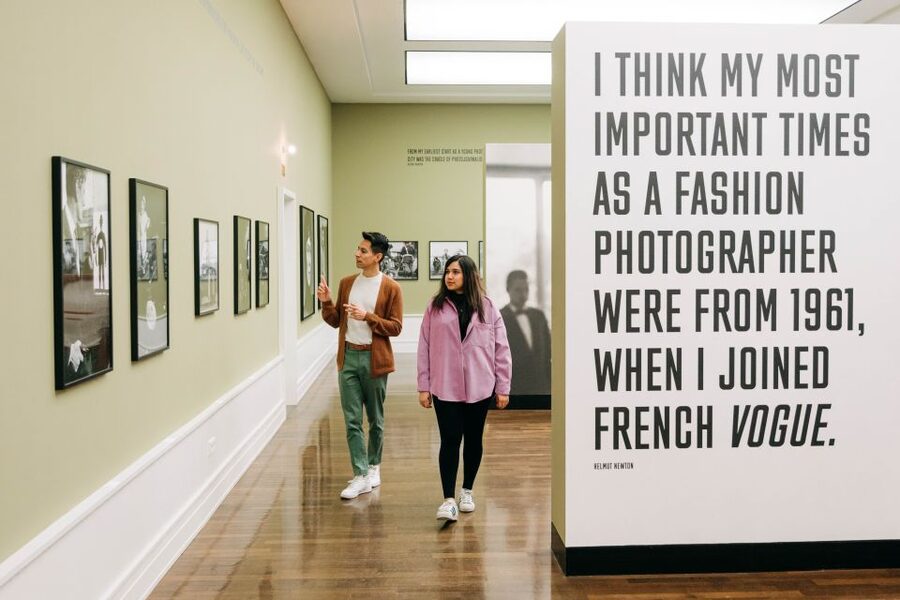
The ticket is valid for one day, with starting times based on availability. That gives you more breathing room than a short timed attraction. You can plan a focused visit or spend much of the day with the photographs, depending on your interest.
I would allow enough time for both the permanent Newton exhibition and the wider photography collection. The five sections cover different types of material, and rushing from room to room would make it harder to notice the contrasts between artistic photography, archives, postcards, and technical holdings.
A shorter visit can still work if you mainly want Newton and a sample of the wider collection. A longer visit suits anyone who likes reading, comparing images, and returning to photographs after an initial look. Since the ticket is valid for one day, the main benefit is flexibility rather than a strict itinerary.
There is no stated guided route or named guide for this activity, so you should expect to explore independently. That can be a plus if you prefer to linger over selected photographs, but it may feel less structured if you want a guide to explain every room.
Practical details that affect your visit
Go directly to the museum entrance to start. The activity ends back at the same meeting point, so there is no transport or separate return arrangement to manage.
The entrance fee and booking fee are included in the listed price of $14 per person. For a museum covering photography from the 19th century to today, with a permanent Helmut Newton display and temporary exhibitions, that is a reasonable price if you plan to spend several hours looking carefully.
The value is weaker if you only want a quick stop for one famous photograph. It becomes stronger if you use the full breadth of the museum, especially the archives, postcards, and temporary exhibitions. I would think of the ticket as access to a full museum visit, not simply admission to the Newton display.
The activity is wheelchair accessible. Backpacks and oversize luggage are not allowed, so arrive with as little as possible. Food and drinks also cannot be taken into the exhibition areas.
Heavy jackets, coats, and wet clothing may be refused in the exhibitions for conservation reasons. This matters on cold or rainy Berlin days, so allow time to deal with outer clothing before you begin. A medical or FFP2 mask is recommended, but it is not mandatory.
Follow the museum staff’s instructions during the visit. These rules may feel strict, but photographs and paper materials need protection from moisture, food, and crowded conditions.
Who will enjoy this museum most?
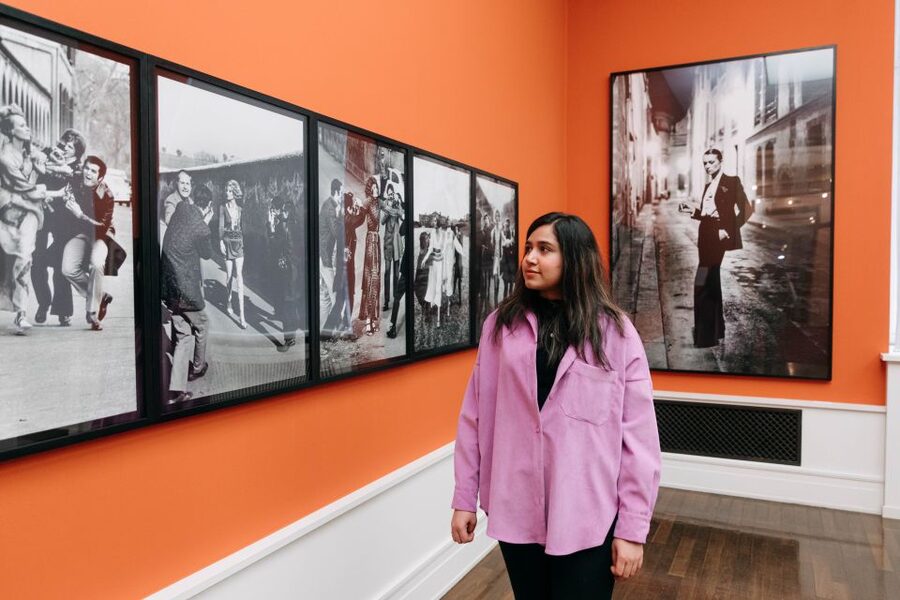
This is a good choice for anyone interested in photography as more than decoration. You will find art, fashion, technical material, historical records, personal archives, and postcards in the same museum, so the visit suits curious minds with varied interests.
The permanent Newton exhibition makes the ticket particularly appealing to fashion fans and anyone interested in the working life of a major photographer. His equipment and personal artifacts give you something different from a standard gallery display.
It also suits visitors who want a flexible cultural stop in Berlin. You do not need to follow a fixed tour schedule, and the one-day validity lets you decide how long to stay. The lack of a named guide means you will need to make your own path, but that gives you control over the pace.
Families and mixed-interest groups may appreciate the range, though the provocative nature of some Newton photographs should be considered before visiting with children. The museum is also a practical option for wheelchair users because the activity is listed as accessible.
This may not be the best pick if you want a quick, highly guided overview of Berlin sights. It is a museum visit built around looking closely, and the reward comes from giving the images time.
Is the $14 ticket worth it?
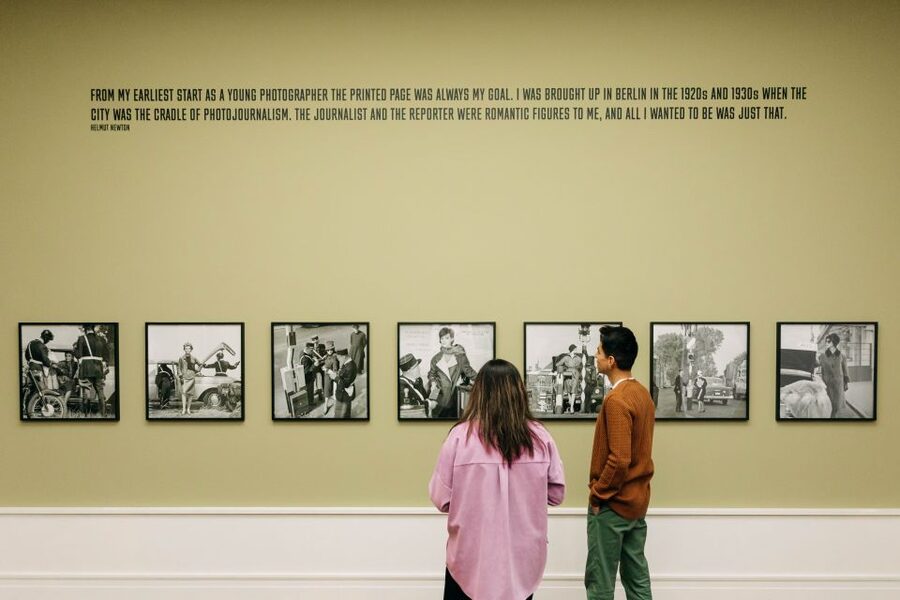
At $14, the ticket offers solid value for a full day of photography. You get access to collections spanning more than a century, the five major areas of the museum, the permanent Helmut Newton exhibition, and the temporary exhibitions listed for the current program.
I would book it if you want a thoughtful indoor activity, enjoy fashion or visual culture, or like museums that mix famous work with less familiar archival material. The Newton-mobile and personal objects add a memorable physical element, while the postcards and historical photographs keep the visit from becoming too narrow.
I would pause before booking if your schedule is uncertain, since the activity is non-refundable. Also check the exhibition program if Body Performance or Post-War Modern Photography is a major reason for going. Book this when you can give the museum proper time, arrive without bulky luggage, and explore at your own pace.
FAQ
Where does the activity begin?
Go directly to the entrance of the Museum of Photography in Berlin.
How long is the ticket valid?
The ticket is valid for one day. Available starting times depend on the date and booking availability.
What does the $14 price include?
The price includes the museum entrance fee and the booking fee.
Is the Museum of Photography wheelchair accessible?
Yes, the activity is listed as wheelchair accessible.
Can I bring a backpack, large luggage, food, or drinks?
No. Backpacks, oversize luggage, food, and drinks are not allowed in the museum’s exhibition areas.
Can I wear a coat inside the exhibitions?
Heavy jackets and coats, along with wet clothing, may not be allowed in the exhibitions for conservation reasons.
Can I cancel the ticket for a refund?
No. This activity is non-refundable.
More Photo Shoots in Berlin
- Berlin: Fotografiska Photography Exhibition Ticket
★ 4.6 · 168 reviews - 5hours: Guide, Chauffeur & Photographer in Berlin private Tour
★ 5.0 · 66 reviews - BERLIN PHOTO TOUR with a professional Photographer from Berlin
★ 5.0 · 44 reviews - Berlin: Ticket for Photography Exhibitions at C/O Berlin
★ 4.5 · 39 reviews
Just added in Berlin
- Berlin & The Third Reich Private Guided Tour★ 5.0 · 3 reviews
- Third Reich Quest Experience in Berlin★ 4.5 · 7 reviews
- Private Analogue Photography Experience in Berlin★ 5.0 · 3 reviews
- Berlin Urbex Adventure and History Tour★ 5.0 · 9 reviews
- The Beauty of Berlin by Bike: Private Tour★ 5.0 · 59 reviews
- Berlin: Guided Bike tour of the Berlin Wall and Third Reich★ 5.0 · 160 reviews
- Beyond Currywurst: Berlin’s Hidden Street Food & Culture Tour★ 5.0 · 100 reviews
- Berlin Third Reich & Cold War Walking Tour With A Guide★ 5.0 · 7 reviews
Museums, compared.
Skip-the-Line: Berlin Wall Museum at Checkpoint Charlie
Read our review →
Browse the lists this tour appears in