
Reviewed · MUSEUMS
August Horch Museum Entrance Ticket
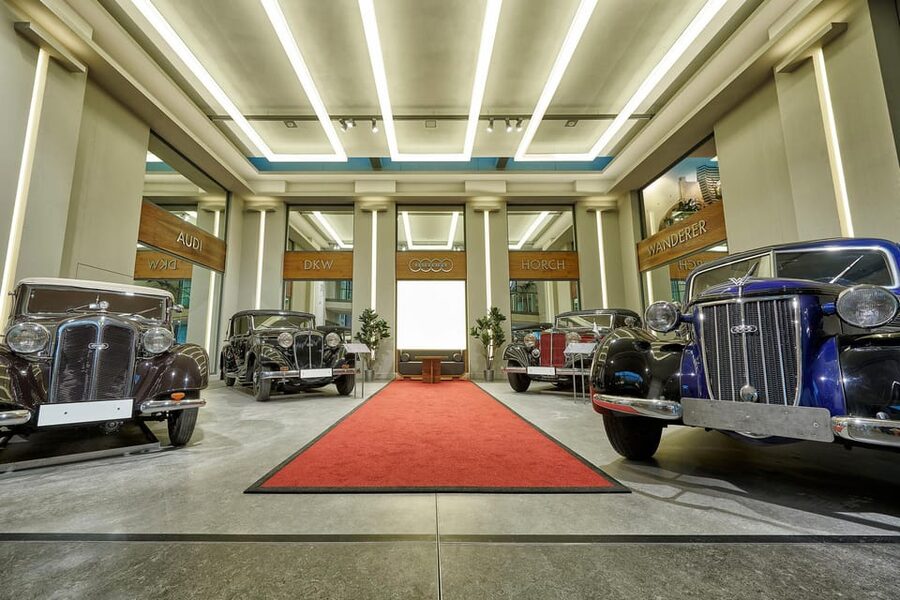
The August Horch Museum puts you on the actual ground where Audi began, then carries you through more than a century of carmaking in Zwickau. Early Audi and Horch cars set the tone, but the Trabant displays give the museum its strongest local character.
I like the huge range of exhibits, from luxurious 1920s cars to present-day production, and I like the rare look at the Duroplast body process used for the Trabant. The main drawback is that this ticket is for admission only, so you should not expect a guided tour. The August Horch Mansion is also not wheelchair accessible, though the rest of the exhibition is.
Key points at a glance
- Factory birthplace: Visit the original site of the first Audi factory in Zwickau.
- 160-plus exhibits: See cars and smaller objects covering production from 1911 to the present.
- Trabant production: Learn how the famous East German car was made, including its patented Duroplast body.
- Long visit potential: Plan on more than two hours if you want to watch the films and take in the displays without rushing.
- Good value: At about $17 per person, the ticket covers a full day and a broad collection.
- Practical limits: A printed voucher is required, guided tours cost extra, and pets are not allowed except assistance dogs.
Starting where Audi began in Zwickau
The best reason to visit is simple: this is not a car collection placed in a random modern hall. The museum occupies the historic site of the first Audi factory, in Zwickau, Saxony.
That setting gives the displays some weight. You are looking at vehicles connected to the place where they were produced, rather than only seeing polished objects behind glass. The museum follows Zwickau’s changing industrial story through several names, including Audi, Horch, DKW, Trabant, and Volkswagen.
You can expect the exhibition to cover more than 120 years of automotive history. The collection begins with early cars from 1904 and continues to the present day, making this a useful stop for anyone interested in how engineering, design, and factory work changed over time.
The museum presents around 160 large exhibits, along with many smaller objects, across roughly 6,500 square metres. That is a sizable display area. You will not be finished in a quick half-hour unless you move at a brisk pace.
More Attraction Tickets in Germany:
- Berlin: Jewish Museum Berlin Entrance Ticket
★ 4.5 · 8,393 reviews - Berlin: Berlin Story Bunker Entry Ticket
★ 4.6 · 6,759 reviews - Hamburg: Hamburg Dungeon Admission Ticket
★ 4.7 · 5,745 reviews
Early Audi and Horch cars set the tone
The first section reaches back to the beginnings of car production in Zwickau. An Audi and a Horch from 1904 help establish the early period, when carmakers were still refining the basic shape and function of the motorcar.
For me, this opening is valuable because it gives you a clear starting point. You see where the story begins before the museum moves toward the more familiar polished cars of the 1920s and later decades.
The early vehicles are also a good reminder that automotive history is not only about famous brands. It is about changing methods, new ideas, and the practical problems of making a machine that people could buy and use.
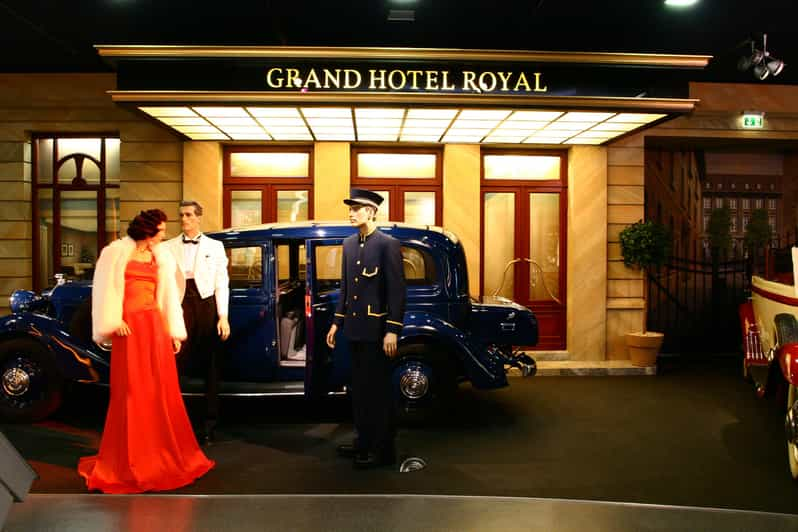
The displays then move toward luxury cars from the 1920s. These vehicles show a different side of the industry, with more attention given to comfort, styling, and status. If you enjoy car design, this part should reward a slower look.
You will see how far the automobile had moved from its early forms in only a few decades. The contrast between the first Audi and Horch examples and the later luxury models helps make that change easy to understand.
A century of production in one large exhibition
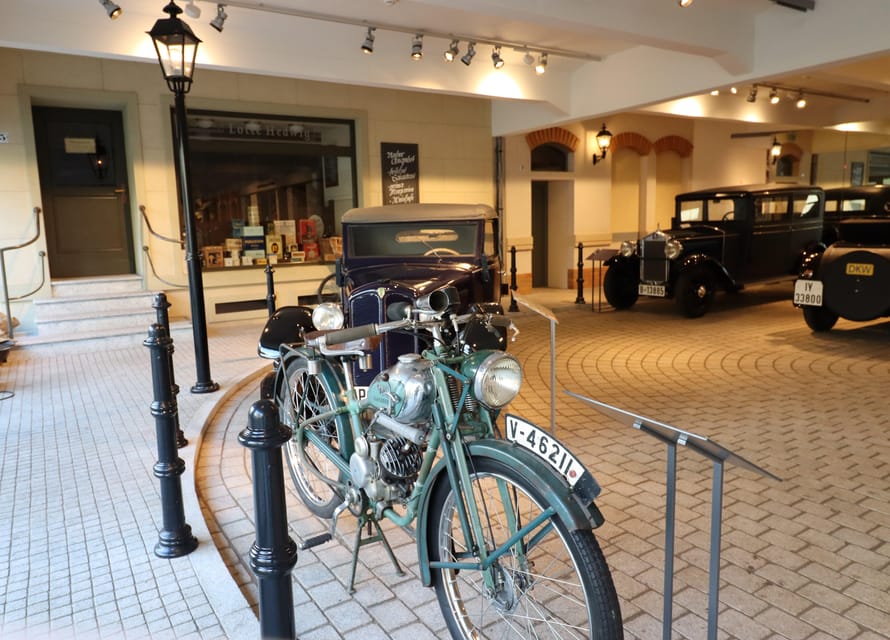
The museum does not focus on one brand or one short period. Instead, it follows the factories and companies that shaped Zwickau’s automotive identity.
That wider approach is one of the ticket’s main strengths. You can compare vehicles from different eras and see how production continued through political and economic changes. The story includes DKW and Trabant, then reaches the modern period with Volkswagen still producing vehicles in Zwickau.
This gives the museum a local focus that is more useful than a simple collection of famous cars. You learn why Zwickau matters as an industrial city and how car production remained part of its identity.
The exhibition covers cars from 1911 onward, while the opening material reaches back to early examples from 1904. Depending on your pace, the broad time span can feel like a lot to absorb in one visit. Give yourself room to pause, especially if you want to read the displays and watch the films about the racing-car story.
One visitor specifically enjoyed the history of the racing cars and the accompanying films. That detail is worth keeping in mind if motorsport interests you. The museum is not only about standard road cars and factory output. Some of the material also follows competition and technical development.
The Trabant section gives the museum local character
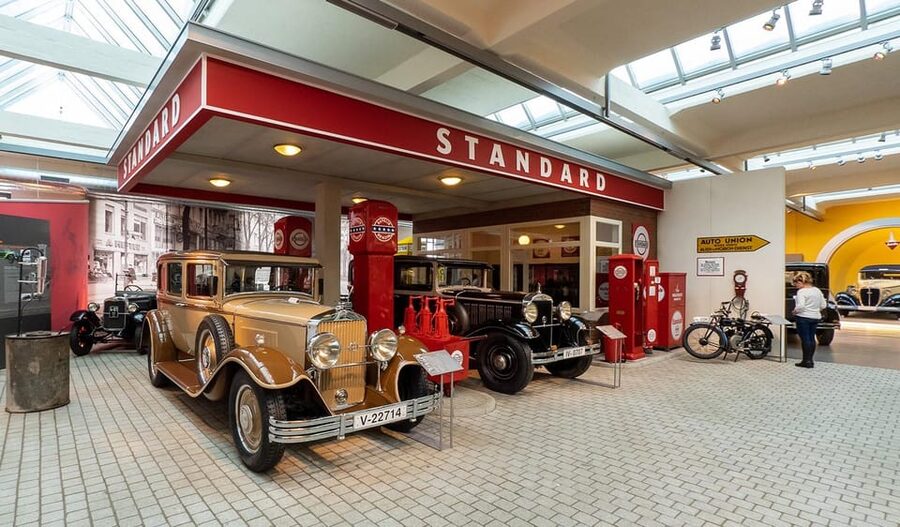
The Trabant is likely to be the most distinctive part of the visit for many people. The car is closely tied to East Germany, and the museum explains its production rather than treating it as a curiosity.
You can see how the Trabant’s body was made from Duroplast, a patented material used instead of conventional metal. The museum has a production line for this material, displayed exclusively here according to the attraction information.
That production line matters because it turns a familiar car into a lesson in manufacturing. You are not just looking at the finished Trabant. You are seeing part of the process that helped make the car possible.
The Duroplast display also adds a practical side to the museum. It shows how a factory responds to shortages, technology limits, and the need to produce vehicles on a large scale. The story is more interesting when you look at the Trabant as an engineering solution, not just as a symbol of a former political system.
If you know little about the Trabant, this section should give you useful context. If you already know the car, the production display offers a more specific reason to visit than simply seeing another example in a museum hall.
More Museum Tours in Germany:
- Berlin: DDR Museum Tickets
★ 4.3 · 3,443 reviews - Berlin: Natural History Museum Entrance Ticket
★ 4.6 · 3,382 reviews - Berlin: Neues Museum Entry Ticket
★ 4.6 · 3,261 reviews - Cologne: Chocolate Museum Entrance Ticket
★ 4.4 · 2,790 reviews
What two or more hours lets you see
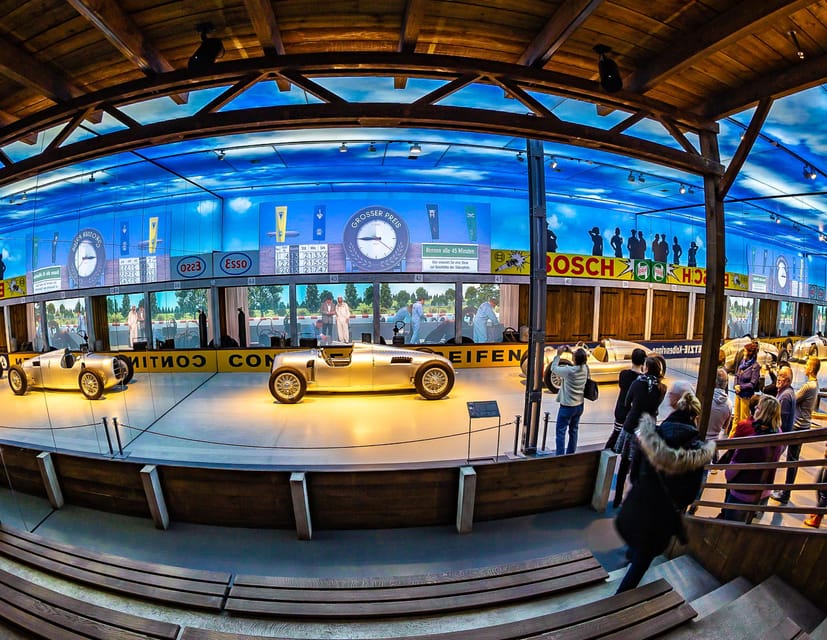
You can technically spend less time here, but I would allow at least two hours. One French visitor spent more than two hours without running out of interest, and that estimate fits the size of the collection.
A sensible visit begins with the early Audi and Horch cars. From there, move through the 1920s luxury vehicles, later production periods, racing-related material, the Trabant displays, and finally the modern Volkswagen connection.
Try not to treat the museum as a quick parade of car bodies. The value comes from comparing one period with the next. Look at changes in shape, materials, production methods, and the way the factory story moves through different companies.
The films may also slow you down. If you want to watch them rather than pass by, your visit will take longer than a simple walk through the halls.
The exhibition space is about 6,500 square metres, so comfortable walking shoes make sense. No special activity is included beyond the museum visit, but the scale gives you enough to examine at your own speed.
A self-guided visit, not a guided factory tour
Your ticket includes entry to the August Horch Museum only. A guided tour is not included, so you should plan for a self-guided experience unless you arrange additional guidance separately.
That can be a benefit if you prefer to set your own pace. You can spend extra time with the Trabant production line, move quickly through displays that interest you less, and pause for the films without keeping up with a group.
The drawback is that you will need to create your own structure. With so many vehicles and more than a century of material, it is easy to move from one car to the next without taking in the larger story.
A printed voucher is required for entry. The ticket is valid for one day, with starting times shown when you check availability. The booking information describes a small group limit of 10 participants, though the museum visit itself is primarily an admission experience rather than a fixed guided group activity.
There is no transfer to the museum, and food and drinks are not included. You will need to arrange your own transport and refreshments. Those omissions are normal for a museum ticket, but they matter if you are building a tightly scheduled day in Zwickau.
Is $17 good value for this museum?
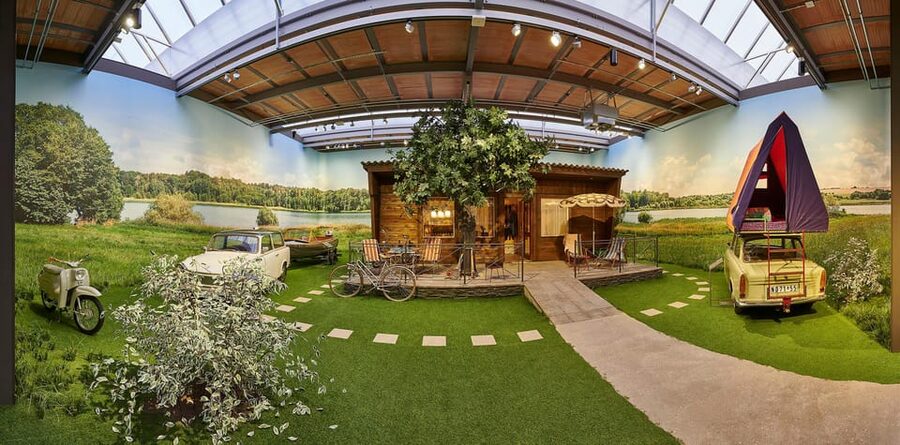
At about $17 per person, the ticket offers solid value if you have a real interest in cars, industry, or 20th-century German history. You are paying for access to a large exhibition with around 160 major exhibits, many smaller objects, films, and the special Duroplast production line.
The one-day validity also gives you flexibility. You are not forced into a short timed visit once inside, though you should still check the available starting time when booking.
The value is strongest for visitors who will spend two hours or more with the material. If you only want to see a few classic cars, the price may feel less compelling. This is a museum about production and place as much as it is about beautiful vehicles.
It is also useful for mixed-interest groups. A car enthusiast can focus on design and engineering, while someone interested in modern German history can follow the factory’s story through Audi, DKW, Trabant, and Volkswagen.
The museum has an overall rating of 4.9 from 30 ratings, with particular praise for the large amount of material and the fact that an extended visit can stay interesting. That matches the ticket’s main selling point: you get breadth, not just a small collection of headline cars.
Access, pets, and basic planning
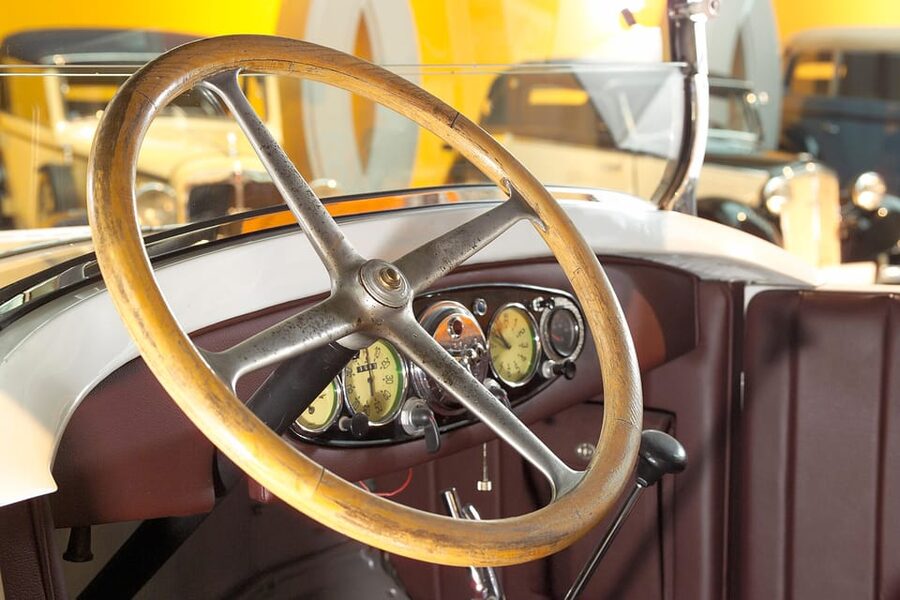
The exhibition is wheelchair accessible except for the August Horch Mansion. If full access is important to you, keep that exception in mind before booking.
Pets are not allowed. Assistance dogs are permitted.
Free cancellation is available up to 24 hours in advance for a full refund. You can also reserve now and pay later, which helps if you are still arranging a Saxony trip.
The ticket is issued for one day, and a printed voucher is required. Since the starting time depends on availability, check the chosen date and entry details carefully before you travel.
Who will enjoy the August Horch Museum most?
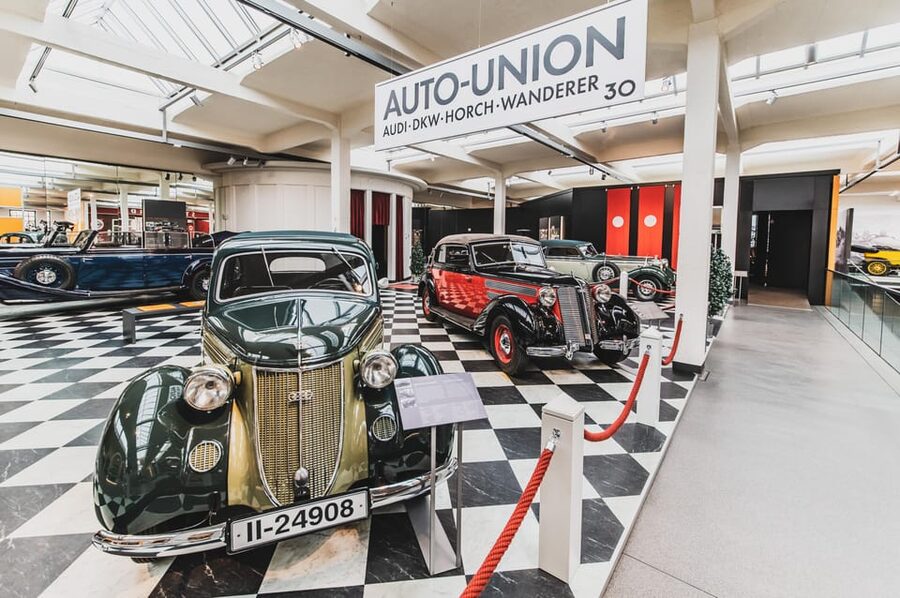
I would recommend this museum to anyone who likes cars but also wants context. The collection is not limited to glamorous classics. It explains how a real production centre changed over more than a century.
It is especially suitable for:
- Car enthusiasts who want to compare Audi, Horch, DKW, Trabant, and Volkswagen periods
- Visitors interested in East German industry and the Trabant
- Families with older children who enjoy machines, design, and factory processes
- History-minded visitors looking for a strong local connection
- Anyone with two or more hours available in Zwickau
You may enjoy it less if you want a short, heavily guided attraction with a quick route and constant commentary. Since the guided tour is not included, the experience rewards people who like to read, watch, compare, and move at their own speed.
Should you book this Zwickau museum ticket?
Book it if you want more than a lineup of polished cars. The original Audi factory site, the early Audi and Horch vehicles, the 1920s luxury models, the racing films, and the Trabant Duroplast production line give the museum a clear purpose.
At $17, it is a sensible choice for a two-hour visit, especially if you are already in Zwickau. Just remember that you are buying admission, not a guided tour, and bring the required printed voucher. If those conditions suit your plans, this is one of the better ways to understand why Zwickau remains tied to German carmaking.
FAQ
Where is the August Horch Museum?
The museum is in Zwickau, Saxony, Germany, on the site of the first Audi factory.
What does the admission ticket include?
The ticket includes entrance to the August Horch Museum.
How long is the ticket valid?
The ticket is valid for one day. Available starting times are shown when you check the booking date.
Is a guided tour included?
No. A guided tour is not included with the admission ticket.
How many exhibits can I see?
The museum presents more than 160 large exhibits, along with numerous smaller objects, across about 6,500 square metres.
Is the museum wheelchair accessible?
The exhibition is wheelchair accessible except for the August Horch Mansion.
Are pets allowed?
Pets are not allowed, but assistance dogs are permitted.
Can I cancel the ticket?
Yes. You can cancel up to 24 hours in advance for a full refund. You can also reserve now and pay later.
Just added in Germany
- Berlin & The Third Reich Private Guided Tour★ 5.0 · 3 reviews
- Third Reich Quest Experience in Berlin★ 4.5 · 7 reviews
- Private Analogue Photography Experience in Berlin★ 5.0 · 3 reviews
- Berlin Urbex Adventure and History Tour★ 5.0 · 9 reviews
- The Beauty of Berlin by Bike: Private Tour★ 5.0 · 59 reviews
- Berlin: Guided Bike tour of the Berlin Wall and Third Reich★ 5.0 · 160 reviews
- Beyond Currywurst: Berlin’s Hidden Street Food & Culture Tour★ 5.0 · 100 reviews
- Berlin Third Reich & Cold War Walking Tour With A Guide★ 5.0 · 7 reviews
Museums, compared.


Skip-the-Line: Berlin Wall Museum at Checkpoint Charlie
Read our review →
Browse the lists this tour appears in