
Reviewed · MUSEUMS
Berlin Trabi Museum: Day Ticket
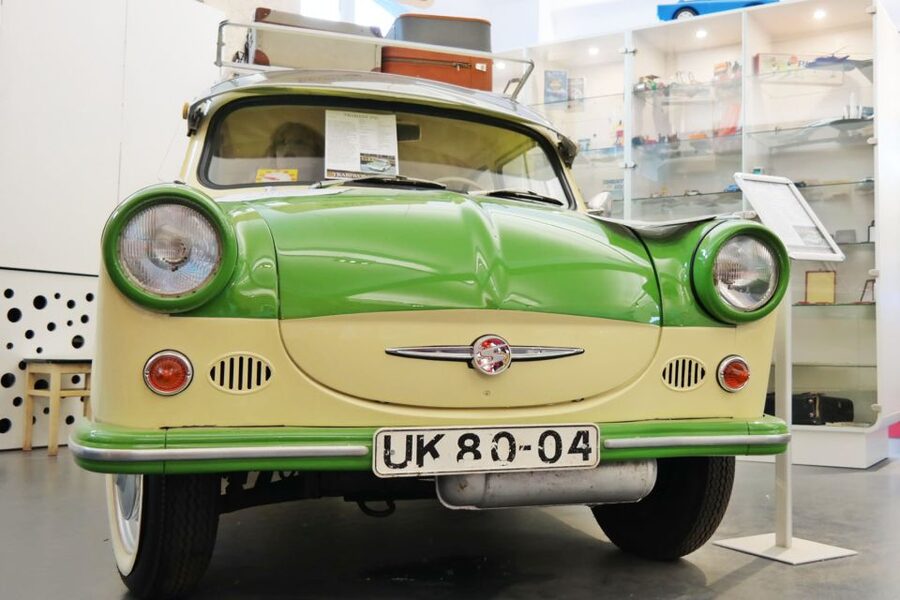
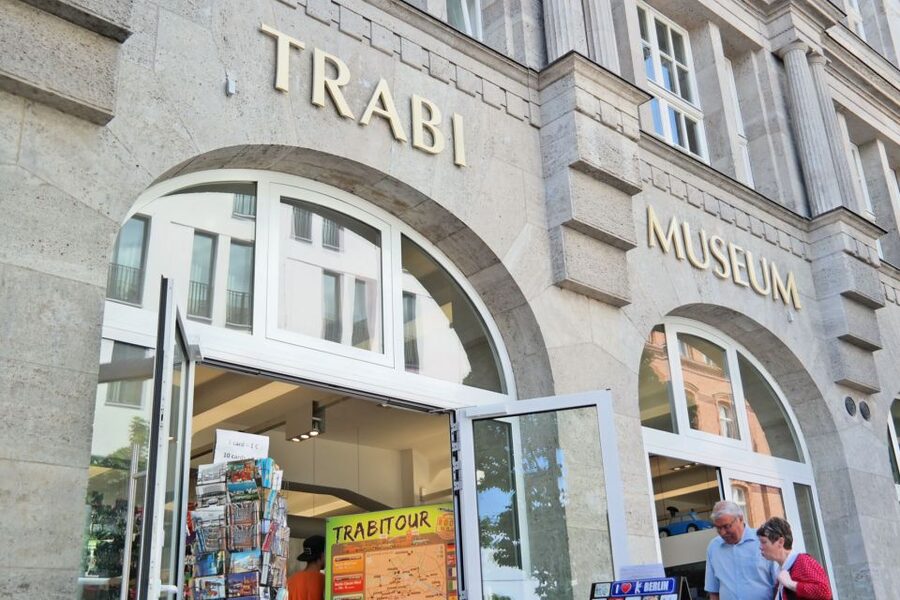
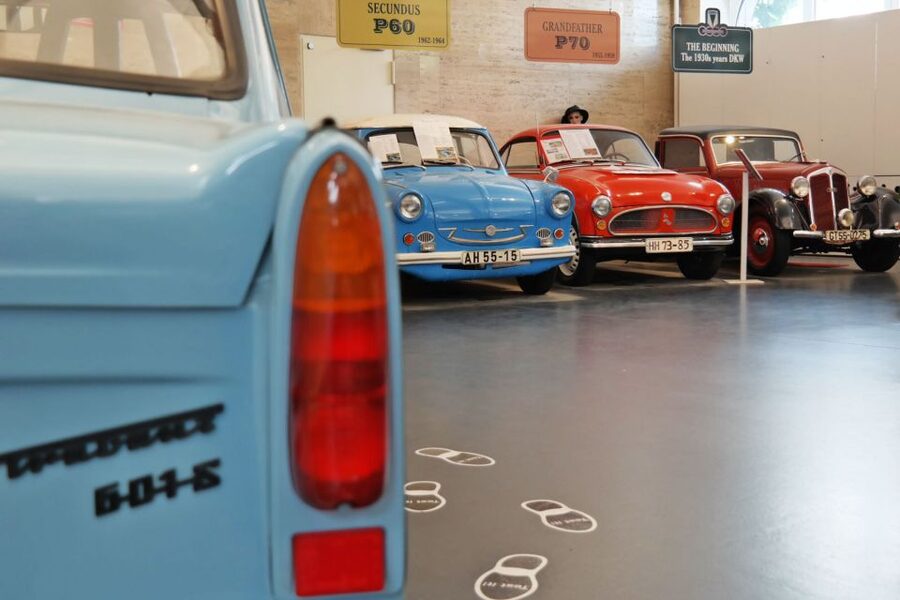
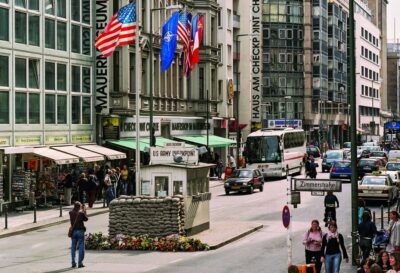
Berlin’s Trabi Museum puts the former East Germany’s most famous car right beside Checkpoint Charlie. Inside, you’ll see 14 Trabants, including camping and military versions, the rare Trabant P70 with a wooden undercarriage, and a model billed as the fastest Trabi. Two things I like here are the clear look at how one small car served many purposes, and the short film theater, which gives the exhibits more life than a simple row of parked cars.
The museum is compact, so you should not expect a large automotive collection or a full afternoon attraction. At about $10 per person, it works best as a focused stop tied to your Checkpoint Charlie sightseeing, especially if you enjoy unusual vehicles, Cold War history, or slightly comic engineering. One poor rating was left without any explanation, while another called the museum very small, so size is the main point to weigh before booking.
Key points to know before you go
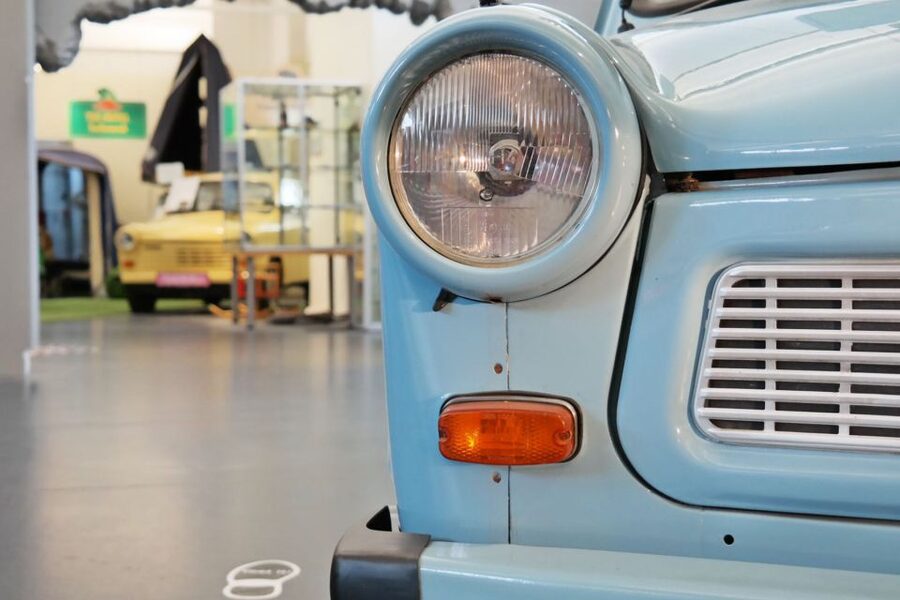
- Fourteen Trabants show different stages and uses: Expect standard cars, camping models, military vehicles, racing examples, and rarities.
- The collection sits at Checkpoint Charlie: It is easy to pair with one of Berlin’s best-known Cold War sites.
- The Trabant P70 has a wooden undercarriage: This unusual car helps explain the inventive compromises behind early production.
- Short films play in a lightshow theater: You get more than static displays, though the film segment is brief.
- The miniature GDR world adds visual context: It gives you a small-scale look at life around the car’s original setting.
- A Trabi Safari is separate: You can get behind the wheel through the associated TrabiWorld operation, but museum admission itself covers entry only.
Why the Trabant matters in Berlin
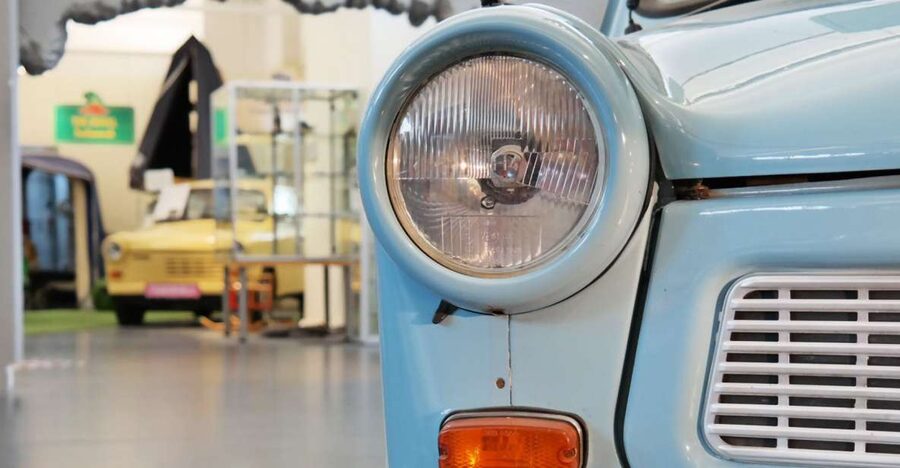
The Trabant, often shortened to Trabi, was produced from 1958 at the VEB Automobilwerk Zwickau. It became the most recognizable car of the former German Democratic Republic, or GDR. It was not luxurious, fast, or especially refined. Its importance came from being the everyday people’s car for East Germany.
That makes the museum useful even if you are not a car expert. The exhibits show how a vehicle can become a social symbol. In the former GDR, the Trabant was tied to family trips, camping, official work, military service, and the practical business of getting from one place to another.
I like the museum’s basic idea: instead of showing only a polished classic car, it follows the Trabi through several stages and jobs. You can look at the car as an object of design, but also as a sign of a political and economic system. That wider context gives the collection more weight than its small size might suggest.
The setting helps. Zimmerstraße is close to Checkpoint Charlie, where Berlin’s Cold War story is already part of the street scene. You can visit the museum as a quick vehicle stop, or use it to add a more personal, everyday layer to the larger history of the divided city.
More Attraction Tickets in Berlin
- Berlin: Jewish Museum Berlin Entrance Ticket
★ 4.5 · 8,393 reviews - Berlin: Berlin Story Bunker Entry Ticket
★ 4.6 · 6,759 reviews - Berlin: Illuseum Berlin Entrance Ticket
★ 4.1 · 3,970 reviews
Inside the 14-vehicle collection
The main attraction is the display of 14 vehicles. The exact order of your visit is not given, but the collection is arranged around different development stages and uses of the Trabant. You will see how the car changed and how people adapted it to different needs.
The early models are important because they show where the Trabant story began. Production started in 1958, and the museum includes rarities connected to those early years. The Trabant P70, with its wooden undercarriage, is one of the most unusual examples. That construction detail is a good reminder that postwar car production often involved making do with limited materials and technology.
You will also see the more familiar shape associated with the Trabi. Its small body and modest size are part of its charm, but they also explain why the vehicle became such a recognizable symbol. It was built for practical ownership, not for speed or status.
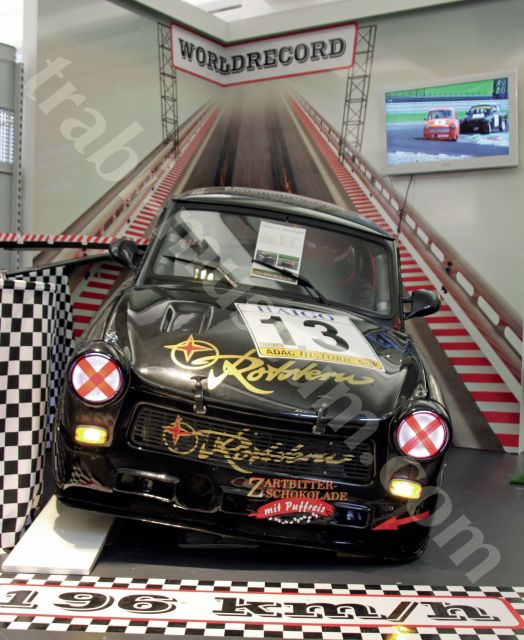
The collection then moves into special uses. Camping Trabants show how owners stretched a basic car into a holiday vehicle. Military models reveal another side of the car’s working life. Racing or performance-focused examples, including the display described as the fastest Trabi, add a playful contrast to the ordinary family car.
I find this variety more useful than a display of 14 nearly identical vehicles would be. You can compare the standard version with cars altered for travel, official service, or competition. The museum asks you to look at the Trabant not as one fixed model, but as a platform that people modified and reused.
Still, keep your expectations in check. This is a small museum. If you want detailed technical specifications, a large restoration center, or dozens of cars from many manufacturers, the collection may feel limited. If you want a short, focused introduction to one distinctive vehicle, the compact format is a benefit.
The lightshow theater and miniature GDR
A short film is shown in the museum’s lightshow theater. This adds movement and sound to a collection that could otherwise be mostly visual. I would make time for it, since the film helps place the cars within the story of the GDR rather than leaving you to study body panels on your own.
The theater is not described as a long cinema presentation, so treat it as a brief supporting feature rather than the main event. Its value is simple: you see and hear more about the Trabant while taking a break from looking at the vehicles.
The miniature GDR world gives the museum another visual tool. Small-scale displays can make an otherwise broad subject easier to grasp, particularly if you are unfamiliar with East German daily life. It is not a substitute for a large political museum, but it helps connect the cars to the society that produced and used them.
For families, the miniature display and the unusual car shapes may be more approachable than a long text-heavy exhibition. For adults interested in Berlin’s Cold War past, it provides a smaller, more domestic angle. Checkpoint Charlie often brings to mind border crossings and political confrontation. The Trabi museum shifts attention toward the ordinary people who lived with the results of that system.
What the $10 ticket is worth
At $10 per person, this ticket offers reasonable value if you already plan to visit Checkpoint Charlie. The museum is not a full-day attraction in the sense of spending many hours inside, but the ticket is valid for one day. That gives you flexibility to fit it around other stops in central Berlin.
The best value comes from the combination of the collection, film theater, and miniature display. You are not paying only to see one standard Trabi. You are paying for a compact look at the car’s development, special versions, and place in GDR life.
The price is less attractive if you expect a major automobile museum. One rating specifically described the museum as very small, and that is the key caution. I would not travel across Berlin for this alone unless you have a strong interest in the Trabant. I would add it to a day already centered on Checkpoint Charlie and nearby Berlin history.
The ticket includes museum entry only. A Trabi Safari, where you can drive a Trabi through the former East or West Berlin, along the former Wall, or on a route of your choice, is a separate experience. That distinction matters. If driving the car is your main goal, museum admission will not cover the safari.
More Museum Tours in Berlin
- Berlin: DDR Museum Tickets
★ 4.3 · 3,443 reviews - Berlin: Natural History Museum Entrance Ticket
★ 4.6 · 3,382 reviews - Berlin: Neues Museum Entry Ticket
★ 4.6 · 3,261 reviews - Skip-the-Line: Berlin Wall Museum at Checkpoint Charlie
★ 4.1 · 2,041 reviews
Getting to Zimmerstraße 14 to 15
The meeting point is at Zimmerstraße 14 to 15, 10969 Berlin. The location is in the Checkpoint Charlie area, making it practical to combine with other nearby sights.
There is one useful arrival tip. If the museum door is closed, cross the street and look for TrabiWorld at Zimmerstraße 97 to 100 on the left-hand side. This is the associated Trabi operation and can help you find the right place without wasting time circling the block.
The ticket lets you skip the ticket line, which is handy in a busy sightseeing district. English and German assistance is available through a host or greeter. The activity is also listed as wheelchair accessible, an important point for anyone planning a central Berlin day around easy indoor stops.
No fixed starting time is given in the information provided. Check availability when you choose your date, even though the ticket is valid for one day. This is a self-contained museum visit rather than a long guided tour with a set route.
The museum compared with a Trabi Safari
The museum and the safari offer two different ways to understand the Trabant. In the museum, you look at rare examples and see how the vehicle developed. On a safari, you get behind the wheel and experience the car as a driver.
The museum is the calmer and less expensive option. At $10, it gives you a short introduction without committing to a driving activity. It suits you if you are curious about the car but do not need to operate one.
The safari is the more hands-on choice. Available routes include travel through East or West Berlin and along the former Wall, with the option of choosing another route. The supplied information does not state that the safari is included with the day ticket, so plan and budget for it separately.
You can also combine the two if driving is important to you. Seeing the different models first may make the safari more meaningful because you will understand the car’s place in East German life before taking the wheel. If your schedule is tight, choose based on your priority: exhibits and context at the museum, or direct participation on the road.
Who will enjoy this small Berlin museum
I would recommend the museum to anyone interested in the Cold War, Berlin’s divided past, unusual vehicles, or everyday life in the former GDR. It is also a good fit for families who want a short indoor stop with visual displays and a film.
Car enthusiasts may enjoy the rare examples, especially the P70 with its wooden undercarriage and the fastest Trabi. The appeal is not technical scale. It is the chance to see how one modest car became a symbol and then appeared in many different forms.
It may not suit you if you need a large museum with extensive displays, long guided commentary, or a full afternoon of exhibits. The rating of 4.1 from 63 reviews suggests generally positive but not universal satisfaction. The Spanish comment describing the cars as very fun points to the playful side of the visit, while the critical German comment about the museum being very small identifies the main limitation.
That balance is fair. Go for the character of the subject, not the size of the building.
Should you book the Berlin Trabi Museum?
Book this ticket if you are already near Checkpoint Charlie and want a compact, affordable stop with a clear Berlin connection. The 14 vehicles, unusual P70, camping and military models, short films, and miniature GDR display give you enough variety for a worthwhile visit at $10.
Skip it if you are expecting a large automotive collection or if your main goal is to drive a Trabant. In that case, investigate the separate Trabi Safari instead. For most people, I would treat the museum as a one-day add-on to a Checkpoint Charlie itinerary, not as Berlin’s main museum event.
FAQ
Where is the Berlin Trabi Museum?
The meeting point is at Zimmerstraße 14 to 15, 10969 Berlin, near Checkpoint Charlie. If the door is closed, cross the street and find TrabiWorld at Zimmerstraße 97 to 100 on the left-hand side.
How much does museum entry cost?
The listed price is $10 per person.
How long is the ticket valid?
The ticket is valid for one day. Check availability for the starting times offered on your chosen date.
What does the ticket include?
The ticket includes entry to the Trabi Museum.
How many vehicles are on display?
The museum displays 14 different vehicles.
What types of Trabants can I see?
You can see different development stages and uses, including camping Trabants, military vehicles, the Trabant P70 with a wooden undercarriage, and the model described as the fastest Trabi.
Is a Trabi Safari included?
No. The museum ticket includes entry only. A separate Trabi Safari lets you drive through East or West Berlin, along the former Wall, or on another chosen route.
Is the museum wheelchair accessible?
Yes. The activity is listed as wheelchair accessible.
Just added in Berlin
- Berlin & The Third Reich Private Guided Tour★ 5.0 · 3 reviews
- Third Reich Quest Experience in Berlin★ 4.5 · 7 reviews
- Private Analogue Photography Experience in Berlin★ 5.0 · 3 reviews
- Berlin Urbex Adventure and History Tour★ 5.0 · 9 reviews
- The Beauty of Berlin by Bike: Private Tour★ 5.0 · 59 reviews
- Berlin: Guided Bike tour of the Berlin Wall and Third Reich★ 5.0 · 160 reviews
- Beyond Currywurst: Berlin’s Hidden Street Food & Culture Tour★ 5.0 · 100 reviews
- Berlin Third Reich & Cold War Walking Tour With A Guide★ 5.0 · 7 reviews
Museums, compared.




Skip-the-Line: Berlin Wall Museum at Checkpoint Charlie
Read our review →
Browse the lists this tour appears in