
Reviewed · BERLIN WALL AND COLD WAR TOURS
Berlin: Third Reich & Cold War Walking Tour
Berlin’s recent past is written across a surprisingly compact part of the city. In two hours, this private walk links the Brandenburg Gate, the Reichstag, the Holocaust Memorial, Hitler’s Bunker site, the Topography of Terror, and Checkpoint Charlie into one clear story, from Nazi dictatorship to German reunification.
I like the private format, since you can ask questions and adjust the focus instead of following a fixed group script. I also like the guides’ practical local advice. Eugen has led French-language tours praised for being clear and warm, while Carlo has helped visitors choose Berlin neighborhoods, restaurants, and local experiences.
The main drawback is time. Two hours is enough for an informed overview, but not enough for long museum visits or a slow examination of every memorial. You will walk away with a map of Berlin’s past, not a full history course.
Key points to know before booking
- A compact route through two dark chapters: The walk connects the Nazi period, the Holocaust, the Berlin Wall, and reunification.
- A truly private experience: Your group is exclusive, and the tour can be adjusted to suit your interests.
- Six major Berlin sites: Expect the Brandenburg Gate, Reichstag, Holocaust Memorial, Hitler’s Bunker site, Topography of Terror, and Checkpoint Charlie.
- Useful guide-led context: The best value comes from explanations, connections between sites, and answers to your questions.
- Languages for several kinds of visitors: Tours are offered in English, French, and Spanish.
- A good first-day orientation: Your guide can suggest other things to do, places to eat, and neighborhoods to explore.
Starting at Hotel Adlon and the Brandenburg Gate
Meet your guide in front of Wellendorff Berlin at Hotel Adlon, at Unter den Linden 77. This is a handy central starting point, placing you beside one of Berlin’s most recognizable landmarks and close to several major government and memorial sites.
The Brandenburg Gate is more than a grand photo stop. It gives your guide a useful opening point for explaining Berlin’s changing political identity. The gate has become a symbol of German unity, but its meaning has shifted with the city’s rulers, wars, division, and reunification.
I like beginning here because the landmark is familiar even to first-time visitors. You do not need much preparation to understand why it matters, and the surrounding area quickly introduces the scale of central Berlin.
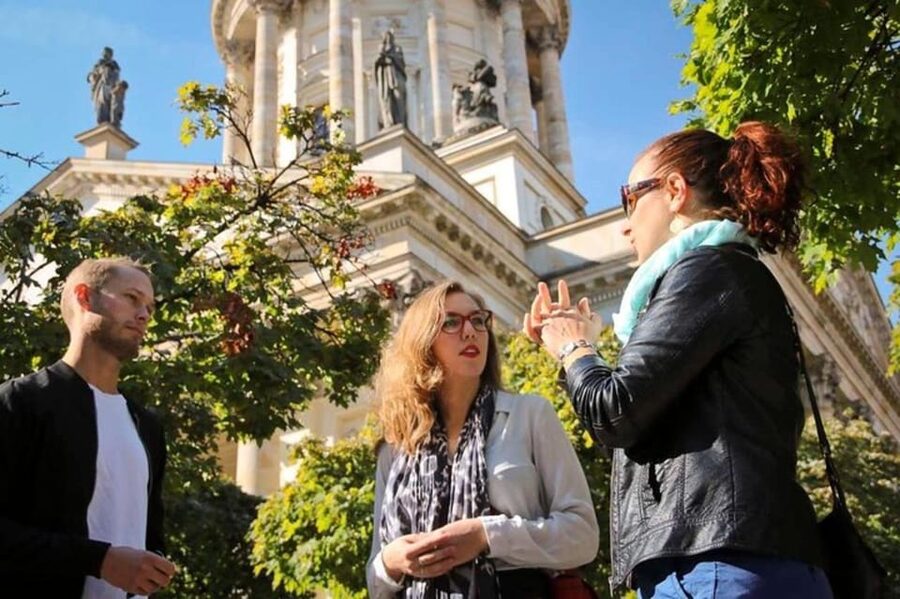
Take a moment for photographs before the history begins in earnest. The tour is guided, so your attention is directed toward the meaning of the place rather than just the columns and crowds. Since the walk is private, this is also a good time to tell your guide what interests you most: military history, political change, Jewish history, the Berlin Wall, or everyday life in divided Berlin.
More Third Reich Tours in Berlin
- Berlin: Third Reich and Cold War 2 Hour Walking Tour
★ 4.9 · 6,830 reviews - Berlin’s Best: 2 Hour Walking Tour Third Reich and the Cold War
★ 5.0 · 5,486 reviews - Third Reich Berlin: Hitler and WWII Walking Tour
★ 5.0 · 3,301 reviews
The Reichstag and the machinery of power
From the Brandenburg Gate, the walk continues to the Reichstag, home of the German Parliament. Here, the subject shifts from symbols of the city to the use of political power during the Nazi dictatorship.
The Reichstag is useful in this tour because it helps connect architecture with government. You are not simply looking at an important building. You are considering how democratic institutions can be damaged, used, or reshaped by a dictatorship.
The guide’s role matters most at stops like this. A building can tell you where something happened, but a good explanation helps you understand why it mattered. French-speaking visitors have especially praised Eugen for making difficult subjects clear and approachable. English and Spanish are also available.
Do not expect this portion to function as a full visit inside the Parliament. The stated activity is a walking tour, and the Reichstag is presented as a guided stop. If you want to see interior areas, you should ask the tour company about tickets and possible arrangements. The provider offers help booking tickets for desired visits, but entry is not listed as part of the basic experience.
The Holocaust Memorial requires a quiet pause
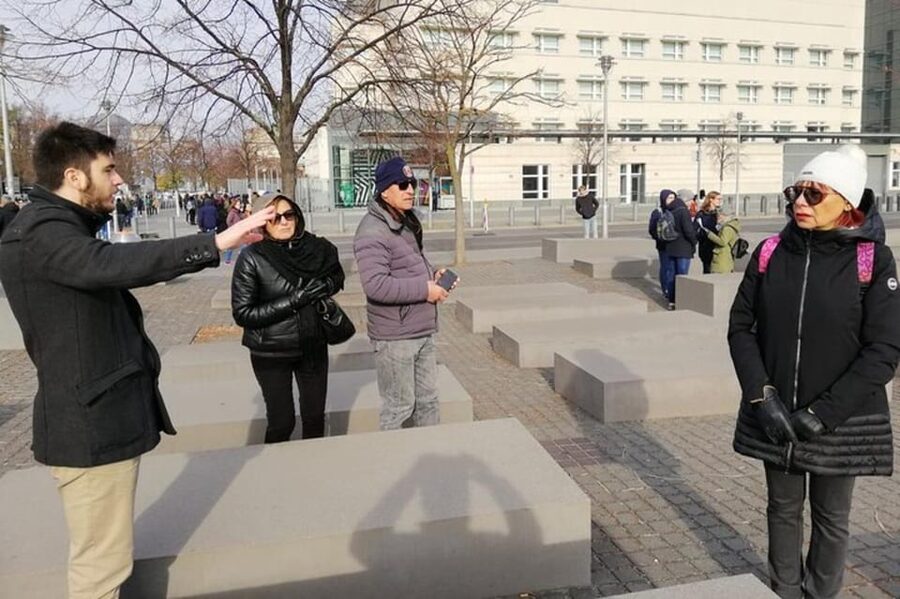
The Memorial to the Murdered Jews of Europe is one of the most important stops on the route. Its field of concrete blocks creates a stark, unsettled space in the middle of Berlin. The site is not treated as a quick backdrop for photographs. Your guide explains its purpose as a memorial to Jewish victims of the Holocaust.
This is a place where I would slow down, even during a short tour. The memorial is open and public, but its meaning is heavy. The rows of blocks invite you to move through the space rather than view it from one fixed point, and that physical experience can make the subject feel less distant.
A private guide is useful here because you can ask questions without holding up a large group. You can also decide how much discussion feels right for your party. The subject calls for care, and the tour’s focus on explanation helps prevent the memorial from becoming just another stop on a sightseeing checklist.
You may want to return later on your own if this site matters especially to you. Two hours does not allow unlimited time at each location, and a second visit can give you space to reflect without watching the clock.
Hitler’s Bunker site and the final days of the war
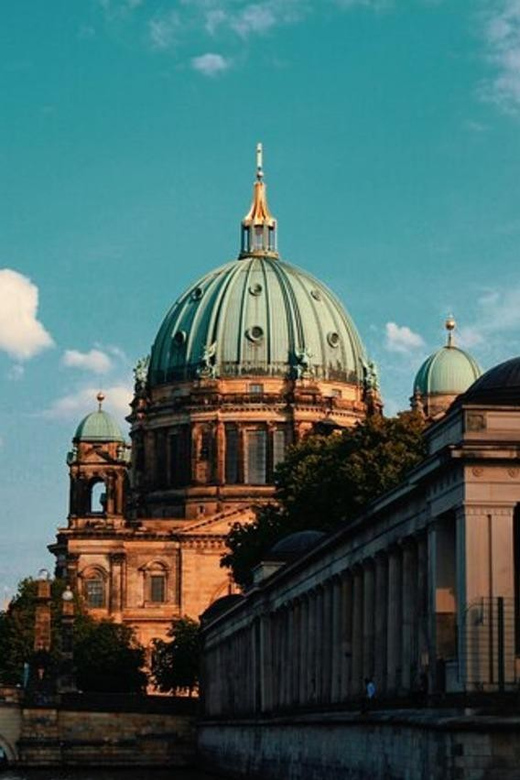
The route then reaches the site of Hitler’s Bunker. The location is important because it marks the last days of World War II and Hitler’s suicide. Today, the site is discussed as part of the surrounding city rather than presented as a preserved underground attraction.
That distinction matters. You are learning about a place tied to a major historical event, but you should not expect a dramatic underground tour or an intact bunker interior. The value comes from knowing what happened here and understanding how the war ended in Berlin.
This stop also raises a practical point about guided history tours. Many important sites in Berlin are ordinary-looking places with little to see at ground level. Without context, you could walk past them without knowing their importance. A local guide supplies the missing connection between the modern city and the events that took place there.
The tone here should be factual and restrained. That is one reason a private format works well. You can ask direct questions, and your guide can explain the difficult subject without turning it into spectacle.
More Walking Tours in Berlin
- Discover Berlin Half-Day Walking Tour
★ 5.0 · 9,624 reviews - Berlin: Discover Berlin Walking Tour
★ 4.9 · 5,998 reviews - Berlin: Hidden Backyards Guided Walking Tour
★ 4.8 · 5,360 reviews - Berlin: Alternative Berlin Walking Tour
★ 4.6 · 1,204 reviews
Topography of Terror at the former Gestapo and SS headquarters
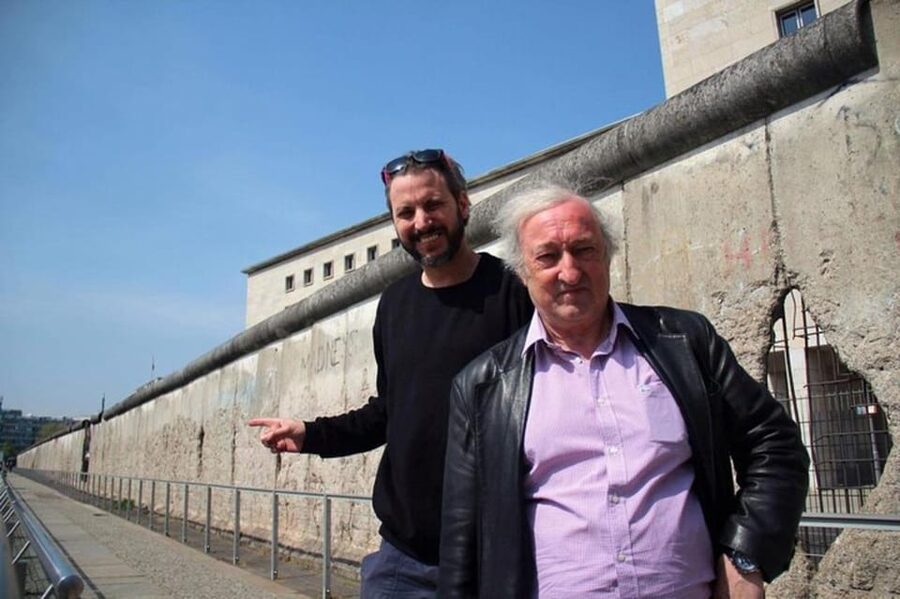
The Topography of Terror exhibition occupies the site of the former Gestapo and SS headquarters. This stop moves the story from the final days of the Nazi regime to the crimes and systems that supported it during World War II.
The exhibition is especially useful for anyone who wants more than a list of dates and famous names. The site focuses on the institutions responsible for persecution and terror. Your guide helps place the exhibition within the wider route, linking what you have seen at the Reichstag, Holocaust Memorial, and Bunker site.
Because this is an exhibition, the amount you can see in a two-hour walk is limited. The tour includes the location and guided discussion, but it does not promise a long independent museum visit. If you want time to read displays in detail, plan to return separately or ask about adding time and tickets.
I see this as one of the strongest stops for visitors who want to understand how a dictatorship operated. Monuments can mark loss, while this site helps explain the organizations and actions behind that loss.
Berlin Wall stories from 1961 to 1989
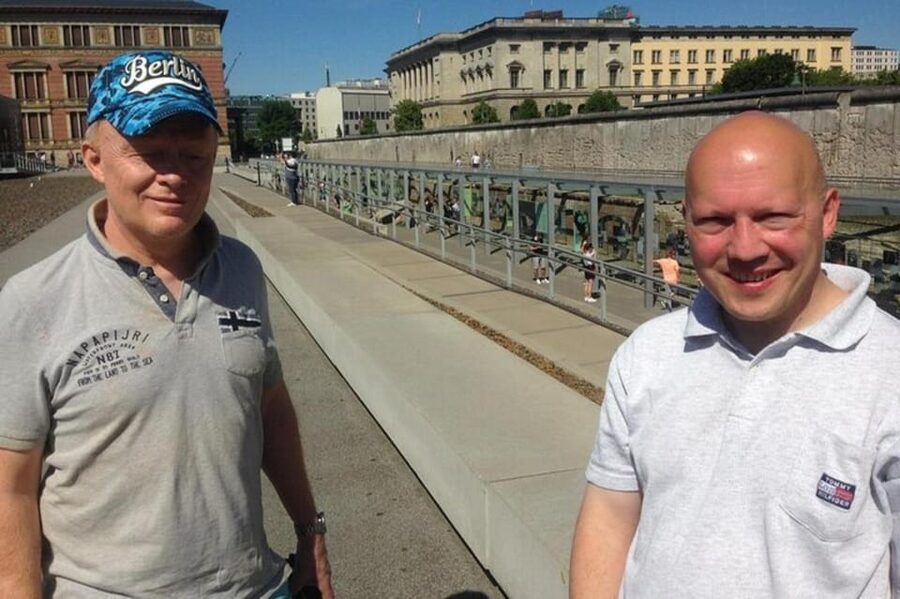
After the Nazi-era sites, the tour turns to the Cold War and the division of Berlin. Your guide explains the construction of the Berlin Wall in 1961, the attempts people made to escape, and the political pressure that eventually led to its fall in 1989.
This change in subject is one of the tour’s best features. Berlin’s 20th-century story did not end in 1945. The city was then split between competing political systems, and the Wall became a physical barrier between families, streets, and ways of life.
The guide can make the Wall easier to understand as more than a strip of concrete. Its construction changed the city overnight, and the escape stories show the risks people took to cross it. Ask questions about daily life in divided Berlin if that interests you. The private format gives you room to steer the conversation.
The tour information allows walking and public transport, except where a selected option says otherwise. That gives the guide some flexibility if a particular section needs transport. Still, you should think of this as a walking experience and wear comfortable shoes. The route covers several central sites in two hours, so the pace may feel brisk.
Checkpoint Charlie and the Cold War standoff
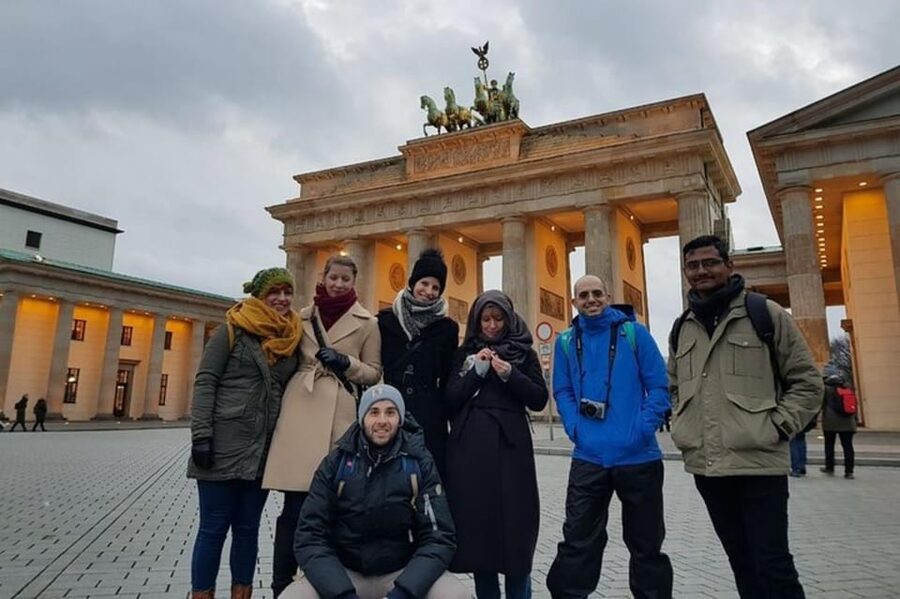
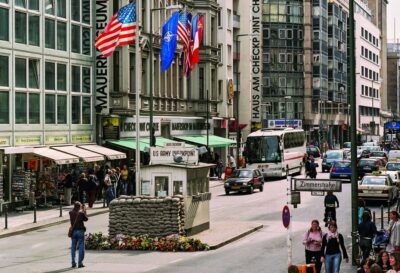
The walk ends at Checkpoint Charlie, the best-known former crossing point between East and West Berlin. Your guide covers the tense standoff between Soviet and American forces in 1961, then explains the fall of the Wall in 1989 and the road toward German unity.
Checkpoint Charlie is an effective final stop because it brings the Cold War story into focus. It was not merely a border crossing for tourists. It represented the confrontation between two superpowers, with Berlin as one of the main pressure points.
The area is also one of the more commercial parts of the historical route. You may find the modern presentation less quiet or solemn than the Holocaust Memorial or the former Gestapo site. That contrast is worth keeping in mind. Checkpoint Charlie is famous, but its fame can sometimes overshadow the human and political story behind it.
Ending here gives you a clear sense of sequence: dictatorship, war, division, confrontation, and reunification. It also leaves you in a central area where your guide can offer suggestions for the rest of your day.
What makes the private format worth $35

At $35 per person, the price is appealing if you want a focused introduction to Berlin’s 20th-century history. You are paying less for admissions or special access than for a guide’s time, structure, and ability to connect several sites.
The value depends partly on group size. The experience is private and exclusive, so you will not be placed with strangers. That can make a real difference at the Holocaust Memorial, the Bunker site, and Checkpoint Charlie, where thoughtful questions can shape the pace.
A two-hour private walk also works well at the beginning of a Berlin visit. You get the basic story, learn where key places are, and can ask for suggestions about neighborhoods, food, and other activities. Carlo, one of the guides praised by name, is noted for offering advice on local areas and explaining how Germans today view the events discussed. That kind of present-day perspective is useful, since Berlin’s history is not sealed away in museums.
The price is less attractive if you expect long interior visits, transport throughout, or a full museum experience. Ticket help is available, but food, drinks, and admission costs are not included. Check what option you are selecting before booking if you want additions beyond the walking route.
Who will get the most from this walk
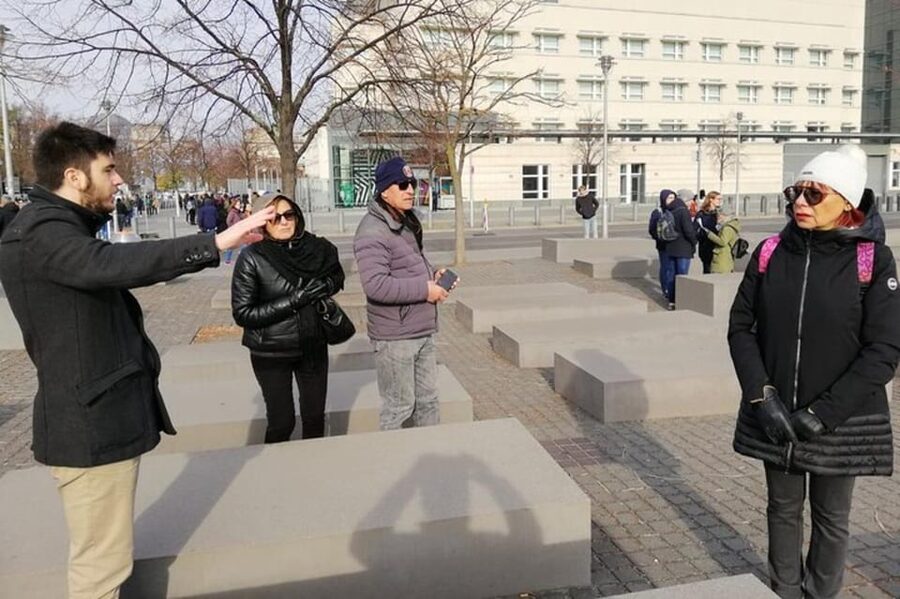
I would recommend this tour to first-time visitors who want a strong historical framework without spending a whole day in a museum. It also suits families and private groups who need the flexibility to ask questions or adjust the emphasis.
It is a good match for you if you want:
- A short introduction to Berlin’s Nazi and Cold War history
- A private guide rather than a large group
- A route covering major central landmarks
- Explanations in English, French, or Spanish
- Suggestions for other places to visit and eat
- A guide who can discuss both historical events and modern German views
You may want something longer if you already know Berlin well or want detailed museum time. The route covers a lot, but the pace and duration mean that some stops are introductions rather than extended visits.
The tour is wheelchair accessible, which makes it an option for visitors who need that feature. Since the activity covers several outdoor locations and may use public transport, confirm the exact selected option and route details when booking.
Practical timing and planning advice
Allow the full two hours and arrive at the meeting point in front of Wellendorff Berlin at Hotel Adlon. The start is easy to identify, but finding your guide is simpler if you arrive a little early and keep the meeting details available.
Wear comfortable shoes. The experience is built around walking between major sites, and the schedule is compact. Bring water if you need it, since food and drinks are not included.
Think of the walk as an introduction, then choose one or two places to revisit later. The Holocaust Memorial and Topography of Terror can reward more time, while the Brandenburg Gate and Checkpoint Charlie are easy to see again after the tour.
You can cancel up to 24 hours in advance for a full refund, and you can reserve now and pay later. These terms are useful if your Berlin plans are still shifting. Starting times vary, so check availability for your date.
Should you book the Berlin history walk?
Book it if you want a private, well-paced orientation to Berlin’s Nazi and Cold War past, especially if you are visiting for the first time. The route covers the landmarks most people want to see, while the guide adds the context that plaques and photographs cannot provide.
I would choose it for the chance to ask personal questions and receive practical advice for the rest of the visit. Eugen is a strong choice for French speakers based on the available guide information, and Carlo’s local recommendations sound useful for visitors who want to go beyond the main sights.
Skip it if you want long, quiet museum visits or a full-day study of Berlin’s history. For everyone else, $35 is a fair price for a private two-hour introduction that turns a scattered set of landmarks into one understandable story.
FAQ
Where does the tour start?
The tour starts in front of Wellendorff Berlin at Hotel Adlon, at Unter den Linden 77 in Berlin.
Where does the tour end?
The tour ends at Checkpoint Charlie.
How long does the tour last?
The walking tour lasts two hours.
Is this a private tour?
Yes. The tour is private and exclusive, with no one else added to your group.
Which languages are available?
Live tours are available in English, French, and Spanish.
What locations are included?
The route includes the Brandenburg Gate, the Reichstag, the Holocaust Memorial, Hitler’s Bunker site, the Topography of Terror, and Checkpoint Charlie.
Is public transport included?
Walking and public transport are included, except if you select an option that states otherwise.
Are food and drinks included?
No. Food and drinks are not included.
Can I cancel for a refund?
Yes. You can cancel up to 24 hours in advance for a full refund.
More Berlin Wall and Cold War Tours in Berlin
- Berlin: DDR Museum Tickets
★ 4.3 · 3,443 reviews - Skip-the-Line: Berlin Wall Museum at Checkpoint Charlie
★ 4.1 · 2,041 reviews - Berlin: East Side Gallery Spree Cruise in a Solar Catamaran
★ 4.0 · 1,039 reviews - Cold War, Berlin Wall, Spies and the East Side Gallery
★ 5.0 · 1,024 reviews
Just added in Berlin
- Berlin & The Third Reich Private Guided Tour★ 5.0 · 3 reviews
- Third Reich Quest Experience in Berlin★ 4.5 · 7 reviews
- Private Analogue Photography Experience in Berlin★ 5.0 · 3 reviews
- The Beauty of Berlin by Bike: Private Tour★ 5.0 · 59 reviews
- Berlin: Guided Bike tour of the Berlin Wall and Third Reich★ 5.0 · 160 reviews
- Berlin Urbex Adventure and History Tour★ 5.0 · 9 reviews
- Beyond Currywurst: Berlin’s Hidden Street Food & Culture Tour★ 5.0 · 100 reviews
- Berlin Third Reich & Cold War Walking Tour With A Guide★ 5.0 · 7 reviews
Berlin Wall and Cold War Tours, compared.


Berlin’s Best: 2 Hour Walking Tour Third Reich and the Cold War
Read our review →
Skip-the-Line: Berlin Wall Museum at Checkpoint Charlie
Read our review →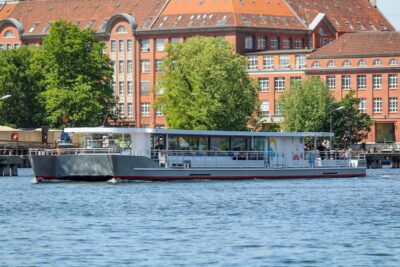
East Side Gallery Spree Cruise in a Solar Catamaran
Read our review →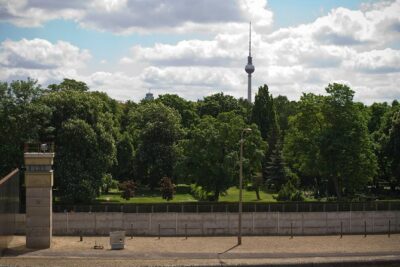
Cold War, Berlin Wall, Spies and the East Side Gallery
Read our review →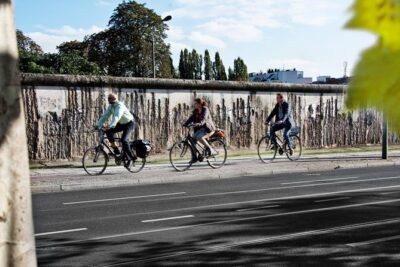
Guided Bike Tour of the Berlin Wall and Third Reich
Read our review →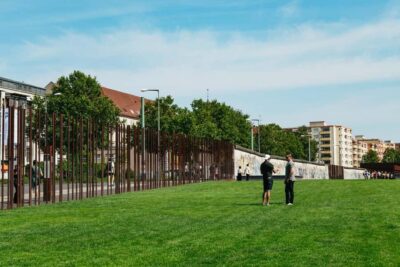
Browse the lists this tour appears in