
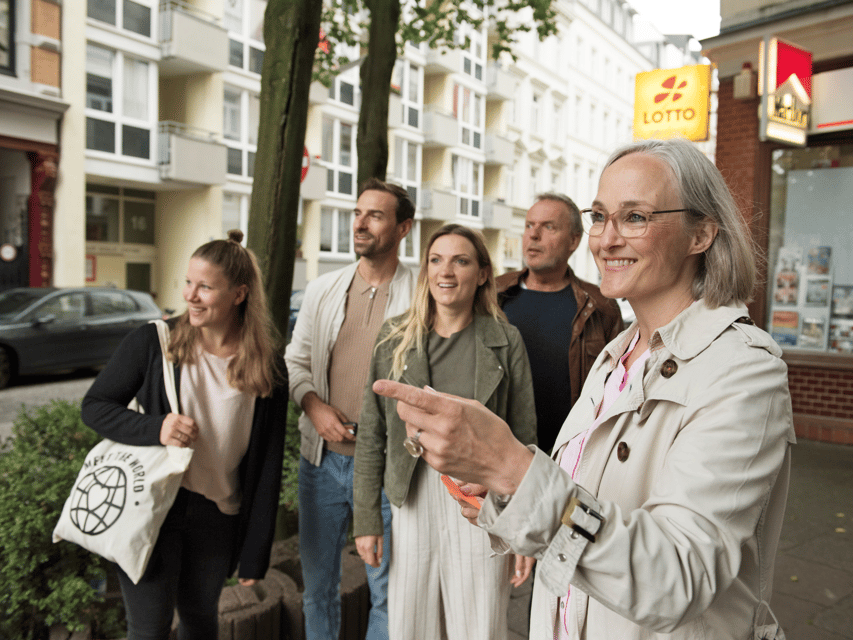
Reviewed · HISTORICAL TOURS
Berlin: Prussian History Walking Tour with Geo Epoche
Berlin’s Prussian story comes alive on foot, not behind glass. This two-hour walk links the Lustgarten, City Palace area, Brandenburg Gate, Old Reich Chancellery, and Gendarmenmarkt, helping you see central Berlin as a stage for electors, kings, emperors, and ordinary residents.
I like the route’s mix of famous buildings and quieter corners of Friedrichswerder. I also like the guide’s focus on small facts that are easy to miss on your own, backed by an illustrated brochure. The main drawback is clear: the tour is entirely in German, and the pace includes leisure walking over city streets, so it is not a good fit for visitors with mobility impairments.
Key points to know
- Start at the granite bowl in Lustgarten: This central meeting point puts you near several major Prussian landmarks from the first minute.
- Follow Berlin’s royal and imperial story: The route connects the City Palace area, the Dome, Brandenburg Gate, and former government sites.
- See more than postcard sights: Friedrichswerder includes less obvious pieces of Berlin’s past alongside major buildings.
- Expect a story-led walk: The guide explains surprising facts, anecdotes, and the lives of people who shaped the city.
- German is the only tour language: You need to follow spoken German to get the full value of the experience.
- Bring practical walking gear: The tour runs rain or shine, so wear comfortable shoes and dress for the weather.
Why Prussian Berlin works best on foot

Berlin’s center can feel like a collection of grand buildings scattered across a large urban space. A guided walk gives those places a common thread. Instead of seeing the Dome, Gendarmenmarkt, and Brandenburg Gate as separate photo stops, you begin to understand how they fit into Berlin’s role as the capital of Prussia.
The focus is not just on rulers. You’ll hear about electors, kings, and emperors, but also get a glimpse of the people who lived in the city during those periods. That balance matters. Prussian history can easily become a parade of titles and dates. This experience aims to put human stories beside the official ones.
I especially like this format for a first or second day in Berlin. You get your bearings in the historic center while learning what to look for later. A building that seems merely impressive may carry a political story, a social detail, or an architectural clue that you would otherwise walk past.
At $29 per person, the price is reasonable if you want a focused history lesson with a live guide. You are paying for two hours of interpretation rather than admission to a major museum. The value depends heavily on your German skills, since the entire tour takes place in German.
More History Tours in Berlin
- Berlin: Natural History Museum Entrance Ticket
★ 4.6 · 3,382 reviews - Berlin Historical Highlights Walking Tour
★ 4.9 · 657 reviews - Berlin Private Complete History All Day Walking Tour
★ 5.0 · 474 reviews
Meeting the guide at Lustgarten
The tour begins at the granite bowl in Lustgarten. This is a useful starting point because Lustgarten sits at the heart of Berlin’s historic center, close to several important buildings from the Prussian era.
Take a little extra care when finding the meeting point. Central Berlin has many landmarks, open spaces, and similarly named locations, so identifying the granite bowl before the start time can save you stress. One participant had trouble locating the guide at first because of a misunderstanding, but a helpful phone contact allowed the group to connect and join the walk.
That is practical advice: keep the activity contact number available on the day of the tour. The meeting instructions point you to a precise object, not simply a broad square, and that distinction matters in a busy central district.
Lustgarten also gives the guide a natural place to introduce Berlin’s changing role as the capital of Prussia. From here, you begin to follow the connection between royal power, public architecture, and the people who moved through the city.
The City Palace area and the Dome
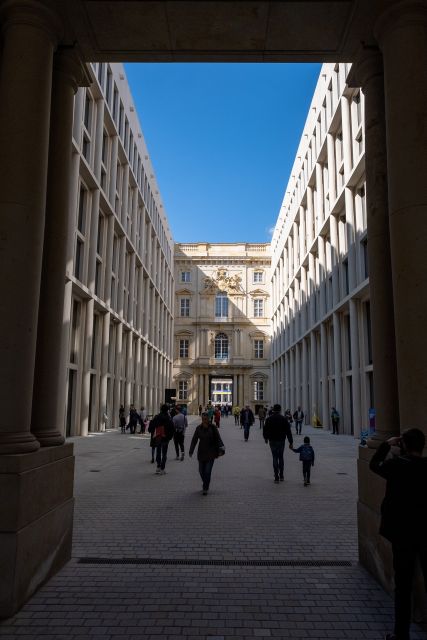
From Lustgarten, the route explores the area around the City Palace and the Dome. These buildings help set the tone for the entire walk. Here, the city’s grandest architecture reflects the power of rulers and the importance of Berlin as a capital.
The guide’s job is not simply to point out what you can already see. The useful part is hearing why a place mattered and how it fitted into the city’s political life. You may also learn details that are easy to miss when you are concentrating on taking photographs.
The Dome is one of the route’s most recognizable landmarks. Even if you have already seen it, the historical explanation can change your view of the building. The same is true of the City Palace area. A quick photograph tells you what a place looks like. A good explanation helps you understand what role it played.
The brochure with illustrative pictures adds some support to the spoken presentation. It is a modest inclusion, but a useful one. Pictures can help you connect present-day views with earlier stages of Berlin’s story, especially when the guide refers to people or buildings that are not immediately visible.
From royal Berlin toward Brandenburg Gate
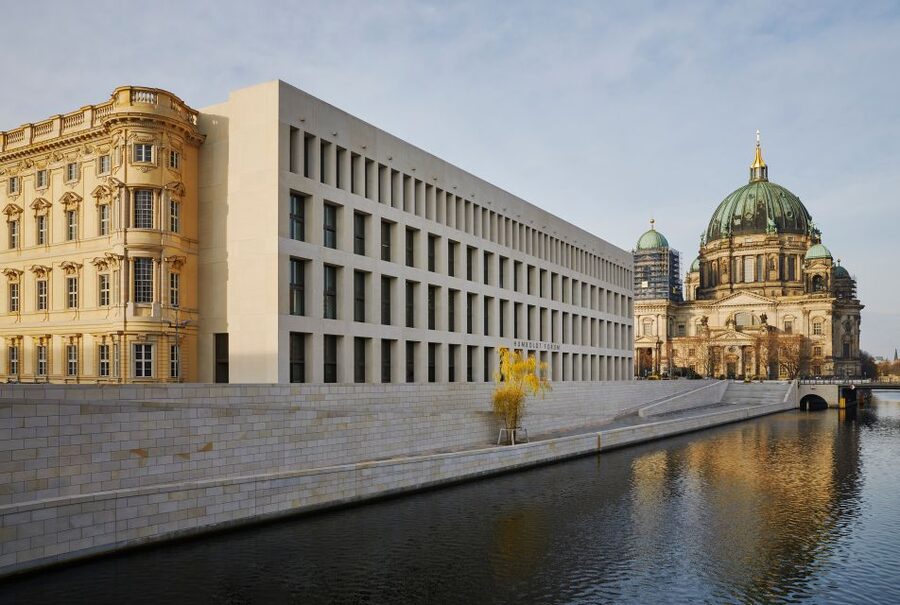
The tour also covers the area between the City Palace, Brandenburg Gate, and the Old Reich Chancellery. This broader setting shows how Berlin’s historic center was tied together by political institutions and ceremonial spaces.
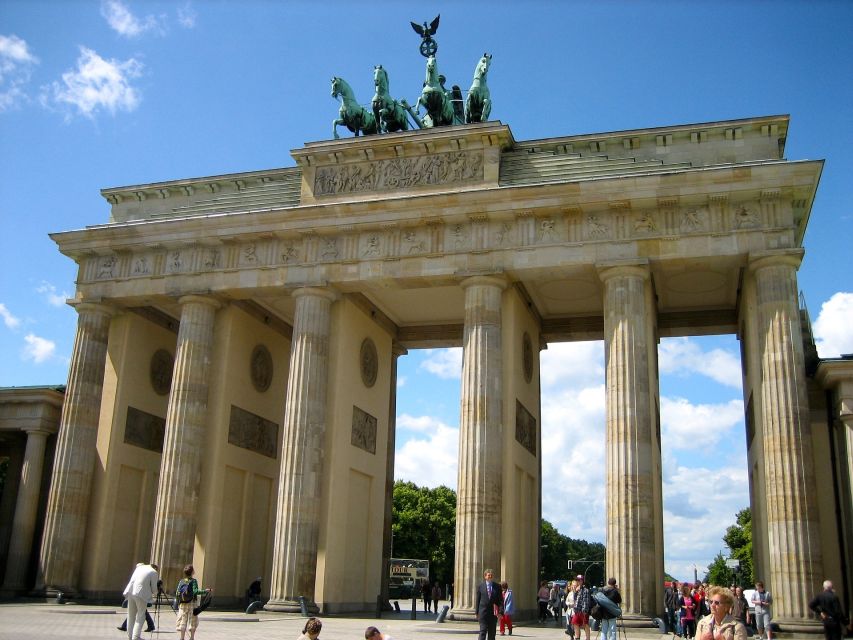
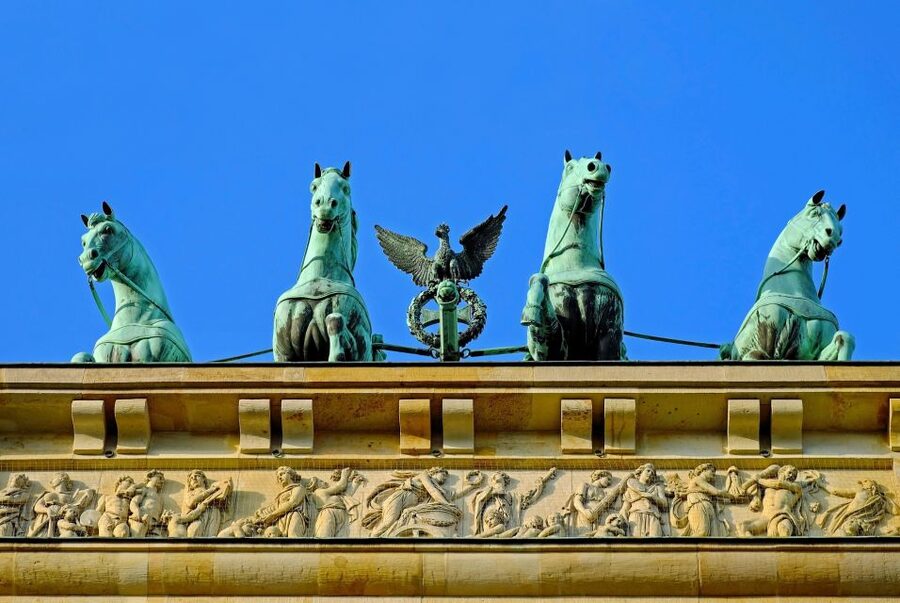
Brandenburg Gate is familiar to almost everyone who visits Berlin, but this walk places it within the Prussian story rather than treating it as an isolated monument. That context is the point. You can admire its design on your own, but the guide gives you a reason to connect it with the city’s development and the personalities who influenced Berlin.
The reference to the Old Reich Chancellery adds another layer to the route. It reminds you that Berlin’s central streets were not only places for royal display. They were also connected to administration, government, and the working machinery of power.
Do not expect a museum-style visit at each site. This is a walking tour, so the emphasis is on the streets, exterior views, and the guide’s account. If you want to go inside every major building, you will need separate plans and admission tickets. The strength here is the connection between places.
More Walking Tours in Berlin
- Discover Berlin Half-Day Walking Tour
★ 5.0 · 9,624 reviews - Berlin: Third Reich and Cold War 2 Hour Walking Tour
★ 4.9 · 6,830 reviews - Berlin: Discover Berlin Walking Tour
★ 4.9 · 5,998 reviews - Berlin’s Best: 2 Hour Walking Tour Third Reich and the Cold War
★ 5.0 · 5,486 reviews
Friedrichswerder Church and the quieter streets
One of the more appealing parts of the walk is the passage through Friedrichswerder. The neighborhood offers a change from the best-known landmarks and gives the tour room to explore less obvious details from Berlin’s past.
The Friedrichswerder Church is one of the named stops. Its inclusion helps widen the story beyond royal residences and grand civic buildings. You get a sense of how different parts of the historic center contributed to the city’s identity.
This is also where the tour’s small anecdotes can be most useful. A large monument usually announces its importance. A quieter street or less familiar building does not. The guide draws your attention to details that you might otherwise miss, which is exactly the kind of help a walking tour should provide.
I would pay close attention here if you enjoy urban history. The point is not simply to collect famous sights. It is to notice how a city’s past survives in street patterns, buildings, and small visual clues.
The route includes leisure walking, but the supplied information does not give an exact distance or a detailed list of rest stops. Plan for two hours on your feet, with suitable shoes and weather-appropriate clothing.
Gendarmenmarkt and the wider Prussian story

Gendarmenmarkt is another major stop on the route. Its inclusion gives the tour a strong finish or midpoint, depending on the exact path used by the guide. The square is one of central Berlin’s best-known historic spaces, and it offers another setting for discussing architecture, politics, and city life.
The guide connects the buildings and public spaces to notable personalities who helped shape Berlin as the capital of Prussia. This is useful because political history can otherwise feel distant. Hearing about the people involved gives the city a more personal scale.
The tour promises surprising facts and fascinating anecdotes at each site. That does not mean every stop will produce a dramatic revelation. It means you can expect more than a basic list of construction dates and names. The best moments are likely to be the details that explain how people used a place, what it represented, or why it mattered in Berlin’s growth.
Gendarmenmarkt also helps you compare different types of historic architecture within a compact area. You see how public spaces were used to express status and order, while the surrounding streets show how the capital expanded beyond the immediate royal center.
What the guide adds to the experience
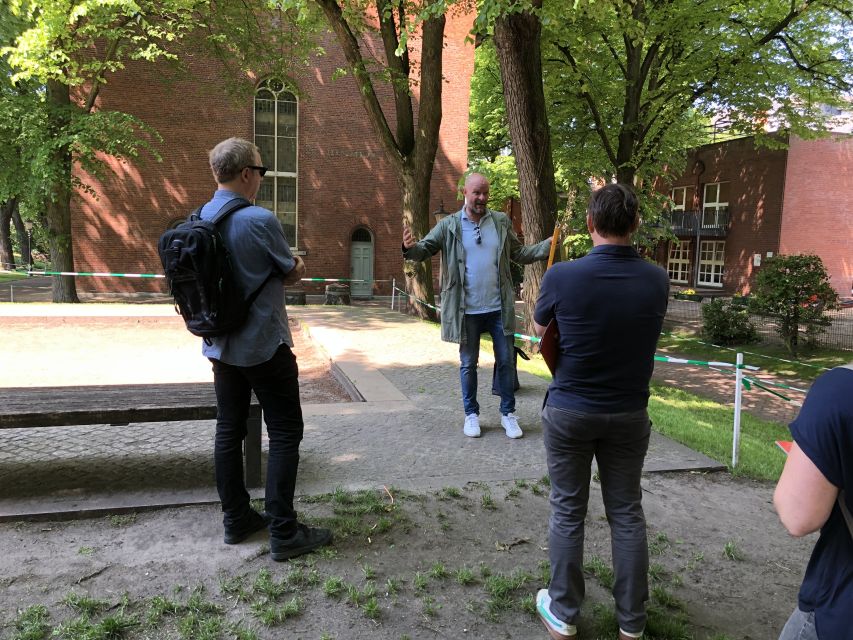
A two-hour history walk succeeds or fails on the quality of its explanations. Here, the emphasis is firmly on the guide. You are not simply given a route and a set of buildings. You are guided through the story of Berlin during the Prussian period.
The most praised part of the experience is the amount of historical information and detail. The guide draws attention to things you might not notice without help. That is a strong reason to choose this tour over walking the same streets with a guidebook.
You should also expect the guide to explain the roles of important figures in Berlin’s development. The focus includes electors, kings, emperors, and other notable personalities. At the same time, the tour gives some attention to the lives of ordinary people who lived in the city.
There is no guide name provided for this experience, so you should not book it expecting a particular presenter. The guide is German-speaking, and the entire tour is conducted in German. If you are comfortable with German conversation and historical vocabulary, that can be a real advantage. If you are not, the brochure may offer visual support, but it cannot replace the spoken commentary.
Is $29 a fair price?
For $29, this is a fairly priced option for a two-hour guided walk in central Berlin. You avoid paying for transport between sights, and the route covers several major locations in one compact experience. The brochure is included, as is the live guide.
The value is strongest for three types of people:
- You want a clear introduction to Prussian Berlin.
- You prefer buildings and streets to a long indoor museum visit.
- You understand German well enough to follow a live historical talk.
The price is less attractive if you mainly want photographs or already know the political history of central Berlin. You can walk past many of these landmarks for free. The fee pays for interpretation, connections between sites, and details you may not find on your own.
The tour does not include food, drinks, or hotel pickup and drop-off. Those omissions are normal for a short city walk, but they mean you should arrange your own route to Lustgarten and plan any café stop separately.
Weather, walking, and who should book
The tour runs rain or shine. Berlin weather can change quickly, so bring a coat or rain layer when needed and wear shoes that can handle two hours of city walking.
The activity is not suitable for people with mobility impairments. The description calls the walking leisurely, but that does not mean it is fully accessible. No special accessibility arrangements are stated, so anyone who needs a step-free route or frequent seating should choose carefully and contact the provider before booking.
Pets are not allowed. Food and drinks are not included, and there is no hotel pickup or drop-off.
I think this tour suits adults and older children who enjoy history, architecture, and stories tied to real places. It may also work well for German-speaking visitors who want a focused look at Berlin’s Prussian period. It is less suitable for anyone seeking a multilingual tour, a fast checklist of attractions, or an indoor activity protected from bad weather.
Booking flexibility and timing
The tour lasts two hours, with starting times dependent on availability. That makes it easy to fit into a day of sightseeing, especially if you book it near the beginning of your stay and use the route to orient yourself.
You can cancel up to 24 hours in advance for a full refund. A reserve-now, pay-later option is also available, which lets you hold a place without paying immediately. Those terms are useful when your Berlin schedule is still changing.
Arrive with enough time to find the granite bowl in Lustgarten. The earlier meeting-point confusion makes this more than a minor suggestion. Keep the contact number handy, and do not assume that every central Berlin landmark is within the same open square.
Should you book the Prussian Berlin walk?
Book this tour if you want a focused German-language history walk through Berlin’s central Prussian landmarks, with plenty of small details and stories along the way. The route gives you more than a list of famous buildings and helps connect the City Palace area, the Dome, Friedrichswerder, Brandenburg Gate, the Old Reich Chancellery, and Gendarmenmarkt.
Skip it if you need English, require an accessible route, or dislike outdoor walking in uncertain weather. At $29, it is good value for a listener who can follow German and wants historical context rather than just sightseeing. Bring comfortable shoes, find the granite bowl before the start time, and let the guide point out the details you would likely miss alone.
FAQ
Where does the tour begin?
Meet the guide at the granite bowl in Lustgarten, Berlin.
How long does the walking tour last?
The tour lasts two hours.
What language is the tour conducted in?
The entire tour is conducted in German.
What landmarks are included?
The route includes the City Palace area, the Dome, Friedrichswerder Church, Gendarmenmarkt, Brandenburg Gate, and the Old Reich Chancellery area.
What is included in the price?
The price includes a tour guide, the walking tour, and a brochure with illustrative pictures.
Are food and drinks included?
No. Food and drinks are not included.
Is hotel pickup available?
No. Hotel pickup and drop-off are not included.
What should I bring?
Bring comfortable shoes and clothing suitable for the weather.
Does the tour run in bad weather?
Yes. The tour takes place rain or shine.
Can I cancel for a refund?
Yes. You can cancel up to 24 hours in advance for a full refund. A reserve-now, pay-later option is also available.
Just added in Berlin
- Berlin & The Third Reich Private Guided Tour★ 5.0 · 3 reviews
- Third Reich Quest Experience in Berlin★ 4.5 · 7 reviews
- Private Analogue Photography Experience in Berlin★ 5.0 · 3 reviews
- Berlin Urbex Adventure and History Tour★ 5.0 · 9 reviews
- The Beauty of Berlin by Bike: Private Tour★ 5.0 · 59 reviews
- Berlin: Guided Bike tour of the Berlin Wall and Third Reich★ 5.0 · 160 reviews
- Shared Underground Party Tour in Berlin★ 4.5 · 9 reviews
- Beyond Currywurst: Berlin’s Hidden Street Food & Culture Tour★ 5.0 · 100 reviews
Historical Tours, compared.
City History Canal Sightseeing Tour on a Motorboat
Read our review →


Browse the lists this tour appears in