
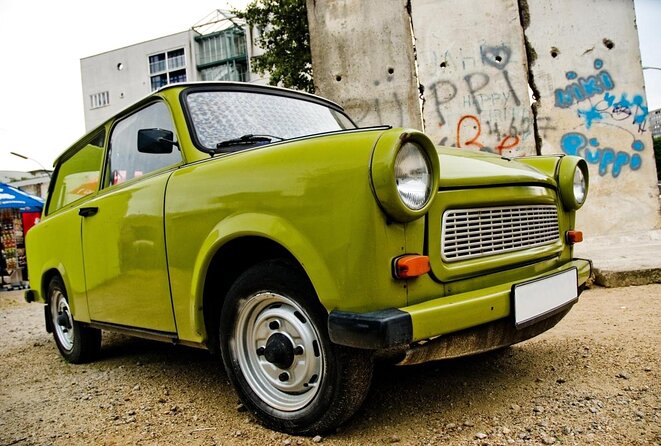
Reviewed · BERLIN WALL AND COLD WAR TOURS
DDR Museum Berlin Admission Ticket
The most revealing part of Berlin’s DDR Museum is not a grand political display. It is the ordinary stuff: a cramped kitchen, a familiar living room cupboard, old appliances, and television propaganda playing in the background. These details show how socialism shaped daily life in East Germany from 1949 to 1989.
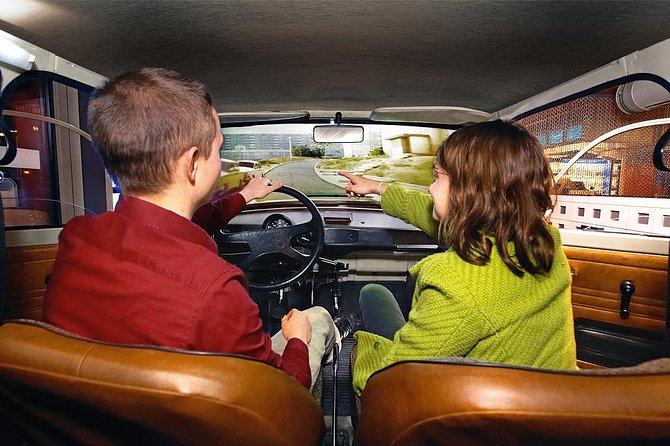
I like the hands-on exhibits, especially the chance to sit inside a Trabant and take a virtual ride through an East Berlin housing estate. I also like the museum’s central location, directly opposite Berlin Cathedral, which makes it easy to add between other sights. The main drawback is its size. At busy times, the tight exhibition space can feel hot and crowded, and the experience may take closer to an hour than a full afternoon.
Key points to know before you go
- A close look at everyday East Germany: Recreated rooms, household objects, television programs, and information on school, work, shopping, and transport give the political story a personal scale.
- Interactive rather than formal: You open drawers, sit in a Trabant, operate displays, watch films, and take part in a mock GDR election.
- Excellent central location: The museum is at Karl-Liebknecht-Str. 1, on the Spree opposite Berlin Cathedral.
- Plan for 1 to 2 hours: You can move quickly in about an hour, but reading the English text and trying the displays takes longer.
- Best at a quiet time: The museum can become very crowded, with children gathered around the buttons and activities.
- Ticket details matter: The mobile ticket is convenient in principle, but some visitors have had trouble with electronic vouchers at the entrance.
What the DDR Museum helps you understand
The German Democratic Republic existed from 1949 until reunification in 1990, and the museum concentrates on the years when East Germany operated under a socialist government and close Soviet influence. Rather than presenting only leaders, borders, and party slogans, it asks you to picture an ordinary Berliner going to school, shopping, working, watching television, and living in a government-assigned apartment.
That approach works well for first-time visitors. Political history can feel remote when it is reduced to dates and official names. Here, a kitchen appliance or a small living room tells you something more immediate about space, goods, family life, and government control.
The museum also covers the less comfortable side of the system. You encounter the Socialist Union Party, state propaganda, elections that were not genuinely free, and the Stasi security service. The tone is often lively and playful, but the subject itself is serious. I would give younger children room to enjoy the buttons and car display while also explaining that this was a real society, not simply a collection of quirky old objects.
More Attraction Tickets in Berlin
- Berlin: Jewish Museum Berlin Entrance Ticket
★ 4.5 · 8,393 reviews - Berlin: Berlin Story Bunker Entry Ticket
★ 4.6 · 6,759 reviews - Berlin: Illuseum Berlin Entrance Ticket
★ 4.1 · 3,970 reviews
Arriving opposite Berlin Cathedral
You make your own way to Karl-Liebknecht-Str. 1, on the river Spree and directly opposite Berlin Cathedral. This is one of the easiest museums to fit into a day in central Berlin, especially if you are already visiting Museum Island or walking along the river.
The entrance is designed for a timed admission, and the ticket is supplied as a mobile ticket. Bring the voucher in a form you can open easily. Several booking problems have involved electronic passes that did not scan properly, with staff needing to check the voucher or open the gate manually. That is not a reason to skip the museum, but it is a reason to arrive with the ticket ready and allow a few extra minutes.
The museum is open daily from 9 a.m. to 9 p.m. The long opening hours are useful because you can avoid the busiest part of the day. A morning visit around opening time or a later visit in the evening should give you a better chance of moving through the displays without stopping behind a large group.
Reconstructed rooms make the past personal
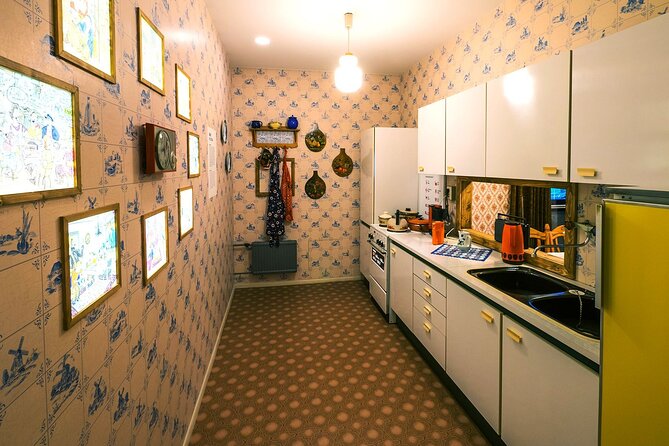
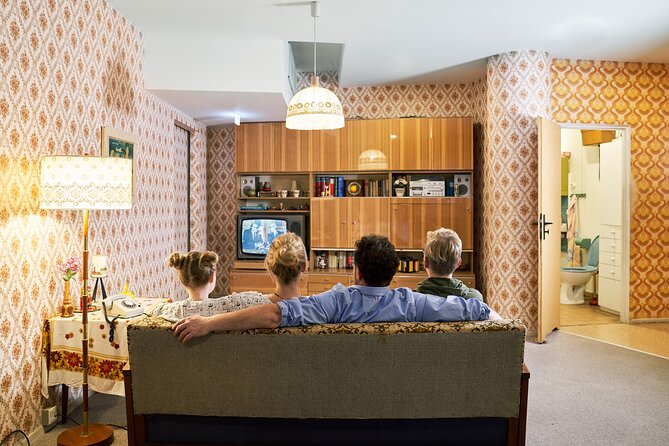
The museum’s first major strength is its collection of recreated living spaces. You can look inside an East German apartment and see how daily life was arranged in a limited amount of space. The Carat living room cupboard, kitchen equipment, furniture, and television help you picture the home as a working environment rather than a political exhibit.
The displays cover more than decoration. They show how housing was assigned, how families used small rooms, and how consumer goods fitted into a centrally planned economy. A recreated kitchen is especially useful because it turns an abstract discussion about housing shortages and government planning into something you can see at arm’s length.
East German television plays in the background, including propaganda programming. This adds sound and movement, but it can also make the museum feel busy. If you want to read everything, pause away from the main flow and return to the sections that interest you. The English translations are available throughout much of the museum, and the written material is detailed enough to reward a slower visit.
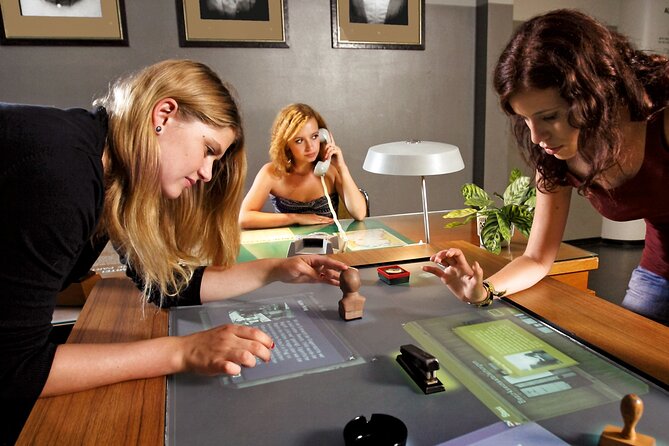
Some displays require you to pull out a drawer or open a compartment to find more information. That is an inventive way to keep the museum physical, but you should not expect every interactive feature to be a large technological production. At times, interactive simply means opening something to read a label.
The Trabant is the museum’s crowd-pleaser
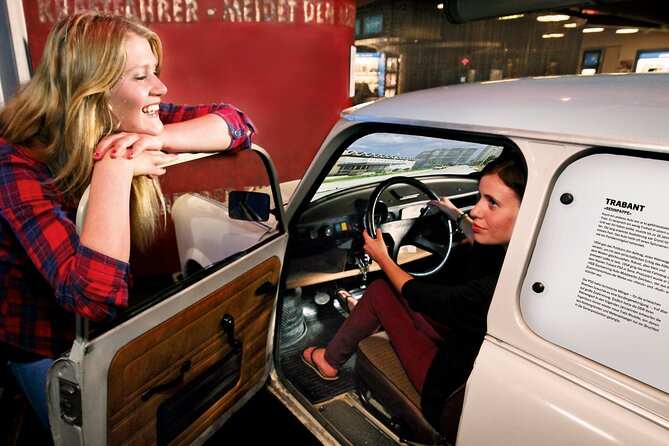
The Trabant car display is likely to be the busiest section. This small car became a familiar symbol of East Germany and the wider Eastern Bloc. You can sit inside one and use a driving simulation that shows everyday scenes from East Berlin.
For children, this is often the easiest entry point into the subject. They may not care about party structures or Cold War politics, but they can understand a car, a steering wheel, and the experience of driving through an unfamiliar city. Adults get the added pleasure of seeing a vehicle that once represented waiting lists, limited choice, and ordinary mobility behind the Iron Curtain.
The virtual tour through a GDR housing estate adds useful context. The Trabant was not isolated from the wider system. It belonged to a world of standardized apartment blocks, assigned housing, long waits for consumer goods, and carefully managed public life. The museum does a good job of connecting the popular object to that wider story.
Expect a queue around the car when the museum is full. If you want to try it without a crowd pressing behind you, visit early or late. This is one of the displays that makes the admission worthwhile for families, but it can also slow your progress through a small room.
More Museum Tours in Berlin
- Berlin: DDR Museum Tickets
★ 4.3 · 3,443 reviews - Berlin: Natural History Museum Entrance Ticket
★ 4.6 · 3,382 reviews - Berlin: Neues Museum Entry Ticket
★ 4.6 · 3,261 reviews - Skip-the-Line: Berlin Wall Museum at Checkpoint Charlie
★ 4.1 · 2,041 reviews
Politics, voting, and the Stasi
The museum moves from the home and the street to the institutions that controlled East German life. You learn about the Socialist Union Party and encounter displays about work, school, shopping, transportation, and public participation.
The mock GDR election exhibit is particularly helpful. It shows why the existence of voting did not necessarily mean that citizens had a real choice. This is a small activity, but it gives you a way to think about how an official political process could exist alongside a highly controlled system.
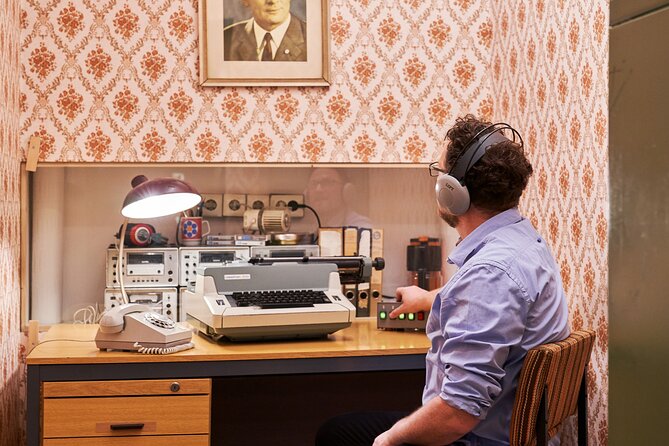
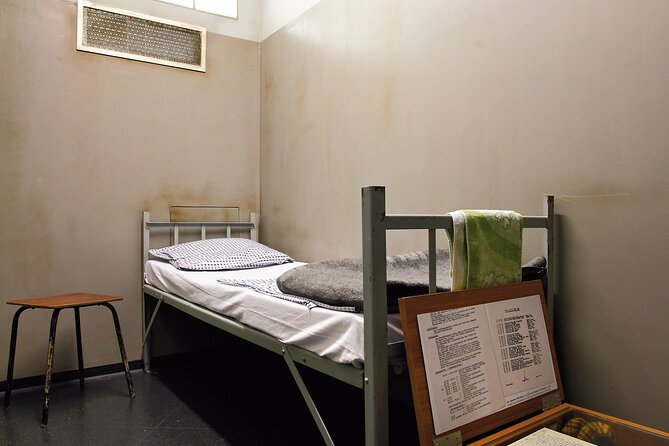
The Stasi interrogation display brings a darker mood. It asks you to consider surveillance, pressure, and the consequences of being questioned by the state. The museum does not leave the story at cheerful household objects and old cars. That balance matters, even though the playful format can sometimes feel at odds with the subject.
I would not treat the museum as a complete account of East German repression or Cold War politics. Its focus is daily life, presented through objects and activities. If you want a detailed study of the Berlin Wall, border escapes, or the Stasi’s full organization, you will need another museum or memorial as well. The DDR Museum works best as a starting point that gives the political story a human scale.
The exit through the Berlin Wall
Near the end, you leave through a hole in the Berlin Wall. It is a simple, theatrical finish, but it gives the visit a clear shape. You enter a controlled society, move through the home, workplace, political system, and security apparatus, then step back into the post-Wall city outside.
The exit also reminds you that the museum is built for a broad audience. Some parts are serious and reflective. Others are playful, physical, and easy for children to understand. I found that mixture useful, as long as you do not expect a quiet memorial experience from beginning to end.
How long you need and when to go
The stated visit time is about 1 to 2 hours. You can see the main rooms and try the major activities in roughly an hour. Allow closer to two hours if you read the English panels, watch the videos, and wait for the Trabant or other popular displays.
The museum is relatively small. That is convenient when you have a packed Berlin schedule, but it also creates the main practical problem: crowds. Narrow areas can fill quickly, making it hard to stand back and read. Children may gather around the controls, and adults can find themselves waiting for a chance to examine a display.
I would choose an early morning visit, especially around 9:15, or use the late closing time to visit later in the day. The museum is open until 9 p.m., so you have more flexibility than at many Berlin attractions. A quiet hour can make a major difference here.
The interior can also become uncomfortably hot, with no air conditioning. On a warm day, this may shorten your visit. Carry water, take your time, and do not assume that a two-hour ticket means you will want to remain inside for two full hours.
Is $16.26 good value?
At $16.26 per person, the ticket is not a bargain if you are expecting a large national museum with several floors of galleries. The DDR Museum is compact, and some of its displays are small compartments with text rather than grand objects or spacious rooms.
The value improves if you enjoy learning through objects and activities. You get a recreated apartment, household items, television footage, the Trabant experience, a housing-estate simulation, political displays, and a Stasi-themed section in one central visit. For a family, the physical exhibits can keep children involved while adults read the historical material.
I would call it fair value for a focused 1 to 2-hour visit, especially if you are already near Berlin Cathedral. It is less appealing if you dislike crowded attractions, prefer quiet museum galleries, or want a full day of history for the admission price.
The ticket includes admission only. Food, drinks, and hotel transportation are not included, but neither is needed for this centrally located visit. You simply make your way there and explore independently.
Who will enjoy this museum most?
I recommend it most strongly to first-time Berlin visitors who want to understand how East Germans lived, not just how the Cold War was fought. It is also a good choice for families because the car, drawers, videos, and voting display give children something physical to do.
Adults with a personal connection to the former East Germany may find the household objects especially meaningful. The museum can bring back memories of furniture, appliances, television, and cramped rooms. For others, it offers a practical introduction to a society that can otherwise seem difficult to picture.
History enthusiasts should keep their expectations in check. The information is substantial, but the museum is designed as an interactive attraction as much as a traditional museum. You will read a lot, and some activities are simple. The experience is not ideal for anyone seeking a solemn, fully academic treatment of state repression.
The museum is offered in English, and most of the exhibits have English information. That makes it easy to use without a guide. Since no guided tour is included, you set your own pace and decide which subjects deserve the most time.
Booking, cancellation, and practical details
The experience is usually booked about 12 days ahead, and you select a date and time slot. Confirmation is provided at booking, with free cancellation available up to 24 hours before the scheduled start time. Cancellations made inside that 24-hour window are not refunded, and changes are not accepted.
Most people can take part, and the museum is near public transportation. Hotel pickup and drop-off are not included. You should also remember that a mobile ticket is only useful if the entrance staff can read it, so keep the voucher accessible and be prepared to show the full confirmation if a barcode or QR code does not appear correctly.
Should you book the DDR Museum?
Book it if you want a lively, accessible look at ordinary life in East Germany and you enjoy pressing buttons, opening compartments, watching period footage, and sitting in historic vehicles. The apartment reconstruction, Trabant display, and English information make the museum easy to use for adults and children together.
Skip it if you want a large, quiet museum or a detailed memorial centered only on the Berlin Wall and Stasi crimes. The compact rooms can become crowded and hot, and the playful family format will not suit every mood.
My practical choice would be a morning or late-day visit, followed by Berlin Cathedral and Museum Island. At the right time, the DDR Museum gives you a memorable view of East Germany through the objects and rooms of everyday life, not just through political slogans.
FAQ
Where is the DDR Museum located?
The DDR Museum is at Karl-Liebknecht-Str. 1 in central Berlin, on the banks of the River Spree opposite Berlin Cathedral.
How long does a visit take?
Plan for approximately 1 to 2 hours. You can see the main displays in about an hour, but reading the English information and trying the activities can take longer.
What are the museum’s opening hours?
The museum is open Monday through Sunday from 9 a.m. to 9 p.m.
Is the experience offered in English?
Yes. The experience is offered in English, and English information is available throughout the exhibits.
What does the admission ticket include?
The ticket includes admission to the DDR Museum. Food, drinks, and hotel pickup and drop-off are not included.
Can children enjoy the DDR Museum?
Yes. The museum includes interactive activities, a Trabant car display, videos, reconstructed rooms, and other features intended to interest children as well as adults.
Is the museum guided?
No guide is included. You explore the museum independently at your own pace.
Can I use a mobile ticket?
Yes, a mobile ticket is provided. Keep the full voucher accessible because some electronic passes may not scan correctly at the entrance and might need to be checked manually.
What is the cancellation policy?
You can cancel for a full refund up to 24 hours before the experience start time. Cancellations or changes made less than 24 hours beforehand are not accepted and are not refunded.
More Berlin Wall and Cold War Tours in Berlin
- Berlin: Third Reich and Cold War 2 Hour Walking Tour
★ 4.9 · 6,830 reviews - Berlin’s Best: 2 Hour Walking Tour Third Reich and the Cold War
★ 5.0 · 5,486 reviews - Berlin: East Side Gallery Spree Cruise in a Solar Catamaran
★ 4.0 · 1,039 reviews - Cold War, Berlin Wall, Spies and the East Side Gallery
★ 5.0 · 1,024 reviews
Just added in Berlin
- Berlin & The Third Reich Private Guided Tour★ 5.0 · 3 reviews
- Third Reich Quest Experience in Berlin★ 4.5 · 7 reviews
- Private Analogue Photography Experience in Berlin★ 5.0 · 3 reviews
- Berlin Urbex Adventure and History Tour★ 5.0 · 9 reviews
- The Beauty of Berlin by Bike: Private Tour★ 5.0 · 59 reviews
- Berlin: Guided Bike tour of the Berlin Wall and Third Reich★ 5.0 · 160 reviews
- Beyond Currywurst: Berlin’s Hidden Street Food & Culture Tour★ 5.0 · 100 reviews
- Berlin Third Reich & Cold War Walking Tour With A Guide★ 5.0 · 7 reviews
Berlin Wall and Cold War Tours, compared.

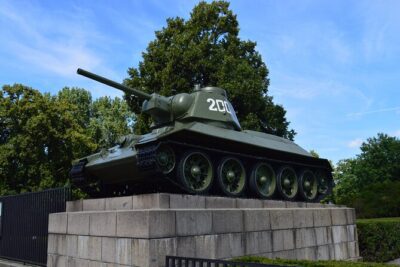
Berlin’s Best: 2 Hour Walking Tour Third Reich and the Cold War
Read our review →
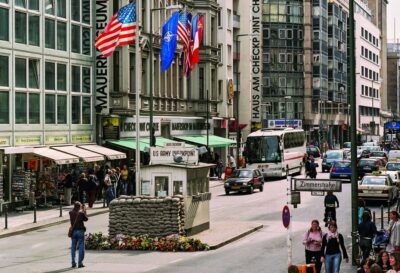
Skip-the-Line: Berlin Wall Museum at Checkpoint Charlie
Read our review →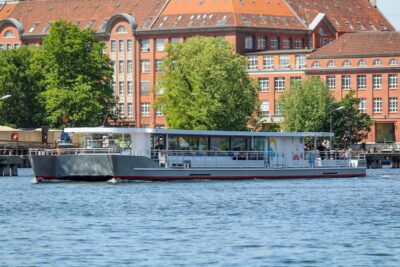
East Side Gallery Spree Cruise in a Solar Catamaran
Read our review →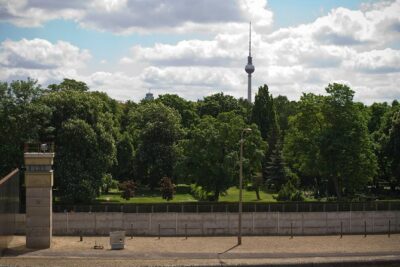
Cold War, Berlin Wall, Spies and the East Side Gallery
Read our review →
Guided Bike Tour of the Berlin Wall and Third Reich
Read our review →
Browse the lists this tour appears in