
Reviewed · BERLIN WALL AND COLD WAR TOURS
Berlin: DDR Museum Tickets
The DDR Museum turns East Germany’s past into something you can touch, open, smell, and operate. You can walk through a reconstructed apartment, search its cupboards, sit in a cinema stall, and climb into an original Trabant for a simulated drive through East Berlin’s prefabricated districts. I like the apartment displays because they show ordinary life rather than only political leaders and major events. I also like the way the museum links household objects to larger questions about work, shopping, media, travel, and personal freedom.
The main drawback is crowding. The museum is not large, and busy periods can make it hard to read every display or use the most popular interactive stations. It also includes plenty of text, and no museum guide is included, so you should allow time to read at your own pace.
Key points at a glance
- Open a real DDR-style home: Explore rooms, cupboards, drawers, shelves, and everyday objects in a reconstructed East German apartment.
- Drive an original Trabant: Turn the ignition and take a simulated trip through prefabricated housing districts with period car sounds.
- Experience history with your senses: Smell spices, inspect a pressure cooker, switch on a television, and handle ordinary household details.
- Learn beside Berlin Cathedral: The entrance sits on the Spree opposite the cathedral, making this an easy central Berlin stop.
- Plan for about 1.5 to 3 hours: A quick visit can take around 90 minutes, while careful reading and hands-on exploration can fill several hours.
- Expect a popular indoor attraction: Entry costs $15 per person, children up to five enter free, and busy times may slow your progress.
What the DDR Museum reveals about daily life
The DDR Museum focuses on the German Democratic Republic, commonly called the DDR, which existed in East Germany from 1949 until reunification in 1990. Its subject is not only government policy. The museum asks a more personal question: what did an ordinary day feel like for people living under the communist system?
That approach is useful because political history can seem distant when you encounter it only through dates, speeches, and border maps. Here, you see the objects people used at home, the furniture they lived with, the entertainment they watched, and the limits placed on travel and private life.
You are not expected to follow a rigid route. You can move from one section to another, return to a room, or skip ahead if a display is crowded. I would use that freedom to begin with the apartment, then return to the political and social displays after you have a feel for daily life.
The tone is generally accessible rather than academic. Information panels provide plenty to read, but the museum breaks up the text with machines, rooms, films, sounds, and physical objects. That mix makes the visit workable for children and teenagers, while still giving adults enough detail to think about.
More Museum Tours in Berlin
- Berlin: Jewish Museum Berlin Entrance Ticket
★ 4.5 · 8,393 reviews - Berlin: Natural History Museum Entrance Ticket
★ 4.6 · 3,382 reviews - Berlin: Neues Museum Entry Ticket
★ 4.6 · 3,261 reviews
Entering the reconstructed DDR apartment
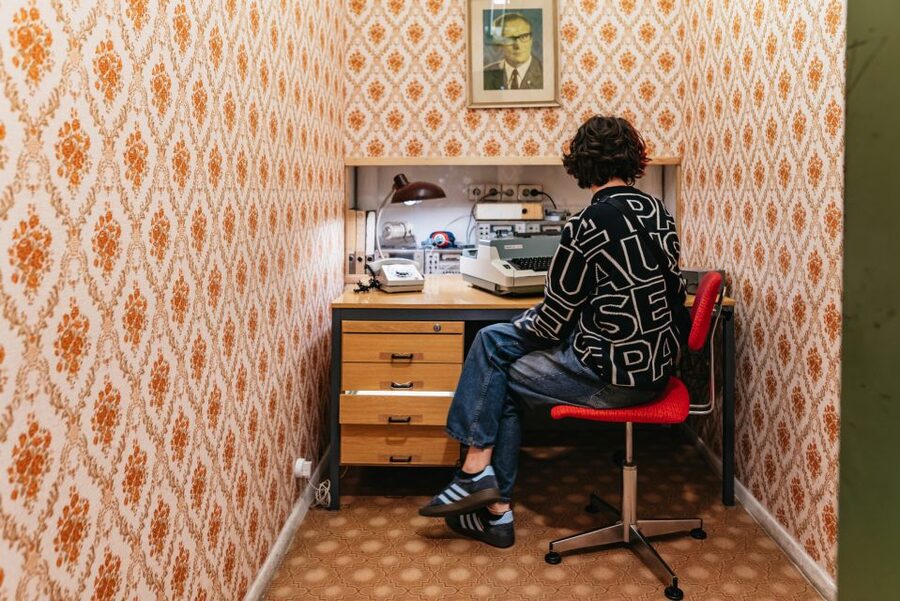
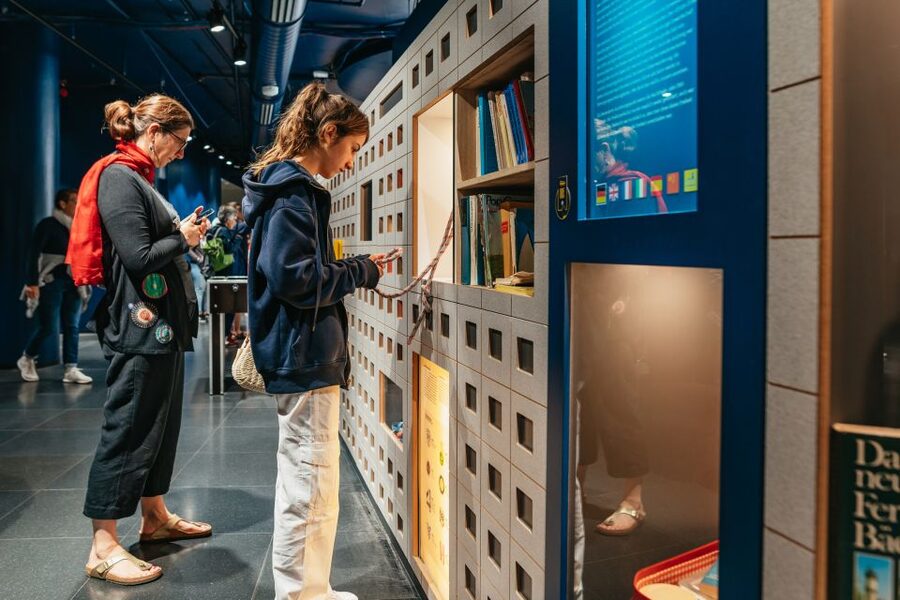
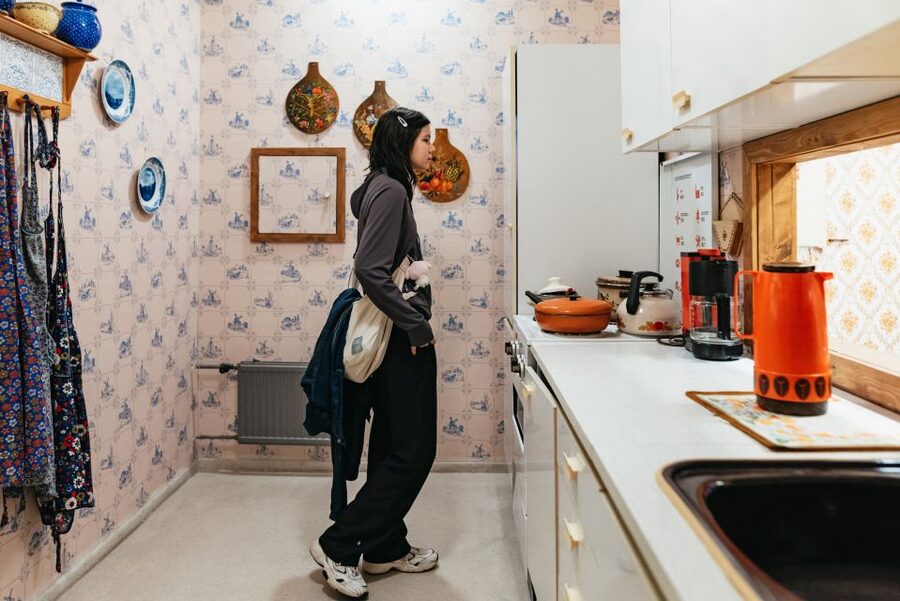
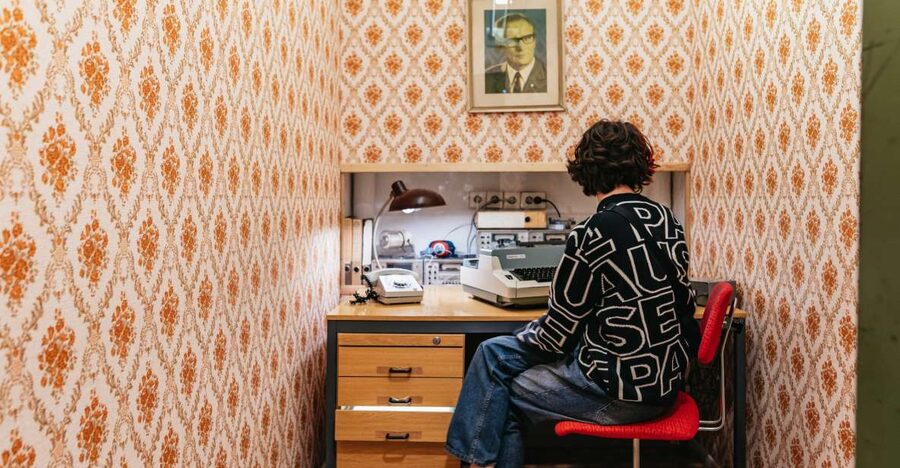
The apartment is the museum’s strongest feature for many people. It is arranged as a typical East German home, with period furniture and familiar domestic objects placed where you would expect to find them. The point is not simply to look at a room through glass. You are encouraged to open cupboards, pull out drawers, inspect shelves, and look inside everyday storage spaces.
That hands-on design changes the pace of the visit. Instead of standing in front of one object and reading a label, you search the room almost as you would search your own home. You might find spices on a shelf, a pressure cooker on the stove, or household goods that explain more about the period than a formal political display could.
The Karat wall unit is one of the most recognizable furnishings in the apartment. It helps you picture the style and practical limits of DDR homes. The furniture is not presented as a glamorous design statement. It is part of a wider story about what was available, what people valued, and how homes were arranged.
Some displays may feel dusty because the furniture and objects are from an earlier period. That is not a reason to skip the room, but it is worth knowing if you expect a polished, modern gallery. The appeal comes from the direct contact with ordinary things and the sense of a lived-in setting.
Turning on the television and hearing DDR culture
The museum gives media a central role. You can turn on a television in the living room and watch period news reports. You can also sit in an original cinema stall while viewing film material. These details show how public information and entertainment entered the home and shaped the way people understood their country.
Music is part of the experience too. The museum presents Lipsi, East Germany’s answer to rock and roll, as an example of the culture created and promoted in the DDR. This is a small but useful reminder that life behind the Berlin Wall was not only about shortages, surveillance, and political control. People still listened to music, danced, watched television, decorated their homes, and built family routines.
The media displays also help explain why the museum works well for mixed-age groups. A child may be drawn to a television or a sound station, while an adult reads about censorship, propaganda, or the difference between official messaging and private opinion. You can discuss the material together rather than treating the museum as a silent collection of old furniture.
There is a lot of reading, especially if you want to understand the context behind each object. If you prefer a guided explanation, note that a museum guide is not included. One useful approach is to choose the topics that interest you most instead of trying to read every panel in order.
The Trabant simulator and prefabricated districts
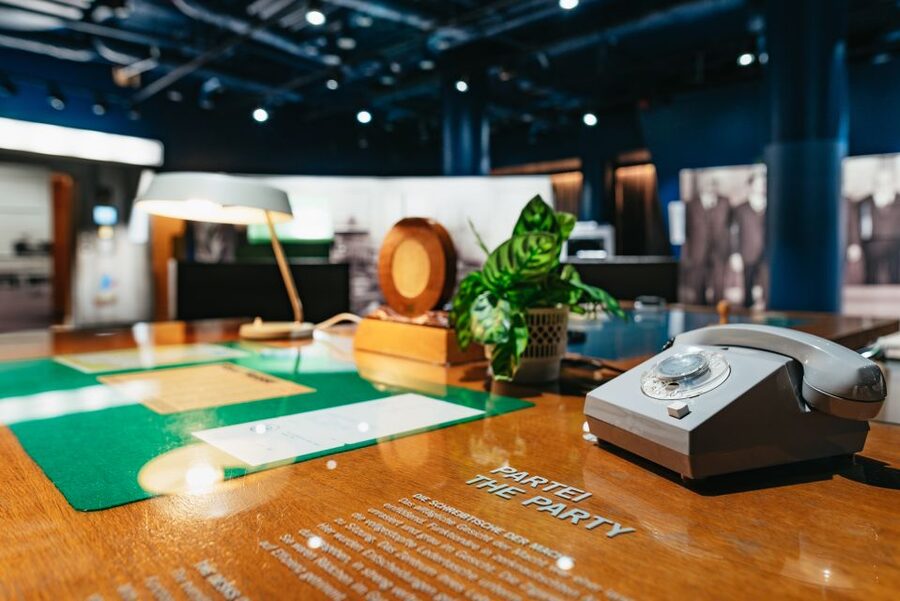
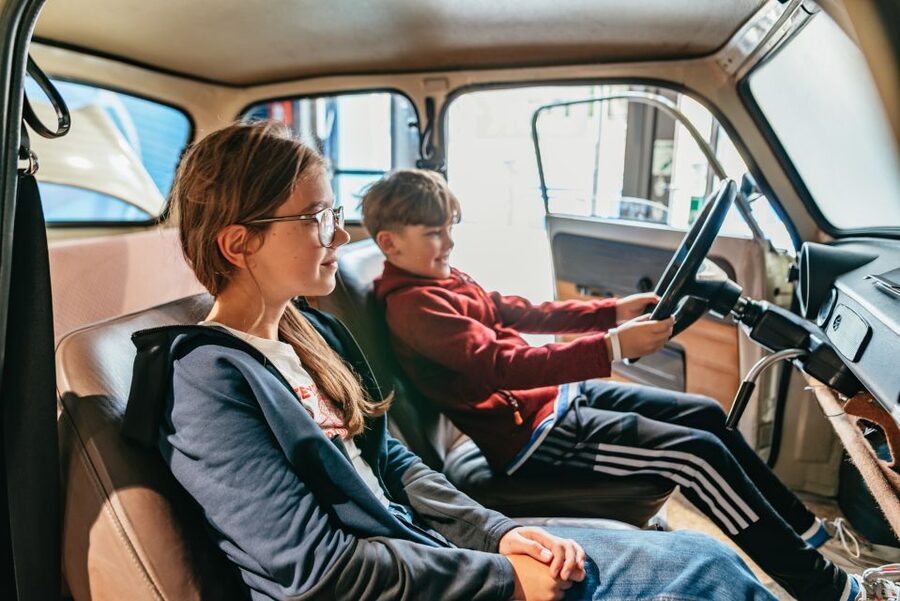
The Trabant is one of the most popular stops. You can climb into an original car, turn the ignition, and use the simulator for a virtual trip through East German prefabricated housing districts. The experience includes the familiar sounds of a Trabant, which adds a playful, physical element to the history.
This station gives you a quick sense of mobility in the DDR. The Trabant was not just an old car. It was tied to waiting, restricted choice, and the practical realities of getting around East Germany. The simulator does not replace a full explanation, but it gives the subject an immediate hook, especially for children and anyone who enjoys machines.
Expect a queue or a short wait at busy times. The museum can become crowded on rainy days, Saturdays, and during peak periods, and the Trabant is a natural gathering point. If you arrive when the museum is quieter, you will have a better chance of using the simulator without feeling rushed.
The car is also a good example of the museum’s balance. The activity is fun, but the surrounding material gives it meaning. You are not simply driving an old vehicle. You are using one object to think about production, consumer choice, housing, and movement in a divided country.
More Berlin Wall and Cold War Tours in Berlin:
- Berlin: Third Reich and Cold War 2 Hour Walking Tour
★ 4.9 · 6,830 reviews - Berlin’s Best: 2 Hour Walking Tour Third Reich and the Cold War
★ 5.0 · 5,486 reviews - Skip-the-Line: Berlin Wall Museum at Checkpoint Charlie
★ 4.1 · 2,041 reviews - Berlin: East Side Gallery Spree Cruise in a Solar Catamaran
★ 4.0 · 1,039 reviews
Prison cells, politics, and the limits of private life
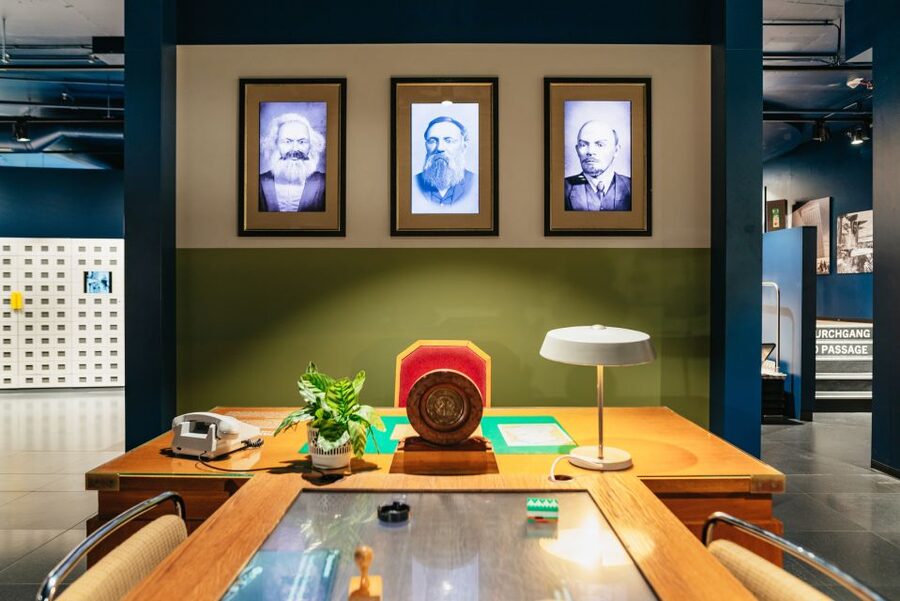
The museum does not present the DDR as a collection of nostalgic household memories. Alongside the apartment and leisure displays, you encounter political themes and a typical former East German prison cell. The cell is stark compared with the home setting, and that contrast matters.
The apartment shows routine and familiarity. The cell points to the consequences of living under a state that restricted opposition and personal freedom. Together, the two settings prevent the visit from becoming a sentimental recreation of the 1970s.
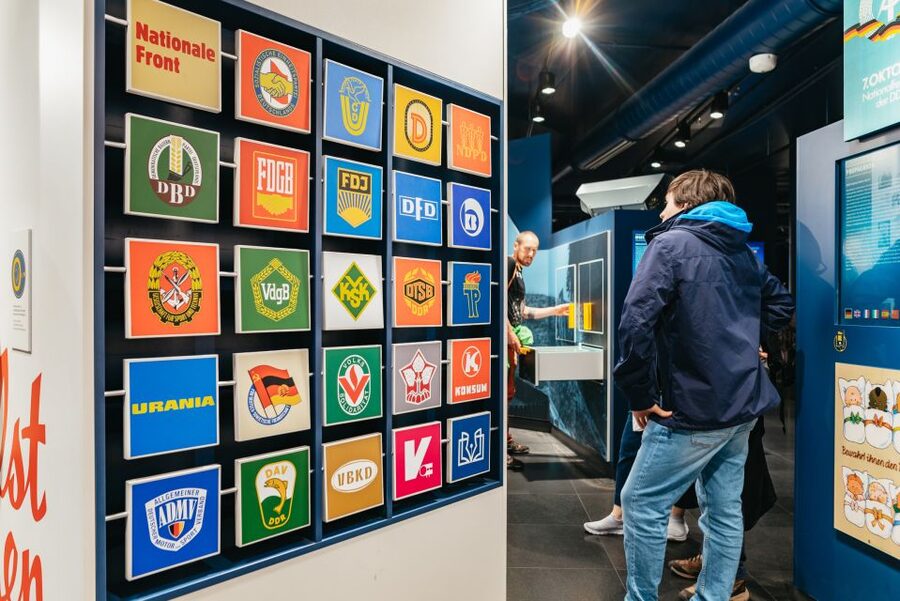
You will also find information about the political system surrounding daily life. The museum presents the pressures that shaped work, media, travel, and private choices. The displays are written from a Western perspective, and some visitors may find that viewpoint noticeable. Still, the presentation is accessible and generally avoids turning every object into a lecture.
I think this is where you should slow down. The hands-on sections are easy to enjoy, but the quieter political displays supply the context that makes the apartment and Trabant meaningful. Without that context, the visit could feel like a collection of retro objects. With it, you begin to see how ordinary routines existed alongside control and limited freedoms.
How long to allow and when to go
A focused visit can take about 1.5 hours. If you read most of the panels, wait for the interactive stations, and spend time in the apartment, plan on two hours. Some people stay around three hours, especially when visiting with children or taking the exhibits at a relaxed pace.
The museum is open daily from 9 a.m. to 9 p.m., except on December 24 and December 31, when it closes at 4 p.m. Those long opening hours make it easy to fit into a day of sightseeing. You can visit in the morning, take a break elsewhere, or come later when other attractions are closing.
The museum is popular and can feel tight when full. A busy Saturday or wet day may make it difficult to see all the information at once. I would avoid the busiest middle-of-day period if you want to read carefully. If your schedule is fixed, use the museum’s flexible layout: move to a less crowded section and return later.
You should also be ready to stand for much of the visit. Seating exists in specific displays, including the cinema setting, but this is not a place where you can sit through a guided presentation from start to finish. Visiting earlier in the day may be more comfortable if you have already spent hours walking around Berlin.
Location beside the Spree and Berlin Cathedral
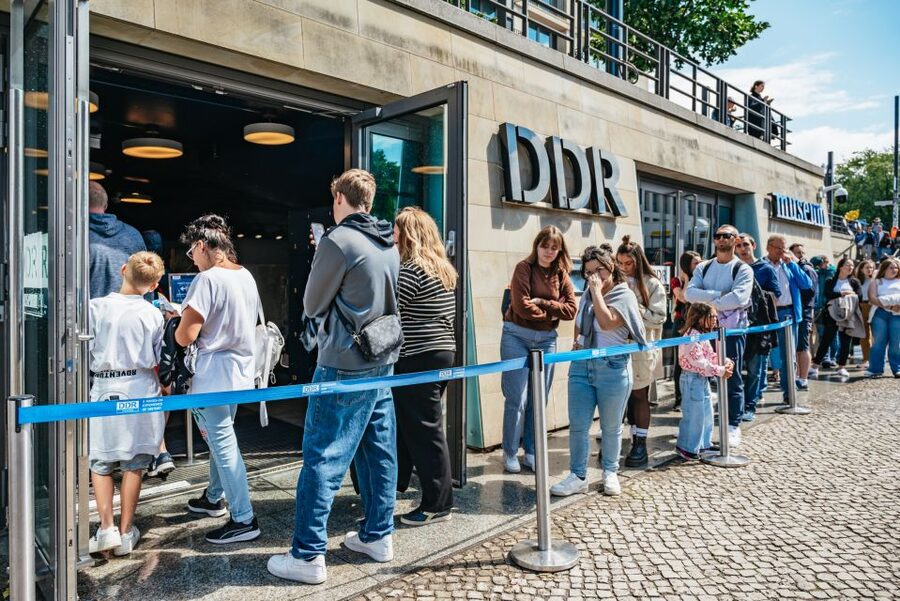
The entrance is on the bank of the Spree, opposite Berlin Cathedral. That puts the museum in a very central sightseeing area and makes it easy to combine with other stops around Museum Island and the river.
The location is especially useful if you want a short indoor activity during a day of central Berlin sightseeing. You do not need to set aside a full day just for the museum, although its one-day admission validity gives you flexibility if your plans change.
Because the museum is close to major sights, it can be tempting to squeeze it into a narrow gap. I would not allow only 30 minutes. You might see the main rooms, but you would miss much of the reading and several interactive displays. Give yourself at least 90 minutes, and more if the subject interests you.
Is the $15 entry good value?
At $15 per person, the DDR Museum offers solid value for a central Berlin attraction, especially if you spend two hours or more inside. The price includes entry to the museum, with no guide included. Children up to age five enter free.
The value comes from the number of different ways you can use the displays. You are not paying only to view objects in cases. You can inspect the apartment, handle drawers and cupboards, operate the television, listen to music, sit in a cinema stall, and use the Trabant simulator.
The price may feel less attractive if you dislike reading or prefer large, spacious museums. The DDR Museum is compact, and crowding can reduce how much you see during a short visit. It is also a focused museum, so visitors looking for broad German history should pair it with other Berlin sights rather than expect one attraction to cover everything.
Free cancellation up to 24 hours before the visit and a reserve-now, pay-later option make the booking useful for a changing itinerary. The ticket is valid for one day, and availability should be checked for starting times.
Who will enjoy this museum most?
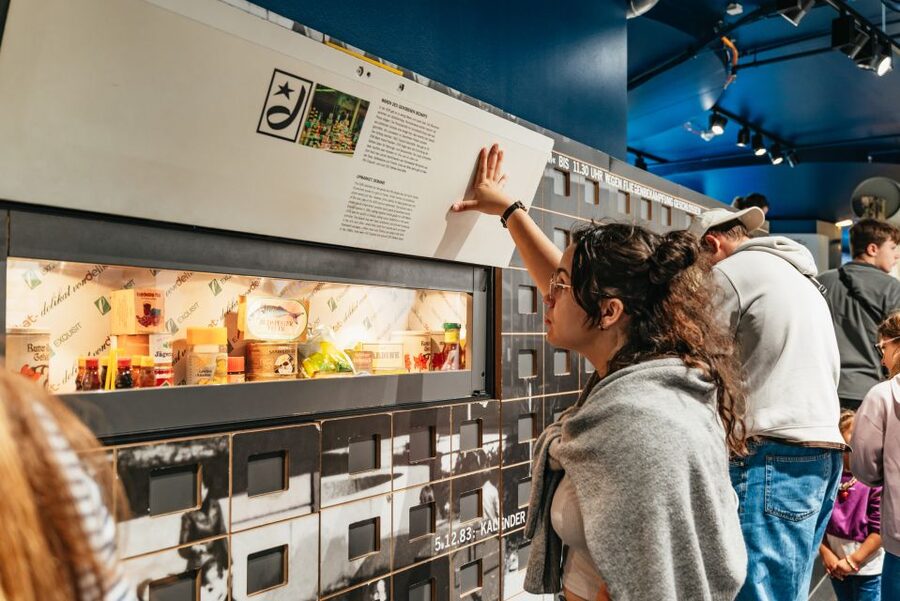
I would recommend the DDR Museum to families because the interactive design gives children something to do while adults absorb the historical detail. The apartment and Trabant are likely to hold attention better than a long row of text panels, and the museum provides plenty of openings for conversation.
It also suits anyone interested in Cold War Berlin, the Berlin Wall, twentieth-century politics, or social history. If you remember the DDR period, the furniture, television, music, and household products may bring back personal memories. If you were born later, the same objects can make the era feel surprisingly concrete.
It is less suitable if you want a quiet, contemplative museum with lots of open space. The most popular exhibits can draw a crowd, and you may need patience to read everything. It also may not satisfy visitors who want a fully guided narrative, since no museum guide is included.
Pets are not allowed. Children up to five enter free, and the daily 9 a.m. to 9 p.m. schedule gives families plenty of room to choose a suitable time.
Should you book the DDR Museum?
Book it if you want an active look at ordinary East German life, not just a display of Cold War headlines. The strongest parts are the reconstructed apartment, the tactile household objects, the Trabant simulator, and the contrast between domestic comfort and political restriction.
Go at a quieter time if you can, and allow at least 1.5 hours. If you want to read carefully, plan for two or three hours. At $15, it is a good central Berlin stop for families, history fans, and curious visitors who enjoy learning through objects and simple interactive machines.
Skip it only if crowded indoor museums frustrate you or if you have very little time. For most people with room in their Berlin schedule, the museum gives an unusually direct sense of how history reached into the kitchen, living room, television, car, and daily routine.
FAQ
Where is the DDR Museum located?
The entrance is on the bank of the Spree, opposite Berlin Cathedral in central Berlin.
How much does entry cost?
Entry costs $15 per person. Children up to five years old enter free.
How long does a visit take?
A shorter visit can take about 1.5 hours. Allow two to three hours if you want to read more of the information and spend time with the interactive exhibits.
Is a museum guide included?
No. Entry to the DDR Museum is included, but a museum guide is not.
What are the opening hours?
The museum is open Monday through Sunday from 9 a.m. to 9 p.m. On December 24 and December 31, it is open from 9 a.m. to 4 p.m.
Can I cancel the booking?
You can cancel up to 24 hours in advance for a full refund. A reserve-now, pay-later option is also available.
Just added in Berlin
- Berlin & The Third Reich Private Guided Tour★ 5.0 · 3 reviews
- Third Reich Quest Experience in Berlin★ 4.5 · 7 reviews
- Private Analogue Photography Experience in Berlin★ 5.0 · 3 reviews
- Berlin Urbex Adventure and History Tour★ 5.0 · 9 reviews
- The Beauty of Berlin by Bike: Private Tour★ 5.0 · 59 reviews
- Berlin: Guided Bike tour of the Berlin Wall and Third Reich★ 5.0 · 160 reviews
- Shared Underground Party Tour in Berlin★ 4.5 · 9 reviews
- Beyond Currywurst: Berlin’s Hidden Street Food & Culture Tour★ 5.0 · 100 reviews
Berlin Wall and Cold War Tours, compared.


Berlin’s Best: 2 Hour Walking Tour Third Reich and the Cold War
Read our review →
Skip-the-Line: Berlin Wall Museum at Checkpoint Charlie
Read our review →
East Side Gallery Spree Cruise in a Solar Catamaran
Read our review →
Cold War, Berlin Wall, Spies and the East Side Gallery
Read our review →
Guided Bike Tour of the Berlin Wall and Third Reich
Read our review →
Browse the lists this tour appears in