
Reviewed · ARCHITECTURE TOURS
Lübeck: Architecture and Local Craft Private Guided Tour
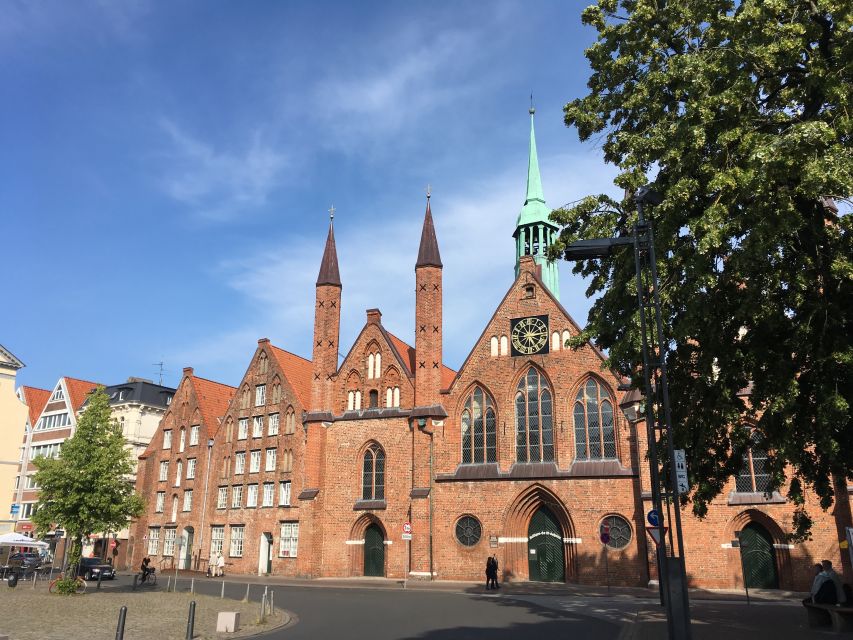
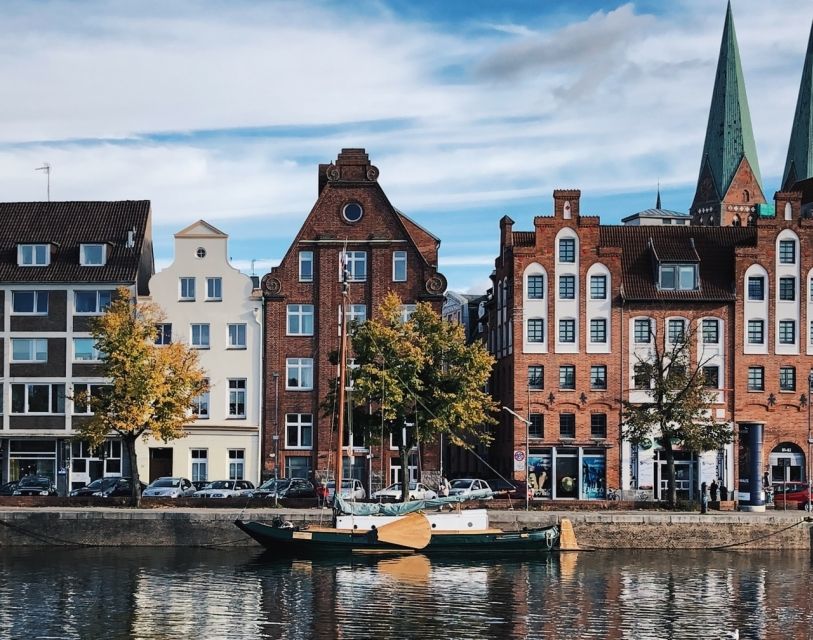
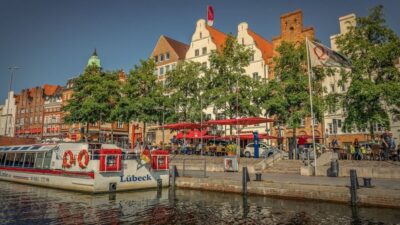
Lübeck’s real visual treat is not one grand monument. It is the way red brick Gothic buildings fill the old town, from church walls and town gates to crooked homes, narrow passages, and playful gables. This private walk explains why the city was built this way and what daily life looked like behind those handsome façades.
I like the private format, since you can ask questions and set the pace with your own guide. I also like the focus on local craft, especially brick-making and the construction of courtyards and passages. The main limitation is time: 90 minutes gives you a sharp introduction, not a full tour of every church or museum.
Key points to know before booking
- Brick architecture takes center stage: Learn how Lübeck’s famous building style developed and why brick was so important to the city.
- The route covers major landmarks and small details: Expect the Holstentor, town hall, St. Mary’s Church, Buddenbrockhaus, merchant homes, courtyards, and passages.
- It is a private tour for up to eight people: Your group has the guide to itself, which makes questions and conversation easier.
- The meeting point is the Holstentor entrance: Wait directly at the entrance, not somewhere else around the monument.
- The schedule is flexible: The tour can begin at any time between 9 AM and 7 PM, with the exact time arranged after booking.
- Church entry is optional: Entrance fees are not included, and the stated optional cost is €2 per church.
Why Lübeck’s brick buildings are worth your time
Lübeck was a major Hanseatic city, and its architecture reflects that power. Instead of relying mainly on local stone, builders used brick for churches, civic buildings, townhouses, and defensive structures. That practical material became the city’s visual signature.
On this tour, you are not simply pointed toward old façades and given dates. You learn how the city expanded, how building areas were artificially created during the Middle Ages, and why houses sometimes sagged or changed shape. Those details make the streets easier to read.
Look up as you walk. Lübeck’s buildings are not plain red boxes. Their gables have varied outlines, some carefully decorated and others altered over time. Modern changes to old gables are part of the story too, since a historic city is rarely frozen exactly as it was centuries ago.
The guide also explains the original street system. That matters because Lübeck’s old town can seem like a maze when you first arrive. Once you understand how the medieval streets and building plots were organized, narrow lanes and irregular houses start to make more sense.
More architecture walks in Lubeck:
- Lübeck: Private Historical and Architectural Walking Tour
★ 4.5 · 6 reviews - Munich 3-Hour Segway Tour: Nazi Munich & Royal Architecture
★ 4.9 · 194 reviews - Düsseldorf: Guided City Architecture Walking Tour
★ 4.6 · 61 reviews
Starting at the Holstentor
The tour begins at the Holstentor, Lübeck’s best-known landmark and a fitting place to meet. Wait directly at the entrance, as instructed, so you and your guide can connect without confusion.
The gate gives you an immediate sense of Lübeck’s defensive and civic importance. Its heavy brick construction introduces the theme of the entire walk: here, brick is not a minor building material. It shapes the city’s identity.
The route also returns to the Holstentor as a final highlight. That makes the gate both an opening scene and a closing landmark. If you have just arrived in Lübeck, the meeting point is convenient for getting your bearings before heading into the old town.
The supplied information does not name individual guides, so you should not expect to request a particular person. Your guide will speak either English or German, and the exact start time is arranged after booking.
Town hall and St. Mary’s Church
From the Holstentor, you head through Lübeck’s old streets toward the town market place. This part of the tour brings together two important symbols of city life: the town hall and St. Mary’s Church, also called the Ratskirche St. Marienkirche.
The town hall shows how commerce and government shaped the center of Lübeck. The church reflects the city’s wealth and religious importance. Together, the two buildings help explain why the market place became such a key part of urban life.
The church is one of the major architectural highlights. You can admire its exterior as part of the standard walk, while entry is optional and costs €2 per church. Since the tour lasts only 90 minutes, you may want to decide before starting whether you are interested in paying for interior access.
I would not treat the optional entry fee as a problem, but it is worth planning for. The advertised price covers the guide, not church admission, food, or drinks. If your priority is architecture from the street, you can keep the tour simple and avoid extra costs.
Buddenbrockhaus and the city’s private side
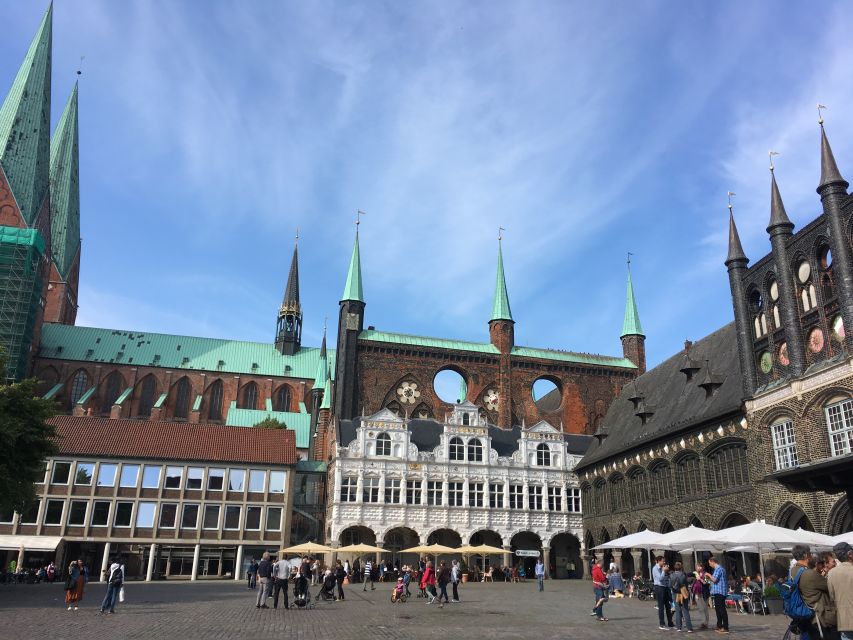
The route passes through the Baroque Buddenbrockhaus. This change in style is useful because Lübeck is not made up of one single period or one uniform architectural look. Gothic brick buildings share the old town with later Baroque changes and updated façades.
Passing through the house helps shift your attention from grand public buildings to private life. Lübeck’s story is not only about churches, merchants, and city government. It is also about how people lived behind doors, used narrow plots, and adapted older structures.
The tour promises stories about secret events behind closed doors. That phrase points toward the human side of the city: residents, household life, business, and the small dramas that do not appear in an architectural guidebook. Ask questions here if you want more than dates and building names.
Because this is a private booking, the guide can spend more time on the details that interest your group. If your family cares about architecture, ask for construction explanations. If you prefer social history, ask what happened inside the houses and passages.
A few more half-days in Lubeck worth comparing
- Lübeck: 1-Hour Splash Bus City Tour
★ 4.0 · 2,626 reviews - Lübeck: entertaining guided tour to old town highlights
★ 4.7 · 594 reviews - Lübeck: Entertaining Tour Through Hidden Courtyards
★ 4.8 · 483 reviews - SEA LIFE Timmendorfer Strand Ticket
★ 4.0 · 256 reviews
Glockengießerstraße and the old courtyards
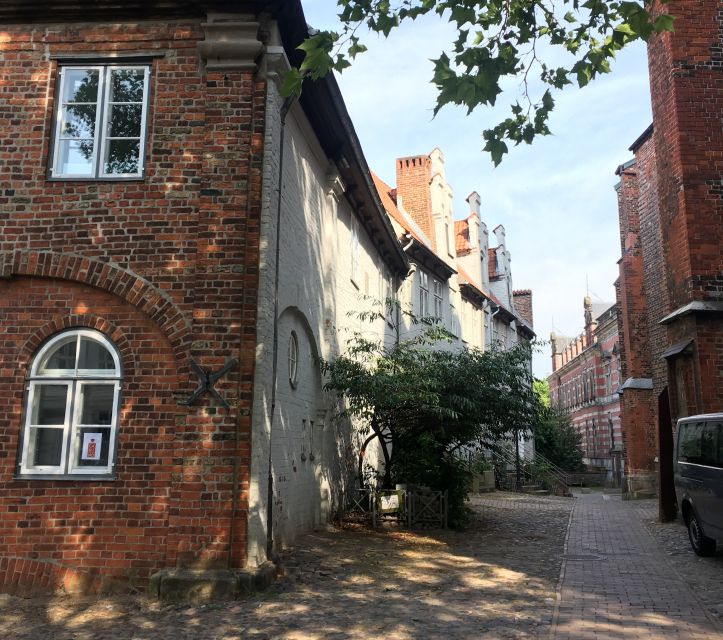
One of the most distinctive sections comes along Glockengießerstraße. Here you see several passages and courtyards, then learn how they were built and what purpose they served.
These spaces give you a closer look at the old town than a broad view of the market place can provide. From the main streets, Lübeck can appear grand and formal. In the passages, you get a sense of the tighter spaces behind the façades.
The discussion of construction is especially useful because it connects architecture to everyday needs. Buildings had to fit into limited areas, and the city changed as construction zones expanded. The result is a town full of unusual angles, narrow routes, and houses that do not always look perfectly straight.
The tour also covers sagging houses and later gable alterations. That is a welcome detail for anyone who likes to see how old buildings actually age. You are encouraged to notice the imperfections instead of treating them as flaws to ignore.
A merchant’s house and the value of brick-making
The visit to a local merchant’s house adds a practical layer to the tour. Here, the guide explains brick-making and why the craft mattered so much to Lübeck and its residents.
This is one of the strongest reasons to choose this experience over a basic city walk. You learn not just that the city has brick buildings, but why brick was central to its growth. The material affected construction, appearance, trade, and the character of the streets.
A merchant’s house also fits Lübeck’s Hanseatic identity. The city’s prosperity came from trade, and homes like these connect commercial success with private life. You can see how a merchant’s world was tied to the city’s building traditions.
The exact interior details of the house are not specified, so do not book this expecting a long museum visit or a guaranteed set of rooms. The point is the guide’s explanation of the building and the craft behind it, within the wider walking route.
What the 90-minute format feels like
Ninety minutes is a good length for a first look at Lübeck. You get several major landmarks, smaller architectural features, and a clear theme without committing half a day to a formal sightseeing program.
The short format also means you should arrive ready to walk and pay attention. The route moves through streets, a market place, passages, courtyards, and building exteriors. The exact pace depends on your guide and group, but there is no indication that this includes long free periods or extensive interior visits.
I see the timing as a benefit for several types of visitors. It works well if Lübeck is a day stop, if you are fitting the city between other plans, or if you want an introduction before exploring independently. It is less suitable if you want a slow architectural study with extended church visits.
A private group of up to eight is a practical size. You avoid being folded into a large crowd, and the guide can respond to questions from your own group. The published price is $277 per group, not per person. With eight people, that works out to about $35 per person. For two people, it is a much larger cost per person, so value depends heavily on group size.
Guide quality and the personal format
The strongest consistent praise concerns the guide. The guide is described as competent, engaged, good with local history, and willing to answer questions in detail. That matters on a tour built around architectural explanation, since a quiet walk past brick walls would not be enough.
You should expect a live guide in English or German. The guide contacts you after booking to arrange the time, and the tour can start at any point between 9 AM and 7 PM according to your preference.
The private setup also lets you shape the conversation. You can ask about church architecture, house construction, local residents, brick production, or Lübeck’s street plan. A group with mixed interests may need to be clear about its priorities at the start, since 90 minutes goes quickly.
No individual guide names are provided, so the experience depends on the guide assigned to your booking rather than on choosing a named specialist. Still, the repeated praise for clear answers and strong subject knowledge suggests that the guide’s role is central to the experience.
Price, flexibility, and what is not included
At $277 for up to eight people, this is not the cheapest way to see Lübeck if you are traveling alone or as a couple. It becomes more reasonable when shared by a family or small group, especially if you value a private conversation instead of a fixed public tour.
The price includes a professional city guide. It does not include food, drinks, or church entrance fees. The optional church admission is listed at €2, which is modest, but you should carry some extra money if you want to go inside.
The flexible booking terms add practical value. You can reserve now and pay later, and cancellation is free up to 24 hours before the tour for a full refund. That is useful if your Northern Germany plans are still changing.
The flexible start window is another advantage. A morning walk can fit before other sightseeing, while a later start can work after arrival or lunch. Since the time is set after booking, do not assume that a specific departure appears automatically without arranging it.
Who should book this Lübeck walk?
I would recommend this tour to anyone who wants architecture explained rather than simply photographed. It suits first-time visitors who want a clear introduction to Lübeck’s old town, especially people curious about how materials and building methods shape a city.
It is also a good match for families and small groups. The private format gives you room to ask questions, and the 90-minute duration is manageable for people who do not want a long walking program.
History and architecture enthusiasts will get the most from the focus on brick-making, church buildings, courtyards, medieval construction areas, sagging houses, and later gable changes. The experience has a clear subject, so you know what you are booking.
I would hesitate if you want extensive interior access, a food stop, or a full-day tour. Those are not part of the advertised experience. You should also think twice if your group has only one or two people and the $277 total feels high for a short walk.
Should you book it?
Book this tour if you want Lübeck’s famous brick architecture explained by a private guide who can answer your questions. The combination of major sights, small courtyards, a merchant’s house, and local brick-making gives the walk more substance than a route focused only on postcard views.
For the best value, bring a group of several people and decide in advance if you want to pay the optional church entrance fees. If you have limited time in Lübeck, this is a well-focused introduction. If you want museums, long church visits, or a slower day in the old town, use this as a starting point and plan additional sightseeing afterward.
FAQ
Where does the Lübeck architecture tour begin?
The guide meets you directly at the entrance of the Holstentor. You should wait at the entrance for the guide.
How long does the tour last?
The tour lasts 90 minutes.
What time can the tour start?
The private tour can begin at any time between 9 AM and 7 PM, based on your preference. The guide contacts you after booking to arrange the exact time.
Is the tour private?
Yes. It is a private group tour for up to eight people.
What languages are available?
The tour is offered in English and German.
What landmarks are included?
The route includes the Holstentor, Lübeck’s town market place, the town hall, St. Mary’s Church, Buddenbrockhaus, Glockengießerstraße, historic passages and courtyards, and a local merchant’s house.
Does the tour include church admission?
Church admission is not included. Entry is optional and costs €2 per church.
Are food and drinks included?
No. Food and drinks are not included in the tour price.
How much does the tour cost?
The listed price is $277 per group of up to eight people.
Can I cancel the booking?
Yes. You can cancel up to 24 hours in advance for a full refund. You can also reserve now and pay later.
Just added in Lubeck
- Timmendorfer Strand: SEA LIFE Behind the Scenes Tour★ 4.9 · 15 reviews
- Lübeck Day Pass – Day ticket for Lübeck museums★ 4.0 · 15 reviews
- Lübeck: Old Town Highlights Private Walking Tour★ 4.8 · 8 reviews
- Lübeck: Express Walk with a Local★ 4.9 · 10 reviews
- Lübeck: Private Historical and Architectural Walking Tour★ 4.5 · 6 reviews
- From Kiel: Lübeck Shore Excursion★ 4.6 · 15 reviews
- Lübeck: Hanseatic League History Walking Tour★ 4.9 · 57 reviews
- Lübeck zwischen Grusel und Geschichte Truecrime zu Halloween★ 4.9 · 35 reviews
Architecture Tours, compared.

Munich 3-Hour Segway Tour: Nazi Munich & Royal Architecture
Read our review →
Guided Walking Tour of UNESCO Site and Architecture
Read our review →
Browse the lists this tour appears in