
Reviewed · WALKING TOURS
Düsseldorf: Guided City Architecture Walking Tour
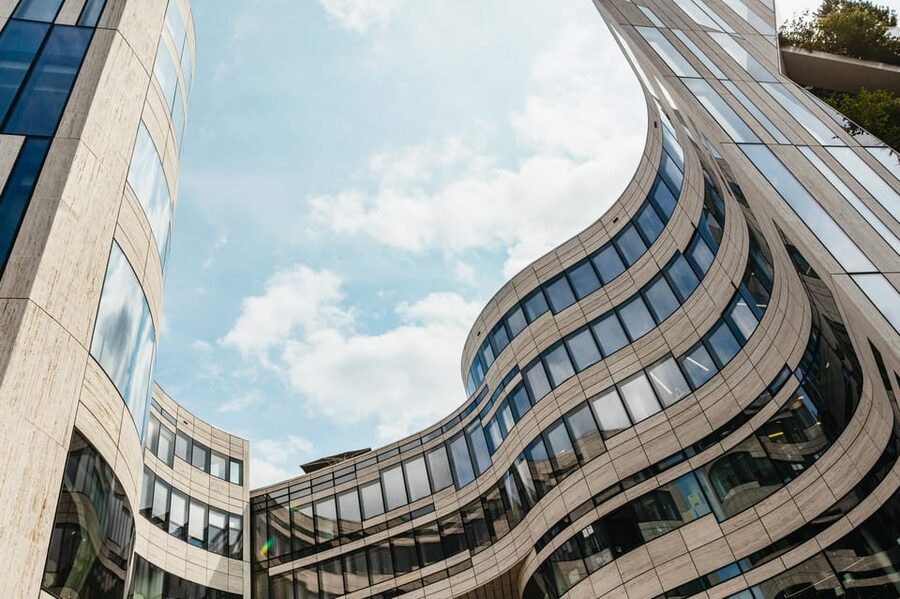
Düsseldorf’s best architectural lesson is packed into a small area: Expressionist buildings from the 1920s, postwar Brutalism, and Daniel Libeskind’s sharp-edged Kö-Bogen all appear along one city walk. The route moves from Königsallee through the Old Town and finishes at Ehrenhof, giving you a useful look at how Düsseldorf changed over time.
I like the way the tour connects famous facades with the people behind them, including Wilhelm Kreis, Karl Friedrich Schinkel, Bernhard Pfau, Helmut Hentrich, and Libeskind. I also like the chance to hear a guide such as Dietmar Schönhoff explain architecture with humor and anecdotes rather than simply naming dates and styles.
The main drawback is pace. Two hours is a short time for this much material, and one participant described it as a fast march that demands a good appetite for facts. The tour is in German only, so it suits you best if you can follow a detailed German explanation.
Key points at a glance
- Kö-Bogen and Libeskind: See one of Düsseldorf’s most recognizable modern projects and hear how an international architect shaped the city center.
- A compact architecture lesson: The walk brings together 1920s Expressionism, postwar Brutalism, historic Old Town buildings, and later modern design.
- A route with range: Start near Mannesmannufer, continue along Königsallee, pass the Dreischeibenhaus and Schauspielhaus, then finish at Ehrenhof.
- Story-led guiding: Dietmar Schönhoff is noted for mixing architectural detail, city history, humor, and anecdotes.
- German-language format: The live guide speaks German, making this a strong choice for German-speaking visitors and local residents.
- Good value for architecture fans: At $23 per person, the tour includes a guide, a two-hour walk, and entry to the City Museum.
Why Düsseldorf rewards an architecture walk
Düsseldorf is easy to underestimate. Many people come for shopping on Königsallee, a drink in the Old Town, or a museum visit. Yet the city also offers a tight cluster of buildings shaped by very different ideas about design, power, commerce, and public life.
That variety is the reason I find a guided walk useful here. You can look at a building and notice its shape, but you may miss why it matters. A guide can point out the difference between Expressionist energy, the heavy forms of Brutalism, and the cleaner lines of later modern architecture.
The route also gives you a time-based view of the city without turning into a dry lecture. You move from older streets to major postwar buildings and then toward Ehrenhof, where cultural and civic architecture takes center stage. The buildings become a way to read Düsseldorf’s changing ambitions.
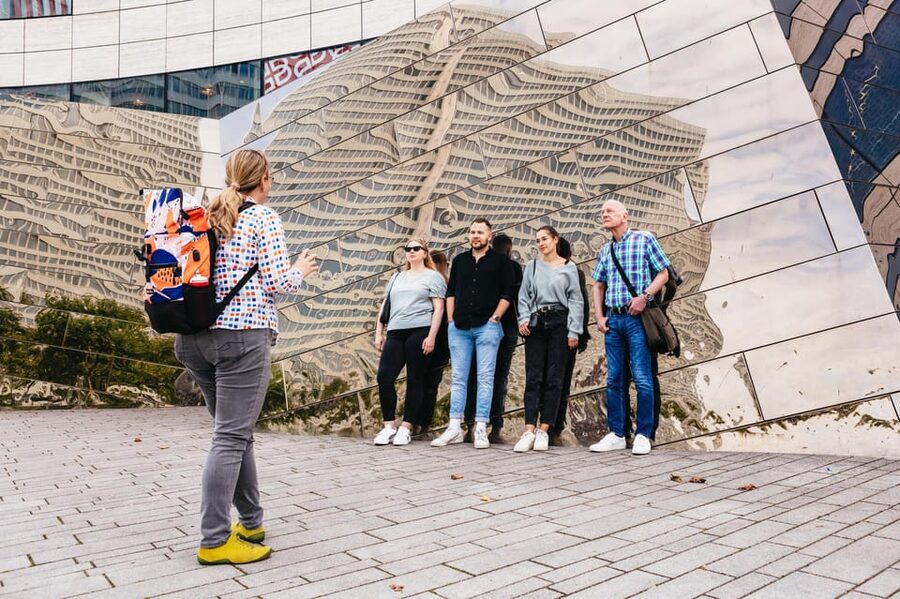
You should expect plenty of stops for photos and explanation. The guide focuses on stories behind the facades, not just the facades themselves. That makes the walk useful even if you already know the city. One participant who knew Düsseldorf well still found much that was new.
More Walking Tours in Dusseldorf
- Düsseldorf: Altbier-Safari Beer Walking Tour
★ 4.4 · 1,150 reviews - Düsseldorf: Sweet Treats Guided Walking Tour of Old Town
★ 4.7 · 66 reviews - Düsseldorf: Tipping based – Old Town Walking Tour
★ 4.8 · 38 reviews
Starting near Mannesmannufer
The stated meeting point is Mannesmannufer 2. The supplied details also list Alter Stahlhof and addresses at Mannesmannufer 2 and Breite Str. 69 among possible starting locations, so check the exact meeting instruction attached to your booking before you set out.
This matters because a walking tour works best when you arrive calm and ready to go. You do not want to spend the first minutes sorting out the start point, especially when the route covers several central districts.
The opening location near the Rhine places you close to the city center and sets up the larger theme: Düsseldorf is not a city with one single architectural identity. From there, the walk heads toward Königsallee, the famous central boulevard better known as Kö.
The tour is scheduled for two hours. That sounds generous until you consider the number of buildings and names involved. You will hear about international architects and regional constructors, along with examples from several periods. Expect a focused walk rather than a slow photographic stroll.
Königsallee and the drama of Kö-Bogen
Königsallee is the first major section of the route. The boulevard is one of Düsseldorf’s signature addresses, and the architecture walk uses it to show how commercial prestige and modern design meet in the city center.
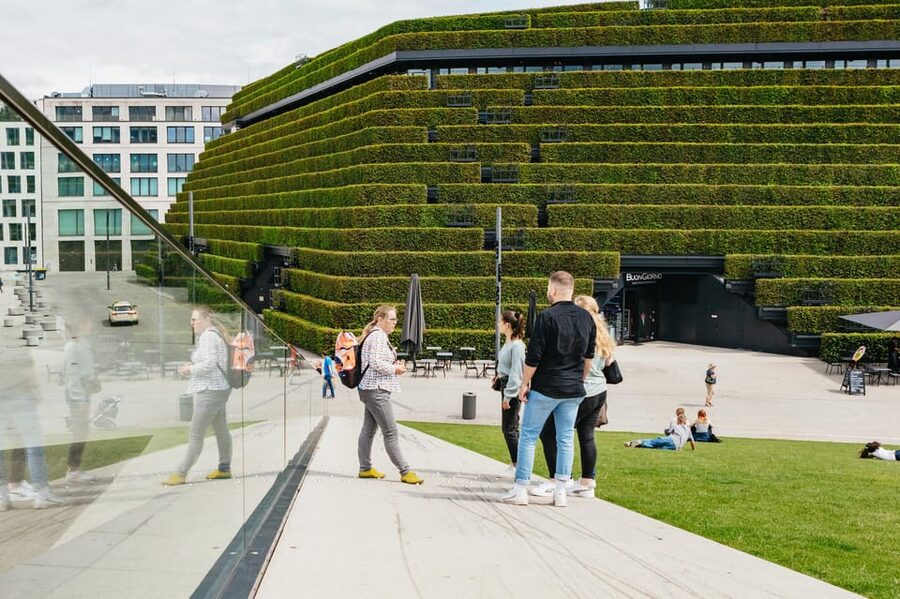
The highlight here is Kö-Bogen, designed by New York architect Daniel Libeskind. You pass by rather than enter, so the value comes from the guide’s explanation and the chance to study the building from the public space around it.
Libeskind’s work is easy to spot. Its strong angles and cut-out forms create a sharp contrast with more traditional city blocks. On a guided walk, you can consider how a new building changes the feel of a familiar shopping district, not simply whether you like its appearance.
This is one of the tour’s best moments for people who enjoy modern architecture. You get a clear example of an international architect leaving a mark on Düsseldorf, while the surrounding boulevard keeps the discussion tied to daily city life.
The walk should give you time for photos, though the pace may not allow long periods of careful composition. If photography is your main goal, keep your camera ready and listen for the stops where the guide pauses.
Dreischeibenhaus and the postwar city
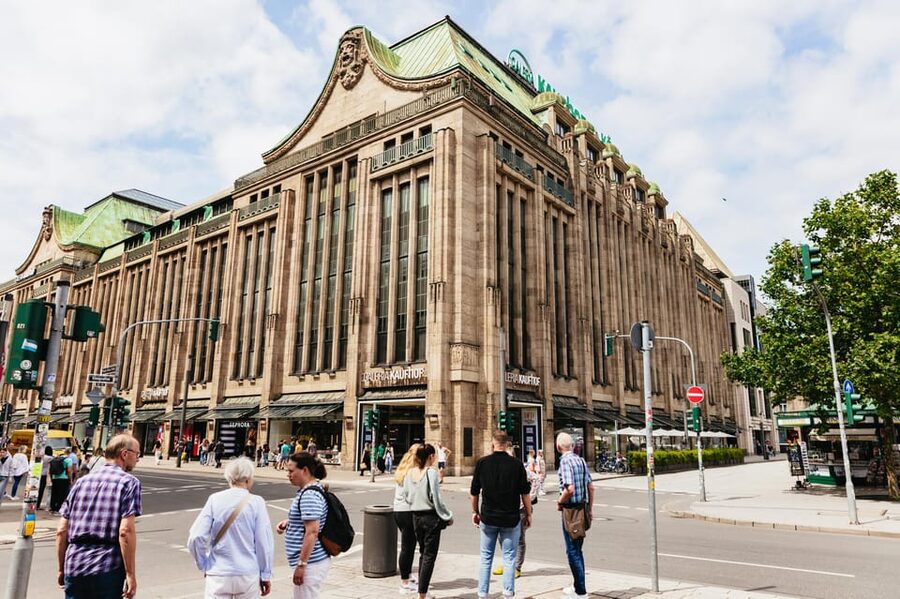
The next major sight is the 96-meter-high Dreischeibenhaus. You pass by this landmark along with the Schauspielhaus, and the guide places both within Düsseldorf’s postwar architectural story.
The Dreischeibenhaus is especially useful for understanding the city’s modern business image. Its height and disciplined form make a strong contrast with the more sculptural Kö-Bogen. Seeing the two in the same walk lets you compare different ideas of modernity without needing a long trip across town.
The Schauspielhaus adds another layer. A theater is not only a building for performances. Its design also affects how people gather, move, and experience a public district. The guide may help you notice those relationships as the group moves through the area.
The tour gives special attention to figures such as Helmut Hentrich and Bernhard Pfau, along with Wilhelm Kreis and Karl Friedrich Schinkel. The precise balance of names and buildings depends on the guide, but the larger benefit is clear: Düsseldorf’s architecture is not the work of one school or one period.
This section may be most rewarding if you like context. You are not simply collecting famous buildings. You are seeing how business, culture, and city planning produced different shapes beside one another.
More architecture walks in Dusseldorf:
- Munich 3-Hour Segway Tour: Nazi Munich & Royal Architecture
★ 4.9 · 194 reviews - Potsdam: Guided Walking Tour of UNESCO Site and Architecture
★ 4.7 · 49 reviews - Munich’s Hidden Architecture Guided Tour
★ 4.9 · 47 reviews - Stuttgart city library – an architectural tour
★ 4.4 · 27 reviews
The Old Town, with architecture beyond the nightlife
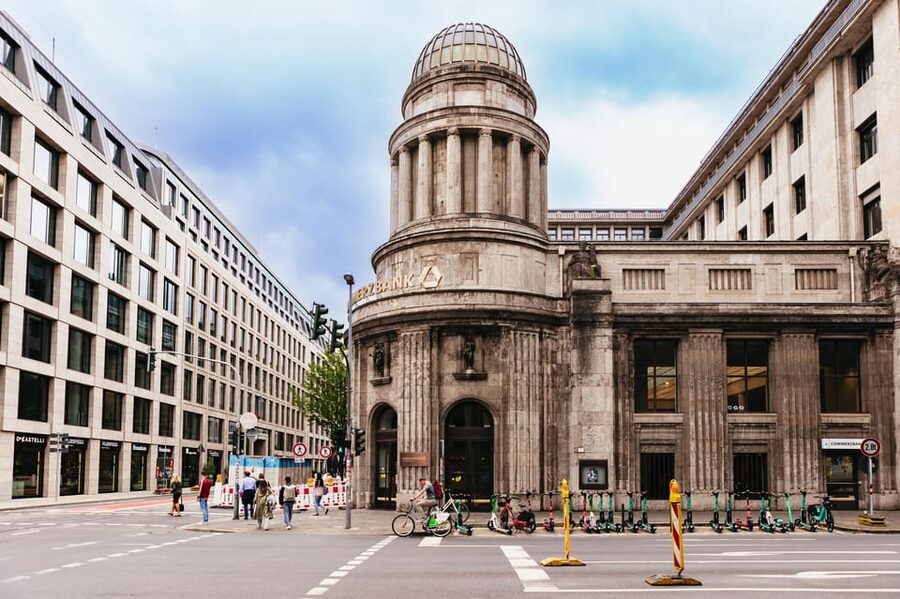
Düsseldorf’s Old Town is widely associated with restaurants, bars, and busy streets. This walk uses it differently. You pass through the district while looking for the architectural clues that daily sightseeing can hide.
The Old Town section helps connect the modern buildings on Königsallee with the city’s older urban fabric. The contrast is part of the lesson. Narrower streets, older facades, and the scale of historic buildings change the way you read the newer structures you have just seen.
The guide’s role matters greatly here. A short walk through an old district can become a list of dates, or it can explain why certain buildings survived, changed, or gained importance. Dietmar Schönhoff received particular praise for broad historical knowledge and for answering questions directly. His style, as described in the supplied comments, combines technical architecture stories with humor and anecdotes.
That sort of guiding suits visitors who want more than labels. You can ask about a detail, a building’s purpose, or the way architecture affects public space. One participant suggested that the walk could spend more time on links between architecture, power, aesthetics, and everyday city life. That is a fair point, and it also tells you what kind of tour this is: a fast, information-heavy overview rather than a long seminar on urban politics.
Ehrenhof and the final cultural stop
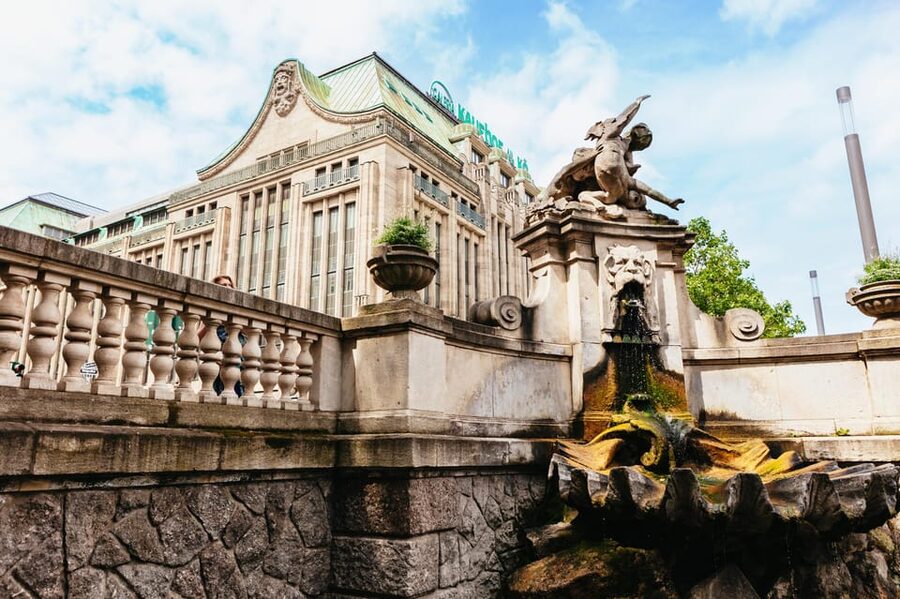
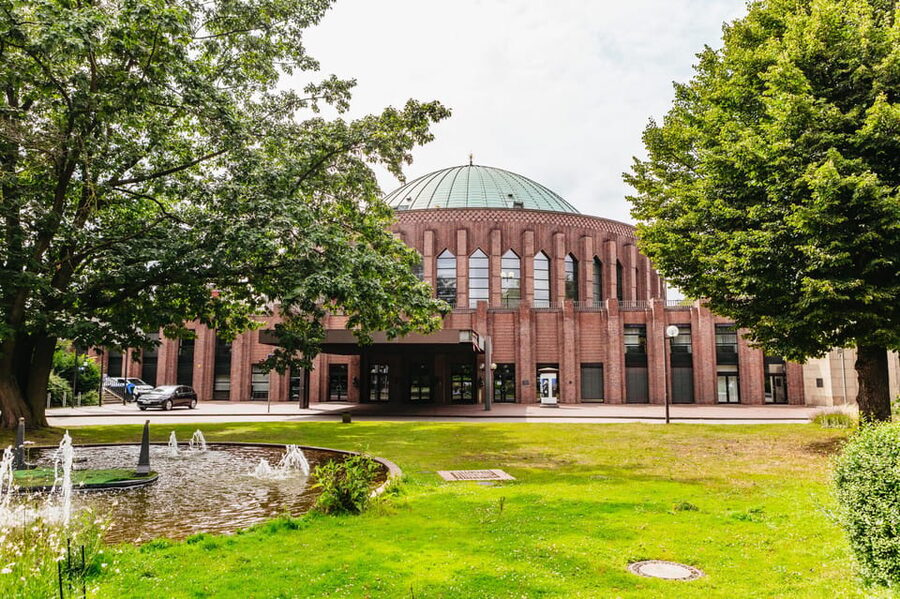
The walk ends in Ehrenhof, a significant change of setting after the commercial focus of Königsallee and the busy Old Town. The district gives the tour a strong finish because it brings architecture and culture together.
Here, the guide continues the discussion of designers and architectural movements. Düsseldorf’s ability to show Expressionism from the 1920s and Brutalism within a fairly small area is one of the tour’s central ideas. Ehrenhof helps make that point visible.
The route finishes at Ehrenhof, with two listed drop-off points there. City Museum entry at Bergerallee 2 is included in the price. The museum visit is a useful extra, though the walking portion itself ends in the Ehrenhof area, so check how the guide handles the museum admission if you want to use it immediately.
I would treat the museum ticket as added value rather than the main reason to book. The tour’s real strength is the guided route and the explanations along the way. Still, if you are building a museum-and-architecture day in Düsseldorf, the included entry makes the $23 price easier to justify.
What the guiding feels like
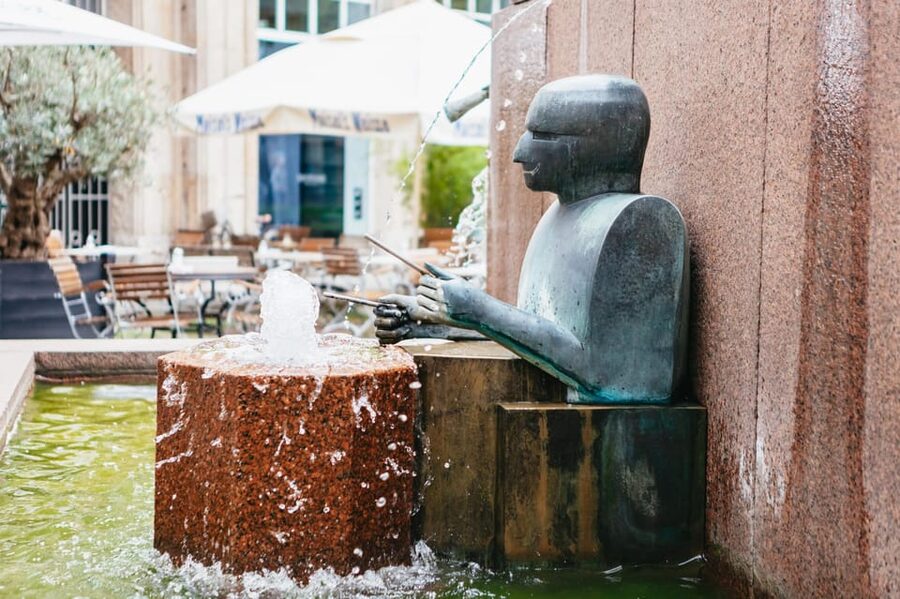
The strongest praise focuses on the guide’s command of the subject and his ability to make the material enjoyable. Dietmar Schönhoff is specifically named, and the comments describe a friendly, capable guide who combines architecture and city history with humor.
That combination matters. Architecture tours can become technical very quickly. Names such as Kreis, Libeskind, Schinkel, Pfau, and Hentrich are useful only when you understand why their work matters. A guide who adds stories and comparisons gives you a better chance of remembering the buildings after the walk.
You should also expect the tour to reflect the guide’s interests. One participant found the material very strong but wished for more connections across time, more discussion of decision-makers and power, and more attention to the relationship between people and buildings. That is a thoughtful limitation to keep in mind.
In practical terms, bring a curious mind and be ready to move. The two-hour schedule leaves little room for long pauses. If you prefer a gentle pace with lots of free time, this may feel crowded. If you enjoy a dense stream of information, it should suit you well.
Shared group or private walk
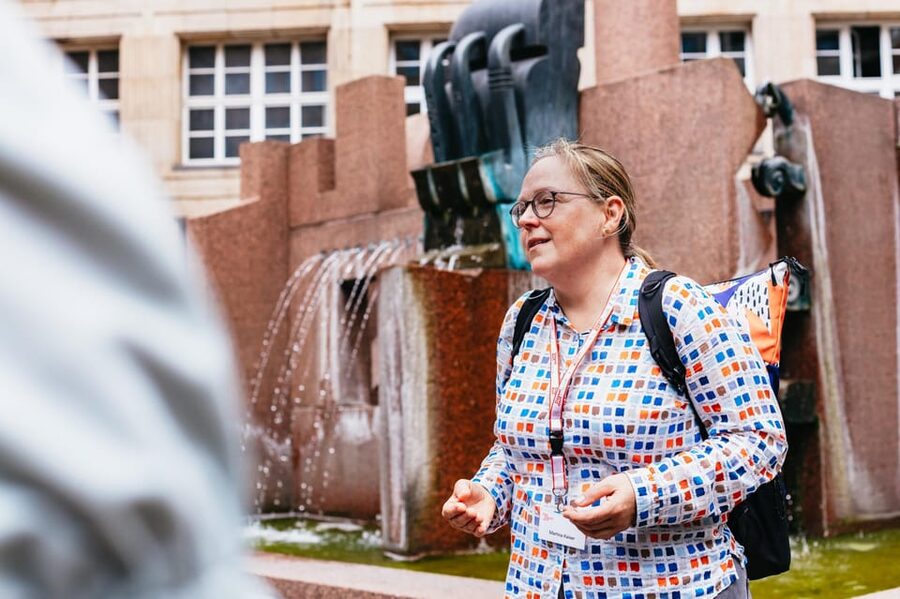
You can choose between a shared group tour and a private guided walk. The shared option is likely the better value if you want a structured introduction at the lowest price. At $23 per person, it includes the walking tour, the guide, and City Museum entry.
A private walk makes more sense if you want to ask many questions or set the focus around a particular interest. The supplied information does not state the private-tour price, group size, or whether the route changes, so you should confirm those details before booking.
For local residents, the tour has a useful angle. You may know the shopping streets and Old Town well but still miss the design story behind them. One local participant said the walk revealed plenty of new material despite already knowing Düsseldorf. That is a good sign for repeat visitors.
For first-time visitors, the route also works as a central-city orientation. You see several key districts in one sitting, though the architecture theme remains more important than a general introduction to every Düsseldorf sight.
Is $23 a fair price?
Yes, for the right audience. At $23, you are paying for two hours with a live guide, not simply a route map or audio commentary. The included City Museum entry adds a second stop to your day.
The value depends on how much you enjoy explanation. If you only want to see Kö-Bogen, the Dreischeibenhaus, and Ehrenhof, you can view the exteriors without booking. The tour earns its price by explaining the choices, styles, architects, and city changes behind those buildings.
The rating is 4.6 from 61 ratings, which fits the overall picture: strong satisfaction, with a few practical cautions. One scheduled walk was canceled because of illness, and the group did not receive the cancellation message until the following Monday. That appears to be an isolated but serious service problem. The stated policy allows free cancellation up to 24 hours before the start, and you can reserve now and pay later, which gives you some flexibility.
Because the tour is German only, do not pay for it if you cannot comfortably follow spoken German. You will miss too much of the value.
Who should book this Düsseldorf architecture tour?
I would recommend it to:
- German-speaking visitors who enjoy architecture, design, and city history
- People who want to see modern Düsseldorf beyond shopping and nightlife
- Local residents looking for a fresh reading of familiar streets
- Visitors who like guides with strong opinions, anecdotes, and plenty of facts
- Anyone who wants a compact introduction before exploring the city alone
I would be more cautious if you want a slow walk, a broad general city tour, or an English-language explanation. The route covers a lot in two hours, and the subject is architecture first.
Wear comfortable shoes and keep your schedule flexible enough to listen. You will spend the time walking between stops, and the guide may move quickly to fit the major buildings into the route.
Should you book it?
Book this tour if Düsseldorf’s buildings interest you and you can follow German. The route gives you an efficient look at Königsallee, Kö-Bogen, the Dreischeibenhaus, the Old Town, and Ehrenhof, while putting them into a story about Expressionism, Brutalism, international design, and local construction.
The best reason to go is the guiding. Dietmar Schönhoff is singled out for his humor, anecdotes, historical background, and willingness to answer questions. The main caution is the packed schedule. Think of it as a brisk architecture lesson with photo stops, not a leisurely wander.
At $23, the combination of a live guide and City Museum entry is a solid deal for architecture fans. Confirm the meeting point and language before booking, then bring your curiosity and a reasonably quick step.
FAQ
How long is the Düsseldorf architecture walking tour?
The tour lasts two hours.
Where does the tour meet?
The stated meeting point is Mannesmannufer 2. Other possible starting addresses are also listed, including Alter Stahlhof and Breite Str. 69, so check your booking details for the exact start location.
Which places does the route visit?
The walk includes Königsallee, Kö-Bogen, the Dreischeibenhaus, the Schauspielhaus area, Düsseldorf’s Old Town, and Ehrenhof.
Is the tour offered in English?
No. The live guide and tour language are German.
Is City Museum entry included?
Yes. Entry to the City Museum at Bergerallee 2 is included.
Can I cancel the booking for a full refund?
Yes. You can cancel up to 24 hours in advance for a full refund. You can also reserve now and pay later.
Just added in Dusseldorf
- (H)Alt! 4 Bier! Brauhaus! Führung!★ 4.3 · 27 reviews
- Filmtour Düsseldorf: From Hollywood to Netflix★ 4.9 · 4 reviews
- Explore Düsseldorf with Passionate tour guides!★ 4.0 · 69 reviews
- DüsseldorfCard Plus★ 4.1 · 14 reviews
- Düsseldorf: Scavenger Hunt Self-Guided Tour★ 4.6 · 127 reviews
- Düsseldorf: The Ultimate Team event (3 rooms – 9 games)★ 3.4 · 5 reviews
- Düsseldorf: The Wehrhahn Line Metro Guided Tour★ 4.5 · 29 reviews
- Düsseldorf: Private pub crawl with insider-guide & shots★ 4.1 · 18 reviews
Walking Tours, compared.




Berlin’s Best: 2 Hour Walking Tour Third Reich and the Cold War
Read our review →


Third Reich Berlin: Hitler and WWII Walking Tour
Read our review →Browse the lists this tour appears in