
Reviewed · BERLIN WALL AND COLD WAR TOURS
Berlin: Guided Bike Tour of the Berlin Wall and Third Reich
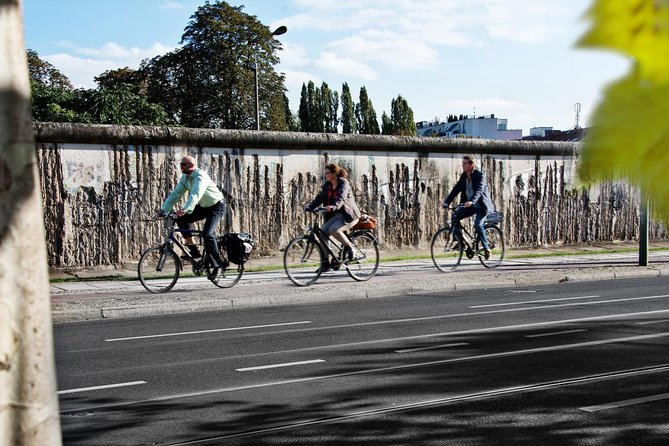
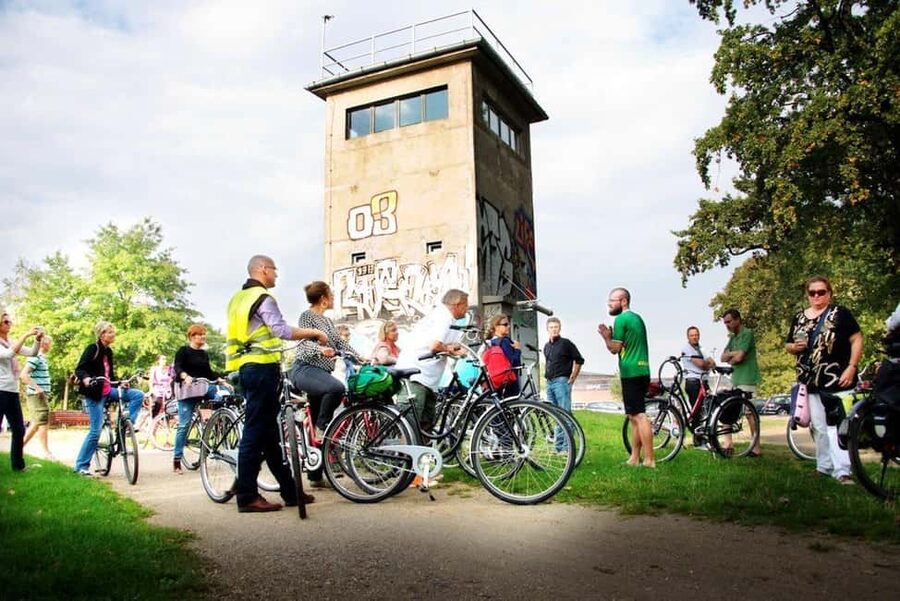
Berlin’s past is easier to grasp from a bicycle than from a tour bus. Over three hours, you cover about 15 kilometers, tracing the former Wall, passing old bunkers and ghost stations, and stopping at places tied to the Nazi era and the divided city. The bike gets you close to the evidence, not just the famous signs.
I like the relaxed pace and the way the route uses side streets and bike paths to reach places a large bus cannot. I also like the human side of the storytelling. Guides such as Juliet, Jake, Bjorn, Martin, and Peter have brought personal experience, humor, and clear explanations to the serious subject matter. The main drawback is simple: you cover a lot of ground, so some stops receive only a short visit, and the ride can feel physical in cold or wet weather.
Key points to know before you ride
- About 15 kilometers by bicycle: You see more of Berlin than you could on foot in three hours, with frequent stops for stories and context.
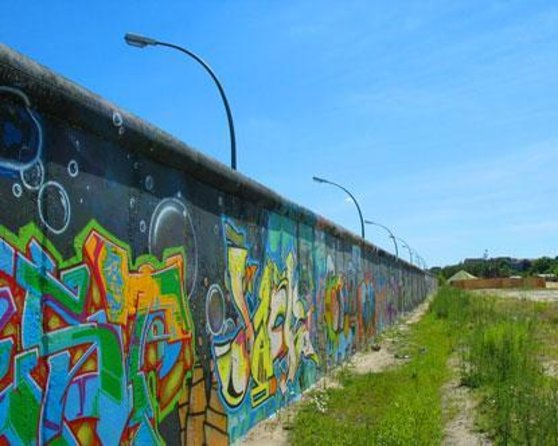
- Wall remains and former borderland: The route follows sections of the old border and shows how this once-forbidden strip has been used since reunification.
- Nazi-era sites without false drama: You see the location of Hitler’s bunker area, an enormous bunker, and places linked to the proposed Germania project.
- Ghost stations and escape stories: The guide explains how Berliners lived with a sealed city boundary and why some underground stations became known as ghost stations.
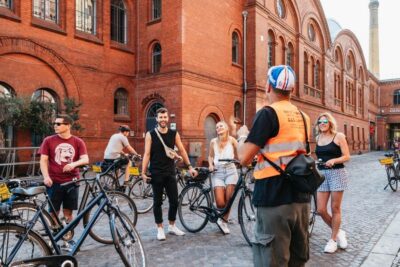
- Good bikes and useful extras: Rental bikes include baskets, helmets are available on request, and waterproof ponchos are supplied if rain arrives.
- A flexible route: Free Berlin guides can shape the tour around the group, so the exact sequence and stops may change.
Starting in Nikolaiviertel, where Berlin’s story begins
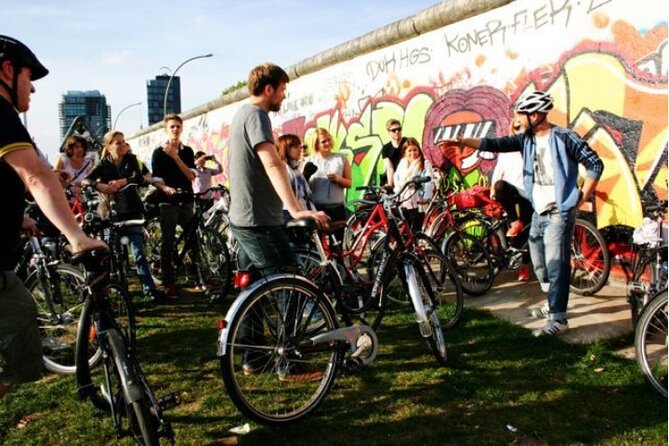
The tour starts at the Free Berlin office at Poststraße 11, in the courtyard entrance. Look for the Free Berlin sign. The meeting point is in Nikolaiviertel, about five minutes on foot from the TV Tower, so it is easy to pair with a visit to central Berlin.
Starting here gives the ride a useful sense of place. The opening is not simply a bike handover in an anonymous street. You begin in one of Berlin’s oldest central areas, then move into a city shaped by dictatorship, war, division, and reunification.
You choose from the available bikes before setting off. The bikes have baskets and are checked regularly by a certified mechanic. That matters because a poorly adjusted bicycle can spoil an otherwise good city tour, especially when you are riding for three hours.
Helmets are available if you request one. I would take one, particularly because the route runs through city streets and bike paths rather than a closed cycling track. Large luggage can also be left with the operator on request, a handy option if you arrive before hotel check-in or are heading elsewhere afterward.
More Bike Tours in Berlin
- Berlin: Sights and Highlights Bike Tour with a Local Guide
★ 4.8 · 2,698 reviews - Berlin Highlights 3-Hour Bike Tour
★ 5.0 · 948 reviews - Berlin City Bike Tour with Beer Garden Stop
★ 5.0 · 917 reviews
Why the bicycle makes this history easier to understand
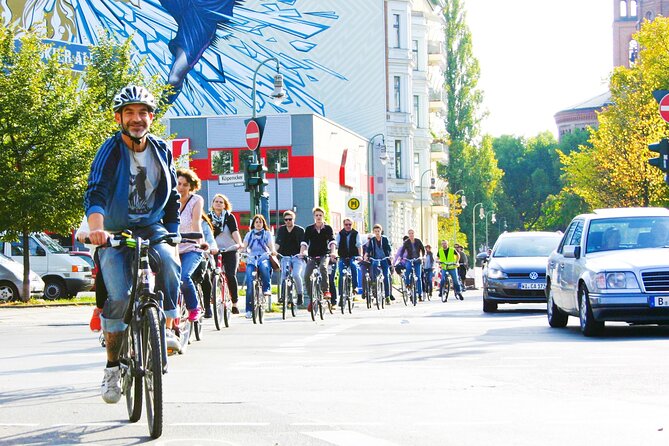
Berlin is spread out, and the sites connected with the Nazi period and Cold War do not sit neatly in one compact museum district. A bicycle lets you connect them. You can ride between stops, see ordinary streets between the historic markers, and follow the rough line of the former border.
The pace is active but not presented as a race. You ride, stop, listen, and continue. The route favors side streets and bike paths where possible, which helps the group avoid spending the entire tour beside heavy traffic. It also allows the guide to reach corners that a coach cannot reach.
That movement has a cost. You are not spending twenty or thirty minutes at every location. One participant wanted more time at certain sites, while another appreciated seeing many different places in one outing. I think the tour works best as a broad introduction. You gain a connected picture of Berlin rather than a long museum-style examination of one building.
If you want extensive time with indoor exhibitions, this is not the right format. If you want to understand how the Wall cut through a living city, the bicycle is a strong choice.
Following the Berlin Wall through a changed city
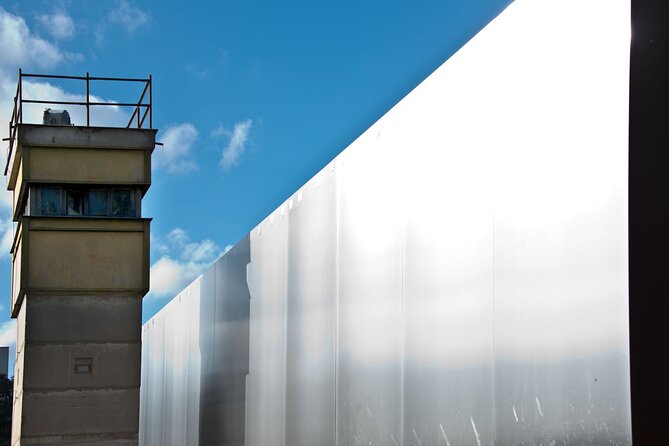
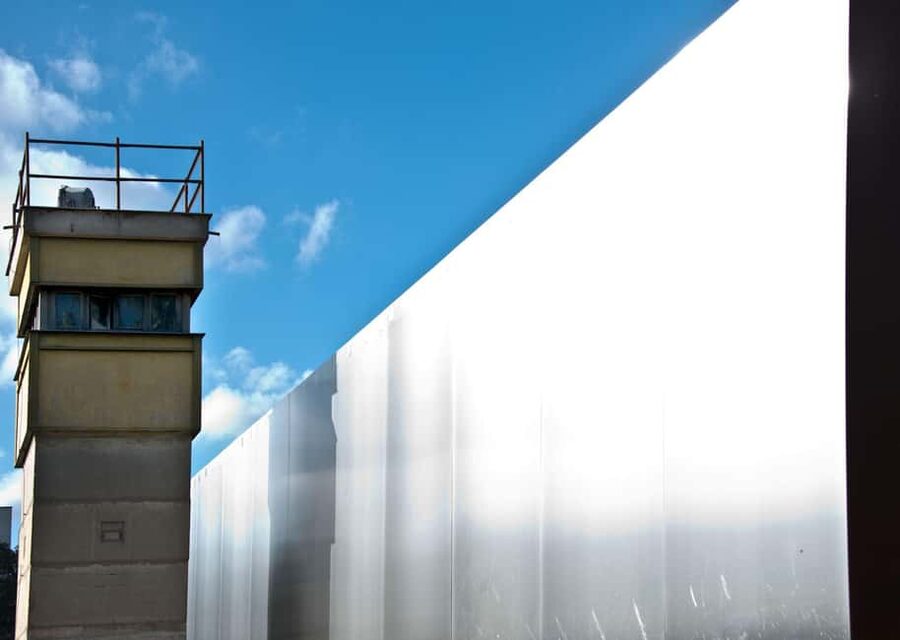
The Wall is not one continuous structure today, and that is part of what the tour helps explain. You follow the outline of where it once stood, see surviving sections and traces of the borderland, and learn how areas once controlled and restricted have found new uses.
The physical remains can be surprisingly modest. A fragment of concrete, a strip of open ground, or a changed street pattern may not seem dramatic at first. The guide supplies the missing connection: this was not merely a wall, but a fortified boundary that divided daily life in Berlin.
The tour also deals with the practical side of separation. You hear about life in the divided city, spectacular escape attempts, and underground stations that became known as ghost stations. These stories help turn a political map into something more human. You are not only hearing where the border ran. You are considering how people moved, worked, met family, and tried to cross a city that had been split apart.
A bicycle is especially useful here because you can follow the route instead of seeing isolated monuments. The changing streets give you a physical sense of distance. You notice that a border which looks like a thin line on a map could shape whole neighborhoods.
Ghost stations and the daily life of division
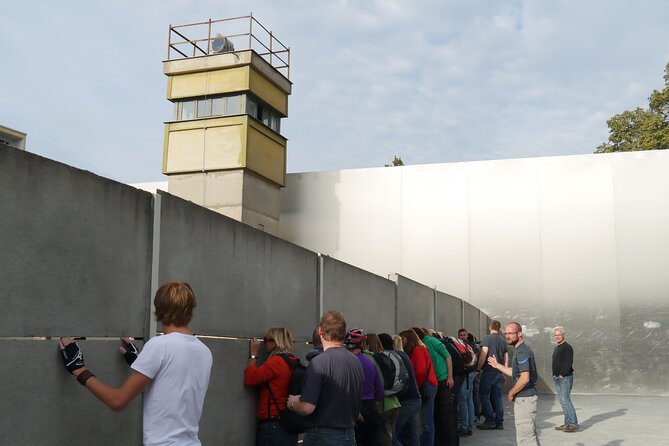
The ghost stations are one of the more unusual subjects on this ride. They connect the Cold War to ordinary transport, which makes the history easier to picture.
The guide explains why some stations became inaccessible or heavily restricted when Berlin was divided. You learn how underground travel worked in a city where routes could pass close to, or beneath, an opposing political zone. The subject is less visually obvious than a surviving Wall section, so the explanation matters.
This is where a strong guide can make a real difference. Juliet has been praised for clear, friendly storytelling, while Peter, described as a former East Berliner, brought personal perspective to the subject. Bjorn has also connected the larger political story with family experience in Berlin. A guide’s personal connection does not replace historical information, but it can help you understand what division meant beyond official dates.
The tone is not all grim. Guides have used humor when appropriate, while keeping the focus on the people affected by the border. That balance is useful for families and teenagers, who may know the basic facts but need help seeing how those facts shaped daily life.
More Third Reich Tours in Berlin
- Berlin: Third Reich and Cold War 2 Hour Walking Tour
★ 4.9 · 6,830 reviews - Berlin’s Best: 2 Hour Walking Tour Third Reich and the Cold War
★ 5.0 · 5,486 reviews - Third Reich Berlin: Hitler and WWII Walking Tour
★ 5.0 · 3,301 reviews - Berlin: Third Reich, Hitler, and WWII Walking Tour
★ 4.9 · 1,133 reviews
Nazi-era Berlin, bunkers, and the Germania plan
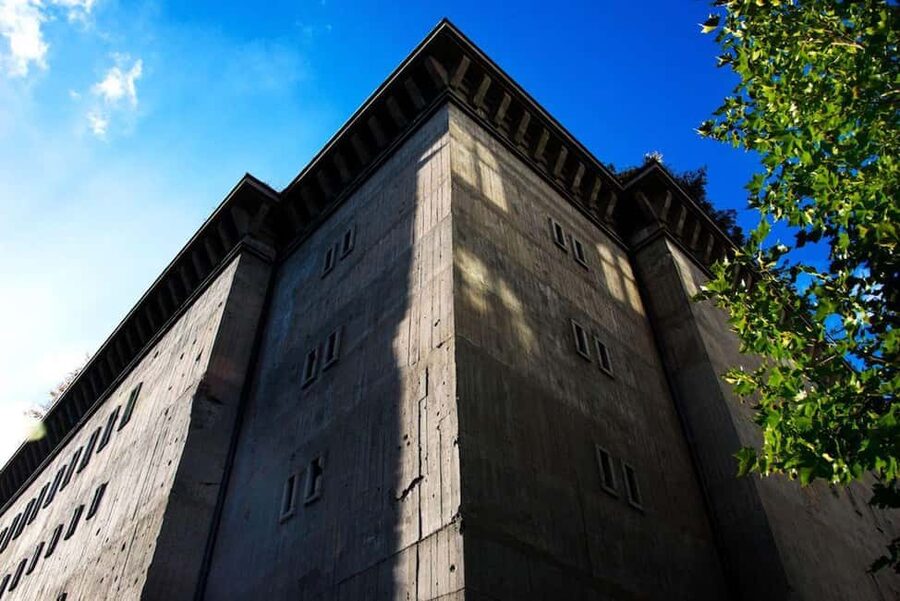
The ride also reaches sites tied to the Nazi era. One important stop is the area of Hitler’s bunker. You do not enter the Führerbunker, and the original structure is not available as a visitor attraction. The guide explains why access is no longer possible and helps you understand what happened to the site.
Set your expectations carefully. If you want to stand over a clearly preserved bunker interior, this tour cannot provide that. The value is in the explanation and the location, not in a dramatic underground visit. One person specifically expected to see more of Hitler’s bunker, so it is worth knowing in advance that the site is discussed from above ground.
You also see the remains of an enormous bunker and hear about Germania, the grand vision for Berlin under the Nazi regime. The tour presents these places as evidence of a planned political image of the capital, not as attractions to admire. That framing matters. The subject requires context, and the guide’s job is to explain how architecture and city planning were tied to power.
The stops can feel stark. You may find less to photograph than at a conventional monument, but the sites are valuable because they show how much of Berlin’s past survives in altered, partial, or deliberately inaccessible form.
Guides who make serious history personal
The guide can shape the entire experience. Free Berlin offers German, English, and French tours, and the route can be adjusted by the guide rather than locked to one rigid plan.
Several guides have earned especially warm praise for their approach. Juliet has led small groups with a friendly manner and strong command of Berlin’s complicated past. Jake has been described as engaging and well prepared, including on a rainy day. Martin has combined serious history with jokes and extra time for his group.
Bjorn has added personal context about Germany and Berlin, while Peter’s connection to East Berlin has given the divided-city sections an especially direct tone. Dominick has focused on the human experience of Berlin’s history, linking major events to the people who lived through them. Faima has brought visible enthusiasm for Berlin to the ride.
You should not assume a particular guide will lead your departure, but these examples show the range of the guiding style. The best moments are not just lists of dates. They are explanations of how a political decision affected streets, stations, families, and movement through the city.
The private-group option may suit you if your group wants more room for questions or a pace shaped around your interests. A small group can also make a serious subject feel more like a conversation than a lecture.
Weather, effort, and what to wear
The tour is not a hard sporting event, but it is still a three-hour bike ride. The distance is about 15 kilometers, and the route includes repeated stops, starts, and time listening while standing beside the bike.
You do not need to be a strong cyclist to enjoy it, according to the way the experience is structured, but you should be comfortable riding in a city. The physical effort is one reason this tour works well for people who want to see more than they could cover on foot.
Berlin weather can change the character of the outing. Waterproof ponchos are available if it rains, and one guide managed to keep a private group moving during very poor weather. Still, a poncho is not the same as warm, dry clothing. In winter, bring gloves and dress in layers. Cold hands are a small problem until you have to keep holding handlebars for several hours.
If rain is forecast, think about waterproof shoes and a protective layer beneath the supplied poncho. The activity does not stop being worthwhile in wet weather, but you will enjoy the stories more if you are physically comfortable.
An e-bike is available by booking the senior option, which includes the adjusted price for the electric bicycle. If you are unsure about the distance, hills, or your own stamina, ask for this arrangement when booking rather than waiting until the start.
What $40 buys you
At about $40 per person, the price is fair for a three-hour guided ride that includes the bicycle, a guide, and a helmet on request. You are paying for more than transport. The guide connects sites that would otherwise require careful planning, several map checks, and a good deal of walking.
The value is strongest if you are new to Berlin. In one morning or afternoon, you get an orientation to central areas, the former Wall route, Nazi-era locations, Cold War sites, and the broad shape of the city’s past. You also gain ideas for places to revisit later at a slower pace.
The value is less clear if you already know Berlin well or plan to spend most of your time inside museums. The route moves quickly, and the flexible plan means you should not treat it as a guaranteed checklist of every major sight.
Free cancellation up to 24 hours before the tour and the option to reserve now and pay later make the booking less risky. Starting times vary, so check availability for your date.
Who should book this bike tour?
I would choose this tour for first-time visitors who want historical context without sitting indoors for half a day. It also suits families with older children and teenagers, especially those who have studied World War II or the Cold War and want to connect classroom facts with real places.
It is a good fit for active couples, small groups, and anyone who prefers local streets to a large sightseeing bus. The private-group option is useful for relatives with different interests because the guide can shape the route more freely.
I would think twice if cycling is uncomfortable for you, if you need long periods at each stop, or if your main aim is to visit museums. The tour is not a substitute for detailed time inside Berlin’s major exhibitions. It is a moving introduction to the city’s difficult twentieth-century story.
Final verdict: book it for connection, not a checklist
Book the Berlin Wall and Third Reich bike tour if you want to connect scattered sites and understand how Berlin’s political past changed ordinary streets. The strongest feature is the combination of movement and personal storytelling, especially when a guide such as Peter, Bjorn, Juliet, or Martin adds local perspective.
Go in expecting a wide-ranging three hours, not a series of long site visits. Bring warm clothing, request a helmet, consider the e-bike option if needed, and remember that the bunker area is explained from above ground rather than entered.
For around $40, this is a practical way to cover a lot of Berlin and gain a clear starting point for further exploring. I would book it early in your stay, then return later to the places that deserve more time.
FAQ
Where does the bike tour start?
Meet the guide at the Free Berlin office in the courtyard entrance of Poststraße 11. Look for the Free Berlin sign. The meeting point is in Nikolaiviertel, about five minutes on foot from the TV Tower.
Where does the tour finish?
The tour ends back at the same meeting point.
How long is the tour and how far do you ride?
The activity lasts three hours and covers about 15 kilometers by bicycle. Starting times depend on availability.
What is included in the price?
The tour includes bicycle rental, a guide, and waterproof ponchos if it rains. Helmets are available on request.
Can I request an e-bike?
Yes. You can book as a senior, which adjusts the price to include an e-bike. The operator will then know that you have requested one.
What languages are available?
Guided tours are available in German, English, and French. A private group option is also available.
More Berlin Wall and Cold War Tours in Berlin
- Berlin: DDR Museum Tickets
★ 4.3 · 3,443 reviews - Skip-the-Line: Berlin Wall Museum at Checkpoint Charlie
★ 4.1 · 2,041 reviews - Berlin: East Side Gallery Spree Cruise in a Solar Catamaran
★ 4.0 · 1,039 reviews - Cold War, Berlin Wall, Spies and the East Side Gallery
★ 5.0 · 1,024 reviews
Just added in Berlin
- Berlin & The Third Reich Private Guided Tour★ 5.0 · 3 reviews
- Third Reich Quest Experience in Berlin★ 4.5 · 7 reviews
- Private Analogue Photography Experience in Berlin★ 5.0 · 3 reviews
- Berlin Urbex Adventure and History Tour★ 5.0 · 9 reviews
- The Beauty of Berlin by Bike: Private Tour★ 5.0 · 59 reviews
- Berlin: Guided Bike tour of the Berlin Wall and Third Reich★ 5.0 · 160 reviews
- Berlin Third Reich & Cold War Walking Tour With A Guide★ 5.0 · 7 reviews
- Shared Underground Party Tour in Berlin★ 4.5 · 9 reviews
Berlin Wall and Cold War Tours, compared.

Berlin’s Best: 2 Hour Walking Tour Third Reich and the Cold War
Read our review →
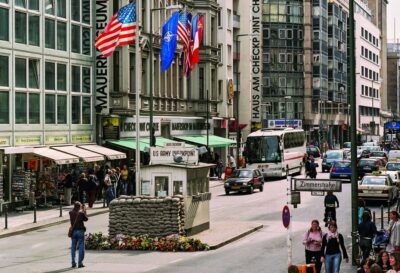
Skip-the-Line: Berlin Wall Museum at Checkpoint Charlie
Read our review →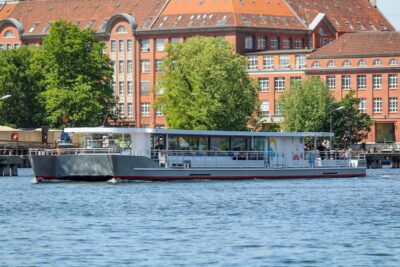
East Side Gallery Spree Cruise in a Solar Catamaran
Read our review →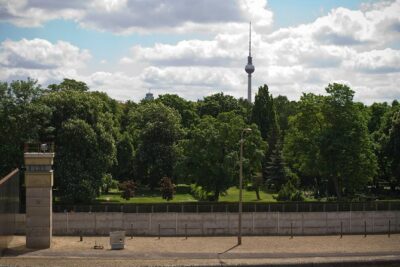
Cold War, Berlin Wall, Spies and the East Side Gallery
Read our review →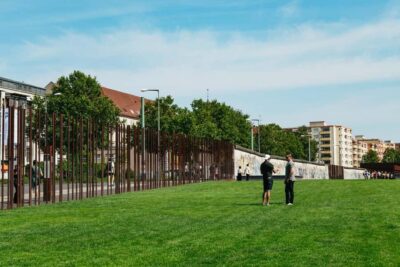
Browse the lists this tour appears in