
Reviewed · THIRD REICH TOURS
Munich and Nazi History Combination Day Tour Small Group
Dachau is not a sightseeing stop in the usual sense. It is a place for remembrance, education, and sober reflection. This eight-hour tour pairs the memorial site with a walking route through Munich, showing how the Nazi movement developed in the city where Hitler joined the German Workers Party.
I like the small group limit of 15, which gives you room to ask questions without losing the guide in a crowd. I also like the practical use of Munich’s trains and buses. Alun Evans handles the transport, fares, and changes, letting you focus on the history rather than the route map.
The main drawback is the long, serious day. You spend about three hours at Dachau, then return to Munich for another historical walk after only a one-hour lunch break. Children under 14 cannot join, and this is not a tour for anyone looking for a light or casual introduction to the city.
Key points to know before booking
- Dachau comes first: Begin at Marienplatz, travel by public transport, and spend about three hours at the memorial site.
- Alun Evans leads the day: His approach combines historical context, clear explanations, and time for questions.
- The group stays small: A maximum of 15 people makes the transport and walking portions easier to manage.
- Munich’s Nazi-era story continues after lunch: Visit sites connected with Hitler, the Nazi Party, the 1938 pogrom, and the Munich Agreement.
- Museum time is built in: You receive guided context at Dachau plus independent time in the memorial museum.
- The price includes transport: At $109 per person, the tour covers the public transport used during the scheduled experience, but not food or drinks.
Why this Munich history tour works so well
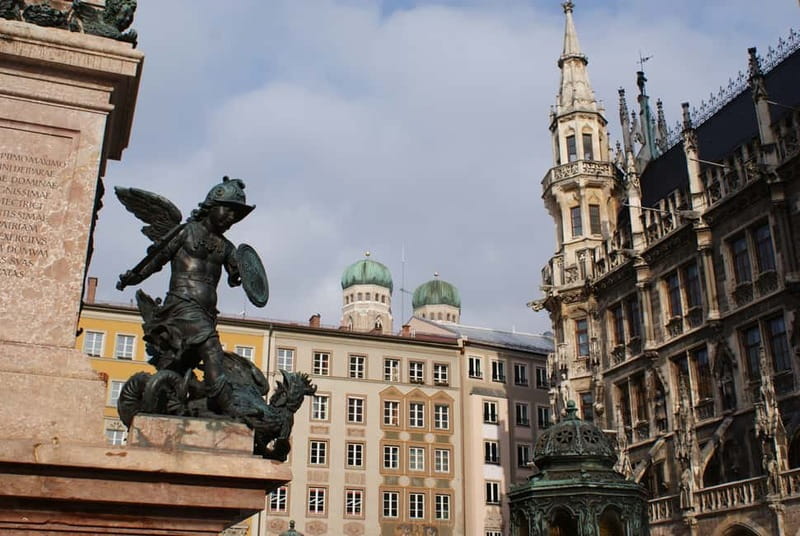
Munich can look like a city of medieval churches, elegant squares, beer halls, and pleasant gardens. Its connection to Hitler and National Socialism is less obvious if you walk around without a guide. This tour makes those links visible without treating them as a sideshow.
The day joins two kinds of historical places. Dachau shows the machinery and human cost of Nazi persecution. The afternoon in Munich traces the political beginnings, public ceremonies, and buildings tied to the movement. Seeing both gives you a clearer sense of how a political organization gained a foothold and then used fear, propaganda, and state power.
I especially like the order. Dachau comes while your attention is fresh, when you have time to take the memorial seriously. After returning to Marienplatz, you get a proper break before the city walk. The afternoon then shifts from the camp system to the streets, meeting halls, and public spaces where the Nazi movement developed.
The tour has earned a 5 out of 5 rating from 31 reviews, with particular praise for Alun’s command of the subject, his handling of public transport, and his willingness to answer questions. Those qualities matter here. A guide needs to be accurate and direct, but also sensitive to the weight of the material.
More History Tours in Munich
- Munich: Guided Tour of the historic Town Hall on Marienplatz
★ 4.8 · 63 reviews - Munich Craft Beer & Cultural Tour With Snack
★ 5.0 · 46 reviews - Munich History Tour: Private & Personalized with a Local Guide
★ 4.5 · 33 reviews
Starting at Marienplatz at 9:00
Meet your guide in front of the Tourist Information Center at Marienplatz. Look for a placard marked Dachau Memorial Tour. This is a useful central meeting point, especially if you are staying in Munich and want to reach the start without a hotel pickup.
Marienplatz is also a fitting place to begin. You are surrounded by some of Munich’s best-known architecture and city life, yet the tour soon turns toward a much darker part of the city’s past. Arrive ready for a full day, with comfortable shoes, weather-appropriate clothing, and no large luggage.
The tour is conducted in English. Since the group is limited to 15 people, the meeting should be easier than with a large coach tour. Still, you should arrive on time. Public transport is part of the experience, and a late arrival can be difficult to absorb into a fixed morning schedule.
The 45-minute journey to Dachau
The trip to Dachau takes about 45 minutes using Munich’s public transport system. Transport costs for the scheduled tour are included, and Alun accompanies the group rather than sending you off with a ticket and a set of directions.
That is a real advantage. Munich’s transport network is good, but changing between trains and buses while keeping a small group together takes care. Alun is particularly praised for navigating crowded trains and buses efficiently, so you can use the journey to listen and ask questions rather than worry about the next stop.
The ride also gives the morning a gradual pace. You leave the center of Munich and arrive at the memorial site with some historical framing already in place. I find this better than rushing straight into the grounds without understanding how Dachau fits into the larger story.
Remember that the included transport applies during the tour. Any travel you make before meeting the guide or after the scheduled experience is not covered.
Three serious hours at Dachau Memorial Site
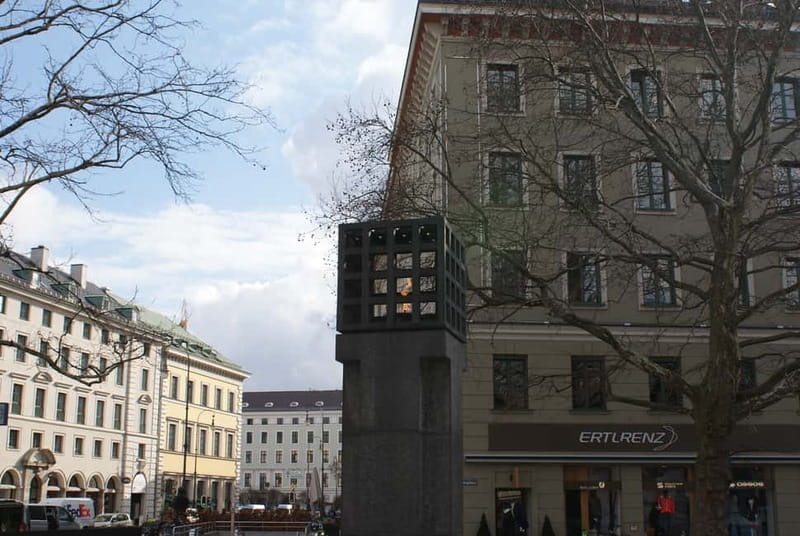
The Dachau Concentration Camp Memorial Site is the emotional center of the day. You spend roughly three hours there with a guide accredited by the memorial, receiving a detailed tour of the grounds and time to consider what you are seeing.
This is not a quick photo stop. The purpose is remembrance, education, and reflection. The guide’s job is to provide the facts and context needed to understand the site, while giving you room to process the experience in your own way.
Alun’s approach is described as thorough but clear, with questions welcomed throughout. That matters at Dachau because the history can raise difficult questions about chronology, responsibility, persecution, and how ordinary places became part of a system of terror. A strong guide helps you connect the evidence without turning the visit into a stream of disconnected dates.
You also receive time to explore the museum independently. The planned period is about one hour, which gives you a chance to read at your own speed and focus on exhibits that interest you most. The museum is extensive, so you cannot expect to see every item in detail. I would treat this independent hour as a chance to select your priorities rather than as a complete museum visit.
The site can be emotionally demanding. Dress for the weather, wear shoes suited to extended walking, and plan to give yourself a quiet moment during the day. This is one reason the tour is restricted to people aged 14 and older.
Current memorial regulations may change the way information is presented. The itinerary notes that some historical explanations could be given offsite, with extra independent time on the grounds. The memorial remains the focus, but the exact balance between guided explanation and independent exploration can vary.
More Third Reich Tours in Munich
- Munich: Third Reich & WWII Walking Tour
★ 4.6 · 6,181 reviews - Third Reich Walking Tour Munich
★ 4.5 · 4,291 reviews - Munich: Birthplace of the Third Reich Guided Walking Tour
★ 4.6 · 771 reviews - Munich City Walking Tour, includes Third Reich & Viktualienmarkt
★ 5.0 · 458 reviews
Returning to Marienplatz for lunch
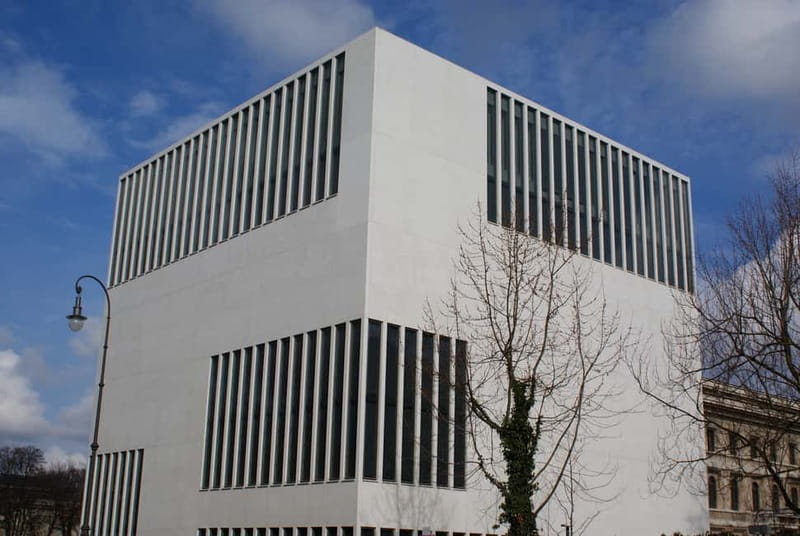
The return journey to central Munich takes about 45 minutes. Back at Marienplatz, you have around one hour for lunch and refreshments before the afternoon section begins at 3:00 PM.
Food is not included, but Alun can suggest places to eat. That help is useful because the break is long enough for a meal, but not long enough for a relaxed restaurant visit followed by wandering around the center. Keep an eye on the clock and return to the meeting point for the second part.
I like this break because it prevents the day from becoming one unbroken block of difficult history. You can eat, get a drink, and reset before continuing. On the other hand, one hour is not a great deal of time if you want a full meal in a busy place, so a quick option makes sense.
Munich’s Nazi-era sites on foot
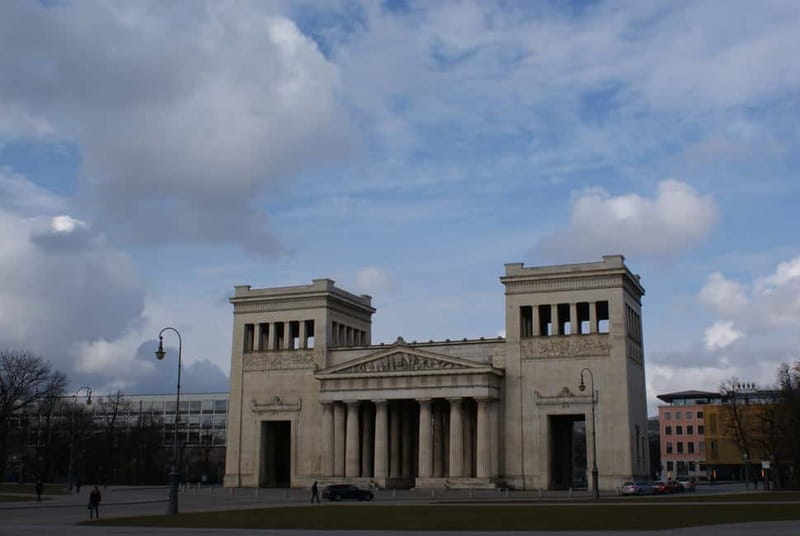
The afternoon begins again at Marienplatz and becomes a walking tour through central Munich. You see places connected to Hitler and the Nazi movement, along with several general points of interest that help you understand the city itself.
One stop marks where Hitler joined the German Workers Party. That detail is important because it shifts the story away from the later image of a dictator and toward the early political setting in which the movement formed. The tour helps connect a specific location with the rise of an organization that would later control Germany.
You also visit the place associated with the decision to carry out the November 1938 pogrom against German Jews. This part of the tour shows how Munich’s ordinary urban spaces became linked to organized persecution. The subject is painful, but seeing the location helps move the history from an abstract textbook account to a physical place in the city.
Another stop concerns the Munich Agreement, signed in 1938. Together, these locations show different stages of the Nazi period: political beginnings, escalating persecution, and international decisions made in Munich.
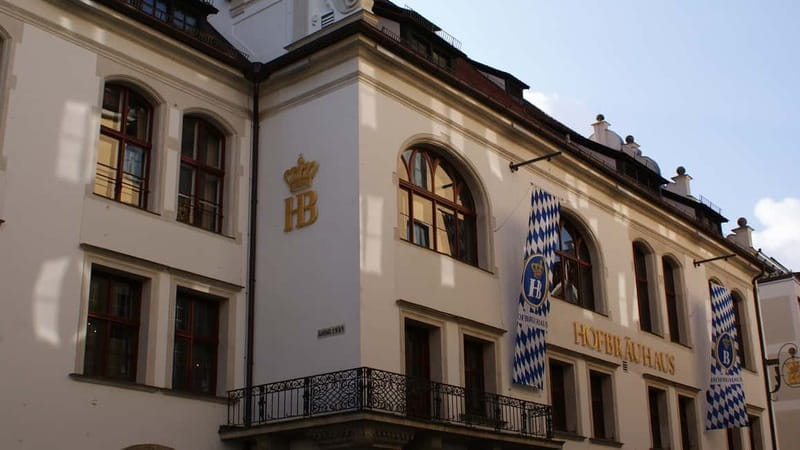
The walking route is not only about Nazi sites. You also see Munich’s oldest parish church, one of the city’s quaintest beer gardens, and the famous Hofbräuhaus. These additions keep the tour connected to the city you are actually visiting, rather than treating Munich as a collection of political plaques.
Hofbräuhaus and the city beyond the headlines
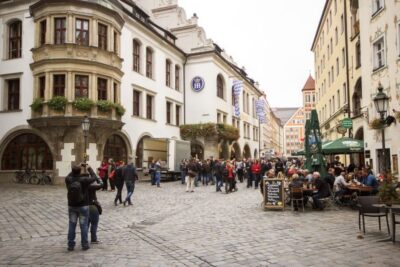
The Hofbräuhaus stop lasts about 10 minutes. That is enough for a guided look and historical explanation, not a full beer hall meal or extended visit.
This distinction is worth knowing before you book. The tour includes the location as part of the walking route, but meals and drinks are not included. If you want to sit down there afterward, make that a separate plan.
The brief stop works because it places a famous Munich institution within the larger story of the city. You see a well-known public space, then learn why it matters in the political history being discussed. The tour does not ask you to ignore Munich’s traditional character, but it does remind you that familiar places can have complicated pasts.
Führerbau and Königsplatz
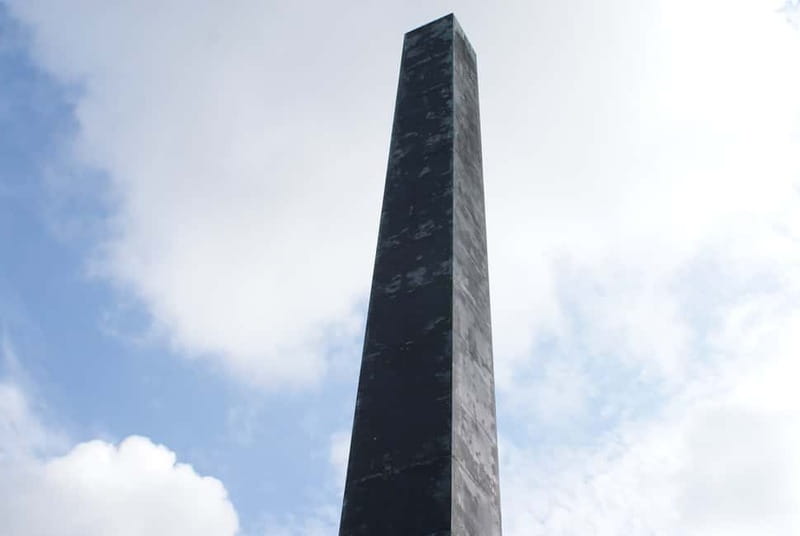
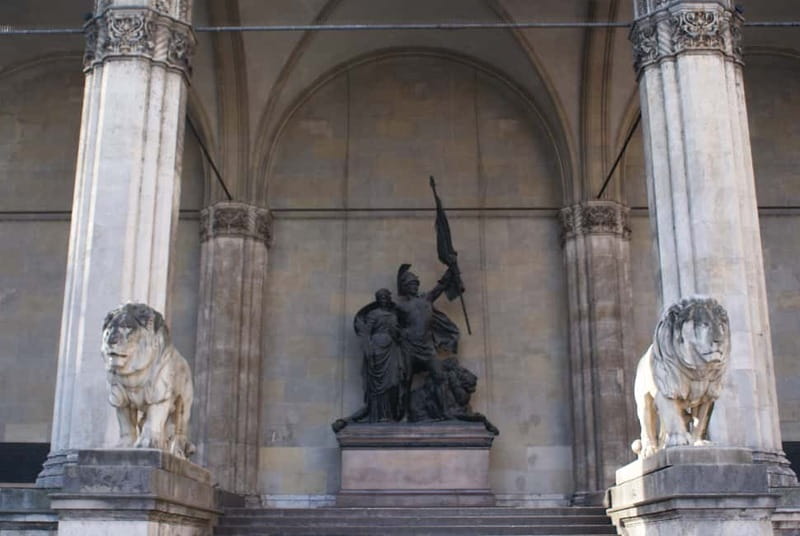
The route continues to the Führerbau, a building associated with the Nazi leadership and the Munich Agreement. The visit is guided and lasts about 10 minutes, so expect a focused explanation rather than a long interior tour.
The final major stop is Königsplatz. The Nazis used this grand public space for rallies, and the tour finishes near the former Führerbau and the Documentation Center of National Socialism. Königsplatz is a powerful ending because its scale helps explain how architecture and public space could be used for political spectacle.
The final guided portion at Königsplatz lasts about 15 minutes. You should not expect a full visit to every nearby institution as part of this tour. Instead, you get the historical setting and can decide what to explore later with your own itinerary.
At the end, you may return to Marienplatz by train with the guide or continue independently. Alun can help with directions and restaurant ideas, which is useful if you want to extend the afternoon.
What $109 includes and what it does not
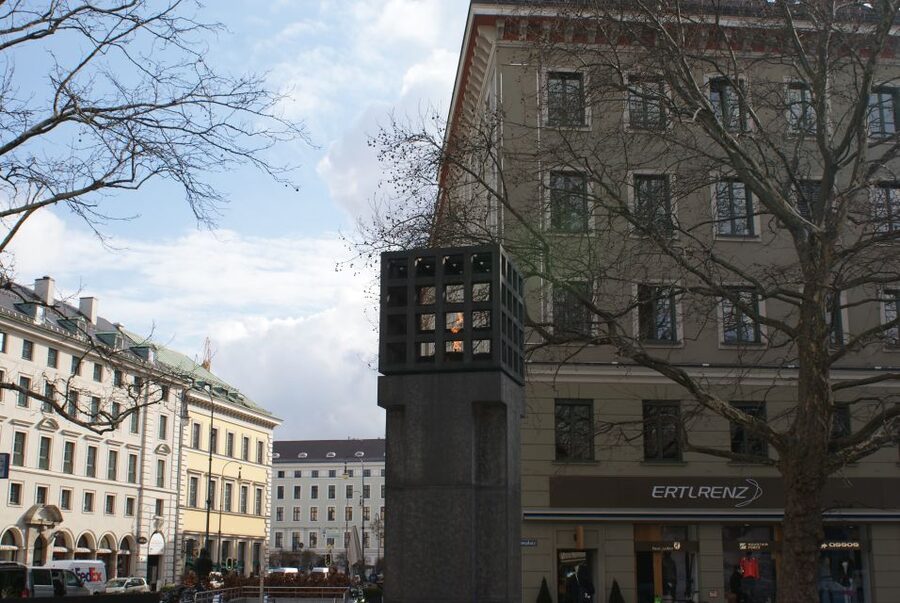
At $109 per person, this is not the cheapest way to reach Dachau. You could arrange public transport and visit parts of the area independently. The value comes from combining transport, a memorial-accredited guide, museum time, and a second guided route through Munich in one day.
I see the price as strongest for a first visit, especially if you want context rather than a self-guided stop. The tour saves you from planning the route, buying the right transport, and working out how to connect Dachau with the city locations. It also gives you access to a guide who can answer questions as the day develops.
The small group matters here. With up to 15 people, you have a better chance to hear explanations clearly and ask something specific. Several reviews praise groups of around 11 to 13 people, along with Alun’s ability to keep everyone moving through trains and buses.
You still pay separately for lunch, drinks, and any transport outside the tour period. There is no hotel pickup, so you need to reach Marienplatz yourself.
Who should book this experience
I would choose this tour if you want one focused day on Munich’s Nazi history and prefer a guide to manage the transport. It suits adults and older teenagers who can engage seriously with the material and handle a long day of walking and public travel.
It is also a good fit if you want both Dachau and the city sites. Many independent visitors manage one or the other, but connecting them in one day gives you a more complete picture.
I would not choose it if your main goal is a relaxed city tour, a beer-focused outing, or a flexible day with plenty of free time. The schedule is fixed, the subject matter is heavy, and the afternoon begins at 3:00 PM after a full morning at the memorial.
Bring only what you need. Large bags and luggage are not allowed, and comfortable shoes are essential. Weather-appropriate clothing matters because parts of the experience take place outdoors.
Final call: is this Munich tour worth booking?
Book it if you want an efficient, serious introduction to Dachau and the Nazi history of Munich, especially if public transport planning is not your strength. The combination of an accredited memorial guide, a maximum group of 15, museum time, and an afternoon city walk gives you far more context than a quick independent visit.
The main reasons to choose it are Alun Evans’s clear historical explanations, his practical command of Munich transport, and the chance to ask questions throughout the day. Skip it if you need a light itinerary, have young children, or want to explore Dachau at your own pace for an entire day.
For the right visitor, $109 buys more than transport and sightseeing. It buys structure, context, and a careful route through a part of Munich’s past that is easy to miss on your own.
FAQ
Where does the tour begin?
The tour begins at Marienplatz in central Munich, in front of the Tourist Information Center. Your guide will carry a placard marked Dachau Memorial Tour.
How long does the tour last?
The experience lasts approximately eight hours. The morning begins at 9:00 AM, and the Munich walking portion starts again at 3:00 PM.
Is transportation included?
Transportation costs during the scheduled tour are included. The tour uses Munich’s public transport system, including the journeys to and from Dachau. Transport outside the tour duration is not included.
How much time is spent at Dachau?
You spend about three hours at the Dachau Concentration Camp Memorial Site. This includes a guided tour and independent time to explore the museum exhibit.
Is lunch included?
No. Lunch and drinks are not included. You receive about one hour in Marienplatz for food and refreshments, and the guide can suggest places to eat.
Can children join the tour?
Children under 14 are not permitted. The tour is intended for participants aged 14 and older.
What happens at the end of the tour?
The tour finishes at Königsplatz, with the option of returning to Marienplatz by train with the guide. You can also continue independently, and the guide can offer directions or restaurant suggestions.
Just added in Munich
- Private transfer: Vilshofen to Munich with 2h sightseeing stop★ 5.0 · 6 reviews
- Pub crawl incl. Oktoberfest museum guided tour with beer tasting (private)★ 5.0 · 5 reviews
- South Tyrolean specialties and wine tasting★ 5.0 · 5 reviews
- Size Matters Beer Tour Munich★ 4.6 · 105 reviews
- Short & sweet: Tasting the Viktualienmarkt★ 4.8 · 37 reviews
- Secret Food Tours Munich★ 4.8 · 5 reviews
- Munich: Romantic Wine Experience for Two at Viktualienmarkt★ 4.2 · 14 reviews
- Munich: Resistance against Hitler – Historical Walking Tour★ 5.0 · 5 reviews
Third Reich Tours, compared.

Berlin’s Best: 2 Hour Walking Tour Third Reich and the Cold War
Read our review →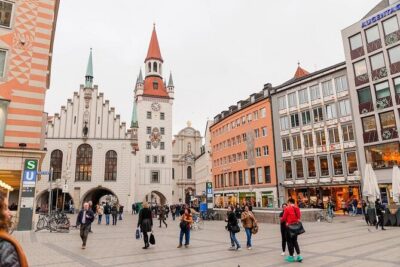
Third Reich Berlin: Hitler and WWII Walking Tour
Read our review →
Walking Tour of Former Nazi Party Rally Grounds
Read our review →
Berlin Third Reich Sites: Half-Day Walking Tour
Read our review →Browse the lists this tour appears in