
Reviewed · MUSEUMS
Dresden: Semperoper and Old Masters Picture Gallery
The best part of this Dresden outing is the pairing: first, you see the Semperoper’s theatrical interiors and clever acoustics, then you walk into the Zwinger for some of Europe’s finest paintings. It gives you architecture and art in one compact visit, without sending you across town.
I like the restored opera house and the chance to hear how its auditorium was designed for sound. I also like the gallery’s star works, especially Raphael’s Sistine Madonna and Bellotto’s views of Dresden. The main drawback is that the guided portion is in German, so you need enough German to follow the explanations.
Key points
- Semperoper interior tour: See the Italian High Renaissance style, ornate decoration, auditorium, and reconstruction based on the original plans.
- Acoustics with a story: Learn why the opera house sounds so good and hear the room’s design explained on site.
- Two major Dresden sights: The opera house and the Zwinger’s Old Masters Picture Gallery sit close together around Theaterplatz.
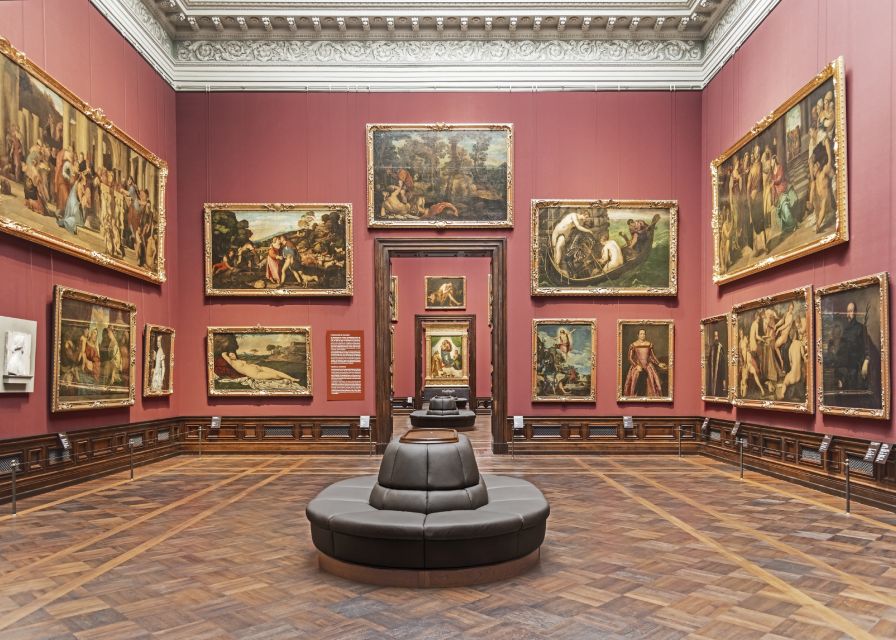
- Famous paintings: Find Raphael’s Sistine Madonna, Rembrandt’s Ganymede, and Bernardo Bellotto’s Dresden views.
- Renovated museum display: The Old Masters and Sculpture Collection up to 1800 are shown together in the restored Semper Building.
- Useful flexibility: The combined tickets can be used on different days, and cancellation is free up to 24 hours before the visit.
Why this pairing works so well in Dresden

Dresden can feel like a city of grand façades viewed from the outside. This experience gets you into two of its most important cultural buildings. You begin at the Semperoper, then continue to the Old Masters Picture Gallery in the Zwinger complex, so the route is compact and easy to fit into a walking day.
I like the contrast. The opera house is about performance, sound, ceremony, and decoration. The gallery is quieter and more focused on paintings and sculpture. One stop gives you a sense of how Dresden wanted to present itself to the world. The next shows the art that helped give the city its cultural weight.
The total duration is two hours. That is long enough for a proper introduction, but not so long that the visit takes over your whole day. You will not see every room or study every painting in detail. Think of this as a guided orientation with time to look closely at a few important works afterward.
More Museum Tours in Dresden
- Dresden: Church of Our Lady Guided Tour of Gallery
★ 4.7 · 2,421 reviews - Dresden: Zwinger Museum Entry Ticket
★ 4.7 · 1,436 reviews - Dresden: Guided Walking Tour and Chocolate Museum Ticket
★ 4.5 · 385 reviews
Meeting at Theaterplatz and getting organized
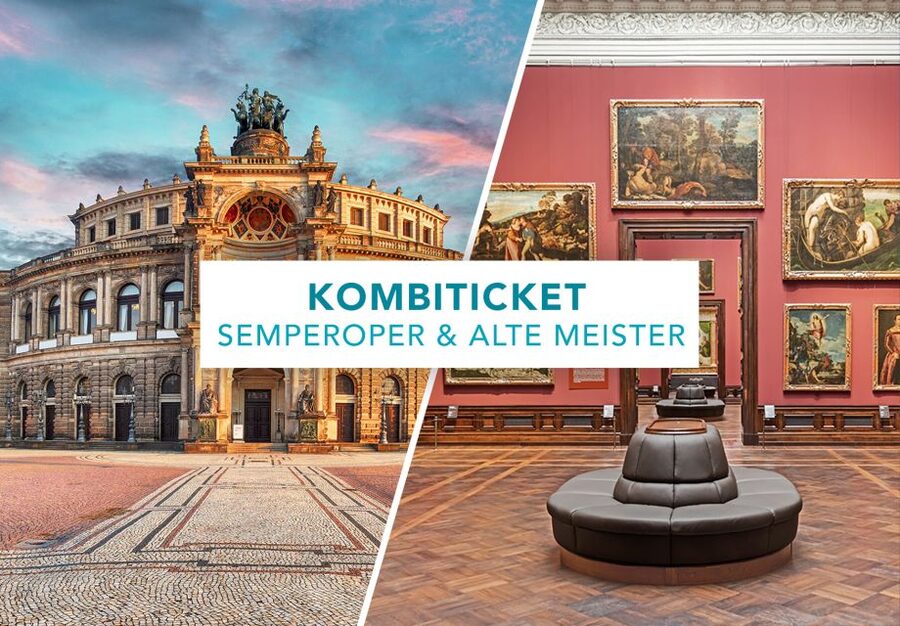
You meet at the ticket office in the Schinkelwache, at Theaterplatz 2, near the Theaterplatz stop. This location puts you directly beside the Semperoper and the Zwinger, making the beginning easy to find if you are already exploring central Dresden.
You need to exchange your voucher for a valid ticket. During normal ticket-office hours, use the Schinkelwache: Monday through Friday from 10 a.m. to 6 p.m., Saturday from 10 a.m. to 5 p.m., and closed Sunday. If the Schinkelwache is closed, use the cash desk at the main entrance of the Semperoper instead.
That detail matters. Do not arrive with only the digital voucher and assume you can walk straight into both sights. Allow a few minutes to make the exchange, especially if your tour begins soon.
The ticket is valid for one entry to the Old Masters Picture Gallery and one regular guided tour of the Semperoper. The two parts do not have to be used on the same day, which is a useful bonus if you want to spread the visit across your Dresden schedule. The gallery ticket can be redeemed on all days except Monday between 10 a.m. and 5 p.m.
Inside the Semperoper, where decoration meets sound
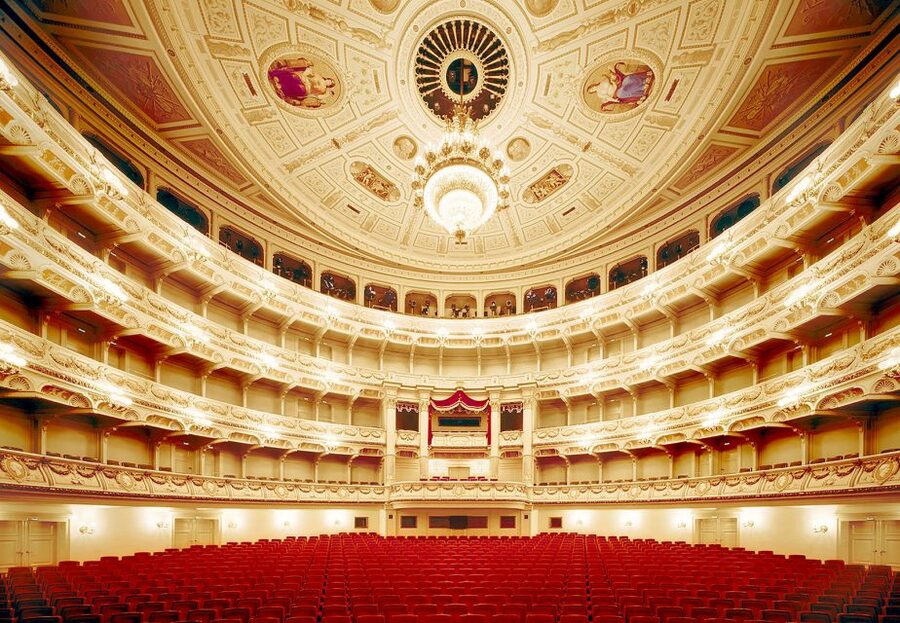
The guided tour takes you into one of Dresden’s grandest interiors. Expect richly decorated rooms and an auditorium arranged in an Italian High Renaissance style. The visual effect is formal and ornate, but the guide’s attention is not limited to decoration.
The central subject is the opera house’s sound. You learn how the room was designed and arranged to carry music and voices. This makes the visit more interesting than a simple walk through an impressive building. You are encouraged to pay attention to the room as a working performance space, not only as a pretty shell.
The auditorium is the key moment. Its shape, materials, and arrangement all affect how sound travels. The tour explains the background of the acoustics and gives you a chance to notice the room’s qualities for yourself. The experience does not replace attending a performance, of course, but it gives you useful context before you buy an opera ticket or sit down for a concert.
I especially like this part because it connects design to function. You are not merely told that the Semperoper is beautiful. You learn why the space was built in a particular way and how visual choices serve the performers and audience.
Reconstruction based on the original plans

The Semperoper’s appearance today is tied to careful reconstruction. The tour explains the building’s backstory and the decision to rebuild it according to the original plans. That gives the visit an extra layer: you are looking at a performance house that has been restored to its intended form rather than simply preserved as a surviving shell.
The guide provides the historical context while you move through the interior. The exact route can depend on performances and other events, since the opera house remains an active venue. Visits are possible nearly every day when no performance or event is taking place, but access is not identical to visiting an ordinary museum.
That is the main practical limitation of the Semperoper portion. A working opera house can close rooms or alter access at short notice for operational reasons. If the interior is the priority of your day, check the available starting time and allow some flexibility.
The German-speaking format also deserves attention. The guide explains the building, its reconstruction, and its acoustics in German. If you understand German, this is a strong way to hear the details in a natural setting. If you do not, the visual experience remains worthwhile, but you may miss much of the explanation that makes the tour valuable.
Same city, a completely different kind of day:
- Dresden: Semperoper Tickets and Guided Tour
★ 4.7 · 12,102 reviews - Dresden: The Original Night Watchman Tour in Lantern Light
★ 4.6 · 6,653 reviews - Dresden: Semperoper and Old Town Tour
★ 4.8 · 5,735 reviews - Dresden: River Sightseeing Boat Cruise
★ 4.3 · 5,323 reviews
From opera house to the renovated Semper Building
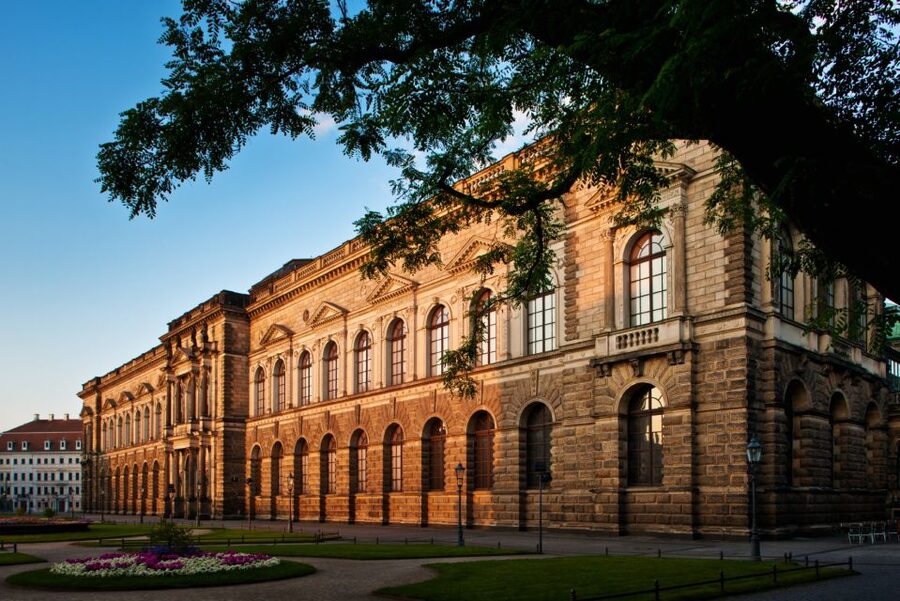
After the opera house, you continue to the Old Masters Picture Gallery in the Zwinger. The famous 19th-century Semper Building has undergone extensive renovation, and the Old Masters Picture Gallery and Sculpture Collection up to 1800 are now presented together.
That combined presentation changes how you use the museum. You can move between paintings and sculpture rather than treating them as separate collections in different locations. The display follows geographical school divisions and gives attention to major themes from each period.
The setup is helpful if you do not have a background in art history. Instead of wandering through rooms with no plan, you receive a broad structure: schools, regions, periods, and selected subjects. The guide can point you toward the works that matter most, leaving you with a clear path for a later return.
The gallery is not just a stop to tick off after the opera house. Plan to spend real attention here. The ticket provides a single entry, and the combined ticket can be used on a different day, so you do not have to rush through every room immediately after the opera tour.
Raphael, Rembrandt, and Bellotto’s Dresden
The gallery’s famous paintings give the second half of the visit its focus. Raphael’s Sistine Madonna is the major draw for many people. It is one of those works that can dominate a museum visit, so give yourself time to look beyond the first impression and notice the composition, figures, and surrounding presentation.
Rembrandt’s Ganymede offers a very different experience. Its subject and handling of paint show another side of the collection, and it helps you compare the choices of different periods and schools.
Bernardo Bellotto’s Dresden views are especially useful for visitors who have been walking around the city. His paintings connect the museum to the streets outside. You can compare the historic views in the gallery with Dresden as you see it today, while remembering that a painted cityscape is also an interpretation rather than a simple snapshot.
These three works make the gallery worthwhile even if you are not planning a long museum session. They also give the guide clear anchors for explaining the collection. You leave with a few memorable works rather than a blur of names and rooms.
The sculpture hall and works up to 1800
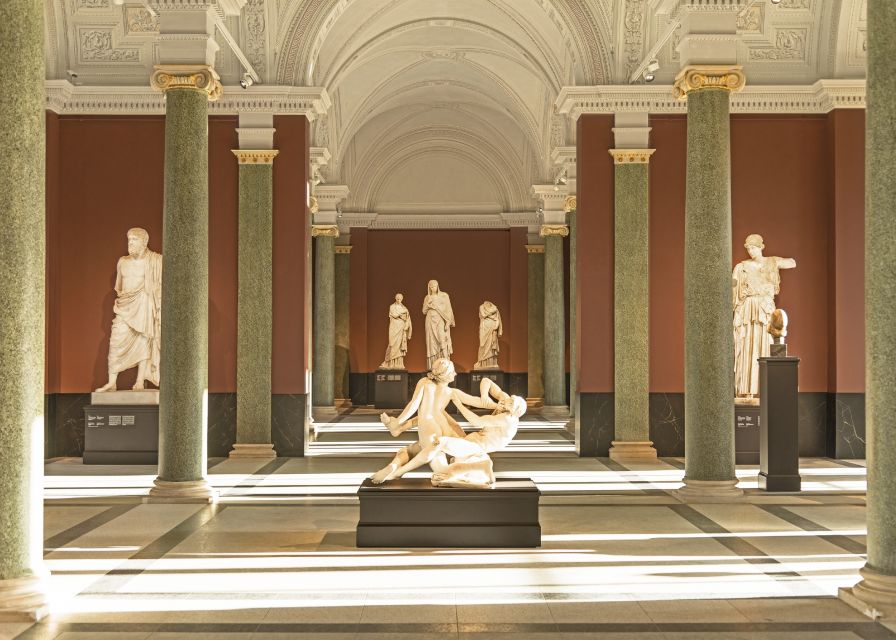
The Sculpture Collection up to 1800 adds a different pace. Paintings ask you to stand in front of a flat surface and study color, gesture, and composition. Sculpture occupies space, so you can look at it from different angles and consider its physical presence.
The collection includes important antiquities in the sculpture hall. This is a useful counterpoint to the European paintings, and it broadens the visit beyond the most famous Renaissance and Baroque names.
The museum’s geographical division and period themes help you make sense of this material. You may find some sections more compelling than others, but the layout gives you a framework for deciding where to spend your time. If you are especially interested in sculpture, the combined presentation is a reason to allow extra time beyond the two-hour tour.
Is $35 a fair price?
At $35 per person, the experience offers good value if you want a guided introduction to both buildings. A regular Semperoper tour plus entry to the Old Masters Picture Gallery would otherwise require separate planning, and the combined ticket saves you from arranging two unrelated visits.
The strongest value comes from the guide. The gallery contains far more than you can absorb in a short visit, while the opera house’s acoustics and reconstruction are easier to understand with an explanation. You are paying for direction and context as much as for admission.
The price is less compelling if you only want to see the paintings and prefer to explore museums at your own speed. It is also less suitable if you do not understand German, since the live tour guide speaks German. In that case, the buildings and artworks still have appeal, but the paid guided element loses some of its benefit.
For an art lover, architecture enthusiast, or first-time visitor to Dresden, I consider the cost reasonable. For someone with only a brief stop in the city, the two-hour format makes the purchase easier to justify because it covers two major sights in one area.
Who will get the most from this visit?
I would choose this experience if you want a structured first look at Dresden’s cultural center. It suits you especially well if you enjoy architecture but also want an art collection rather than a single-building tour.
It is a good fit for:
- Visitors who understand German and want a live explanation of the opera house
- Art lovers interested in Raphael, Rembrandt, Bellotto, and sculpture up to 1800
- First-time Dresden visitors who want two central sights handled in one plan
- People who prefer a short cultural activity lasting about two hours
- Travelers who may want to use the gallery ticket on a separate day
I would think twice if you need an English tour, want a performance rather than a building visit, or prefer complete independence inside museums. This is a regular guided tour, not an opera performance, and there is no transfer included.
The tour is wheelchair accessible. Pets, smoking, and food or drinks are not allowed during the activity. A photo license is not included, so check the current photography rules before taking pictures.
Practical timing and ticket flexibility
Because performances and other events can affect access to the Semperoper, check the available start times before booking. The opera house is usually open for visits on many days, but it is still an active venue.
The combined tickets can be used on different days. This is one of the most useful features for a longer Dresden stay. You can take the guided opera tour when it fits your schedule, then return to the gallery when you have more time for the paintings and sculpture.
You can cancel up to 24 hours before the activity for a full refund, and reserve now while paying later. Those terms help if your Dresden plans are still moving around, but you still need to follow the voucher exchange instructions at Theaterplatz.
Should you book the Semperoper and Gallery tour?
Book it if you want a clear, efficient introduction to Dresden’s opera house and its Old Masters collection, and especially if German is comfortable for you. The combination of acoustics, ornate architecture, Raphael, Rembrandt, Bellotto, and sculpture gives you a well-rounded cultural morning or afternoon.
Skip it if you need an English-speaking guide or want to spend several uninterrupted hours studying the gallery. In that case, use the museum entry on its own terms and arrange the opera house separately if possible.
For most first-time visitors who understand German, $35 is a fair price for the access, guidance, and flexible gallery ticket. The opera house is the highlight for architecture and sound, while the gallery gives you the lasting art experience. Together, they make a sensible two-hour introduction to Dresden’s cultural heart.
FAQ
How long does the experience last?
The scheduled duration is two hours.
What language is the guided tour?
The live tour guide speaks German.
Where do I meet the guide?
Meet at the ticket office in the Schinkelwache, Theaterplatz 2, 01067 Dresden, near the Theaterplatz stop.
Can I use the two tickets on different days?
Yes. The combined tickets can be used on different days.
When can I use the Old Masters Picture Gallery ticket?
The gallery ticket can be redeemed on all days except Mondays between 10 a.m. and 5 p.m.
Is the experience wheelchair accessible?
Yes, the activity is wheelchair accessible. Transfers are not included.
Just added in Dresden
- Test Drive Electric Vehicles from the VW brand (ID. model)★ 4.8 · 190 reviews
- SRF CoBi | City Tour by ConferenceBike★ 4.7 · 38 reviews
- Dresden: Scavenger Hunt to Elbe River & Castles★ 4.7 · 15 reviews
- Dresden: Bike Rental – City Bike with Option Children Seat★ 4.5 · 13 reviews
- Private trip from Prague to Dresden, Moritzburg & Meissen★ 5.0 · 5 reviews
- Moritzburg: Scavenger Hunt Self-Guided Walking Tour★ 4.8 · 12 reviews
- Historical tour of the old town including a Saxon dinner★ 4.7 · 23 reviews
- Climb the mountains together with goats★ 4.8 · 8 reviews
Museums, compared.


Skip-the-Line: Berlin Wall Museum at Checkpoint Charlie
Read our review →
Browse the lists this tour appears in