
Reviewed · MUSEUMS
Berlin: Tickets to the Computer Games Museum
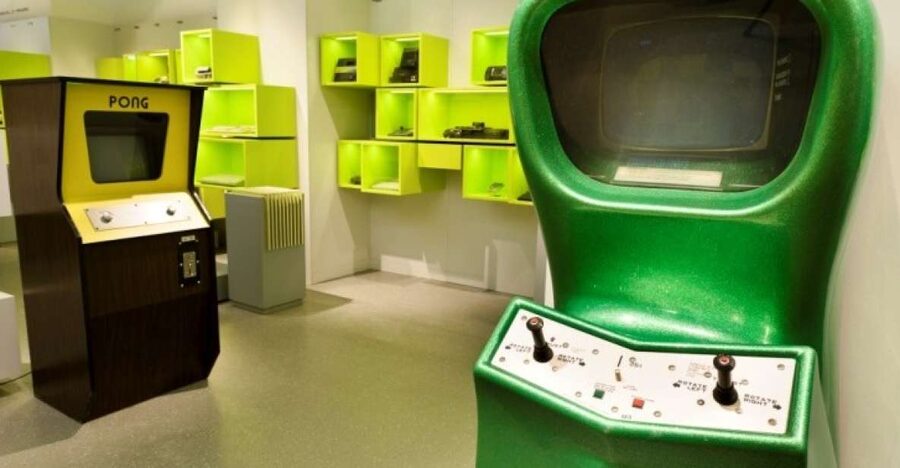
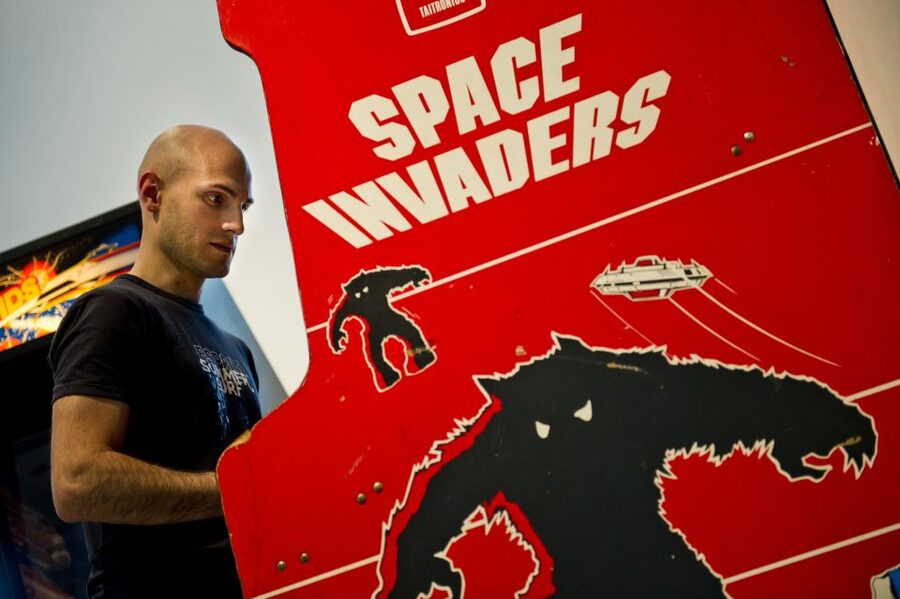
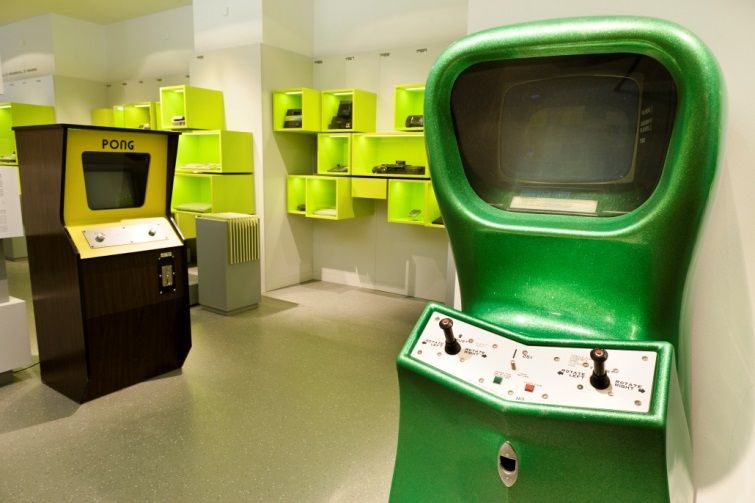
The most fun part of Berlin’s Computer Games Museum is that you do not just look at old machines behind glass. You can play Pong, Pacman, Mario, Space Invaders, and other classics, then test oddball inventions such as PainStation and the Giant Controller. I like the hands-on approach and the Wall of Hardware, which makes it easy to see how home gaming changed from Commodore computers and Game & Watch to PlayStation.
I also like that the museum works for several generations at once. Parents can revisit the machines they knew in the 1980s and 1990s, while children can see why an older game felt exciting despite its simple graphics. The main drawback is size: some people finish in about 30 minutes, while others spend four hours, and the small arcade can become crowded.
Key points at a glance
- More than 300 exhibits: Follow computer gaming from early machines to modern 3D and movement games.
- Hands-on displays: Play many of the featured systems instead of only reading about them.
- Classic arcade corner: Try coin-operated favorites including Donkey Kong and Space Invaders.
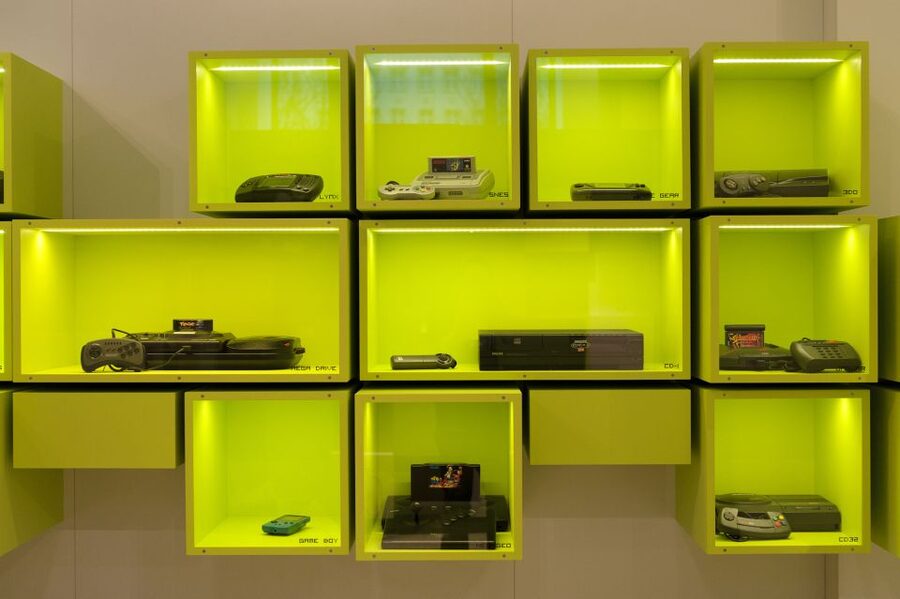
- Wall of Hardware: See familiar machines such as Commodore, Game & Watch, and PlayStation together.
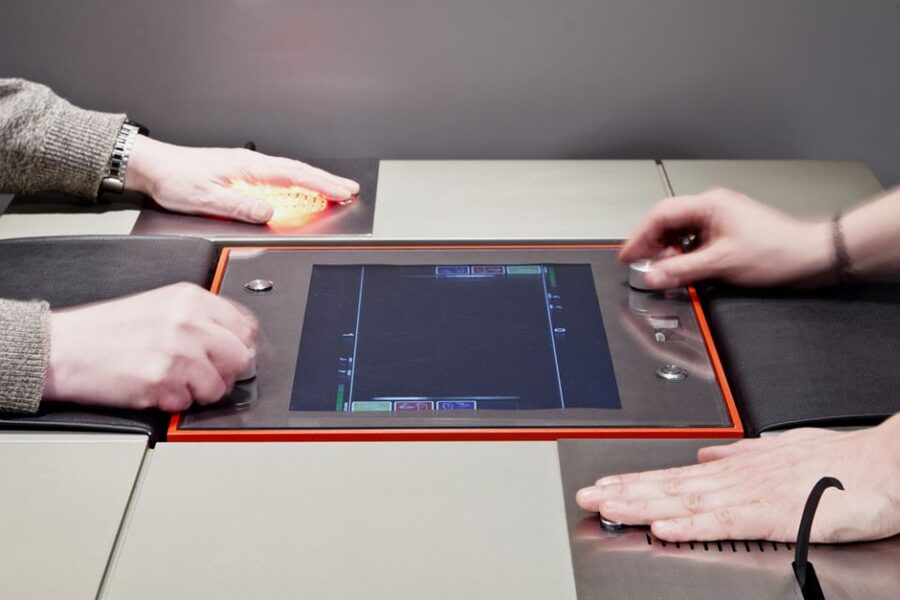
- Unusual interactive pieces: Take on the Giant Joystick and PainStation, where missed Pong shots can bring a physical consequence.
- One ticket, two exhibition areas: Admission covers the permanent exhibition and special exhibitions for one day.
Why this museum is more than a room full of old consoles
Berlin’s Computer Games Museum is Europe’s first museum devoted to computer games. Its collection covers around 70 years of gaming history and includes more than 300 exhibits, so the visit is really two experiences in one.
First, you get a clear account of how games developed. You can trace the move from early computers and basic arcade machines to home consoles, handheld systems, 3D games, and movement-based play. Second, you get time at the machines themselves. That second part is what gives the museum its appeal.
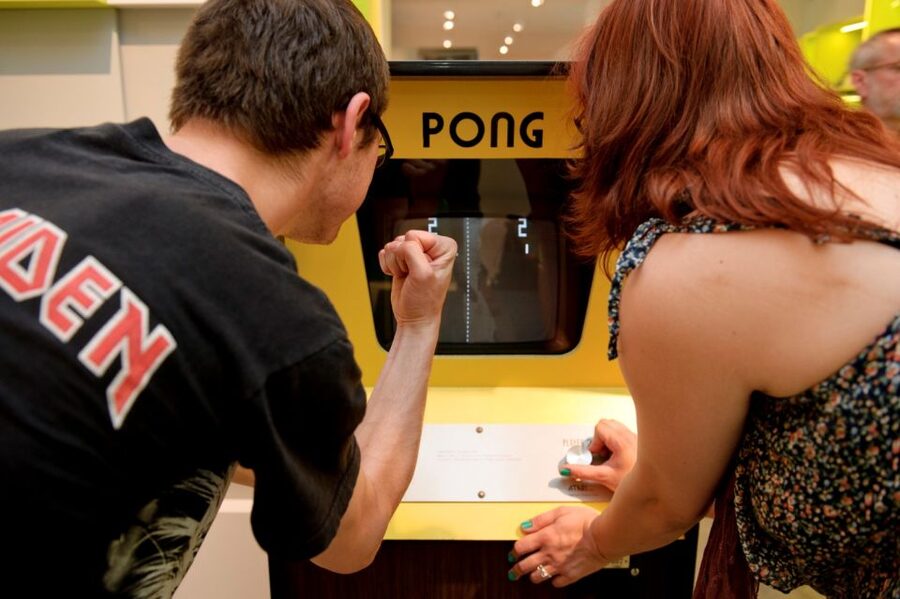
Many technology museums ask you to admire objects from a distance. Here, the museum invites you to press buttons, handle controllers, and see how the games actually feel. A child who knows modern games may be surprised by the slow pace and simple visuals of early titles. An adult who played Atari, Sega, Nintendo, or early PlayStation may find the same machines instantly familiar.
That mix makes the visit more social than a standard museum stop. You can compare reactions across generations, explain a classic game to a child, or discover that your old favorite is harder than you remember.
More Museum Tours in Berlin
- Berlin: Jewish Museum Berlin Entrance Ticket
★ 4.5 · 8,393 reviews - Berlin: DDR Museum Tickets
★ 4.3 · 3,443 reviews - Berlin: Natural History Museum Entrance Ticket
★ 4.6 · 3,382 reviews
Start with the Wall of Hardware
The Wall of Hardware gives you a quick view of the machines that shaped home gaming. It includes systems from several generations, with examples such as Commodore computers, Nintendo Game & Watch devices, and PlayStation.
This section matters because gaming history is not only about famous titles. The shape of the machine, the controller, the screen, and the way a game was played all changed over time. A handheld system created a very different experience from a living-room console. A home computer brought games into a space that had once been used mainly for work or study.
You can use this display as a timeline before trying the interactive exhibits. Look at the older hardware first, then notice how much smaller, faster, and more flexible later machines became. The museum does not require you to be an expert. Labels and examples help place each system in the larger story.
The hardware display also works well for families. Children can see the devices adults once used, while parents can explain the difference between a console, a home computer, and a handheld game system. The contrast between an early Game & Watch and a later PlayStation is especially useful for showing how quickly the medium changed.
Take a turn in the small arcade
Around the corner, you will find a small amusement arcade with coin-operated machines. Donkey Kong and Space Invaders are among the named classics, and other familiar arcade titles may be available as well.
This is one of the museum’s most popular areas, so do not assume you will walk straight up to every machine. If the room is busy, you may need to wait for a turn. That is part of the old arcade feeling, though the waiting is less charming when several children are eager to play.
The compact size is both a strength and a weakness. It keeps the area focused, but it limits the number of people who can play at once. If you have a particular machine in mind, try visiting it early in your visit or returning later when the crowd has shifted.
The arcade offers a useful lesson in how games once worked. You get a short, direct challenge, a few controls, and a clear reason to try again. Modern games can take hours to explain. These older machines often need only a few seconds before you understand the goal.
See famous games in their historical setting
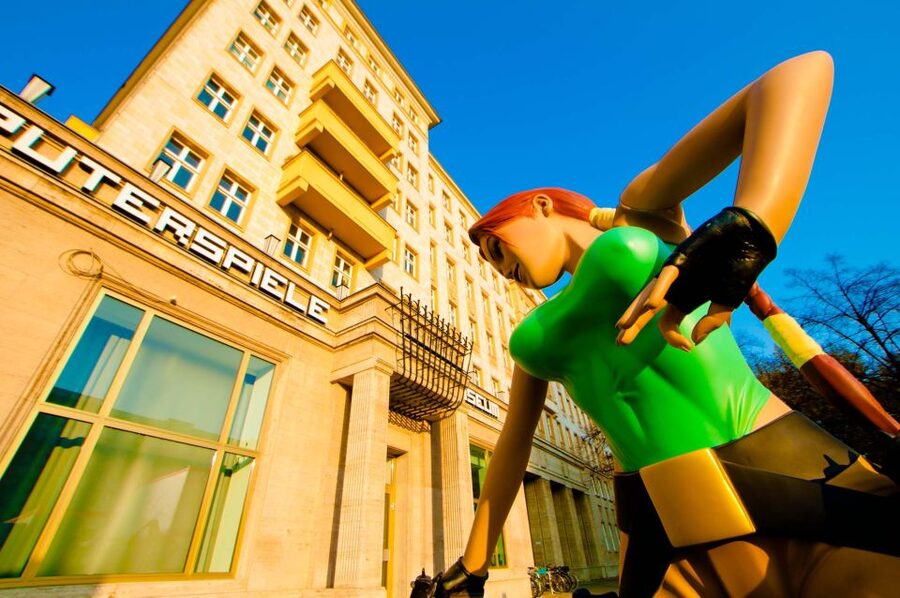
The museum presents 52 milestones from the development of computer games. Examples include Pacman, Bomb Jack, and Grand Theft Auto IV.
This part gives the visit structure. Instead of seeing a random collection of old machines, you can connect specific games with the period and technology that produced them. Pacman represents the lasting appeal of a simple maze and a memorable character. Bomb Jack shows the fast, score-focused style of classic arcade gaming. Grand Theft Auto IV points to the scale and complexity reached by later games.
The selection also helps you judge your own interests. If you prefer arcade play, you may spend more time with the early machines. If you want to understand how games became larger and more detailed, the later examples provide that contrast.
Do not rush through the labels. The museum is at its best when you notice the changes in design rather than simply ticking off famous names. A basic game can be historically important even if it no longer looks impressive beside a modern title.
Same city, a completely different kind of day:
- Berlin: Reichstag, Dome and Government District Guided Tour
★ 4.7 · 18,288 reviews - Berlin: 1-Hour City Tour by Boat with Guaranteed Seating
★ 4.3 · 16,993 reviews - Berlin: Boat Tour Along the River Spree
★ 4.4 · 11,252 reviews - Discover Berlin Half-Day Walking Tour
★ 5.0 · 9,624 reviews
Try the museum’s strangest machines
Some of the best-known displays are not standard consoles. The Giant Controller is an oversized interactive piece that turns a familiar action into a physical challenge. PainStation offers a more unusual version of Pong: miss the ball, and the machine delivers a physical response.
PainStation is not a normal family arcade game, and the museum’s display gives the experience a slightly mischievous edge. One older visitor described it as a test of Pong skill with a shock or hit for each missed ball. If you are over 18 and comfortable with that kind of interaction, ask at the museum about it before committing to a turn.
These works matter because they show that computer games can be physical, artistic, and even uncomfortable. The museum is not only preserving commercial consoles. It is also showing how artists and designers have played with the basic idea of a game: rules, competition, risk, movement, and reward.
For families, use a little judgment. The museum welcomes visitors of different ages, but PainStation may not suit every child. The standard arcade and console displays offer plenty to do without it.
Move into 3D and motion gaming
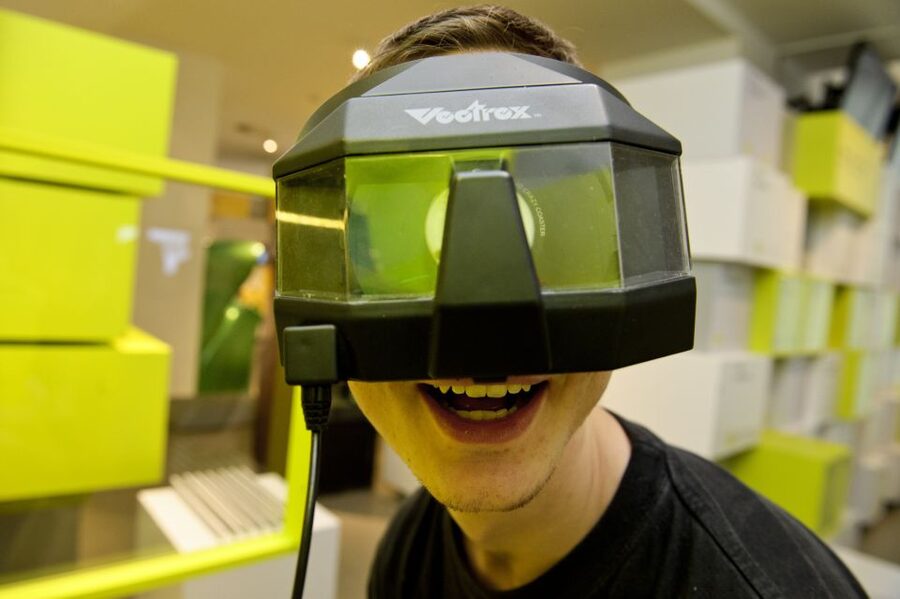
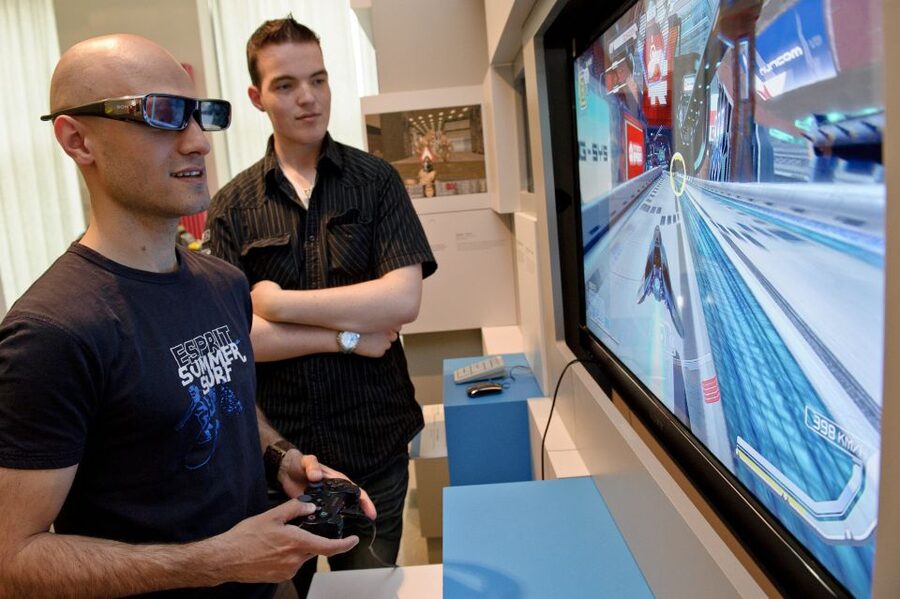
The museum also covers 3D games, including play on a 3D television and with a handheld 3DS. Movement and dance games add another change in how players interact with a screen.
These displays show that gaming history is not a straight march toward better graphics. Designers have also changed the way you control a game. Instead of sitting with a joystick, you may move your body, use depth perception, or work with a handheld screen.
You might find the older 3D technology especially interesting because it reveals how designers solved problems before today’s systems became standard. Some early attempts feel rough now, but that is exactly why they are worth seeing. They show experimentation rather than a finished formula.
The 3D section can also provide a break from the more familiar retro machines. If your main interest is classic arcade gaming, you may move through it quickly. If you like technology and design, give it extra time.
How long should you allow?
The ticket is valid for one day, but your actual visit can vary widely. Some people move through the displays in around 30 minutes, especially if they focus on a few favorite games. Others spend several hours playing, reading, and waiting for popular machines.
I would allow at least 90 minutes if you want to see the collection without rushing. Give yourself two to four hours if you are visiting with children, want to try many games, or hope to return to the arcade after it gets busy.
The museum’s interactive format makes timing less predictable than it would be at a normal display-only museum. One person may read every panel while another heads straight for Mario. If you are visiting as a group, agree that everyone gets some time at the machines that matter most to them.
The one-day validity is useful if you are staying nearby and want to split the visit. The supplied information does not promise a timed re-entry arrangement, so confirm the museum’s current entry rules before planning two separate sessions.
Is $22 good value?
At $22 per person, the ticket is not a bargain if you only want a quick look at old consoles. One short visit can feel expensive, especially if the arcade is crowded and you spend only 30 minutes inside.
The price makes better sense if you plan to play several machines and spend time with both the permanent and special exhibitions. You are paying for access to a collection of more than 300 objects, not simply a display of vintage hardware. The hands-on element gives the admission more value than a museum where every controller sits behind glass.
Families should think about how many people will actively use the exhibits. A child who loves games may get several hours of entertainment, while someone with little interest in gaming may finish quickly. For a group with mixed interests, the museum works best when the visit is part of a broader day in Berlin rather than the only planned activity.
The museum has also improved over time, according to one repeat visitor who returned after eight years. That suggests the displays can change, although you should not assume that every older favorite will be available on the day you go.
Who will enjoy it most?
The obvious audience is anyone who grew up with arcade games, home computers, or early consoles. If you remember Atari, Sega, Nintendo, Commodore, or early PlayStation, the hardware displays may trigger strong memories.
It is also a good choice for families with game-loving children. Parents can point out the systems they used, while children can try games that rely on timing and pattern recognition rather than advanced graphics. The museum gives adults and children something to discuss, which helps prevent the visit from becoming one person watching another person play.
You do not need to be a serious gamer. The historical sequence and unusual interactive pieces give casual visitors enough context to make sense of the collection. Still, if you have no interest in games, computers, or technology, the visit may feel narrow.
Expect a retro-heavy experience. The displays include newer examples such as Grand Theft Auto IV, 3D games, and later consoles, but the arcade and older hardware are central to the appeal. If you want a large selection of current games, this is not the right stop.
Practical details before you go
The meeting point is the Computer Games Museum Berlin, Karl-Marx-Allee 93a, 10243 Berlin. Transfers are not included, and there is no guide included, so you visit independently and set your own pace.
Admission includes the permanent exhibition and special exhibitions. The ticket is valid for one day. You can cancel up to 24 hours before the visit for a full refund, and a reserve-now, pay-later option is available.
The museum is wheelchair accessible. For the most popular playable machines, be prepared to wait. A crowded arcade can slow your visit, and children may gather around the best-known games.
The museum has no stated guided service included with this ticket. An older visitor noted that a guided tour was available for a small extra cost, but check current arrangements at the front desk rather than counting on it.
Should you book the Computer Games Museum?
Book it if you like hands-on museums, classic games, or the story of how technology changed everyday entertainment. It is especially worthwhile for families, couples from different gaming generations, and anyone who wants more than a silent display of old machines.
Think twice if you want a large modern gaming center or a guaranteed long visit. The museum can feel short if you rush, and the small arcade may be crowded. At $22, the value depends on your willingness to play, read, and spend time with the less familiar exhibits.
For most game fans in Berlin, I would book it and allow at least 90 minutes, with extra time if you want the classics, 3D displays, and unusual pieces such as PainStation. Go in expecting a compact museum with plenty to do, not a giant entertainment complex.
FAQ
Where is the Computer Games Museum located?
It is at Karl-Marx-Allee 93a, 10243 Berlin, Germany.
What does the ticket include?
The ticket includes entry to the permanent exhibition and special exhibitions.
How long is the ticket valid?
The ticket is valid for one day.
Is a guide included?
No. The ticket does not include a guide or transfers.
Is the museum wheelchair accessible?
Yes, the activity information states that the museum is wheelchair accessible.
Can I cancel my ticket for a refund?
Yes. You can cancel up to 24 hours in advance for a full refund.
Just added in Berlin
- Berlin & The Third Reich Private Guided Tour★ 5.0 · 3 reviews
- Third Reich Quest Experience in Berlin★ 4.5 · 7 reviews
- Private Analogue Photography Experience in Berlin★ 5.0 · 3 reviews
- Berlin Urbex Adventure and History Tour★ 5.0 · 9 reviews
- The Beauty of Berlin by Bike: Private Tour★ 5.0 · 59 reviews
- Berlin: Guided Bike tour of the Berlin Wall and Third Reich★ 5.0 · 160 reviews
- Beyond Currywurst: Berlin’s Hidden Street Food & Culture Tour★ 5.0 · 100 reviews
- Berlin Third Reich & Cold War Walking Tour With A Guide★ 5.0 · 7 reviews
Museums, compared.



Skip-the-Line: Berlin Wall Museum at Checkpoint Charlie
Read our review →
Browse the lists this tour appears in