
Reviewed · HALF-DAY
Rostock: Warnemünde and Rostock Half-Day Shore Trip
Warnemünde’s small harbor and Rostock’s grand Hanseatic center make a useful pair. One gives you painted fishing boats, seaside cafés, and old gabled houses. The other brings medieval churches, market squares, and the famous astronomical clock at St. Mary’s. I especially like the local train and tram ride, which turns a transfer into part of the experience, and the small-group format, capped at 20 people. The catch is simple: this is a true walking tour, not a gentle sightseeing drive.
The five-hour plan is well suited to a cruise stop because your guide meets you at the ship, keeps an eye on the clock, and brings you back by public transport. I would allow extra energy for cobblestones, limited shopping time, and no built-in meal or coffee stop. If you want to see both towns without attempting the long trip to Berlin, this is a sensible use of your port day.
Key points to know before you go
- Two towns, two different moods: Warnemünde feels like a former fishing village and seaside resort, while Rostock feels like a medieval university city.
- Public transport is part of the tour: Your guide handles the train and tram journey, including the return to the cruise port.
- St. Mary’s Church is the main interior visit: The astronomical clock is the highlight, especially if your timing matches its operation.
- Walking is substantial: Plan on cobblestones and stretches of 15 to 20 minutes or more between breaks.
- Free time is brief but useful: You get about an hour in central Rostock for shops, a snack, or a quick look around.
- The price buys convenience: At $81 per person, transport tickets, port pickup, a guide, and church admission are included.
Starting at the Warnemünde cruise terminal
Your guide meets you at the berth of your ship at Am Passagierkai 6, holding a sign with the tour name. That direct pickup matters in Warnemünde, where cruise passengers can otherwise lose time figuring out exactly where the port area ends and the town begins.
The first hour is spent on foot in Warnemünde. The pace is designed for sightseeing rather than racing from point to point, but you still need comfortable shoes. Bring only what you need for the outing, since large bags and luggage are not allowed.
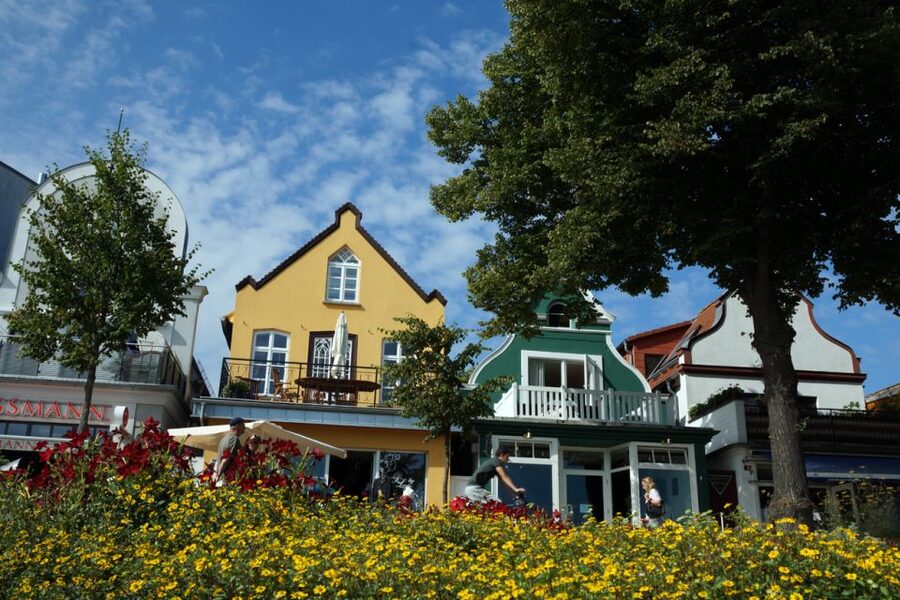
Warnemünde is compact enough to understand quickly. It began as a fishing village, and its older streets still show that modest scale. You will see 18th and 19th-century houses with gabled fronts, half-timbered details, and ornamental doors. These are not grand palace facades. Their appeal is in the small touches and the sense of an old working settlement shaped by the water.
A few more half-days in Rostock worth comparing
- Rostock: Full-Day, Half-Day, or Sunset Sailing Experience
★ 4.7 · 174 reviews - Discover Berlin Half-Day Walking Tour
★ 5.0 · 9,624 reviews - From Munich: Dachau Memorial Site Half-Day Trip
★ 4.7 · 2,526 reviews
Old Stream and the painted fishing boats
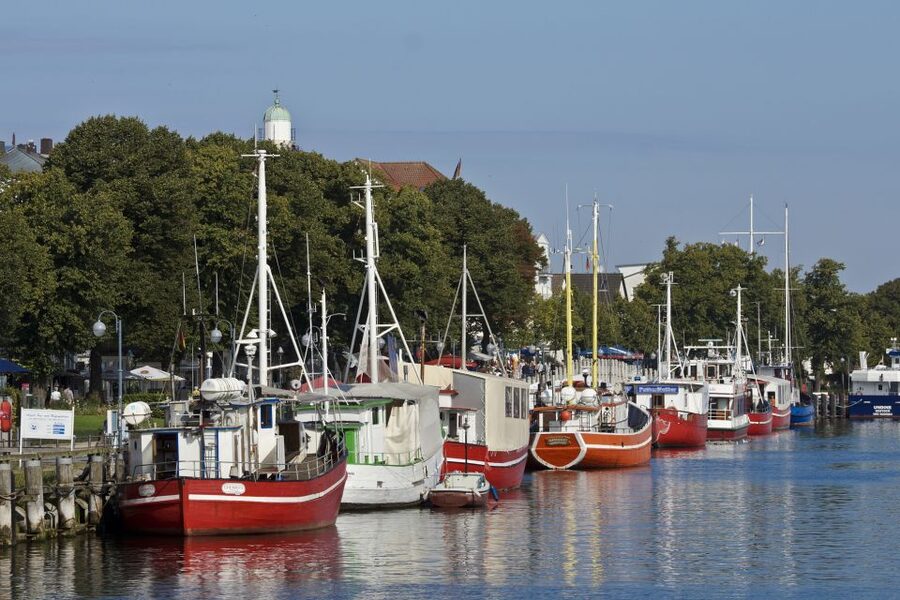
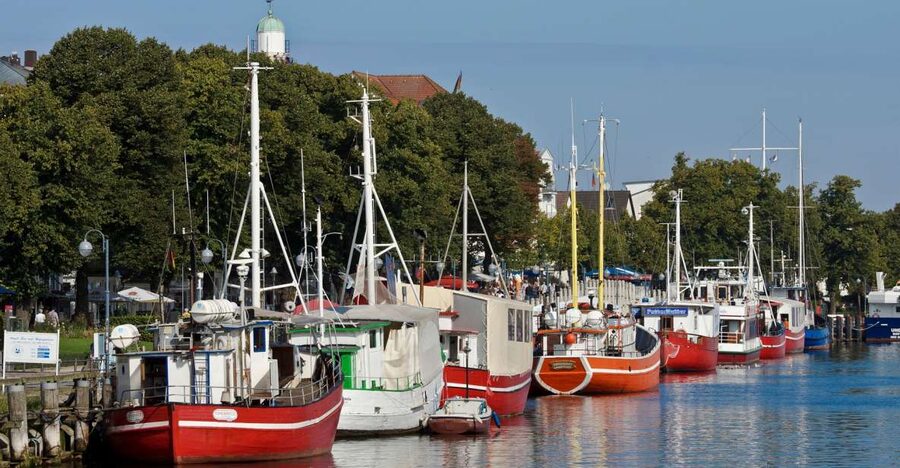
The most appealing part of Warnemünde is the Old Stream canal. Brightly painted fishing boats line the water, while cafés and small shops fill the edges. It is an easy place to pause, take photographs, and get your bearings before the larger city visit.
The canal also gives you a taste of Warnemünde that a bus excursion would miss. You are close to the boats and storefronts, moving at street level rather than watching the town through a window. The guide adds local context as you walk, so the colorful waterfront becomes more than a photo stop.
You may want to return here after the official tour ends. The schedule allows only a short introduction before the group heads to Rostock, but Warnemünde is a good place to browse boutiques, order a piece of cake, or try a typical fish sandwich later in the day. The tour does not include food, so save room in your plans and budget for your own snack.
The train and tram ride to Rostock
After Warnemünde, you take a commuter train and tram toward Rostock. The journey is listed at about 30 minutes each way, and public transport tickets are included in the $81 price.
I like this part because it shows you how the two towns connect in everyday life. You are not simply being transported between attractions. You are using the same system local residents use, with your guide helping everyone stay together and interpret the German announcements.
That help is useful. One passenger described the train announcements as German only, so this is not the time to wander off and hope you find the right platform. Guides such as Tobias, Cornelia, Yvonne, and Andreas have been praised for organizing the group and timing the connections well. The exact guide varies, but the role is important: keeping up with the timetable, making sure nobody is left behind, and explaining what you are seeing along the way.
For some people, the public transport is one of the most memorable parts of the outing. For others, it is simply a practical transfer. Either way, it saves you from arranging separate tickets and figuring out the route during a short port call.
Rostock’s Hanseatic center and St. Mary’s Church
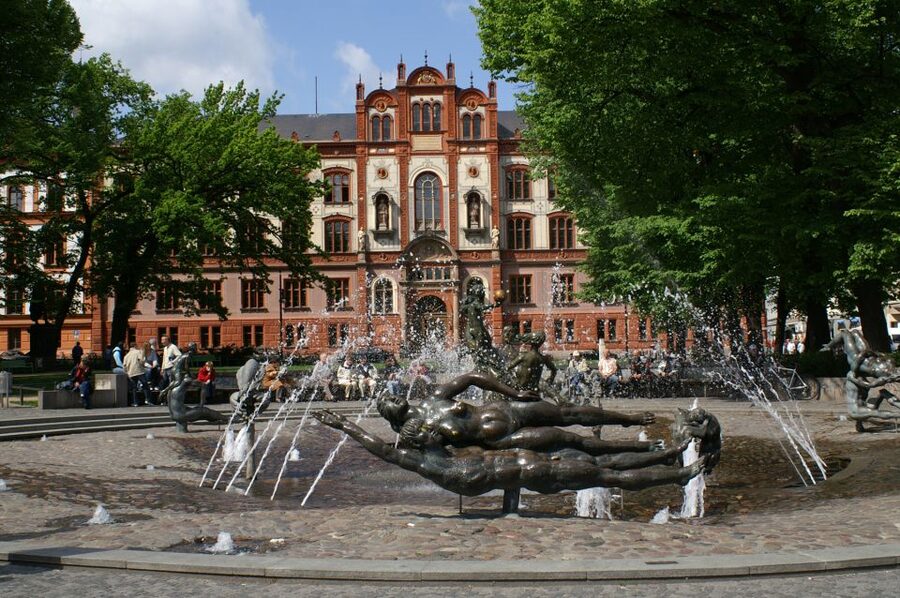
Rostock is the larger and more historic half of the excursion. It grew as a Hanseatic university town, and its central streets bring together medieval religious buildings, open market squares, the town hall, remnants of the medieval town wall, and the university.
The guided walk lasts about an hour and a half. That gives you enough time to see the main center and hear how Rostock changed over time, including its East German past and present-day identity. Several guides have used personal memories of life in East Germany to make that period easier to understand. That human detail can make the historical talk feel less like a list of dates.
St. Mary’s Church is the major interior stop. Admission is included, and the astronomical clock is the reason to pay close attention to the timing. It is a remarkable surviving piece of medieval engineering, and your guide explains what you are looking at rather than leaving you to guess.
The clock may be the single most rewarding sight in Rostock, but it is also a timed one. Stay close to the guide and listen for instructions so you do not miss the moment. The church itself adds a welcome change from walking outdoors, particularly if the weather turns damp.
The tour also brings you near the Monastery of the Holy Cross and the central market areas. You will not have unlimited time for every building, museum, and shop, so think of the visit as a well-guided introduction. It gives you the framework to return to a favorite corner later, rather than trying to cover every sight in detail.
Same city, a completely different kind of day:
- Rostock: Guided tour of the historic city center
★ 4.5 · 311 reviews - All-in-One Berlin Shore Excursion from Warnemunde
★ 4.5 · 293 reviews - Best Berlin Shore Excursion from Warnemunde or Rostock Port
★ 4.8 · 200 reviews - Rostock: City Walking Tour
★ 4.9 · 198 reviews
One hour to explore Rostock on your own
After the guided portion, you get about an hour of free time in central Rostock. This is enough for a quick shop browse, a snack, or a closer look at the main square, but it is not enough for a relaxed meal and extensive shopping.
That short window is the tour’s main compromise. Some people would gladly trade part of the commentary for more time on their own. If shopping is your priority, you may feel rushed. If you want the guide’s background on the city and church, the balance makes more sense.
Use the free hour with a plan. You might choose one shop area, find a German sausage, or simply sit in the square and watch the city move around you. The group reconvenes for the return trip, so keep an eye on the time and follow the meeting instructions carefully.
Walking demands and group comfort
The description says participants should manage 15 to 20 minutes of walking at a time. In practice, you should prepare for a walking-heavy day, with much of it on cobblestone streets. One former participant described the outing as several miles of walking apart from the train and tram rides.
There are restrooms, food, and shopping opportunities around the route, but the schedule does not promise a formal coffee break. A four-star assessment specifically pointed out that five hours without a planned pause can be tiring, especially for older participants. If you need regular seating, tell the guide early and pace yourself.
The small group helps. The maximum is 20, and groups have sometimes been much smaller. That makes it easier to hear explanations, ask questions, and stay together at stations. Guides have also been praised for adjusting their pace for slower walkers and for taking particular care of older family members.
This is not suitable for wheelchair users, and it is a poor fit if you cannot walk comfortably over uneven surfaces. A walker could also be difficult on cobblestones and during train and tram transfers. Comfortable, supportive shoes are essential.
What the guides add
The guide can make or break a history-focused shore outing, and this experience has received especially strong marks for its English delivery and personal attention. Cornelia has been described as clear and helpful on public transport. Tobias has been praised for careful planning, a steady pace, and clear English. Yvonne, Anne, Bernd, Andreas, and others have also led groups through the two towns.
The guide’s most useful jobs are practical as much as historical. You need someone to manage the train connections, count the group, explain the church, and keep the return schedule in view. Several guides also bring personal knowledge of East Germany, which gives the Rostock portion a human angle.
The style is history-centered. If you enjoy old city foundations, churches, urban walls, and the contrast between East and West Germany, you will likely find the commentary worthwhile. Younger children or anyone who prefers a fast series of attractions may find five hours of historical explanation a bit heavy.
Is $81 a fair price?
At $81 per person, the value comes from combining several services in one half-day. You receive pickup and return at the cruise port, an English-speaking guide, public train and tram tickets, and admission to St. Mary’s Church.
You could visit the towns independently for less if you are comfortable reading German transport information, finding the right train and tram, managing a group, and keeping close track of the ship schedule. The tour price pays for convenience and local direction, not luxury transport.
It is also much less time-consuming than trying to reach Berlin from Warnemünde. Berlin may be tempting, but a long round trip would leave little room for the port area itself and could create a tight return schedule. This outing keeps your day local and gives you two places instead of one.
For a first visit, I consider the price reasonable. The strongest value is the guide-led connection between Warnemünde and Rostock. The weaker value is the limited free time if you mainly want to shop or eat.
Practical planning for your port day
Wear shoes that can handle cobblestones and bring weather-ready clothing. Northern Germany can change from clear to damp, and the tour continues outdoors between church visits, streets, and transport stops.
Do not bring luggage or a large bag. Food and drinks are not included, so carry only what is permitted and plan to buy a snack during the free period or after the tour.
The tour is in English only. The group can include up to 20 people, though smaller groups are possible. Free cancellation is available up to 24 hours before the tour, and you can reserve now and pay later, which helps if your cruise plans are still shifting.
Should you book the Warnemünde and Rostock trip?
Book it if you want a guided introduction to both towns, enjoy local trains, and can walk for several hours with breaks. It is especially good for cruise passengers who prefer authentic streets and public transport to a large coach excursion.
Skip it if your priority is a long shopping session, a leisurely lunch, or a fully accessible route. You should also choose another plan if cobblestones and extended walking will be uncomfortable.
For most active cruise passengers, this is a well-planned way to spend five hours ashore. Warnemünde provides the colorful waterfront, Rostock supplies the major church and Hanseatic setting, and the train ride ties the two together in a practical, distinctly local way.
FAQ
How long does the Warnemünde and Rostock shore trip last?
The experience lasts five hours, including the guided visits, train and tram journeys, church visit, and free time in Rostock.
Where does the tour begin?
Pickup is at the cruise ship port at Am Passagierkai 6 in Warnemünde. The guide meets you at your ship’s berth with a sign bearing the tour name.
Is transportation included?
Yes. Tickets for the public train and tram are included, along with the guided return to the port.
What languages are available?
The live guide speaks English. No other guide languages are offered.
Does the tour visit St. Mary’s Church?
Yes. The tour includes admission to St. Mary’s Church in Rostock, including a look at its astronomical clock.
How much free time is available in Rostock?
You receive about one hour of free time in central Rostock for shopping, a snack, or independent sightseeing.
How much walking is involved?
You should be able to walk for 15 to 20 minutes at a time, and the full outing includes substantial walking on cobblestone streets.
Is the tour suitable for wheelchair users?
No. The experience is not suitable for wheelchair users.
Are food and drinks included?
No. Food and drinks are not included, so plan to purchase them during your free time or after the tour.
Just added in Rostock
- Rostock: Tour with the Rostocker Executioner★ 4.7 · 28 reviews
- Rostock: Hot Rod Sightseeing Tour to Warnemünde★ 5.0 · 19 reviews
- Rostock: Private Guided Walking Tour★ 5.0 · 4 reviews
- Rostock: Hot Rod Harbor City Tour★ 4.9 · 16 reviews
- Güstrow: Guided tour of the historic city center★ 4.6 · 12 reviews
- Discover Rostock: A Guided City Tour for Cruise Guests★ 3.7 · 7 reviews
- Distillery tour with guide!★ 4.7 · 14 reviews
- Brewery tour with guide!★ 4.8 · 13 reviews
Half-Day, compared.

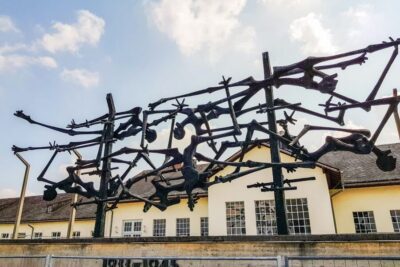
From Munich: Dachau Memorial Site Half-Day Trip
Read our review →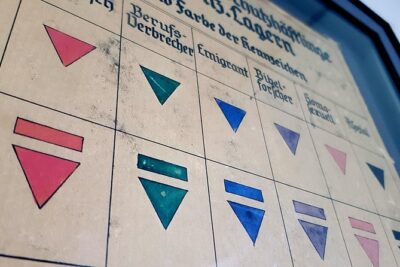
Early-Start Dachau Memorial Half-Day Tour from Munich
Read our review →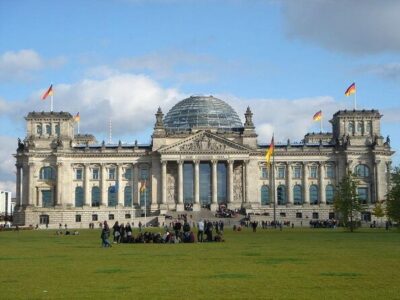
Berlin Third Reich Sites: Half-Day Walking Tour
Read our review →
Dachau Small-Group Half-Day Tour from Munich By Train
Read our review →

Full-Day, Half-Day, or Sunset Sailing Experience
Read our review →
Browse the lists this tour appears in