
Reviewed · CASTLE TOURS
Berlin: Palace of Köpenick Entrance Ticket
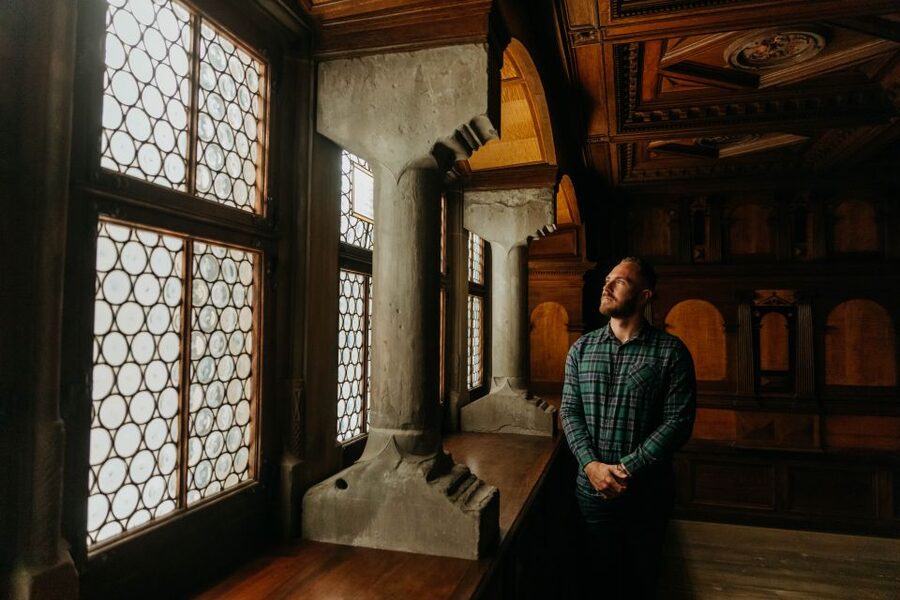
Köpenick Palace gives you a quiet change of pace from central Berlin. Set on a manmade island beside the old town of Köpenick, it houses decorative arts from the Renaissance, Baroque, and Rococo periods in rooms used by the Kunstgewerbemuseum since 1963. I like the freedom to explore without a group and the chance to pair art with a short look at the island’s archaeology.
I also like that the $9 ticket covers a full day of access rather than a tightly managed visit. The main drawback is that no guide or audioguide is included, so you need to bring your own curiosity and patience. A complaint about over-attentive security also appears in the feedback, though another visitor described the palace as pleasant and very quiet.
Key points before you go
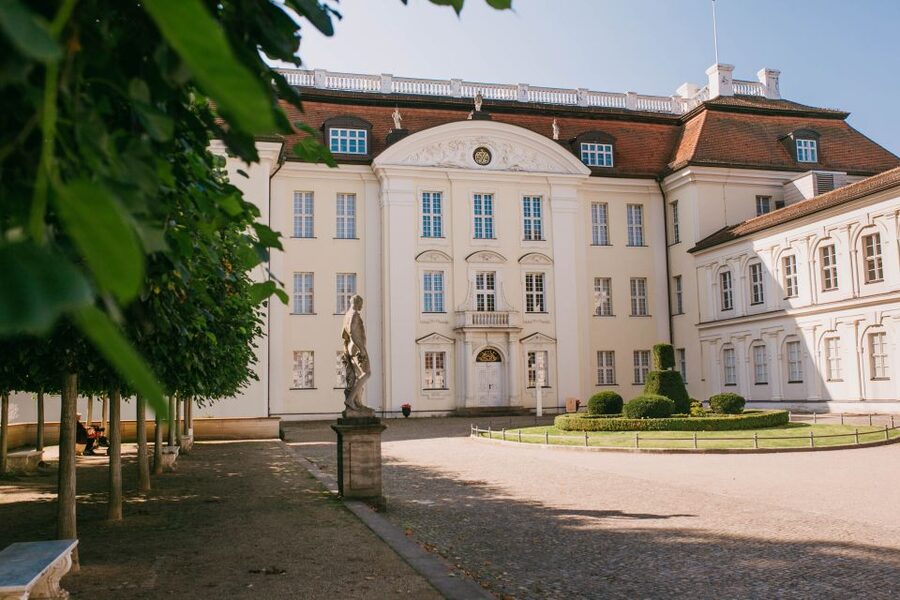
- The palace sits on a manmade island in the old town area of Köpenick, about 30 minutes from Berlin.
- The RoomArt exhibition covers three floors of decorative arts from the 16th through 18th centuries.
- The basement adds archaeological context, with finds connected to settlement and building on Schloss Köpenick island.
- Your entry time matters, but once inside you may stay as long as you wish.
- The $9 price is for admission only, with no tour guide or audioguide included.
- The visit suits independent museumgoers more than anyone seeking a guided narrative or a busy attraction.
Reaching Köpenick Palace from Berlin
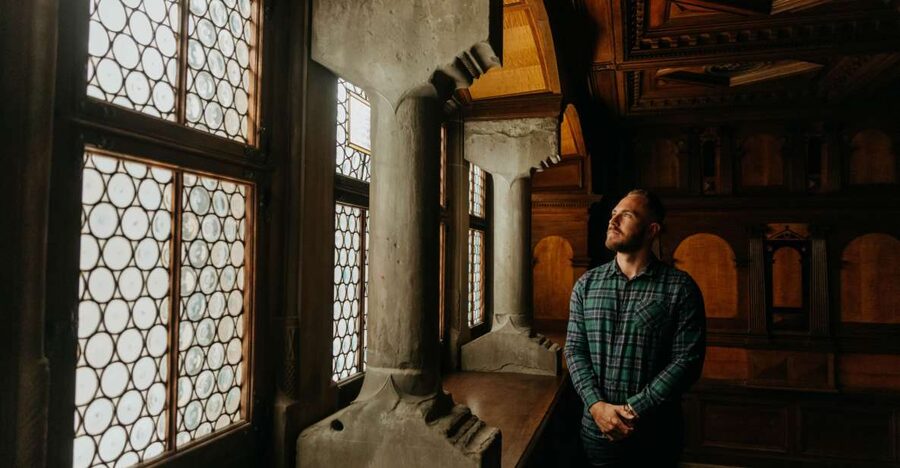
Köpenick Palace is not in Berlin’s central sightseeing district. It sits on Schlossinsel 1, in the old town of Köpenick, roughly 30 minutes from Berlin according to the activity details.
That extra ride is part of the decision. If your Berlin plan is built around Museum Island, the Brandenburg Gate, and the Reichstag, this visit takes you away from that usual route. If you have already seen the major central sights, or want a quieter half-day outside the core, Köpenick makes sense.
The palace’s island setting gives the visit a different feel from a standard city museum. You are not simply entering another large exhibition building. The location connects the collection to the old settlement and building history of the site, which is why the basement archaeology matters.
Your meeting point is simple: go to the main entrance of Köpenick Palace. There is no separate meeting point for a group, and no guide is assigned to lead you around. Show the voucher on your phone or use a printed copy.
More Attraction Tickets in Berlin
- Berlin: Jewish Museum Berlin Entrance Ticket
★ 4.5 · 8,393 reviews - Berlin: Berlin Story Bunker Entry Ticket
★ 4.6 · 6,759 reviews - Berlin: Illuseum Berlin Entrance Ticket
★ 4.1 · 3,970 reviews
Your timed arrival and flexible stay
The ticket is valid for one day, but you must arrive at the time stated on your ticket. That makes the entry time important, especially if you are building the palace into a larger day in Köpenick.
Once you have entered, you can stay as long as you wish during the museum’s visit period. This is one of the ticket’s best features. You can take a quick look if the decorative arts are not your main interest, or slow down across all three floors if you enjoy examining furniture, interiors, and individual objects.
A timed entry does not mean a timed tour. You are not pushed through room by room, and you do not have to keep pace with a guide or group. I would use the first few minutes to get a sense of the layout, then return to the rooms that deserve more time.
The lack of a guide changes the rhythm. You will not receive a ready-made story about every room, period, or object. Instead, you set your own pace. That works well for independent visitors, but less well if you want someone to explain the collection as you go.
Three floors of Renaissance, Baroque, and Rococo art
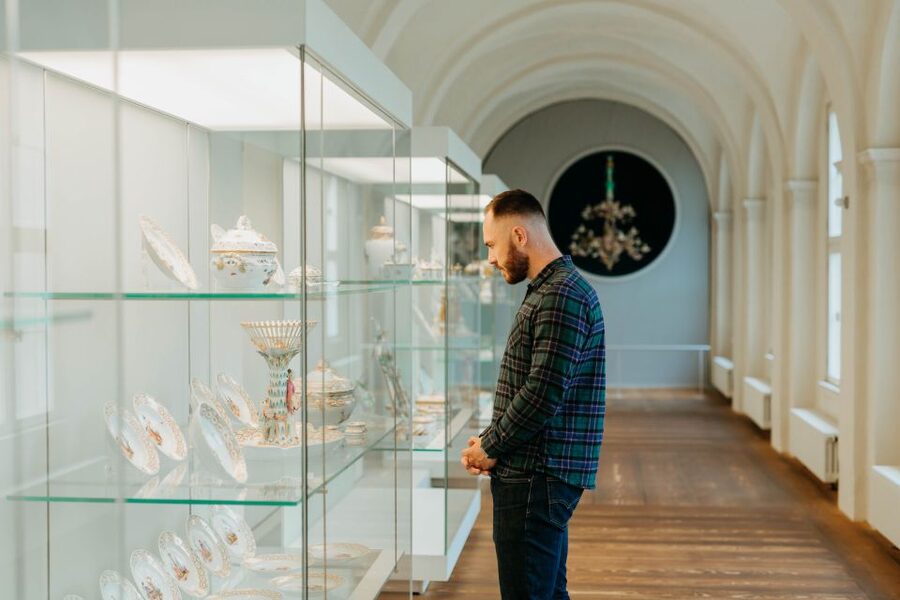
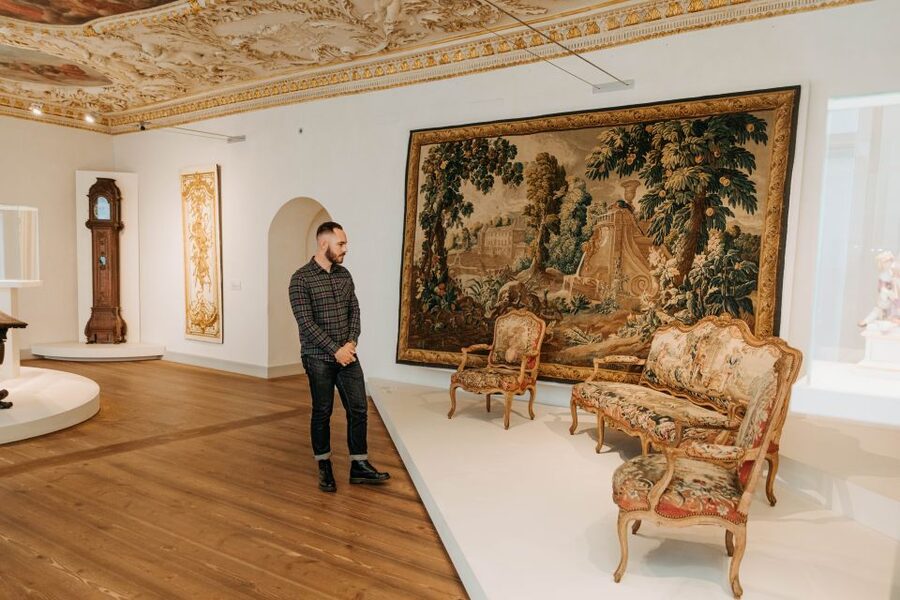
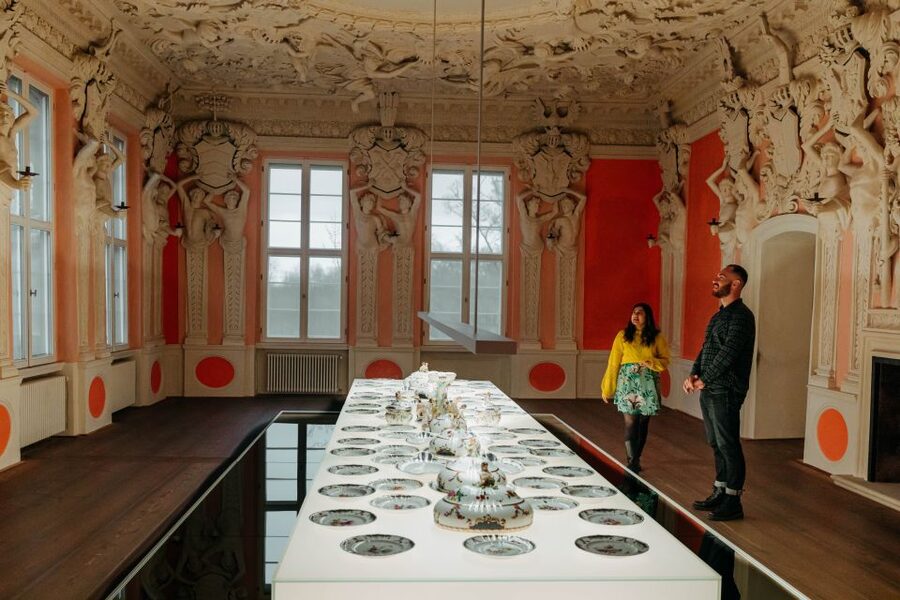
The main exhibition is called RoomArt, and it focuses on decorative arts from the Renaissance, Baroque, and Rococo periods. The collection covers the 16th through 18th centuries, a long stretch of European design with major changes in taste, decoration, and interior style.
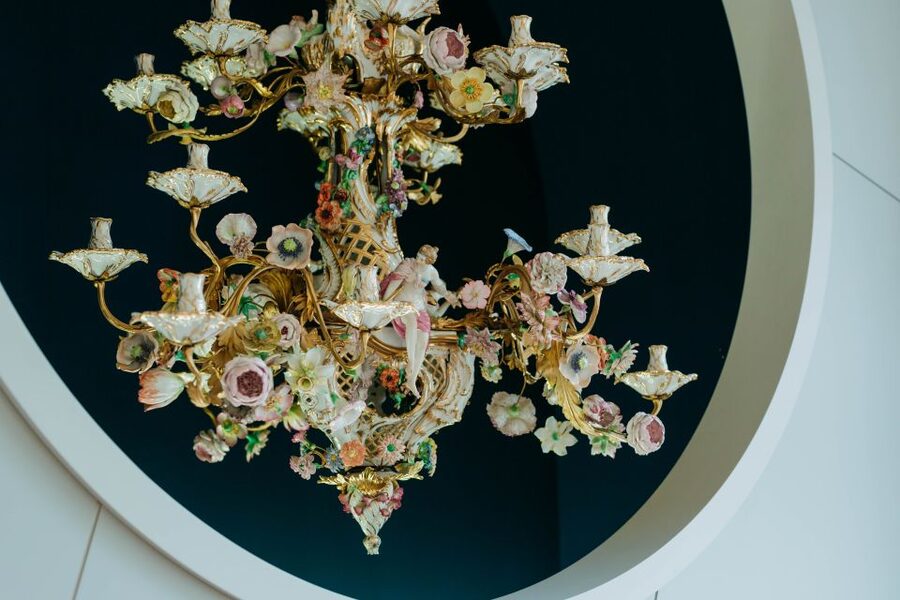
The subject is not only painting on a wall. The display is built around interior design and decorative arts, so you should expect to look at objects as part of a larger room culture. Furniture, ornament, and crafted details show how people shaped their surroundings in earlier centuries.
I like this approach because decorative arts can reveal daily life and social taste in a direct way. A painting often asks you to focus on a single image. A room full of crafted objects shows how people wanted their homes and public spaces to feel.
The three-floor layout gives the museum enough space to create a broad visit without turning the palace into an exhausting mega-museum. Still, you should allow time if you want to read carefully and compare the periods. A rushed walk through the rooms will give you the outline, but not much of the detail.
The Renaissance, Baroque, and Rococo labels are useful signposts. They help you place the objects in time, even if you do not already know art history. You can treat each period as a change in taste and decoration rather than trying to memorize dates.
The collection may appeal most to people who like interiors, furniture, design, and craftsmanship. If your ideal museum visit is a fast march through famous paintings, this may feel slow. One low rating called the experience boring, so it is fair to say that the subject will not suit every visitor.
The basement archaeology display
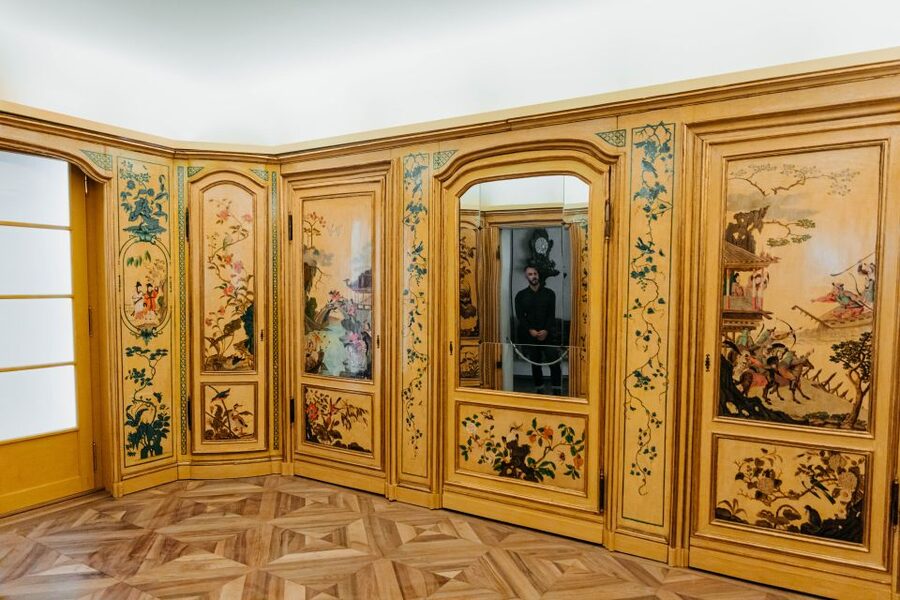
After the decorative arts, make time for the basement. It contains archaeological findings connected with the history of settlement and building on Schloss Köpenick island.
This section gives the palace a physical sense of place. The upper floors focus on objects and interiors from the Renaissance through the Rococo period. The basement looks beneath that presentation and asks a more basic question: how was this island settled and built over time?
The archaeology section is not described as a vast excavation display, so keep your expectations measured. It is best seen as a supporting part of the visit rather than the main reason to buy the ticket. Even so, it adds useful context and prevents the palace from feeling like a collection floating free of its setting.
I would visit the basement before leaving, even if your main interest is decorative art. It is easy to skip a lower-level display when the upper galleries hold the headline collection. Here, the basement helps connect the building and island to the people who used them.
More Castle Tours in Berlin
- Berlin: Charlottenburg Palace Entry Ticket
★ 4.4 · 2,076 reviews - Berlin: Guided Palace Tour by the Insider
★ 5.0 · 38 reviews - Berlin: Rheinsberg Palace Entrance Ticket
★ 4.8 · 14 reviews - Berlin: Decolonial Berlin Castle/ Humboldt Forum Guided Tour
★ 4.4 · 12 reviews
What the $9 ticket really gives you
At $9 per person, this is a modestly priced museum visit by Berlin sightseeing standards. The value comes from the combination of a palace setting, three floors of collection displays, and flexible time inside. You are paying for access, not a packaged tour.
That distinction matters. The ticket includes entrance only. It does not include an audioguide, a tour guide, or an organized explanation of the rooms. If you want full interpretation, you may need to read the available museum information carefully or prepare before arriving.
For an independent museum visitor, the price is reasonable. You can stay longer if a room catches your attention, and you do not lose money by leaving early if the collection is not for you. The one-day validity also gives the ticket more flexibility than a short fixed-duration tour.
The value is weaker for someone who expects constant narration. You may find the visit less satisfying if you need historical background delivered in a clear sequence. The activity details do not name a guide, because no guide is included.
The current rating is 4.3 out of 5 from 21 ratings. That suggests a generally favorable experience, but not universal enthusiasm. The comments point to a peaceful visit as a strength, while one serious complaint concerns security behavior and staff management.
Quiet atmosphere, with one security concern
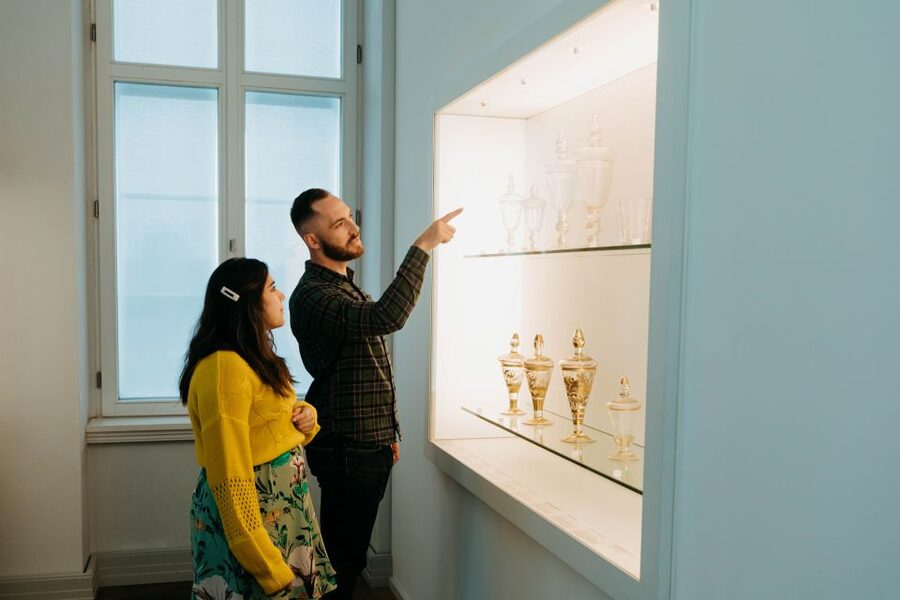
A German visitor described the stay as pleasant and very quiet. That is useful information if you want a calm museum rather than a crowded, high-energy attraction. The palace may give you more room to set your own pace and focus on the objects.
Quiet can be a real advantage in a decorative arts museum. You can spend time looking at small details without competing with a large crowd or trying to hear a guide over other groups. It also makes the palace a possible break from central Berlin’s busier sights.
There is one concern you should keep in mind. A negative account described a security guard flirting with the visitor’s girlfriend, security staff appearing overwhelmed, and guards following them closely through the museum. This is a serious complaint, though it is one account rather than a stated policy of the attraction.
I would not cancel automatically on that basis, especially given the overall score and the positive note about the calm setting. But it is fair to know that the on-site experience may depend partly on how security staff are handling the galleries during your visit.
Who will enjoy Köpenick Palace most
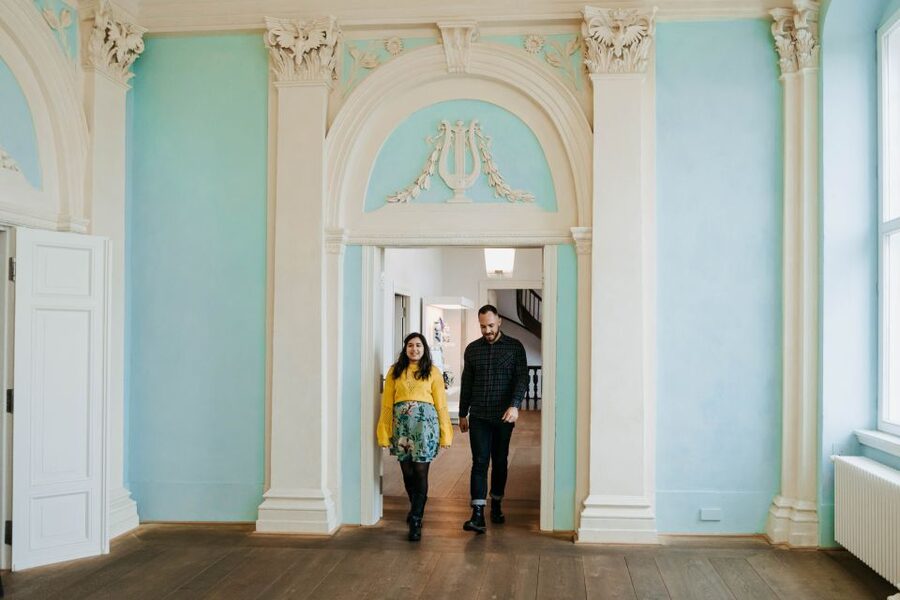
I would choose this ticket if you like:
- Decorative arts, furniture, interiors, and historic craftsmanship
- Museums where you can move at your own speed
- Smaller cultural visits outside Berlin’s main center
- A peaceful setting rather than a crowded attraction
- Combining a palace visit with the old town area of Köpenick
- Exhibitions that mix art with archaeology
Families and mixed-interest groups may find the flexible stay useful. One person can move quickly while another spends more time with the objects. The basement archaeology may also add variety for anyone who is less interested in interior design.
I would think twice if you want a guided palace tour, a lively presentation, or a major collection of famous paintings. The exhibition depends on your interest in decorative arts, and the lack of an audioguide means you must make your own way through the material.
The visit also suits repeat Berlin visitors better than someone with only a day or two in the city. If this is your first short stay, Berlin’s central sights may deserve priority. If you have more time, Köpenick offers a quieter and more specialized outing.
How to make the most of your visit
Arrive at the stated entry time, with your voucher ready on your mobile phone or printed. The instructions direct you to go straight to the main entrance, so there is no need to search for a tour meeting point or wait for a guide.
Plan for enough time to cover all three floors without rushing. You can leave when you have seen enough, but the flexible stay is most useful when you allow yourself to pause in the rooms that interest you.
Pay attention to the relationship between the palace and the collection. The building is not just a container for objects. The island setting and the basement findings give the exhibition a local foundation, while the decorative arts show wider changes in European interior style.
Since no audioguide is included, consider reading a little about Renaissance, Baroque, and Rococo design before you go. Even a basic sense of the periods can help you notice how decoration and interior taste changed from one era to the next.
Finally, keep the atmosphere in mind. This is a quiet, self-directed museum visit. That is a strength if you like time alone with objects, but it may feel uneventful if you need a guide, dramatic storytelling, or a packed schedule.
Should you book Köpenick Palace?
Book it if you want a low-cost, flexible museum visit with a distinctive island setting and a focus on European decorative arts. At $9, the ticket offers fair value for independent visitors who are happy to explore three floors on their own and add the basement archaeology display.
Skip it if your Berlin schedule is very short, or if you want a guided palace experience with an audioguide included. The collection is specialized, and one account raises concerns about security conduct, although the overall rating is positive and the quiet setting is a clear attraction.
For the right visitor, Köpenick Palace is a calm and reasonably priced detour from central Berlin. It rewards patience more than speed.
FAQ
Where is Köpenick Palace?
Köpenick Palace is at Schlossinsel 1, 12557 Berlin, Germany, on a manmade island near the old town center of Köpenick.
How far is Köpenick Palace from Berlin?
The activity information places the palace about 30 minutes from Berlin.
How much does the entrance ticket cost?
The listed price is $9 per person.
How long is the ticket valid?
The ticket is valid for one day.
Do I have to arrive at a specific time?
Yes. You should visit the palace at the time stated on your ticket.
Can I stay after my entry time?
Yes. Once inside, you can stay as long as you wish at the museum.
What is included in the ticket?
The ticket includes entrance to Köpenick Palace.
Is an audioguide included?
No. An audioguide is not included in the ticket price.
Is a tour guide included?
No. This is a self-guided visit, and no tour guide is included.
How do I enter the palace?
Go directly to the main entrance and show your mobile voucher or printed voucher.
Just added in Berlin
- Berlin & The Third Reich Private Guided Tour★ 5.0 · 3 reviews
- Third Reich Quest Experience in Berlin★ 4.5 · 7 reviews
- Private Analogue Photography Experience in Berlin★ 5.0 · 3 reviews
- Berlin Urbex Adventure and History Tour★ 5.0 · 9 reviews
- The Beauty of Berlin by Bike: Private Tour★ 5.0 · 59 reviews
- Berlin: Guided Bike tour of the Berlin Wall and Third Reich★ 5.0 · 160 reviews
- Beyond Currywurst: Berlin’s Hidden Street Food & Culture Tour★ 5.0 · 100 reviews
- Berlin Third Reich & Cold War Walking Tour With A Guide★ 5.0 · 7 reviews
Castle Tours, compared.

From Munich: Neuschwanstein & Linderhof Castle Full-Day Trip
Read our review →
From Munich: Neuschwanstein Castle Full-Day Trip
Read our review →

Premium Neuschwanstein Castle and Linderhof VIP Tour from Munich
Read our review →


Browse the lists this tour appears in