
Reviewed · FOOD
Berlin: Disgusting Food Museum Entry Ticket and Tasting
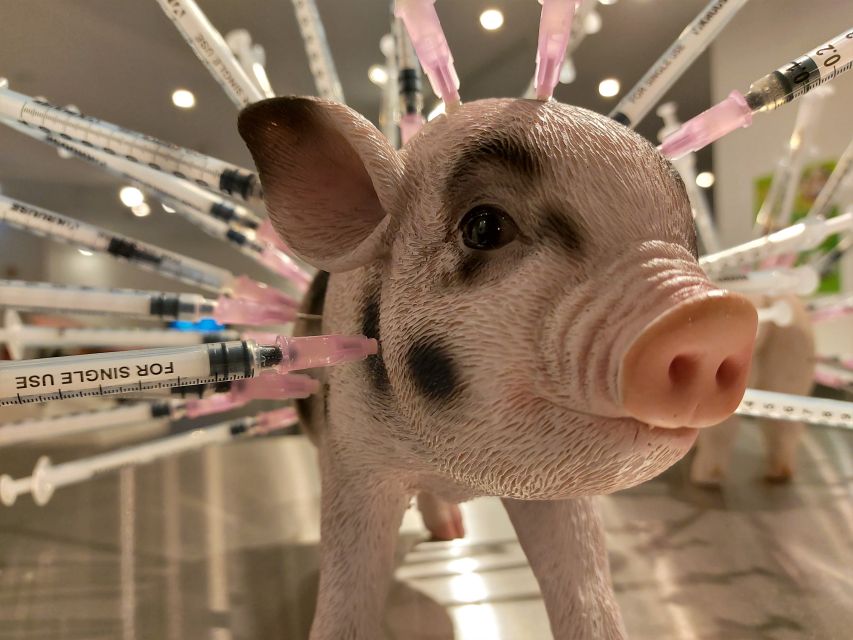
Berlin’s Disgusting Food Museum turns eating into a test of culture, habit, and nerve. You’ll see more than 90 foods from around the world, including mouse wine, mite cheese, stinky fish, and worms, then decide how far your own taste buds are willing to go at the Tasting Bar.
I like the museum’s focus on the reasons people eat certain foods, not just on shock value. I also like the small tasting samples, which make the visit active rather than purely visual. The main drawback is its size: this is not an all-day museum, and some displays may be uncomfortable for sensitive visitors.
Key points to know before you book
- More than 90 food exhibits: See unusual foods and learn how taste, custom, and survival shape what people eat.
- Small samples at the Tasting Bar: Your admission includes a few strange tastings, though the exact samples are not specified.
- A short but unusual museum visit: The museum is not huge, so it works well as a focused stop in a day around Berlin.
- A Hall of Fame challenge: If you want to test your limits, the museum includes a Hall of Fame that can be difficult to complete.
- Food with a serious point: Exhibits raise questions about production, personal choice, ethics, and what people may eat in the future.
- Easy booking terms: The ticket is valid for the selected date and time, and cancellation is free up to 24 hours before the visit.
What the Disgusting Food Museum is really about
At first glance, this sounds like a museum built for laughs. It does offer plenty of shock, but the stronger idea is simple: one person’s revolting food can be another person’s favorite meal.
That difference gives the exhibits a useful purpose. You are asked to think about who gets to define normal food. Is a food disgusting because of its smell, its appearance, the animal involved, the way it is produced, or because you did not grow up eating it?
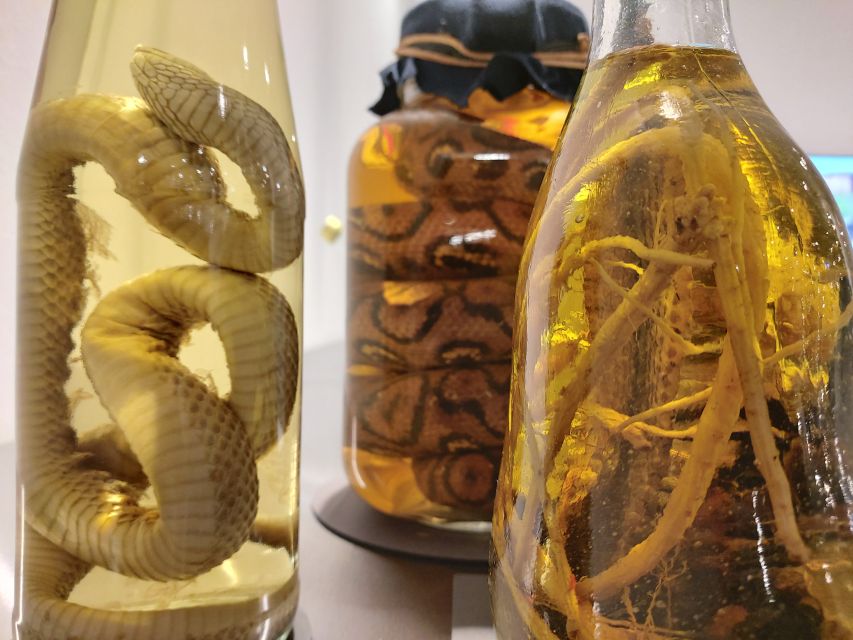
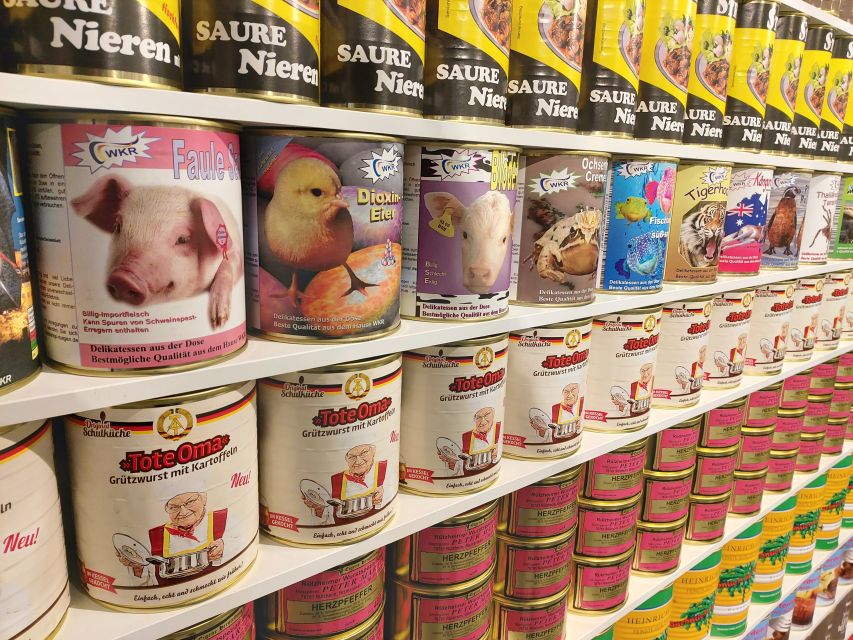
The displays cover more than 90 foods from around the world. The range includes mouse wine, mite cheese, stinky fish, and worms. Those examples give you a clear sense of the tone: some exhibits are startling, some are smelly, and others may sound familiar until you learn how they are made.
I appreciate that the museum connects these foods to wider questions about nutrition. You are not simply walking past odd objects in cases. You are encouraged to ask why a food is rejected, how food production affects people and animals, and what future meals might look like.
The museum also suits a mixed group better than its name may suggest. People who enjoy food culture, social questions, and unusual museums will find plenty to discuss. Children and older visitors can also take part, though the content may be uncomfortable for anyone sensitive to animal products, fermentation, insects, or strong smells.
More Attraction Tickets in Berlin
- Berlin: Jewish Museum Berlin Entrance Ticket
★ 4.5 · 8,393 reviews - Berlin: Berlin Story Bunker Entry Ticket
★ 4.6 · 6,759 reviews - Berlin: Illuseum Berlin Entrance Ticket
★ 4.1 · 3,970 reviews
Starting with the 90-plus exhibits
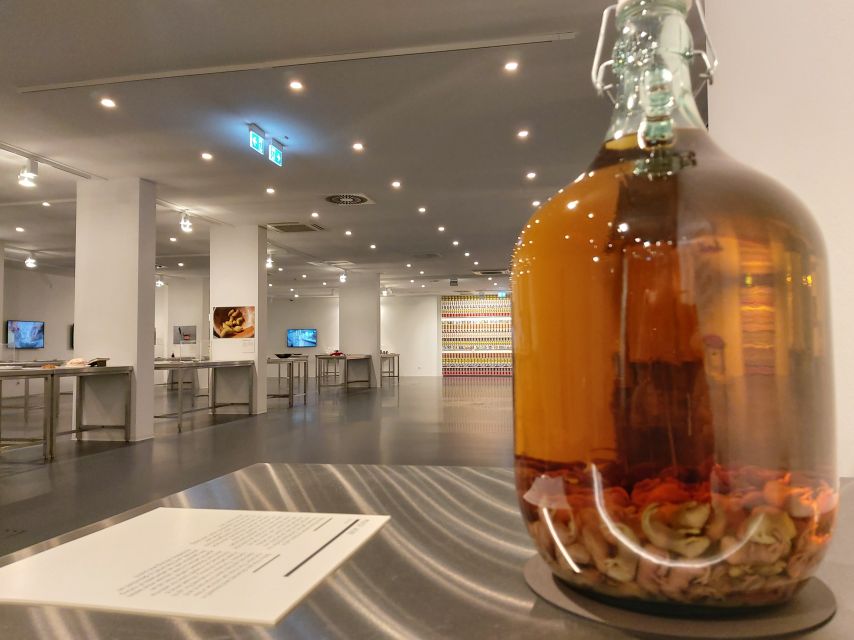
Your visit begins with the museum displays. The ticket is timed, so you should arrive ready to make the most of a compact visit rather than treating the museum like a full-day institution.
The exact path through the exhibits is not described in detail, so I would not expect a large series of formal rooms or a long guided tour. Instead, plan for a focused walk through examples of food that challenge familiar ideas about taste and cleanliness.
The presentation style matters here. A museum about disgusting food could easily become a wall of cheap jokes. The available information points to a more thoughtful approach, with the displays used to start conversations about food and nutrition.
You may find yourself comparing your own reactions with the reactions of people around you. The smell of one item may bother you more than its appearance. Another food may sound terrible until you learn that it is valued somewhere else. That tension is the heart of the visit.
A German visitor described the museum as not huge but praised the scope and presentation of the exhibits. That is useful guidance. You should expect a compact museum with a strong concept, not an enormous collection that takes several hours to cover.
Mouse wine, mite cheese, and other uneasy examples
The individual foods are the main hook. Mouse wine is the kind of exhibit that gets an immediate reaction, while mite cheese raises more interesting questions about how cheese is made and what counts as an acceptable process.
Stinky fish may test your nose more than your appetite. Worms bring the future-of-food discussion into the present, since insects are often considered in conversations about nutrition and food production.
The displays can help you separate three different reactions:
- You dislike the flavor or smell.
- You dislike the method of production.
- You dislike the idea because it is unfamiliar.
Those are not always the same thing. The museum asks you to notice the difference.
That makes the visit more worthwhile than a simple collection of gross-out objects. You can enjoy the humor while still thinking about food waste, sustainability, cultural judgment, and changing diets. The museum’s focus on future food also gives the experience a modern edge, since foods that seem strange today may become more common later.
Still, the tone will not suit everyone. Some people enjoy learning about food but do not want to look closely at disturbing ingredients or production methods. If you have a strong reaction to animal-based displays, unpleasant smells, or insects, take the warning seriously.
The Tasting Bar and the small samples
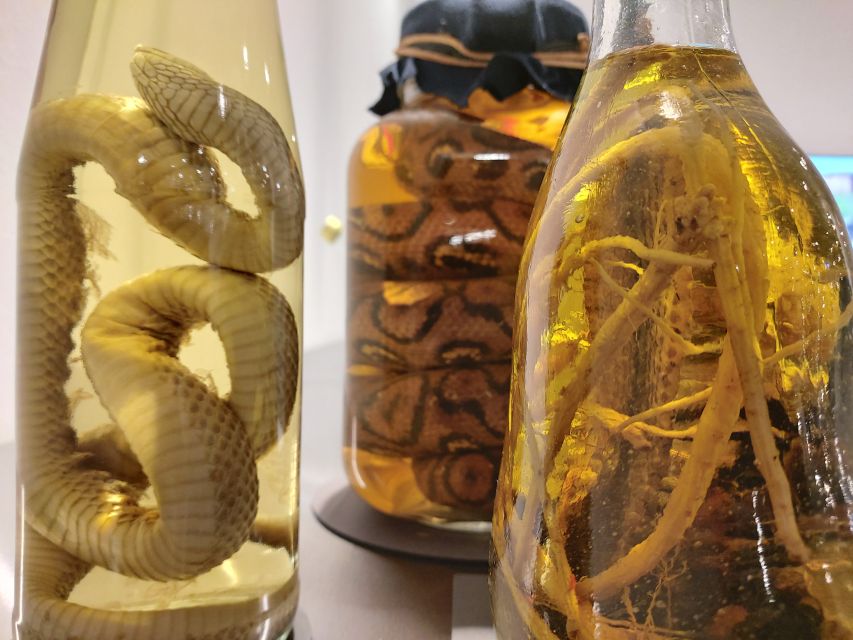
Admission includes small disgusting samples at the Tasting Bar. This is the part that turns the museum from a viewing experience into a personal challenge.
The samples are described as small, which is helpful. You are not committing to a full meal, and you can approach the tasting at your own pace. The exact menu can vary or is simply not specified, so I would not book this expecting one particular item.
Think of the Tasting Bar as an experiment. You can look at a sample, smell it, taste it, and decide what your reaction tells you. The point is not to prove that you have an iron stomach. It is to notice how expectation shapes taste.
Some people will want to try everything available. Others will prefer to watch friends take the risk. Both approaches fit the experience. You can still learn from the tasting even if you decide that one sample is enough.
The tasting also gives families and groups something to discuss. One person may find an item mild, while another cannot get past the smell. That contrast connects directly to the museum’s larger point about food preferences.
Bring a credit card, as requested in the practical information. The included samples are part of the entry ticket, but the information does not say that you receive a full meal or unlimited tastings. Have something else planned if you need lunch afterward.
More Food Tours in Berlin
- Berlin Center Food Tour with 8+ Authentic Local Tastings
★ 5.0 · 1,227 reviews - Kreuzberg: Culinary Food Tour
★ 4.5 · 770 reviews - Berlin: Mitte Culinary Food Tour
★ 4.5 · 447 reviews - Berlin: 3-Hour Secret Food Tour
★ 4.8 · 269 reviews
The Hall of Fame test
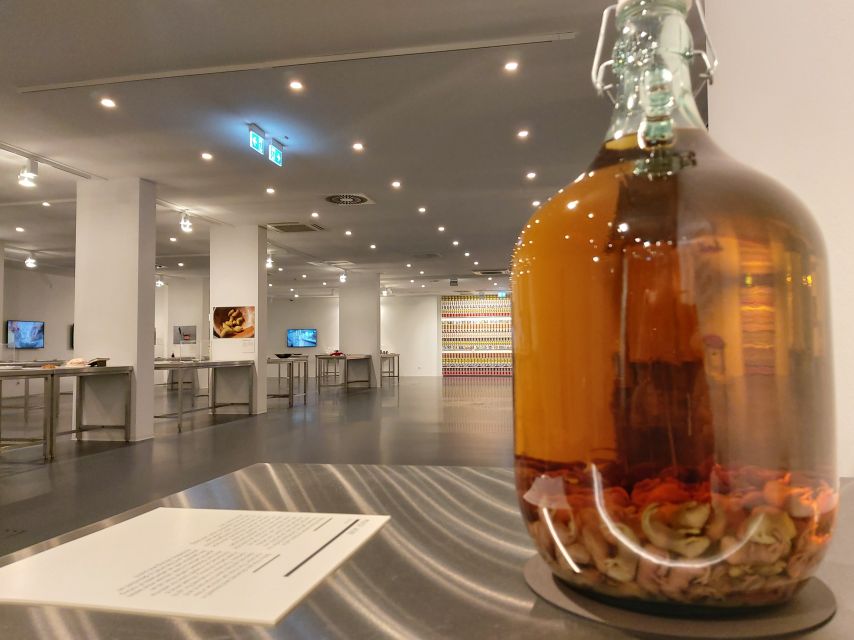
One especially memorable feature is the Hall of Fame. A German visitor noted that completing it was hard but felt like a must. The available details do not explain every rule, so treat it as an optional challenge rather than a guaranteed tasting sequence.
The Hall of Fame seems best suited to people who enjoy testing their limits. It can add a goal to the visit, especially if you arrive with friends and want to compare how far each person gets.
Do not let the challenge become the whole point. You do not need to force yourself to taste something that makes you unwell or deeply uncomfortable. The museum works just as well when you use the exhibits to think about food culture and skip the toughest sample.
If you are visiting with children, decide in advance how you want to handle the tasting. The activity is described as suitable for all ages, but some exhibition content may still be unsettling. A child who enjoys strange facts may have a great time, while another may prefer to view only the less disturbing displays.
Why the discussion of food matters
The best reason to visit is not simply to see unusual food. It is the chance to question habits that usually go unnoticed.
You may consider why some animals are treated as food while others are treated as pets. You may think about why fermentation is prized in one place and rejected in another. You may also consider the consequences of choosing one kind of food over another.
The museum links these choices to food production and nutrition. That gives the experience a wider frame without turning it into a lecture. You can move from a funny or shocking exhibit to a serious question about resources, ethics, and the future.
I like this balance. A museum about disgusting food needs humor to keep the visit light, but the subject has real weight. Food choices affect culture, the environment, health, and the treatment of animals. The exhibits give you a playful way to start those conversations.
The experience also works well for people who have already seen Berlin’s major museums. It offers a different kind of cultural visit, one based on daily life rather than paintings, royal collections, or military history.
How much time and value to expect for $20
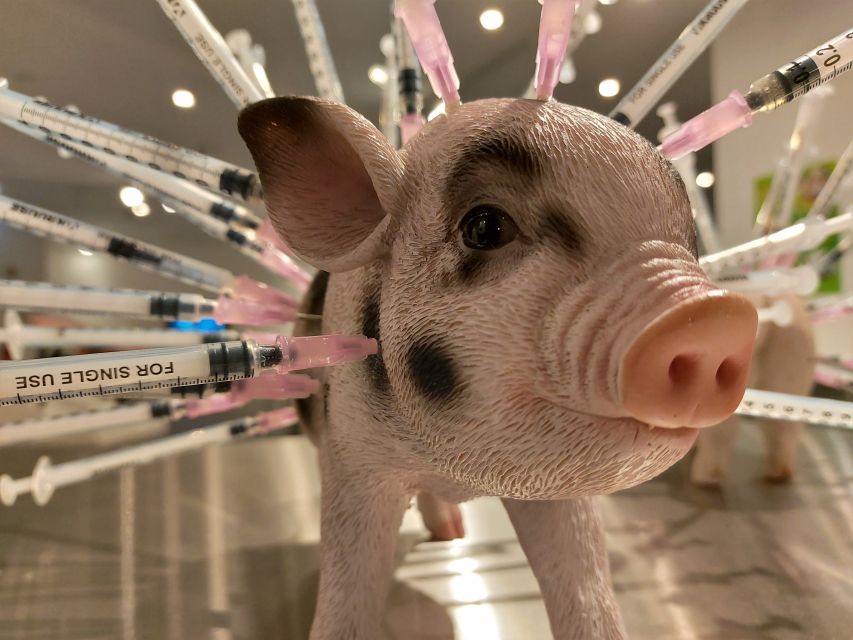
The entry price is $20 per person. That is fair if you want a distinctive museum visit with included tastings and a clear theme. It is less attractive if you measure value only by hours spent inside.
The museum is not huge. A German visitor specifically found the size modest but the presentation appealing. That means you should judge the ticket by the quality and originality of the experience, not by the number of rooms.
For many people, the visit will fit neatly into a Berlin day. You can make it a short cultural stop, then continue with other plans. Since the ticket is valid for one day and tied to the booked time, check the available start times before building your schedule.
The price also covers more than a standard admission. You get the exhibits, the food discussion, and small samples at the Tasting Bar. If you enjoy unusual museums and are willing to taste at least one strange item, the cost makes sense.
If you dislike food challenges or strong sensory experiences, the value drops. You may still enjoy the displays, but you will miss part of what makes this museum different from an ordinary exhibition.
Practical details for a smoother visit
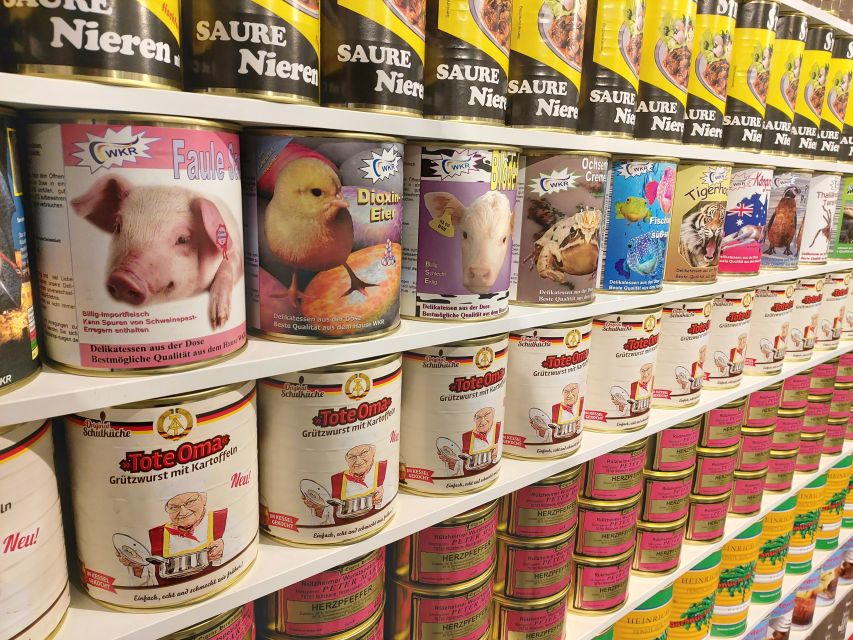
Your entry ticket and tastings are valid on the date and time you book. This is not an open-ended ticket that you can use whenever you happen to pass by, so check the schedule before purchasing.
Transportation is not included. You are responsible for getting to the Disgusting Food Museum Berlin, and the experience begins at the museum itself rather than at a separate meeting point.
The museum is wheelchair accessible. That makes the visit easier to plan for people who need step-free access, though the available information does not give further details about the layout or facilities.
Free cancellation is available up to 24 hours in advance for a full refund. You can also reserve now and pay later, which helps if your Berlin schedule is still changing.
One point deserves attention: some content may be uncomfortable. The warning is broad, but the listed examples make the reason clear. Expect unusual animal products, strong smells, and food presentations that may challenge your comfort zone.
Who should visit this Berlin museum
I would recommend it to curious eaters, families with older children, food lovers, and anyone who likes museums with a social question behind them. It is also a good choice for a rainy day or for a break from Berlin’s more traditional cultural attractions.
It suits groups particularly well because the tasting creates instant conversation. You do not need to agree about the samples. In fact, the disagreement is part of the experience.
People who enjoy photography may like the odd subject matter, but the information provided does not promise specific photo rules, so check on arrival rather than assuming cameras are allowed everywhere.
I would be more cautious about recommending it to anyone with a strong aversion to smells, insects, animal products, or displays that may feel disturbing. The museum is meant to challenge you, not simply reassure you.
Should you book the Disgusting Food Museum?
Book it if you want a compact, unusual Berlin experience that mixes food culture, humor, and serious questions about nutrition. The 90-plus exhibits and included Tasting Bar samples give you more to do than a simple display of strange ingredients.
The $20 price is reasonable for a focused visit, especially if you value the discussion and are willing to try at least one sample. Just keep your expectations in check: the museum is not large, the tastings are small, and the content may be uncomfortable.
If the Hall of Fame challenge appeals to you, allow yourself time to take it seriously, but do not feel pressured to finish it. The museum is successful even when you leave with more questions than samples tasted.
FAQ
What does the Disgusting Food Museum ticket include?
The ticket includes museum entry and small disgusting samples at the Tasting Bar.
How many food exhibits are at the museum?
The museum features more than 90 food exhibits from around the world.
What types of food can I expect to see?
Examples include mouse wine, mite cheese, stinky fish, and worms. The displays cover foods that one person may reject while another considers delicious.
Is the tasting suitable for all ages?
The experience describes its tastings as being for all ages. However, some exhibition content may be uncomfortable, so adults should consider the preferences of children in their group.
Is the museum wheelchair accessible?
Yes. The museum is wheelchair accessible.
Do I need to bring anything?
Bring a credit card. Transportation is not included.
Can I cancel my booking?
Yes. You can cancel up to 24 hours in advance for a full refund. You can also reserve now and pay later.
More Museum Tours in Berlin
- Berlin: DDR Museum Tickets
★ 4.3 · 3,443 reviews - Berlin: Natural History Museum Entrance Ticket
★ 4.6 · 3,382 reviews - Berlin: Neues Museum Entry Ticket
★ 4.6 · 3,261 reviews - Skip-the-Line: Berlin Wall Museum at Checkpoint Charlie
★ 4.1 · 2,041 reviews
Just added in Berlin
- Berlin & The Third Reich Private Guided Tour★ 5.0 · 3 reviews
- Third Reich Quest Experience in Berlin★ 4.5 · 7 reviews
- Private Analogue Photography Experience in Berlin★ 5.0 · 3 reviews
- Berlin Urbex Adventure and History Tour★ 5.0 · 9 reviews
- The Beauty of Berlin by Bike: Private Tour★ 5.0 · 59 reviews
- Berlin: Guided Bike tour of the Berlin Wall and Third Reich★ 5.0 · 160 reviews
- Beyond Currywurst: Berlin’s Hidden Street Food & Culture Tour★ 5.0 · 100 reviews
- Berlin Third Reich & Cold War Walking Tour With A Guide★ 5.0 · 7 reviews
Food, compared.
Elbphilharmonie Plaza and HafenCity Food Tour
Read our review →
Berlin Center Food Tour with 8+ Authentic Local Tastings
Read our review →

Beer and Food Tour with Dinner & Oktoberfest Museum
Read our review →
Lunch Like a Local: Munich’s ORIGINAL Viktualienmarkt Food Tour
Read our review →Browse the lists this tour appears in