
Reviewed · UNDERGROUND AND BUNKER TOURS
Nuremberg: Historischer Kunstbunker WWII Art Bunker Tour
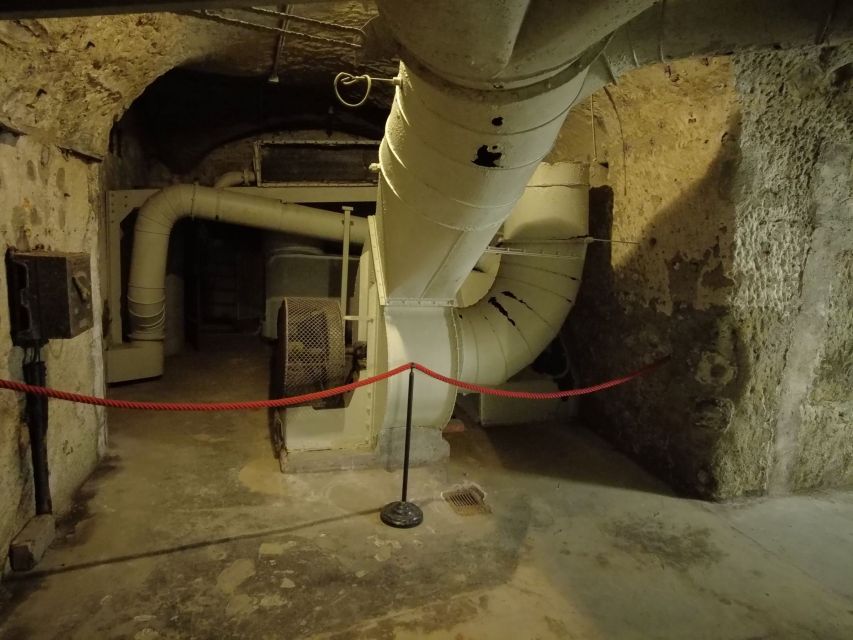
Nuremberg’s Historischer Kunstbunker is not a museum full of paintings. It is the place where priceless works were hidden below the city while bombs destroyed much of the world above. I like the direct connection between the cramped tunnels and the art they saved, especially works linked to Albrecht Dürer and the Veit Stoss Altarpiece. I also like that the tour explains how Nuremberg was rebuilt after roughly 90 percent of its medieval Old Town was destroyed. The main drawback is physical: the cellar stays around 10 to 12°C, and groups can feel tight in the narrow spaces.
The guide makes a big difference here. Guides such as Andreas, Michael, Marianne, Ralf, Jana, and Adrian have been praised for clear English, local stories, humor, and careful answers to questions. Bring a warm layer, even in summer. If you dislike confined places or have mobility limitations, this is one Old Town tour to think twice about.
Key points to know before going
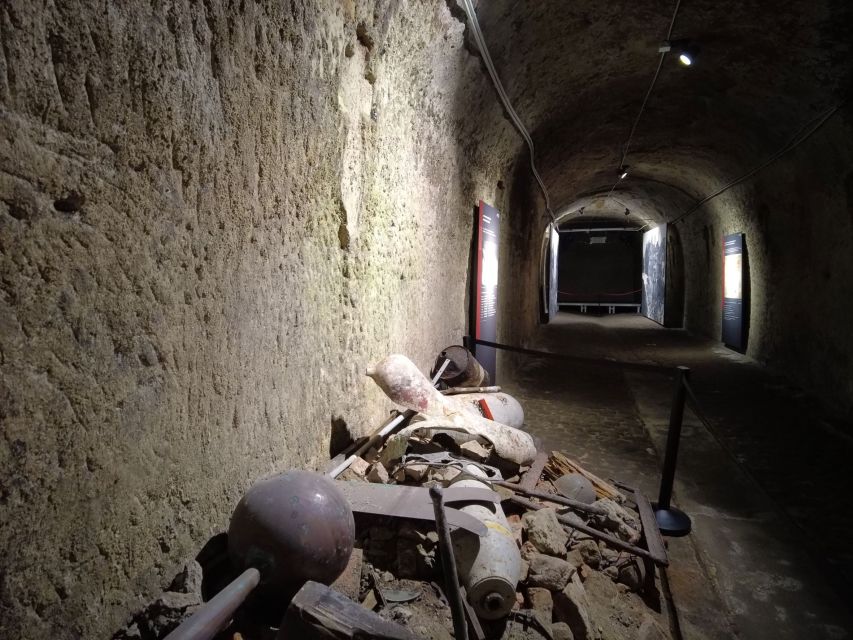
- The art was protected underground: See the cellar used to safeguard works by Albrecht Dürer, the Veit Stoss Altarpiece, the Frauenkirche automaton clock, and the Codex Manesse.
- Nuremberg’s wartime destruction is central: The tour explains how bombing reduced much of the medieval Old Town to rubble and how the city was rebuilt.
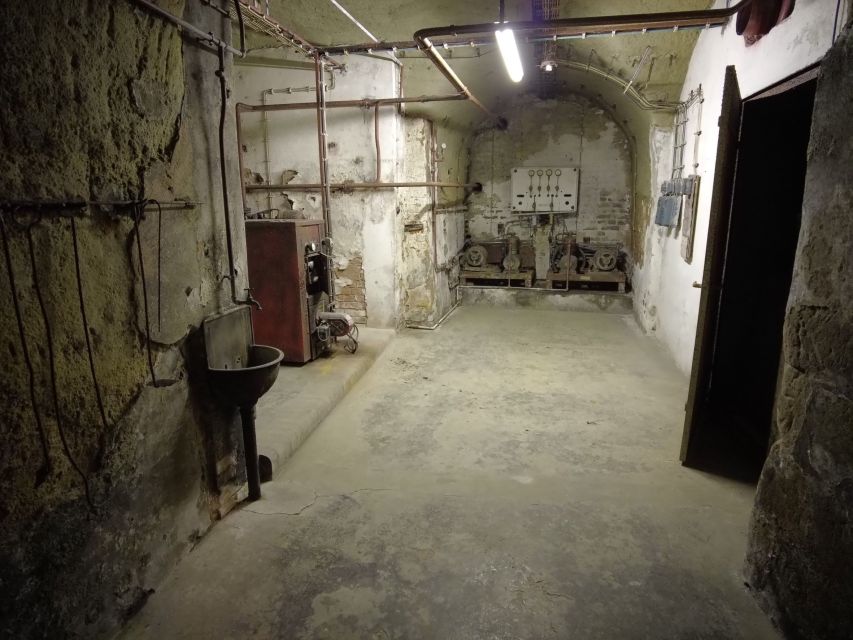
- The tunnels have an older past: Before wartime use, parts of the cellar network were used to store beer.
- The temperature stays near 10 to 12°C: A sweater or jacket matters, even on a hot day.
- The tour lasts one hour: It fits neatly before or after other Old Town sights.
- Small spaces can feel crowded: Groups have reached about 21 people, which may make some sections uncomfortable.
What the Historischer Kunstbunker reveals beneath Nuremberg
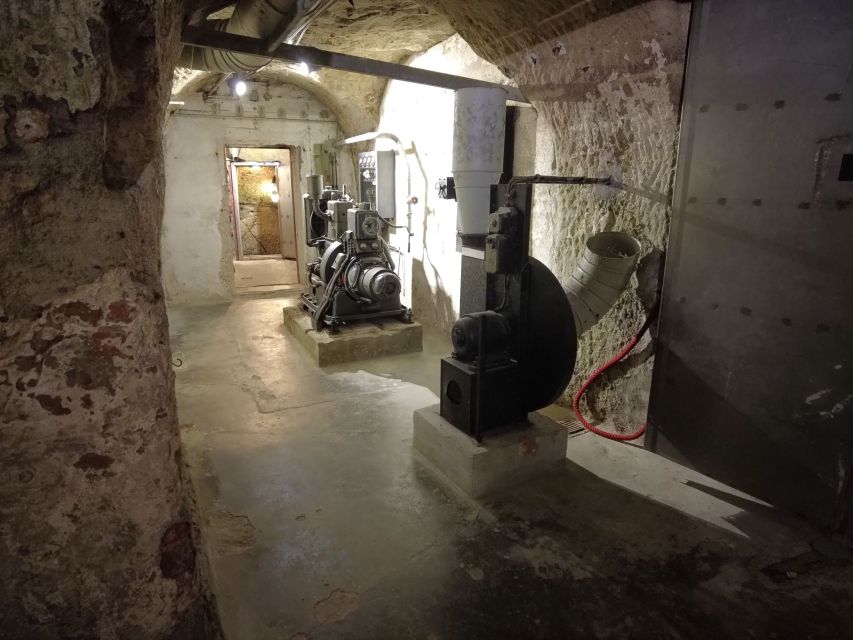
At street level, Nuremberg’s Old Town gives you towers, churches, squares, and reconstructed historic buildings. Below it, the Historischer Kunstbunker tells a harder story. The cellar was turned into a protected storage space during World War II, when air raids threatened the city and its most important artworks.
The setting gives the story weight. You are not simply looking at a panel describing a bomb shelter. You are standing in the kind of underground space used to keep major cultural objects away from fire, blast damage, and collapsing buildings.
That contrast is the heart of the tour. Above ground, Nuremberg was one of the most heavily damaged German cities. Below ground, a careful rescue effort was under way. The guide connects those two realities, explaining both the destruction and the planning that helped preserve selected works.
You also learn that the cellar did not begin as a wartime bunker. It was used for beer storage in medieval times, part of the old underground network beneath the city. That earlier use helps you read the space as a piece of Nuremberg’s long urban story, not only as a World War II site.
More Underground Tours in Nuremberg:
- Nuremberg: Nuclear Bunker in Main Railway Station
★ 4.7 · 262 reviews - Berlin: Berlin Story Bunker Entry Ticket
★ 4.6 · 6,759 reviews - Bremen: Underground Guided Tour
★ 4.1 · 1,408 reviews
Entering the tunnels with a local guide
You meet your guide at the entrance to the Historischer Kunstbunker Museum in the Old Town. There is no transportation included, but the central location makes it easy to combine the tour with a day of walking around Nuremberg.
The tour is guided in English or German. That matters because much of the value comes from the spoken explanation. The tunnels themselves are atmospheric, but without context they would be little more than bare chambers and passageways. Your guide explains what each area was used for and why the art required such protection.
The strongest guides add a human scale to the subject. Andreas has been praised for linking the bunker with wider Nuremberg history and for answering questions at length. Michael has been described as both funny and well informed, while Marianne’s clear English and steady presentation helped keep a group focused. Other guides, including Jana, Adrian, Ralf, Marc, Owen, and Stefan, have also received strong praise for their ability to make difficult material accessible.
That range of guide styles is worth keeping in mind. The exact personality of your tour will vary, but the experience depends heavily on having someone who can explain the engineering, art, wartime decisions, and rebuilding without turning the hour into a dry lecture.
The artworks protected during the bombings
The tour’s most memorable subject is the rescue of major works of art. You learn how the bunker was prepared to protect objects that could not simply be carried away at short notice.
Among the works associated with this operation are pieces by Albrecht Dürer, Nuremberg’s most famous artist, along with the Veit Stoss Altarpiece, the automaton clock from the Frauenkirche, and the Codex Manesse. These names give the story substance. The bunker was not protecting anonymous objects. It was being used for works tied to the city’s identity and to European art history.
You should not expect a conventional gallery with the originals displayed in a polished exhibition room. The appeal is different. You see the place where art was stored and learn about the practical measures used to protect it. The bunker is valuable because it gives you the setting behind the survival of those objects.
This also helps explain why the site deserves attention even if you are not an art specialist. The guide shows how cultural preservation became a wartime operation. You hear about the people who had to identify what mattered most, move it underground, and protect it while the city above faced repeated bombing.
For art lovers, the connection to Dürer and Veit Stoss is a major reason to book. For history enthusiasts, the bunker shows how war affects more than buildings and people. It also puts archives, religious art, clocks, manuscripts, and civic symbols at risk.
How Nuremberg was destroyed and rebuilt
The tour does not treat the bunker as an isolated wartime curiosity. A key part of the hour is the story of Nuremberg itself.
You learn that approximately 90 percent of the medieval Old Town was destroyed during World War II. That figure changes the way you look at the streets after leaving the bunker. The churches, façades, and squares may appear old, but much of what you see reflects postwar rebuilding.
This is one of the tour’s most useful contributions. Nuremberg’s reconstructed center can be easy to read as untouched medieval Germany if you do not know its story. The bunker gives you a sharper understanding of what survived, what was lost, and what had to be rebuilt.
The discussion also adds context to the city’s wartime role and the wider Third Reich period. If you have already visited the Documentation Center or the former rally grounds, the bunker can add a more personal and physical side to that history. One guide even described the art bunker as a more relatable experience than the Documentation Center, because you are in a real underground space connected to the dangers of air raids.
I would not treat the bunker as a replacement for Nuremberg’s other historical sites. Instead, use it as a compact companion. The rally grounds help explain Nazi spectacle and propaganda. The bunker shows the city under attack and the urgent effort to save its cultural treasures.
A few more half-days in Nuremberg worth comparing
- Nuremberg: City Tour with the Bimmelbahn Train
★ 4.4 · 2,475 reviews - Nuremberg: Old Town Guided Walking Tour
★ 4.6 · 2,416 reviews - Nuremberg: Tunnels and Secret Passages in the City Wall Tour
★ 4.8 · 2,334 reviews - Nuremberg: Medieval Dungeons Guided Tour
★ 4.8 · 1,726 reviews
A one-hour route that fits into an Old Town day
The tour lasts about one hour, which is a useful length in Nuremberg. You can place it between visits to churches, museums, and the Old Town squares without giving up half a day.
The route takes you through the underground passages and storage areas with the guide explaining how the network functioned. You do not need to navigate the tunnels on your own. That is important because the site’s value lies in the connections between rooms, uses, and historical periods.
The short format also keeps the material focused. You get the medieval cellar history, the wartime conversion, the protected artworks, the bombing of Nuremberg, and the rebuilding story in one compact visit. A few people may want more time, especially if they have a strong interest in military history or conservation, but the hour gives you a clear introduction without overloading the day.
Afterward, you can continue through the picturesque Old Town. The location makes it easy to pause for a drink or meal nearby, then compare the underground story with the reconstructed streets above. That contrast is one of the best ways to get more from the visit.
Cold air, narrow spaces, and group size
The practical details deserve attention. The bunker stays cold all year, usually around 10 to 12°C. Several people arrived expecting ordinary indoor conditions and found the chill memorable, so pack a sweater, cardigan, or light jacket. A summer visit is no exception.
The tour takes place rain or shine, but weather outside matters less than the cellar temperature. Comfortable shoes are sensible because you will walk through tunnels and stand during the explanation.
Space is the other issue. The passageways and rooms are not designed like a modern museum. A group of about 21 people has felt crowded in some sections, and one person described the space as too small for the number of people present. That does not ruin the visit, but it can affect how easily you hear and move.
This is not a suitable choice for wheelchair users or people with mobility impairments, according to the activity information. It is also a poor fit if confined spaces cause anxiety. One guide did bring a small folding chair for a person who could not stand for long, which shows some practical kindness, but you should not count on that as a guaranteed arrangement.
Is $14 a fair price?
At $14 per person, the tour offers good value if you care about Nuremberg’s wartime past, art, or the city’s underground spaces. The fee includes museum entry and a live guide, so you are paying for interpretation as well as access.
A self-guided look at a cellar would not deliver the same amount of context. The guide explains why the space mattered, which artworks were protected, how air raids changed the city, and how the postwar rebuilding shaped what you see today. That is a lot of useful background in one hour.
The value is less obvious if you want a large collection of original art or a long museum visit. This is not a gallery tour, and the bunker itself is plain. You are paying for the story, the location, and the chance to stand in the actual underground setting.
For families, the one-hour length helps. Children around 12 and 13 have stayed engaged when the guide used humor and clear storytelling, though the cold and tight spaces may test younger children. The tour also suits adults who already know a fair amount about World War II, since the physical site adds something a textbook cannot.
Who should book this tour?
I would choose the Historischer Kunstbunker if you want a grounded look at Nuremberg’s wartime history rather than another broad city overview. It is especially useful for:
- People interested in World War II and the Third Reich period
- Art lovers curious about Dürer, Veit Stoss, and historic manuscripts
- Visitors who want to understand how the Old Town was rebuilt
- Families looking for a short historical activity
- Anyone who enjoys unusual underground sites
- Visitors who have already seen the rally grounds or Documentation Center and want another angle
I would skip it if you need step-free access, dislike enclosed spaces, or are looking for a large art collection. You should also reconsider if you are unwilling to carry warm clothing. One cold hour underground can feel much longer when you arrive in summer clothes.
Should you book the Historischer Kunstbunker?
Yes, if the practical limits suit you. The tour combines a real underground location, major saved artworks, and a clear explanation of Nuremberg’s destruction and rebuilding. It is short, fairly priced, and easy to add to a day in the Old Town.
Book it as a history experience, not as a standard art museum. Bring a warm layer, expect narrow spaces, and arrive ready to listen. With a strong guide, the bunker becomes more than a cellar. It gives you a direct way to understand what Nuremberg lost, what it managed to preserve, and how the city rebuilt itself afterward.
FAQ
Where does the tour begin?
Meet your guide at the entrance of the Historischer Kunstbunker Museum in Nuremberg’s Old Town.
How long does the tour last?
The guided visit lasts one hour.
What languages are available?
The live tour is offered in English and German.
What artworks are connected with the bunker?
The tour discusses works by Albrecht Dürer, the Altarpiece of Veit Stoss, the automaton clock from the Frauenkirche, and the Codex Manesse.
How cold is the bunker?
The cellar stays around 10 to 12°C, regardless of the weather outside. Bring warm clothing.
Is the tour suitable for wheelchair users?
No. The activity is not suitable for wheelchair users or people with mobility impairments.
Can I cancel the booking?
You can cancel up to 24 hours in advance for a full refund. You can also reserve now and pay later.
Just added in Nuremberg
- Tour en español al Campo Zeppelin★ 5.0 · 8 reviews
- Stein: Public guided tour of the “Old Mine” museum★ 4.5 · 18 reviews
- “Rotes Bier” and “Blaue Zipfel”. A historical-culinary walk★ 4.4 · 190 reviews
- Nuremberg: Old Town Guided Tour By Bus★ 4.4 · 198 reviews
- Nürnberg Bachelor(ette) Party with Night PubCrawl★ 4.2 · 5 reviews
- Nuremberg: Bar and Club Tour with Free Shots and Free Entry★ 3.8 · 23 reviews
- Nuremberg: WWII Tour, Courtroom 600 and 3rd Reich Sites★ 4.6 · 94 reviews
- Nürnberg kennenlernen: Highlights in der Altstadt★ 4.7 · 189 reviews
Underground and Bunker Tours, compared.

From Munich: Königssee Day Trip with Boat Ride and Salt Mine
Read our review →

From Munich: Königssee Boat Ride & Berchtesgaden Salt Mine
Read our review →Browse the lists this tour appears in