
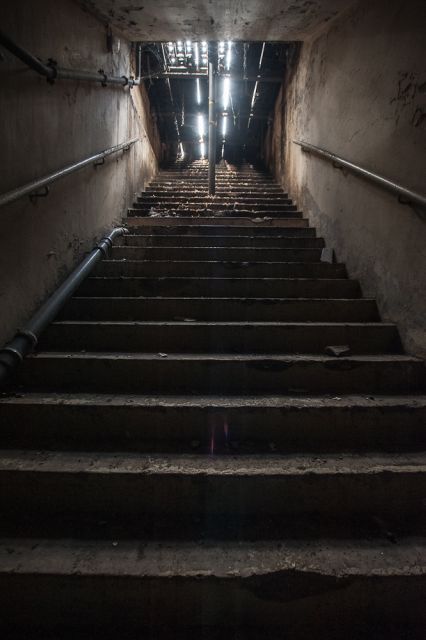
Reviewed · UNDERGROUND AND BUNKER TOURS
Bremen: Underground Guided Tour
Bremen keeps some of its best stories behind locked doors. This two-hour tour takes you into wartime bunkers, a hidden supply street, former fruit-storage halls, and the eerie vaulted cellar beneath Bremen Cathedral.
I like the mix of subjects: one route links medieval burial spaces with Cold War survival planning, while the other follows trade, railways, and Bremen’s unusual underground street. The $18 price is also fair for access to places you could not visit on an ordinary walk through town.
The catch is physical effort. You need to be comfortable walking for two hours and handling an itinerary that includes underground sites and bunker access. One recent booking specifically pointed out that the tour suits people who are good on their feet.
Key points to know before booking
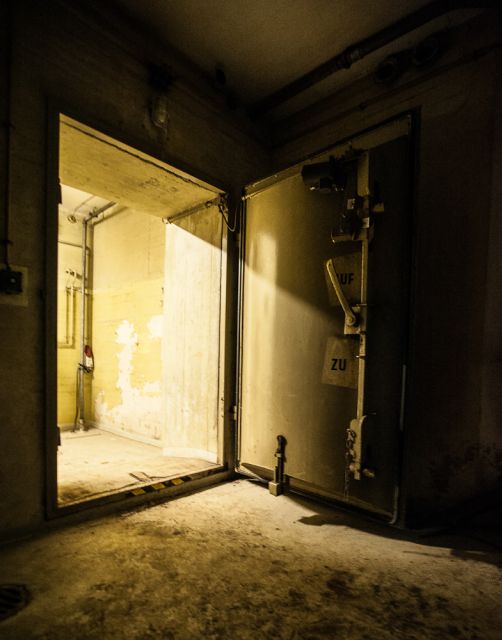
- Two different underground routes: Unterwelten 1 focuses on crypts, the Central Station bunker, ramparts, and the Church of Our Lady. Unterwelten 2 covers a hidden supply street, Central Station, the old freight yard, banana-ripening halls, and an ABC high bunker.
- Rare access beneath Bremen: Both options take you into spaces normally closed to the public, including bunkers and service areas.
- Strong wartime and Cold War context: The tour explains how air-raid shelters were built in the 1940s and later adapted for fears of chemical, biological, and atomic attack.
- A German-language experience: Guides such as Thomas and Peter lead the tour, and recent feedback singled out both the clear information and the friendly presentation.
- Good value at $18: You receive two hours with a live guide and entry to all sites included in your chosen route.
- Plan for walking: The route is not designed for a slow, effortless stroll. Ask about the exact conditions before booking if mobility is a concern.
Why Bremen’s underworld is worth two hours
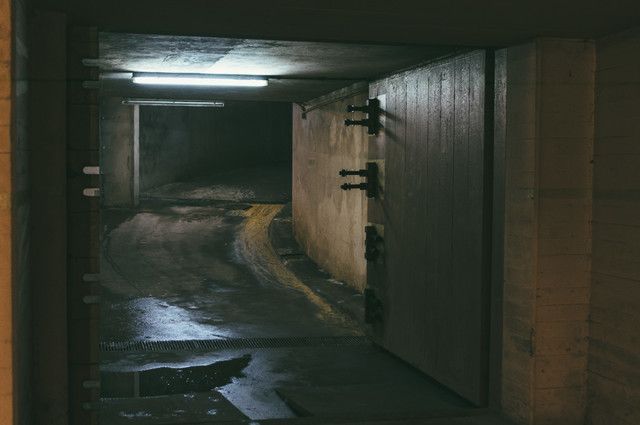
Bremen’s old center is easy to admire from above. You can see the cathedral, the ramparts, the railway station, and the grand streets. What you cannot see so easily is the network of rooms and shelters beneath them.
That is the point of this tour. It is not a general city walk with a few underground references added for flavor. You spend the bulk of the time in places connected to burial customs, military planning, railway protection, commerce, and civil defense.
I like that the experience covers several periods instead of repeating one narrow subject. Medieval crypts show how religious buildings once handled death. The bunkers show how ordinary people and public institutions prepared for modern warfare. The hidden supply route and fruit-storage facilities reveal a more practical side of city life.
The tour also works well for a return visit to Bremen. If you have already seen the cathedral square and walked around Central Station, this gives those familiar places a new underside. You begin to notice that the city’s present appearance has been shaped by spaces you cannot see.
More Underground Tours in Bremen:
- Berlin: Berlin Story Bunker Entry Ticket
★ 4.6 · 6,759 reviews - Nuremberg: Historischer Kunstbunker WWII Art Bunker Tour
★ 4.8 · 921 reviews - Bavarian Salt Mine Tour and Berchtesgaden
★ 4.6 · 353 reviews
Choose between Unterwelten 1 and Unterwelten 2
You need to choose your route when booking. The two options are not simply the same tour at different times. Each has a different theme and different stops, so read the details carefully before selecting one.
Unterwelten 1 is the better fit if you want religious history, air-raid shelters, and a direct look at how Bremen’s central buildings were protected. It begins at the elephant statue, then moves to a crypt before heading toward Central Station and the Church of Our Lady.
Unterwelten 2 has a stronger connection to trade and transport. You start with Bremen’s first and only underground street, then examine sites near Central Station and the freight yard before finishing at a large ABC high bunker on Admiralstraße.
I would choose Unterwelten 1 for a first introduction to Bremen’s layers. It gives you the widest time span, from medieval burial rooms to Cold War planning. I would choose Unterwelten 2 if hidden infrastructure, rail freight, imported fruit, and the working side of the city sound more appealing.
The meeting place changes with the option you book. Check the exact starting point rather than assuming both tours leave from the same spot.
Unterwelten 1: from the elephant statue to the cathedral crypt
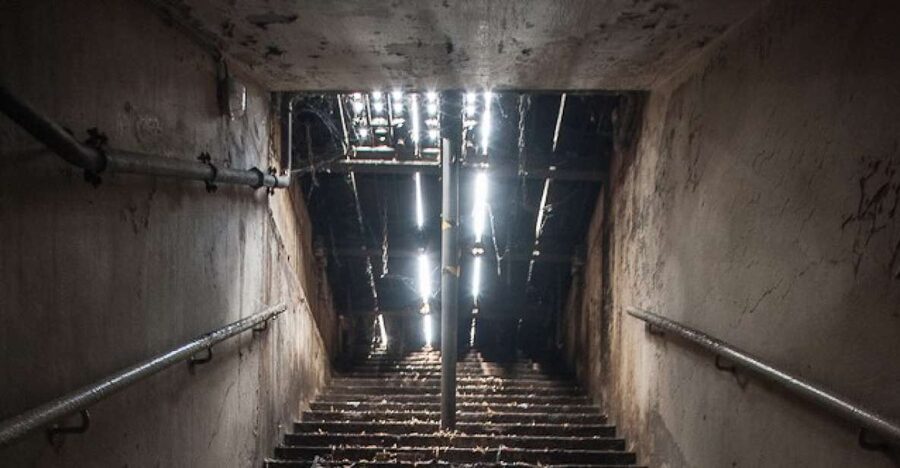
The first route begins at Bremen’s elephant statue, a distinctive meeting point with an immediate link to the city’s past. From there, you descend into a crypt and hear how the space was used historically and how it is used today.
That opening gives the tour a good change of scale. You move from an outdoor landmark into a quiet, enclosed room. The crypt is not just an old stone chamber to glance at. The guide uses it to explain the practical role such a space played and how its purpose has changed over time.
The next major stop is the large ground-level air-raid shelter at Bremen Central Station. It was built in the 1940s, when German cities needed protection from bombing, and later converted into an ABC bunker during the Cold War.
ABC refers to atomic, biological, and chemical threats. That change matters because it shows how civil defense thinking shifted after the Second World War. The shelter was no longer only about surviving conventional bombs. It became part of a wider fear of contamination and mass destruction.
For me, this is one of the strongest parts of the route. Central Station is a place most people pass through quickly, usually thinking about trains, platforms, and connections. The tour asks you to consider the protective structure under or near that public setting and the danger planners expected in the 1940s and later decades.
From the station, the route crosses Bremen’s ramparts on the way to the Church of Our Lady. The walk links the underground stops instead of treating them as isolated rooms. You get a little of Bremen above ground while moving between sites, but the focus remains on what lies below it.
The Church of Our Lady is associated with at least eight bunkers. Historical photographs help you understand what these structures looked like and how they fit into the city. This is useful because many bunker sites are no longer obvious from street level.
The route finishes with the church crypt, which was used as a tomb during the Middle Ages. The contrast is the point: one crypt reflects medieval burial practice, while the bunkers reflect twentieth-century fear and emergency planning.
If you enjoy architecture, the route gives you different kinds of construction to compare. If you prefer a fast-paced sightseeing circuit, the stops may feel more serious and restrained. The subject is war and death, not entertainment, and the enclosed rooms can make that history feel close.
Unterwelten 2: supply tunnels, fruit halls, and a high bunker
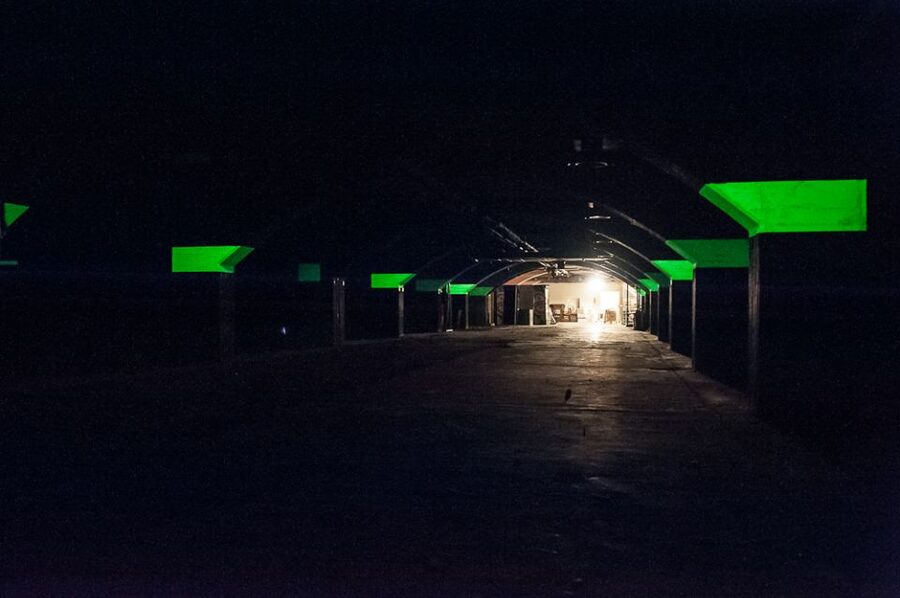
Unterwelten 2 opens with Bremen’s first and only underground street. It was built to supply nearby shops from below and remained unknown to the Bremen police for a long time.
That detail gives the route a slightly unusual starting point. You are not only looking at a shelter built for crisis. You are seeing an underground passage designed for the everyday business of the city, keeping goods moving without using the main streets above.
The route then returns to the Central Station area. Using historical photographs, the guide shows what once stood beneath the green forecourt of the Overseas Museum and explains why the Central Station was not destroyed during the Second World War.
This part is particularly useful if you are interested in how wartime decisions affected Bremen’s buildings. It connects what you see today with what was once below the ground and with the strategic reasons some structures survived.
Next comes Bremen’s freight yard and the former banana-ripening halls of the fruit yard. Before the First World War, these facilities helped local residents get access to exotic fruit.
The banana halls add a welcome change of tone. After bunkers and wartime shelters, you get a glimpse of Bremen as a trading city with an appetite for goods arriving from far away. The site helps explain how the freight yard served daily life, not just heavy industry or military needs.
The tour ends at the large ABC high bunker on Admiralstraße. You descend into the bunker and trace the development of air-raid shelters through the twentieth century, from Second World War protection to later Cold War concerns.
This ending gives Unterwelten 2 a clear progression. You begin with the movement of supplies, pass through the railway and freight system, and finish with a structure built around the fear of attack. It is a route about how a city moves goods, protects people, and adapts to changing threats.
The drawback is that this option may feel less connected to Bremen’s best-known historic monuments than Unterwelten 1. If your main interest is medieval Bremen, the church crypt on Unterwelten 1 is likely the better choice. If you want the city’s working systems and modern history, Unterwelten 2 has more to offer.
A few more half-days in Bremen worth comparing
- Bremen: Walking Tour in German with Night Guard
★ 4.7 · 2,922 reviews - Bremen: City Center Guided Walking Tour
★ 4.5 · 2,709 reviews - Bremen: 3-Hour Beck’s Brewery Tour
★ 4.6 · 1,091 reviews - Bremerhaven: German Emigration Center Entrance Ticket
★ 4.8 · 447 reviews
What the bunkers reveal about Bremen
The bunker visits are valuable because they explain more than military hardware. They show how public authorities imagined danger and how those plans changed over time.
A 1940s air-raid shelter was designed around wartime bombing. A Cold War ABC bunker answered a different question: what would happen after an atomic, biological, or chemical attack? Seeing the spaces in person makes that shift easier to understand than reading a date on a museum panel.
The tour also puts protection in ordinary city settings. Central Station, a church, a freight yard, and streets used for trade are not remote military sites. They are places tied to work, worship, transport, and daily errands.
I appreciate that the itinerary uses historical photographs where the original structures may be difficult to recognize. Underground history can be hard to picture when a site has been altered or surrounded by later buildings. The old images help bridge that gap.
Expect a sober presentation rather than a theatrical haunted-tour atmosphere. The cellar and bunker spaces may feel eerie, but the value comes from the history and explanation rather than staged scares.
Guides, language, and the pace of the tour
The live tour is conducted in German. That is important to consider before you book. If you understand German well, the guide’s explanations should add far more than a self-guided visit could. If you do not, you may miss much of the historical context, since no other language is specified.
Recent feedback gives useful clues about the guiding style. Thomas was praised as an engaging speaker and a very likable guide, while Peter was thanked for an informative tour. Those comments point to the importance of the person leading the route, especially in spaces where the atmosphere alone cannot explain why a site matters.
The duration is two hours. That is long enough to cover several locations without turning the experience into a full-day commitment. It also means you should not schedule it so tightly against a train, meal, or another timed entry.
The route is not presented as a seated museum visit. You move between locations and enter underground premises, so wear practical shoes and allow enough energy for the full two hours. A recent booking specifically noted that the tour is best for people who are good on their feet.
Accessibility details are limited. If stairs, enclosed spaces, or extended walking could be difficult for you, ask the operator shortly before the date of the tour. The program can change for organizational reasons, and a specific site may sometimes be replaced with a suitable alternative.
Is $18 a fair price?
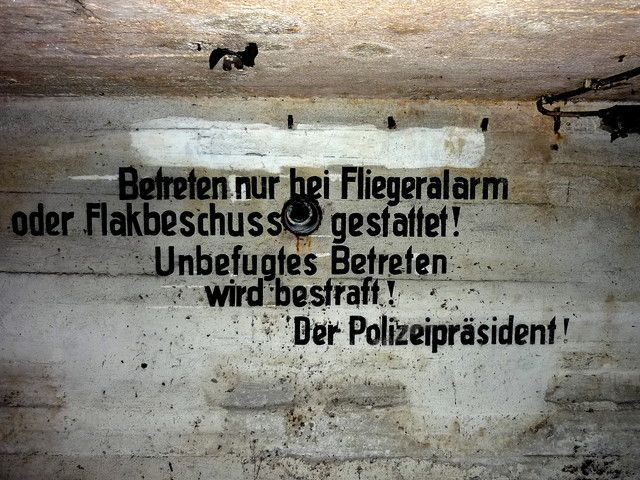
At $18 per person, I consider this good value if you are interested in Bremen beyond its postcard sights. The fee includes the guide and access to all places on the route you select, not just a walk past closed doors.
The value comes from access. You could walk around Central Station, the ramparts, the church, or the freight-yard area on your own, but you would not normally enter the underground rooms or connect them into one clear story.
It is also cheaper than many specialized city experiences while offering two full hours. The price feels especially reasonable for Unterwelten 1, which combines several different historical periods and locations. Unterwelten 2 offers similar value if its transport and trade focus suits your interests.
The price will feel less worthwhile if you are looking for a broad introduction to Bremen’s main sights, a tour in English, or an easy route with little walking. This is a specialist outing. You are paying for unusual access and focused explanation, not a complete overview of the city.
Free cancellation up to 24 hours before the tour and the reserve-now, pay-later option make it easier to fit into a changing schedule. Still, check the exact meeting point and route before finalizing your plans.
Which option should you book?
Choose Unterwelten 1 if you want:
- The elephant statue as a starting point
- A crypt with information about its past and current use
- The bunker at Bremen Central Station
- Historical photographs of bunker sites
- The Church of Our Lady and its medieval tomb crypt
- A link between medieval religious spaces and twentieth-century civil defense
Choose Unterwelten 2 if you want:
- Bremen’s underground supply street
- The story of shops receiving goods from below
- Historical views of the Overseas Museum forecourt
- An explanation of why Central Station survived the war
- Former banana-ripening halls at the freight yard
- The ABC high bunker on Admiralstraße
I would not choose based only on the word underground. The routes offer different kinds of history, and the choice affects the whole experience.
Who should book this Bremen underground tour?
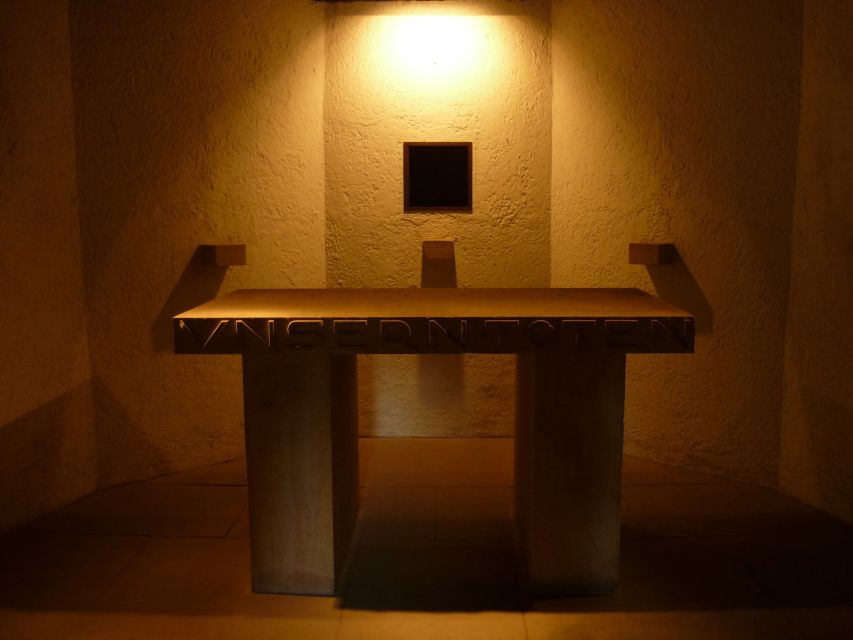
I recommend it to anyone who has already seen Bremen’s central sights and wants a more unusual angle. It should also suit people who enjoy urban history, wartime sites, architecture, railways, trade, or places that are normally closed.
It is a good match for a curious adult audience, especially if you enjoy asking why a building survived, how a city handled supplies, or how a shelter changed purpose over decades. The crypts and bunkers give you plenty to think about after the tour ends.
I would be cautious if you need an English-language guide, have limited mobility, dislike enclosed spaces, or want a light and cheerful sightseeing activity. The subject is serious, and the walking requirement is worth taking seriously.
My final recommendation
Book this tour if you want to see the Bremen that sits below the familiar streets. At $18, it offers rare access, a live German-speaking guide, and two hours of material that is difficult to find on your own.
For the broadest historical range, I would pick Unterwelten 1. For trade, transport, and modern bunker design, I would choose Unterwelten 2. Check the meeting point, confirm the route, and be ready to walk. If you do that, this is a smart way to add a less polished but more revealing side of Bremen to your visit.
FAQ
How long does the Bremen Underground Guided Tour last?
The tour lasts two hours.
How much does the tour cost?
The listed price is $18 per person.
Is the tour available in English?
The live tour guide language is German.
Can I choose between different routes?
Yes. You can choose between Unterwelten 1 and Unterwelten 2, which visit different underground locations.
What does Unterwelten 1 include?
Unterwelten 1 includes the crypt beneath the elephant statue, the air-raid shelter at Bremen Central Station, bunker sites near the ramparts, and the crypt beneath the Church of Our Lady.
What does Unterwelten 2 include?
Unterwelten 2 includes Bremen’s first underground street, historical sites near Central Station, former banana-ripening halls at the freight yard, and the ABC high bunker on Admiralstraße.
Is the tour suitable for people with limited mobility?
The available information advises that the tour is best for people who are good on their feet. Ask the operator about current access conditions before booking if mobility is a concern.
Just added in Bremen
- Bremen: Übersee Museum Entrance Ticket★ 4.3 · 59 reviews
- Bremerhaven: Fish Bite Guided Walking Tour★ 4.8 · 13 reviews
- Bremen Tour: Full-Day Canoe Rental on the Wümme River★ 4.8 · 4 reviews
- Bremen: Private Walking Tour with a Professional Guide★ 4.2 · 22 reviews
- Bremen Schwachhausen: Crime Mystery Tour★ 3.6 · 4 reviews
- Bremen: Outdoor Escape Game in the Old Town★ 4.4 · 41 reviews
- Bremen: Private pub crawl with insider-guide & free shots★ 4.5 · 22 reviews
- Bremen: Full-Day Kayak Rental on the Wümme River★ 4.8 · 14 reviews
Underground and Bunker Tours, compared.
From Munich: Königssee Day Trip with Boat Ride and Salt Mine
Read our review →

From Munich: Königssee Boat Ride & Berchtesgaden Salt Mine
Read our review →Browse the lists this tour appears in