
Reviewed · RUHR TOURS
Hut tour Duisburg-Nord Landscape Park
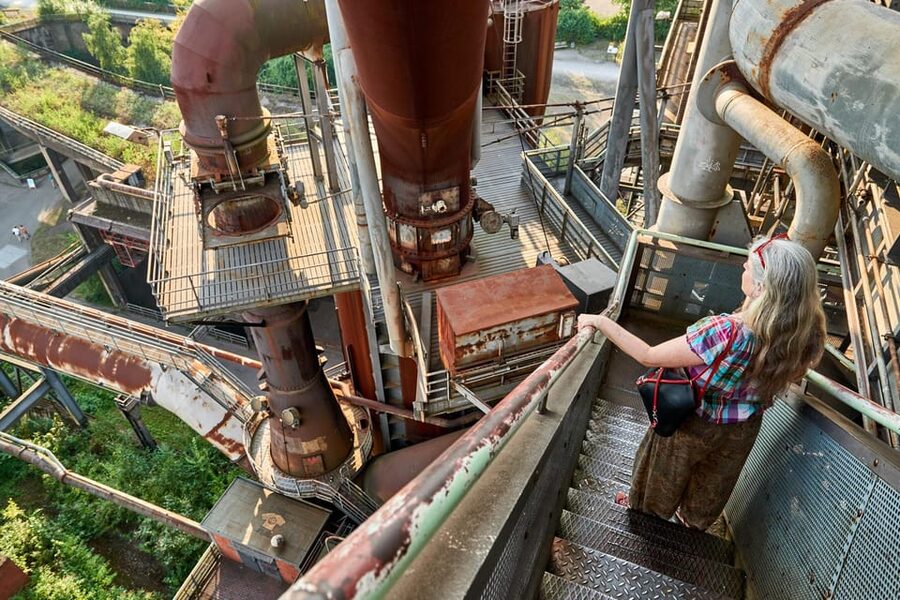
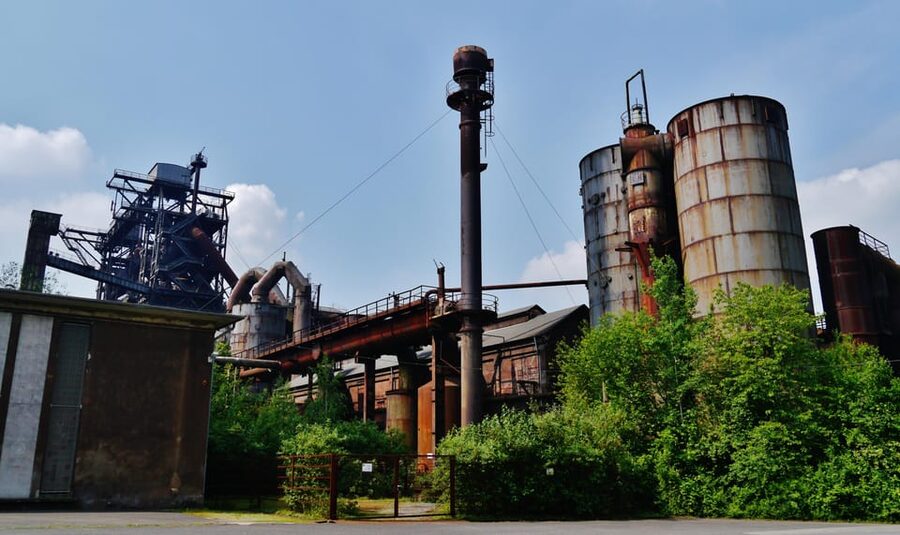
The most striking part of this tour is the former Thyssen steelworks itself. You do not just look at an old factory from outside. You follow the path iron once took, moving from the Gout through the blast furnace complex toward the Torpedo Ladle Car, surrounded by pipes, stairs, platforms, boilers, and scaffolding.
I like the clear link between technology and human work, and I like the way the site shows the Ruhr’s shift from heavy industry to public culture. The price is also fair at $23 for 105 minutes with a live guide. The main drawback is practical: the tour is not barrier-free, and it is not suitable for people with mobility, visual, or hearing impairments.
Key points to know before you go
- Follow the iron through the works: The route explains the movement of molten iron from the Gout to the Torpedo Ladle Car.
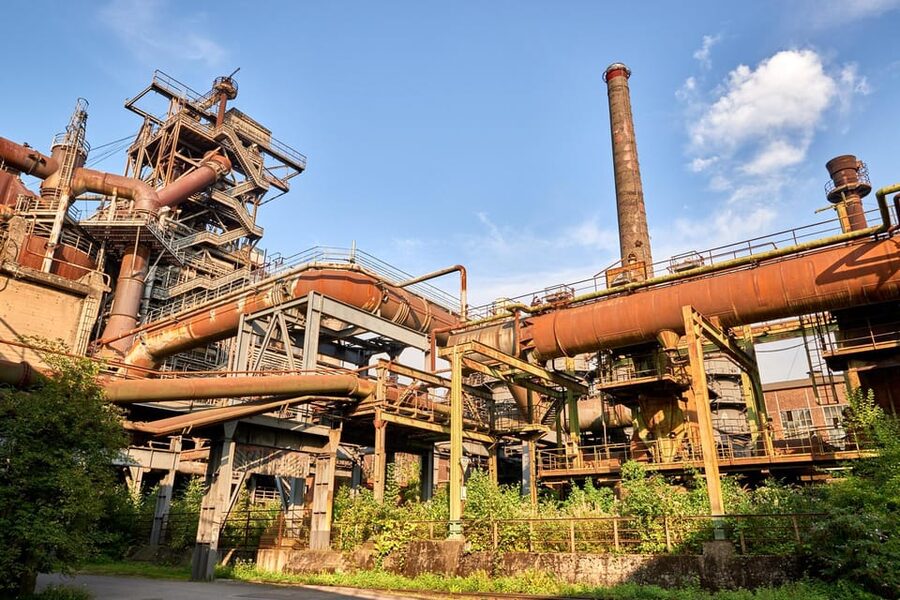
- See industrial machinery at full scale: Pipes, boilers, stairs, platforms, and steel structures create a much stronger impression than a museum display.
- Hear about working life: The tour covers the Meiderich ironworks, its technology, and the conditions faced by its workforce.
- Expect a German-language tour: The guide speaks German, with Manuela among the guides named in the feedback.
- Allow 105 minutes: This is a focused guided visit, not a quick photo stop.
- Wear proper shoes: Comfortable, weatherproof clothing and sturdy footwear matter on this industrial site.
Walking into Duisburg-Nord’s former steelworks
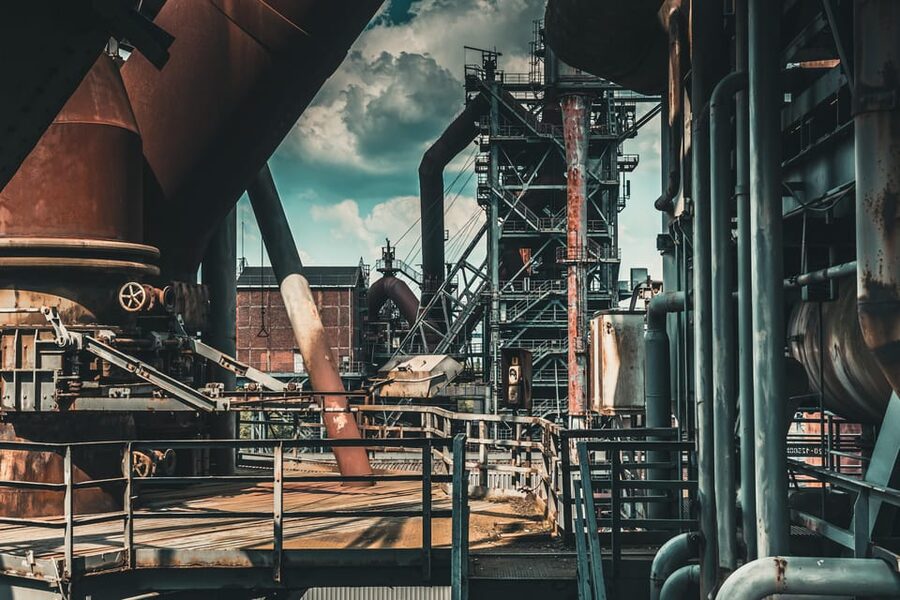
The Duisburg-Nord Landscape Park is not a polished reconstruction of industrial life. It is a working-scale industrial monument, with the old Meiderich ironworks left as a maze of metal, concrete, steps, towers, and machinery. That gives the tour its force.
At the Visitor Center, you meet the guide before heading into the former works. From there, the visit is built around the Path of the Iron. This idea gives the tour a useful spine. Instead of hearing disconnected facts about a large factory, you follow the route that iron once took through the plant.
I find that approach especially helpful if you are not already familiar with blast furnace production. The complex can look confusing at first. Pipes run overhead, stairways lead to platforms, and heavy equipment appears to have been placed wherever space allowed. The route gives those parts a purpose.
You should expect a site visit rather than a conventional museum tour. There are no promises of a quiet indoor gallery or a simple, level walkway. The attraction is the actual industrial structure, and your understanding grows as the guide explains how each part worked.
A few more half-days in the Ruhr worth comparing
- BVB Signal Iduna Park: Stadium Access and Self-Guided Tour
★ 4.4 · 2,332 reviews - Bottrop: Movie Park Full-Day Admission Ticket
★ 4.4 · 511 reviews - Dortmund: German Football Museum
★ 4.6 · 484 reviews
From the Gout to the Torpedo Ladle Car
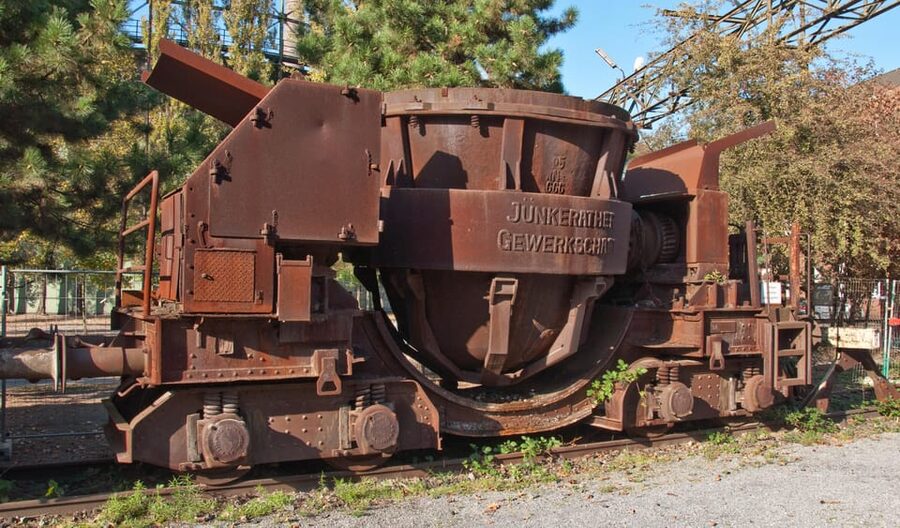
The tour explains the ironmaking process in a physical way. You follow the material through key points in the works, beginning at the Gout and continuing toward the Torpedo Ladle Car. These names may mean little before the tour, but the guide places them within the production chain.
The Gout is part of the blast furnace process, while the Torpedo Ladle Car carried molten iron. Seeing these stages in the setting where they operated helps turn technical language into something you can picture. The visit is strongest when the machinery and the explanation meet.
The route also gives you a sense of scale. A diagram can show how a blast furnace works, but it cannot match the impact of standing among the towers and platforms that supported the process. The sheer quantity of pipes, boilers, ladders, and steelwork makes the plant feel less like a single building and more like a complete industrial world.
This is where a guide adds real value. Without explanation, the works could become a jumble of rusty shapes. With the production route in mind, the clutter begins to read as infrastructure. You can understand where materials moved, where heat and pressure mattered, and why the factory required such a complicated network.
The tour does not simply celebrate technology. It also explains the working conditions connected with the ironworks. That balance matters. The plant was an impressive feat of engineering, but it was also a demanding workplace where industrial production shaped daily life.
How the guide brings the factory to life
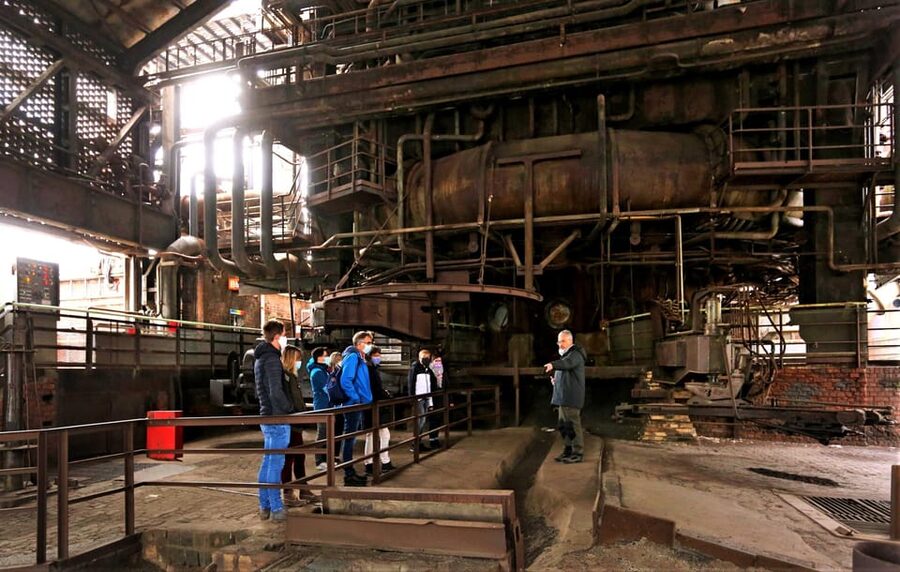
The tour is conducted in German, so you will get the most from it if you can follow spoken German comfortably. The explanations cover the history of the Meiderich ironworks, blast furnace technology, and the people who worked in this environment.
Manuela is one guide associated with the experience. The available feedback repeatedly singles out her clear, useful explanations and strong presentation. The comments also point to the tour being well organized and informative, even in rainy weather.
I would treat those details as a practical clue about the style of the visit. This is not designed as a bare walk through an abandoned plant. The guide is there to explain why the structures matter and to connect the technical story with the wider history of the region.
That also means the tour rewards attention. You may get good photographs simply by looking around, but the main value comes from understanding what you are seeing. If you prefer to wander alone and stop only for pictures, this guided format may feel more structured than you want.
For families, the age rule is important. Children under 10 are not suitable for the tour. Older children and teenagers can take part, and the experience has drawn interest from groups with children aged 11 and above. Still, the industrial setting and German-language commentary mean younger participants should be comfortable walking, listening, and staying with the group.
Why the industrial setting matters
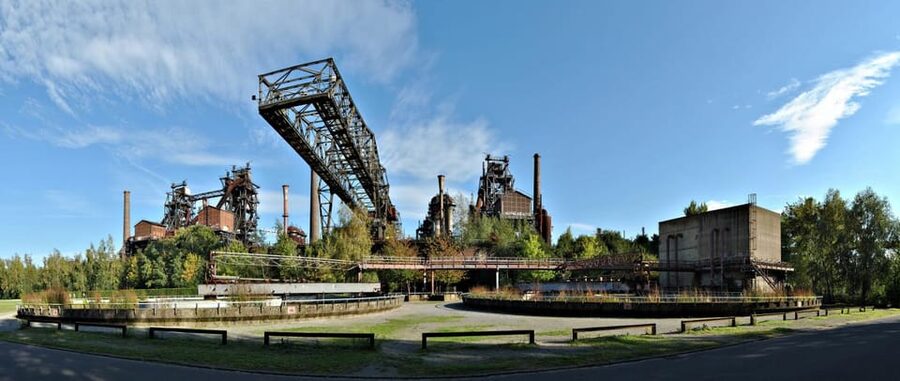
The Meidericher Hütte helps explain the Ruhr in a way that ordinary sightseeing often cannot. This region was shaped by mining and steel. Factories such as this one influenced jobs, towns, transport, and the character of northern Germany.
The tour shows that change through a physical place rather than a general history lesson. You can see what heavy industry required, then consider what it means for the same site to serve as a cultural attraction today. The old works now represents structural change in the region, with industrial remains given a new public role.
That new use is one of the strongest parts of the experience. The site has not been reduced to a neat collection of objects behind glass. The plant remains large, rough, and visually complicated. The setting lets you think about both the power of industry and the cost of maintaining such a place after production ends.
I also like that the tour does not need to pretend the factory is beautiful in a traditional sense. Its appeal comes from scale, texture, and purpose. The metal framework, high platforms, and layers of industrial equipment create views that are unlike those in a typical city attraction.
The surrounding park adds another dimension. The setting is described as a beautiful landscape, but the key contrast is between open outdoor space and the hard industrial skeleton of the works. You may get good views across the site, especially on a clear day. At the same time, rain and wind can make the visit less comfortable.
Same city, a completely different kind of day:
- Dortmund: Borusseum Borussia Dortmund Museum Entry Ticket
★ 4.6 · 315 reviews - Münster: Old Town Highlights Guided Tour
★ 4.7 · 286 reviews - Oberhausen: HOUSE OF MAGIC – powered by Ehrlich Brothers
★ 4.3 · 252 reviews - Münster: Nachtwächter-Führung (Erlebnistour)
★ 4.4 · 213 reviews
A 105-minute visit, with weather in mind
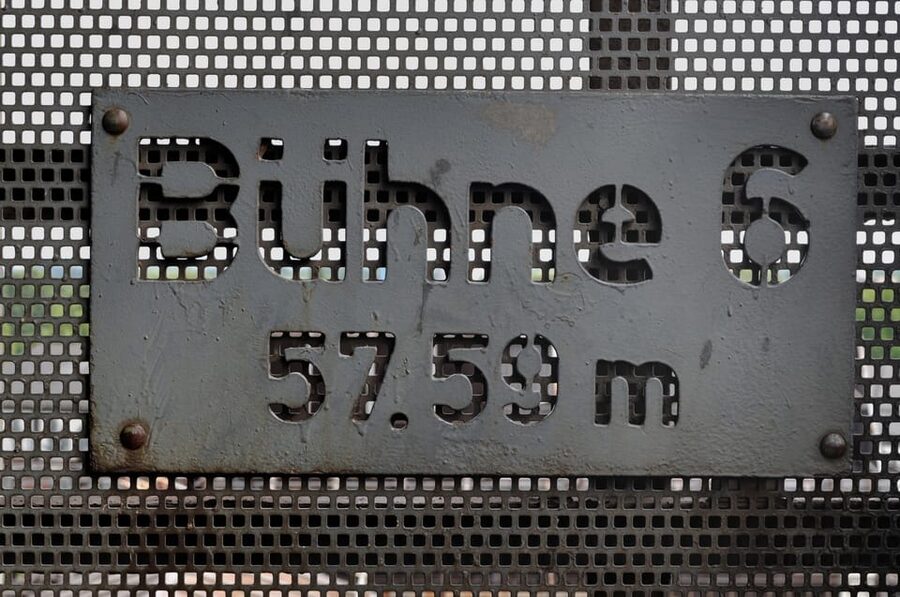
The advertised duration is 105 minutes, or one hour and 45 minutes. That is long enough to move beyond a quick introduction, but short enough to fit into a day of sightseeing in Duisburg or the wider Ruhr area.
Plan your clothing around the site, not the calendar alone. Comfortable, weatherproof shoes and clothing are specifically recommended. Good footwear matters because the tour includes stairs and industrial structures, and weather can affect how enjoyable the outdoor portions feel.
Rain does not automatically ruin the experience. The industrial setting can remain impressive in wet weather, and the guide’s explanations continue to give the visit purpose. Still, you should not book this expecting a warm, dry, indoor activity.
A mild day with clear views can improve the visit. You may be able to take in more of the site’s scale and see across the former works. If the forecast is poor, bring suitable outerwear and accept that the conditions are part of visiting a large outdoor industrial monument.
There is no indication that pets are allowed. Assistance dogs are permitted, but other dogs cannot join the tour. That rule is worth noting if you are planning a day out with a pet.
Is $23 a fair price?
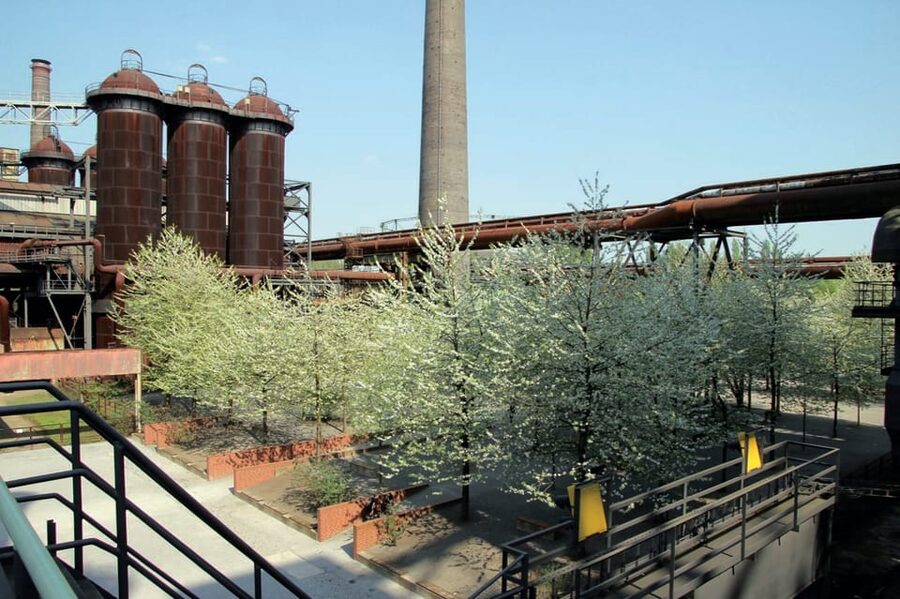
At $23 per person, the cost is reasonable for a 105-minute guided visit to a major industrial site. You are paying for more than access to the park. The guide provides the technical explanation that turns the former plant from a collection of structures into a readable production system.
Value depends on your interests. If you enjoy industrial history, engineering, regional history, or unusual cultural sites, the price is easy to justify. You get a planned route, live German commentary, and access to a story that would be difficult to reconstruct from signs alone.
If you only want to photograph the old steelworks, you may find the tour less essential. The site itself provides the visual impact, and a guided schedule means you cannot simply move at your own pace. In that case, compare the cost with your interest in the history and technology, not only with the length of the visit.
The strong score of 4.8 from 41 reviews supports the idea that the tour delivers on its main promise: clear information in an impressive setting. The most praised elements are the guides, the organization, and the amount of useful information. Those are exactly the features that make the admission worthwhile.
Who should book this tour?
I would recommend this tour to adults and older children who enjoy seeing how things work. It suits anyone interested in the Ruhr’s industrial past, former steelworks, blast furnaces, or the way old industrial sites are reused.
It is also a good choice if you want something more substantial than a scenic walk. The 105-minute route gives you a clear subject and a guide-led explanation. You leave with a better sense of how iron production shaped the area and what working in such a plant involved.
The tour is less suitable for anyone seeking a relaxed, level stroll. Mobility limitations are a serious concern because the tour is not barrier-free. It is also not suitable for people with visual or hearing impairments, according to the stated conditions.
Language matters too. The live guide speaks German, and no other language is listed. If you do not understand German, the industrial structures may still interest you, but you would miss much of the explanation that gives the route its value.
Practical booking details
The meeting point is the Visitor Center. The exact starting time depends on availability, so check the schedule before you commit to other plans.
You can reserve now and pay later, which helps if your Ruhr itinerary is still changing. Cancellation is free up to 24 hours before the start time for a full refund. Those terms reduce the risk of booking around uncertain weather or transport plans.
Bring comfortable, weatherproof clothing and shoes. Do not bring a pet unless it is an assistance dog. Children must be at least 10 years old, and everyone in the group should be prepared for a guided visit through a large industrial site rather than a standard museum.
Should you book the Duisburg-Nord hut tour?
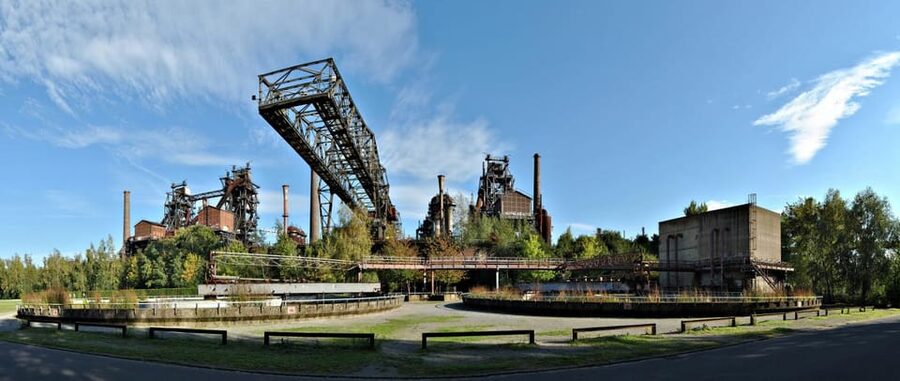
Book it if you want the former Meiderich steelworks explained from the inside, not just photographed from a distance. The Path of the Iron gives the visit a clear structure, while the guide connects blast furnace technology with working conditions and the wider change in the Ruhr.
Skip it if you need step-free access, a non-German tour, or a short and easy walk. For everyone else, $23 buys a focused look at one of northern Germany’s most unusual industrial monuments, with enough time to understand why the pipes, towers, boilers, and platforms are still worth preserving.
FAQ
Where does the tour meet?
The tour meets at the Visitor Center at Duisburg-Nord Landscape Park.
How long does the tour last?
The guided tour lasts 105 minutes, or one hour and 45 minutes.
What language is the tour in?
The live tour guide speaks German.
What does the tour cover?
The tour covers the history of the Meiderich ironworks, blast furnace technology, working conditions, and the route iron took through the plant.
What is the Path of the Iron?
The Path of the Iron is the tour route through the blast furnace area, following the process from the Gout to the Torpedo Ladle Car.
How much does the tour cost?
The listed price is $23 per person.
Are children allowed to join?
Children under 10 are not suitable for the tour. Children aged 10 and older may join, subject to the stated site and tour conditions.
Is the tour accessible to people with mobility impairments?
No. The tour is not barrier-free and is not suitable for people with mobility impairments.
Can I bring a dog?
No. Pets are not allowed on the tour. Assistance dogs are allowed.
Just added in the Ruhr
- Adventure Darkness – Guided tour in the dark★ 4.6 · 32 reviews
- Schimmi tour pure (without catering)★ 4.9 · 19 reviews
- Private crime city tour by rickshaw including guide★ 5.0 · 21 reviews
- Oberhausen: Legoland Discovery Center Ticket★ 4.1 · 110 reviews
- Paderborn: “Beschwipste” Nachtwächter-Führung (mit Umtrunk)★ 4.6 · 27 reviews
- Osnabrück: “Beschwipste” Nachtwächter-Führung (mit Umtrunk)★ 5.0 · 4 reviews
- Osnabrück: “Gallows, graves & crooks” (adventure tour)★ 4.8 · 22 reviews
- Osnabrück: Altstadt-Highlights (Stadtführung)★ 4.7 · 42 reviews
Ruhr Tours, compared.
BVB Signal Iduna Park: Stadium Access and Self-Guided Tour
Read our review →

Borusseum Borussia Dortmund Museum Entry Ticket
Read our review →

Oberhausen: HOUSE OF MAGIC – powered by Ehrlich Brothers
Read our review →
Browse the lists this tour appears in