
Reviewed · MUSEUMS
Hamburg: Emigration Museum BallinStadt Entry Ticket
Hamburg’s BallinStadt Museum tells the story of people who left Europe for the New World, but it does so through personal choices and daily hardships rather than dry dates. You follow emigrants through the port, their temporary homes, and the uncertain wait before sailing.
I like the three-part exhibition layout, which lets you move from Hamburg’s port story to a wider look at migration across five centuries. I also like the chance to use a major genealogy database and search for your own family connections.
The main drawback is that this is a self-guided museum visit, not a guided tour with a fixed route or a named expert leading you through it. You’ll need to set your own pace and allow enough time for the many displays.
Key points
- Hamburg’s gateway role: Learn why millions of Europeans passed through the city before sailing for America and other parts of the New World.
- Three exhibition spaces: Explore Port of Dreams, World in Transit, and a rotating special exhibition.
- Albert Ballin’s story: Understand the Hamburg figure who helped shape the city’s organized emigration system.
- Life before departure: See how emigrants lived in Hamburg while waiting for a ship and dealing with strict travel requirements.
- Fourteen themed rooms: Follow migration and immigration stories across five centuries and many countries.
- Family research station: Use a large genealogical database to investigate your own ancestry.
Starting at House 1 in Hamburg’s port district
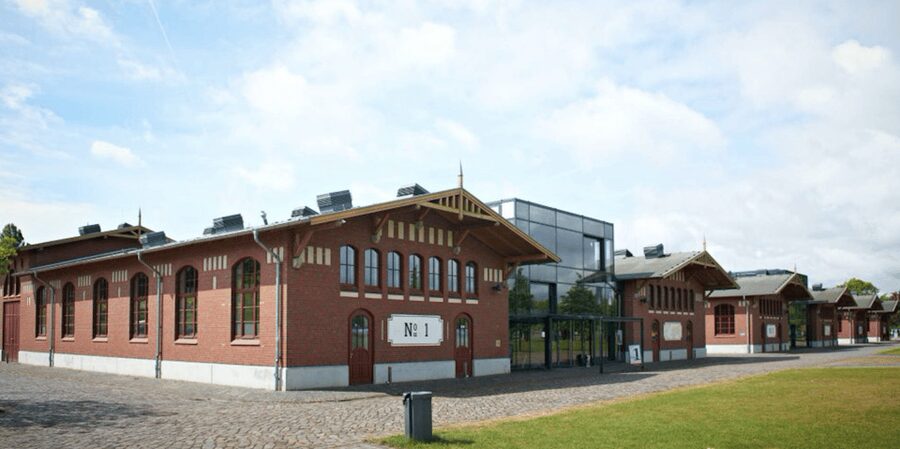
Your visit begins at the ticket office in House 1. The ticket is valid for one day, so you are not being pushed through a short time slot. That matters here because the museum covers several subjects, and the family-history station can easily add extra time if you find a promising name or place.
BallinStadt is focused on emigration, especially the movement of Europeans toward America. Hamburg’s importance came from its port and its position as a departure point for millions of people. The museum uses that role to explain a larger question: what makes someone leave home, and what does it take to begin again somewhere far away?
You will not be following an outdoor walking route or boarding an actual ship. This is an indoor museum visit with exhibition rooms, artifacts, interactive displays, and visual material. It works well in wet weather and suits visitors who want a substantial cultural stop rather than another quick photograph at the harbor.
Free parking is available at the museum, which is useful if Hamburg is part of a longer driving trip. The museum is wheelchair accessible. Pets are not allowed, so plan accordingly.
More Attraction Tickets in Hamburg
- Hamburg: Hamburg Dungeon Admission Ticket
★ 4.7 · 5,745 reviews - Hamburg: International Maritime Museum Entrance Ticket
★ 4.7 · 547 reviews - Hamburg Dungeon Admission Ticket
★ 4.5 · 438 reviews
Port of Dreams and the long wait before departure
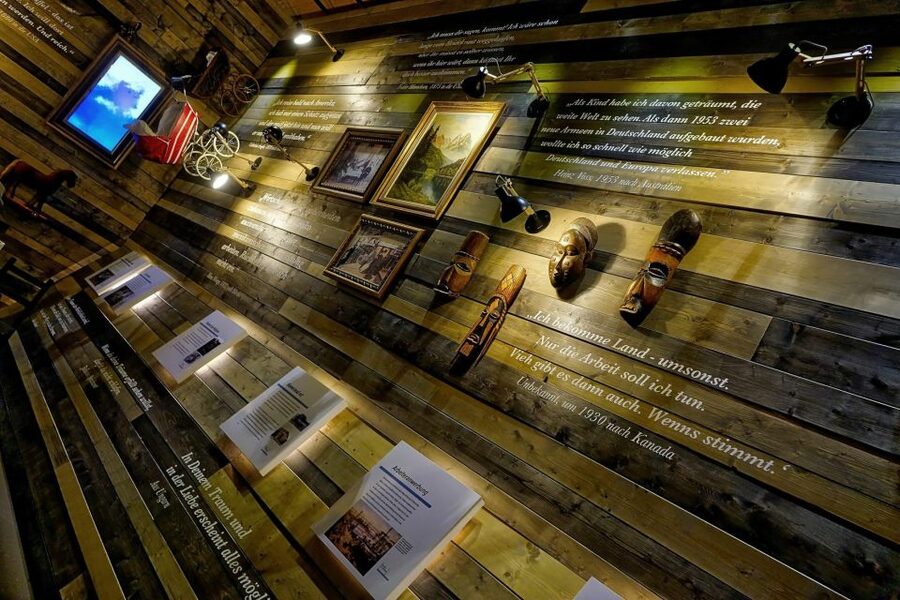
The first main exhibition, Port of Dreams, introduces the people who wanted to leave Europe and the system that helped them do it. Its central figure is Albert Ballin, whose name the museum carries.
Ballin’s role gives the exhibition a human center. Instead of treating mass emigration as a simple flow of dots on a map, the displays connect it to the person who organized and shaped much of the process in Hamburg. You get a look at how the city dealt with large numbers of people arriving with one goal: to board a ship and begin a new life.
The word dream can sound polished, but the museum also shows the waiting and uncertainty behind it. Emigrants had to reach Hamburg, find a place to stay, meet travel requirements, and wait for their departure. The stay in the city could be an important part of the journey, not just a brief pause between a railway station and a ship.
That is one of the museum’s most useful ideas. The journey did not begin when the ship left the harbor. It began much earlier, with decisions made at home, money gathered for the trip, documents prepared, and families saying goodbye to familiar places.
Inside the exhibition, you can expect artifacts and interactive material that help explain these steps. You also get a picture of life inside an emigration camp. The camp was a temporary home for people from different parts of Europe, all waiting for passage and dealing with the practical problems of starting over.
This section should appeal to families and school-age visitors because the interactive approach gives the story more movement. Adults who prefer a quiet museum may find some displays less contemplative, but the format helps keep a complicated subject clear.
Life in the emigration camp before the ship sailed
The camp section is especially valuable because it corrects a common oversimplification. It is easy to picture an emigrant leaving Europe, crossing the ocean, and arriving in America as one continuous action. BallinStadt inserts the missing middle: a period of waiting, inspection, shared accommodation, and concern about what might happen next.
You learn how emigrants arrived in Hamburg and how they lived while waiting to be sent across the water. That waiting period could shape the whole experience. A delayed departure, a health issue, a shortage of money, or a problem with paperwork could affect an entire family.
The museum also gives you a glimpse of daily life connected with passenger travel. It is not only about famous names or major political events. The displays ask you to think about ordinary details: where people slept, how they met others, how they handled separation, and how they prepared for an unfamiliar country.
I find this part more useful than a simple collection of ship photographs because it puts the passenger in the center. You begin to see emigration as a sequence of practical choices, not just a romantic leap toward freedom.
The subject can be heavy. People left because of economic pressure, limited opportunity, political conditions, or personal reasons. The museum does not present every departure as cheerful or voluntary. That balance is important, especially for younger visitors who may first see immigration as a distant historical subject rather than something shaped by fear, hope, and family decisions.
World in Transit across five centuries
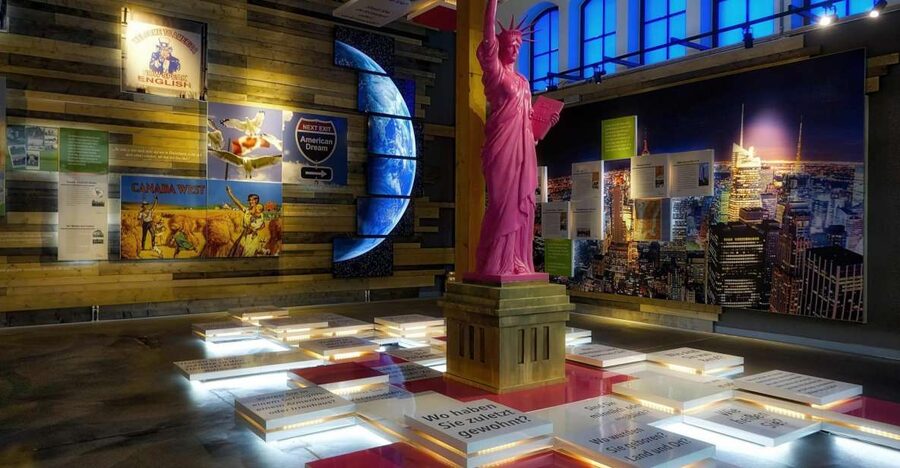
The second major exhibition, World in Transit, widens the view. Port of Dreams concentrates on Hamburg and the emigration process, while World in Transit looks at emigration and immigration across the last five centuries.
The exhibition is arranged in 14 themed rooms. Each room offers a different angle on countries that can feel distant while still connecting to familiar migration patterns. The displays use visual material to examine why people leave, why they choose a particular destination, and what happens when they arrive.
The key idea here is the contrast between push and pull factors. Some people leave because conditions at home have become difficult. Others are attracted by work, family connections, land, safety, or the chance to build a different future. The museum encourages you to see both sides at once.
This section is not limited to one nationality or one destination. That gives you a wider frame for Hamburg’s role. The city was a departure point, but the stories reach far beyond the harbor and include many countries and generations.
You may want to take your time in this area. Fourteen rooms can feel like a lot if you try to read every label in one pass. A better approach is to follow the themes that interest you most, then return to displays that connect with your own family or travel background.
The multi-visual format helps with orientation, although visitors who want a single chronological path may find the arrangement less direct. This is a museum to explore rather than rush through. The lack of a fixed tour route is a drawback for anyone looking for a quick, tightly scripted visit, but it gives you more control.
More Museum Tours in Hamburg
- Hamburg: Entrance to the Museum Ship Cap San Diego
★ 4.7 · 467 reviews - Hamburg: RICKMER RICKMERS Museum Entry Ticket
★ 4.6 · 269 reviews - Hamburg: Museum of Illusions Ticket
★ 4.2 · 122 reviews - Hamburg: 3-Day Art Exhibition & Gallery Ticket
★ 4.6 · 34 reviews
Shipboard life and the crossing to the New World
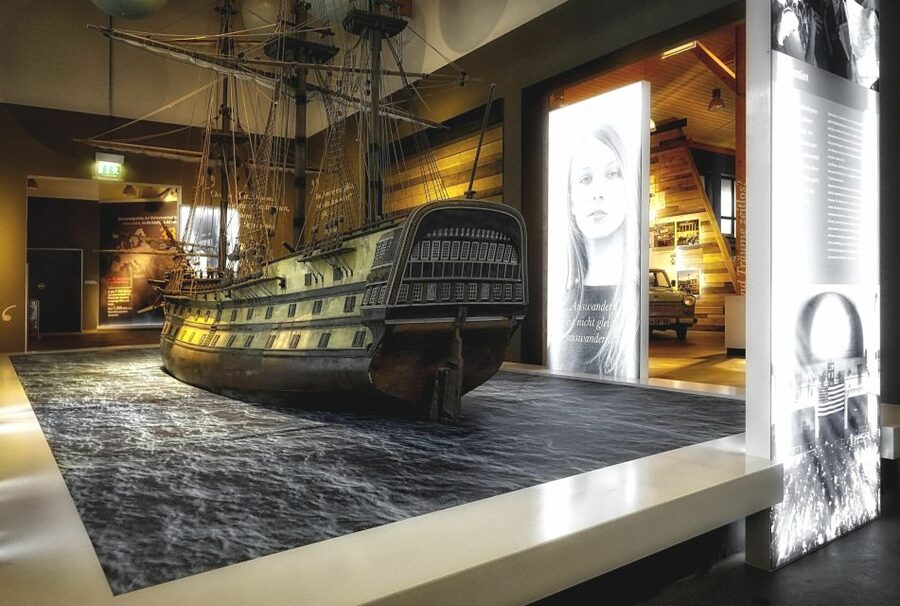
BallinStadt also gives you a glimpse of life aboard a passenger ship. This part links the preparation in Hamburg to the crossing itself.
For many emigrants, the ocean voyage was the most unfamiliar part of the journey. Even after the ship left, the difficult work of migration was not finished. Passengers still had to share limited space, manage the length of the crossing, and face the uncertainty of arrival.
The ship displays help you picture the transition from Europe to a new country. They show that the journey was not simply a ticket and a destination. It involved a temporary social world, different classes of accommodation, and the rules of passenger travel.
The information provided does not specify a particular ship replica, ship name, or voyage length, so you should not expect a full-size vessel experience. Think of this as a museum-based look at shipboard life, supported by artifacts and visual displays.
That limitation is worth knowing before you book. If your main interest is maritime engineering or a large ship interior, the museum may feel more focused on people and migration than on ships themselves. If you want to understand what the crossing meant to passengers, the section fits the museum’s wider purpose.
The changing special exhibition
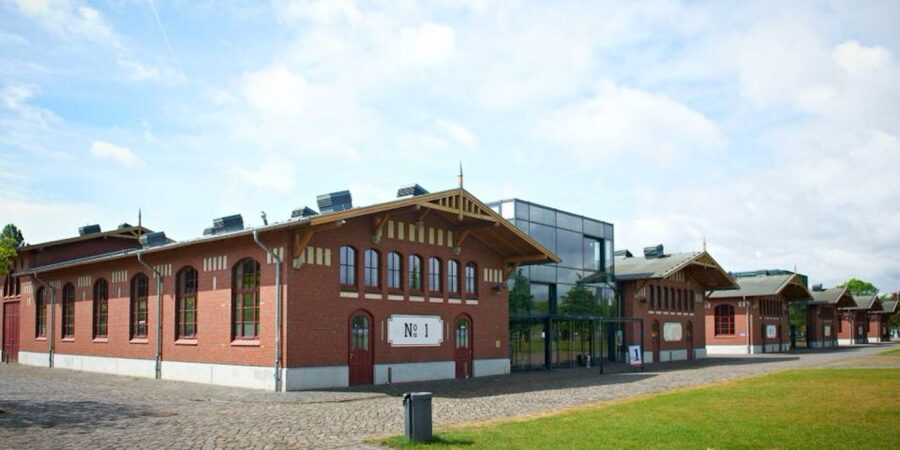
A third specialty exhibition changes every few months. Its subject depends on the current program, so the content can add a different angle to your visit.
This rotating space is useful for repeat visits, but it also means you should check the current topic if you have a particular interest. The permanent exhibitions provide the main structure, while the special display gives you a chance to see another theme connected with migration, identity, or travel.
Because the subject changes, I would not make the temporary room the only reason to buy a ticket. Treat it as an extra layer. The stable exhibitions already provide the core visit, and the changing room may make the museum feel different if you return to Hamburg later.
Researching your own family history
The family-history research station may be the most personal part of the museum. You can use it to search for your own relatives and trace possible migration links through a large genealogical database described as the world’s largest.
This is a good place to slow down. Bring the family names, dates, and locations you already know if you want to search with purpose. The information supplied for this experience does not promise that every family will find a match, so think of the station as a research tool, not a guaranteed family tree.
Even a short search can change how you see the earlier rooms. Once you connect the broad story of emigration to a surname, region, or family movement, the displays become less abstract. You may begin to think about the decisions behind one particular journey rather than millions of people as a group.
The station also makes BallinStadt suitable for visitors with different interests. One person can focus on Hamburg’s port history, another can examine the visual exhibitions, and someone else can spend time with genealogy. That flexibility is a strong reason to avoid squeezing the museum into a rushed hour.
How much time should you allow?

The admission is valid for one day, and availability determines the starting times shown when you book. There is no fixed duration stated for the visit, which is sensible for a museum with three exhibition areas and a research station.
I would allow several hours if you want to read the displays and use the genealogy station. You can make a shorter visit by concentrating on Port of Dreams and World in Transit, but that approach will leave less time for the special exhibition and family research.
The full-day validity also helps if you are building a larger Hamburg schedule. You can visit, take a break elsewhere, and return during the same valid day if opening arrangements allow. Check the available times and museum conditions when booking rather than assuming unlimited re-entry.
Food and drinks are not included. Plan to eat before or after the museum, since the ticket covers admission only. This is a minor point, but it matters if you are visiting with children or expect to spend much of the day reading and watching displays.
Is the $16 ticket good value?
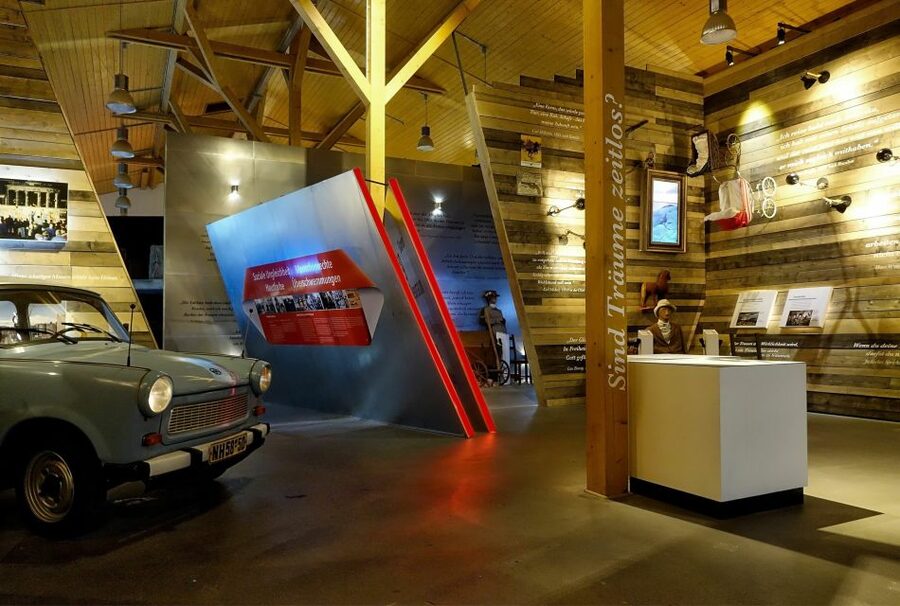
At $16 per person, the ticket is reasonably priced for a museum visit that covers three exhibition spaces, five centuries of migration, interactive material, and genealogy research.
The value depends on how you use it. If you walk quickly through the rooms in under an hour, the price may feel less convincing. If you give the museum several hours and make use of the family-history station, the ticket offers much more than a brief port attraction.
The museum also has a clear subject rather than a collection of unrelated displays. You get Hamburg’s part in European emigration, the story of Albert Ballin, life in the camps, passenger-ship experiences, global migration themes, and a changing special exhibition.
I would rate the ticket as particularly good value for families with an interest in ancestry, visitors studying migration, and anyone who wants a thoughtful indoor activity in Hamburg. It is less compelling for someone seeking a short, purely visual attraction with little reading.
You can reserve now and pay later, and cancellation is free up to 24 hours before the visit for a full refund. Those terms are useful if your Hamburg plans are still shifting.
Who will enjoy BallinStadt most?
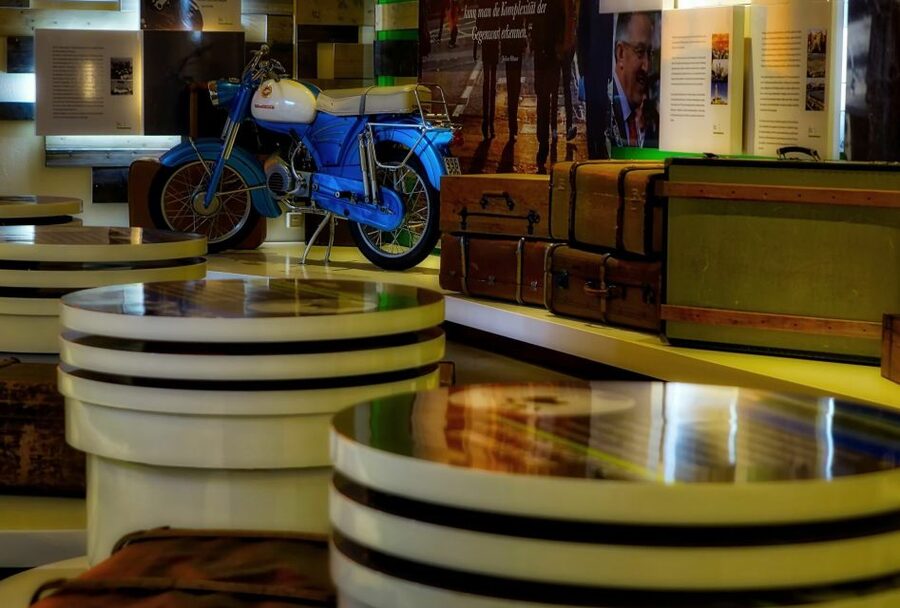
I would recommend BallinStadt to you if you like museums that connect large historical events to individual lives. It is also a strong choice if Hamburg’s port story interests you but you want more than ships, warehouses, and harbor views.
Families may appreciate the interactive displays and the clear structure of the exhibitions. The subject can lead to useful conversations about family movement, opportunity, and the meaning of home.
The museum is also well suited to anyone researching ancestry. You do not need to know that you have a relative connected to Hamburg to use the research station, but having some family names or places ready will make your time more productive.
You may want to skip it if you have very little time in Hamburg or dislike reading-based museum visits. The experience is not a guided tour, and the museum does not provide a named guide or fixed commentary. You make the most of it by setting your own pace and choosing the themes that matter to you.
Should you book the BallinStadt ticket?
Book this museum if you want to understand why Hamburg became such an important departure point for Europe and if you enjoy connecting public history with private family stories. The strongest parts are the clear look at life before departure, the 14-room World in Transit exhibition, and the chance to search your own ancestry.
Plan for several hours, arrive ready to read, and bring family details if genealogy interests you. At $16, it is a sound choice for a substantial indoor visit, though it is not the right pick for a quick attraction or a ship museum focused mainly on vessels.
FAQ
Where does the BallinStadt visit begin?
Check in at the ticket office in House 1.
How long is the ticket valid?
The ticket is valid for one day. Check availability for the starting times offered.
What is included in the ticket?
The ticket includes museum entry.
Are food and drinks included?
No. Food and drinks are not included.
Is the museum wheelchair accessible?
Yes, the activity is wheelchair accessible.
Are pets allowed inside?
No. Pets are not allowed.
Is parking available at BallinStadt?
Yes, free parking is available at the museum.
Can I research my family history there?
Yes. The museum has a research station where you can use a large genealogical database to investigate your family history.
Can I cancel the booking?
Yes. You can cancel up to 24 hours in advance for a full refund. You can also reserve now and pay later.
Just added in Hamburg
- Hamburg: St. Pauli Food and Bier Tour★ 4.7 · 5 reviews
- Hamburg: Private Tour Red Light District Walking Tour★ 4.7 · 227 reviews
- St. Pauli Tour: Drag-Attack with Barbie Stupid & Lee Jackson★ 4.8 · 280 reviews
- St. Michael’s, Elbe Tunnel & Harbor 2-Hour Hamburg Tour★ 4.9 · 21 reviews
- Hamburg: Safari tour in St. Pauli★ 4.9 · 11 reviews
- Satt Pauli – der kulinarische Rundgang durch St. Pauli★ 4.8 · 12 reviews
- Radtour um die Alster & durch traumhafte Alsterviertel★ 4.9 · 34 reviews
- Hamburg: Reeperbahn Comedy Club★ 4.3 · 53 reviews
Museums, compared.




Skip-the-Line: Berlin Wall Museum at Checkpoint Charlie
Read our review →
Browse the lists this tour appears in