
Reviewed · BERLIN WALL AND COLD WAR TOURS
Berlin: Muro,Guerra Fría y Museo de la Stasi
Berlin’s Cold War story feels most real when you leave the famous postcards behind. This four-hour Spanish-language tour links the Berlin Wall and Death Strip with Bernauer Strasse, former ghost stations, Frankfurter Allee, and the Stasi Museum, where you see how East Germany watched and controlled its own people. Guides such as Constantino and Jordi have led the route with plenty of detail and personal warmth.
I like the way this tour moves beyond Checkpoint Charlie and the usual wall fragments. I also like the mix of outdoor sites and the Stasi Museum, which gives the political story a human edge. The main thing to consider is pace: four hours, several neighborhoods, and public transport make this a serious history lesson rather than a relaxed stroll.
Key points to know before you book
- The Death Strip makes the Wall easier to understand: You see the controlled zone behind the concrete barrier, not just a painted section of wall.
- Bernauer Strasse offers some of Berlin’s clearest Cold War evidence: The memorial brings together wall remains, escape stories, and the former border area.
- The Stasi Museum shows control at close range: You learn how East Germany’s secret service monitored daily life.
- Former ghost stations add an unusual angle: The underground system reveals how division affected ordinary movement through the city.
- This is a Spanish-language history tour: Previous guides have included Constantino and Jordi, both praised for detailed, engaged explanations.
- Budget extra for public transport: A Berlin AB day ticket is required and is not included in the $41 price.
Why this Cold War tour is different from a standard Berlin walk
Many Berlin history tours focus on a short section of wall, a few memorials, and the broad story of how the city was divided. This experience takes a wider view. You follow the political split through streets, transport routes, border installations, and secret-police offices.
That range matters. The Berlin Wall was not only a concrete barrier. It changed where people could live, work, travel, worship, and meet family. A good guide can help you connect those small daily limits with the larger events of the Cold War. The route is designed to do exactly that, using several parts of the city rather than one central monument.
You also get the benefit of Spanish commentary throughout the tour. That is especially useful for a subject filled with political terms, dates, and place names. The guide can explain the difference between East and West Berlin, the purpose of the border zone, and the fall of the Wall without making you rely on a museum label translated in your head.
The tone should appeal to you if you want facts with human stories attached. Constantino has been praised for his enthusiasm and anecdotes, while Jordi has been described as detailed, professional, and engaged. Guide assignments can change, so book this for the route and language rather than expecting one particular person.
More Berlin Wall and Cold War Tours in Berlin:
- Berlin: Third Reich and Cold War 2 Hour Walking Tour
★ 4.9 · 6,830 reviews - Berlin’s Best: 2 Hour Walking Tour Third Reich and the Cold War
★ 5.0 · 5,486 reviews - Berlin: DDR Museum Tickets
★ 4.3 · 3,443 reviews
Starting at Alexanderplatz with Berlin’s divided past in view
The meeting point is beside the only entrance to the Fernsehturm, Berlin’s television tower, at Alexanderplatz. Look for a green flag marked tours en español, next to Espresso House, between the tower and Alexanderplatz train station.
This is a practical meeting place, but Alexanderplatz also gives the tour a useful starting point. The square was one of the best-known public spaces in East Berlin, and its large-scale design still reflects the former socialist capital. You can arrive by train, tram, or subway, but remember that the required Berlin AB transport ticket is your responsibility.
The tour lasts four hours, so arrive ready to stay on your feet and move between locations. The exact order can vary, but the experience combines walking with public transport. That makes the AB day ticket more useful than buying individual rides if you plan to continue sightseeing after the tour.
At $41 per person, the price is fair if you want a guided history lesson rather than a quick orientation walk. You are paying for four hours of Spanish explanation across several parts of Berlin. You should also add the cost of your transport ticket when comparing this with other options.
Seeing the Wall as a border system at the Death Strip
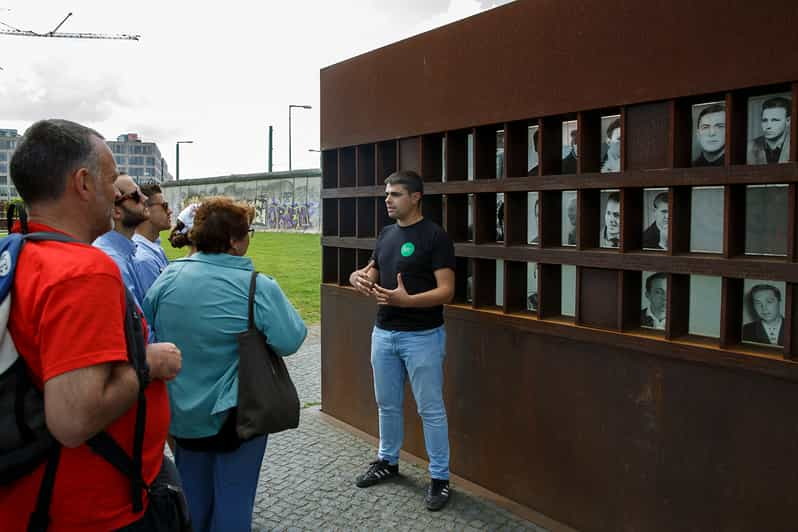
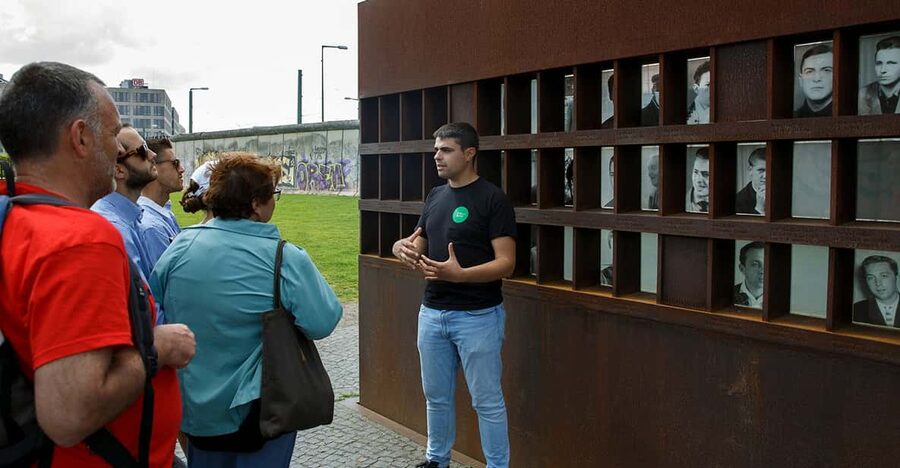
The remaining pieces of the Berlin Wall are often treated as a symbol, but the Death Strip shows the Wall as a working border system. Here, the important question is not only how high the concrete wall was. It is how many layers of control surrounded it.
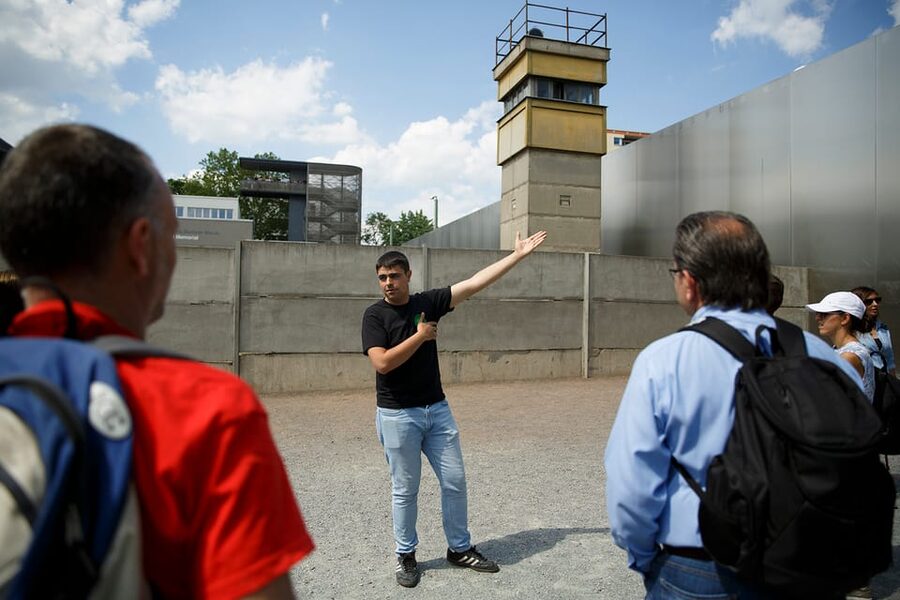
The border zone could include fences, patrol routes, watchtowers, lights, and open ground designed to expose anyone trying to cross. The tour explains why the wall was built, how the border operated, and what made escape attempts so dangerous.
That context changes the way you look at surviving Wall sections. Without it, you might see a slab of concrete and a few painted murals. With it, you can picture the barrier as part of a much wider system that cut through streets and separated neighbors.
The tour also covers the inventive ways some Berliners tried to cross. The information provided does not promise a particular escape tunnel, house, or watchtower visit, so you should not book expecting one famous escape site. Instead, expect the guide to explain the range of methods and the risks involved.
This is one of the strongest parts of the experience for first-time visitors. It gives you the basic structure needed to understand later stops, especially Bernauer Strasse and the Stasi Museum.
Bernauer Strasse, where homes became part of the border
Bernauer Strasse is one of the most important stops on the route because the Wall did not simply run through empty land. It cut across a living neighborhood.
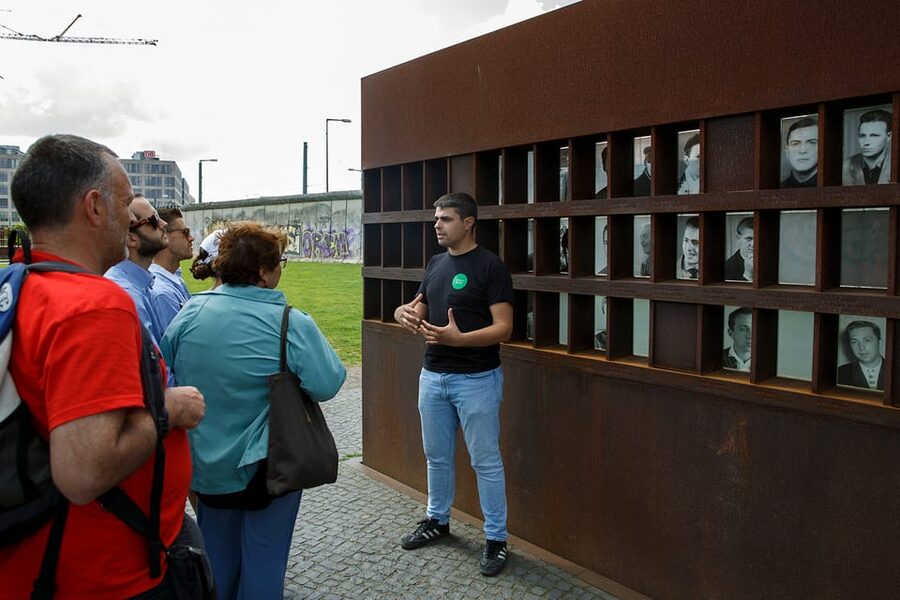
The street became known for dramatic escapes and painful separations. Buildings stood close to the border, and the relationship between homes, sidewalks, windows, and the Wall made the division especially stark. The memorial preserves sections of the former border area and helps you see how ordinary architecture became part of Cold War politics.
I find Bernauer Strasse more useful than a short stop at a decorative Wall fragment because the site explains the physical layout. You can better understand the space between barriers, the danger of crossing, and the pressure placed on residents who lived right beside the border.
The memorial also gives the guide room to explain how the city changed after reunification. Berlin did not simply remove the Wall and return to normal. Streets, neighborhoods, transport links, and personal lives had to be repaired and reconnected over time.
Allow yourself to listen rather than rushing through for photographs. The value here lies in the relationship between the surviving structures and the story being told. Since the tour includes several major subjects, your time at each stop may be limited, but Bernauer Strasse is likely to be one of the places where the history feels most immediate.
A few more half-days in Berlin worth comparing
- Berlin: Reichstag, Dome and Government District Guided Tour
★ 4.7 · 18,288 reviews - Berlin: 1-Hour City Tour by Boat with Guaranteed Seating
★ 4.3 · 16,993 reviews - Berlin: Boat Tour Along the River Spree
★ 4.4 · 11,252 reviews - Discover Berlin Half-Day Walking Tour
★ 5.0 · 9,624 reviews
Frankfurter Allee and the East Berlin city that remained
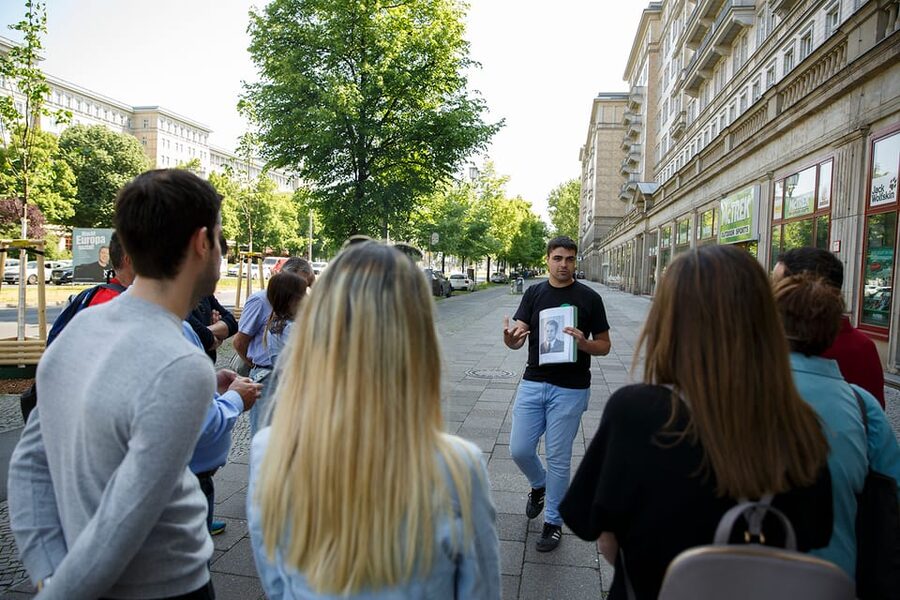
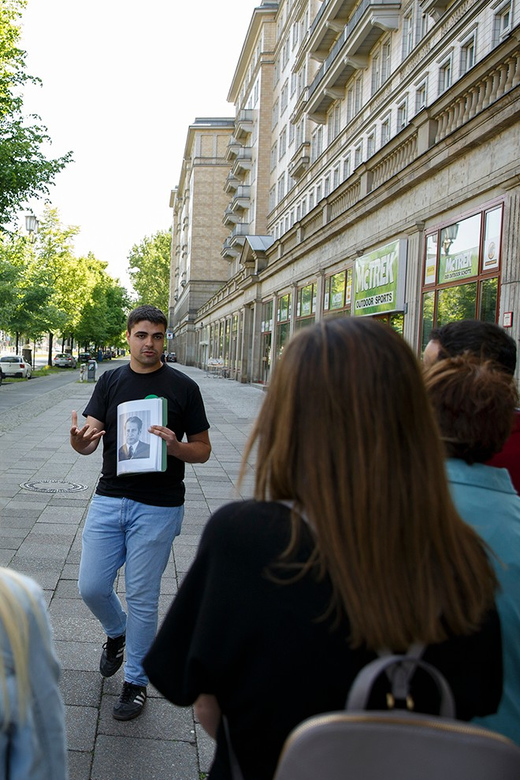
Frankfurter Allee adds a different piece to the story. Instead of focusing only on the border, the tour uses this major avenue to discuss life inside East Berlin.
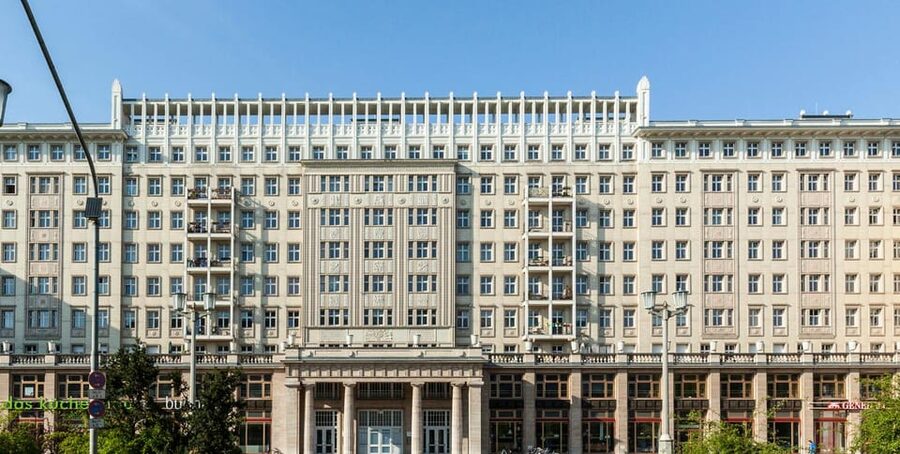
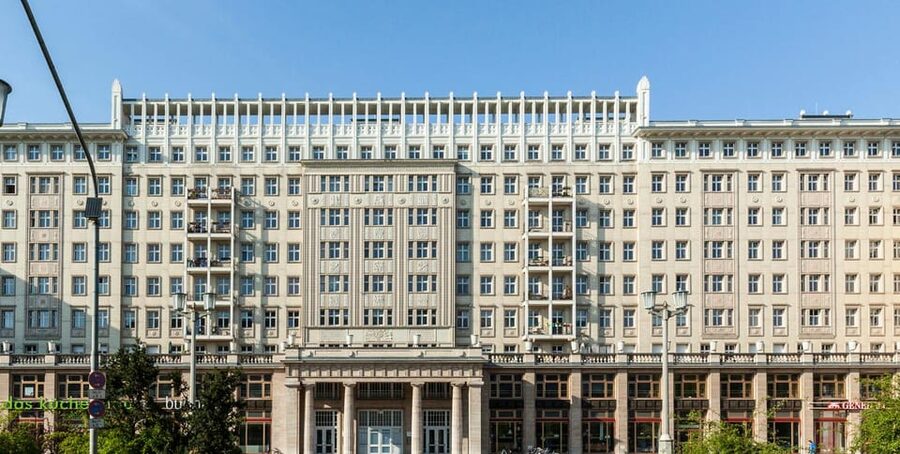
Large avenues and monumental buildings helped express the ideals of the socialist state. They were designed not only for transport, but also for ceremonies, public display, and the presentation of a planned society. The guide uses the area to explain how East Berlin looked and functioned before 1989.
This stop is valuable because it keeps the tour from becoming a wall-only experience. The Cold War was present in housing, shopping, public spaces, work, and official architecture. A divided city had its own urban rhythm, and Frankfurter Allee helps you see that the division shaped much more than the border line.
You might find this section less instantly dramatic than the Death Strip or Bernauer Strasse. That is not a flaw, but it does mean you should pay attention to the explanation. The point is to read the city itself, not simply check off a monument.
For visitors interested in architecture and urban planning, this may be one of the more rewarding stops. For families or younger participants, it may need extra explanation to connect the broad avenue with daily life under East Germany’s political system.
Former ghost stations and the cost of crossing Berlin
The former ghost stations are among the tour’s most unusual subjects. During the division, some underground stations in East Berlin were closed or sealed because subway lines from West Berlin passed through East Berlin territory.
Trains could pass through without stopping, creating eerie underground spaces that were visible but inaccessible. The arrangement shows how the Wall affected movement in ways that were easy to miss above ground. A journey that should have been simple became a matter of borders, surveillance, and political control.
This stop works well because it takes the Cold War out of the open air. You begin to see how division affected infrastructure, not just streets and families. The underground system had to be managed around the border, and the result was a strange network of stations that existed in plain sight but could not be used normally.
The supplied details do not specify which former stations you visit or whether you enter a station interior. Plan on learning about the ghost stations and seeing relevant locations as the route allows, rather than expecting a special underground tour.
Your AB ticket matters here. Public transport is not an optional extra on this experience, since the route depends on moving between parts of Berlin. Buy the required Berlin AB day ticket before the tour or allow time to do so near the start.
Inside the Stasi Museum and the machinery of surveillance
The Stasi Museum gives the tour its strongest look at how East Germany maintained political control. The Stasi, or state security service, monitored citizens, gathered information, and worked to identify opposition. At the museum, you learn about the methods used to watch and pressure the population of East Berlin.
The museum is especially useful after the Wall sites. First you see how the state controlled the border. Then you see how it tried to control people within the country. That broader connection helps explain why the Cold War was not only a conflict between two military blocs. It also shaped private conversations, friendships, workplaces, and family life.
The museum setting can make the subject feel more concrete than a guide’s explanation alone. Objects, offices, documents, and surveillance methods help you understand the routine side of repression. The focus is not just on famous leaders. It is on the systems used to gather information and limit personal freedom.
One point deserves careful attention when you book. The experience includes a visit to the Stasi Museum, but one past participant expected a fully guided museum visit and found the itinerary unclear on that point. The safest assumption is that the guide explains the museum as part of the tour, but the amount of time spent with the guide inside may vary. If a guided museum tour is essential to you, confirm that detail before paying.
What four hours feels like on this route
Four hours is long enough to cover a serious amount of ground, but not long enough for a slow, detailed visit at every location. You will need to accept a clear tradeoff: broad coverage and expert explanation in exchange for limited free time at individual sites.
The route combines outdoor history with transport and a museum visit. Wear comfortable shoes and bring water, since food and beverages are not included. The tour is listed as wheelchair accessible, though the mix of streets, stations, public transport, and museum spaces can still make it sensible to confirm the practical details when booking.
The Spanish language is a major benefit if you prefer to discuss history in Spanish. You can ask questions and follow complex explanations without stopping to translate every sentence. The guide’s role matters a lot here, and the strongest feedback has focused on professional, detailed, and enthusiastic presentation.
The subject is not light. You will hear about state control, failed escapes, divided families, and the dangers of crossing the border. That seriousness is part of the value, but this may not be the right choice if you want a casual sightseeing walk with only a little history.
Is $41 a good value for the Berlin experience?
At $41, this tour offers solid value if you want four hours of guided context in Spanish. You visit several locations that are spread across Berlin, and the route saves you the work of researching how the Wall, ghost stations, Frankfurter Allee, and the Stasi fit together.
The added transport cost is important. A Berlin AB day ticket is required and is not included, so your real cost will be higher than the advertised tour price. Still, the same day ticket can cover your other Berlin journeys, which reduces the sting if you plan to use public transport afterward.
The price is less attractive if you want lots of museum time or a slow walk with long stops for photographs. It is also less useful if you already know Berlin’s Cold War story well and prefer to explore independently.
For a first visit, the value is strongest. You get a framework for later visits to the Wall Memorial, Stasi Museum, or other Cold War sites. The guide helps you understand what you are seeing instead of leaving you to piece together disconnected monuments.
Who should book this Spanish-language route?
I would recommend it most strongly to you if:
- You want a Spanish-speaking guide for a difficult and detailed subject.
- You are visiting Berlin for the first time and need the Cold War story organized clearly.
- You want more than the central Wall landmarks.
- You are interested in political history, urban planning, public transport, or daily life in East Berlin.
- You are comfortable using public transport and spending four hours on a structured route.
You may prefer another option if you want a short, relaxed walk, a fully guided museum-only visit, or plenty of time at each stop. The tour covers a lot, and the subject demands attention.
FAQ
What language is the tour conducted in?
The tour is conducted in Spanish with a live Spanish-speaking guide.
How long does the tour last?
The experience lasts four hours.
Where does the tour meet?
Meet beside the only entrance to the Fernsehturm at Alexanderplatz, between the television tower and Alexanderplatz train station, next to Espresso House. Look for a green flag marked tours en español.
Is public transport included in the price?
No. You must buy a Berlin AB transport ticket separately. A one-day AB card is required for the tour.
Does the tour visit the Stasi Museum?
Yes. The experience includes a visit to the Stasi Museum. The exact amount of guided time inside the museum should be confirmed if that is especially important to you.
Can I cancel the booking?
You can cancel up to 24 hours before the tour for a full refund. You can also reserve now and pay later.
Should you book this Berlin Cold War tour?
Book it if you want Berlin’s Cold War story explained in Spanish and prefer a connected route over isolated sights. The Death Strip, Bernauer Strasse, ghost stations, Frankfurter Allee, and the Stasi Museum each show a different part of divided life, and together they give you a useful understanding of how the city was controlled and how it changed.
The main cautions are simple: bring money for the AB transport ticket, expect a brisk four-hour schedule, and do not assume the Stasi Museum portion is a separate guided museum tour unless you confirm it. For the right audience, $41 is a sensible price for a focused, serious look at the Berlin that existed behind the Wall.
Just added in Berlin
- Berlin & The Third Reich Private Guided Tour★ 5.0 · 3 reviews
- Third Reich Quest Experience in Berlin★ 4.5 · 7 reviews
- Private Analogue Photography Experience in Berlin★ 5.0 · 3 reviews
- Berlin: Guided Bike tour of the Berlin Wall and Third Reich★ 5.0 · 160 reviews
- Berlin Urbex Adventure and History Tour★ 5.0 · 9 reviews
- The Beauty of Berlin by Bike: Private Tour★ 5.0 · 59 reviews
- Beyond Currywurst: Berlin’s Hidden Street Food & Culture Tour★ 5.0 · 100 reviews
- Berlin Third Reich & Cold War Walking Tour With A Guide★ 5.0 · 7 reviews
Berlin Wall and Cold War Tours, compared.

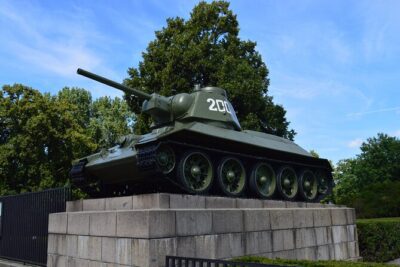
Berlin’s Best: 2 Hour Walking Tour Third Reich and the Cold War
Read our review →
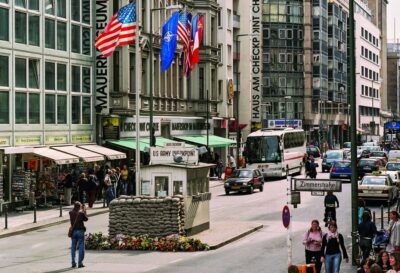
Skip-the-Line: Berlin Wall Museum at Checkpoint Charlie
Read our review →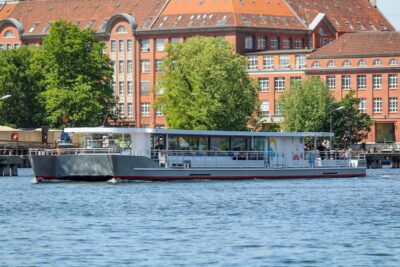
East Side Gallery Spree Cruise in a Solar Catamaran
Read our review →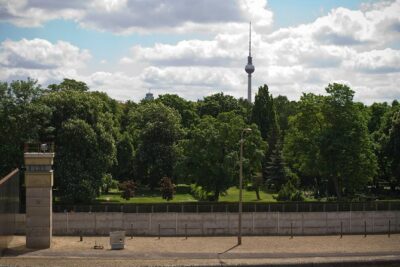
Cold War, Berlin Wall, Spies and the East Side Gallery
Read our review →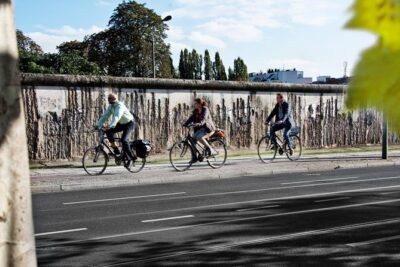
Guided Bike Tour of the Berlin Wall and Third Reich
Read our review →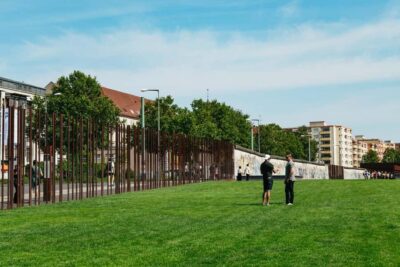
Browse the lists this tour appears in