
Reviewed · ATTRACTION TICKETS
Berlin: Deutschlandmuseum – Flexible Entrance Ticket
Berlin’s Deutschlandmuseum turns 2,000 years of German history into a walk through twelve carefully staged eras. You move from the Battle of Varus to the 2006 summer football celebration, seeing period objects alongside interactive media and room-sized historical scenes.
I like the clear, lively presentation, especially for families and visitors who find traditional museums too text-heavy. I also like the flexible ticket, which lets you arrive during the valid day without pre-registration and use a separate entrance to avoid the main queue.
The trade-off is depth. This is a fast, visual introduction rather than a place for detailed historical study, and a crowded visit can make the experience less enjoyable.
Key points to know before you go

- Twelve historical eras: Follow a broad timeline from the Battle of Varus to the 2006 World Cup summer.
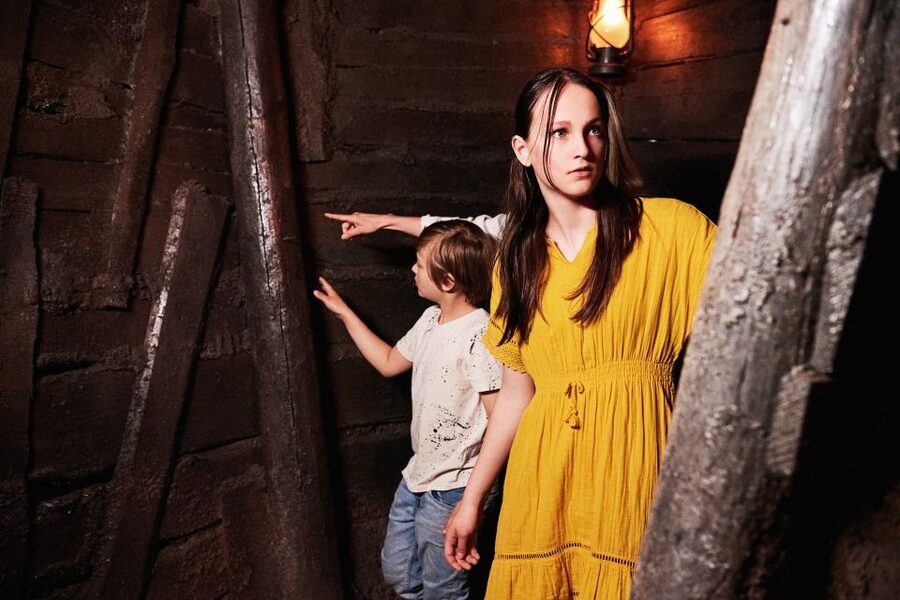
- History uses more than labels: Period objects, staged rooms, and interactive media give each section a physical and visual setting.
- Good for families: The simple explanations and atmospheric presentation make difficult subjects easier for children to follow.
- A one-day flexible ticket: You do not need to reserve a precise arrival time in advance.
- Separate entrance: The ticket includes a skip-the-line entrance, useful when Berlin sightseeing is already running on a tight schedule.
- Main limitation: Expect an entertaining overview, not a detailed account of every political, social, and military development.
Twelve eras of German history in one visit
The Deutschlandmuseum is built around a simple idea: history is easier to grasp when you can see its setting and connect it with objects and media. Instead of moving through long rows of display cases, you pass through historical turning points presented as staged environments.
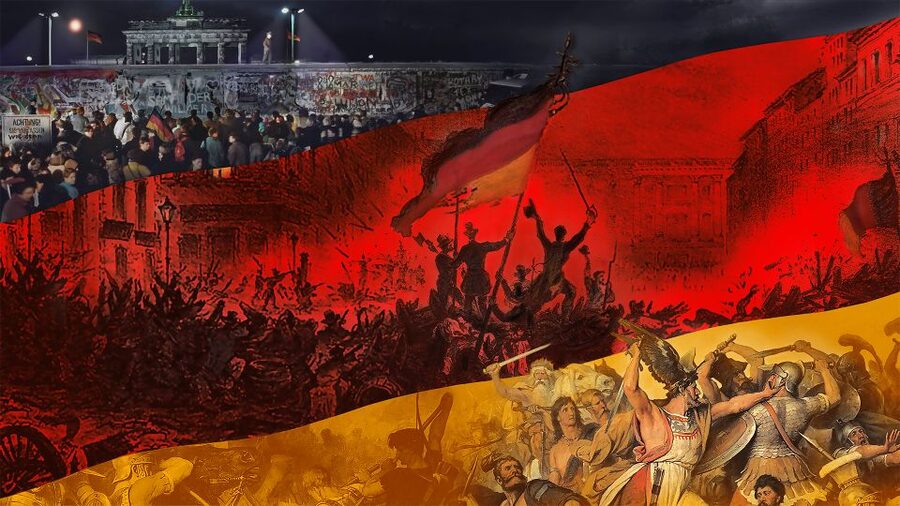
The route covers twelve eras across roughly 2,000 years. That is a huge amount of time to fit into one museum, so the visit favors key moments and broad impressions. You are not being asked to read every detail of German history. You are being shown selected scenes that help place major events in time.
That approach works best if you want an introduction to Germany before visiting more specialized museums, memorials, or historic sites. It also works well if you are traveling with children who need a clear story and something physical to look at.
The museum begins with the ancient past and includes the Battle of Varus, a major event in the Roman period. From there, the route moves through later stages of German history until it reaches the 2006 World Cup summer, a modern moment associated with a particularly upbeat period of national celebration.
The exact balance between eras matters. Some periods receive only a short treatment because the museum has to cover so much ground. You should expect a selection of turning points, not a full political chronology.
More Attraction Tickets in Berlin
- Berlin: Jewish Museum Berlin Entrance Ticket
★ 4.5 · 8,393 reviews - Berlin: Berlin Story Bunker Entry Ticket
★ 4.6 · 6,759 reviews - Berlin: Illuseum Berlin Entrance Ticket
★ 4.1 · 3,970 reviews
Why the staged rooms make history easier to follow
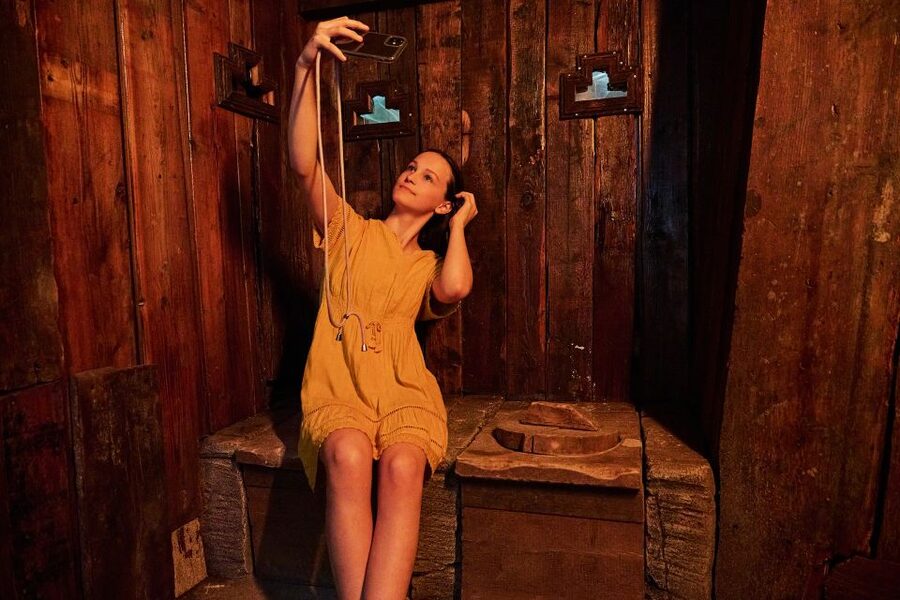
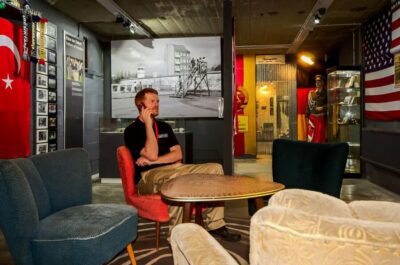
A period object in a glass case can be useful, but it can also feel remote. The Deutschlandmuseum places historical exhibits inside settings designed to suggest the time being discussed. Interactive media adds another layer, helping you connect the object with the event or period around it.
This is especially useful when you are not already familiar with German history. The museum gives you visual anchors. You may remember a room, an object, or an interactive moment more easily than a page of dates.
The method also makes the visit more physical. You are not simply standing in front of information panels. You move through a sequence of scenes, each with its own atmosphere and focus. That is where the museum’s promise of using all your senses has practical value.
Still, staged history needs careful handling. A recreated scene can make an event easier to picture, but it cannot contain every point of view or every consequence. I would treat the museum as a starting point. If one era catches your interest, use it as a reason to visit a more detailed historical museum or memorial afterward.
From the Battle of Varus to the 2006 summer

The museum’s time span gives the visit a strong sense of movement. The Battle of Varus provides an early anchor, while the 2006 World Cup summer brings the story close to modern life.
These two examples also show the range of the route. One deals with a major conflict in the ancient world. The other evokes a recent public mood tied to football and national celebration. Between them, the museum presents ten other eras and historical turning points.
You should not expect every century to receive equal attention. A museum built around turning points naturally favors moments of change, conflict, and public importance. Quiet social developments may receive less space than major events.
That is not necessarily a flaw. For a first visit to Germany, a clear sequence of memorable scenes can be more useful than an encyclopedic display. If you already know German history well, the broad treatment may feel too light.
The best way to use the route is to notice what each scene is trying to explain. Ask yourself what changed, who was affected, and what the selected object or media element adds. That small effort turns a quick walk through the museum into a more thoughtful visit.
A family-friendly way to explain difficult subjects
The museum’s simple presentation is one of its strongest features. Historical subjects can be hard for younger visitors when they are explained only through dates and long text panels. Sets and interactive media give children more ways to understand what they are seeing.
The atmosphere also makes the experience suitable for mixed-age groups. Adults can follow the larger historical story while children respond to the visual details and hands-on elements. One of the supplied impressions specifically points to the pleasant atmosphere for children and the easy explanations.
That simplicity has a limit. If you want detailed causes, competing interpretations, or a close look at original documents, you may need another museum afterward. The Deutschlandmuseum is better at making history approachable than at settling every historical question.
I would recommend it to families who want one shared activity in Berlin. It also suits adults who prefer an active museum format, visitors with limited time, and anyone looking for a broad introduction before exploring Germany further.
Same city, a completely different kind of day:
- Berlin: Reichstag, Dome and Government District Guided Tour
★ 4.7 · 18,288 reviews - Berlin: 1-Hour City Tour by Boat with Guaranteed Seating
★ 4.3 · 16,993 reviews - Berlin: Boat Tour Along the River Spree
★ 4.4 · 11,252 reviews - Discover Berlin Half-Day Walking Tour
★ 5.0 · 9,624 reviews
How much time should you allow?
The ticket is valid for one day, but the available information does not set a fixed visit length. That gives you room to plan around the rest of your Berlin schedule rather than treating the museum as a timed tour.
You can arrive when it fits your day, without pre-registration for a specific appearance. That is helpful if you are combining the museum with nearby sights, a meal, or a weather-dependent plan.
Your actual time inside will depend on how closely you study the exhibits and use the interactive media. A quick visit will give you the main sequence of eras. A slower visit lets you pause at the historical objects and consider how each scene connects to the next.
I would avoid treating the museum as a quick five-minute stop. The route covers twelve eras, and rushing would reduce the value of the staged presentation. At the same time, you do not need to reserve an entire day solely for the museum. The one-day validity refers to the ticket, not a required full-day program.
The $30 price and what you get
At about $30 per person, this is not a bargain-priced museum stop. Its value depends on how much you like interactive presentation and how useful a broad introduction to German history would be for you.
The ticket includes entry to the Deutschlandmuseum, a separate skip-the-line entrance, and flexible arrival without pre-registration. Those practical features matter in Berlin, where an easy entry can save time and make your day simpler.
The price is easier to justify for families because several age groups can engage with the same display. It may also make sense if you prefer one lively overview rather than paying for several smaller historical attractions.
For a serious history reader, the value is less certain. The museum does not aim to provide extensive depth across all twelve eras. If you want archival material, long-form interpretation, or specialist detail, you may find the price high for an overview.
My advice is to compare the museum with your purpose. Book it for presentation, atmosphere, and ease. Skip it if your main goal is exhaustive historical detail.
Crowds can change the experience
The flexible format is useful, but it may also mean that popular periods of the day become busy. One piece of direct feedback describes a visit that felt too full and did not match expectations.
That warning is worth taking seriously. Staged rooms and interactive displays need space. When too many people gather around one scene, you may have trouble seeing the details or taking part in the media elements.
A quieter visit will likely give you more time with each era. Since the ticket does not require a fixed arrival time, you have some freedom to choose a less pressured moment in your Berlin schedule. The available information does not promise a quiet period, so you should not assume the museum will always be calm.
Your expectations matter here. If you picture a quiet, scholarly museum, the active and atmospheric setup may surprise you. If you expect a popular, family-friendly attraction, the format will make more sense.
Access and booking flexibility
The museum is wheelchair accessible, which makes the experience more practical for visitors who need step-free access. The information provided does not describe specific routes or facilities beyond that, so you may want to confirm any detailed access needs before booking.
You can cancel up to 24 hours before the visit for a full refund. A reserve-now, pay-later option is also available, allowing you to keep your plans flexible without paying at the time of booking.
The ticket is valid for one day, and you do not need to pre-register your appearance. There is also a separate entrance for skip-the-line access. These details are small, but they help when your Berlin plans are changing or when you are fitting the museum around other activities.
Who will enjoy the Deutschlandmuseum most?
I would put this museum high on the list for:
- Families looking for a shared activity that children can follow.
- First-time visitors who want a quick, visual introduction to German history.
- Adults who prefer staged rooms and interactive media to long text panels.
- Visitors with a flexible Berlin schedule who value easy entry.
- People who want to connect ancient events with modern German public life.
I would be more cautious if you are a serious history enthusiast seeking detailed explanation of every era. The museum’s strength is its broad, approachable storytelling, not specialist depth.
The experience also depends on your mood. If you want something lively and accessible, the presentation should suit you. If you prefer silence, original documents, and careful scholarly detail, another museum may be a better match.
Should you book this museum?
Book the Deutschlandmuseum if you want history made visual, physical, and easy to follow. The twelve-era route, staged settings, historic objects, and interactive media offer a useful change from traditional museums, especially for families and visitors new to German history.
Think twice if you expect a detailed study of Germany’s past or dislike crowded attractions. At $30, the ticket makes the most sense when you value the format, the flexible entry, and the chance to see a wide span of history in one place.
For many visitors, it works best as an opening chapter. Use it to get your bearings, note the eras that interest you, and then explore Berlin’s more specialized historical sites with better context.
FAQ
What does the Deutschlandmuseum ticket include?
The ticket includes entry to the Deutschlandmuseum, a separate entrance that allows you to skip the main line, and flexible arrival without pre-registration.
How long is the ticket valid?
The ticket is valid for one day. You can check availability for the available starting times when planning your visit.
Which historical periods are presented?
The museum presents twelve eras covering about 2,000 years of German history. The route includes the Battle of Varus and continues through the 2006 World Cup summer.
Is the Deutschlandmuseum suitable for children?
Yes. The museum uses simple explanations, historical settings, objects, and interactive media. The atmosphere is designed to make the subject accessible for children as well as adults.
Is the museum wheelchair accessible?
Yes, the Deutschlandmuseum is wheelchair accessible.
Can I cancel or pay later?
You can cancel up to 24 hours before the visit for a full refund. A reserve-now, pay-later option is also available.
Just added in Berlin
- Berlin & The Third Reich Private Guided Tour★ 5.0 · 3 reviews
- Third Reich Quest Experience in Berlin★ 4.5 · 7 reviews
- Private Analogue Photography Experience in Berlin★ 5.0 · 3 reviews
- Berlin Urbex Adventure and History Tour★ 5.0 · 9 reviews
- The Beauty of Berlin by Bike: Private Tour★ 5.0 · 59 reviews
- Berlin: Guided Bike tour of the Berlin Wall and Third Reich★ 5.0 · 160 reviews
- Beyond Currywurst: Berlin’s Hidden Street Food & Culture Tour★ 5.0 · 100 reviews
- Berlin Third Reich & Cold War Walking Tour With A Guide★ 5.0 · 7 reviews
Attraction Tickets, compared.

Munich Hop-On Hop-Off Tour: 1-Day or 2-Day Ticket
Read our review →

Browse the lists this tour appears in