

Reviewed · ATTRACTION TICKETS
Bremerhaven: German Emigration Center Entrance Ticket
The most moving part of the German Emigration Center is its personal approach. Instead of giving you a wall of dates, it places you beside emigrants at the quay, sends you aboard passenger ships, and follows the nerve-racking process of entering a new country. Your electronic iCard gives the visit a human face by linking you to one individual’s story.
I like two things especially: the museum covers 300 years of migration without losing sight of ordinary people, and the free Family Research room lets you look into your own family’s past. The main consideration is time. You should arrive at least two hours before closing, and several hours is better if you want to use the research computers.
- Seven million departures: Follow the paths of Europeans who left through Bremerhaven for the New World.
- One personal story: Your iCard activates audio stations and interactive displays tied to an individual emigrant.
- Three eras at sea: See how passenger travel changed, including life aboard the ocean liner Columbus in 1929.
- Ellis Island recreated: Face an immigration test before continuing to Grand Central in New York.
- Free family research: Get help searching for ancestors in the dedicated Family Research room.
- Wheelchair access with a caveat: The museum is accessible, but some old ship sections are tight and require careful maneuvering.
Why the German Emigration Center feels personal
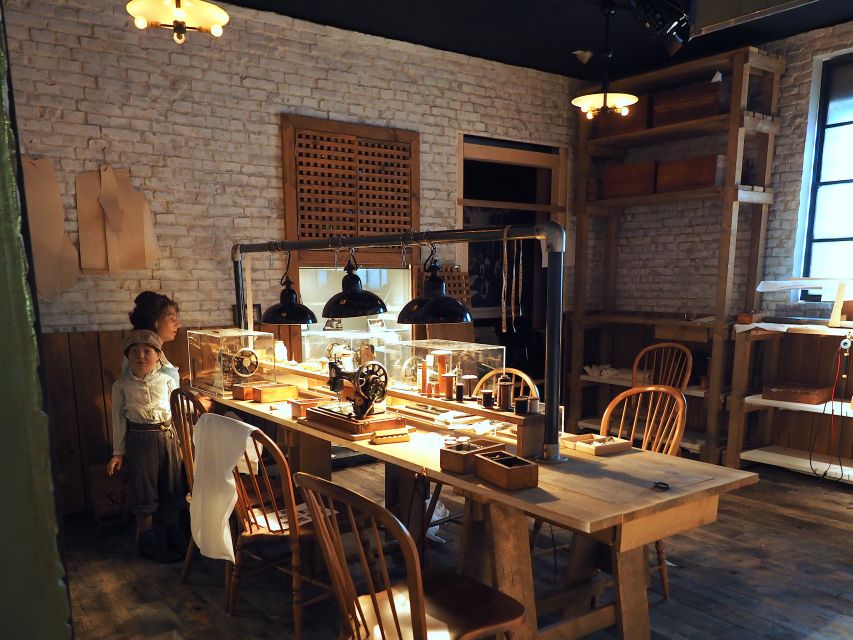
The German Emigration Center is Europe’s largest and most modern museum devoted to migration. That description tells you the scale, but not the mood. The visit works best when you treat it less like a traditional museum and more like a guided story in which you take a part.
At the entrance on Columbusstraße 65, you receive an electronic boarding pass called an iCard. It is not just a ticket. Each card carries the story of a particular person who left Europe for the New World, and it activates audio points and interactive displays throughout the museum.
That choice matters. Migration can become abstract when it is reduced to population figures and political events. The iCard keeps bringing you back to one person’s decisions, fears, hopes, and practical problems. You are not simply reading about millions of emigrants. You are tracing one life through a much larger movement.
The museum’s main focus is emigration from Europe, especially the people who passed through Bremerhaven. Around seven million Europeans left their homes through this port on their way to North America and other parts of the New World. The museum places those departures within a wider 300-year story that also includes immigration to Germany.
The quay and the last farewell

Your journey begins at the quay, where emigrants from different European countries wait to leave. This is one of the strongest sections because it focuses on the emotional moment before departure. Families had to say goodbye without knowing when, or if, they would meet again.
You follow your iCard’s person through this departure setting. Audio stations and displays add details as you move, so the experience has a clear sense of progress. The museum asks you to consider why someone would give up a familiar home, language, work, and family network for an uncertain future.
This part is especially useful for families with children or teenagers because it gives migration a human scale. You can talk about the difference between choosing to move and being forced to move, and about the practical questions that faced emigrants: where they would sleep, how they would earn money, and what would happen when they arrived.
Do not rush this first section. It establishes the emotional stakes for everything that follows. If you speed past it, the later ship and immigration displays become little more than attractive scenery. Give yourself time to listen and read before moving on.
More Attraction Tickets in Bremen:
- Bremen: Universum Science Center Entrance Ticket
★ 4.6 · 324 reviews - Bremen: Übersee Museum Entrance Ticket
★ 4.3 · 59 reviews - Berlin: Jewish Museum Berlin Entrance Ticket
★ 4.5 · 8,393 reviews
Life aboard three generations of passenger ships
From the quay, you board ship and see passenger travel across three different eras. This is not just a display of ship design. It shows how the experience of crossing the Atlantic changed over time, and how strongly a passenger’s class and circumstances could shape the voyage.
One example is the ocean liner Columbus in 1929. The museum lets you picture life aboard a ship from that period, when crossing the Atlantic was a major break from the world passengers knew. The ship sections also include older emigrant vessels, where space was much tighter and conditions were more basic.
The narrow passages on the old emigrant ships are worth seeing because they help you understand the physical reality of the journey. A cramped sleeping area can communicate more than a paragraph describing crowded conditions. At the same time, those spaces may be difficult for wheelchair users to navigate. The museum is wheelchair accessible overall, but the old lower decks are tight and may require careful turning and positioning.
You will want comfortable shoes and patience here. The museum does not provide a quick, one-room look at a ship. The route asks you to move through different settings, listen to stories, and stop at activated displays. The iCard keeps the experience focused, but you still control the pace.
Passing the immigration test at Ellis Island
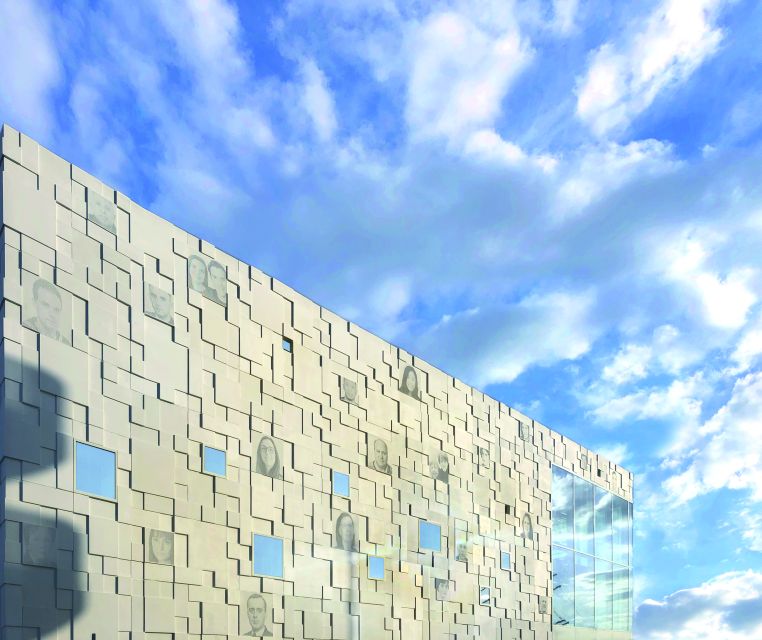
After the Atlantic crossing, the story moves to the immigration station on Ellis Island. Here, you undergo an immigration test at the legal desk, then receive an entry permit before continuing to New York.
This section makes an important point: arriving in the New World did not mean the difficult part was over. New arrivals faced official checks, uncertainty, and the possibility that they might not be allowed to enter. The legal desk places you in that moment of tension and makes the immigration process more tangible.
The use of a permit is a small but effective touch. It turns a distant administrative process into something you carry with you. You are moving through the system instead of merely reading about it.
From Ellis Island, the route continues to Grand Central in New York. This change in setting suggests the next stage of migration: finding work, housing, relatives, and a place in an unfamiliar city. The museum does not end when the ship docks. It follows emigrants into the complicated work of building a life.
From arrival to daily life in the New World
The New World sections look at what happened after arrival. The focus shifts from departure and transit to adaptation. You learn about the lives emigrants built, the conditions they faced, and the wider reasons people moved across borders.
This is where the museum’s 300-year scope becomes useful. It helps you place individual stories within larger forces. Economic hardship, political pressure, the search for work, family connections, and hopes for a better future all shaped migration decisions.
I like the way the museum connects the personal and the historical. You can follow your assigned person, then step back and consider how that story fits into broader patterns. The result is more thoughtful than a simple success story about starting over. A new life could bring opportunity, but it also demanded sacrifice and adjustment.
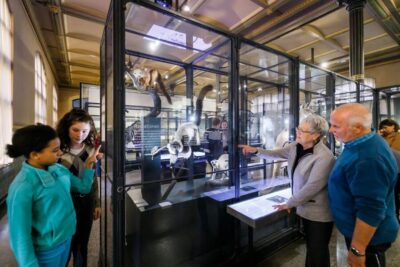
The displays are designed to make you stop and interact rather than walk straight through. Your iCard activates audio stations and other features, so your experience has a personal route through the museum. If you enjoy reading every panel and using every interactive station, plan for a long visit.
A few more half-days in Bremen worth comparing
- Bremen: Walking Tour in German with Night Guard
★ 4.7 · 2,922 reviews - Bremen: City Center Guided Walking Tour
★ 4.5 · 2,709 reviews - Bremen: Underground Guided Tour
★ 4.1 · 1,408 reviews - Bremen: 3-Hour Beck’s Brewery Tour
★ 4.6 · 1,091 reviews
Searching for your own family at the Family Research room
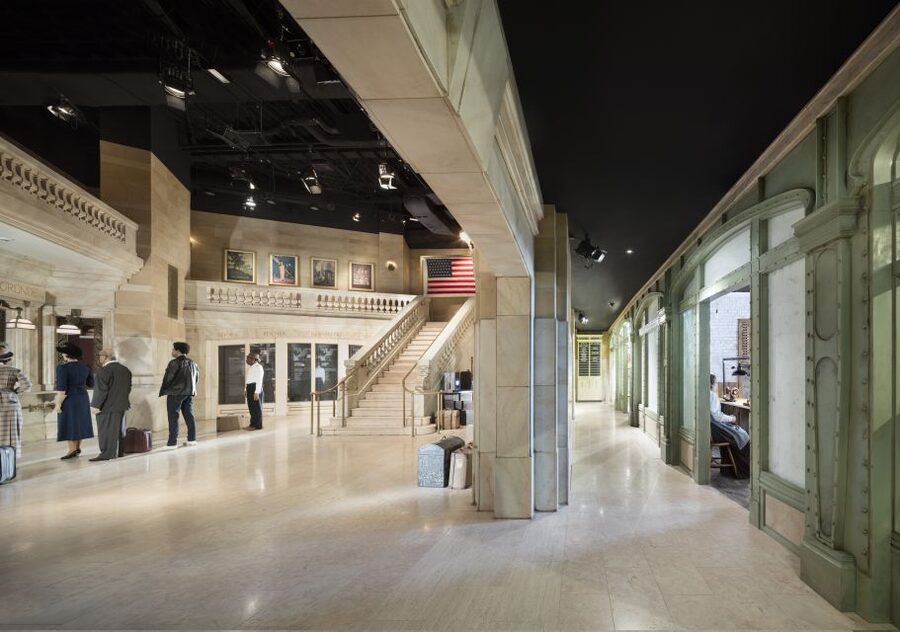
The most distinctive feature is the Family Research room. Once you finish the main route, you can investigate ancestors who emigrated through Bremerhaven or other migration connections. The service is free, and a trained assistant is available to guide you.
This is not a guaranteed family-history result. Your success will depend on the information you already have and on the records available for your family. Bring names, approximate dates, places, and any family documents you know about if you want to make the search more useful.
You should also protect enough time for this room. The research computers can be popular, and all stations may be occupied at busy times. That makes arriving early a practical choice, especially if genealogy is your main reason for visiting.
The research room adds value even if you do not find a direct ancestor. It gives you a better sense of how family history is assembled from names, dates, destinations, and fragments of evidence. For anyone who has heard stories about a great-grandparent leaving Europe, this can be the part of the visit that stays with you longest.
How much time should you allow?
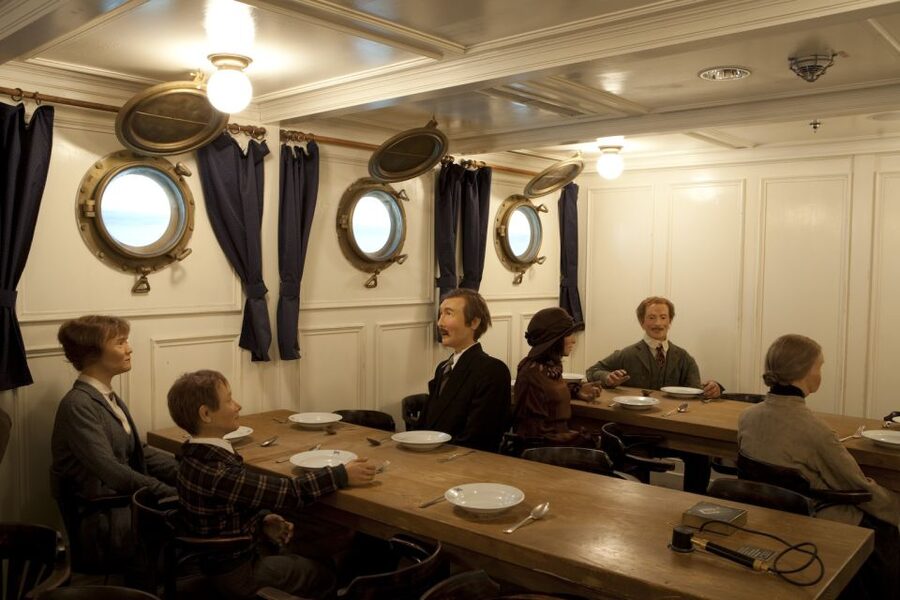
Your ticket is valid for one day, but the museum does not give you a set tour length. You can move at your own speed, and the experience is better when you allow time for audio stations, interactive displays, ship sections, and the Family Research room.
At minimum, arrive two hours before closing. That is the museum’s stated guidance, and it is sensible. Arriving near closing time may leave you rushing through the main route or skipping the family-history search.
I would allow several hours if you want the full experience. The museum has enough material for a serious visit, but you do not need to treat every display as an obligation. Follow your iCard’s story first, then spend extra time in the sections that connect with your interests.
Food and drinks are not included, so plan around your visit. The admission covers the museum entrance, the iCard experience, and access to the Family Research service, but not refreshments.
Is the $23 admission good value?
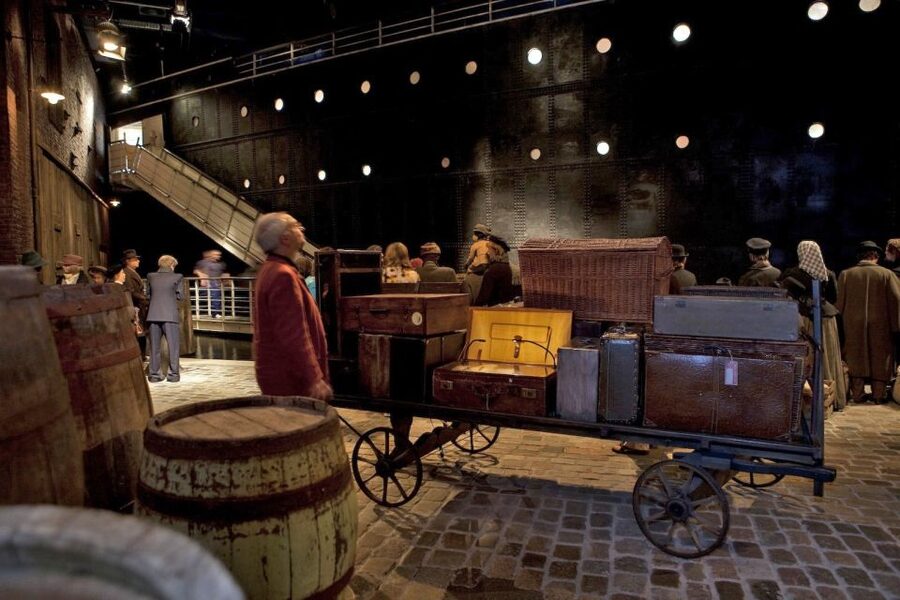
At about $23 per person, the ticket is fairly priced for a museum visit that can occupy much of a day. You are paying for more than static displays. The price includes the electronic iCard experience, the interactive route through the museum, and access to the free family-history research service.
The best value comes if you use the museum’s full range of features. Someone who walks through quickly and skips the research room may find the price less compelling. Someone who follows the audio stations, studies the ship sections, and spends time with family records can get several hours from the ticket.
The personal format also gives the museum an advantage over a standard history exhibition. You have a story to follow, and the route from quay to ship to Ellis Island to New York gives the visit a clear shape. That structure helps younger visitors stay engaged, while the historical material gives adults plenty to consider.
You can also reserve now and pay later, which may help if you are planning a larger trip and want to keep your schedule flexible. Cancellation is free up to 24 hours in advance for a full refund.
Who will enjoy this museum most?
I recommend the German Emigration Center to anyone interested in genealogy, migration, maritime travel, or family history. It is also a strong choice for families because the museum asks you to act and listen, not just read.
It suits visitors who prefer a substantial indoor attraction rather than a short sightseeing stop. The iCard route gives the visit a clear narrative, but you still need to bring curiosity and enough time.
Wheelchair users can access the museum, though the tight shipboard areas require care. If you have limited maneuverability, expect the older emigrant-ship sections to be more demanding than the rest of the building. Assistance dogs are allowed, but other pets are not.
This is less suitable if you want a quick activity between trains or harbor stops. The museum rewards patience. Its emotional sections may also feel serious, especially when you consider the risks and uncertainty faced by people leaving home.
Practical details before you go
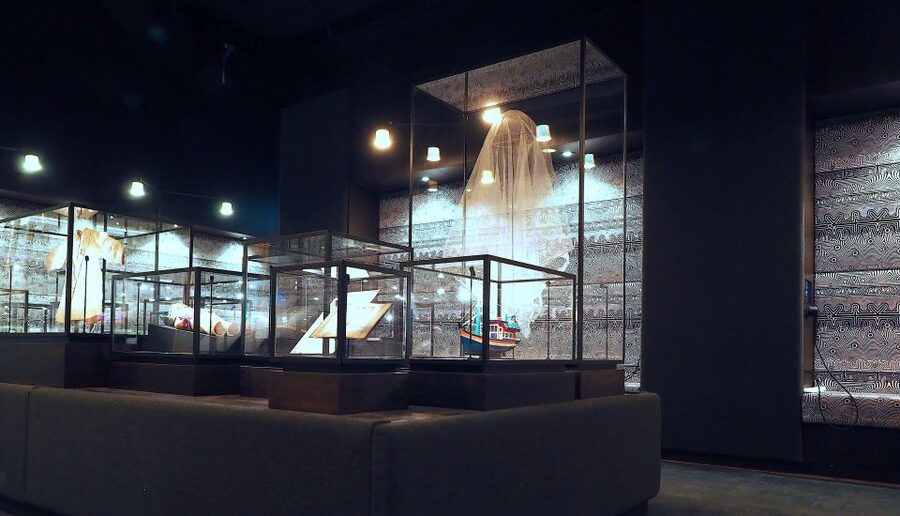
Use the main entrance at Columbusstraße 65 in Bremerhaven. The activity ends at the same location, so you do not need to arrange a separate pickup or return transfer.
Check the available starting times before booking because the ticket is valid for one day rather than tied to a detailed guided departure. The experience provider is Deutsches Auswandererhaus gGmbH.
Bring any family information you have if you plan to use the Family Research room. Even a surname, town, approximate year, or destination can give the trained assistant a better starting point. Do not assume the search will be instant, and do not leave it until the museum is about to close.
Give yourself extra time for the old ship interiors. Their narrow design is historically useful, but it can slow your progress, especially for wheelchair users who need to maneuver carefully.
Should you book the German Emigration Center?
Book it if you want a thoughtful, hands-on museum visit that connects European migration with real family stories. The quay, ship sections, Ellis Island test, and New York arrival route create a clear journey, while the free Family Research room gives the visit a personal purpose.
I would be less keen if you have only an hour or want a light, fast attraction. For the best value, arrive well before closing, use the iCard at the audio and interactive stations, and save time for the genealogy computers. At $23, it earns its price when you treat it as a several-hour visit rather than a quick stop.
FAQ
Where is the German Emigration Center?
The museum is located at Columbusstraße 65 in Bremerhaven, in the German state of Bremen. Use the main entrance at that address.
How long is the ticket valid?
The ticket is valid for one day. Check availability for the starting times offered when you plan your visit.
What does the admission ticket include?
The ticket includes entrance to the German Emigration Center. It also gives you access to the electronic iCard experience inside the museum.
Is family-history research available?
Yes. After visiting the main exhibition, you can search for emigrated ancestors in the Family Research room. The service is free, and a trained assistant can help guide your search.
Are food and drinks included?
No. Food and drinks are not included in the admission.
How early should I arrive?
You should reach the museum at least two hours before closing so you have enough time to see the exhibition.
Is the museum wheelchair accessible?
Yes, the museum is wheelchair accessible. The old emigrant-ship sections have narrow lower decks, so wheelchair users may need to maneuver carefully.
Are pets allowed?
Pets are not allowed inside. Assistance dogs are permitted.
Just added in Bremen
- Bremerhaven: Fish Bite Guided Walking Tour★ 4.8 · 13 reviews
- Bremen: Übersee Museum Entrance Ticket★ 4.3 · 59 reviews
- Bremen Tour: Full-Day Canoe Rental on the Wümme River★ 4.8 · 4 reviews
- Bremen: Private Walking Tour with a Professional Guide★ 4.2 · 22 reviews
- Bremen Schwachhausen: Crime Mystery Tour★ 3.6 · 4 reviews
- Bremen: Private pub crawl with insider-guide & free shots★ 4.5 · 22 reviews
- Bremen: Outdoor Escape Game in the Old Town★ 4.4 · 41 reviews
- Bremen: Full-Day Kayak Rental on the Wümme River★ 4.8 · 14 reviews
Attraction Tickets, compared.


Munich Hop-On Hop-Off Tour: 1-Day or 2-Day Ticket
Read our review →

Browse the lists this tour appears in