
Reviewed · ATTRACTION TICKETS
Berlin: Neue Nationalgalerie Entry Ticket
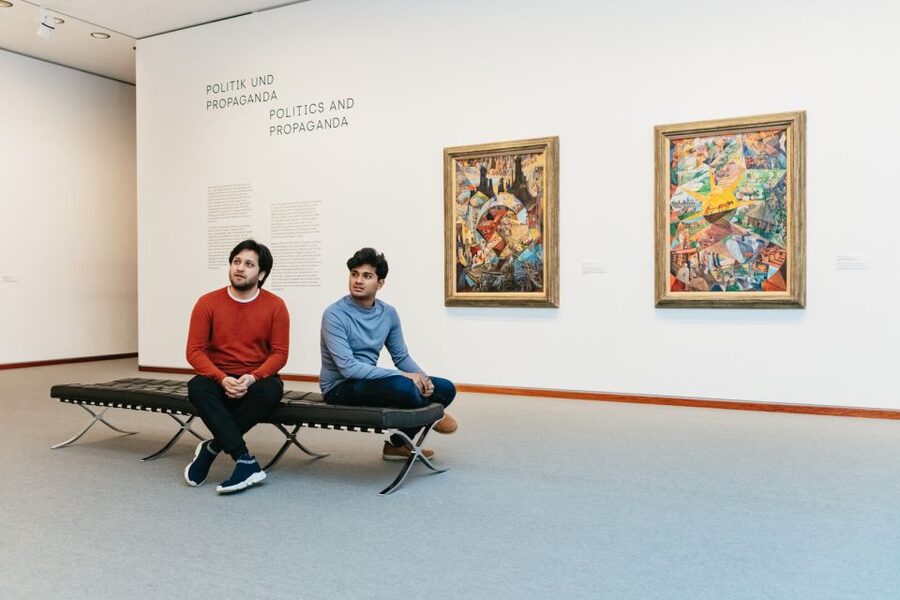
Berlin’s Neue Nationalgalerie gives you two experiences for the price of one: major 20th-century art and one of Berlin’s most important modern buildings. Inside, works by Otto Dix, Hannah Höch, Ernst Ludwig Kirchner, Lotte Laserstein, and Renée Sintenis trace a difficult era shaped by war, political change, and the Holocaust.
I especially like the strong social context of the collection and the chance to study Mies van der Rohe’s spare glass-and-steel design at close range. The ticket also includes access to changing exhibitions and audio guides at most exhibitions, which helps you get more from the art without paying for a private guide.
The main caution is practical: this is a non-refundable ticket, and a serious January 2026 access problem reportedly led to a wait of about three and a half hours after too many tickets were sold. Check current entry conditions before committing, and do not arrive with a backpack or large bag.
Key points to know before you go
- See major Classical Modernist works from the Nationalgalerie Collection after the museum’s six-year renovation closure.
- Meet artists tied to Germany’s turbulent 20th century, including Otto Dix, Hannah Höch, Ernst Ludwig Kirchner, Lotte Laserstein, and Renée Sintenis.
- Study Mies van der Rohe’s architecture as part of the visit, not just as a backdrop for the art.
- Use an audio guide at most exhibitions for added context without booking a guided tour.
- Plan carefully around the ticket rules, since the ticket is non-refundable and valid for 15 minutes from first activation.
- Leave bags behind, because backpacks, large bags, oversize luggage, food, and drinks are not permitted.
Why the Neue Nationalgalerie is worth your time
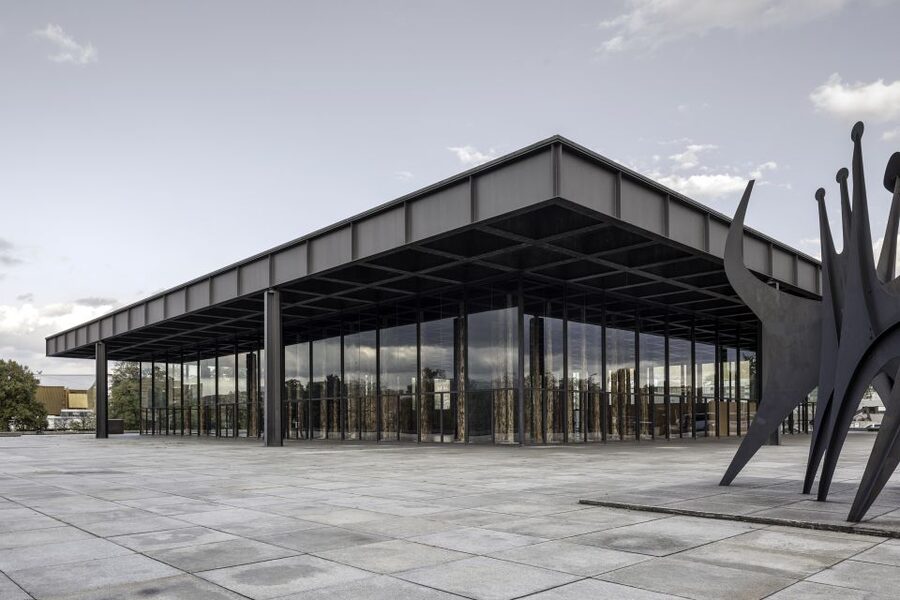
The Neue Nationalgalerie is not simply a white-walled container for paintings. The building itself is one of the main reasons to come. Mies van der Rohe designed it with a strict, open feeling: glass walls, a broad roof, and a powerful sense of space. The design is spare, but it is not dull. It asks you to notice proportion, light, structure, and the way art sits within a large public room.
That setting matters because the collection deals with a period when art was closely tied to public life. The museum presents works from Classical Modernism, a term covering much of the art produced as artists broke from older academic rules and responded to a fast-changing society.
You are not looking at isolated pretty pictures. The works reflect reform movements in the German Empire, the First World War, the Weimar Republic’s Golden Twenties, the Second World War, and the Holocaust. That makes this a serious museum visit, but the historical frame also gives the collection a clear purpose.
I like museums that give you something to think about after you leave. This one does that through the tension between the building’s calm geometry and the often troubled subjects of the art.
More Attraction Tickets in Berlin
- Berlin: Jewish Museum Berlin Entrance Ticket
★ 4.5 · 8,393 reviews - Berlin: Berlin Story Bunker Entry Ticket
★ 4.6 · 6,759 reviews - Berlin: Illuseum Berlin Entrance Ticket
★ 4.1 · 3,970 reviews
A collection shaped by war and political change
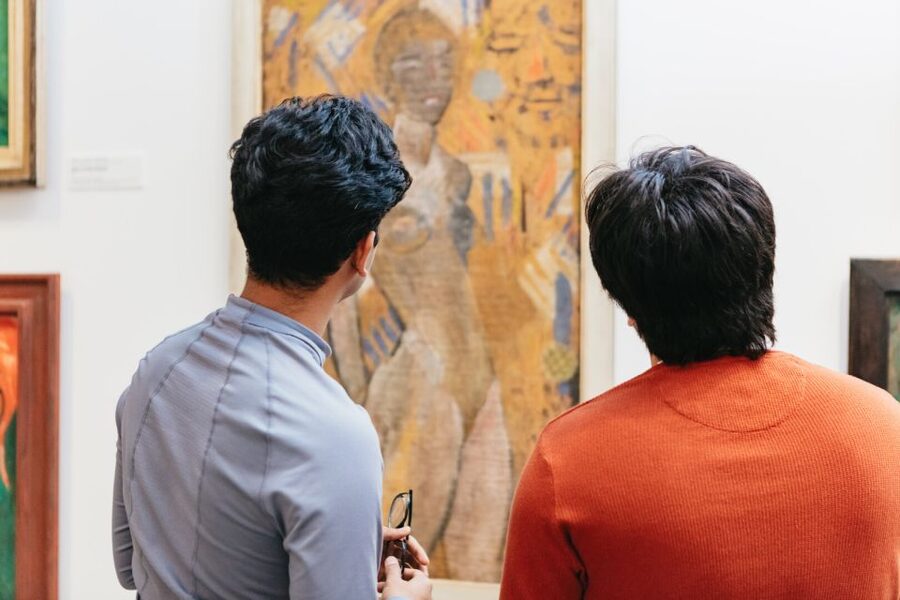
The Nationalgalerie Collection brings together artists with sharply different styles and concerns. Otto Dix is associated with hard-edged images of modern life and the damage left by war. Hannah Höch is known for her place in Berlin’s avant-garde circles and for challenging accepted ideas through collage and image-making.
Ernst Ludwig Kirchner’s work offers another route into German modernism, with expressive forms and a strong personal response to the modern city. Lotte Laserstein brings a different perspective, especially valuable for anyone interested in the changing place of women artists in 20th-century Germany.
Renée Sintenis adds sculpture to the picture. Her work helps break up a visit otherwise focused on paintings and works on paper. You get to think about shape and volume as well as color and composition.
The museum’s selection is valuable because it does not present modern art as a simple march toward new styles. Instead, you can see artists responding to real pressure: military conflict, social reform, political instability, mass culture, and persecution.
You should allow yourself time to look slowly. A quick pass through the galleries may give you famous names, but the museum is stronger when you connect the works to the events around them.
What the changing exhibitions add
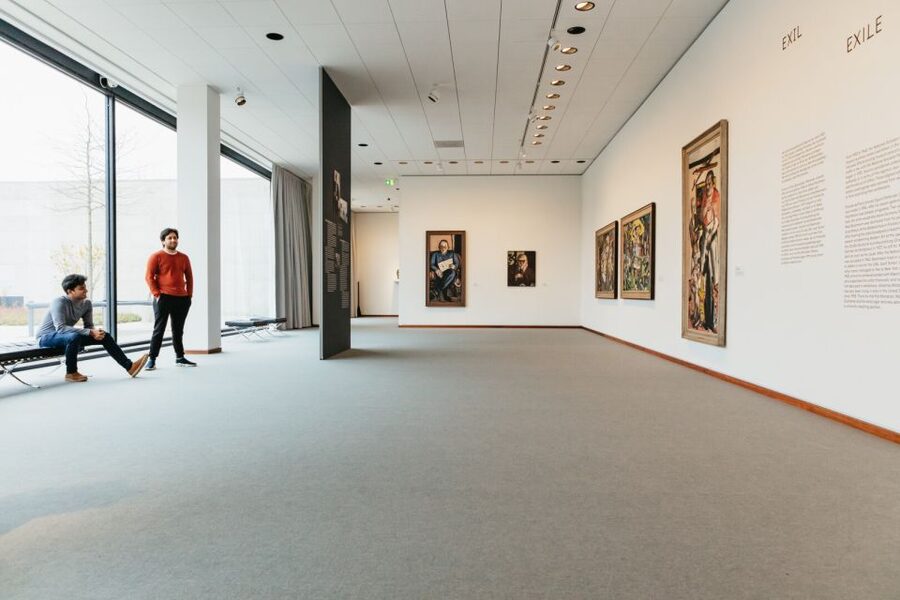
This ticket includes the museum’s special exhibitions, not only a fixed collection display. That can change the feel of your visit from one date to another. A temporary exhibition may focus on a particular artist, theme, or period, so the exact material you see depends on what is on view when you enter.
That uncertainty is worth keeping in mind when you book. If you are visiting for one specific artist or exhibition, check the current program before paying. The supplied information confirms changing exhibitions but does not identify a particular temporary show or guarantee a named display on your date.
At most exhibitions, you can use an included audio guide. This is useful if you want more background but prefer to move at your own pace. It also gives you a way to make sense of unfamiliar works without joining a group.
There is no guided tour included. That may be a drawback if you want a person explaining the collection, answering questions, and setting the pace. On the other hand, independent visitors get freedom to linger over one work, skip another, or return to a room.
Seeing Mies van der Rohe’s building
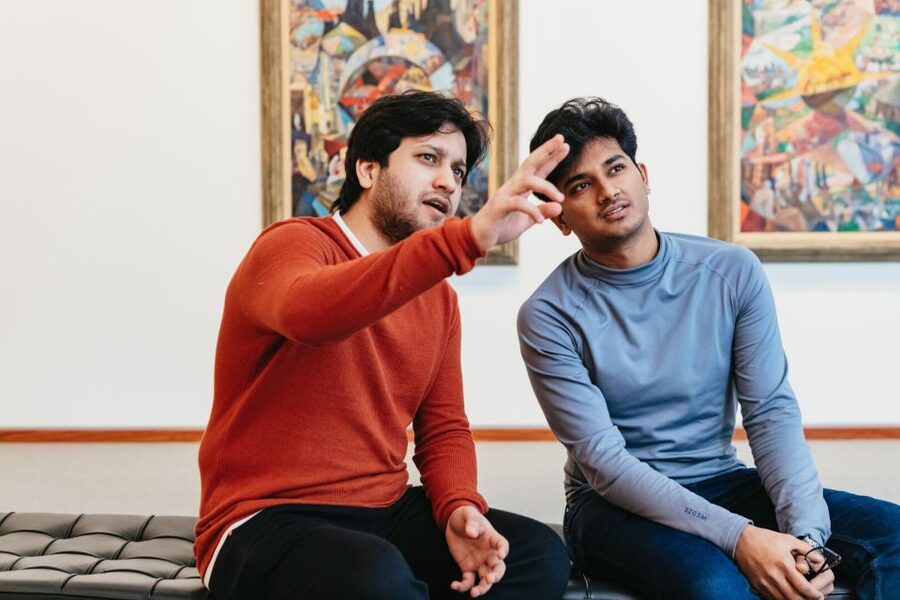
The building deserves your attention before you focus on the art. Mies van der Rohe’s architecture is based on restraint. Rather than filling the museum with decorative details, he gives the structure room to speak.
Look at the relationship between the roof, the glass walls, and the interior space. The building has a clear order, and that order can make the art feel especially exposed. Paintings and sculptures are not lost in a crowded setting. They become part of a measured architectural composition.
This is a strong choice for anyone interested in modern design, architecture, or the history of museums. You do not need specialist knowledge to appreciate it. Simply notice how the building controls your movement and your view.
The tradeoff is that the architecture may feel cold to some visitors. If you prefer historic interiors packed with ornament, this museum offers the opposite experience. Its appeal comes from scale, structure, and simplicity.
Same city, a completely different kind of day:
- Berlin: Reichstag, Dome and Government District Guided Tour
★ 4.7 · 18,288 reviews - Berlin: 1-Hour City Tour by Boat with Guaranteed Seating
★ 4.3 · 16,993 reviews - Berlin: Boat Tour Along the River Spree
★ 4.4 · 11,252 reviews - Discover Berlin Half-Day Walking Tour
★ 5.0 · 9,624 reviews
Planning your arrival at the main entrance
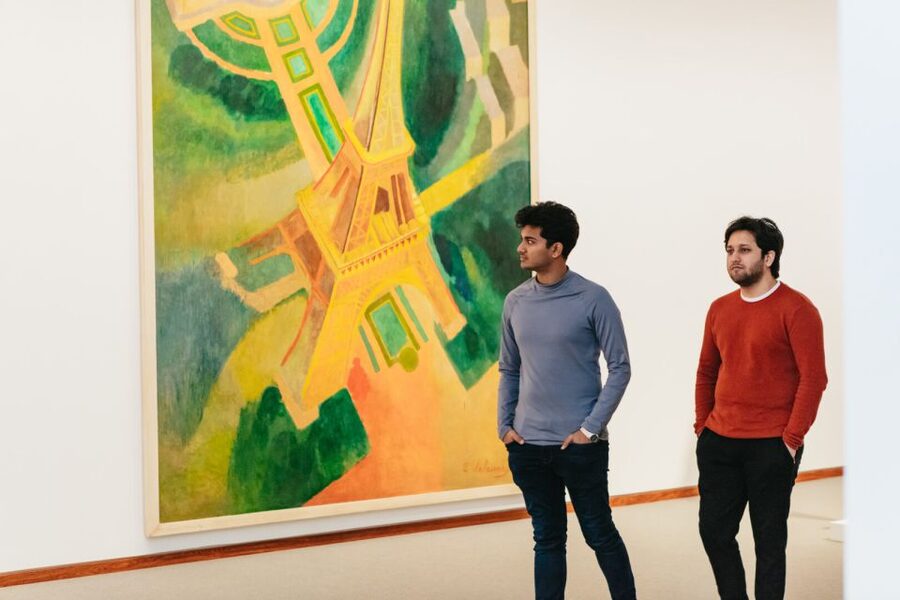
You enter at the museum’s main entrance and show your voucher for access. The ticket is listed at $23 per person, including the booking fee. That is a reasonable price if you plan to spend time with both the collection and a special exhibition, particularly if you use the audio guide.
The value is weaker if you expect a guided experience or if you intend to stay only a few minutes. There is no food, drink, guided tour, or luggage storage included. You are paying for museum access, the exhibitions, and the convenience of a booked entry.
One detail needs careful attention: the activity is described as valid for 15 minutes from first activation. This appears to refer to the entry window, not the length of time you may spend inside the museum. Do not treat it as a 15-minute museum visit. Instead, plan to activate and use the ticket promptly according to the instructions attached to your booking.
A serious access issue was reported for January 28, 2026. One ticket holder said that arriving around 3:30 p.m. led to an estimated three-and-a-half-hour wait and that the museum’s management acknowledged too many tickets had been sold. That account also sought a refund after the ticket could not practically be used.
A separate booking dated February 23, 2026 received a brief positive response describing the experience as wonderful. The two reports show why you should check same-day conditions if possible. The overall rating is high at 4.7 from 1,212 ratings, but the January incident is important enough not to ignore.
Bags, food, and access rules
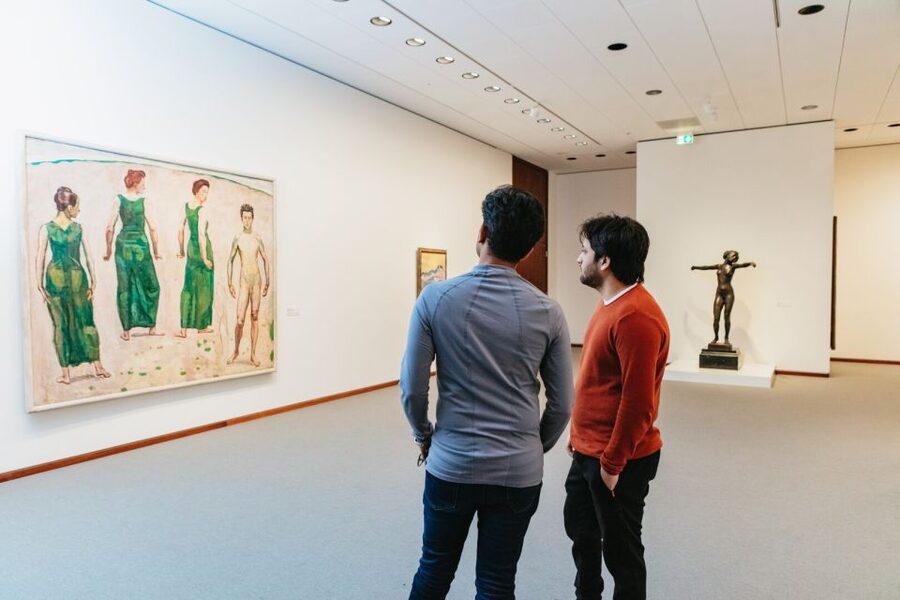
The museum is wheelchair accessible, making this a practical option for visitors who need step-free access. The information provided does not give further details about accessible toilets, seating, or gallery routes, so contact the museum directly if you need a specific arrangement.
Pack lightly. Oversize luggage, large bags, backpacks, food, and drinks are not allowed. Smoking is also prohibited, and pets cannot enter, although assistance dogs are allowed.
These rules can affect your day more than you might expect. If you are visiting Berlin with a suitcase, large daypack, or shopping bags, do not assume you can take them inside. Arrange another place for your belongings before heading to the entrance.
People aged 18 and under can enter free, but they still need to book a ticket. Groups of 10 or more must register in advance. That makes this ticket better suited to individuals, couples, families with separately booked younger visitors, or small groups.
Who will enjoy this museum most
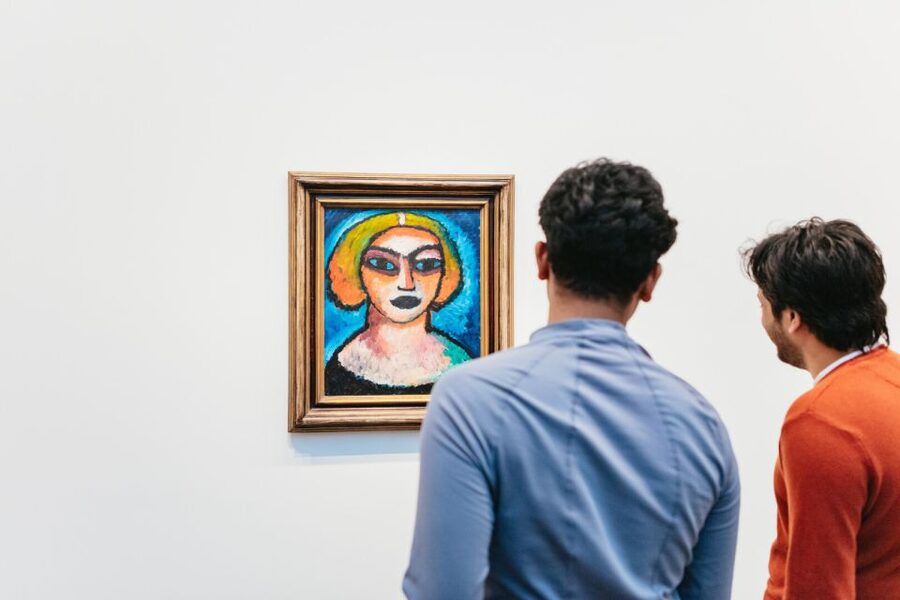
I would choose this experience if you like modern art, German history, architecture, or museums that connect art to public events. It works especially well for a visitor who wants to see important artists without committing to a full guided tour.
It also suits independent museumgoers. You can use the audio guide where available, set your own pace, and spend longer with the artists who catch your attention.
Families can make it work, especially with free entry for people up to age 18. Still, the historical subjects are serious, and younger children may not find every section easy or engaging. There is no special family program listed in the supplied information.
I would be more cautious if you are visiting Berlin on a tight schedule, carrying luggage, or unwilling to accept a non-refundable booking. The ticket’s short activation window also rewards careful planning.
How to get more from the visit
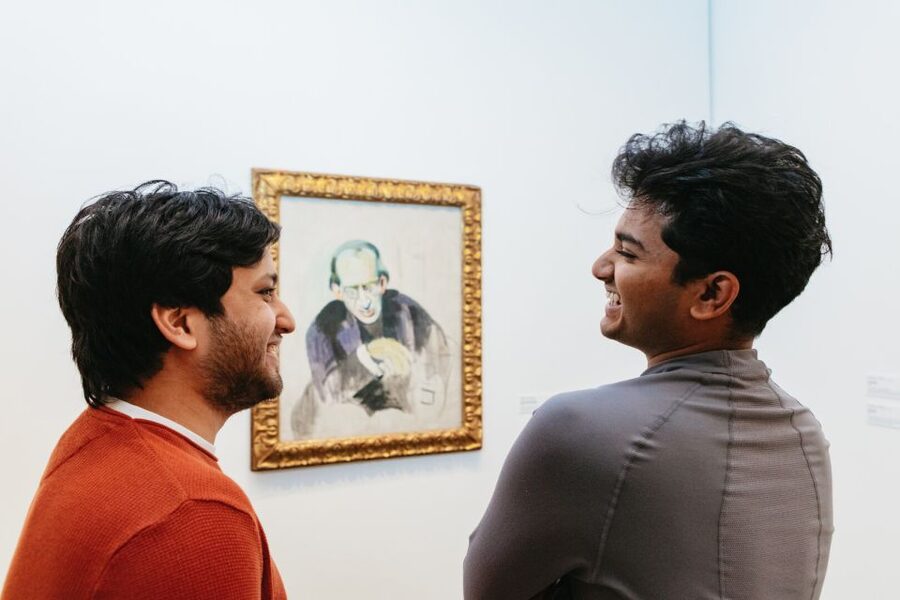
Before entering, decide what you want from the museum. If architecture interests you, spend a few minutes looking at the building before heading straight to the art. If history is your priority, focus on how the collection reflects the German Empire, the First World War, the Weimar period, the Second World War, and the Holocaust.
Use the audio guide where it is offered, but do not feel obliged to listen to every entry. Choose works that catch your eye and use the explanations to build a stronger connection. A few well-chosen stops can be more rewarding than rushing through every room.
Look for contrasts. Compare painting with sculpture. Notice the difference between an artist responding to city life and one responding to war or social change. Then step back and consider how the same works feel inside Mies van der Rohe’s controlled, open design.
Do not bring food or drinks for a gallery break. They are not permitted. Since the ticket cannot be canceled, confirm your plans before purchase and keep your arrival time realistic.
Should you book the Neue Nationalgalerie ticket?
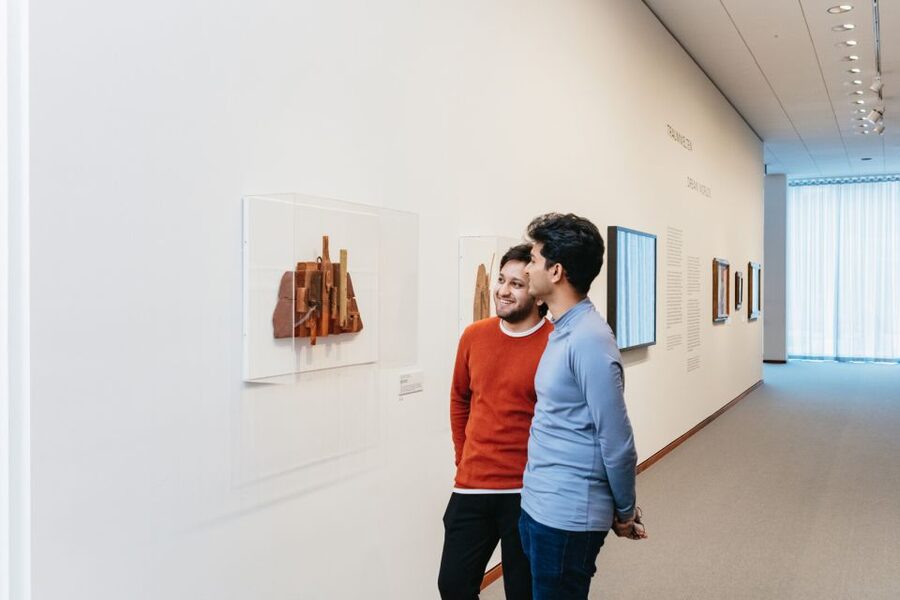
Book it if you want a focused Berlin museum visit built around 20th-century art and striking modern architecture. The $23 price makes sense when you plan to see the collection, a changing exhibition, and use the audio guide.
Think twice if you need flexible cancellation, will arrive with large bags, or have only a few minutes to spare. The isolated report of severe overcrowding and an unusable ticket is a real warning, even though the overall rating is strong.
For most art and architecture fans, this is a worthwhile independent visit. Check the current exhibition schedule, confirm entry conditions, pack light, and activate the ticket only when you are ready to use it.
FAQ
Where is the meeting point?
Go to the museum’s main entrance and show your voucher to gain access.
How much does the ticket cost?
The listed price is $23 per person, including the booking fee.
How long is the ticket valid?
The activity is valid for 15 minutes from first activation. This appears to describe the entry window, not the length of the museum visit.
Is the ticket refundable?
No. The activity is non-refundable.
Is a guided tour included?
No. A guided tour is not included.
Is an audio guide included?
Audio guides are included at most exhibitions.
Can I bring food or drinks?
No. Food and drinks are not allowed inside.
Can I bring a backpack or large bag?
No. Backpacks, large bags, oversize luggage, and luggage are not allowed.
Is the museum wheelchair accessible?
Yes. The activity is listed as wheelchair accessible.
Do children need a ticket?
People up to 18 years of age can enter free, but they still need to book a ticket. Groups of 10 or more must register in advance.
Just added in Berlin
- Berlin & The Third Reich Private Guided Tour★ 5.0 · 3 reviews
- Third Reich Quest Experience in Berlin★ 4.5 · 7 reviews
- Private Analogue Photography Experience in Berlin★ 5.0 · 3 reviews
- Berlin Urbex Adventure and History Tour★ 5.0 · 9 reviews
- The Beauty of Berlin by Bike: Private Tour★ 5.0 · 59 reviews
- Berlin: Guided Bike tour of the Berlin Wall and Third Reich★ 5.0 · 160 reviews
- Beyond Currywurst: Berlin’s Hidden Street Food & Culture Tour★ 5.0 · 100 reviews
- Berlin Third Reich & Cold War Walking Tour With A Guide★ 5.0 · 7 reviews
Attraction Tickets, compared.
Munich Hop-On Hop-Off Tour: 1-Day or 2-Day Ticket
Read our review →

Browse the lists this tour appears in