
Reviewed · UNDERGROUND AND BUNKER TOURS
Nuremberg: Nuclear Bunker in Main Railway Station
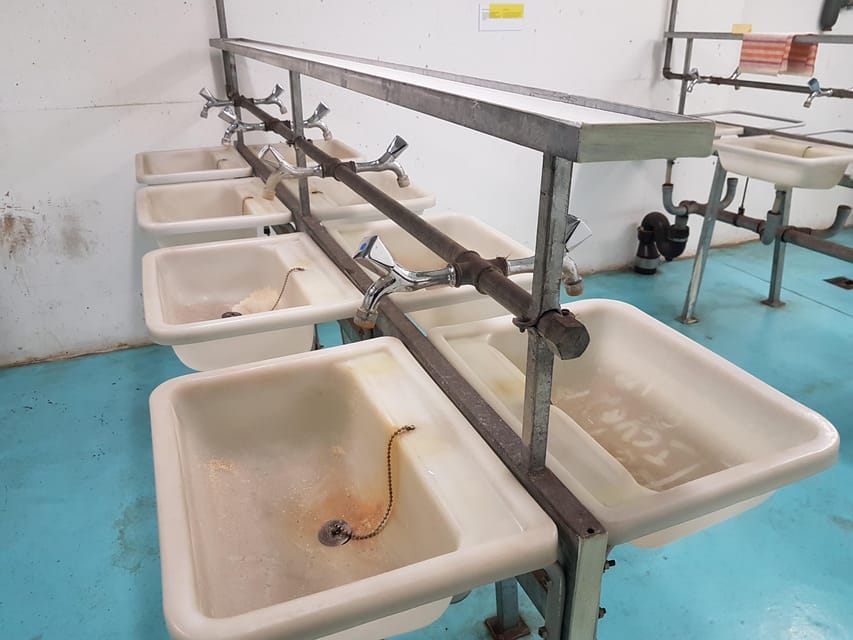
Nuremberg’s main railway station hides a serious piece of Cold War planning below its shopping arcade: a nuclear bunker built to protect civilians and railway passengers from nuclear, chemical, and biological attacks. The 75-minute tour connects the city’s wartime past with the frightening logic of the atomic age, using exhibits, explanation, and a computer simulation to show how nuclear weapons changed civilian life.
I like two things here. First, the setting is the lesson: you are not looking at a bunker in a museum hall, but entering a real underground shelter beneath a busy station. Second, the tour lets you lie on a pallet or sit among several hundred imagined occupants, which makes the cramped conditions easier to grasp. The main drawback is that the tour is in German, and the bunker is not suitable for children under eight, wheelchair users, or people who dislike confined spaces.
Key points to know before you go
- The bunker sits beneath Nuremberg’s central station, near Yorma’s restaurant in the Königstorpassage.
- A German-speaking guide leads the full 75-minute visit, with no other language listed.
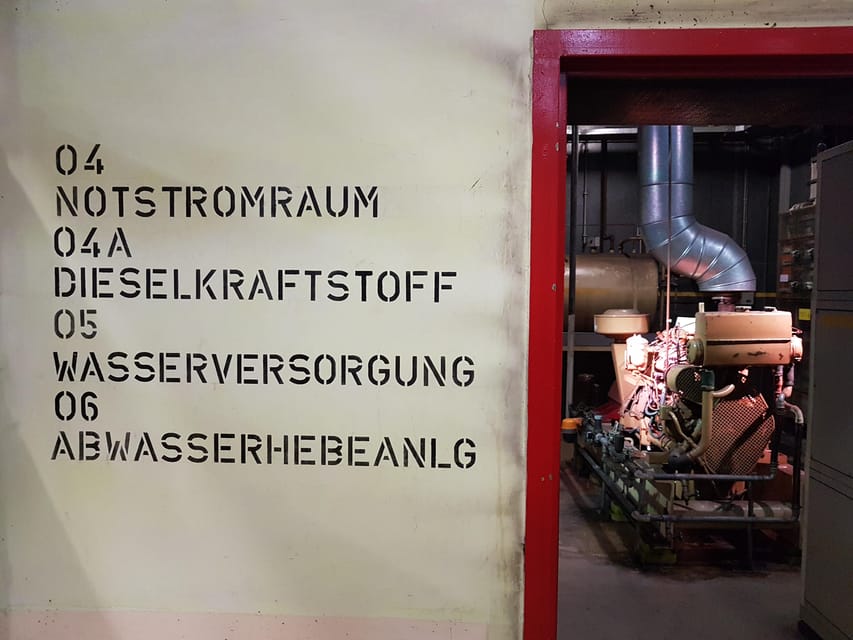
- Displays explain nuclear, chemical, and biological threats, along with civilian protection plans.
- A computer simulation compares early atomic bombs with modern nuclear warheads.
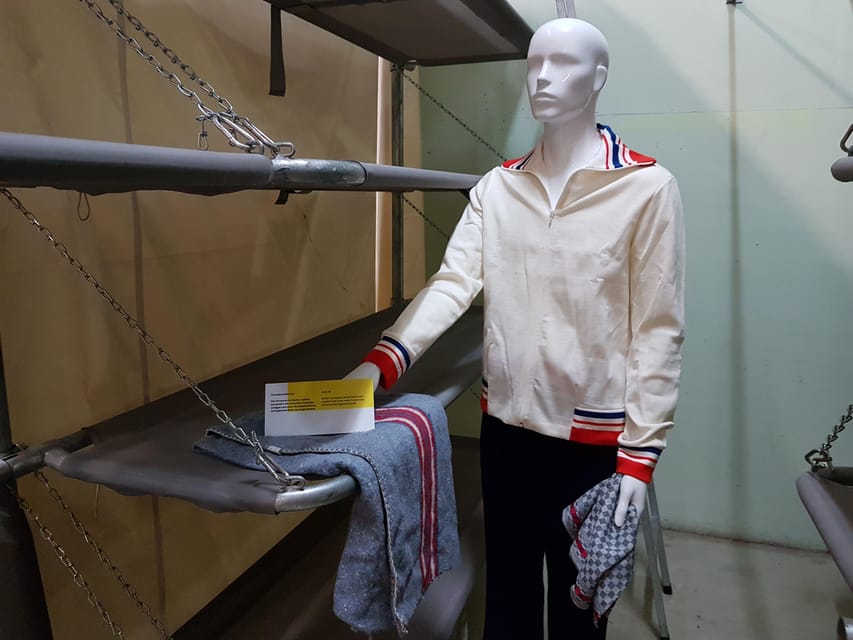
- You can sit or lie on bunker pallets to picture life underground with hundreds of people.
- Arrive early, since the entrance is easy to miss and nobody can enter after the tour begins.
Why a bunker beneath the station matters
The location tells you a lot before the guide says a word. Nuremberg’s nuclear bunker was designed to protect some city residents, but its main purpose was to shelter people already passing through the station when an acute threat struck.
That makes this different from a military bunker built for commanders or soldiers. The focus here is civilian survival. The people imagined inside were commuters, families, railway passengers, and ordinary residents trying to stay alive during a crisis they could not control.
The bunker belongs to the period after the Second World War, when the dropping of atomic bombs on Japan changed the idea of war. During the Cold War, the threat was no longer only invasion or conventional bombing. A nuclear attack could destroy a city within minutes, while chemical and biological weapons created their own terrifying problems.
This tour asks a blunt question: how could a city protect its population? The answer was never simple. Build shelters, store supplies, control access, plan evacuation, and teach people what to do. The exhibits show the solutions that officials considered, along with the grim limits of those plans.
I find the setting useful because the bunker is not presented as a heroic answer to nuclear war. It reflects an age when governments tried to make mass destruction seem manageable through concrete, equipment, procedures, and public information. The result is practical history, but also a reminder of how little control ordinary people would have had.
More Underground Tours in Nuremberg:
- Nuremberg: Historischer Kunstbunker WWII Art Bunker Tour
★ 4.8 · 921 reviews - Berlin: Berlin Story Bunker Entry Ticket
★ 4.6 · 6,759 reviews - Bremen: Underground Guided Tour
★ 4.1 · 1,408 reviews
Finding the entrance inside Nuremberg’s main station
The meeting point is the part most likely to cause trouble. Enter the station through the main portal and walk into the main hall. From there, four escalators lead toward the basement levels.
Take the long escalator down to the Königstorpassage, the station’s shopping arcade. You can also use the shorter escalator followed by a staircase. At the foot of the escalator or stairs, turn sharply right.
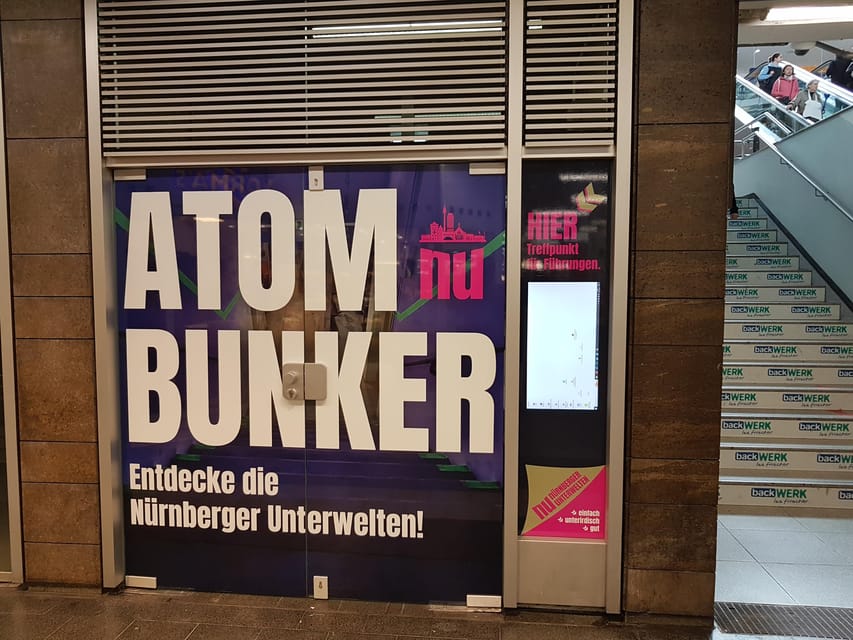
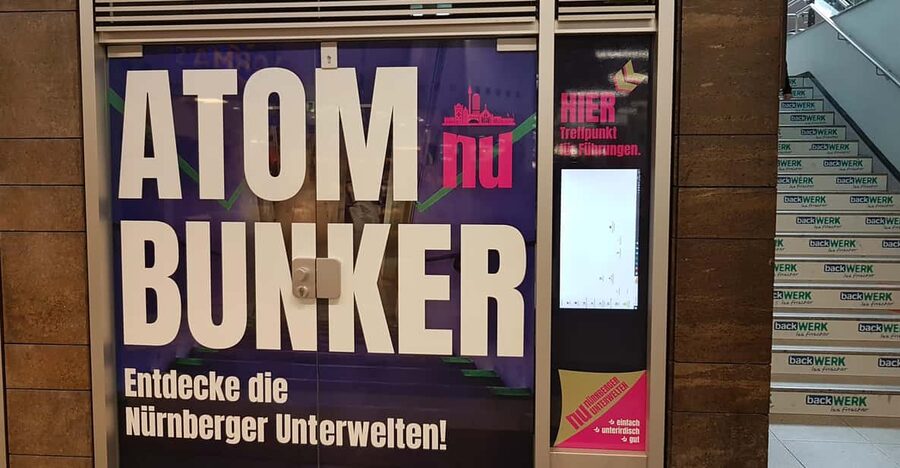
The bunker entrance is on the right wall, directly by Yorma’s restaurant. It is not described as a large, obvious museum doorway, so do not wait until the last minute to search for it. A recent German-language booking note specifically advises checking the location early, especially if you do not know Nuremberg.
I would arrive with enough time to find the entrance, use the station facilities, and settle down before the start. Entry after the tour begins is not permitted. The station is easy to reach by public transport, but transportation is not included in the ticket, so plan that part separately.
The first 20 minutes: Cold War fears and civilian protection
Once inside, the guide sets the historical frame. The tour begins with the change from the Second World War to the Cold War and the new fear of nuclear attack.
This background matters because nuclear bunkers were not simply larger air-raid shelters. The threat was different in scale and speed. A conventional raid could damage a district, while a nuclear blast could flatten much of a city and expose survivors to heat, radiation, and long-term contamination.
The bunker was also designed with chemical and biological attacks in mind. That broad purpose helps explain the equipment and procedures presented inside. Civilian protection was not only about hiding from a blast. It involved trying to keep contaminated air, disease, and other hazards away from the people inside.
You will encounter exhibits showing how officials imagined protection working. The focus is on planned responses rather than a single dramatic object. That can make the tour feel more like a guided lesson than a conventional sightseeing stop, but it also gives the bunker a clear purpose.
A German-speaking guide leads the tour. No English-language guide or translation service is listed, so you should be comfortable following German for the full 75 minutes. A strong guide can make a big difference in a place like this, and the available feedback points to a style that uses humor and common sense to balance the bunker’s heavy mood.
That balance is useful. The subject is grim, but a completely solemn presentation can become tiring. A little humor helps you stay alert while still respecting the subject.
The weapons display and computer simulation
One of the most useful parts of the visit looks at the destructive power of nuclear weapons. The tour asks you to compare the first atomic bombs with modern nuclear warheads.
A computer simulation gives shape to a subject that can otherwise feel too large to understand. Instead of hearing only abstract figures, you get a visual sense of how nuclear arsenals developed and how the scale of destruction changed.
This is a good reason to take the tour even if you already know the basic Cold War story. The bunker provides the physical setting, while the simulation gives the threat a more direct scale. Together, they connect policy and human consequence.
The point is not to turn nuclear weapons into spectacle. It is to show why civilian protection became such a major concern after 1945. A shelter can protect only under limited conditions, and the simulation helps explain why nuclear war made traditional ideas of safety feel inadequate.
You should expect the material to be serious. The tour deals with destruction, mass danger, and the possibility of living through an attack in a sealed underground space. It is not a light station-side attraction, though the guide’s humor can make the presentation easier to handle.
More rail trips from Nuremberg:
- Nuremberg: City Tour with the Bimmelbahn Train
★ 4.4 · 2,475 reviews - Würzburg: City Tour with the Bimmelbahn Train
★ 4.4 · 1,322 reviews - Regensburg: City Tour with the Bimmelbahn Train
★ 4.3 · 1,010 reviews - Dachau Concentration Camp Memorial Tour with Train from Munich
★ 4.5 · 955 reviews
Life on a pallet with hundreds of other people
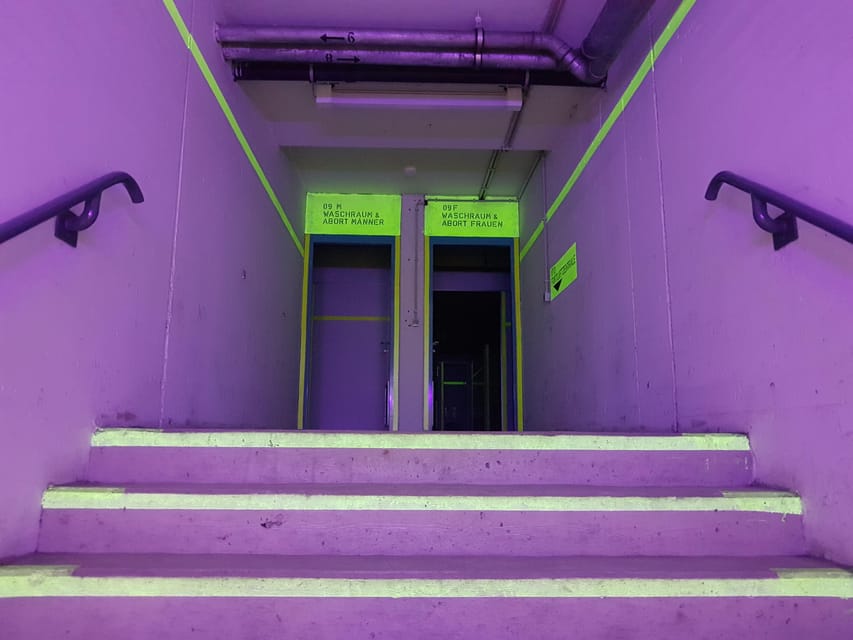
The most personal section asks you to picture the bunker in use. You can lie down on a pallet or sit and imagine being packed underground with several hundred other people.
This simple action does more than a photograph could. A pallet is not a bed, and a crowded shelter is not a hotel room. You begin to think about noise, privacy, rest, movement, and the emotional pressure of waiting underground.
The experience does not pretend you are reproducing a real emergency. You are still on a guided tour, and the visit lasts only 75 minutes. But the chance to sit or lie down gives your body a sense of the space. It turns the bunker from an idea into a place where people would have had to spend time.
This is also the point where the tour may feel uncomfortable for anyone with claustrophobia. The attraction specifically advises against booking if enclosed spaces cause distress. That warning deserves attention. A bunker is supposed to feel enclosed, and the tour’s value depends partly on letting you notice that fact.
The shelter conditions also raise practical questions about civilian protection. Who would enter first? How long could people remain inside? How would supplies, air, sanitation, and order be handled? The exhibits and guide address the broader thinking behind such facilities, but you should not expect a full survival training course.
The $15 price and what you receive
At about $15 per person, the tour is reasonably priced for a guided historical experience in a central location. Your ticket covers the bunker entrance and guide, with a 75-minute visit rather than a quick look through a few rooms.
The value comes from the combination of place and explanation. You are not paying only to see a concrete underground room. You receive context about postwar civilian protection, nuclear weapons, chemical and biological threats, and the practical design of the shelter.
The price is especially fair if you enjoy history that connects national events to ordinary life. The bunker makes the Cold War physical and local. You can walk through a station used every day, then consider the hidden structure intended to protect people during a catastrophe.
There are limits. Food, drinks, and transportation are not included. Food and drinks are not allowed inside the bunker, and large bags or luggage are also prohibited. If you are carrying a suitcase after arriving in Nuremberg, this may require extra planning.
Free cancellation is available up to 24 hours before the start, and you can reserve now while paying later. Those terms help if your train plans are still shifting, but they do not change the strict rule about arriving on time.
Who should book this Nuremberg tour
I would recommend it to adults and older children who enjoy modern European history, Cold War subjects, civil defense, or unusual museums. It works particularly well for people who have already seen Nuremberg’s major Second World War sites and want to understand what came next.
The tour also suits anyone interested in how governments prepare civilians for extreme danger. It is less about famous personalities and more about systems, shelter design, and the daily realities of people caught in a crisis.
You may want to skip it if you need an English-language tour, have limited mobility, use a wheelchair, or dislike confined spaces. The tour is not suitable for children under eight. No pets are permitted, although assistance dogs are allowed.
The German-only format is the biggest practical concern for international visitors. If you understand little German, the visual displays and physical setting may still communicate something, but you will miss much of the guide’s explanation. Check the language before booking rather than assuming an English option will be available.
Practical details that can make the visit easier
Wear something comfortable for standing, sitting, and possibly lying on a pallet. You cannot bring food or drinks into the bunker, and you should leave large bags and luggage elsewhere.
Smoking is not allowed. Selfie sticks are prohibited, and you must not touch the exhibits. The tour runs in all weather because most of it takes place underground, but the weather still matters for your journey to the station.
Give yourself extra time to find Yorma’s restaurant and the entrance beside it. The directions are precise, yet the doorway can be easy to overlook in the station’s basement shopping area. Once the starting time arrives, late entry is not possible.
The guide speaks German, and the duration is 75 minutes. Since this is a fixed tour rather than a flexible exhibit visit, make sure you can follow the full session before committing to another activity immediately afterward.
Should you book the nuclear bunker tour?

Book it if you want a focused, unusual look at Cold War civilian protection and you can follow German. The hidden station setting, nuclear weapons simulation, and chance to picture life on a pallet give the tour more substance than a quick bunker photo stop.
Skip it if you need step-free access, an English guide, or an open, relaxed museum environment. For the right audience, the $15 price buys a thoughtful 75-minute lesson in how the atomic age changed the idea of public safety. Arrive early, find the entrance before the start time, and expect a serious subject presented with some welcome humor.
FAQ
Where does the nuclear bunker tour meet?
Enter Nuremberg’s main railway station through the main portal and go to the main hall. Take the long escalator to the Königstorpassage, or use the short escalator followed by the stairs. At the bottom, turn sharply right. The entrance is on the right wall beside Yorma’s restaurant.
How long does the tour last?
The tour lasts 75 minutes.
What language is the tour in?
A live guide leads the tour in German. No other tour language is listed.
What does the ticket include?
The ticket includes entry to the nuclear bunker and a guide. Transportation, food, and drinks are not included.
Can I enter after the tour begins?
No. Entry is not allowed after the scheduled starting time, so arrive early to find the entrance.
Is the tour suitable for wheelchair users or people with claustrophobia?
No. The tour is not suitable for wheelchair users, people with mobility impairments, or people with claustrophobia. It is also not suitable for children under eight.
Just added in Nuremberg
- Tour en español al Campo Zeppelin★ 5.0 · 8 reviews
- Stein: Public guided tour of the “Old Mine” museum★ 4.5 · 18 reviews
- “Rotes Bier” and “Blaue Zipfel”. A historical-culinary walk★ 4.4 · 190 reviews
- Nuremberg: Old Town Guided Tour By Bus★ 4.4 · 198 reviews
- Nürnberg Bachelor(ette) Party with Night PubCrawl★ 4.2 · 5 reviews
- Nuremberg: Bar and Club Tour with Free Shots and Free Entry★ 3.8 · 23 reviews
- Nuremberg: WWII Tour, Courtroom 600 and 3rd Reich Sites★ 4.6 · 94 reviews
- Nürnberg kennenlernen: Highlights in der Altstadt★ 4.7 · 189 reviews
Underground and Bunker Tours, compared.
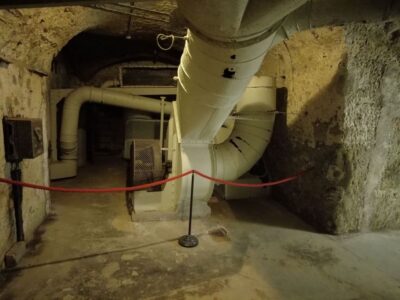
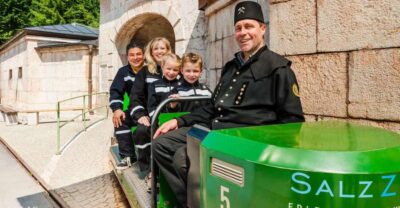
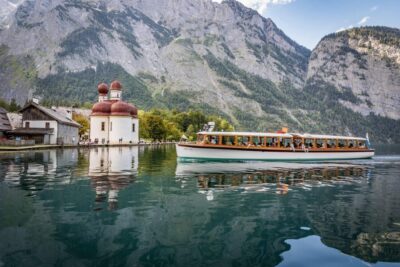
From Munich: Königssee Day Trip with Boat Ride and Salt Mine
Read our review →

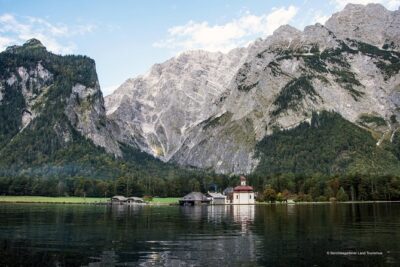
From Munich: Königssee Boat Ride & Berchtesgaden Salt Mine
Read our review →Browse the lists this tour appears in