
Reviewed · HISTORICAL TOURS
Lübeck: Hanseatic League History Walking Tour
Lübeck’s Hanseatic story comes alive in its brick-built old town, where merchant wealth, sea trade, and city power are written into gates, churches, storehouses, and narrow lanes. This 90-minute private walk begins at the Holsten Gate and traces a compact route through the historic centre, ending at the Hospital of the Holy Spirit.
I like two things here: the route mixes famous sights with small courtyards and old lanes, and the private format lets you ask questions or request details such as Lübeck’s backyards. The main limitation is time. Ninety minutes is enough for a strong introduction, but not enough for long interior visits or a slow look at every stop.
Key points at a glance
- Start at Holsten Gate: Begin beside Lübeck’s best-known fortification and learn why the city’s defenses mattered to its trading power.
- Follow the Hanseatic trade route: Pass salt storehouses and the Trave Harbour while connecting Lübeck to Northern European commerce.
- Walk Große Petersgrube: See one of the city’s oldest streets, lined with traditional brick buildings and stepped gables.
- Visit the city’s cultural landmarks: The route includes St. Mary’s Church, Buddenbrook House, City Hall, and Rathausmarkt.
- Finish at a medieval social institution: The Hospital of the Holy Spirit offers a look at another side of Lübeck’s past, including one or two courtyards.
- Choose a private guide in English or German: Guides such as Bernd, Chris, and Karin have been praised for clear explanations and adapting to group interests.
Why Lübeck’s Hanseatic story works best on foot
The Hanseatic League was not a single kingdom or company. It grew from merchant associations that protected trade and sea connections, then developed into a loose alliance of cities. At its height, about 300 maritime and inland cities across Northern Europe were linked to this network, from Riga to Bruges.
That history can sound abstract in a museum display. In Lübeck, you can see its effects block by block. The city’s position on the Trave helped merchants move goods toward the Baltic and North Sea. Its churches and public buildings reflect commercial success, while its narrow streets and backyards show how tightly medieval life was packed inside the old town.
I like this tour because it uses the city itself as the teaching tool. You are not simply given dates and names. You see the gate, harbour, warehouses, church, guild hall, and social institutions in a logical order. The walk gives you a framework for exploring Lübeck on your own afterward.
The route is also physically manageable. The walk lasts 90 minutes, and one recent participant described the timing and walking distance as just right. Still, you should expect continuous walking over historic streets. This is a city walk, not a seated lecture.
More History Tours in Lubeck:
- Lübeck: Private Historical and Architectural Walking Tour
★ 4.5 · 6 reviews - Leipzig: City History Canal Sightseeing Tour on a Motorboat
★ 4.7 · 6,232 reviews - Berlin: Natural History Museum Entrance Ticket
★ 4.6 · 3,382 reviews
Holsten Gate: Lübeck’s dramatic starting point
Meet your guide at the Holsten Gate, one of Lübeck’s defining sights. It is a natural starting place because the gate immediately introduces the city as a fortified trading centre.
The Holsten Gate was one of four city fortification gates at this wall passage alone. That detail gives you a sense of how seriously Lübeck guarded access to its commercial heart. The gate is also an easy landmark for a private group to find, which matters when you are meeting a guide in an unfamiliar city.
From here, your guide can place Lübeck’s Hanseatic role on the map. The city was connected to merchants and ports across Northern Europe, and its prosperity depended on secure routes, reliable trading links, and control of movement through the city.
The gate is a strong photo stop, but the real value is the context. Instead of seeing it as a decorative medieval entrance, you begin to understand it as part of a working system of walls, waterways, storage buildings, and market spaces.
Salt storehouses and the Trave Harbour
The walk continues past the salt storehouses toward the Trave Harbour. This section helps explain how trade worked in practical terms.
Salt was a valuable commodity and an important part of the northern European economy. The storehouses connect the city’s grand political story with the basic business of receiving, storing, and moving goods. Along the harbour, you get a clearer sense of why Lübeck’s waterways were so important.
The Trave Harbour also gives the tour a change of pace. After the solid presence of the Holsten Gate, the route shifts toward water and transport. Your guide explains how the Hanseatic League secured sea connections and helped merchants operate across a wide area.
There is no transfer included, so you walk between all the stops. That is a plus if you want to understand how the old town fits together, but it means this is not a hop-on sightseeing experience. Bring comfortable shoes and keep the tour’s 90-minute pace in mind.
Große Petersgrube and Lübeck’s old lanes
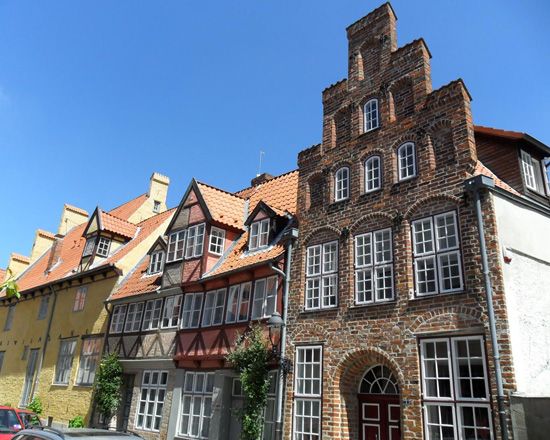
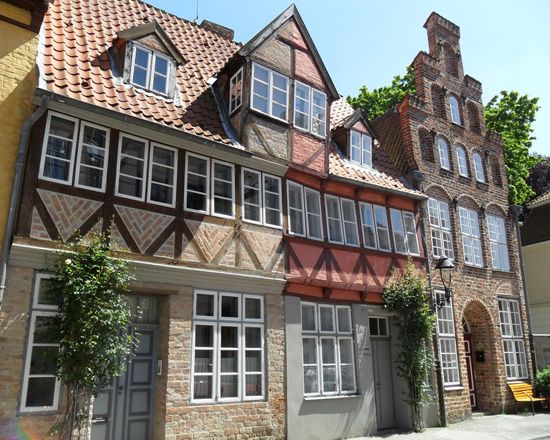
One of the most rewarding parts of the route is Große Petersgrube, one of Lübeck’s oldest streets. Here, the city’s traditional architecture becomes the main attraction.
Look for brick façades, stepped gables, and the close spacing of historic buildings. Lübeck’s architecture is not just a backdrop. It reflects the wealth and taste of a city whose merchants traded widely but built at home in a distinct northern style.
The narrow lanes also show a more intimate side of Lübeck. Main squares and churches tell you about civic power. Small passages and backyards hint at daily life, housing, work, and the way people used limited space inside the old city walls.
If you are interested in courtyards, say so early. Bernd has been praised for adapting the route to requests such as seeing Höfe, or traditional courtyards. The private format makes that kind of adjustment more realistic than it would be on a large scheduled group walk.
More Walking Tours in Lubeck:
- Lübeck: Express Walk with a Local
★ 4.9 · 10 reviews - Lübeck: Old Town Highlights Private Walking Tour
★ 4.8 · 8 reviews - Discover Berlin Half-Day Walking Tour
★ 5.0 · 9,624 reviews - Berlin: Third Reich and Cold War 2 Hour Walking Tour
★ 4.9 · 6,830 reviews
Rathausmarkt, City Hall, and the public face of power
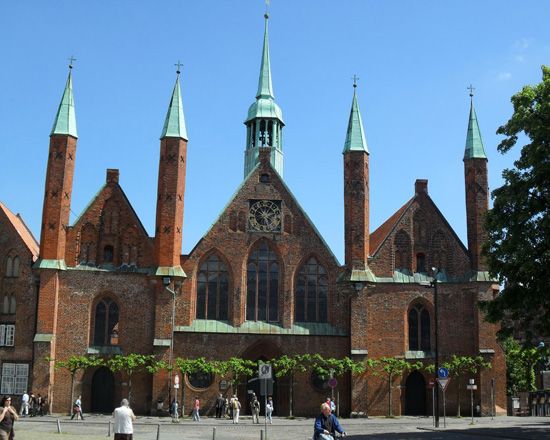
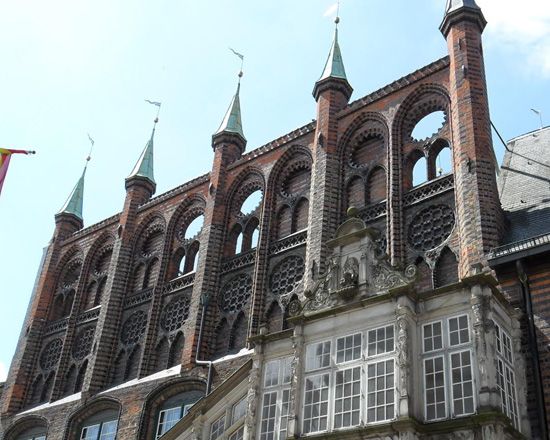
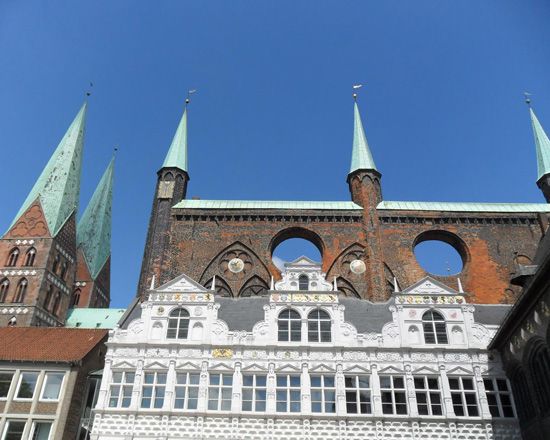
The route includes Rathausmarkt and Lübeck’s City Hall, places where the city’s commercial success became public and political.
A city tied to major trade needed more than ships and warehouses. It needed rules, officials, meeting places, and a way to manage relationships among powerful merchants and allied cities. The City Hall area helps explain that civic side of the Hanseatic League.
This is a useful contrast with the harbour. At the water, the focus is cargo and connection. Around the City Hall, the focus shifts to decisions, law, status, and local government. You begin to see that Lübeck’s influence came from an entire urban system, not from trade alone.
The square also provides a useful pause in the route. Your guide can point out the relationship between the public buildings and the surrounding old town, helping you read Lübeck as a planned civic centre rather than a collection of unrelated sights.
St. Mary’s Church and the Hanseatic style
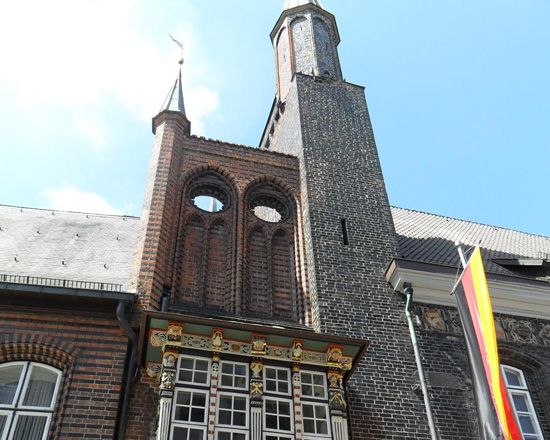
St. Mary’s Church is one of the central stops. It served as a model for numerous churches in Hanseatic cities around the Baltic region, making it important well beyond Lübeck itself.
That influence is the key point to watch for. You are not seeing one isolated church. You are seeing an example of the architectural style and civic ambition that other trading cities wanted to emulate.
The church also brings another layer to the tour. Hanseatic wealth supported religious buildings as well as warehouses, gates, and public offices. Church architecture can show you how merchants and city leaders expressed status, faith, and collective identity.
The tour data does not promise an extended interior visit, so plan on learning about St. Mary’s as part of the walking route rather than treating this as a church-focused tour. If entering the church is important to you, ask the guide about the available time on your date.
Buddenbrook House and Lübeck’s literary connection
Passing Buddenbrook House adds a literary note to a tour otherwise focused on trade and city history. The house is associated with the Mann family, linking Lübeck’s historic centre with one of its best-known cultural stories.
This stop works well because it broadens your view of the city. Lübeck is not only a medieval trading power. Its old streets also became the setting for later family, literary, and cultural life.
You should not expect a full museum visit during this short walk. Instead, Buddenbrook House functions as a landmark and a chance to connect the building with Lübeck’s later identity. If you plan to return to the house independently, the guide’s explanation can help you decide how much time to allow.
I also like the way this stop breaks up the medieval focus. After hearing about merchants, city walls, and Hanseatic churches, you get a reminder that Lübeck’s story continued long after the League’s strongest period.
Schiffergesellschaft, where sailors met
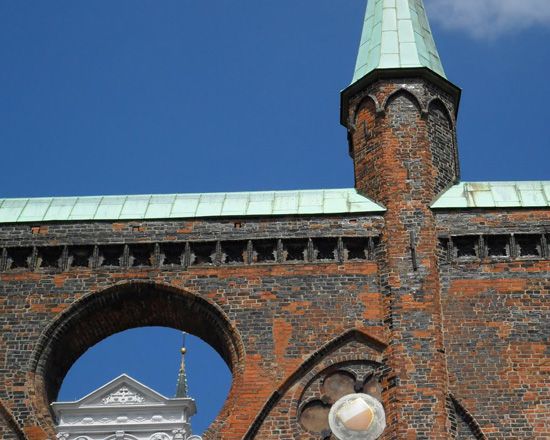
The route passes the Schiffergesellschaft guild hall, where sailors of the Hanseatic League used to stop. This is one of the most atmospheric stops because it connects the grand trading network with the people who worked at sea.
Guild halls can be easier to understand than broad political alliances. Here, you can picture sailors and maritime workers gathering in a place tied to their trade and community. The building helps turn the Hanseatic League from an idea on a map into a human network of working people, merchants, and ship crews.
The stop also adds balance. Earlier, you see the city’s defenses and civic authority. At the Schiffergesellschaft, the focus turns toward the people whose work kept goods moving between ports.
As with the other landmarks, the tour’s main emphasis is the guide’s explanation and the exterior route. The experience does not include food or drinks, and it is not a meal at the guild hall. If you want to visit interiors, ask about timing before booking.
The Hospital of the Holy Spirit and Lübeck’s quieter past
The walk ends at the Hospital of the Holy Spirit, one of Lübeck’s oldest social institutions. This is a thoughtful final stop because it moves the story away from wealthy merchants and civic power.
A medieval city also had to care for vulnerable people. The hospital shows that Lübeck’s institutions served social needs as well as commercial ones. It gives the tour a wider view of city life and avoids ending only with a celebration of trade.
You can also look into one or two romantic backyards here. These smaller spaces are a fitting close to the tour. After seeing major gates, churches, and civic buildings, you finish with the quieter details that make Lübeck pleasant to explore slowly.
The endpoint is useful for planning the rest of your day. Your guide may offer suggestions for what to see next. Karin, for example, has been praised for giving practical ideas for independent sightseeing after the official walk ends.
What the private format adds
This is a private group tour for up to six people, priced at $259 per group. The cost works out to about $43 per person if six people share it, which is reasonable for a private guide covering a major city centre in a focused 90-minute session.
For two people, the per-person cost is much higher. In that case, the value depends on how much you care about having your own guide, setting your own questions, and avoiding a larger group. For a family or small group of friends, the price makes more sense because the flat group rate spreads across everyone.
The guide is available in English or German. Named guides connected with this experience include Bernd, Chris, and Karin, though you should not assume a specific guide unless the booking confirms one. Bernd has been praised for his wide-ranging explanations, lively manner, and willingness to adjust the route. Chris has been described as a strong English-speaking guide, while Karin has been noted for clear city explanations and useful follow-up suggestions.
You can cancel up to 24 hours before the tour for a full refund, and you can reserve now and pay later. Those terms are useful if your Lübeck plans depend on weather or a changing Northern Germany schedule.
Who should book this Lübeck walk?
I would choose this tour if you want a clear first look at Lübeck and care about how the sights connect. It suits couples, families, small friend groups, and business groups that want a polished cultural activity without giving up an entire morning or afternoon.
It is especially useful for first-time visitors who might otherwise see the Holsten Gate, St. Mary’s Church, City Hall, and the harbour as separate photo stops. The guide links them into one story about trade, defense, architecture, civic life, and social care.
You may want something else if you prefer long museum visits, detailed church interiors, or a slow photography walk. Ninety minutes moves at a purposeful pace, and food, drinks, and transfers are not included.
Should you book it?
Book this walk if you want a private, compact introduction to Lübeck’s Hanseatic past, especially if your group can share the $259 rate among several people. The route offers the right mix of major landmarks, narrow lanes, traditional façades, harbour history, and smaller courtyards.
I would treat it as a starting point rather than a complete Lübeck visit. Use the final suggestions from your guide to plan extra time at the places that catch your interest. The strongest reason to book is the combination of a manageable walking route and a guide who can make the city’s trading history feel connected to the streets beneath your feet.
FAQ
Where does the Lübeck walking tour begin?
The tour begins at the Holsten Gate in Lübeck.
Where does the tour end?
The walk ends at the Hospital of the Holy Spirit.
How long is the tour?
The tour lasts 90 minutes.
What languages are available?
The live guide is available in English or German.
Is this a private tour?
Yes. It is a private group experience for up to six people.
What sights are included?
The route includes the Holsten Gate, Trave Harbour, salt storehouses, Große Petersgrube, Rathausmarkt, City Hall, St. Mary’s Church, Buddenbrook House, the Schiffergesellschaft guild hall, and the Hospital of the Holy Spirit.
Is food or drink included?
No. Food and drinks are not included.
Are transfers included?
No. Transfers are not included. You meet the guide at the Holsten Gate and walk between the sights.
Can I cancel for a refund?
Yes. You can cancel up to 24 hours in advance for a full refund.
Just added in Lubeck
- Timmendorfer Strand: SEA LIFE Behind the Scenes Tour★ 4.9 · 15 reviews
- Lübeck Day Pass – Day ticket for Lübeck museums★ 4.0 · 15 reviews
- Lübeck: Old Town Highlights Private Walking Tour★ 4.8 · 8 reviews
- Lübeck: Private Historical and Architectural Walking Tour★ 4.5 · 6 reviews
- Lübeck: Architecture and Local Craft Private Guided Tour★ 4.0 · 6 reviews
- Lübeck: Express Walk with a Local★ 4.9 · 10 reviews
- From Kiel: Lübeck Shore Excursion★ 4.6 · 15 reviews
- Lübeck zwischen Grusel und Geschichte Truecrime zu Halloween★ 4.9 · 35 reviews
Historical Tours, compared.
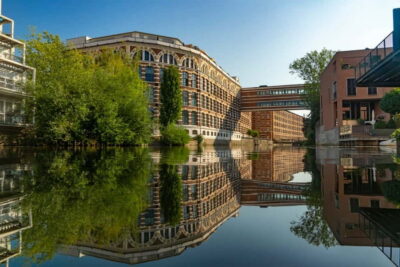
City History Canal Sightseeing Tour on a Motorboat
Read our review →


Browse the lists this tour appears in