
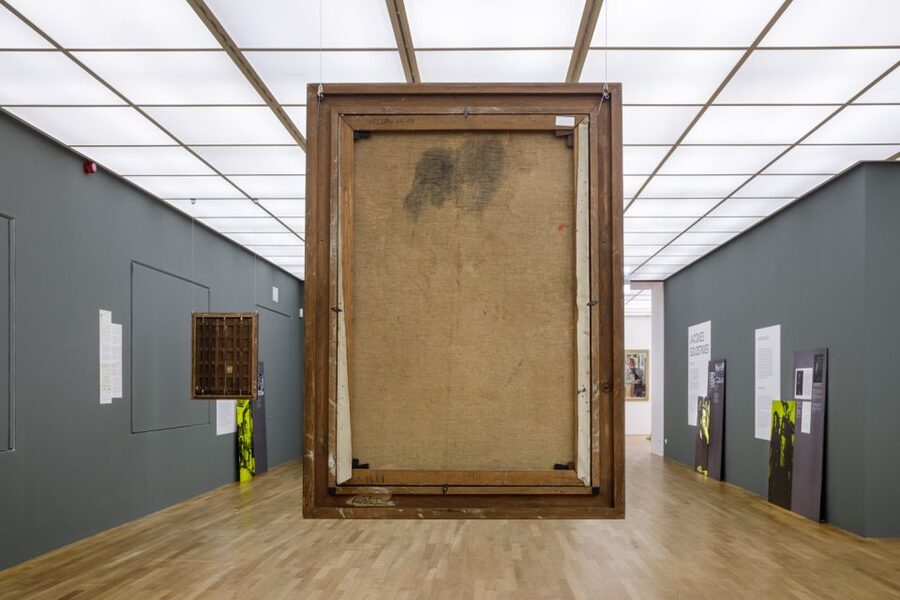
Reviewed · MUSEUMS
Friedrichshafen: Zeppelin Museum Entry Ticket
The most striking part of this museum is not a model behind glass. It is the chance to walk through reconstructed passenger areas of the LZ 129 Hindenburg, then compare that polished vision of luxury travel with the machinery that made it fly. You get a clear sense of both the promise and the limits of airship travel.
I like the mix of original engineering parts and personal records, from propellers and nacelles to postcards, newspapers, photographs, and aerophilately. I also like that the museum is not only about Zeppelins. Its medieval, Baroque, and modern art collections give the visit a wider cultural frame. The main consideration is time: two hours is a sensible visit, but art lovers and technology fans may want longer.
Key points
- Walk inside Hindenburg passenger spaces: See a full-size reconstruction of selected areas from the famous airship.
- View original airship hardware: Examine skeleton sections, propellers, nacelles, elevator motors, gears, and other large technical objects.
- Follow the story through multimedia material: Historical films, photographs, drawings, posters, newspapers, and postcards bring the subject beyond machinery.
- See art from several eras: The collection reaches from the Middle Ages and Baroque period to modern works by major avant-garde artists.
- Plan around the 4:30 pm last admission: Your ticket is valid for one day, but a late arrival leaves little room for the museum’s two collections.
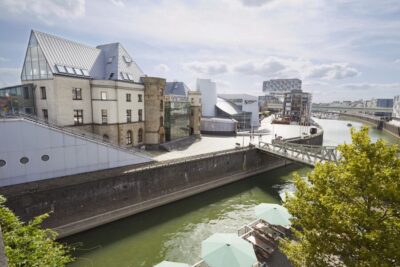
- Start at Friedrichshafen Harbor: The former harbor railway station is easy to identify by its white exterior, tower, and broad glass façade.
Why the Hindenburg reconstruction is the museum’s big draw
The LZ 129 Hindenburg was designed as a luxury liner for the sky. At the museum, you can enter a full-size replica of its passenger areas and get a physical sense of how airship travel was presented to the public.
That matters because airships can seem abstract when reduced to photographs and technical diagrams. A walk-through space gives you scale. You can better picture the relationship between passenger comfort, narrow working areas, and the huge structure required to carry people through the air.
The reconstruction is only one part of the exhibit, but it provides the clearest starting point. Begin here if you have limited time. It gives the rest of the museum a human angle, showing that the Zeppelin story was not only about engines, gas cells, and flight records. It was also about how people imagined crossing long distances in comfort.
The museum does not ask you to view airship travel as a simple tale of progress. The exhibits connect ambitious design with the practical problems of construction and operation. That balance is useful. You see the elegance of the passenger spaces, then encounter the heavy engineering behind them.
More Attraction Tickets in Lake Constance:
- Konstanz: Mainau Island Entry Ticket
★ 4.6 · 539 reviews - SEA LIFE Konstanz Admission Ticket
★ 3.5 · 218 reviews - Meckenbeuren: Ravensburger Spieleland Entrance Ticket
★ 4.4 · 20 reviews
Friedrichshafen Harbor makes arrival easy
The Zeppelin Museum sits directly on the shore of Lake Constance in Friedrichshafen Harbor. Its building is the former harbor railway station, a white structure with a lakeside tower and a broad glass façade facing the city.
You should have little trouble finding the entrance. The location also gives the museum a strong sense of place. This is not an airship collection placed at random in a city center. Friedrichshafen is closely tied to the aircraft built by Graf Zeppelin, and the harbor setting connects the museum to the movement of people, cargo, railways, and ships.
The activity begins and ends at the museum. There is no separate coach ride, guide-led route, or transfer included, so you can fit the visit into a day around the harbor and Lake Constance. The ticket is valid for one day, with entry available according to the selected availability.
The building itself is worth noticing before you go inside. The glass façade brings in plenty of daylight, while the old station form recalls the period when rail travel and airship travel were part of the same expanding transport world.
A two-hour route through airship technology
The suggested visit lasts about two hours. That is enough for a purposeful look at the main airship exhibits and a quick pass through the art collection. If you read every document and spend time with the visual material, you may need to move at a slower pace.
I would divide the museum into four broad stages:
- Start with the Hindenburg reconstruction.
- Move to the large original technical objects.
- Continue through films, images, and documents.
- Leave time for the art collection.
The exact order inside the museum may vary, but this approach keeps the visit focused. The reconstruction gives you a sense of scale. The technical displays explain how the aircraft worked. The documents show how airships were presented and remembered. The art collection then broadens the visit beyond transport.
The museum presents the world’s largest collection devoted to airships and the lighter-than-air innovation. That phrase covers more than an impressive number of objects. It points to a full story about design, construction, public interest, and the role of air travel in modern society.
Original machinery gives the story weight
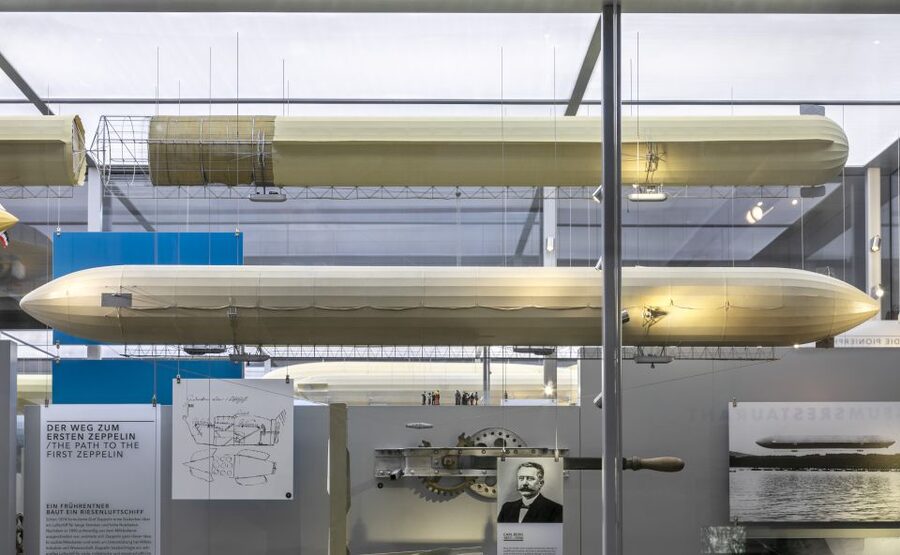
Large objects do much of the explaining here. You can see parts of airships such as skeleton sections, propellers, nacelles, elevator motors, and gears.
These pieces are valuable because they show the difference between an airship as an elegant passenger craft and an airship as a working machine. The Hindenburg reconstruction may suggest comfort and ceremony, but the technical objects reveal the force, precision, and physical labor behind the experience.
A propeller gives you a straightforward sense of propulsion. A nacelle helps you picture where engines and related equipment were housed. Elevator motors and gears point to the control systems needed to guide a massive craft. Skeleton sections show how the structure held its shape.
You do not need an engineering background to appreciate these displays. Look for changes in scale and material. Some components are easy to read as machines, while others only make sense when you consider how they fitted into a much larger airship.
This is one of the strongest parts of the museum for visitors who prefer real objects to screens. The machinery has a direct presence. It also helps children and anyone new to the subject understand that airship travel depended on thousands of practical decisions, not just a large envelope floating above the earth.
More Museum Tours in Lake Constance:
- Berlin: Jewish Museum Berlin Entrance Ticket
★ 4.5 · 8,393 reviews - Berlin: DDR Museum Tickets
★ 4.3 · 3,443 reviews - Berlin: Natural History Museum Entrance Ticket
★ 4.6 · 3,382 reviews - Berlin: Neues Museum Entry Ticket
★ 4.6 · 3,261 reviews
Films and documents reveal the public side of air travel
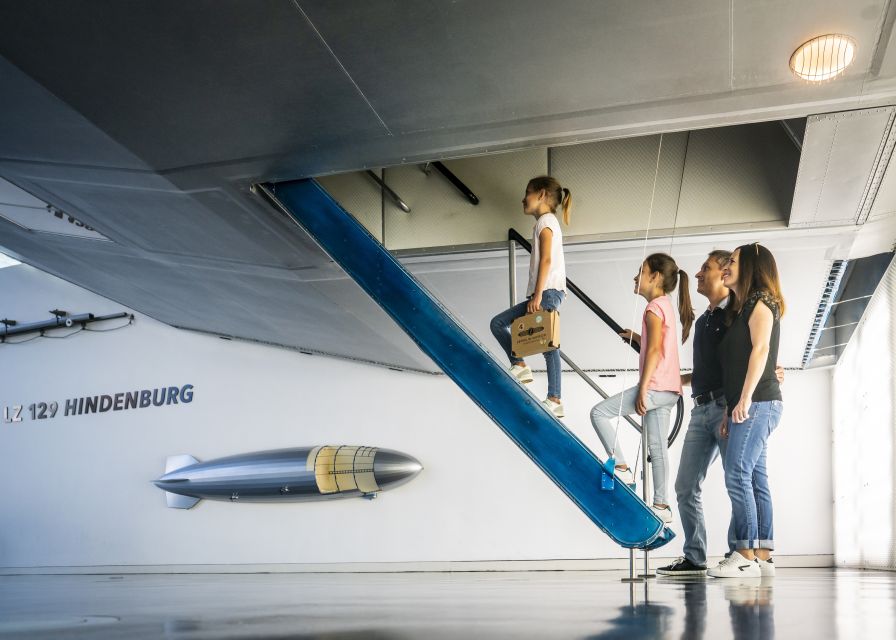
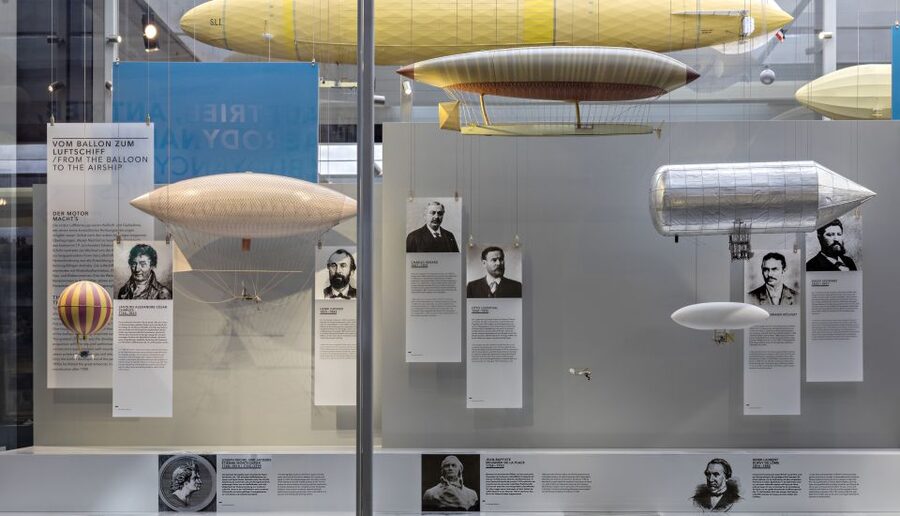
The museum also holds historical film and image recordings, construction documents, technical drawings, posters, postcards, newspapers, photographs, and documents connected with aerophilately.
Together, these materials show how airships entered everyday imagination. Technical drawings explain how designers thought. Posters and postcards show how the public saw the aircraft. Newspapers record events and reactions. Aerophilately adds another small but revealing piece of the story, showing how air travel became part of correspondence and personal collecting.
This variety keeps the museum from feeling like a warehouse of parts. You are not only looking at what airships were made from. You are also seeing how they were explained, advertised, documented, and remembered.
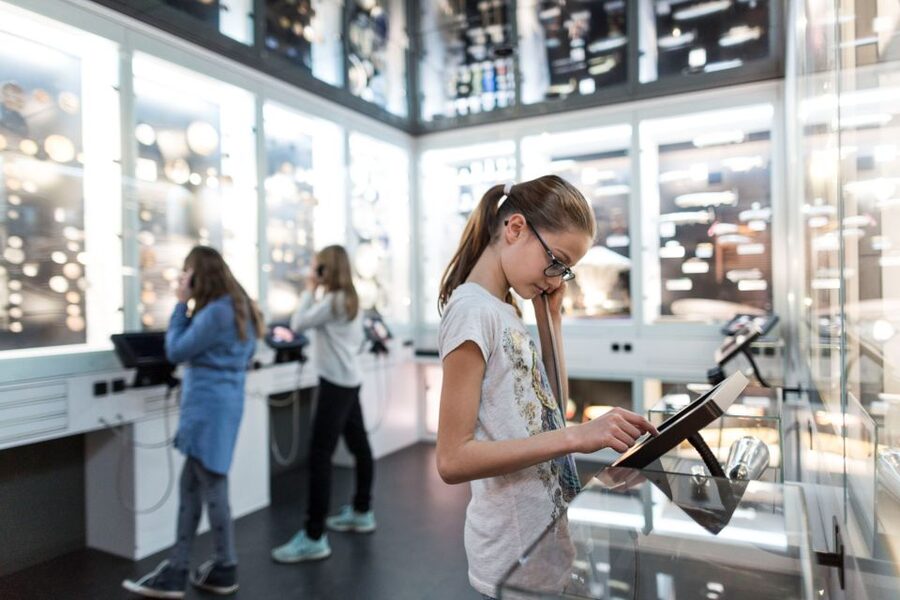
The historical film and image recordings are especially useful after you have seen the machinery. Moving images can make the aircraft feel less like a static object and more like a working transport system. If you have children with you, this section may help hold their attention after the larger technical pieces.
Give yourself time for the written material, but do not feel obliged to read every document. In a two-hour visit, choose the items that help answer your own questions. If you are curious about construction, focus on technical drawings and documents. If you want to understand public fascination, spend more time with posters, postcards, photographs, and newspapers.
The art collection changes the tone
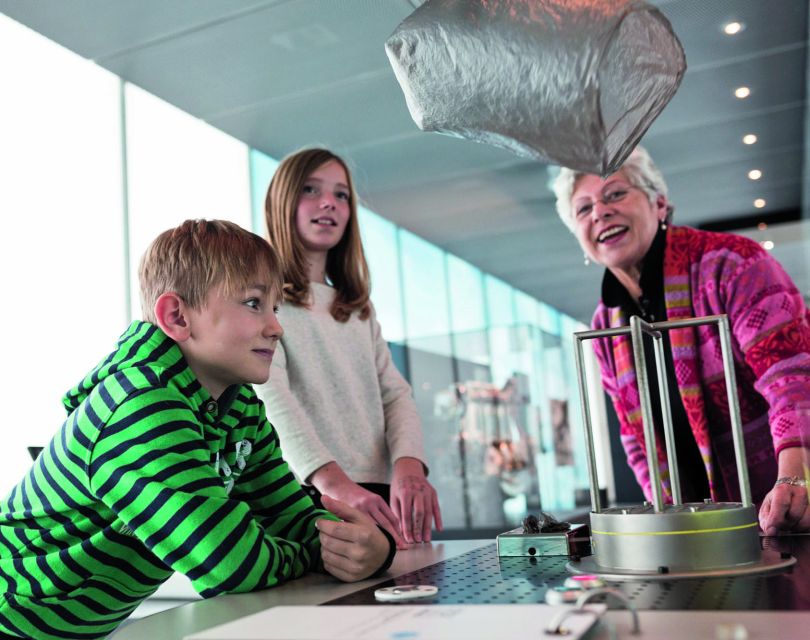
The Zeppelin Museum houses two collections, and the art collection gives the visit a welcome change of pace. It includes works from the Middle Ages through the Baroque period, along with modern art connected to the Lake Constance area.
The older collection gives you a view of religious and artistic traditions that existed long before the Zeppelin era. Medieval and Baroque works help place the later airship story within a much longer history of European art and culture.
The modern section focuses in part on artists who found refuge around Lake Constance during the Third Reich. Names include Otto Dix, Max Ackermann, Erich Heckel, and Willi Baumeister. Their work forms an important second focus of the collection.
This section is worth more than a quick walk-through. It shows how the region became a place where leading avant-garde artists could work during a difficult period. The subject matter and style differ sharply from the engineering displays, but that contrast is part of the museum’s appeal.
If you came mainly for Zeppelins, you may be surprised by how much room the art receives. That is not a weakness, but it does affect how you plan your visit. A visitor who wants every detail from both collections should not treat the museum as a quick one-hour stop.
What the $16 ticket gives you
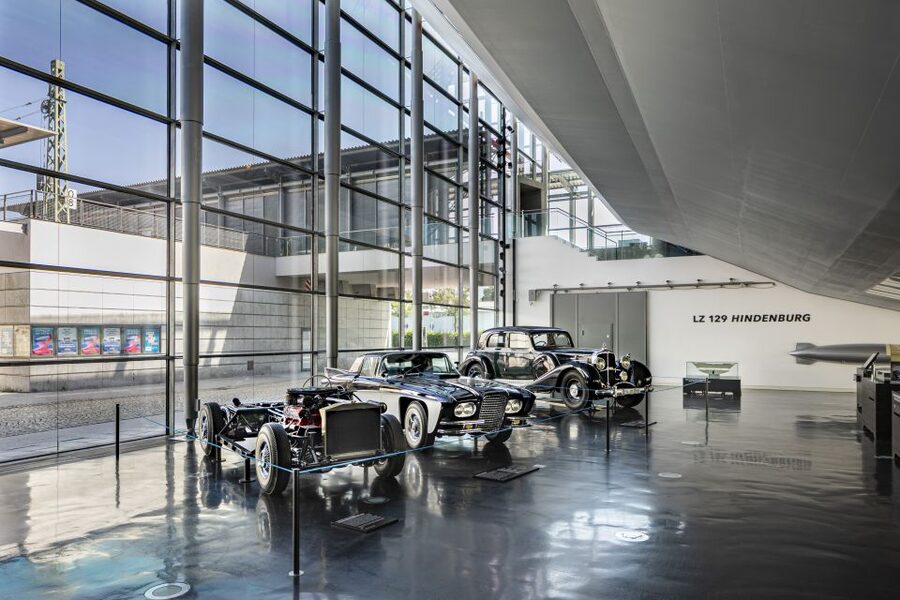
At $16 per person, the ticket is fairly priced if you plan to spend close to the suggested two hours inside. You are paying for access to a substantial permanent collection, the Hindenburg reconstruction, original technical objects, historical media, and art from several periods.
The value is strongest for people with more than a passing interest in air travel or German cultural history. You get several types of museum experience in one admission: a walk-through reconstruction, industrial objects, archival material, film and photography, and fine art.
It is less compelling if you only want to see a giant airship hanging in a hall. The museum’s focus is on the full story of lighter-than-air technology, not on one dramatic object alone. The Hindenburg areas are the most memorable physical feature, but the visit depends on the surrounding exhibits to explain why they matter.
The ticket is valid for one day, so you have some flexibility around the rest of your schedule. Check the available starting times before booking, and remember that the last admission is at 4:30 pm. A late-afternoon arrival can work only if you are comfortable making a shorter visit.
Practical planning before you go
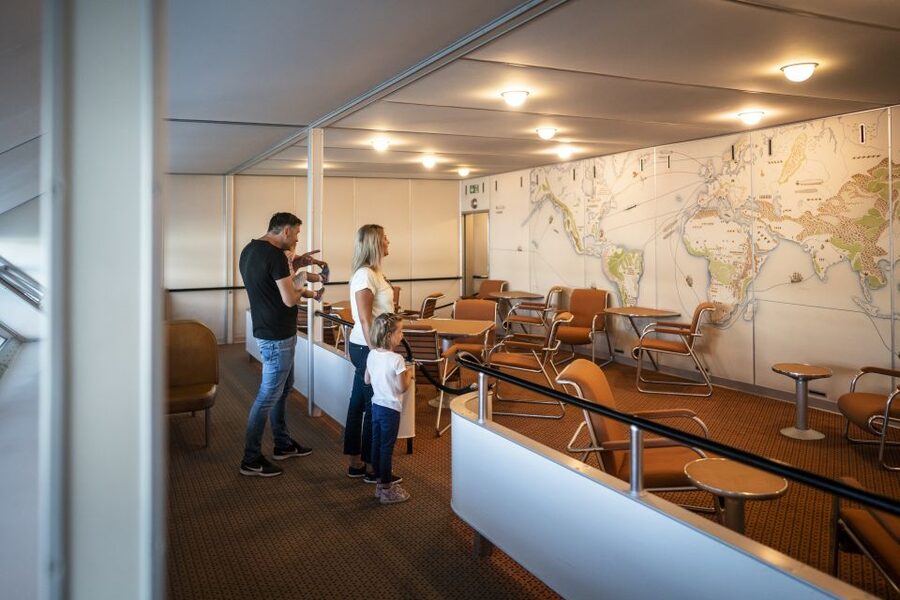
The museum is wheelchair accessible, which makes the visit workable for people who need step-free access. Food and drinks are not allowed inside. Large bags, luggage, backpacks, umbrellas, regular bags, selfie sticks, and pets are also not permitted. Assistance dogs are allowed.
These rules matter most if you are arriving from a train connection or spending the day around the lake with a larger day bag. Plan where you will leave anything the museum does not allow before you reach the entrance. The supplied information does not specify storage arrangements, so do not assume that every large item can be checked on site.
Because the museum is at the harbor, you can pair it with time near Lake Constance. Keep the museum visit as the main indoor activity, especially if you want to examine the documents and art rather than simply walk through.
A two-hour visit is a good target for most people. Add extra time if you are interested in the modern artists, technical drawings, or the historical film and image recordings. Families may move more quickly through the documents but spend longer in the Hindenburg reconstruction and around the large machines.
Who will enjoy this museum most
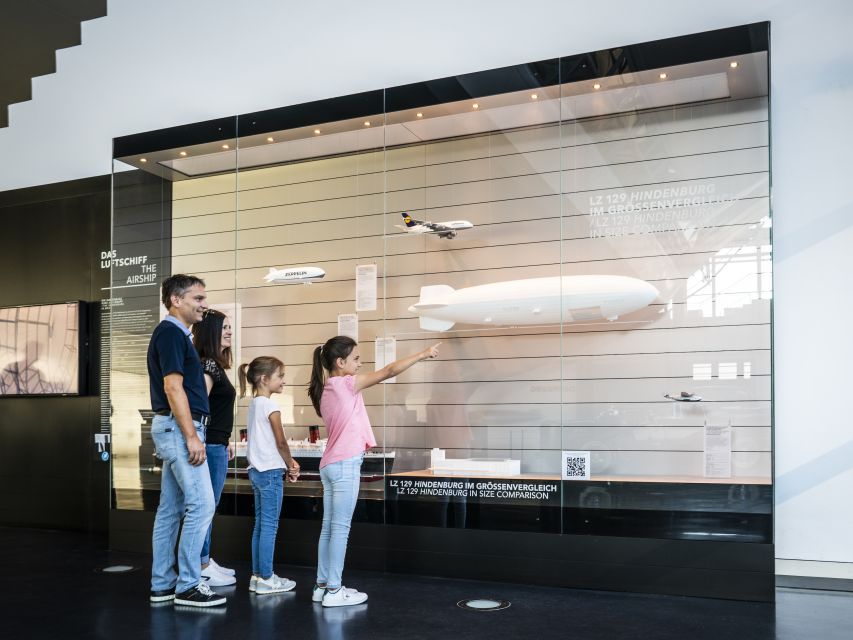
I would recommend the Zeppelin Museum most strongly to people who like technology explained through real objects. The visit also suits anyone curious about how transport changes society, how public ideas of luxury are built, or how a region’s art scene can sit beside its industrial past.
Families can use the museum as an introduction to engineering and flight. The physical scale of the reconstructed passenger areas and machinery makes the subject easier to grasp than a display made entirely of text.
Art lovers should not skip the second collection. The medieval and Baroque works provide a useful historical base, while the modern section connects the museum to major artists associated with the Lake Constance region.
The museum may be less satisfying if you want a short attraction with one simple theme. Its two collections ask you to switch between technical history and art. I see that as a strength, but you should allow enough time for the change in subject.
Should you book the Zeppelin Museum?
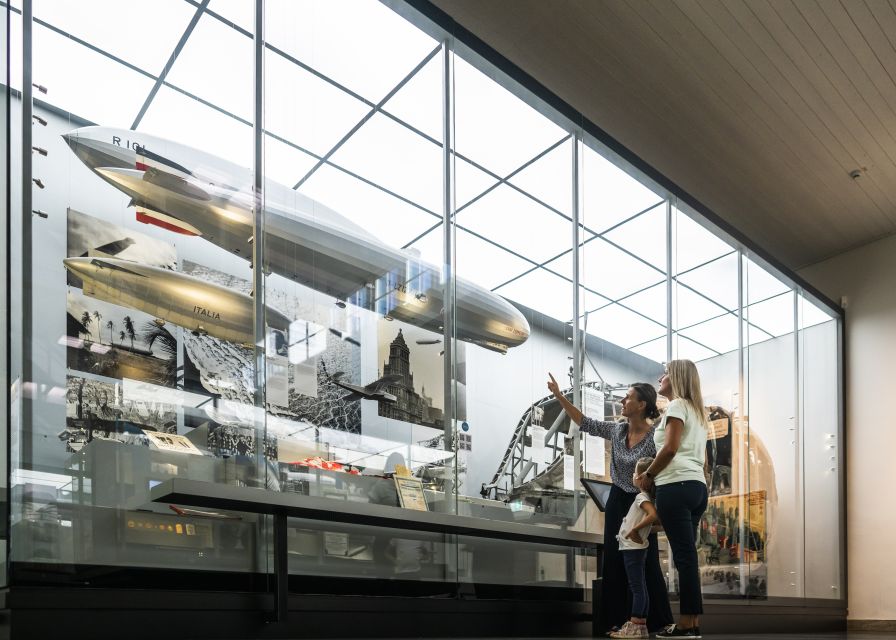
Book it if you want more than a quick look at an airship. For $16, you can walk through Hindenburg passenger spaces, inspect original machinery, follow the story through films and documents, and see art ranging from the Middle Ages to the modern era.
I would especially choose it on a Friedrichshafen day when you have about two hours available and can arrive well before the 4:30 pm last admission. Skip it only if your schedule allows a very short stop or if you have no interest in either airship technology or art.
The best reason to go is the combination. The Hindenburg reconstruction gives you the human scale, the machinery gives you the engineering, and the art collection places Friedrichshafen within a broader cultural setting. That is a solid museum visit at a reasonable price.
FAQ
How long does a visit to the Zeppelin Museum take?
The visit is listed as taking about two hours. You may need more time if you want to study the technical documents, historical recordings, and art collection closely.
Where is the Zeppelin Museum located?
The museum is on the shore of Lake Constance at Friedrichshafen Harbor. It occupies the former harbor railway station, a white building with a lakeside tower and a broad glass façade facing the city.
What is included with the ticket?
The ticket includes entry to the Zeppelin Museum Friedrichshafen. It does not list transportation, food, or a guided tour as included services.
Can I enter the museum late in the day?
The last admission is at 4:30 pm. Check the available starting times when planning your visit, and arrive early enough to see the exhibits you want.
Is the museum wheelchair accessible?
Yes. The activity information states that the museum is wheelchair accessible.
Can I bring food, luggage, or a backpack?
No. Food and drinks, luggage, large bags, backpacks, umbrellas, regular bags, selfie sticks, and pets are not allowed. Assistance dogs are permitted.
Just added in Lake Constance
- Day tour Rhine Falls from Schaffhausen with Stein am Rhein and a visit to Constance★ 4.5 · 3 reviews
- Surprise Tour of Konstanz guided by a Local★ 5.0 · 4 reviews
- Lake Constance (Untersee!!): Private & guided Boat Tour★ 5.0 · 5 reviews
- Constance: Private City Tour – The Mystical Constance★ 4.5 · 4 reviews
- Day Trip Flower Island of Mainau including Meersburg★ 4.5 · 7 reviews
- Konstanz: Private Stadtführung mit Weinprobe★ 4.4 · 7 reviews
- Meersburg: Public city tour with wine tasting★ 4.5 · 8 reviews
- Private Historical Walking Tour in Konstanz★ 4.0 · 6 reviews
Museums, compared.



Skip-the-Line: Berlin Wall Museum at Checkpoint Charlie
Read our review →
Browse the lists this tour appears in