
Reviewed · CYCLING TOURS
Munich: Street Art Bike Tour
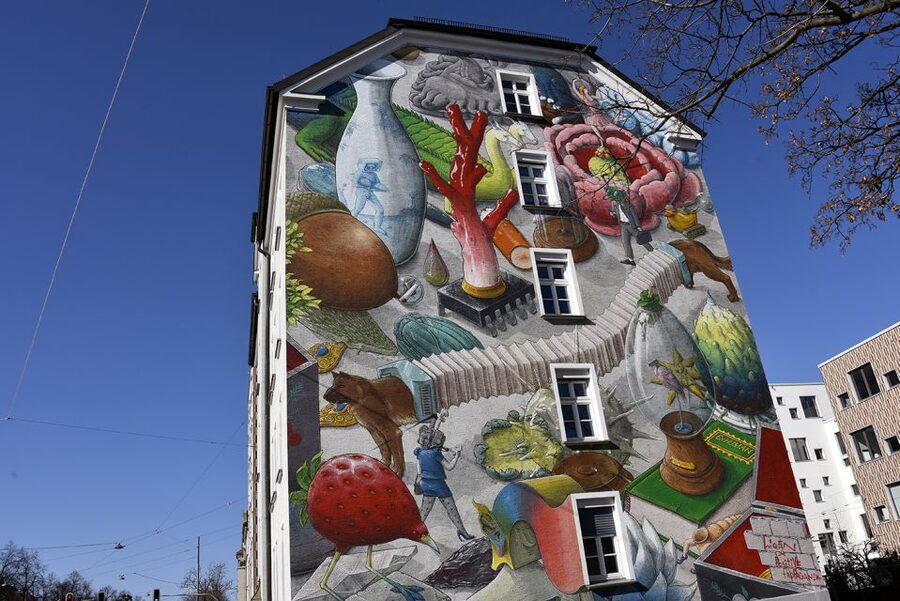
Munich may look polished and orderly today, but it helped launch Germany’s graffiti movement in the 1980s. This 210-minute bike tour takes you away from postcard Munich and into Giesing, the Isar corridor, and the former slaughterhouse district, where large murals and smaller works tell a different story about the city.
I like the easy access to local neighborhoods and the chance to see art that is spread across the city rather than packed into one gallery. I also like the personal touch of the guides, especially Ulrike, who has patiently explained the scene to English-speaking families even when the scheduled tour was in German.
The main consideration is the length. Three and a half hours on a bike may feel long for younger children or anyone who does not regularly cycle, and the tour is officially conducted in German. Children under 10 and wheelchair users cannot take part.
Key points to know before you book
- Munich’s graffiti story begins in the 1980s: Learn why the city became an important European center for graffiti alongside New York.
- The route reaches Giesing: Ride beyond the central sights into a former working-class neighborhood with a very different feel.
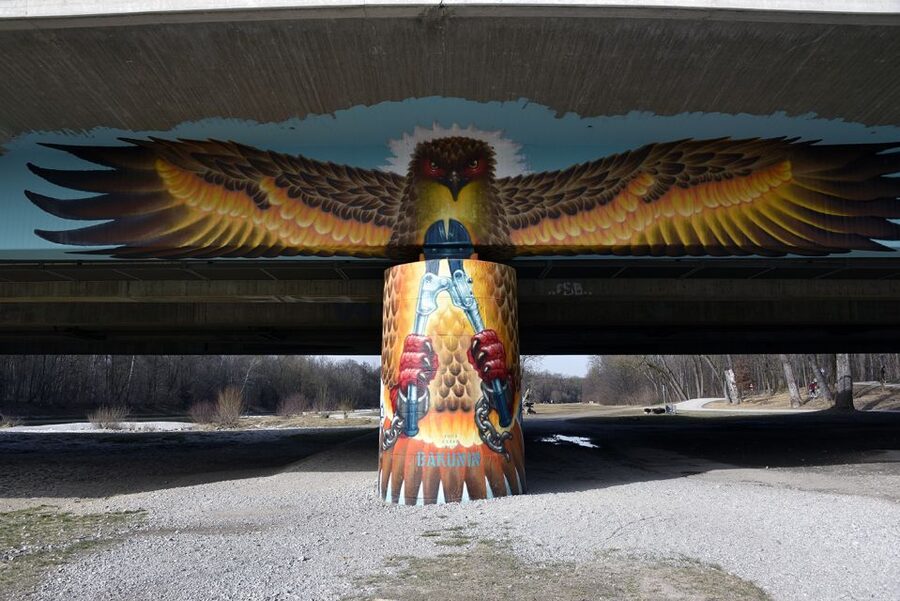
- The Isar provides the open-air gallery: Follow the river and see works painted along one of Munich’s main natural corridors.
- The tour ends near the slaughterhouse district: Expect a break beside a boat at a railway bridge, plus more work by established and newer artists.
- Bikes and a guide are included: The $40 price covers the rental bike and guided experience.
- German is the listed tour language: English speakers may receive help, but this should be confirmed before booking.
Why Munich is an important graffiti city
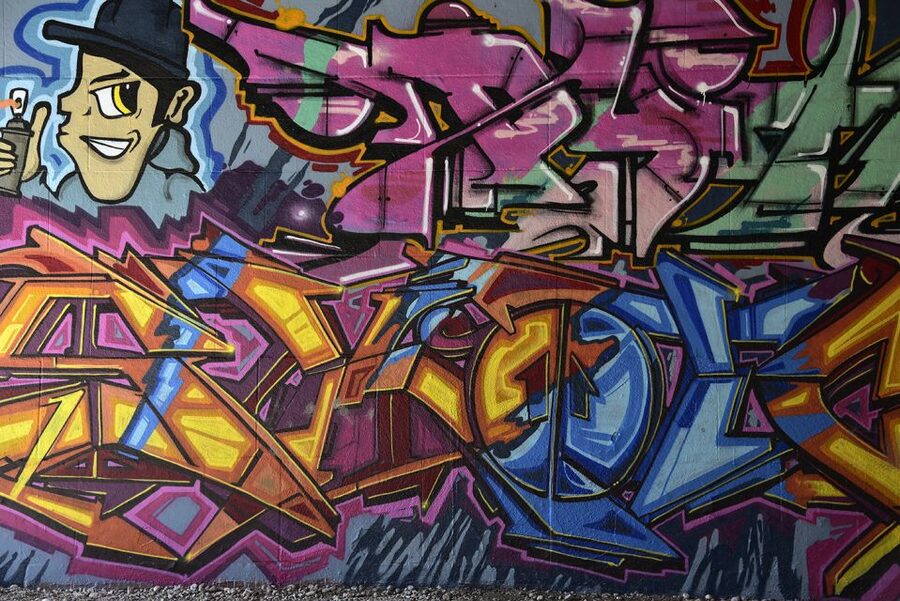
Munich is often presented through grand squares, palace rooms, churches, and neatly arranged streets. That makes the city’s graffiti past easy to miss. In the 1980s, however, Munich was one of the places where graffiti took hold early in Germany and became part of a wider European art movement.
This tour gives you the useful background before asking you to look closely at the walls. You learn about the old masters who helped shape the local scene, then see how newer artists have added their own styles. That context matters. Without it, a painted wall can seem like a colorful decoration. With it, you begin to notice the difference between a quick tag, a large commissioned mural, and a work tied to a particular artist or period.
I like this approach because it treats street art as part of Munich’s cultural story, not simply as a backdrop for photographs. The city’s clean appearance makes the contrast sharper. Behind the tidy center is a long-running creative scene that has used walls, bridges, industrial areas, and river corridors as places for expression.
The tour is also a good fit if you have already seen Marienplatz and want something less formal. You still meet in the middle of the city, but the riding quickly takes you beyond the usual sightseeing circuit.
More Bike Tours in Munich
- Munich 3-Hour Guided Bike Tour
★ 4.5 · 1,731 reviews - Classic Mike’s Bike Tour daily @ 11.30 incl Beer Garden & Surfers
★ 5.0 · 1,246 reviews - Munich: Classic Guided City Tour by Bike (English Tour Only)
★ 4.7 · 534 reviews
Starting at Marienplatz
Your meeting point is in front of the Tourist Information Office at Marienplatz. Look for the guide holding a yellow street art tour sign with red letters. This is a practical meeting point, but it can be busy, so arrive with enough time to find the sign and get ready for the ride.
Marienplatz is Munich’s central square, which makes it easy to reach before the tour. It also gives you a useful contrast at the start. You begin among the city’s best-known sights, then leave the polished center for places where the art is less arranged and more closely tied to everyday neighborhoods.
Rental bikes are included. The supplied information does not specify the bike models, but one important detail is clear: you do not need to arrange a separate rental before arriving. That saves time and makes the tour easier to add to a short Munich visit.
The route is guided rather than self-led. You are not simply given a bike and a list of locations. The guide explains what you are seeing and connects individual artworks to the development of graffiti in Munich.
Riding beside the Isar
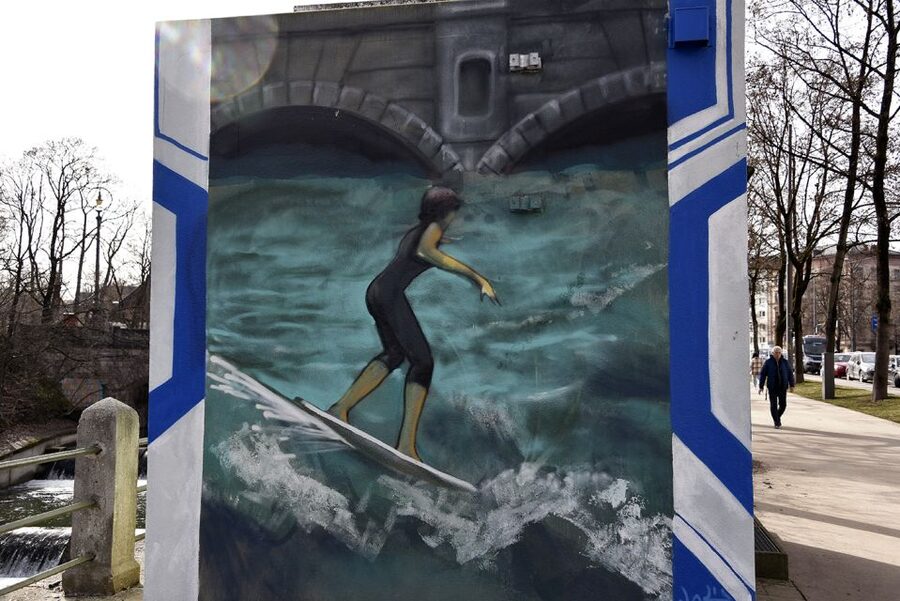
The route follows the Isar, Munich’s main river, and uses the river corridor to reveal works that you might not encounter on a standard city walk. The setting gives the tour a change of pace. You ride between urban areas and open river spaces, stopping to examine art rather than moving from one famous building to the next.
The Isar section is especially useful for anyone who wants to see how street art occupies public space. A wall beside a river does not feel like a museum display. It is part of a working city, exposed to weather, passersby, and future changes. Some works may be temporary or altered over time, which is part of the nature of street art.
You should expect to get off the bike at various points. The description calls this a bike tour, but it also includes strolling along the river and stopping to view works more carefully. Wear shoes that are comfortable for both cycling and walking.
The river section also gives the guide room to explain the wider scene. You will hear facts about graffiti’s development and encounter work by artists who helped shape Munich’s culture, along with pieces by newer names. The exact works can change, since outdoor art is not fixed in the way a museum collection is.
Giesing beyond the tourist route
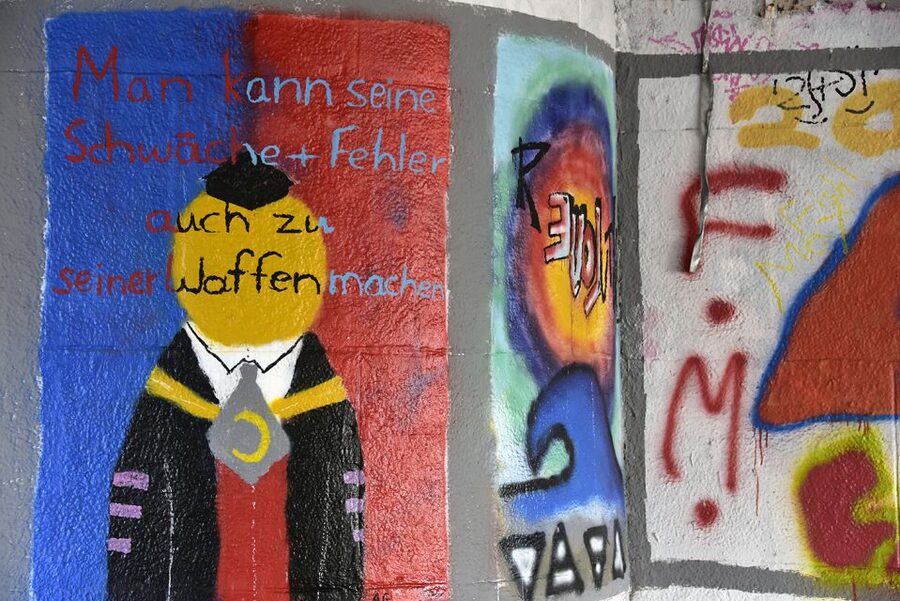
From the Isar, the tour heads toward Giesing. This former working-class neighborhood is one of the most appealing parts of the route because it gives you a look at Munich away from its formal center.
Giesing helps explain why a street art tour is best done by bike. The neighborhood is not a single attraction with a clear entrance and exit. The experience comes from moving through it, watching the city change around you, and stopping when the guide points out a significant wall or painted surface.
The tour’s route to Giesing also adds local context. Munich is not only a city of old buildings and expensive-looking streets. Its neighborhoods have different social and architectural identities, and the art reflects those differences. You may find that the surrounding setting adds as much interest as the artwork itself.
This part of the ride is also where the tour feels most different from a normal city visit. You are not being taken to a standard attraction. Instead, you are following a guide who knows where the city’s creative marks appear and why they matter.
For families, the route offers a useful change from indoor sightseeing. A 10-year-old or older child who enjoys bikes, bold colors, or drawing may find the art easy to engage with. Still, the full length can be a challenge. One parent found the tour too long for a 12-year-old, while another family said their 10- and 12-year-old boys enjoyed having several hours of activity. That difference is worth taking seriously. Children’s cycling stamina and interest in art will shape the experience.
More Street Art Tours in Munich:
- Berlin: City Street Art Guided Walking Tour
★ 4.8 · 886 reviews - Berlin: 3-Hour Street Art Tour
★ 4.7 · 778 reviews - Berlin Street Art Walking Tour – Off The Grid
★ 5.0 · 270 reviews - Dresden: Neustadt District Street Art Guided Walking Tour
★ 4.4 · 267 reviews
The slaughterhouse district and the railway bridge break
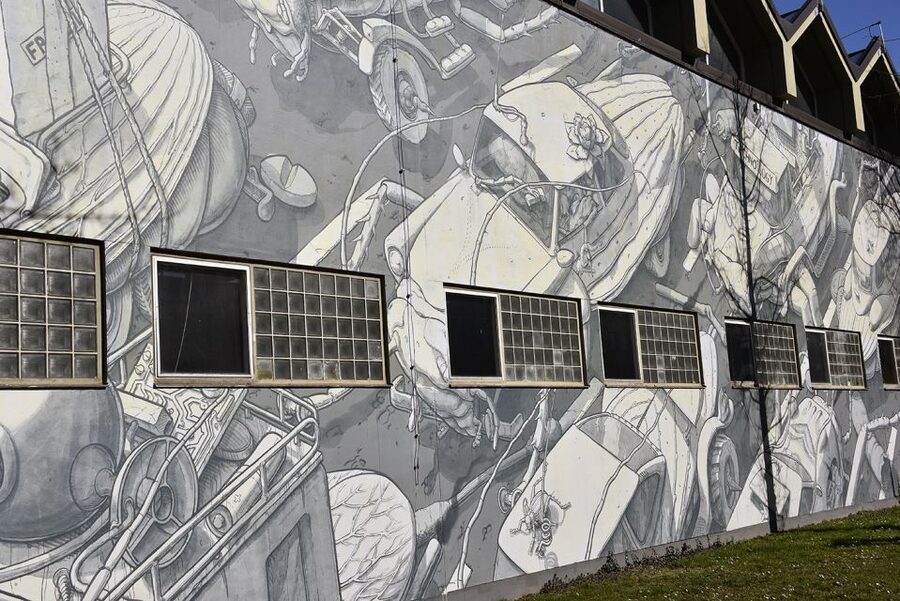
The route continues toward Munich’s slaughterhouse district. This industrial part of the city fits the subject well. Street art often makes the most sense when you see it against working urban spaces rather than only in fashionable public squares.
A planned break takes place on a boat beside a railway bridge. This is a welcome pause in a 210-minute outing. It gives you time to rest, take in the surroundings, and discuss the art without remaining in the saddle.
The stop also adds variety. The tour is not a nonstop sequence of walls and lectures. You ride, walk, study artworks, and take a break in a distinctive urban setting. That rhythm helps make the long duration manageable, though you should still be comfortable with a half-day bike outing.
The railway bridge and industrial surroundings reinforce the tour’s central theme: Munich’s street art is tied to infrastructure and working parts of the city, not only to the historic center. For many people, these less familiar districts will be the most memorable part of the experience.
What the guide adds
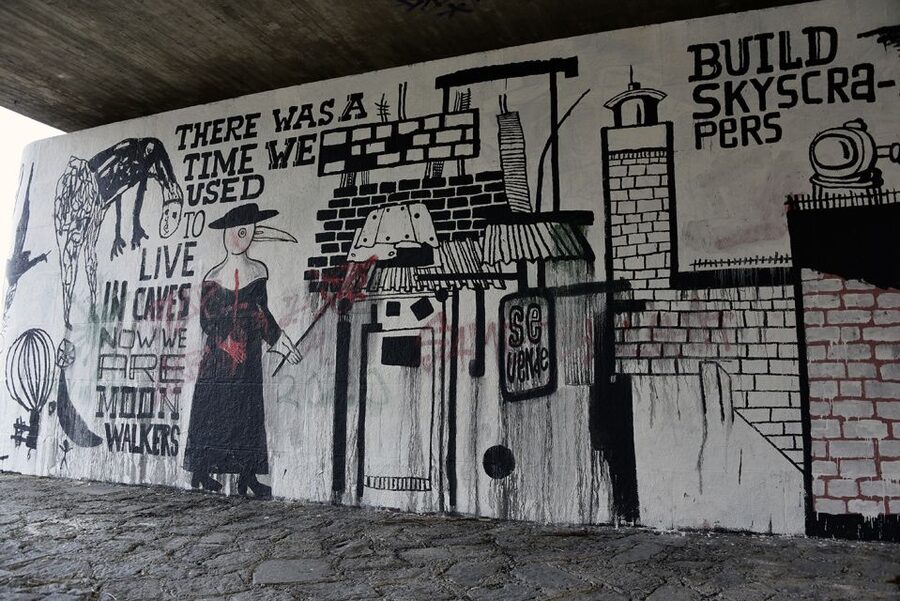
The guide is the key to this tour. The art is free to see, but finding the right locations and understanding their background without help would be difficult. A guide turns a ride through the city into a connected story.
Ulrike received especially warm praise for her friendly and patient approach. She made an effort to explain the subject to English speakers despite the tour being listed in German. She also showed a family places in Munich that they had not seen before and shared a great deal about the local scene.
That does not mean you should assume the tour is delivered in English. The official language is German, so English speakers should ask about language arrangements before booking. The experience may work well for you if you can follow some German or if the guide can provide explanations in English, but this is an important point to confirm.
A private group is available. That can be useful if your party has its own pace, language needs, or strong interest in graffiti. A private option may also make it easier to ask questions and spend more time at the works that interest you most. The supplied information does not state the private-group price, so check that before deciding.
Is $40 good value?
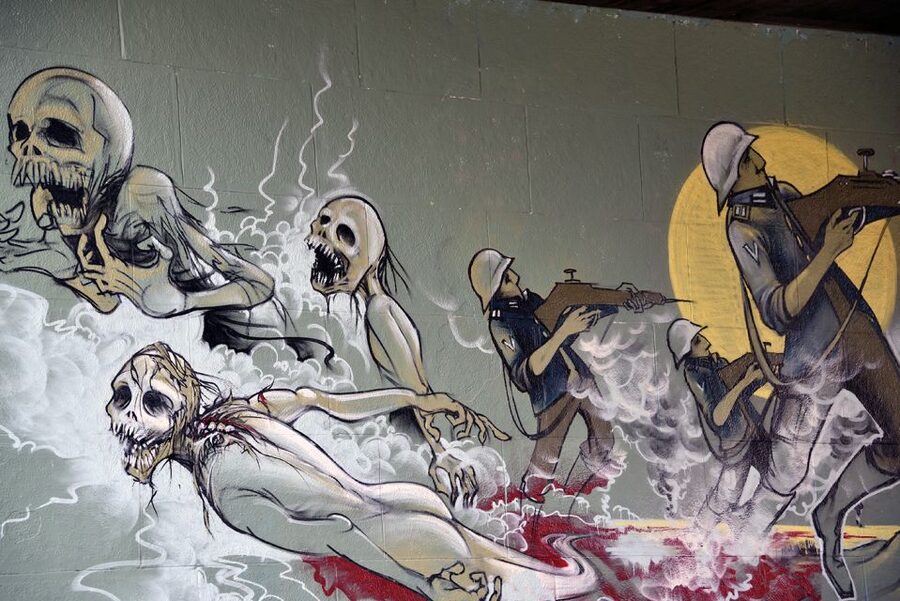
At $40 per person, the price is reasonable if you want more than a basic bike rental. You receive the rental bike, a three-and-a-half-hour guided route, local context, and access to parts of Munich that are not central sightseeing stops.
The value comes from the combination. A self-guided ride might cost less, but you would need to locate the artworks, plan the route to Giesing and the slaughterhouse district, and research the artists and Munich’s graffiti history yourself. Here, the guide provides both the route and the explanation.
The price is less appealing if you are mainly looking for a short cycling trip or a quick collection of photo stops. This is a substantial time commitment. It also focuses on a specialist subject, so you should be genuinely interested in graffiti, murals, or alternative city neighborhoods.
The rating of 4.6 from 66 reviews suggests a strong level of satisfaction, but the practical limitations remain. The tour is in German, children under 10 cannot join, and wheelchair users cannot take part. Rain can also change the group arrangement. On one rainy day, a planned group tour became a private tour, which was a fortunate outcome for that particular family, but weather conditions may affect your plans.
Who will enjoy this bike tour most?
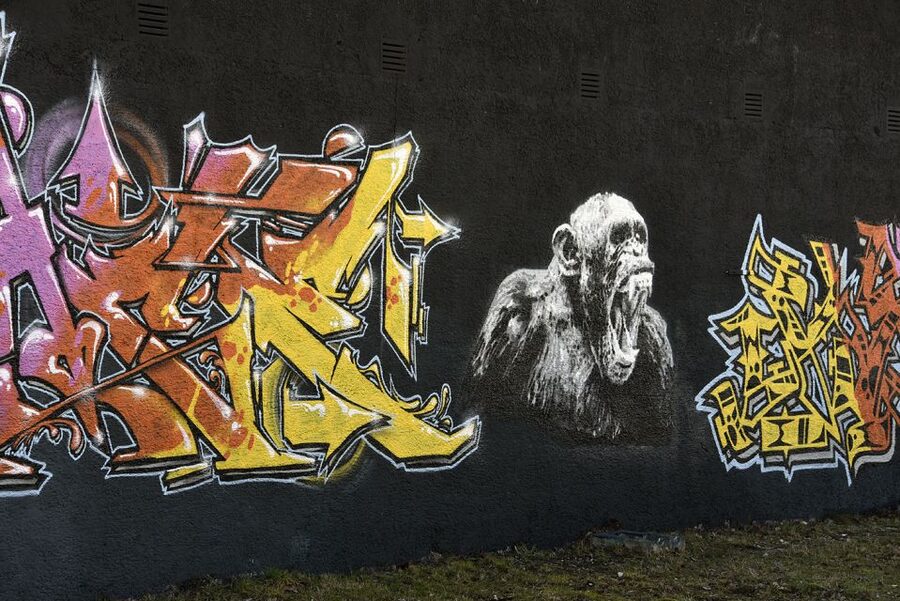
I would choose this tour for adults and older children who like urban art and do not mind spending several hours on a bike. It is also a good match if you have already covered Munich’s major central sights and want to see a less familiar side of the city.
It suits you especially well if you enjoy hearing the story behind an artwork. The tour is not only about taking pictures of colorful walls. It explains the people and movements that shaped Munich’s graffiti culture and shows both established artists and newer creators.
Families should judge the length carefully. The tour is suitable for children 10 and older, but age alone does not guarantee that a child will enjoy three and a half hours of cycling and stops. If your child likes bikes and art, it may keep them occupied. If not, the duration could become tiring.
English speakers should also treat the language issue as a deciding factor. The listed language is German, although Ulrike has made a strong effort to assist English-speaking participants. If detailed explanations are essential to you, confirm the available language before paying.
Practical details that matter
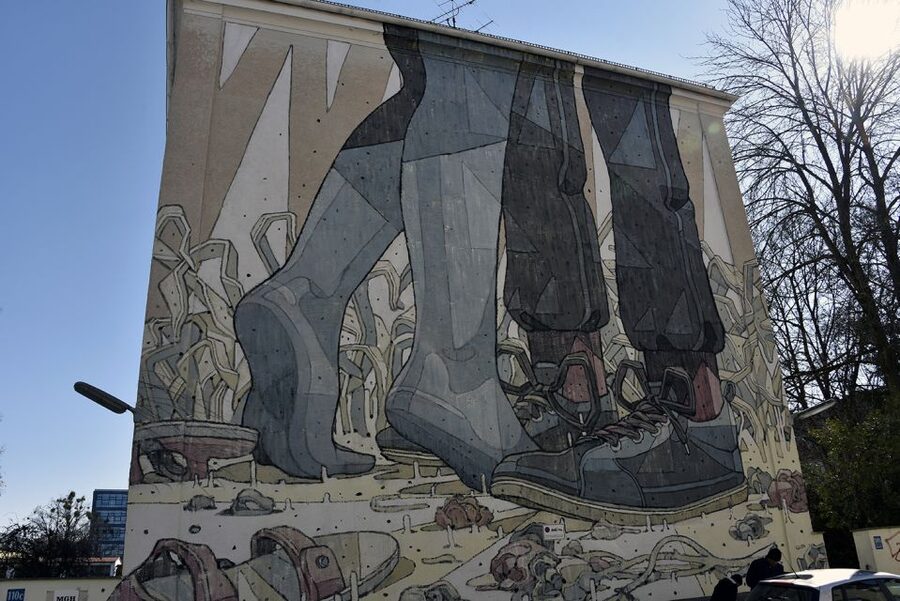
The full duration is 210 minutes. Plan for a half-day activity rather than a quick morning add-on. You will ride, walk beside the Isar, stop at art locations, continue through Giesing, and pause near the railway bridge.
Meet at the Tourist Information Office at Marienplatz. The guide carries a yellow sign with red lettering, so that is the marker to look for.
Bikes are included, but the tour is not suitable for wheelchair users. Children under 10 are not allowed to participate. Alcohol and drugs are not permitted.
You can cancel up to 24 hours before the start for a full refund, and you can reserve without paying immediately. Those policies are useful if your Munich schedule depends on weather or changing plans, though a rainy day may not offer the best conditions for cycling.
Should you book the Munich Street Art Bike Tour?
Book it if you want to see Munich through its graffiti culture rather than only through its famous buildings. The route to the Isar, Giesing, and the slaughterhouse district gives you a broader sense of the city, while the guide supplies the background that makes the artwork meaningful.
I would skip it if you want a short, central walking tour, need an English-only experience, use a wheelchair, or are traveling with children younger than 10. I would also think twice if three and a half hours of cycling sounds tiring.
For the right participant, the $40 cost is fair. You get a bike, a local guide, a long route through less familiar parts of Munich, and a close look at a creative movement that helped define the city in the 1980s. Confirm the language, judge your group’s cycling stamina, and then book this for an offbeat half-day in Munich.
FAQ
Where does the Munich Street Art Bike Tour meet?
The meeting point is in front of the Tourist Information Office at Marienplatz. Your guide will hold a yellow street art tour sign with red letters.
How long does the tour last?
The tour lasts 210 minutes, or three and a half hours.
What does the $40 price include?
The price includes the tour guide and a rental bike.
What language is the tour conducted in?
The listed tour language is German. An English-speaking guide arrangement is not guaranteed, so confirm this before booking if you need English explanations.
Which parts of Munich does the route visit?
The route follows the Isar, continues to Giesing, and heads toward the slaughterhouse district. It also includes a break on a boat beside a railway bridge.
Can children join the tour?
Children under 10 cannot participate. Children aged 10 and older may join, but the three-and-a-half-hour duration may be tiring for some young cyclists.
Is the tour suitable for wheelchair users?
No. The activity is not suitable for wheelchair users.
Can I cancel the booking?
Yes. You can cancel up to 24 hours in advance for a full refund. You can also reserve now and pay later.
Just added in Munich
- Private transfer: Vilshofen to Munich with 2h sightseeing stop★ 5.0 · 6 reviews
- Pub crawl incl. Oktoberfest museum guided tour with beer tasting (private)★ 5.0 · 5 reviews
- South Tyrolean specialties and wine tasting★ 5.0 · 5 reviews
- Size Matters Beer Tour Munich★ 4.6 · 105 reviews
- Short & sweet: Tasting the Viktualienmarkt★ 4.8 · 37 reviews
- Secret Food Tours Munich★ 4.8 · 5 reviews
- Munich: Romantic Wine Experience for Two at Viktualienmarkt★ 4.2 · 14 reviews
- Munich: Resistance against Hitler – Historical Walking Tour★ 5.0 · 5 reviews
Cycling Tours, compared.
Sights and Highlights Bike Tour with a Local Guide
Read our review →
Classic Mike’s Bike Tour daily @ 11.30 incl Beer Garden & Surfers
Read our review →
Browse the lists this tour appears in