Reviewed · WALKING TOURS
Fulda: Private Guided Walking Tour
Fulda packs an impressive amount of baroque architecture into a walkable old center. In 90 minutes, you can move from the grand cathedral and Saint Boniface’s tomb to narrow lanes, former court-officer homes, St. Michael’s Church, and the Residence gardens. I especially like the mix of big ceremonial buildings and small craftsmen’s shops, plus the private format, which lets your guide adjust the walk for your group.
I also like that this is not just a parade of façades. You get religious landmarks, palace history, garden sculpture, and a look at how Fulda’s court once shaped the town. The main caution is group management: one account praised the explanations but found it hard to hear when the guide walked ahead, so larger groups should ask everyone to gather before each explanation.
Key points
- Saint Boniface’s tomb: See Fulda Cathedral, the city’s grandest landmark and a major pilgrimage site.
- Germany’s oldest Holy Sepulcher church: Visit St. Michael’s Church, an important medieval building with a very different feel from the cathedral.
- Baroque court life: Learn about the former homes of high-ranking court officers and the Residence’s past.
- Two garden styles: Walk through grounds that combine formal baroque design with the looser look of an English garden.
- The Flora Vase: Look for one of Germany’s notable garden sculptures in the Residence Garden.
- Private guiding: Your group of up to 15 has its own guide, with possible changes to the route during the walk.
Fulda’s baroque center in a compact 90 minutes
This tour is built around Fulda’s most important sights, all reached on foot from the Tourist Office at Bonifatiusplatz 1. The short duration suits a stopover, a first look at the city, or a morning before another activity.
You will not cover every corner of Fulda. That is the tradeoff. A 90-minute walk gives you a clear introduction rather than a slow, museum-style examination of each building. If you like a brisk route with several strong landmarks, the timing works well. If you want long interior visits or detailed architectural study, you may need more time afterward.
The private format matters here. Your guide is with your group only, rather than managing a mixed crowd with different interests. You can ask about church art, court life, religious traditions, or the town’s old trades as you go. The guide can also make changes on the spot, although the exact amount of customizing will depend on the route and available time.
The tour is offered in English or German. Comfortable shoes are essential because this is a walking experience over old town streets and garden paths. The activity is not suitable for wheelchair users or people with mobility impairments.
More Walking Tours in Germany:
- Discover Berlin Half-Day Walking Tour
★ 5.0 · 9,624 reviews - Berlin: Third Reich and Cold War 2 Hour Walking Tour
★ 4.9 · 6,830 reviews - Munich: Third Reich & WWII Walking Tour
★ 4.6 · 6,181 reviews
Bonifatiusplatz and Fulda Cathedral
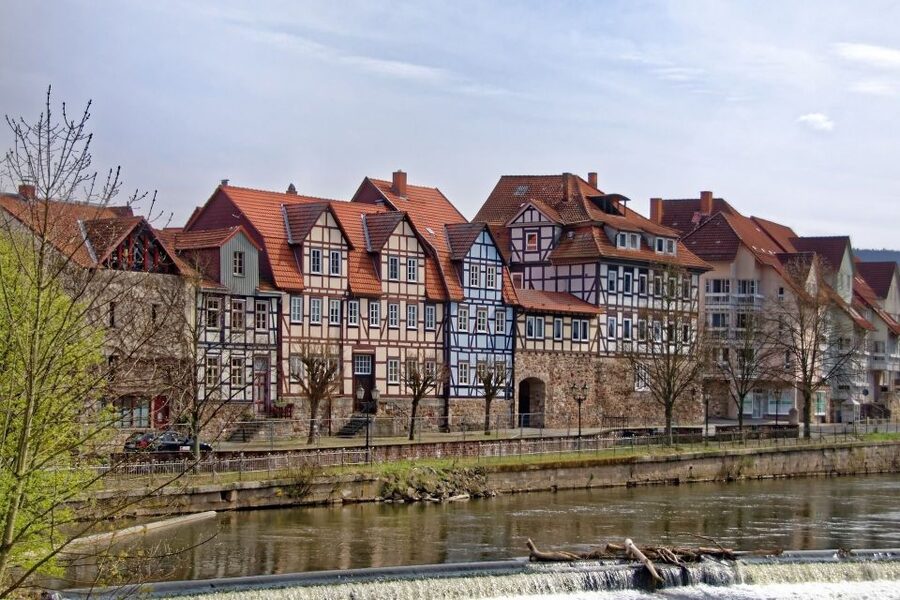
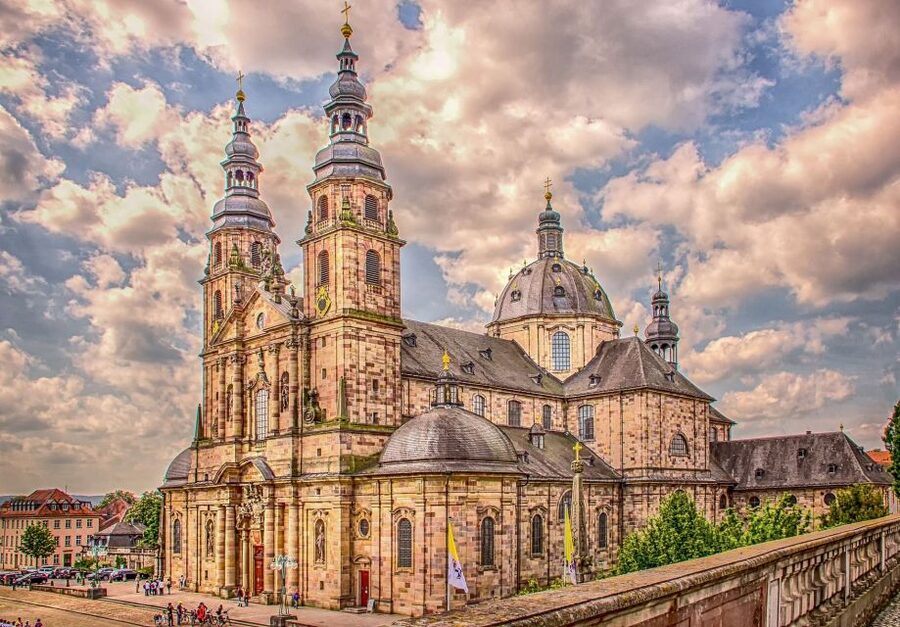
The meeting point is in front of the Tourist Office on Bonifatiusplatz. From there, the cathedral gives the walk an immediate sense of scale. It is Fulda’s best-known sight, the high point of the baroque district, and a symbol of the town.
The cathedral is also important for religious reasons. Saint Boniface is buried here, and pilgrims come to pray at his tomb. Boniface was a major Christian missionary in central Europe, and his connection to Fulda gives the city a significance that goes beyond its architecture.
Inside, the focus is not only on decoration. The cathedral serves as a place of worship and pilgrimage, and the tomb helps explain why the building remains central to Fulda’s identity. You can also hear about the annual autumn conference held here by Germany’s bishops, another sign of the cathedral’s continuing role.
Entrance fees are not included, so confirm with your guide what you will see inside and whether any admission applies on the day. The information provided for the tour promises the cathedral as a key sight, but it does not guarantee a particular interior access arrangement.
Look up before you move on. Baroque churches were designed to make visitors feel the power of the institution behind them. In Fulda, the cathedral sets the tone for the rest of the walk: formal, grand, and closely tied to religious authority.
St. Michael’s Church and the city’s earlier past
A short walk from the baroque center brings a change in mood at St. Michael’s Church. It is considered one of Germany’s most significant medieval church buildings and is described as the country’s oldest Holy Sepulcher church.
That distinction makes this stop especially valuable. The cathedral represents Fulda’s later baroque grandeur, while St. Michael’s points to an earlier period of Christian architecture and devotion. Seeing both on the same walk helps you understand that Fulda was not created all at once in the baroque age.
The church’s importance comes from its age, purpose, and place in Fulda’s religious story. Your guide can connect the building to the town’s religious traditions and explain why a Holy Sepulcher church mattered. The supplied details do not specify every architectural feature or guarantee a long interior visit, so think of this as a focused stop rather than a full church tour.
I like the contrast here. A city tour can become repetitive when every stop has the same grand style. St. Michael’s breaks that pattern and gives the walk a medieval anchor.
Narrow lanes, timbered houses, and former court homes
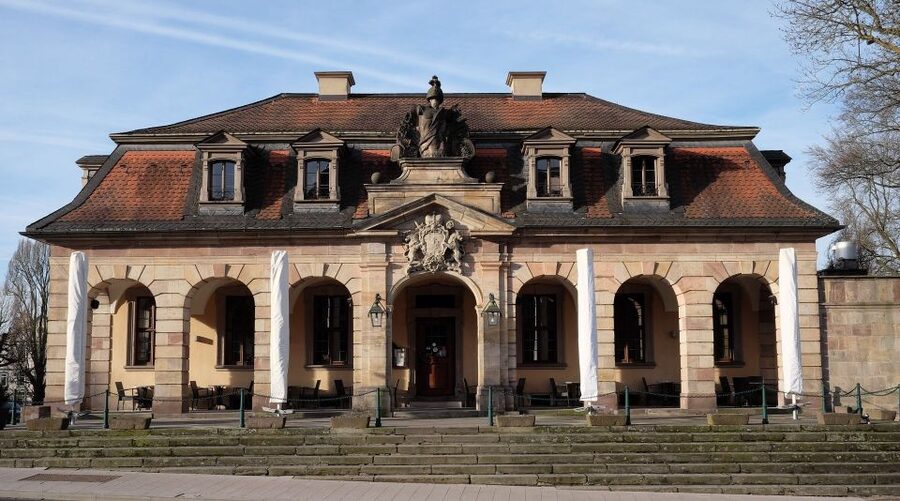
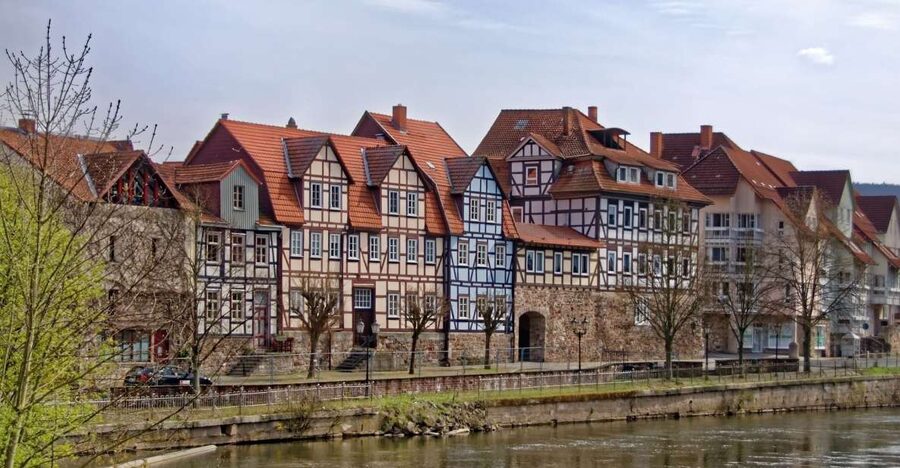
Fulda’s old town is more than its large churches. You will also walk narrow streets lined with wooden-beamed houses and old craftsmen’s shops. These smaller details show how the city worked at street level.
The former homes of high-ranking court officers add another layer. They remind you that Fulda was shaped by a court as well as by religious institutions. A grand residence needs administrators, advisers, officials, and household staff, and their houses helped form the urban district around the palace.
This is where a private guide can add useful context. A façade may look attractive on its own, but the story becomes more interesting when you learn who lived there and why the building appeared in that location. You can ask about the difference between a court officer’s home, a craftsman’s shop, and a religious building.
Do not expect every lane to feel like a preserved stage set. The point is not perfect uniformity. It is the way major baroque buildings sit beside older houses and practical commercial spaces. That mix gives Fulda a more grounded feel than a route made only of monuments.
The narrow streets also make the walking pace important. In a larger group, stay close and make sure you can hear. One group had trouble catching every explanation when the guide spoke while walking and did not always wait for everyone. For a party of 10 to 15, ask for a clear stop-and-talk rhythm at the beginning.
Same city, a completely different kind of day:
- Berlin: Reichstag, Dome and Government District Guided Tour
★ 4.7 · 18,288 reviews - Berlin: 1-Hour City Tour by Boat with Guaranteed Seating
★ 4.3 · 16,993 reviews - Hamburg: Sex and Crime in St. Pauli Tour for Ages 18+
★ 4.7 · 15,447 reviews - Hamburg: 1.5-Hour Harbor and Speicherstadt Day Cruise
★ 4.6 · 14,200 reviews
The Residence and the story of courtly Fulda
The Residence introduces the political side of the city. You will learn about its past and the role it played in Fulda’s baroque development. The surrounding streets and former official residences make more sense after this stop.
The word Residence can suggest a long indoor palace visit, but the tour information does not promise admission to every interior or include entrance fees. Ask your guide what access is available during your chosen time. The confirmed value here is the guided context: the building, its past, and its place in the town’s architectural ensemble.
For me, this is one of the tour’s most useful sections because it connects separate sights. The cathedral explains Fulda’s religious importance. The court houses explain its social structure. The Residence helps you see how authority, money, and design came together to shape the streets.
The guide may be able to adjust the emphasis. If your group cares most about architecture, you can ask for more attention to façades and urban planning. If you prefer stories of court life and religious power, say so early. The tour allows possible customization on the spot, but 90 minutes goes quickly, so choosing priorities matters.
Residence Garden and the Flora Vase
The Residence Garden provides a change of pace after the churches and built-up streets. Its design combines baroque and English garden styles, giving you both formal elements and a more relaxed arrangement.
The garden’s main named feature is the Flora Vase, described as one of the most beautiful garden sculptures in Germany. It gives the walk a clear visual finale and shows how courtly display continued beyond the palace walls.
Garden stops are easy to underestimate. They offer a chance to see how power was expressed through space, plants, sculpture, and controlled views. The formal baroque side suggests order and ceremony, while the English garden influence allows a less rigid style. Even without a long garden lecture, the contrast gives you something to notice as you walk.
The route is not described as a full garden tour, and seasonal conditions can affect what you see. Still, this section adds variety and keeps the experience from becoming a string of churches and palace façades.
If you enjoy sculpture, ask your guide to point out the Flora Vase clearly and allow a moment to look at it. A moving group can pass a garden feature quickly, especially when the guide is trying to keep to the 90-minute schedule.
What the private format is really worth
The price is $294 per group of up to 15 people, not per person. That can be good value for a family or group of friends. With 15 people, the cost works out to about $20 per person. With two people, it becomes $147 per person, so the economics change sharply.
The private setup gives you control over the group. You do not have to match the pace or interests of strangers, and you can ask questions without waiting for a large public tour to move on. It is also useful for a group that wants English rather than German, or German rather than English.
The price does not include entrance fees. That means you should allow extra money if the cathedral, Residence, or another site requires admission on your day. The tour’s main product is the guide’s walking commentary and the route through Fulda, not a package of included admissions.
I would consider it strong value for a group already planning to explore Fulda together. For one or two people, compare the cost with a public walking tour if one is available. The private option earns its price through flexibility and exclusivity, not through a long duration or included tickets.
Guide quality and group size
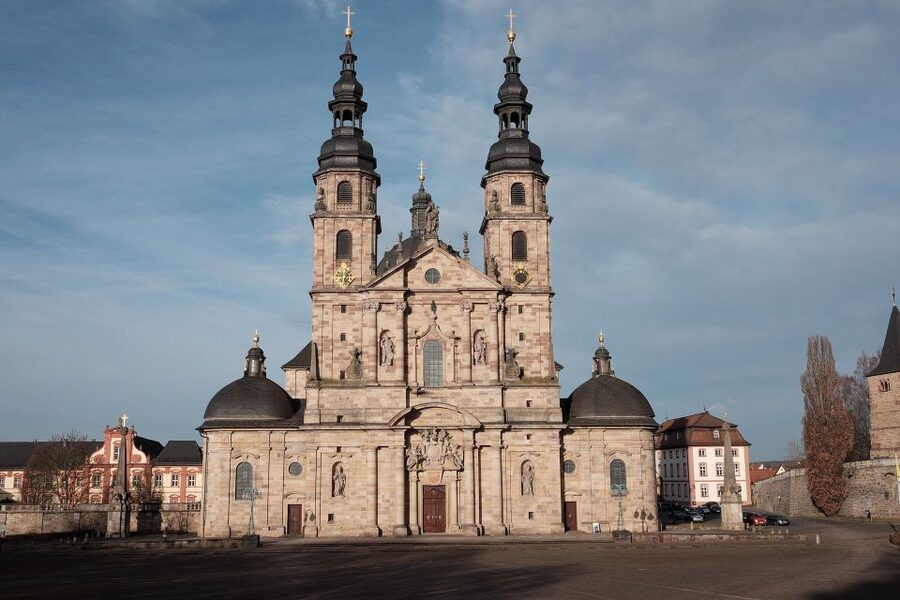
The guide can make or break a short walking tour. A 90-minute route has no room for long pauses caused by confusion, and everyone needs to hear the historical explanations.
Heidi guided one particularly well-received tour, with thanks for the many experiences and clear explanations of the city’s history. That points to the best version of this activity: a guide who keeps the walk moving but still gives you enough context to understand what you are seeing.
The main weakness to guard against is organization in a larger group. One participant found the tour beautiful and informative but suggested forming the group and having the guide speak directly to everyone. Another described the walk as unprepared and unstructured, with explanations given while moving and some people left behind at stops.
That does not mean every departure will have the same problem. It does mean you should be practical. Arrive ready to stay together, tell the guide if people cannot hear, and ask for pauses at the cathedral, St. Michael’s Church, and the garden. A private guide should be able to respond to that request.
The overall rating is 4.4 from six reviews, which suggests a generally positive experience but also a small sample with uneven feedback. I would book with confidence for the sights and private format, while setting clear expectations about hearing and pacing.
Who will enjoy this Fulda walk
This tour fits first-time visitors who want a quick orientation to Fulda’s main historic center. It also works well for families, couples, and friend groups that prefer a private guide and want to ask questions along the way.
Architecture fans will get the most from the route. You see baroque buildings, medieval religious architecture, timbered houses, court residences, and a formal garden in one compact walk.
It also suits people interested in religious history. Saint Boniface’s tomb, the cathedral, St. Michael’s Church, and the city’s reliquaries give the tour a clear spiritual thread.
You may want something else if you need step-free access, use a wheelchair, or find walking difficult. The activity is specifically not suitable for wheelchair users or people with mobility impairments.
Bring comfortable shoes and avoid packing the schedule too tightly. The tour lasts 90 minutes, but you may want extra time afterward to revisit a church, look more closely at the garden, or explore a street that caught your eye.
Should you book Fulda’s private walking tour?
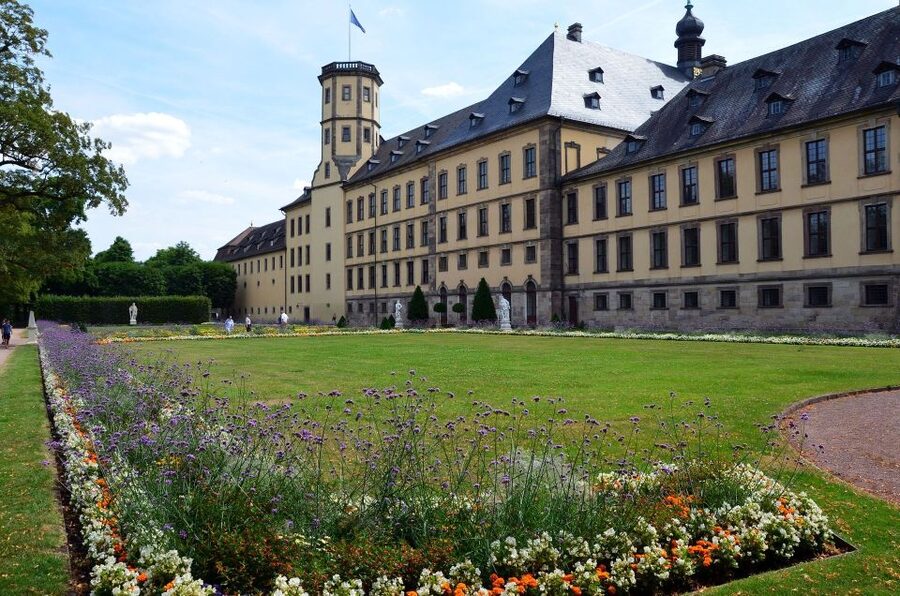
Book it if you want a concise, private introduction to Fulda’s baroque center, especially if you are traveling with enough people to share the $294 group price. The combination of cathedral, Saint Boniface, St. Michael’s Church, court buildings, old streets, and the Residence Garden gives you a well-rounded first look.
I would be more cautious if you are a solo visitor, need guaranteed interior admissions, or want a slow and highly structured architectural lecture. In that case, check the final price with any entrance fees and tell the guide at the start that your group needs clear stops and everyone included.
For most small groups who value a private guide, the tour offers a useful balance of grand monuments and everyday old-town details. Just keep the pace manageable, wear good shoes, and speak up if the group cannot hear.
FAQ
How long does the Fulda private walking tour last?
The tour lasts 90 minutes.
How much does the tour cost?
The price is $294 for a private group of up to 15 people.
What languages are available?
The live guide is available in English or German.
Where does the tour meet?
The meeting point is in front of the Tourist Office at Bonifatiuspl. 1, 36037 Fulda, Germany.
Are entrance fees included?
No. Entrance fees are not included in the tour price.
Is the tour suitable for wheelchair users?
No. The activity is not suitable for wheelchair users or people with mobility impairments. Comfortable shoes are recommended.
Just added in Germany
- Berlin & The Third Reich Private Guided Tour★ 5.0 · 3 reviews
- Third Reich Quest Experience in Berlin★ 4.5 · 7 reviews
- Private Analogue Photography Experience in Berlin★ 5.0 · 3 reviews
- Berlin Urbex Adventure and History Tour★ 5.0 · 9 reviews
- The Beauty of Berlin by Bike: Private Tour★ 5.0 · 59 reviews
- Berlin: Guided Bike tour of the Berlin Wall and Third Reich★ 5.0 · 160 reviews
- Beyond Currywurst: Berlin’s Hidden Street Food & Culture Tour★ 5.0 · 100 reviews
- Berlin Third Reich & Cold War Walking Tour With A Guide★ 5.0 · 7 reviews
Walking Tours, compared.

Berlin’s Best: 2 Hour Walking Tour Third Reich and the Cold War
Read our review →