
Reviewed · STREET ART
Berlin: Street Art and Alternative Tour
Berlin’s street art makes the city’s Cold War story visible. On this three-hour walking tour, you move through Kreuzberg and toward the East Side Gallery, where murals, political messages, and old wall scars explain how Berlin’s alternative culture took shape after 1989.
I like the way the tour connects art to social change, rather than treating murals as colorful decoration. I also like the small-group format and the choice of French or Italian guides, including guides such as Antonella, Iacopo, Martin, and Marie. The main thing to watch is the public transport cost: your $31 tour price does not include the required 24-hour AB ticket, and the meeting point can change with the option you book.
Key points to know before you book
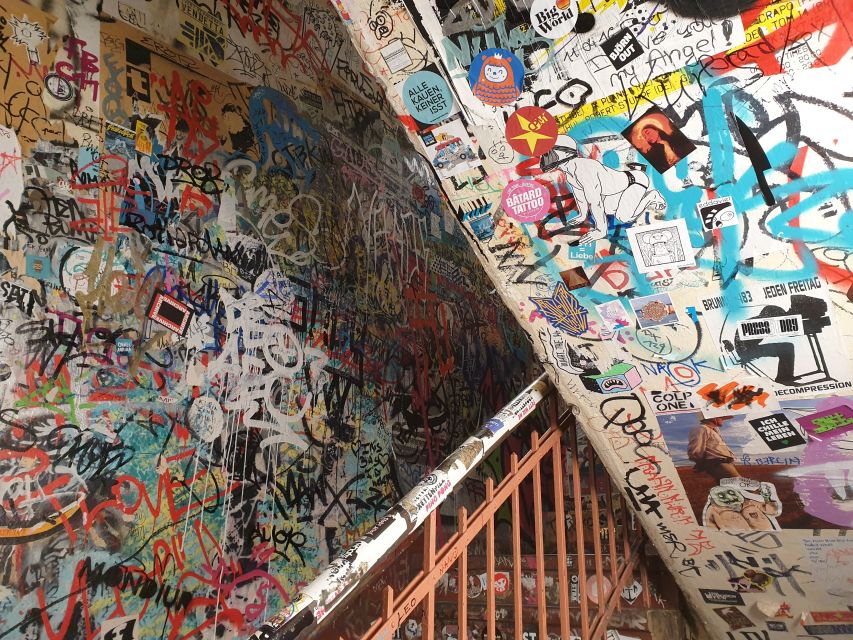
- Kreuzberg is the heart of the walk: Expect an alternative neighborhood where art, politics, migration, and gentrification meet.
- The East Side Gallery adds Cold War context: Murals here sit along a remaining section of the Berlin Wall.
- The art is not only on famous walls: You may see large works between buildings, small pieces in corners, and art tucked into courtyards.
- French and Italian are the tour languages: This is a useful choice if you prefer history explained in one of those languages.
- Allow for transport costs: You need to buy a 24-hour AB public transport ticket separately.
- Good shoes matter: The experience lasts three hours and is conducted on foot.
Why Berlin’s street art needs a history lesson
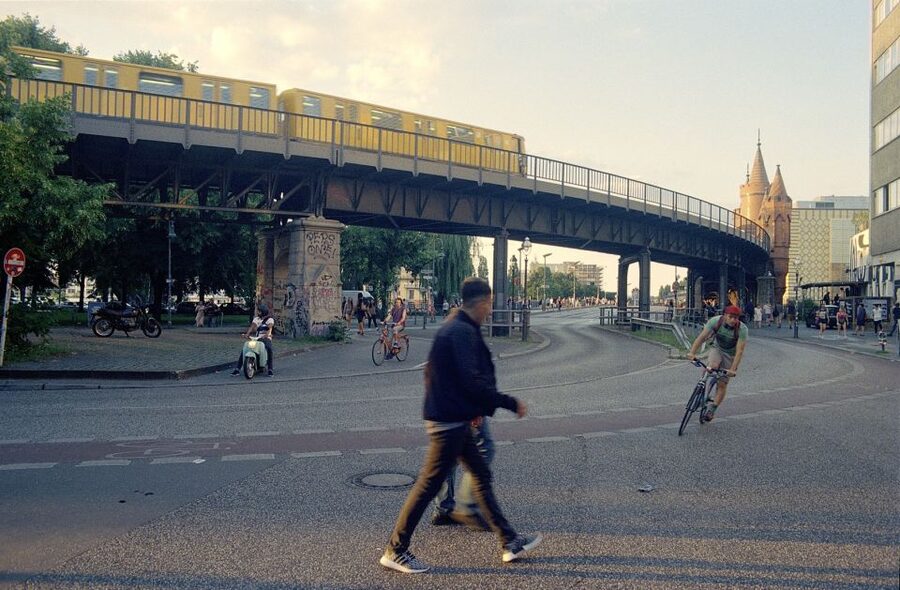
You can look at a Berlin mural and admire its colors in seconds. The harder question is why it is there at all. This tour gives you a way to read the city’s walls as records of political anger, freedom, neighborhood identity, and commercial pressure.
Berlin’s alternative culture grew from the city’s unusual position during the Cold War. The Wall did not simply divide two political systems. It also created neglected edges, empty spaces, and neighborhoods shaped by separation. After the Wall fell in 1989, those areas became places where artists, squatters, musicians, political groups, and new residents helped define a changing city.
That story is especially useful in Kreuzberg. The neighborhood is presented not just as a backdrop for street art, but as a place affected by economic and social change. You hear how the post-1989 revival helped make Berlin attractive, and how that success later brought gentrification.
I appreciate that balance. The tour does not need to pretend that every painted wall is a pure act of rebellion. Street art can challenge authority, claim public space, support local identity, and also become part of the city’s appeal to visitors and investors. That tension is one of the most interesting parts of modern Berlin.
More Street Art Tours in Berlin
- Berlin: City Street Art Guided Walking Tour
★ 4.8 · 886 reviews - Berlin: 3-Hour Street Art Tour
★ 4.7 · 778 reviews - Berlin Street Art Walking Tour – Off The Grid
★ 5.0 · 270 reviews
Starting in Kreuzberg, where the city feels most alternative
The route centers on Kreuzberg, one of Berlin’s best-known districts for alternative culture and urban art. The exact meeting point may vary according to the option you select, so check your booking details closely. One practical detail is worth noting: a past participant questioned why the tour did not simply meet at Kottbusser Tor when the walk began there. That suggests you should allow time to find the stated starting point rather than assuming the first art stop is the meeting place.
Kottbusser Tor is associated with Kreuzberg’s dense urban setting and is a useful point from which to understand the district’s energy. From there, your guide can place the surrounding streets in a wider story about Berlin after reunification. The value is not only seeing a mural, but learning why this part of the city became a center for alternative life.
Do not expect a quiet gallery visit. This is a street walk through an active neighborhood. You may pass large painted walls, smaller pieces squeezed into corners, and works in courtyards or along side streets. Some art is easy to spot. Some of it rewards careful attention, which is why a guide adds real value.
You should also expect the condition of the art to vary. Outdoor work can fade, be painted over, or disappear as buildings change. That is part of the medium, but it means this experience is less about checking off permanent monuments and more about understanding how public art works in a living city.
Reading murals as political statements
A strong guide will help you look past the surface. The most useful part of the tour is the link between an image and the conflict or hope behind it. You learn how urban art has helped express social demands, neighborhood concerns, and ideas about who has the right to shape public space.
The French and Italian language choices are a real advantage for the right audience. The experience is not simply a walk with occasional labels to translate. It is built around explanation, questions, and context. If you understand complex historical ideas more easily in French or Italian, you will likely get more from the discussion than you would from reading short English captions on your own.
Several guides have been praised for making the subject clear and personal. Antonella and Iacopo have been associated with especially passionate accounts of Berlin’s history. Martin is noted for sharing his affection for the city in an accessible way, while Marie has been described as welcoming, willing to answer questions, and good at adding current local details.
That does not mean you should book based on a specific guide unless the booking page guarantees that person. Guide assignments can change. It does indicate the sort of presentation to expect: history explained with enthusiasm, not a dry list of dates.
From the Wall’s wound to the East Side Gallery
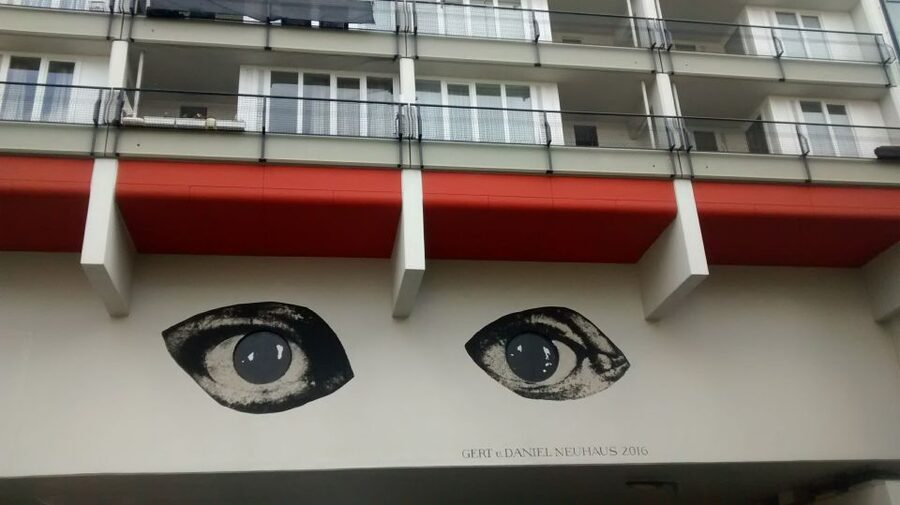
The East Side Gallery is the most recognizable part of the route. It occupies a long surviving section of the Berlin Wall covered with murals. The art is famous, but the setting matters just as much. These paintings are placed on a former barrier that divided families, neighborhoods, and political systems.
Seeing the gallery with context helps you understand why it became such a powerful symbol after reunification. The wall was once built to control movement. Its painted remains now invite people to stop, look, and think about freedom, memory, and political change.
The East Side Gallery can also feel more public and more familiar than the smaller works in Kreuzberg. That contrast is useful. You see both the large-scale art that has entered Berlin’s public image and the less polished pieces that belong to everyday streets and corners.
Keep your expectations realistic. The East Side Gallery is not an untouched historical site. It is an open-air art area exposed to weather, crowds, and the ordinary wear of a city. The tour’s strength is not that it presents a perfect monument. It shows how Berlin continues to use, argue over, and reinterpret the remains of the Wall.
Same city, a completely different kind of day:
- Berlin: Reichstag, Dome and Government District Guided Tour
★ 4.7 · 18,288 reviews - Berlin: 1-Hour City Tour by Boat with Guaranteed Seating
★ 4.3 · 16,993 reviews - Berlin: Boat Tour Along the River Spree
★ 4.4 · 11,252 reviews - Discover Berlin Half-Day Walking Tour
★ 5.0 · 9,624 reviews
A wider view of Friedrichshain and Mitte
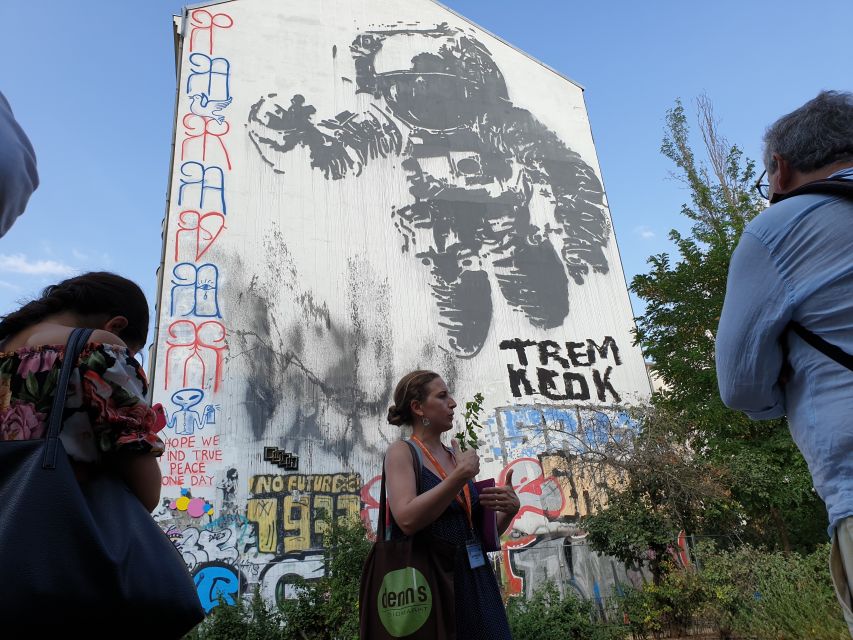
The tour description also places Berlin’s street art within Friedrichshain and the Mitte district. The precise sequence can vary, and you should not assume that every booking follows an identical route through all three areas. Still, the wider focus helps explain that Berlin’s urban art is not confined to one famous neighborhood.
Friedrichshain is important to the story because it sits close to the former east-west divide and includes the East Side Gallery area. Large works can appear between buildings, while smaller pieces may sit on less obvious surfaces. The contrast between grand murals and quick, personal markings is part of the visual story.
Mitte adds another angle. Here, you may find art in corners, courtyards, and side streets rather than only on major walls. This makes the tour feel less like a parade of postcard sights. You are encouraged to notice the city at eye level and to see how art occupies leftover spaces.
The route’s variety also keeps the three hours from becoming one long look at the same kind of wall. You move between art, architecture, street life, and historical explanation. For me, that mixture is more useful than a tour focused only on famous murals.
What the three-hour format feels like
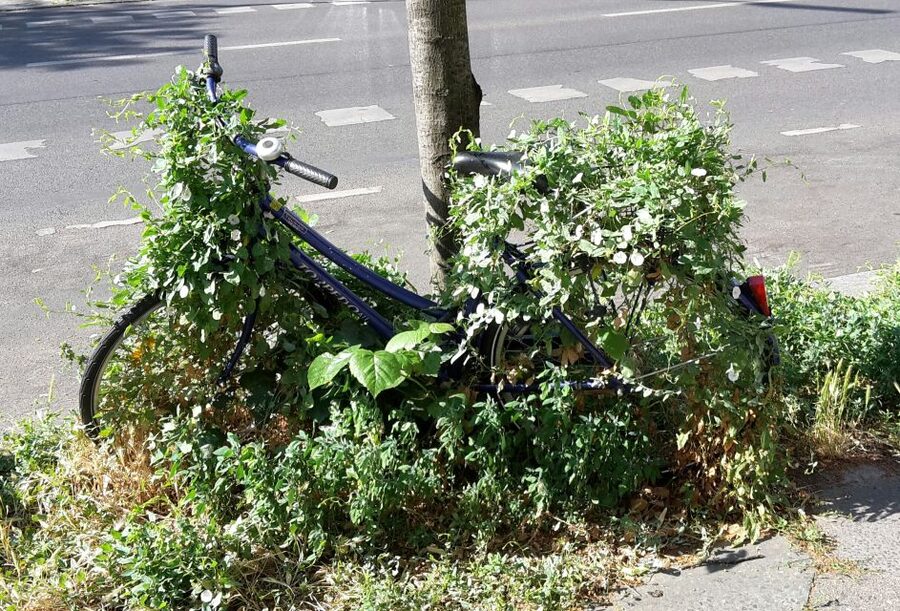
Three hours is long enough to build a story but short enough to fit into a busy Berlin visit. You will spend the time walking, standing, looking upward and sideways, and listening. Comfortable shoes are essential.
The small-group setup should make it easier to ask questions than on a large city coach tour. That matters here because street art often raises simple-looking questions with complicated answers. Who made it? Was it legal? What did it mean at the time? What does it mean now? A smaller group gives the guide more room to respond.
The walking pace may not suit everyone. The supplied information does not give an accessibility statement or a precise walking distance, so you should ask the provider if you have mobility concerns. The tour is clearly built around walking through public streets, not sitting in one venue.
You also need to plan for public transport. A 24-hour AB ticket is not included and must be purchased separately. The ticket is required to take the tour, so include that expense when comparing the $31 price with other Berlin activities.
Is $31 a fair price?
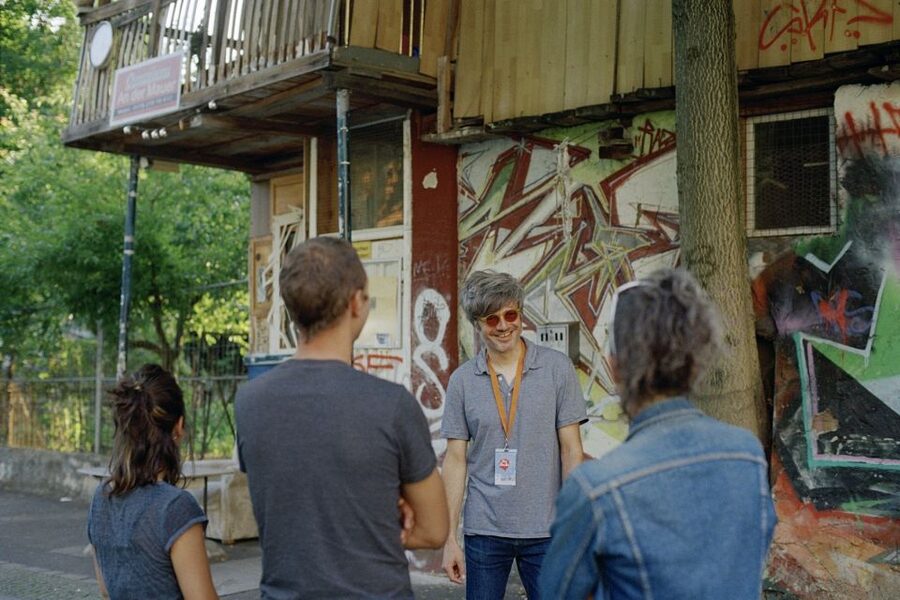
At $31 per person, this is not the cheapest way to see Berlin’s murals. You could walk through Kreuzberg or along the East Side Gallery independently and spend only the cost of transport. If your goal is simply to photograph large paintings, self-guided sightseeing may be enough.
The tour earns its price through interpretation. You are paying for a guide who can connect the art to Berlin’s Cold War division, the changes after 1989, and current gentrification. You also get a planned small-group route rather than spending time deciding which streets to follow.
The value is strongest if you enjoy history, politics, architecture, or local social issues. It is weaker if you want a fast photo stop or a standard introduction to Berlin’s main landmarks. This is not a general city tour, and the Wall art is the subject rather than a brief extra.
Remember to add the 24-hour AB ticket to your budget. The separate transport cost is reasonable in a city where you may use buses, trams, and trains during the same day, but it is still an extra cost that should not surprise you.
Who will get the most from this walk
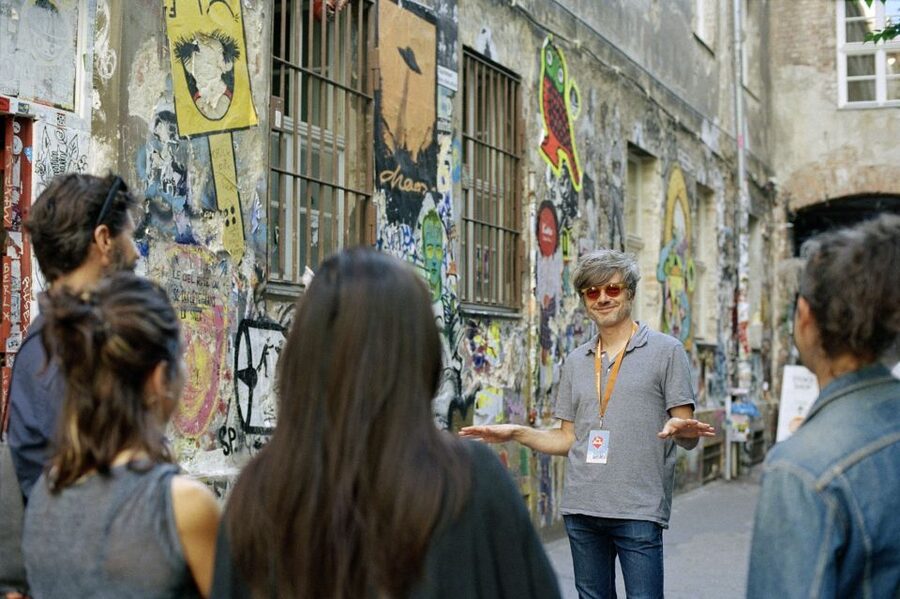
I would choose this tour for someone who has already seen Berlin’s classic sights and wants to understand the city’s alternative side. It also works well early in a visit if you want a social and political frame for later walks through Kreuzberg, Friedrichshain, or the former Wall route.
It suits:
- Visitors who prefer local neighborhoods to formal museums
- People interested in Cold War history and reunification
- Art lovers who want context, not just photographs
- French and Italian speakers who want a live guide in those languages
- Anyone curious about how gentrification changes creative districts
- Small groups or solo visitors who like asking questions
I would hesitate to recommend it to someone with only a short stop in Berlin who has not yet seen the Brandenburg Gate, Museum Island, or other central sights. The tour is specialized. It gives you a particular Berlin, not the whole city.
Families may enjoy the large paintings and open-air setting, but the historical and political discussion may be more useful for older children and adults. Since no child-specific format is provided, you should judge that based on your group.
Practical advice for a better experience
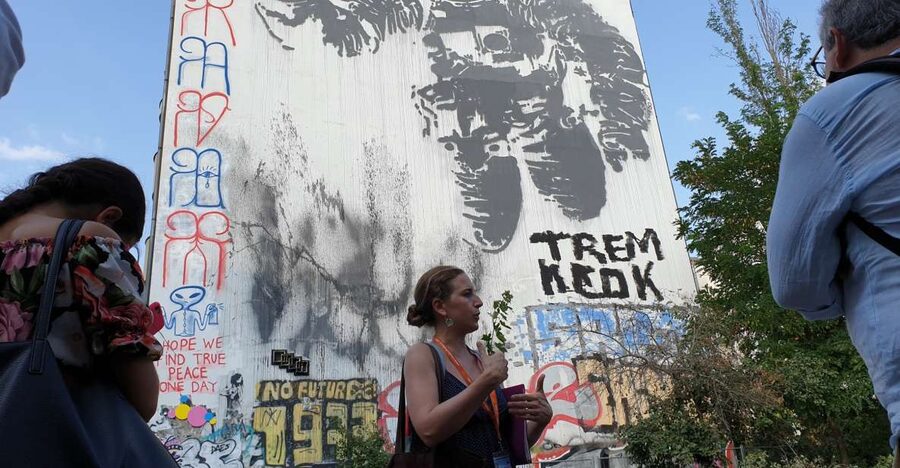
Buy the 24-hour AB ticket before the tour begins. Since the meeting point varies by booking option, confirm both the starting location and the easiest public transport connection.
Wear shoes you can use comfortably for three hours. There is no need to dress for a formal venue, but you should be ready for sidewalks, standing, and frequent stops.
Bring questions. This tour is at its best when you ask how a particular mural relates to the neighborhood, the Wall, or the city’s political changes. A guide can explain the difference between a famous public work and a small piece that carries meaning mainly for local people.
Keep your camera ready, but do not let photography replace looking. Some of the most useful details may be small, partly hidden, or easy to miss while focusing on the biggest wall.
Finally, stay open to contradictions. Berlin’s street art can be rebellious, commercial, beautiful, rough, temporary, and political at the same time. The tour is most rewarding when you accept that public art does not always offer one clear message.
Should you book Berlin’s Street Art and Alternative Tour?
Book it if you want to understand why Berlin became a center for alternative culture, and if you would rather hear the story behind the paint than collect a few mural photographs. The combination of Kreuzberg, the former east-west border, and the East Side Gallery gives the three hours a clear historical thread.
The $31 price is fair for a small-group guided walk, especially if your guide is as engaging as Antonella, Iacopo, Martin, or Marie have been on past dates. Just remember that the AB transport ticket costs extra, the meeting point may vary, and the route is about interpretation as much as sightseeing.
Skip it if you want a broad overview of Berlin or have difficulty with a long urban walk. For everyone else, especially French and Italian speakers interested in art, politics, and the city’s post-Wall changes, this is a useful way to see Berlin beyond its grand monuments.
FAQ
How long does the Berlin Street Art and Alternative Tour last?
The tour lasts three hours.
What languages are available?
The live tour is available in French or Italian.
What neighborhoods does the tour explore?
The experience focuses on Kreuzberg and includes the East Side Gallery. It also places Berlin’s urban art within the wider areas of Friedrichshain and Mitte, though the exact route may vary.
Is the East Side Gallery included?
Yes. Visiting the East Side Gallery is one of the stated highlights of the experience.
Is public transport included in the price?
No. You need to purchase a 24-hour AB public transport ticket separately.
What should I bring?
Bring comfortable shoes because the experience is a three-hour walking tour.
Is this a small-group tour?
Yes. The activity includes a walking tour with a small group.
Can I cancel for a full refund?
Yes. You can cancel up to 24 hours in advance for a full refund.
Just added in Berlin
- Berlin & The Third Reich Private Guided Tour★ 5.0 · 3 reviews
- Third Reich Quest Experience in Berlin★ 4.5 · 7 reviews
- Private Analogue Photography Experience in Berlin★ 5.0 · 3 reviews
- Berlin Urbex Adventure and History Tour★ 5.0 · 9 reviews
- The Beauty of Berlin by Bike: Private Tour★ 5.0 · 59 reviews
- Berlin: Guided Bike tour of the Berlin Wall and Third Reich★ 5.0 · 160 reviews
- Shared Underground Party Tour in Berlin★ 4.5 · 9 reviews
- Beyond Currywurst: Berlin’s Hidden Street Food & Culture Tour★ 5.0 · 100 reviews
Street Art, compared.

Neustadt District Street Art Guided Walking Tour
Read our review →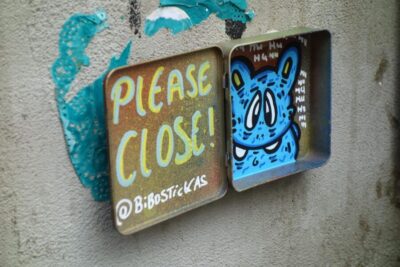

East Meets West: Berlin Food Culture & Street Art
Read our review →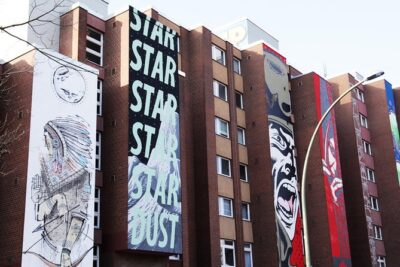
Browse the lists this tour appears in