
Reviewed · WALKING TOURS
Berlin: Old Neukölln Private Walking Tour
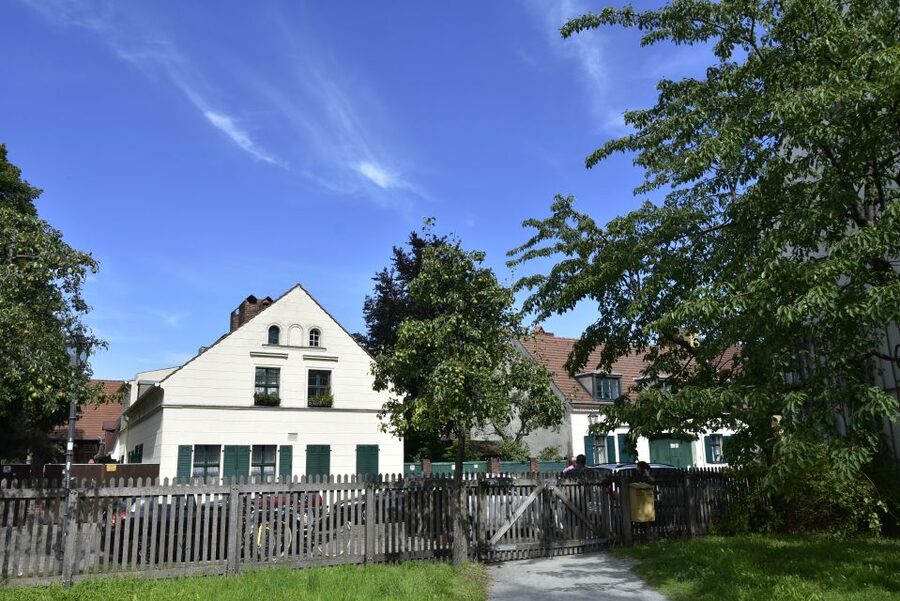
Old Neukölln can surprise you. Just beyond Berlin’s busy streets, Richardplatz feels like a village square, with old buildings, small lanes, and a past shaped by Bohemian settlers. This private walk uses that compact setting to explain how Rixdorf became Neukölln, and why this part of the city has carried such a mixed reputation.
I like two things here. First, the tour connects visible places to memorable stories, including the fires that changed Rixdorf and the evacuation of its Bohemian community. Second, Reinhold Steinle has guided in Neukölln since 2008 and clearly treats the district as a personal cause, not just another stop on a city route. The main consideration is that the tour is conducted in German, lasts only 90 minutes, and is not suitable for people with mobility impairments.
Key points at a glance
- Richardplatz’s village setting: See one of central Berlin’s most unexpected old-fashioned squares.
- A local story rather than a postcard checklist: Learn about Rixdorf’s fires, renaming, Bohemian settlers, and Czech connections.
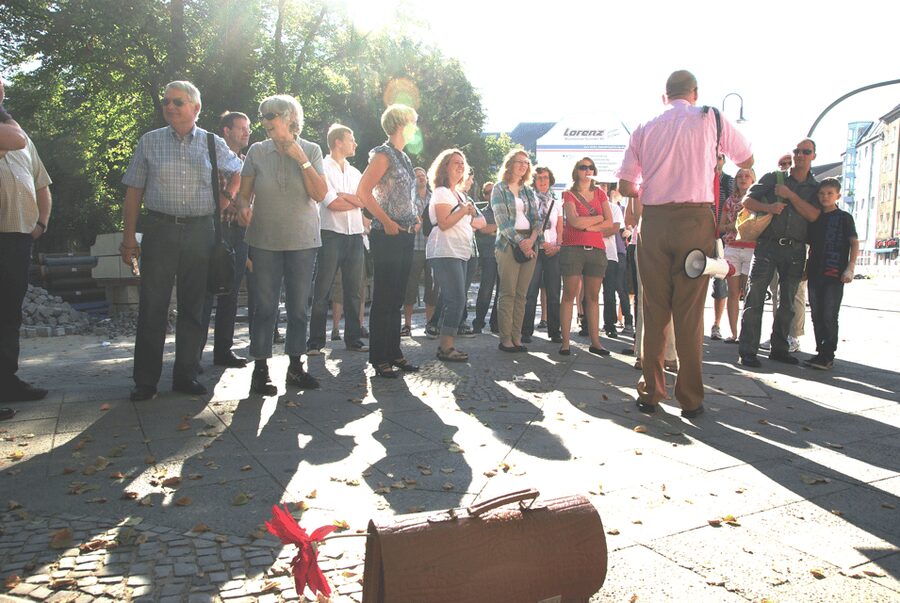
- A private group of up to six: You get a more personal format than a large scheduled walk.
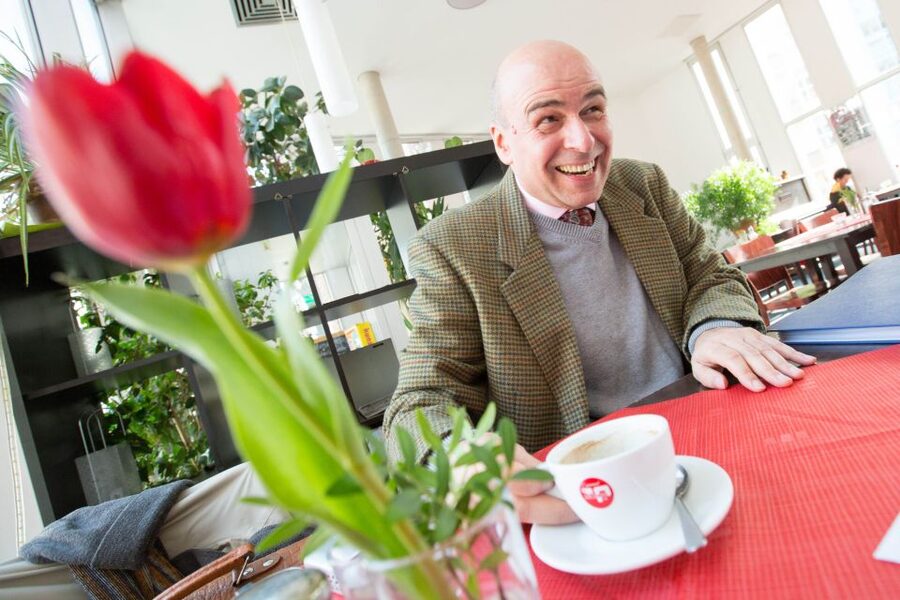
- A guide with a clear local mission: Reinhold Steinle has regularly shown people around Neukölln since 2008.
- A German-language experience: You’ll need enough German to follow the stories and historical explanations.
- A good value for small groups: At $70 per group, the price works out well when shared by several people.
Why Old Neukölln feels unlike the rest of Berlin
Neukölln is often reduced to a rough reputation or a shorthand image of modern Berlin. This tour asks you to slow down and look at an older layer of the district, one tied to Rixdorf, Bohemian settlers, churches, schools, memorials, and repeated change.
The point is not simply to label Neukölln trendy or historic. You get a more useful picture: this is a district with a village core, a complicated past, and a present identity that has never stayed still for long.
I especially like the way the tour frames Neukölln as a place that needs context. A short walk can show you attractive old buildings, but the stories explain why they are there and how the neighborhood’s name, population, and public image changed over time.
The route also has a clear human focus. You hear about the Bohemians who settled here, the religious life connected with Bethlehem Church, the local fires, and the relationship between Rixdorf and the Czech world. Those details give the walk more weight than a simple architecture stroll.
More Walking Tours in Berlin
- Discover Berlin Half-Day Walking Tour
★ 5.0 · 9,624 reviews - Berlin: Third Reich and Cold War 2 Hour Walking Tour
★ 4.9 · 6,830 reviews - Berlin: Discover Berlin Walking Tour
★ 4.9 · 5,998 reviews
Richardplatz, where Berlin takes on a village shape
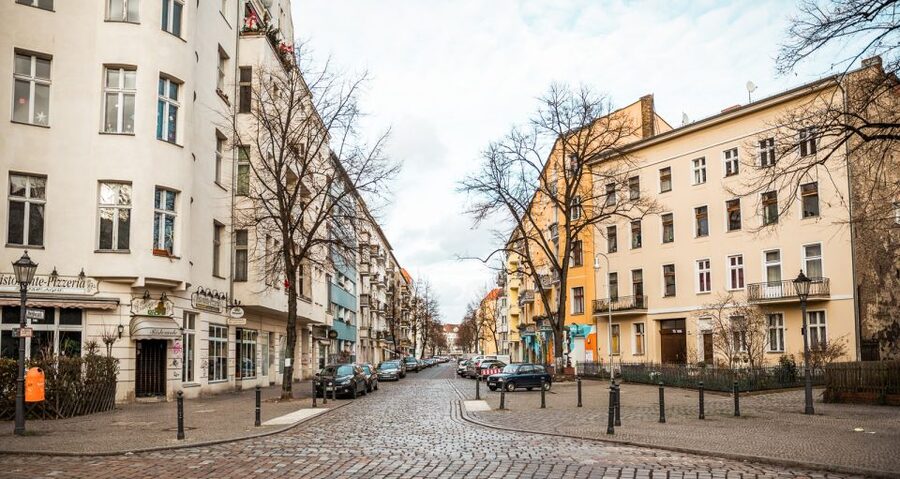
The meeting point is at Richardplatz 22, next to the small church. That makes the start easy to identify, but it also puts you directly inside the character of the tour. Richardplatz is the place where Old Neukölln makes its strongest first impression.
Instead of the grand avenues and monumental buildings associated with central Berlin, you find a smaller setting with a village feel. The square helps you understand why Rixdorf once seemed separate from the larger city around it.
Your guide uses Richardplatz as more than a photo stop. It is the starting point for the district’s story, including the origins of the Bohemian village and the events that later changed its name and reputation.
This is likely the most rewarding part of the walk for anyone who wants a different side of Berlin without traveling far from the city center. If your idea of Berlin is mainly museums, Cold War sites, and major landmarks, Richardplatz offers a quieter contrast.
The tradeoff is that the attraction comes from atmosphere and explanation rather than a long list of famous sights. If you want major interiors or grand museum collections, this is not the right tour. If you want to understand a small historic corner of a large city, it is a better match.
Bethlehem Church and the religious story of Rixdorf
Bethlehem Church, or Bethlehemskirche, is one of the main historical stops. The church gives the tour a way to explain the religious and cultural background of the area, especially the presence of Bohemian settlers.
The connection between faith, migration, and settlement is important here. Rixdorf was not simply an old village that happened to survive inside Berlin. Its identity was shaped by people who brought their own traditions and community ties with them.
You should expect the guide to explain why the church matters within that larger story rather than treating it as an isolated building. The tour also refers to Jan Hus, a major figure in Bohemian religious history, helping connect local events to a wider Czech and Central European setting.
The information is presented in German, so language ability matters. This is a story-led tour. If you understand German well, the details should be far more rewarding than a walk where you only recognize the names of buildings.
Böhmischer Platz and the Bohemian connection
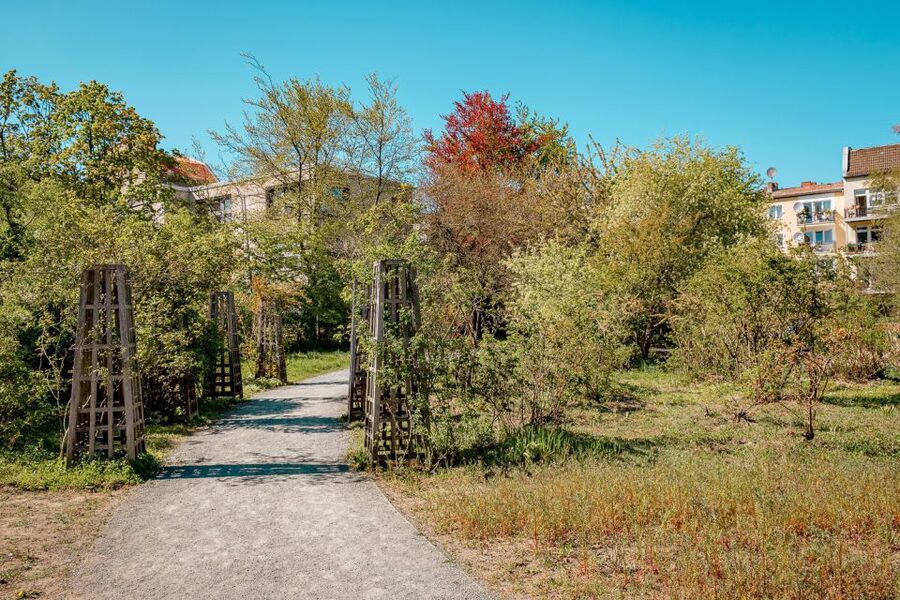
The route continues to Böhmischer Platz, or Bohemian Square, along with the Böhmische Gottescaker. These places keep the focus on the community that helped shape old Rixdorf.
The name Bohemian can sound like a broad historical label, but here it points to a specific local story of settlement, religion, and identity. You hear about the arrival and later evacuation of the Bohemians, as well as the district’s Czech partnership.
That gives you a better sense of how local history crosses borders. Berlin neighborhoods are often explained through kings, wars, and political systems. This walk also pays attention to a smaller community and the marks it left on streets, squares, institutions, and memory.
I like this part of the itinerary because it asks you to notice names. Böhmischer Platz is not just a square with an unusual title. It is a clue. Once you know what the name means, the neighborhood becomes easier to read.
The Böhmische Gottescaker adds another stop connected with the Bohemian story. The supplied information does not provide details about its interior or opening status, so you should think of this as a historical point on a walking route rather than count on a separate indoor visit.
Same city, a completely different kind of day:
- Berlin: Reichstag, Dome and Government District Guided Tour
★ 4.7 · 18,288 reviews - Berlin: 1-Hour City Tour by Boat with Guaranteed Seating
★ 4.3 · 16,993 reviews - Berlin: Boat Tour Along the River Spree
★ 4.4 · 11,252 reviews - Berlin: Hop-on Hop-off Bus Tour with Live Commentary
★ 4.3 · 8,579 reviews
Fires in Rixdorf and the cost of a changing neighborhood
One of the tour’s more unusual subjects is the past fires in Rixdorf. Fires can sound like a minor local detail, but they help explain why old neighborhoods do not always look as old as their history.
The guide connects these events with the changing shape of Rixdorf. You are not just hearing that a fire happened. You are getting a reason to think about rebuilding, loss, and the way communities respond when familiar streets are damaged.
This is the sort of subject that makes a local walking tour useful. You can pass through an attractive square on your own, but you may never ask what happened before the buildings you see were standing there.
The tour also covers the renaming of Rixdorf as Neukölln. That change matters because names influence how a district is viewed. The walk presents Neukölln as more than the negative image often attached to it, while still acknowledging that the district’s reputation has been part of its modern story.
Reinhold Steinle’s stated aim is to correct that one-sided image step by step. You should not expect a sales pitch that pretends every part of Neukölln is the same. Instead, the value is in seeing the area through its older roots and local details.
Memorials, schools, gardens, and the smaller details
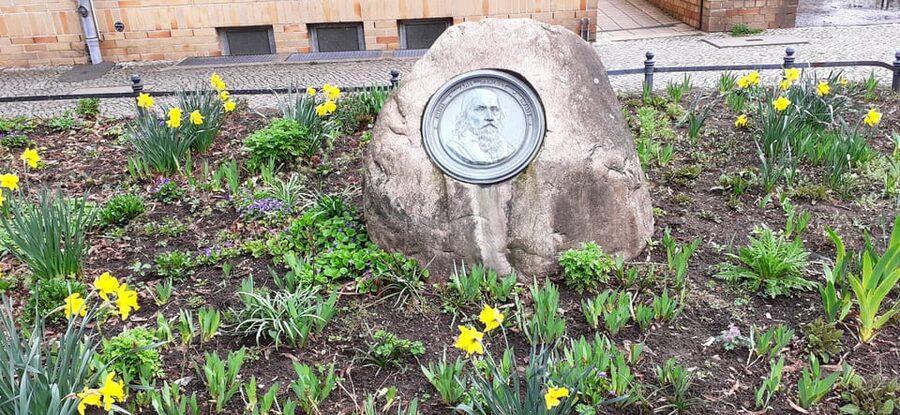
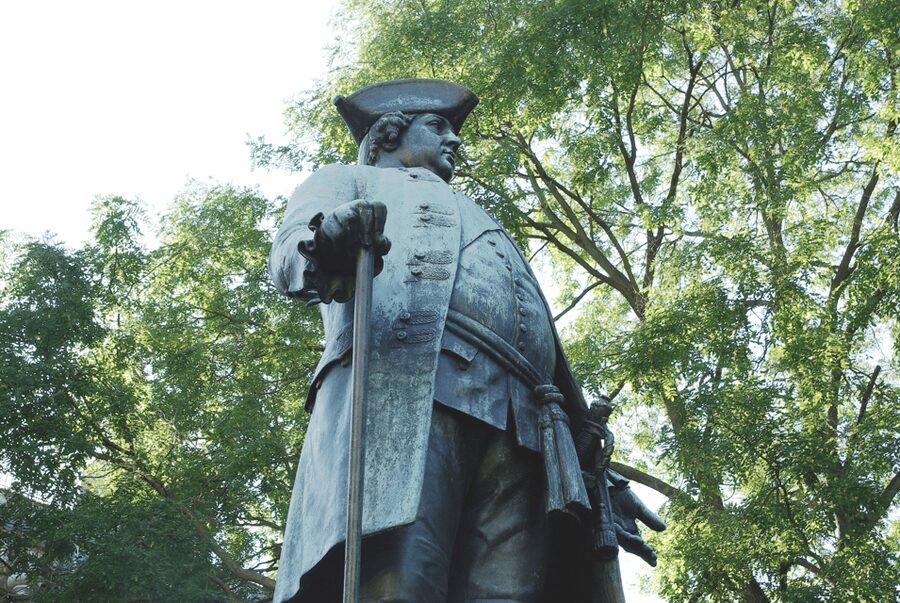
The walk includes several stops that broaden the story beyond churches and squares. These include the Friedrich Wilhelm I Memorial, Richardstrasse, and the old Bohemian schoolhouse.
Each stop adds a different layer. The memorial points toward Prussian history and authority. Richardstrasse keeps you focused on the streets where local life developed. The old schoolhouse brings the story back to education and community, showing that settlement history is also about institutions and everyday routines.
The Comenius Garden adds another historical and cultural reference. Along with the old Bohemian village sites, it helps the tour move beyond a single theme. You learn that Old Neukölln is not only a religious settlement or a former village. It is a place where political, cultural, and social stories overlap.
KGB44 is also included among the sights. The supplied information does not explain what you will see there, so I would treat it as a named stop to ask about during the walk rather than assume a particular exhibition or activity.
That uncertainty is worth noting. The experience is built around Reinhold Steinle’s explanations, and the value of some stops will depend on how much context he provides in the moment. This is not a fixed audio guide with a guaranteed script for every doorway.
A private format that works best for small groups
The tour costs $70 per private group of up to six people. That is a group price, not a per-person price, so the value improves quickly when you share it.
For two people, the cost is $35 each. For six, it is about $11.67 per person. At the full group size, that is a strong price for a 90-minute private walk with a live guide.
The private setup also changes the feel of the experience. You are not joining a large crowd, and the guide can speak directly to your group. The supplied feedback repeatedly points to the tour’s individual character, humor, unexpected stories, and strong personal delivery.
That does not mean the tour is customizable in every detail. No exact customization policy is provided. Still, a small private group should make it easier to ask questions and keep the conversation focused on the parts of Neukölln that interest you most.
The 90-minute length is another advantage. You get enough time for a proper introduction to Old Neukölln without giving up half a day. At the same time, the short format means you should expect a concentrated overview, not an exhaustive tour of the whole district.
What the feedback tells you about the guide
The most consistent praise is aimed at the way the information is delivered. The comments describe Reinhold Steinle as enthusiastic, humorous, informative, and able to connect the past with the present.
That matters because the subject is not automatically easy to follow. Names such as Rixdorf, Neukölln, Böhmischer Platz, Jan Hus, and Comenius can feel disconnected if they are presented as a list. A guide who explains the links between them can turn those names into a clear local story.
One especially useful clue is the repeated mention of unexpected stories. You should come expecting more than standard facts about Berlin. The tour’s appeal lies in the lesser-known material: old fires, the district’s renaming, Bohemian settlement, and the way Neukölln’s public image developed.
The delivery is in German. This is the single biggest practical factor when deciding to book. If you do not understand German comfortably, the tour’s central strength, the spoken explanation, will be harder to enjoy.
Who should book this Neukölln walk
I would recommend this tour to you if you have already seen Berlin’s main sights and want a local district with a different pace. It also suits anyone drawn to migration, religious history, neighborhood identity, and the way a city absorbs older villages.
It works especially well for:
- Small groups of friends or family who want a private walk
- German-speaking visitors looking for a local subject
- Repeat visitors who have already covered central Berlin
- People who enjoy stories about ordinary streets and community history
- Anyone curious about the gap between Neukölln’s reputation and its older roots
I would be more cautious if you need a step-free experience or have a mobility impairment. The activity is specifically marked as unsuitable for people with mobility impairments, and no accessibility details are provided beyond that warning.
You should also skip it if you are looking for food stops, refreshments, museum entry, or a major landmark tour. Food and personal expenses are not included, and the experience is a guided walk focused on history and place.
Free cancellation is available up to 24 hours before the start, and you can reserve now and pay later. Those terms give you some flexibility, but the more important booking question is still language: this is a German-language storytelling tour.
Should you book the Old Neukölln tour?
Book it if you want Berlin at neighborhood level, not just Berlin as a collection of famous sights. Richardplatz, Bethlehem Church, Böhmischer Platz, the old schoolhouse, and the stories of Rixdorf create a focused portrait of a district that is easy to misunderstand from a distance.
The $70 group price is sensible for up to six people, especially if you value a private guide and a compact 90-minute route. Reinhold Steinle’s long connection with Neukölln and his lively, personal approach are the strongest reasons to choose this experience.
Pass if you need English, want guaranteed interior access, or prefer a broad city tour with major landmarks. But if you speak German and want unusual local history, this is a smart way to see why Neukölln is more than its reputation.
FAQ
Where does the Old Neukölln walking tour meet?
The meeting point is Richardplatz 22, 12055 Berlin Neukölln, next to the small church.
How long does the tour last?
The walking tour lasts 90 minutes.
What language is the tour conducted in?
The live tour guide speaks German.
How many people can join the private group?
The price covers a private group of up to six people.
What is included in the price?
The guided tour is included. Personal expenses, food, and refreshments are not included.
Can I cancel the booking for a refund?
You can cancel up to 24 hours in advance for a full refund. You can also reserve the activity and pay later.
Just added in Berlin
- Berlin & The Third Reich Private Guided Tour★ 5.0 · 3 reviews
- Third Reich Quest Experience in Berlin★ 4.5 · 7 reviews
- Private Analogue Photography Experience in Berlin★ 5.0 · 3 reviews
- Berlin Urbex Adventure and History Tour★ 5.0 · 9 reviews
- The Beauty of Berlin by Bike: Private Tour★ 5.0 · 59 reviews
- Berlin: Guided Bike tour of the Berlin Wall and Third Reich★ 5.0 · 160 reviews
- Beyond Currywurst: Berlin’s Hidden Street Food & Culture Tour★ 5.0 · 100 reviews
- Berlin Third Reich & Cold War Walking Tour With A Guide★ 5.0 · 7 reviews
Walking Tours, compared.

Berlin’s Best: 2 Hour Walking Tour Third Reich and the Cold War
Read our review →
Third Reich Berlin: Hitler and WWII Walking Tour
Read our review →Browse the lists this tour appears in