
Reviewed · WALKING TOURS
Berlin: Neukölln Walking Tour
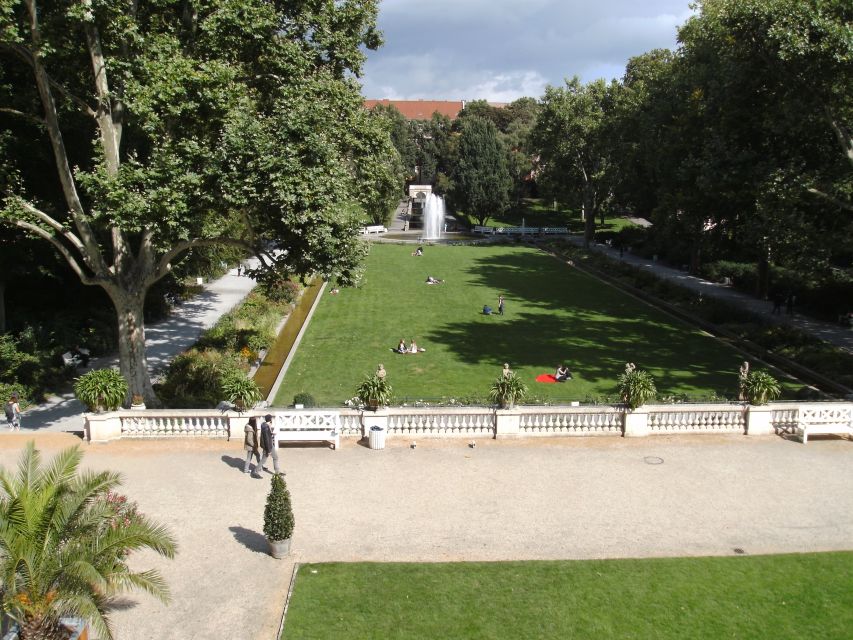
Neukölln is more than Berlin’s current-cool district. It is a place where old housing blocks, unusual local characters, an archaeological find, and one of Berlin’s finest gardens sit close together. I especially like the visit to Körner Park, an elegant neo-Baroque garden tucked among older buildings, and the personal storytelling of guide Reinhold Steinle, who treats Neukölln as a place worth understanding rather than a backdrop for quick photos.
I also like that the tour covers subjects many visitors would miss on their own, including Ilsenhof, Will Meisel, a local link to David Bowie, and the changes that have shaped the district over the past decade. The main consideration is that the tour is in German only, and the walking route is not suitable for people with mobility impairments.
Key points to know before booking
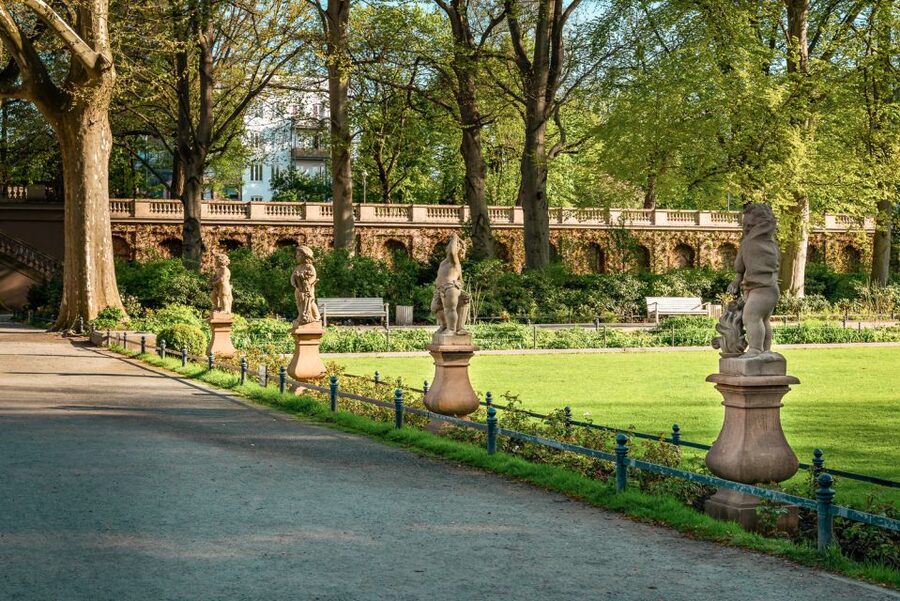
- Körner Park is the main visual prize: See one of Berlin’s most important neo-Baroque gardens in an unexpected urban setting.
- Steinle brings local passion: His stories range from Neukölln residents and performers to the district’s changing identity.
- The route goes beyond current café culture: You’ll examine older housing, local history, an archaeological discovery, and the area’s 1920s planning.
- The David Bowie connection adds a pop-culture thread: This is one of several links that connect Neukölln to wider Berlin history.
- A private group keeps the walk focused: The $70 price covers up to six people, making the value strongest for a small group.
- You receive something useful afterward: A written summary and suggestions for further places to see extend the tour beyond 90 minutes.
Why Neukölln makes a good walking tour subject
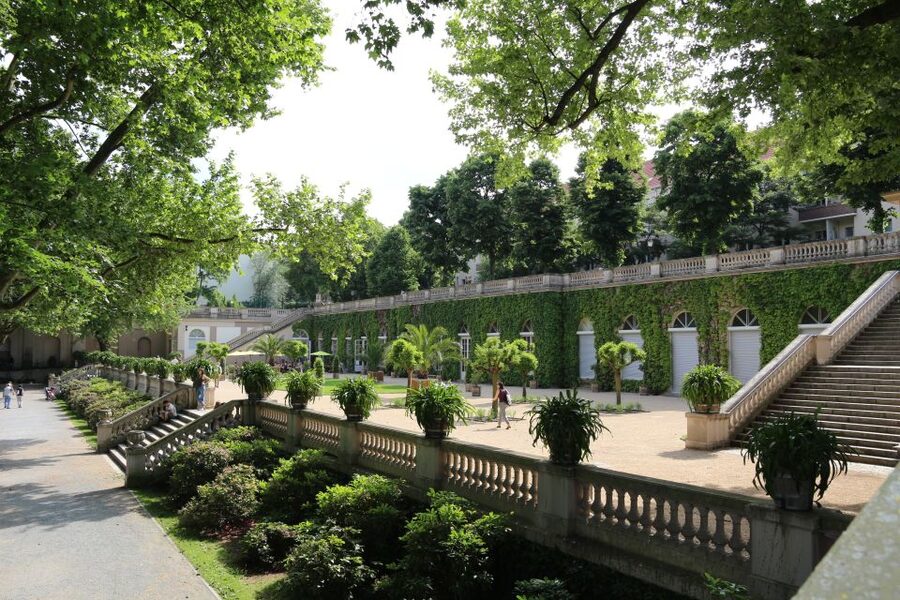
Neukölln rewards attention. At street level, it can look like a typical Berlin district of apartment buildings, shops, and busy daily life. Look closer, and you find several layers of the city in a compact area: older residential development, grand garden design, local personalities, postwar memories, and recent change.
That mix is what gives this walk its purpose. You are not simply being taken from one famous sight to another. You are being shown how a district works, how its buildings reflect different periods, and how its public image has shifted over the last ten years.
I like this kind of tour for a second or third day in Berlin. It gives you a more grounded sense of the city than a parade of major sights. You also get a different view of Berlin from the usual historic center, museums, and Cold War landmarks.
The word untouristic is useful here, but it should not be mistaken for dull. The district has an active feel, and the tour aims to explain its energy without reducing Neukölln to nightlife, street art, or fashionable cafés. Steinle’s approach is clearly positive. He has been described as an ambassador for Neukölln, and the route is built to show why the area deserves more than a quick glance.
More Walking Tours in Berlin
- Discover Berlin Half-Day Walking Tour
★ 5.0 · 9,624 reviews - Berlin: Third Reich and Cold War 2 Hour Walking Tour
★ 4.9 · 6,830 reviews - Berlin: Discover Berlin Walking Tour
★ 4.9 · 5,998 reviews
Meeting Steinle near Siegfriedstraße
The tour begins at Leuchtstoff Kaffeebar, at Siegfriedstraße 19, 12051 Berlin. Starting at a café gives the meeting point a straightforward, easy-to-recognize feel, though you should check the exact start time when booking because several departure times may be available.
This is a private walk for your group, with a maximum of six people. That matters here. A neighborhood tour depends on questions and conversation, and a small group makes it easier to pause when a detail catches your attention. You can ask about a building, a name, or one of the stories that comes up along the way instead of simply keeping pace with a large crowd.
The guide is Reinhold Steinle, referred to in the German feedback as Herr Steinle. The strongest praise centers on his commitment, warmth, and ability to tell local stories with humor. That is a good match for Neukölln, where the most useful details are not always the grandest ones.
The tour is conducted in German. If you understand German well enough to follow a spoken history talk, you should get much more from this walk than you would from a guidebook alone. If you do not speak German, this is not the right booking, since no other language is listed.
Ilsenhof and the story of planned housing
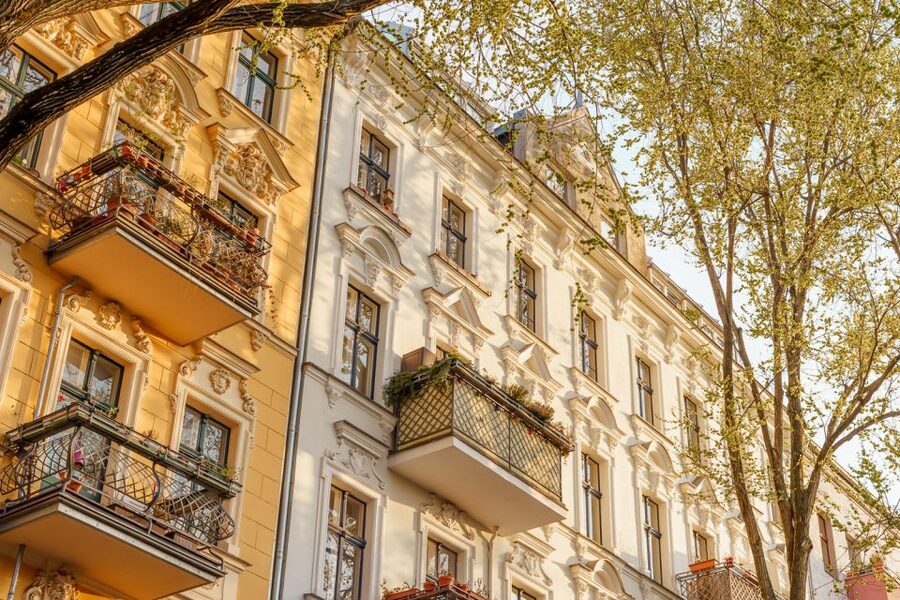
One of the early points is Ilsenhof, a residential complex from the 1920s. Its value is not just architectural. It helps show how Neukölln developed as Berlin expanded and how housing projects shaped everyday life.
A building such as Ilsenhof can be easy to pass without a second thought. Steinle’s role is to give it a place in the story of the district. The 1920s were an important period for urban housing in Berlin, and a residential complex from that era can tell you about planning, density, and the effort to create organized homes within a growing city.
I like this stop because it makes the tour practical. You are not only hearing about famous people or dramatic episodes. You are looking at the kind of place where ordinary Berliners lived, and you are learning how the built environment can reveal social history.
The information provided does not give a full architectural description of Ilsenhof, so you should not book the tour expecting a specialist building survey. Instead, think of it as a key piece in Steinle’s wider explanation of Neukölln and its past.
Local characters, Will Meisel, and a Bowie link
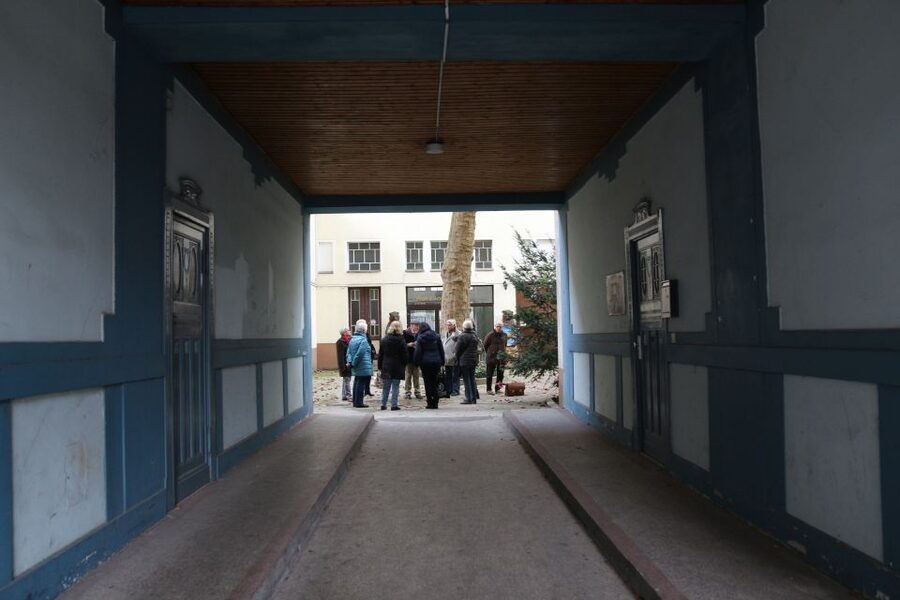
The walk includes the history of Neukölln’s Glory Halls and introduces Will Meisel. These names may not mean much to you before the tour, which is part of the appeal. Steinle uses people and places to make the district’s past more human.
The stories also include colorful local figures, from a scandal-tainted erotic dancer to an eccentric gravel-pit owner. Those details add humor and surprise, but they also show how a neighborhood’s identity is built from many kinds of residents. Berlin history is not only presidents, walls, and grand buildings. It is also shaped by people with strange careers, strong personalities, and complicated reputations.
The David Bowie connection gives the walk a wider cultural link. Bowie is strongly associated with Berlin, so hearing how Neukölln fits into that story adds a useful thread for music fans. The available information does not specify the exact Bowie site or event, so you should expect an explanation of the connection rather than a dedicated Bowie pilgrimage.
That distinction is important. This is a Neukölln tour first, with Bowie as one part of the story. I would choose it if you enjoy cultural side notes, local personalities, and unexpected connections. I would not choose it as your main Berlin music tour.
Same city, a completely different kind of day:
- Berlin: Reichstag, Dome and Government District Guided Tour
★ 4.7 · 18,288 reviews - Berlin: 1-Hour City Tour by Boat with Guaranteed Seating
★ 4.3 · 16,993 reviews - Berlin: Boat Tour Along the River Spree
★ 4.4 · 11,252 reviews - Berlin: Hop-on Hop-off Bus Tour with Live Commentary
★ 4.3 · 8,579 reviews
The 1912 archaeological discovery
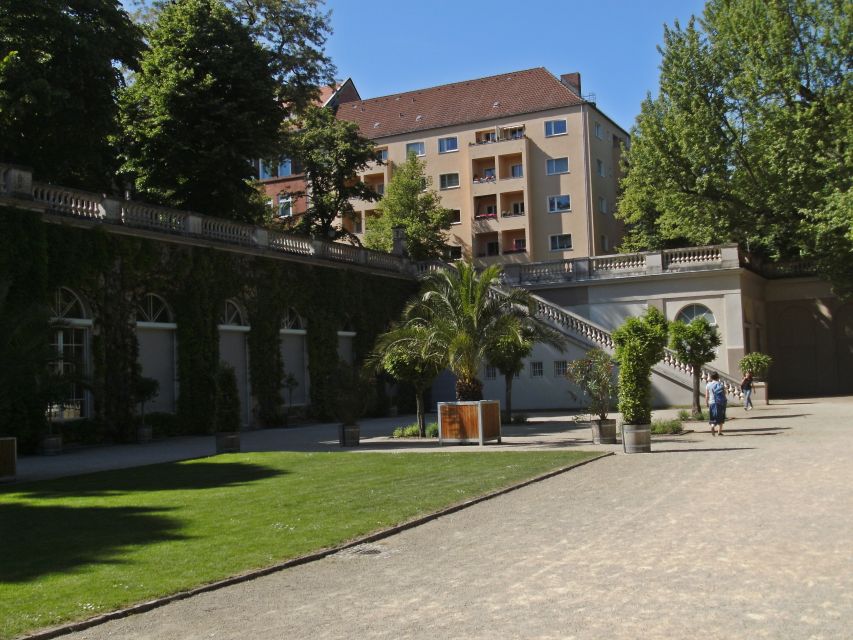
On the way to Körner Park, Steinle points out an archaeological discovery from 1912. This is the sort of detail that makes a neighborhood walk memorable. You might pass the location alone and never guess that an earlier find gave it historical importance.
The supplied information does not specify the exact object or excavation, so I would not treat this as a formal archaeology tour. Its role is to widen your view of Neukölln. The district is not only about the last century, recent development, or current street life. Its story reaches further back.
This stop also shows why a local guide can be useful. A map may identify a street or park, but it rarely explains why a seemingly ordinary corner matters. Steinle’s written summary at the end of the tour should help you remember these smaller details after the walk.
Körner Park, the tour’s main reward
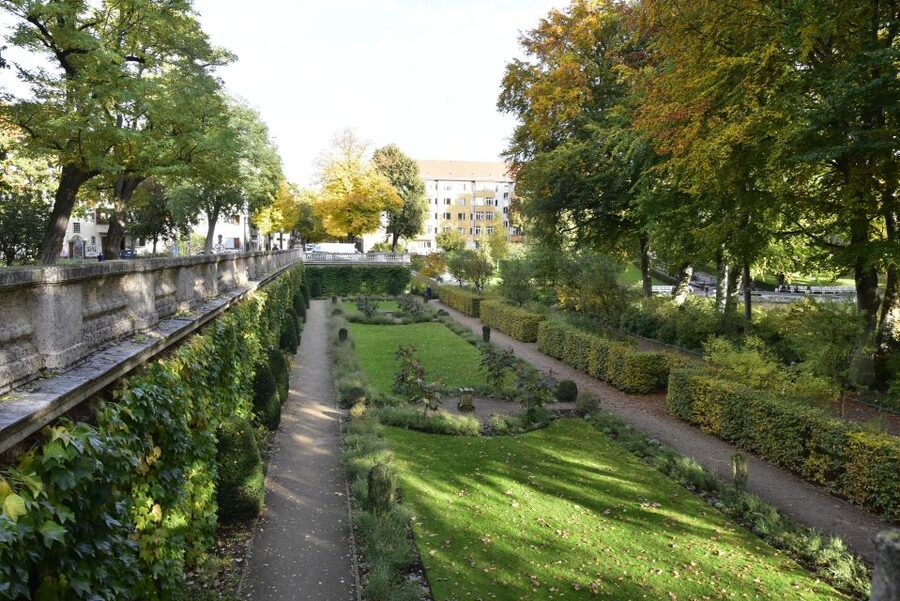
Körner Park is the highlight, and the reason is easy to understand. The garden is described as Berlin’s most important neo-Baroque park, set among the older buildings of Neukölln. That contrast gives the stop its force: formal garden design in the middle of a dense residential district.
The park is not presented as a separate attraction requiring a long visit. It works as the climax of the route, where the earlier discussion of Neukölln’s development comes together in a striking public space. You get architecture, garden design, and urban context in one place.
I like the setting because it avoids the usual Berlin postcard view. You are not being led to a grand royal complex or a famous museum garden. You are seeing a carefully designed garden where you might not expect one, surrounded by the everyday fabric of Neukölln.
Keep your expectations precise. The tour lasts 90 minutes, so this is a guided visit rather than a leisurely park afternoon. If you want extended time for photographs or quiet sitting, plan to return on your own. Steinle’s explanation is the central feature, not a long unstructured stay in the garden.
What the tour says about Neukölln’s recent changes
A major theme is the change Neukölln has experienced over the last decade. The tour does not treat the district as frozen in the past. Instead, it connects older buildings and local stories with the way the area has developed in recent years.
That is valuable because Neukölln is often described with simple labels. A good walk gives you room to see more than one version of the district at once. There is the older residential Neukölln, the district shaped by local families and long-established institutions, and the newer Neukölln that has drawn fresh attention.
Steinle’s stated aim is to point out the positive side of the area. That can make the tour more cheerful and personal, but it also means you should not expect a hard-edged investigation of every social problem linked to urban change. The emphasis is on affection, local pride, and context.
For me, that balance is worth noting. A guide who loves a neighborhood can show you details that a neutral overview might miss. At the same time, you may want to supplement this walk with your own observations if you want a fuller picture of housing pressure, changing businesses, or other difficult issues.
Is $70 good value for a private 90-minute walk?
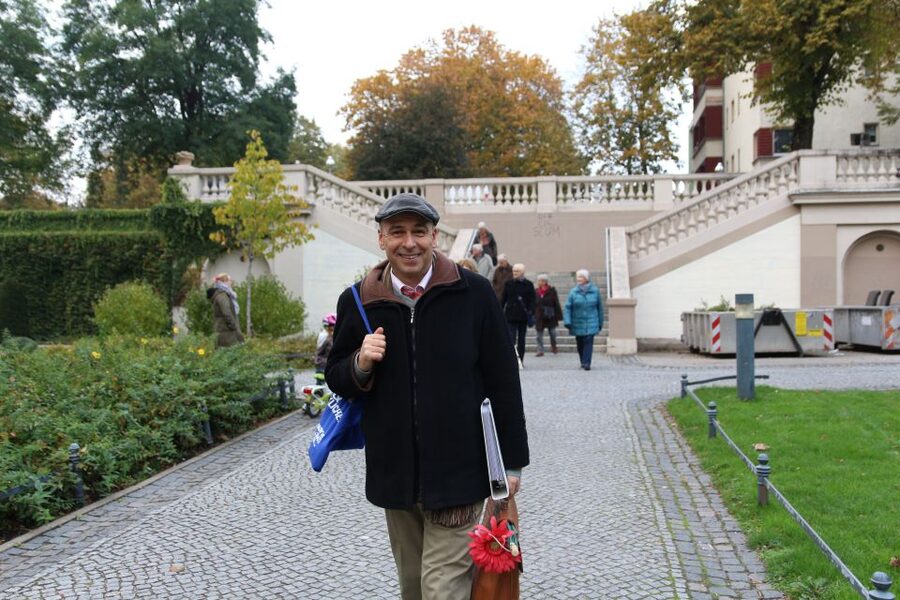
The price is $70 per group of up to six people. For one person, that is a fairly high cost for a 90-minute walk. For six people, it works out to about $11.67 per person, which is a strong price for a private local tour. For two people, the cost is $35 each, so the value depends on how much you want personal attention and local interpretation.
The private format is the key point. You are not paying for a ticketed attraction, a vehicle, or a long excursion. You are paying for Steinle’s time, preparation, stories, and ability to make ordinary parts of Neukölln meaningful.
The written summary at the end adds practical value. It gives you a record of the main subjects covered, while the guide’s suggestions can help you decide what to see next in the area. Those tips matter most if you plan to spend more time in Neukölln after the walk.
I would book it for a small group that enjoys local history and wants a guide who can answer questions. If you are alone and mainly want a cheap overview, the price may feel less attractive. If you are traveling with several friends or family members, the group price is easier to justify.
Who will enjoy this walk most?
This tour suits you if you:
- Want to see a part of Berlin outside the main sightseeing circuit
- Enjoy local stories about people, buildings, and unusual events
- Speak German and prefer a private guide
- Like urban history that connects architecture with daily life
- Want to understand how Neukölln has changed over the last ten years
- Are happy with a focused 90-minute route rather than a full-day outing
It is less suitable if you need an accessible route, since the activity is not suitable for people with mobility impairments. It is also not a fit if you want a tour in English or another language.
Families with older children might enjoy the odd characters and Bowie connection, but the content is history-focused. The tour will work best when everyone in the group is comfortable listening to a sustained explanation in German.
Practical details that shape the experience
The walk lasts 90 minutes, which is long enough to create a clear story without taking over your day. I would schedule it when you still have time to explore nearby afterward, especially since Steinle provides suggestions for further places worth seeing.
The meeting point is Leuchtstoff Kaffeebar on Siegfriedstraße. Check the route to the café before setting out, and arrive ready to walk. The tour includes several stops, including Ilsenhof, the archaeological discovery, and Körner Park, but the supplied details do not give a total distance or step count.
You can cancel up to 24 hours before the start for a full refund, and you can reserve now and pay later. Those terms are helpful if your Berlin plans are still shifting. The booking also includes skip-the-ticket-line access, though this is a walking tour rather than a major ticketed attraction.
The activity is offered as a private group, and starting times depend on availability. Since the group size is limited to six, booking early may be sensible if you want a particular time, though no guaranteed schedule is provided.
Should you book the Neukölln walk?
Book this tour if you want a personal introduction to Neukölln and value stories over a checklist of famous sights. The combination of Körner Park, Ilsenhof, the 1912 archaeological discovery, Will Meisel, local characters, recent change, and the David Bowie link gives the walk plenty of variety.
I would especially recommend it for a group of three to six German speakers. That is where the private $70 price makes the most sense, and the small format should let you benefit from Steinle’s enthusiasm and local knowledge.
Skip it if you need an English-language tour, have mobility limits, or want a broad survey of all Berlin. For those travelers, the route is too specialized. But if you want to see how an ordinary district can hold elegant gardens, unusual stories, and several layers of city history, this is a thoughtful use of 90 minutes.
FAQ
Where does the Neukölln walking tour begin?
The meeting point is Leuchtstoff Kaffeebar, Siegfriedstraße 19, 12051 Berlin.
How long does the tour last?
The walking tour lasts 90 minutes.
What language is the tour conducted in?
The live tour guide speaks German. No other tour language is listed.
What is the maximum group size?
This is a private tour for a group of up to six people.
What are the main sights and subjects covered?
The route includes Körner Park, the Ilsenhof residential complex from the 1920s, an archaeological discovery from 1912, the history of Neukölln’s Glory Halls, Will Meisel, a David Bowie connection, and changes in the district over the last ten years.
Is the tour suitable for people with mobility impairments?
No. The activity is listed as unsuitable for people with mobility impairments.
What does the $70 price include?
The $70 price covers the private group of up to six people. You also receive a written summary of the main tour content and tips for further places to see.
Just added in Berlin
- Berlin & The Third Reich Private Guided Tour★ 5.0 · 3 reviews
- Third Reich Quest Experience in Berlin★ 4.5 · 7 reviews
- Private Analogue Photography Experience in Berlin★ 5.0 · 3 reviews
- Berlin Urbex Adventure and History Tour★ 5.0 · 9 reviews
- The Beauty of Berlin by Bike: Private Tour★ 5.0 · 59 reviews
- Berlin: Guided Bike tour of the Berlin Wall and Third Reich★ 5.0 · 160 reviews
- Beyond Currywurst: Berlin’s Hidden Street Food & Culture Tour★ 5.0 · 100 reviews
- Berlin Third Reich & Cold War Walking Tour With A Guide★ 5.0 · 7 reviews
Walking Tours, compared.


Berlin’s Best: 2 Hour Walking Tour Third Reich and the Cold War
Read our review →
Third Reich Berlin: Hitler and WWII Walking Tour
Read our review →Browse the lists this tour appears in