
Reviewed · WALKING TOURS
Berlin : Must-see attractions Walking Tour
Berlin’s story comes sharply into focus on this private three-hour walk, which links the Berlin Wall, Brandenburg Gate, Reichstag, Checkpoint Charlie, and the Holocaust Memorial. You move through the city’s Cold War division, Nazi past, and present-day identity in one compact route.
I like the one-to-one format and the chance to adjust the walk around what matters most to you. I also like the practical help from guides such as Pierre and Bastian, who can suggest other things to do and help arrange tickets for visits you want to make later. The main drawback is pace: five major sights in three hours leaves limited time for long stops or indoor visits.
Key points at a glance
- A private route with room to customize: You are not placed in a large group, so you can ask questions and spend more time on the subjects that interest you.
- Five major Berlin landmarks: The walk covers the Berlin Wall, Brandenburg Gate, Reichstag, Checkpoint Charlie, and the Holocaust Memorial.
- A strong first-day introduction: The route gives you a useful framework for Berlin’s Nazi, Cold War, and reunification stories.
- Guides who can adapt on the spot: Pierre and Bastian are named guides, and Pierre has helped guests who arrived late and wanted extra points of interest.
- Public transport is part of the plan: The walk can include public transport, which helps connect sights spread across central Berlin.
- Good language choice: Tours are offered in English, French, Spanish, Italian, and German.
One walk, three chapters of Berlin history
This is not just a checklist of central Berlin monuments. The route connects three difficult but essential chapters: the Nazi period, the Cold War split, and the city’s effort to become one capital again.
You begin at Friedrichstraße 103, in front of Meliá Berlin. That central starting point makes sense for a walking tour, since the route returns there after the final stop. Your guide sets the tone early, explaining how Berlin changed from a divided capital into the modern city you see today.
The route is especially useful if you are visiting Berlin for the first time. You get the basic map in your head, learn why the main sights matter, and can ask what deserves a longer visit later. I would treat this as an orientation walk with serious historical content, not as a substitute for every museum or memorial in the city.
The advertised rate is $44 per person. That is a fair price if you value a private guide, personal questions, flexible pacing, and help planning the rest of your stay. It is less attractive if you mainly want quick photographs at each sight or plan to explore independently with a guidebook.
More Walking Tours in Berlin
- Discover Berlin Half-Day Walking Tour
★ 5.0 · 9,624 reviews - Berlin: Third Reich and Cold War 2 Hour Walking Tour
★ 4.9 · 6,830 reviews - Berlin: Discover Berlin Walking Tour
★ 4.9 · 5,998 reviews
Starting at Friedrichstraße 103
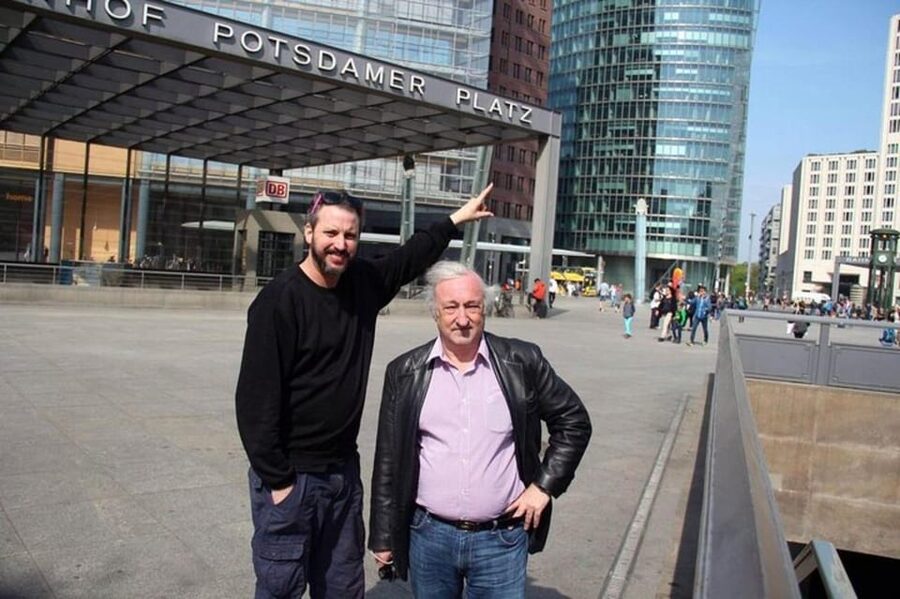
Meet your guide in front of Meliá Berlin at Friedrichstraße 103. Pay attention to the exact meeting point, since a busy central street can make a first meeting less clear than expected.
The practical advantage of a private booking appears right away. You do not need to match the pace of a large group, and you can tell the guide what you already know, what you want to see, and how much detail you prefer. The tour is offered in English, French, Spanish, Italian, and German.
The walk finishes back at Friedrichstraße 103. That makes the start and end easy to understand, though you should allow enough time to get to the first meeting point. If you are running late, contact the guide promptly. Pierre once helped a delayed group find the meeting point by phone, which is a useful sign for anyone worried about Berlin’s central streets.
Berlin Wall: making the Cold War personal
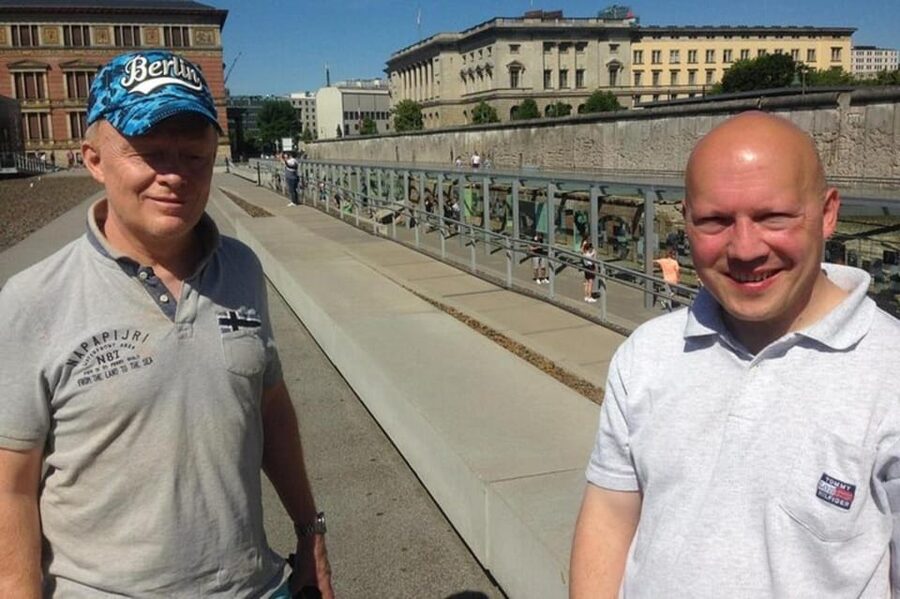
The Berlin Wall is the first major historical stop. Here, your guide explains its construction, its role in dividing the city, and its fall.
The value of this stop is context. A surviving wall section or memorial site can look modest at first, but the story changes how you read the city around it. Berlin was not simply split by a border on a map. Families, neighborhoods, workplaces, and daily routines were affected by the division.
Your guide can also explain how the wall fit into the wider Cold War. This is where a private tour helps. You can ask direct questions about why the wall was built, how the city functioned while divided, and what happened when it fell.
Do not expect the tour to provide unlimited time at every wall-related site. The full route includes several other major stops, so ask early if the Wall is your top priority. The customization option may let you give it more attention, but the exact balance depends on your guide and the route that day.
Brandenburg Gate: from royal entrance to unity symbol
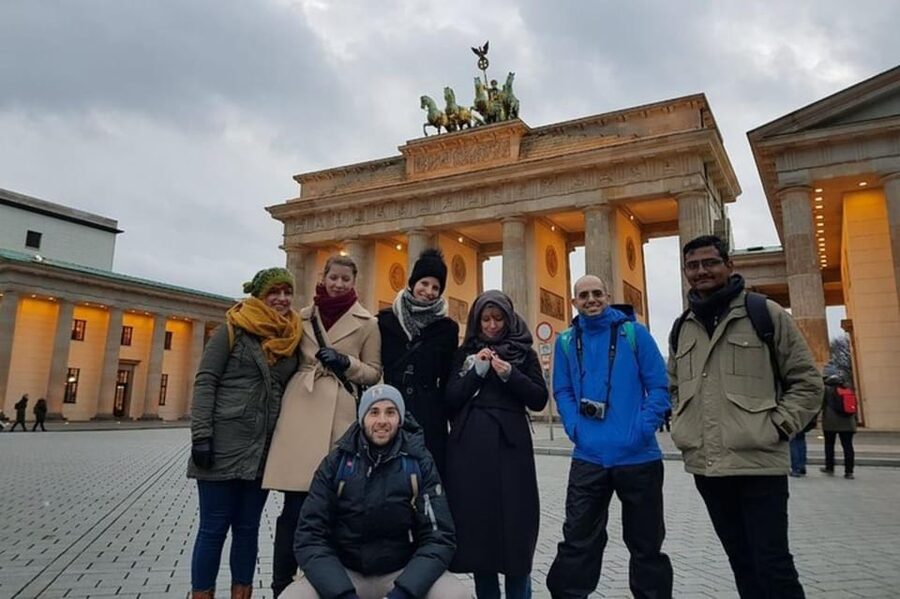
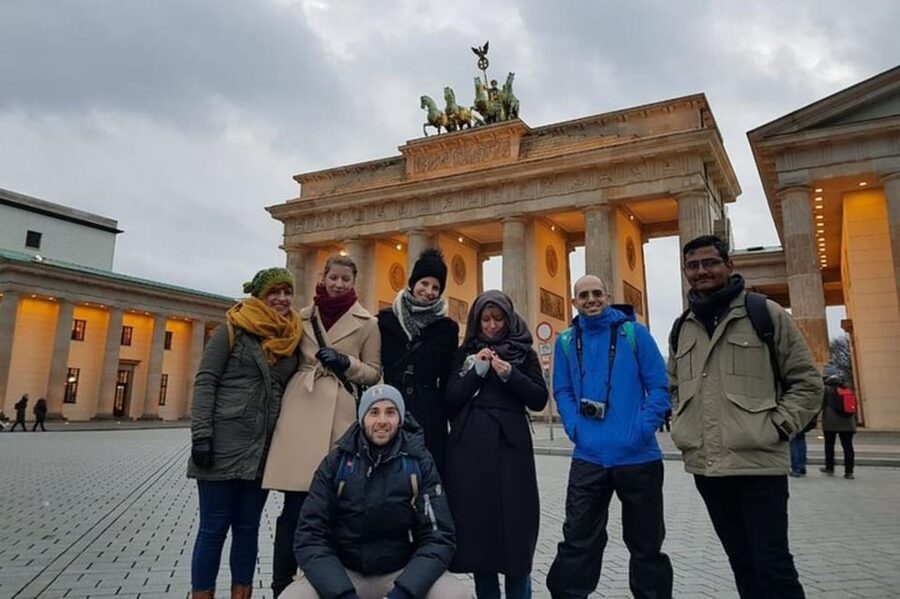
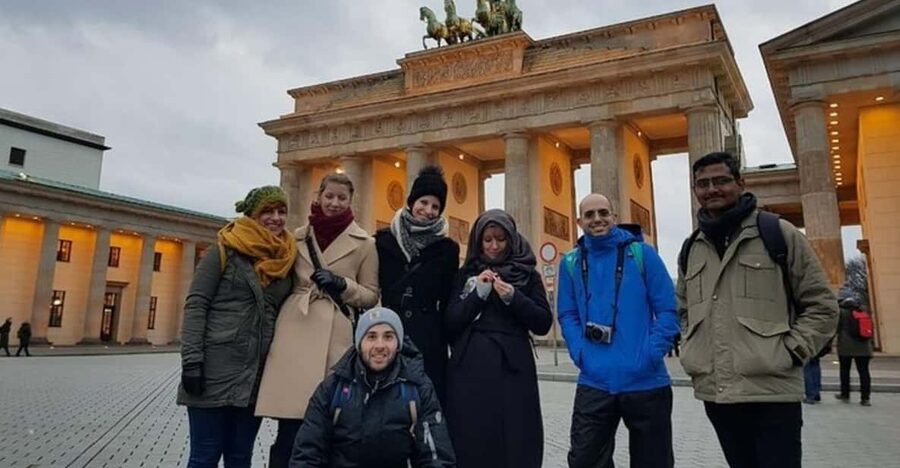
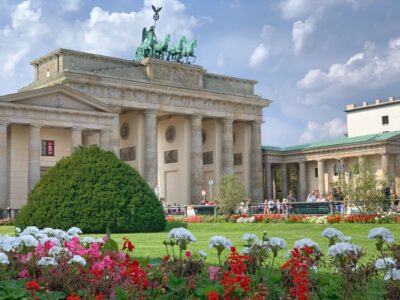
From the Wall, the route continues to Brandenburg Gate, one of Berlin’s most recognizable landmarks. Its neoclassical design is easy to admire, but the guide’s explanation gives it more weight than a simple photo stop.
The gate has carried several meanings over time. It began as a grand entrance, later became tied to the divided city, and now serves as a symbol of German unity. That change in meaning is central to understanding Berlin. The same monument can represent power, division, political theatre, and reunification depending on the period.
This is one of the places where a guide’s timing and explanation matter. You can look at the architecture on your own, but it takes a local voice to connect the gate with the events that took place around it.
The stop also works well as a visual reset after the Wall. You have moved from a physical border to a national symbol. I would keep your questions focused here if you want to understand how Berlin’s public spaces were used during major political moments.
Same city, a completely different kind of day:
- Berlin: Reichstag, Dome and Government District Guided Tour
★ 4.7 · 18,288 reviews - Berlin: 1-Hour City Tour by Boat with Guaranteed Seating
★ 4.3 · 16,993 reviews - Berlin: Boat Tour Along the River Spree
★ 4.4 · 11,252 reviews - Berlin: Hop-on Hop-off Bus Tour with Live Commentary
★ 4.3 · 8,579 reviews
Reichstag: the seat of modern Germany
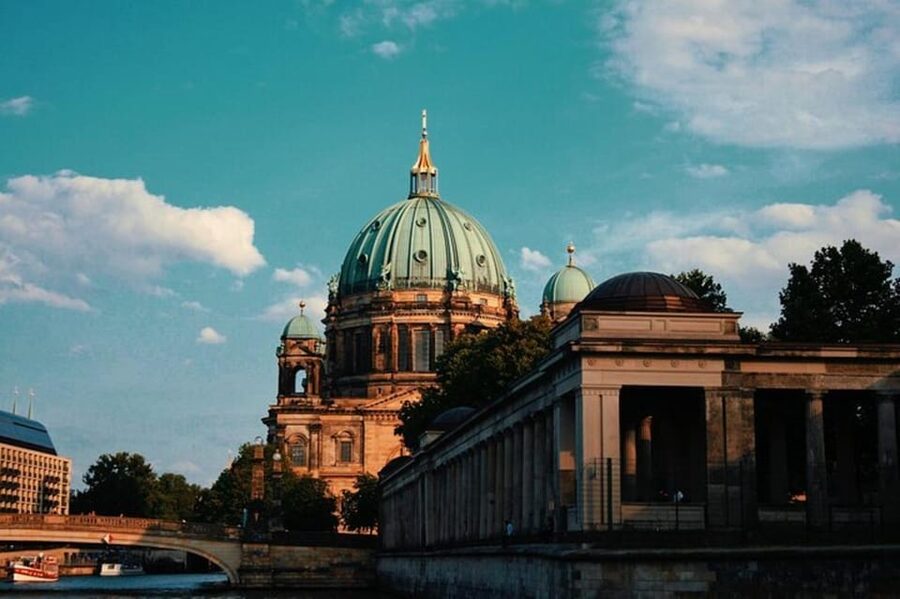
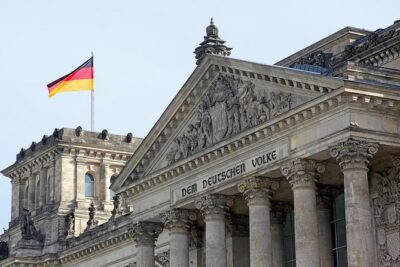
The Reichstag is next. Your guide discusses its place in Berlin’s political story and its role in the city’s transformation into the capital of modern Germany.
The building carries several layers of meaning. It is linked to Germany’s national government, the Nazi period, the destruction of war, and the return of the capital to Berlin. You will hear about those connections during the guided stop.
This part of the walk is generally an exterior visit based on the information provided. Admission to the building is not listed as included, although the tour team can help arrange tickets for visits you want to make. That distinction matters. If you want to go inside, ask about ticket arrangements before booking or during the tour rather than assuming entry is part of the $44 price.
The Reichstag is also a good place to ask about Berlin today. The tour is not limited to old monuments. It connects the political past with the city’s current role as Germany’s capital.
Checkpoint Charlie: a famous Cold War name
Checkpoint Charlie brings you back to the division of Berlin. This former crossing point became one of the best-known symbols of the Cold War and the tension between East and West.
Your guide explains its historical role as you walk through the area. The setting can feel more commercial than solemn, so a clear explanation is important. Without context, the name can seem like a piece of Cold War theatre. With context, it becomes part of the larger system that controlled movement through a divided city.
I would use this stop to ask about the difference between the original crossing point and the way the site is presented today. The tour gives you the chance to separate historical meaning from the modern display around it.
Checkpoint Charlie is also a useful contrast with the Wall stop. The Wall shows the physical division of Berlin, while Checkpoint Charlie points to the controlled passage between political systems. Together, the two stops explain how the split shaped daily life.
Holocaust Memorial: a quiet, serious pause
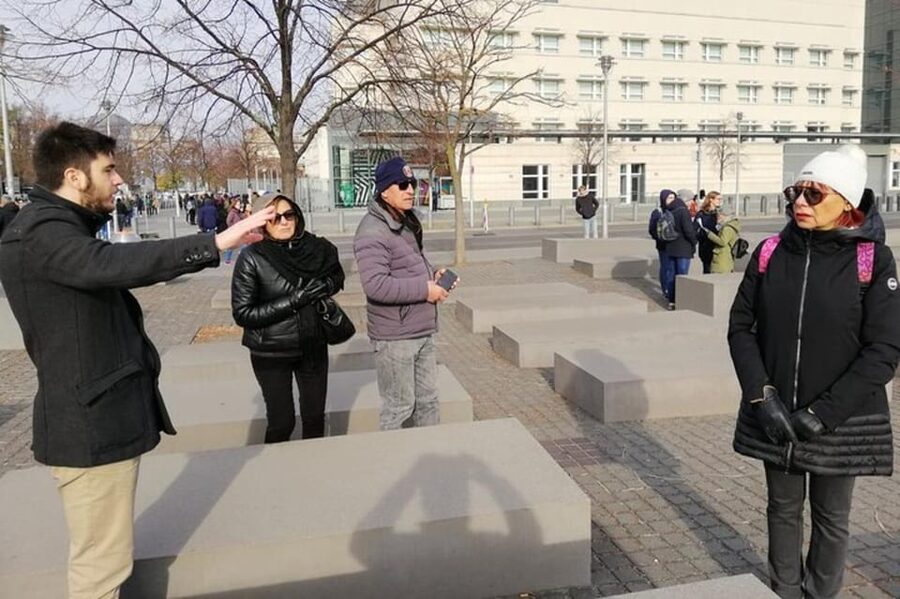
The Memorial to the Murdered Jews of Europe is the most reflective stop on the route. Your guide places it within Berlin’s history of the Nazi Third Reich and explains its significance.
The memorial requires a different pace. It is not simply another landmark to photograph before moving on. The field of concrete slabs creates an austere setting, and the experience changes as you walk through it. Your guide’s role here is to provide historical grounding without turning the stop into a rushed lecture.
I appreciate that the route includes this memorial alongside political buildings and Cold War sites. Berlin’s story cannot be understood through architecture alone. You need to confront the crimes committed by the Nazi state and consider how the city remembers them.
Because this is one of five main stops, the time available may feel short if you want a long personal visit. Tell the guide if this subject is especially important to you. The private format gives you a better chance of adjusting the pace than a fixed large-group tour.
What private and customizable really means
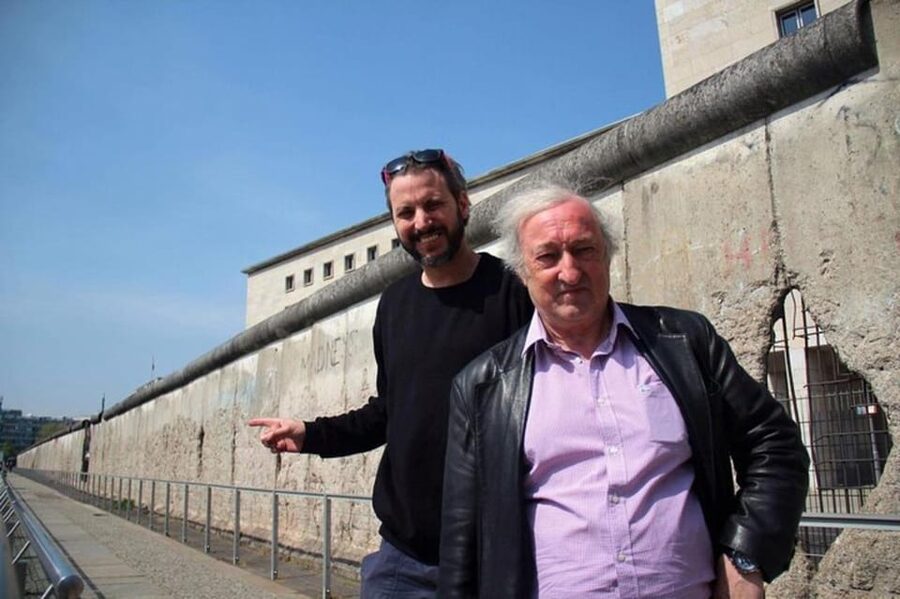
The private format is the strongest reason to choose this activity. Your group is exclusive, and no one else is added to it. That gives you space to ask questions without worrying about holding up strangers.
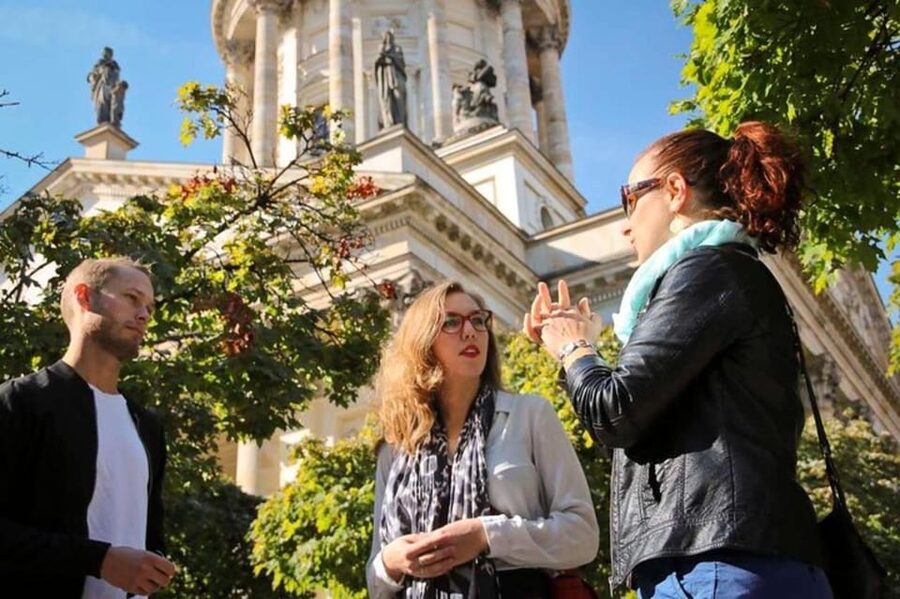
Customization is also practical, not just a marketing phrase. You can tell the guide which sights deserve more explanation, ask to see additional points of interest, or focus on a period such as the Nazi era or the Cold War. Pierre has allowed extra time when a group wanted to see more, and he also suggested additional places during the walk.
Still, customization has limits. The route has five named stops and lasts three hours. You cannot expect a full museum visit, a long interior tour, and detailed time at every monument within that window. Think of customization as choosing emphasis, not creating an entirely new full-day tour.
The guide can also offer advice about other things to do in Berlin. This is useful at the beginning of a stay, when you are still deciding which museums, neighborhoods, and paid attractions deserve your time. The team can help book tickets for visits you want, but ticket costs are not listed as included.
Walking, public transport, and physical comfort

The activity combines walking with public transport, unless you select an option that changes the arrangement. That matters because the sights are spread across central Berlin rather than gathered around one square.
Wear comfortable shoes and expect to spend much of the three hours outside. Food and drinks are not included, so carry water if you need it, especially since the route is long enough to feel active.
The tour is listed as wheelchair accessible. If you have specific mobility needs, mention them when arranging the tour so the guide can account for the route and transport details. The private format should make communication easier, but the exact path may still depend on the conditions at each site.
How the guides shape the experience
The named guides include Pierre and Bastian. Their reported strengths point to the sort of service you should expect: clear explanations, friendly communication, good English from Pierre, and flexibility when a group wants to see more.
Pierre has been praised for staying in contact with a late-arriving group, explaining the history carefully, and allowing extra time for places that mattered to them. Bastian is described as telling a great deal about the city while keeping the three-hour period moving quickly.
The most important quality here is not performance or theatrical storytelling. It is responsiveness. A private guide earns the fee by answering your particular questions and adjusting the balance between history, architecture, politics, and present-day Berlin.
The overall rating is 4.8 from 83 reviews, which supports the impression of consistently strong guiding. Still, guide-to-guide differences are normal. If language, historical focus, or a particular style matters to you, request your preference when possible.
Is $44 per person good value?
At $44 per person, this is not the cheapest way to see Berlin’s center. You can walk past many of these sights for free. The question is what you want from the three hours.
I think the price works best for a first visit, a small private group, or anyone who wants the city’s history explained in a logical order. You are paying for the guide’s time, the exclusive group, route planning, local advice, and the ability to ask questions. Public transport is included in the stated arrangement, which adds practical value when the sights are not next door to one another.
The price works less well if you want indoor admission included. Food, drinks, and entrance tickets are not included. The tour team can help book tickets, but you should budget separately for any visits you add.
Free cancellation up to 24 hours before the start and the option to reserve now and pay later make the booking less rigid. Starting times vary, so check availability when choosing a date.
Who should book this Berlin walk?
I would recommend it to first-time visitors who want a solid introduction before choosing longer museum visits. It also suits families or private groups with different interests, since the route can be adjusted and the guide can explain difficult subjects at the level you need.
It is a good match for history-focused visitors who want to connect the Wall, Checkpoint Charlie, the Reichstag, and the Holocaust Memorial in one route. It also helps if you want a local person to suggest what to do next.
I would be more cautious if you dislike outdoor walking, need extensive time inside each site, or want a tour devoted to only one subject. The three-hour schedule is broad by design. You see a lot, but each stop is an introduction rather than a full study.
Should you book it?
Book this tour if you want a private historical orientation to Berlin with a guide who can adjust the route and answer personal questions. The combination of the Wall, Brandenburg Gate, Reichstag, Checkpoint Charlie, and Holocaust Memorial gives you a strong starting map of the city.
Skip it if you prefer exploring alone or want admission to major interiors included in the price. For most first-time visitors, though, $44 per person is reasonable for a private guide, public transport, flexible discussion, and practical advice for the rest of your stay.
FAQ
Where does the tour begin?
The tour begins in front of Meliá Berlin at Friedrichstraße 103.
Where does the tour finish?
The walk returns to Friedrichstraße 103.
How long does the tour last?
The tour lasts three hours.
What sights are included?
The route includes the Berlin Wall, Brandenburg Gate, Reichstag, Checkpoint Charlie, and the Holocaust Memorial.
Is the tour private?
Yes. The tour is private and exclusive to your group, with no one else added.
Which languages are available?
The live guide can conduct the tour in English, French, Spanish, Italian, or German.
Are food, drinks, and entrance tickets included?
Food and drinks are not included. Entrance tickets are not listed as included, but the tour team can help arrange tickets for visits you want to make.
Just added in Berlin
- Berlin & The Third Reich Private Guided Tour★ 5.0 · 3 reviews
- Third Reich Quest Experience in Berlin★ 4.5 · 7 reviews
- Private Analogue Photography Experience in Berlin★ 5.0 · 3 reviews
- Berlin Urbex Adventure and History Tour★ 5.0 · 9 reviews
- The Beauty of Berlin by Bike: Private Tour★ 5.0 · 59 reviews
- Berlin: Guided Bike tour of the Berlin Wall and Third Reich★ 5.0 · 160 reviews
- Beyond Currywurst: Berlin’s Hidden Street Food & Culture Tour★ 5.0 · 100 reviews
- Berlin Third Reich & Cold War Walking Tour With A Guide★ 5.0 · 7 reviews
Walking Tours, compared.

Berlin’s Best: 2 Hour Walking Tour Third Reich and the Cold War
Read our review →
Third Reich Berlin: Hitler and WWII Walking Tour
Read our review →Browse the lists this tour appears in