Reviewed · BERLIN TOURS
Berlin: Listening Station Teufelsberg Tour with Transfer
Teufelsberg is Berlin’s second-highest ascent, a 120-meter hill made from wartime rubble and topped by a former US Army listening station. The abandoned radar domes, broken rooms, and huge murals create one of Berlin’s most unusual sightseeing stops. You get the history, the art, and a rooftop view in one compact outing.
I like the small group of no more than seven, which makes the rough site easier to explore with a guide. I also like the included Mercedes V-Class transfer from Heerstraße station, since Teufelsberg is not a simple city-center walk. The main drawback is clear: the tour is conducted only in German, though guide Stephanie has helped English-speaking participants use Google Translate.
The 100-minute visit covers the site’s beginnings in 1937, its postwar development as a US listening station, and its present life as a vast open-air art space. Wear flat, comfortable shoes, arrive 5 to 10 minutes early, and do not count on the roof view if poor weather or site conditions limit access.
Key points at a glance
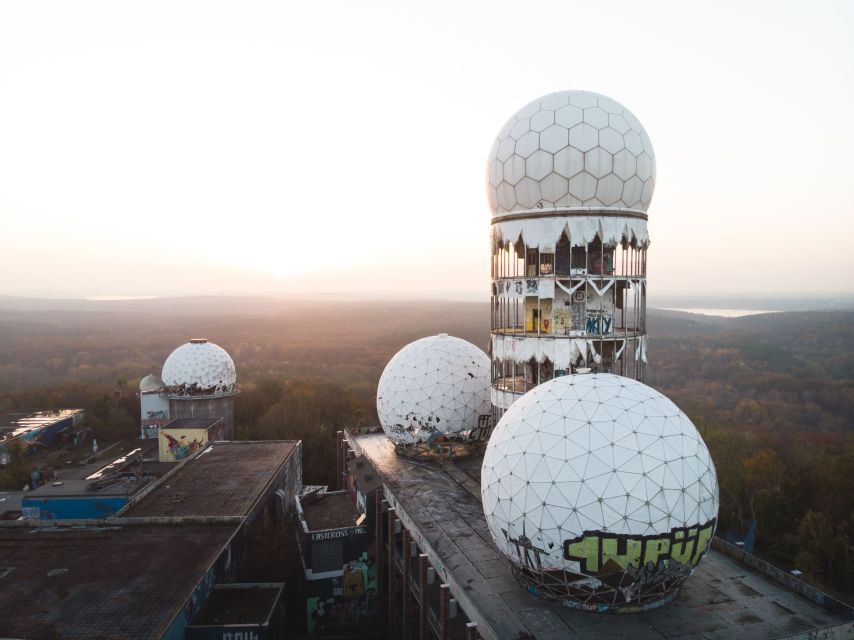
- Cold War listening station: See the remains of a former US Army field station built on Teufelsberg.
- A 120-meter hill: Reach one of Berlin’s highest points for broad views from the roof terrace.
- Europe’s largest street art gallery: Walk through rooms and towers covered in striking murals.
- Mercedes V-Class transfer: Travel between Heerstraße S-Bahn station and Teufelsberg without arranging your own connection.
- German-language guiding: The tour is offered only in German, with Google Translate useful for English speakers.
- Small-group format: The vehicle and tour hold no more than seven participants.
Why Teufelsberg feels unlike central Berlin
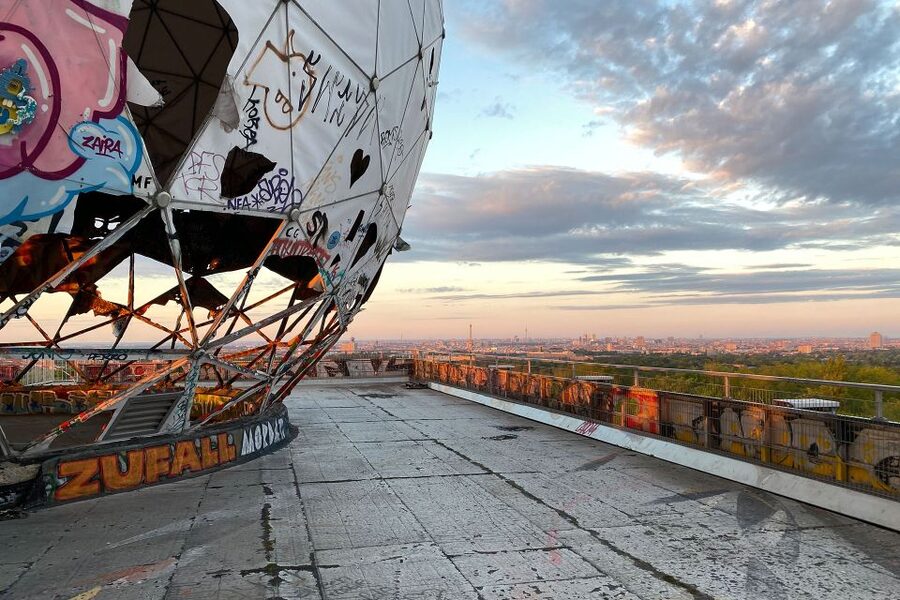
Most Berlin history tours focus on preserved buildings, museums, or marked sections of the former Wall. Teufelsberg offers something rougher. You reach a hill formed from the debris of Berlin after the Second World War, then walk through the remains of a Cold War listening post that is now covered with large-scale street art.
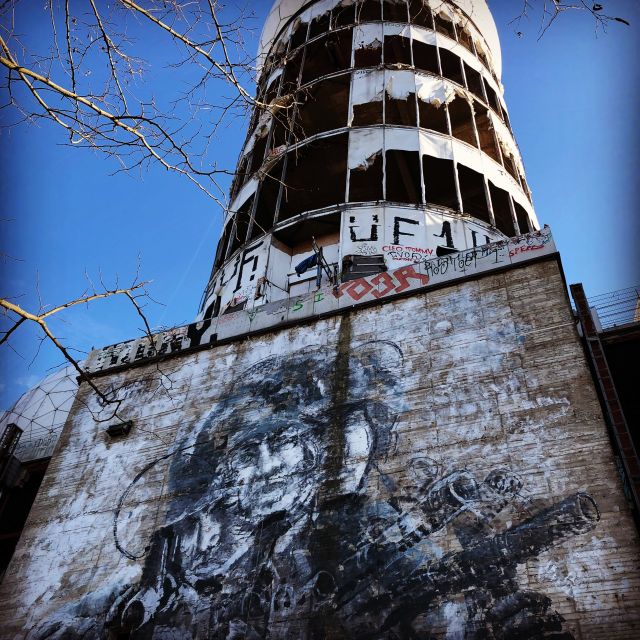
That mix is the appeal. You are not looking at a tidy exhibit behind glass. You are moving through a former military site with peeling surfaces, unfinished rooms, radar structures, and painted walls. The place has an abandoned, slightly eerie feel, but the murals keep it lively and visually playful.
The site’s story begins in 1937, before the listening station existed. After the war, Teufelsberg developed into a hill of rubble, and the United States later used the summit for electronic surveillance during the Cold War. The tour connects those stages, helping you see why this particular hill mattered to Berlin’s divided history.
I find the setting especially useful for understanding how much of Berlin’s past is layered rather than neatly separated. A single walk can touch on the Nazi period, postwar destruction, the division between East and West, American intelligence work, and present-day street art.
A few more half-days in Berlin worth comparing
- Berlin: Reichstag, Dome and Government District Guided Tour
★ 4.7 · 18,288 reviews - Berlin: 1-Hour City Tour by Boat with Guaranteed Seating
★ 4.3 · 16,993 reviews - Berlin: Boat Tour Along the River Spree
★ 4.4 · 11,252 reviews
Meeting at Heerstraße and riding to the hill
The tour begins outside Heerstraße S-Bahn station at exit Boyenallee, at Heerstraße 37A. Look for a white vehicle bearing the local partner’s logo. You should arrive 5 to 10 minutes before departure because the tour starts on time.
The transfer is in a Mercedes V-Class with eight seats, though the tour itself is limited to seven participants. That is a practical advantage. Teufelsberg is away from Berlin’s main central sightseeing area, and the included ride saves you from sorting out the final connection on your own.
The drive also gives the outing a clear shape. You meet at a known public transport point, ride together to the site, spend about 100 minutes there, and return to the same place. You do not need to arrange a taxi or figure out where to go after the visit.
This is not a hop-on, hop-off style stop. The vehicle leaves as a group, so arrive ready. If you are late, you could miss the departure. The return to Heerstraße station is included, which makes it easier to continue your Berlin plans afterward.
The 100-minute walk through Teufelsberg
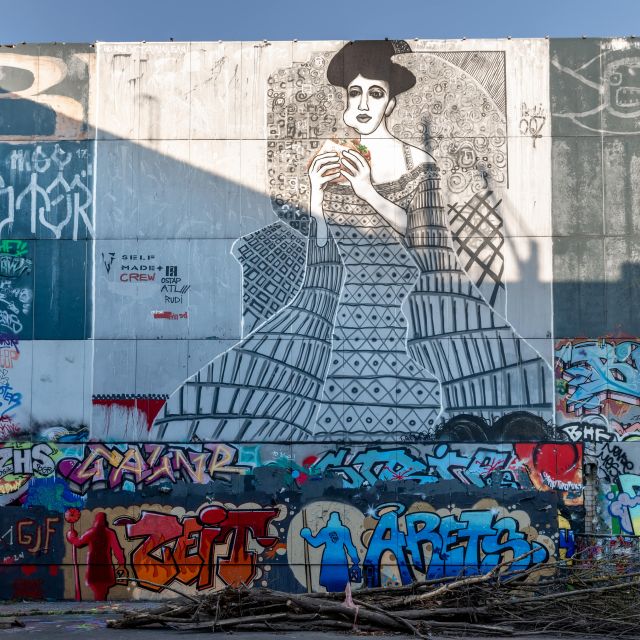
The guided portion lasts about 100 minutes. That is enough time to get a structured introduction to the site, see the principal remains, take photographs, and enjoy the art without turning the visit into a full-day outing.
Expect the ground and buildings to feel more like a former industrial or military compound than a polished museum. Comfortable, flat shoes are important. The advice is not decorative. You will be walking around an old site, and practical footwear will make the visit more pleasant.
The guide explains how Teufelsberg developed from its beginnings in 1937 into the postwar listening station. The story is strongest when the physical remains are right in front of you. A room, tower, or piece of equipment has more impact when you understand how it once fitted into Berlin’s Cold War system.
The visit also gives you time to explore. This matters because the site rewards looking around. The painted walls, weathered surfaces, and odd angles create good photo opportunities, even on a gray day. One English-speaking family found the art and setting impressive despite dreary weather, which is a useful reminder that the location does not depend entirely on sunshine.
Still, keep expectations sensible. This is a guided visit to an unusual former station, not a fully restored museum. You should expect ruins and atmospheric remains rather than a complete collection of working Cold War equipment.
Inside the former US listening station
The former field station is the heart of the experience. During the Cold War, the US Army used the site as a listening post. Today, the buildings remain as a kind of Lost Place, a Berlin term for abandoned or disused locations with a strong sense of time passing.
The tour explains the station’s development after the Second World War. You learn about the broad purpose of the site and how it fitted into divided Berlin. The surviving structures make that history easier to picture than a standard lecture would.
There is also room for a useful question: exactly who was being monitored, how did the listening work, and what did the station hear? The information supplied for this tour does not promise a technical explanation of every operation, so you should not book it expecting a detailed intelligence seminar.
The historical angle is also somewhat more West Berlin focused. If you want a full account of Berlin’s Cold War story, including a direct comparison with the Soviet side and its listening facilities, you may find the tour leaves you wanting more. That is not a reason to dismiss the visit, but it is worth knowing before you book.
I would pair this outing with a separate Cold War museum or Wall site if that period is your main reason for visiting Berlin. Teufelsberg works best as a vivid place-based introduction, with the ruins and views doing much of the teaching.
Same city, a completely different kind of day:
- Discover Berlin Half-Day Walking Tour
★ 5.0 · 9,624 reviews - Berlin: Hop-on Hop-off Bus Tour with Live Commentary
★ 4.3 · 8,579 reviews - Berlin: Government District around the Reichstag Guided Tour
★ 4.7 · 8,447 reviews - Berlin: Reichstag, Plenary Chamber, Cupola & Government Tour
★ 4.6 · 8,422 reviews
Europe’s largest street art gallery
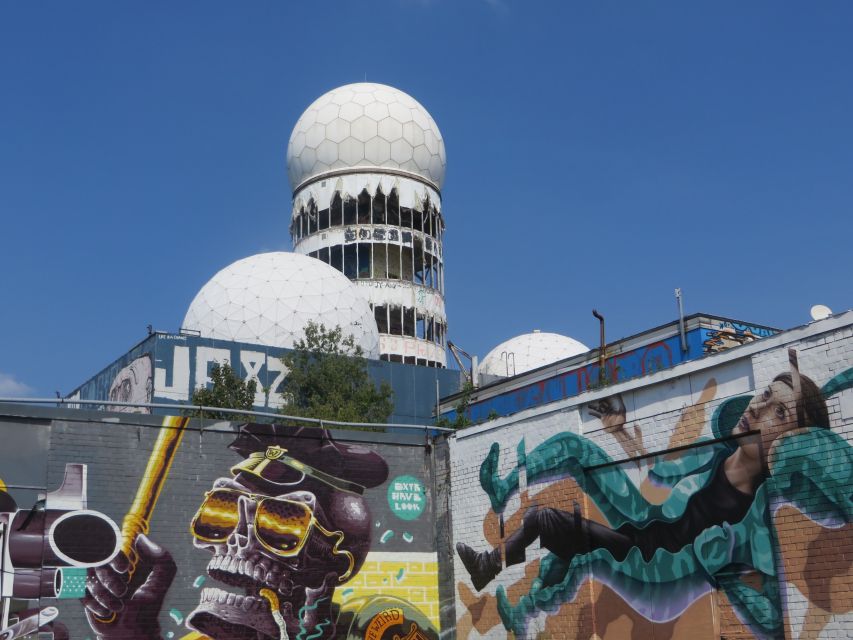
The art is not a side detail. It is one of the main reasons the site feels special today. Walls, corridors, and structures across the former station carry large, colorful paintings by different artists. The result is an open-air gallery spread through a genuinely unusual setting.
The contrast is strong. Cold War buildings were designed for secrecy and surveillance. Street art has turned many of their surfaces into public visual space. The paintings soften some areas, brighten others, and make the walk more varied than a purely historical tour.
You can take photographs throughout the art areas, and the site offers plenty of unusual backdrops. The art is constantly set against cracked concrete, old domes, and the surrounding Berlin woods. Even visitors who are not especially interested in military history can find the visual side rewarding.
At the same time, the gallery is not a conventional art museum. There is no promise of a quiet, carefully lit collection or a single clear artistic theme. The pleasure comes from the scale, the setting, and the changing mix of work as you move through the compound.
If you enjoy street art, industrial ruins, and places with a rough edge, this portion may be the strongest part of the tour. If you prefer polished galleries and formal exhibits, the loose outdoor format may feel less satisfying.
The roof terrace and Berlin views
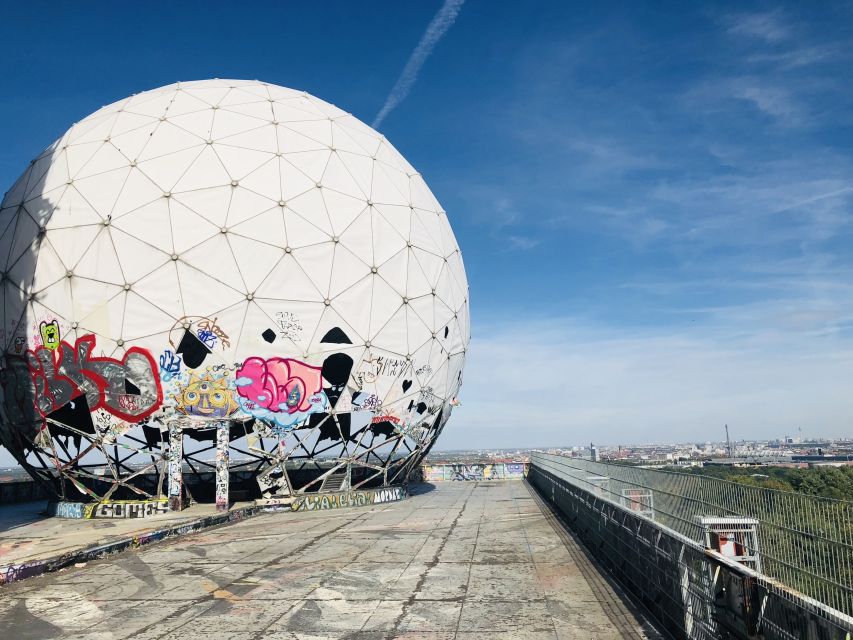
The roof terrace gives the tour its most open moment. After spending time inside and around the former station, you can look out across Berlin from one of the city’s higher points.
The appeal is not simply height. Teufelsberg places you above much of the surrounding area, and the view helps explain the hill’s strategic value. From up high, the former listening station makes more sense as a surveillance site, not just an abandoned building.
Weather will affect this part of the experience. On a clear day, the panorama should be the natural finale. On a gray day, the view may be more muted, but the site’s architecture and murals still give you plenty to see.
The roof terrace is also a good reason to bring a camera, though you should not let photography replace the walk itself. Some of the best visual moments come from the transition between the painted interiors, the old structures, and the open view above Berlin.
German guiding and the language question

The tour is available only in German. This is the most important booking detail, and you should treat it as a real limitation rather than a minor footnote.
If you understand German, the format is straightforward: a local guide leads the group through the site and explains its development, the listening station, and the art. If you do not speak German, you may still enjoy the place visually, but you will lose much of the historical explanation.
English-speaking participants have managed by using Google Translate. In one especially helpful case, guide Stephanie combined some English and German and showed the group how to follow along with translation tools. That makes the experience more workable, but it does not turn it into an English-language tour.
Bring a charged phone and have Google Translate ready if you need it. You can also download German translation support before arriving if your mobile connection is uncertain. Even with that preparation, expect a slower and less complete exchange than you would get on an English tour.
For German speakers, the language restriction is no concern. For everyone else, book this only if you are comfortable accepting a visual and partly translated experience.
Is $62 a fair price?
At $62 per person, the tour is not the cheapest way to see an unusual Berlin site. The price includes the transfer from Heerstraße, entry to Teufelsberg, and the guided visit, so you are paying for convenience as well as access.
The small group adds value. With no more than seven participants, the guide can keep the visit personal, and the Mercedes V-Class avoids the hassle of arranging transport to a location outside the central sightseeing circuit. If you value a simple start and finish, the package is easier than building the trip yourself.
The price makes less sense if you speak no German, do not care much about guided history, or are happy to arrange your own transport and spend a short time taking photographs. In that case, you may feel you are paying for explanations you cannot fully follow.
I see the best value for visitors who want three things at once: an atmospheric Berlin site, a guided Cold War introduction, and a strong street art setting. The tour would cost more than a basic independent outing, but it bundles the parts that can be awkward to arrange separately.
Who should book this Teufelsberg visit?
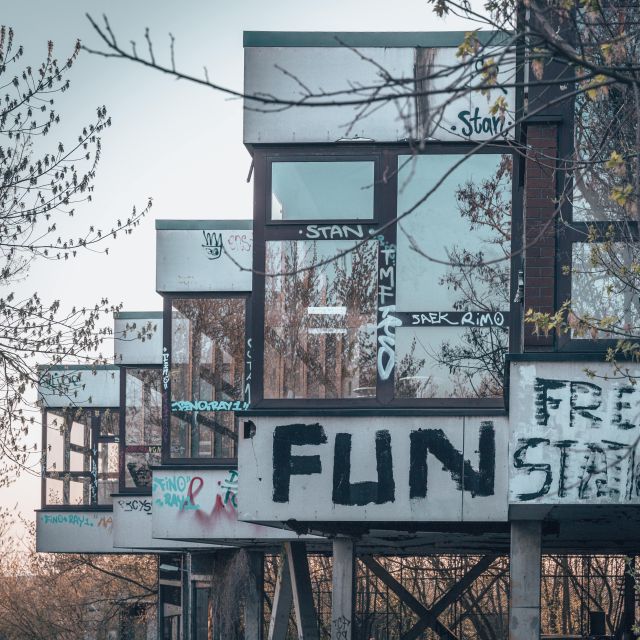
I would recommend it to people who have already seen Berlin’s main central sights and want something less conventional. It suits photographers, street art fans, Cold War enthusiasts, and anyone who likes abandoned buildings with a clear historical story.
It is also a good choice if you want a short excursion rather than a full-day trip. Two hours, including the transfer, gives you a focused look at the site without taking over your schedule.
Families can enjoy the murals and unusual setting, but adults should keep the language issue in mind. An English-speaking family has made the tour work with Google Translate, and a friendly guide can help, but that solution depends on your patience and willingness to follow along.
I would hesitate to recommend it to anyone who needs a fully accessible, polished museum-style attraction, since the information provided emphasizes comfortable flat shoes and a former site with old structures. It is also not the best match for someone seeking a detailed account of every technical aspect of Cold War surveillance.
Free cancellation is available up to 24 hours before the tour, and you can reserve now and pay later. The operator can cancel if fewer than four people book, in which case you are informed as soon as possible. Those policies give you some flexibility, but the minimum-group rule is worth remembering during quiet travel periods.
Should you book the Teufelsberg tour?
Book it if you want Berlin’s past presented through a strange, memorable place rather than a formal museum. The combination of the 120-meter hill, former US listening station, large murals, and roof terrace is unusual, and the included transfer keeps the outing simple.
Think twice if you need an English-language guide. Google Translate and a helpful guide such as Stephanie can bridge part of the gap, but the tour is still officially in German. For German speakers, or for visitors willing to accept a partly translated experience, $62 is reasonable for the transport, entry, small group, and guided access.
FAQ
Where does the tour start?
Meet outside Heerstraße S-Bahn station at exit Boyenallee, at Heerstraße 37A. Look for a white vehicle with the local partner’s logo.
How early should I arrive?
Arrive 5 to 10 minutes before the scheduled start. The tour begins on time.
How long does the experience last?
The full activity lasts two hours. The guided visit at Teufelsberg takes about 100 minutes.
How do I get to Teufelsberg?
The tour includes transfer in a Mercedes V-Class minivan from the Heerstraße meeting point to Teufelsberg and back again.
Is the tour available in English?
No. The tour is offered only in German. English-speaking participants may use Google Translate to follow along.
How many people can join?
The group is limited to seven participants. The operator requires at least four participants and may cancel if that minimum is not reached.
What should I wear?
Wear comfortable, flat shoes. The visit takes place around a former listening station and its outdoor areas.
Is entry to Teufelsberg included?
Yes. The entry fee and guided tour are included, along with the transfer to and from the meeting point.
Just added in Berlin
- Berlin & The Third Reich Private Guided Tour★ 5.0 · 3 reviews
- Third Reich Quest Experience in Berlin★ 4.5 · 7 reviews
- Private Analogue Photography Experience in Berlin★ 5.0 · 3 reviews
- Berlin Urbex Adventure and History Tour★ 5.0 · 9 reviews
- The Beauty of Berlin by Bike: Private Tour★ 5.0 · 59 reviews
- Berlin: Guided Bike tour of the Berlin Wall and Third Reich★ 5.0 · 160 reviews
- Shared Underground Party Tour in Berlin★ 4.5 · 9 reviews
- Beyond Currywurst: Berlin’s Hidden Street Food & Culture Tour★ 5.0 · 100 reviews
Berlin Tours, compared.
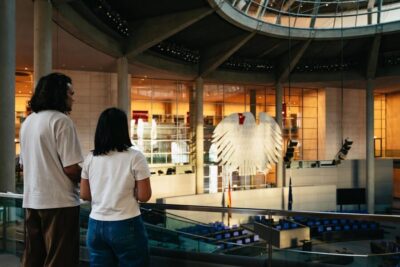
Reichstag, Dome and Government District Guided Tour
Read our review →

Reichstag, Plenary Chamber, Cupola & Government Tour
Read our review →