
Reviewed · WALKING TOURS
Berlin: Guided Walking Tour around the Reichstag
Berlin’s government district packs modern politics, Cold War history, river views, and bold public architecture into a compact walk. You’ll pass the Chancellery, Reichstag, Paul-Löbe House, and the old Wall strip while your guide explains how German politics works today. I like the mix of current affairs and living history, especially along the Spree, where the polished parliament buildings sit close to places tied to Berlin’s division.
I also like that this is a private group tour for up to 30 people, with English or German guiding and a clear two-hour route. Guide Stefan, in particular, brings personal memories of living in East Berlin before the Wall fell, adding a human side to the political story. The main limitation is important: you do not go inside the Reichstag or Chancellery, so this is a street-level tour rather than an interior visit.
Key points at a glance
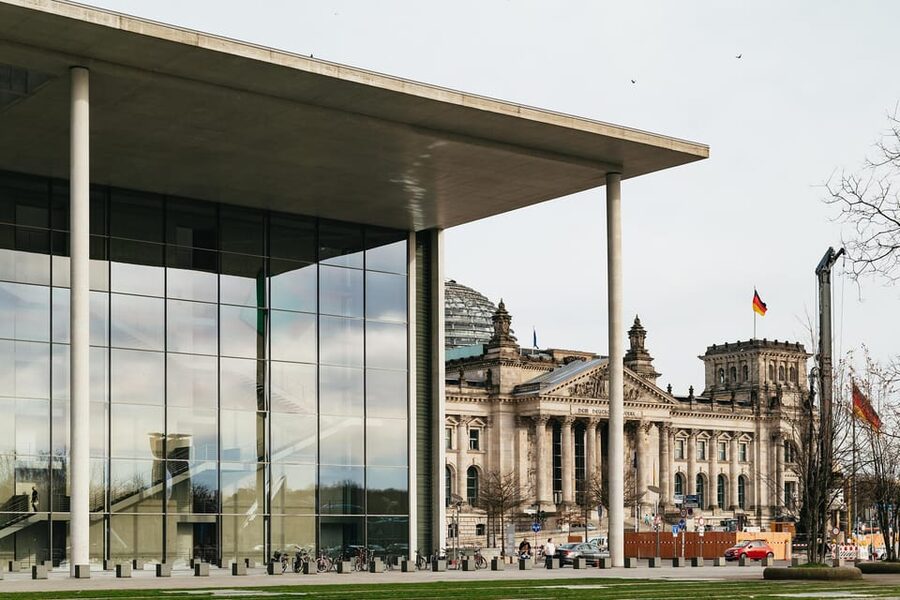
- The route links Berlin’s main political buildings: You’ll see the Chancellery, Paul-Löbe House, Jakob-Kaiser-Haus, the Bundestag administration, and the Reichstag.
- The Spree and Wall strip add historical weight: The walk connects today’s federal government with the city’s divided past.
- Personal stories make the politics easier to follow: Guides explain where the Chancellor receives guests, how the Bundestag works, and where MPs eat.
- Public art and architecture are part of the lesson: You’ll look at how a working parliament presents itself through buildings, bridges, and artworks.
- It is private, but the maximum group size is large: The tour can suit a family or organized group, though 30 people is not an intimate gathering.
- No interior access is included: You should book this for context and interpretation outside the buildings, not for entry to the Reichstag dome or government offices.
A street-level look at where Germany is governed
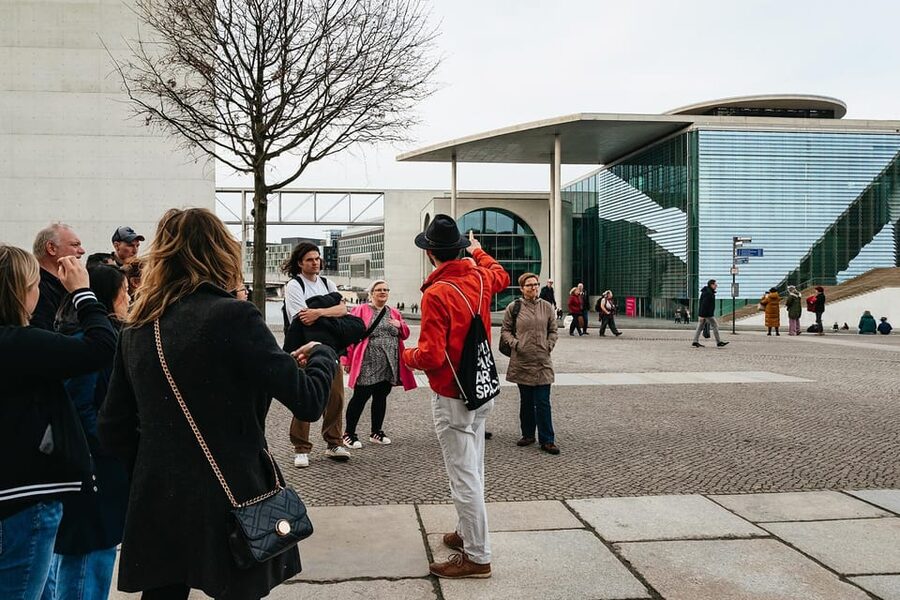
The walk begins at the intersection of Paul-Löbe-Allee and Konrad-Adenauer-Straße, beside the Bundestag U5 station, exit D. Meeting next to the elevator makes the starting point fairly clear, and the location is wheelchair accessible.
From there, the route moves through the heart of the parliamentary district. This is not a sightseeing walk built around old churches or grand royal rooms. Instead, you get a close look at the working center of modern Germany, where offices, media studios, parliament buildings, embassies, memorials, and public art all share a small area.
That mix gives the tour its purpose. You are not simply collecting photos of the Reichstag. You are learning how government is organized, how political decisions are communicated, and why the buildings look the way they do.
The guide also helps translate formal institutions into practical questions. Where does the Bundestag work? Where does the Chancellor meet foreign visitors? How do MPs move through the district? What are the tunnels for? Where do elected representatives eat? These details give shape to a system that can otherwise feel distant and abstract.
More Walking Tours in Berlin
- Discover Berlin Half-Day Walking Tour
★ 5.0 · 9,624 reviews - Berlin: Third Reich and Cold War 2 Hour Walking Tour
★ 4.9 · 6,830 reviews - Berlin: Discover Berlin Walking Tour
★ 4.9 · 5,998 reviews
The Chancellery and the visible face of power
The German Chancellery is one of the first major stops, with about 10 minutes devoted to it. From outside, your guide explains what happens in the building and how it functions as the Chancellor’s workplace and a place for official meetings.
The Chancellery’s scale and modern design make it a useful starting point for discussing political architecture. A government building has to work as an office, a meeting place, and a public symbol. The guide can help you consider how those jobs fit together.
You will not enter the Chancellery. That matters if you are comparing this walk with a formal building tour. Still, the exterior explanation gives you a better sense of how Germany’s executive branch operates, especially when paired with the later stops connected to the Bundestag.
The Swiss Embassy and Berlin’s diplomatic quarter
The route then reaches the Swiss Embassy, again with around 10 minutes of explanation. This stop broadens the subject beyond German domestic politics and shows how foreign representation fits into the government district.
An embassy is more than an attractive building. It is a working diplomatic outpost, and its location near the federal institutions is no accident. Your guide uses the building to explain the relationship between Berlin’s government center and the international visitors who come here.
This is also a reminder that the district is not made up only of German offices. Foreign embassies, broadcasters, parliament staff, and government departments operate side by side. If you like understanding how a city functions behind its major monuments, this is a useful pause.
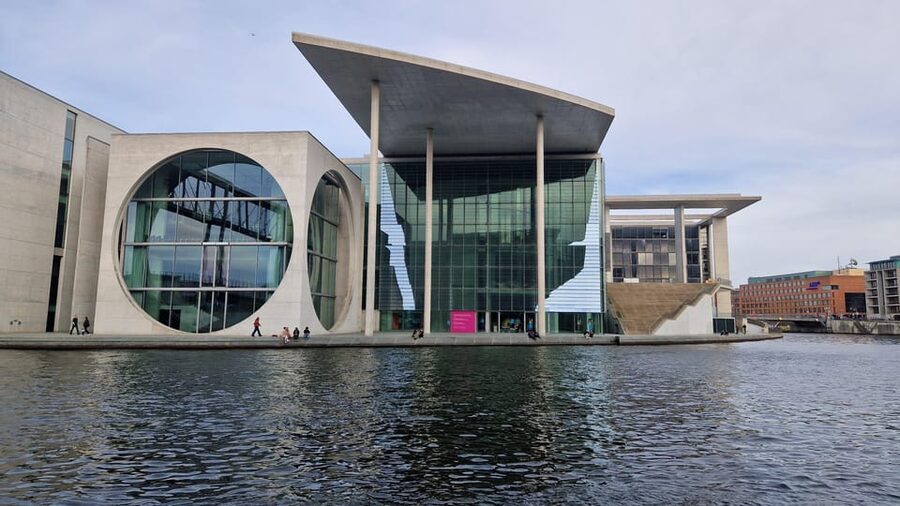
Paul-Löbe House and the working Bundestag
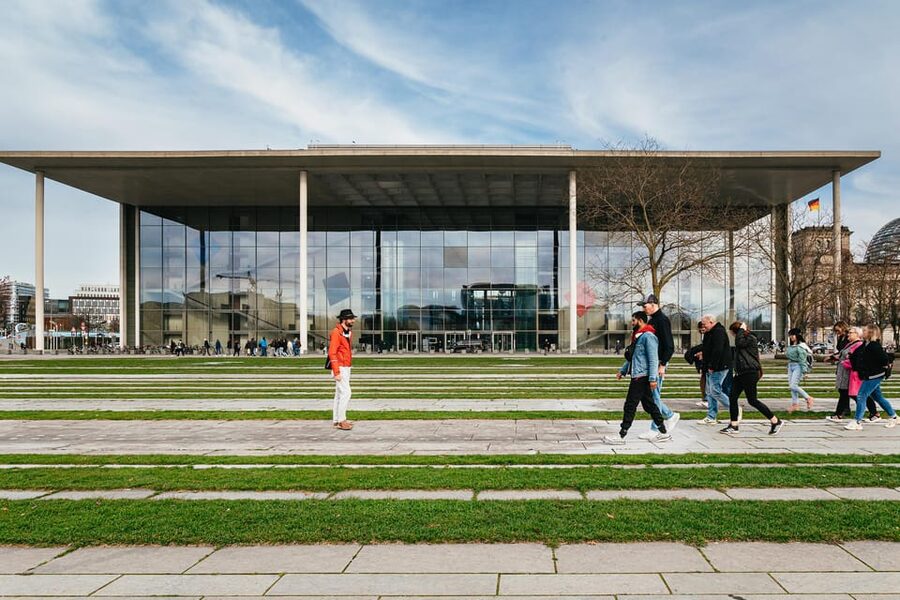
Paul-Löbe House is one of the most meaningful stops on the route. It is connected to the Bundestag and helps show the practical side of parliamentary work.
The Reichstag often gets all the attention, but the surrounding buildings are essential to the daily business of government. Here, your guide can explain how members of parliament and staff use the district, how offices connect, and what a working parliament needs beyond one famous chamber.
This is where the tour’s architectural questions become especially useful. Should a parliament look grand and ceremonial, or should it look open, practical, and accessible? The modern government district gives you plenty to consider. You can compare its clean lines and functional design with older Berlin buildings elsewhere in the city.
For me, this is one of the strongest reasons to take the tour with a guide. Without context, Paul-Löbe House can seem like another large modern building. With context, it becomes part of the machinery of German democracy.
Same city, a completely different kind of day:
- Berlin: Reichstag, Dome and Government District Guided Tour
★ 4.7 · 18,288 reviews - Berlin: 1-Hour City Tour by Boat with Guaranteed Seating
★ 4.3 · 16,993 reviews - Berlin: Boat Tour Along the River Spree
★ 4.4 · 11,252 reviews - Berlin: Hop-on Hop-off Bus Tour with Live Commentary
★ 4.3 · 8,579 reviews
The White Crosses and the Wall’s human cost
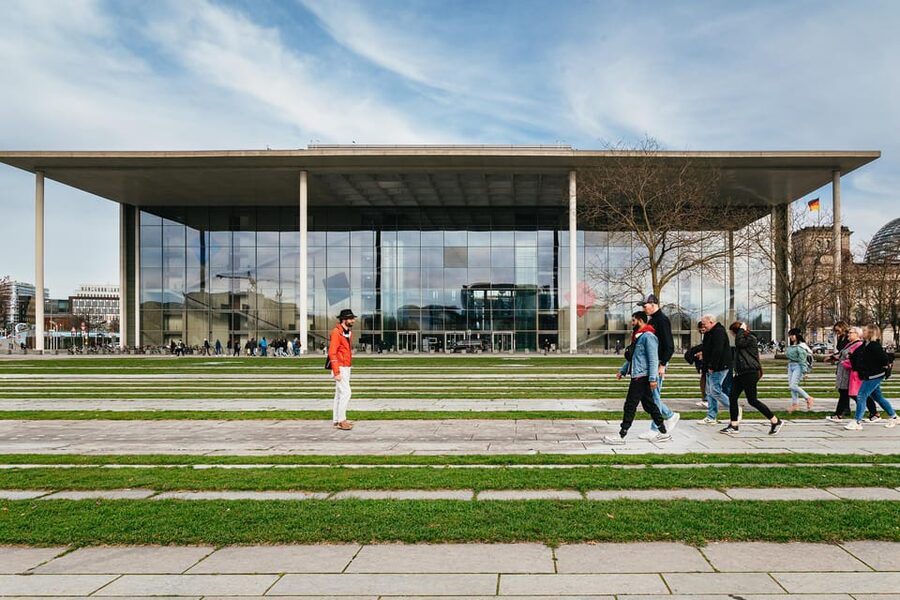
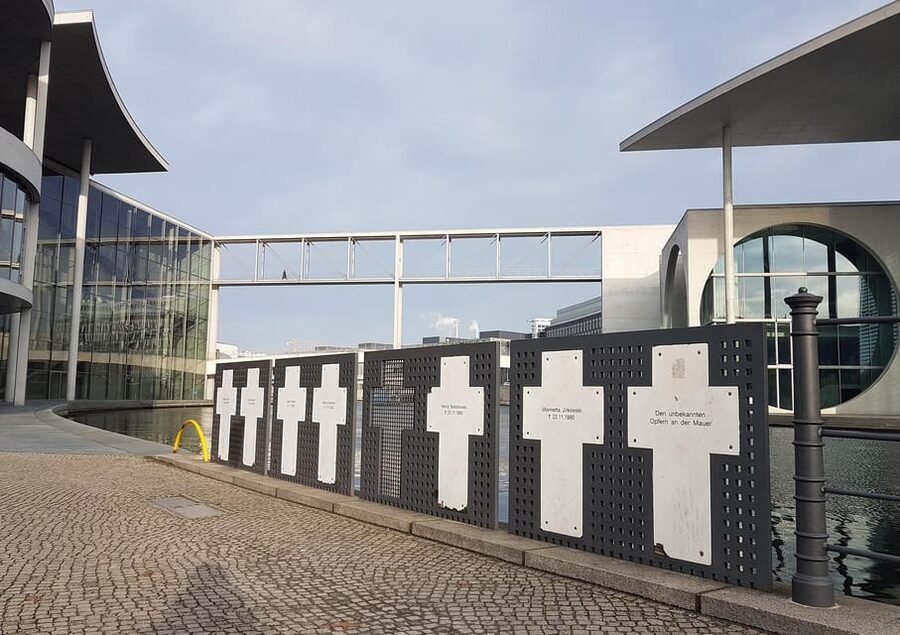
The White Crosses bring the walk back to Berlin’s divided past. These memorial crosses honor people who died trying to cross the Berlin Wall.
The stop is brief, but the subject is not. The government district now looks open, modern, and unified, yet this area once sat beside a heavily controlled border. The memorial helps connect the present-day political center with the personal cost of division.
This part of the walk is particularly valuable if you have already seen the broad Cold War sights, such as the Berlin Wall Memorial or Checkpoint Charlie. The White Crosses offer a more focused reminder of individual lives rather than only military barriers, speeches, and political events.
A guide can also place the memorial in the wider story of reunification. You are not just looking at a marker. You are standing in a district reshaped by the end of the Wall and the decision to place the reunited country’s political center in Berlin.
Marshall Bridge and the Spree
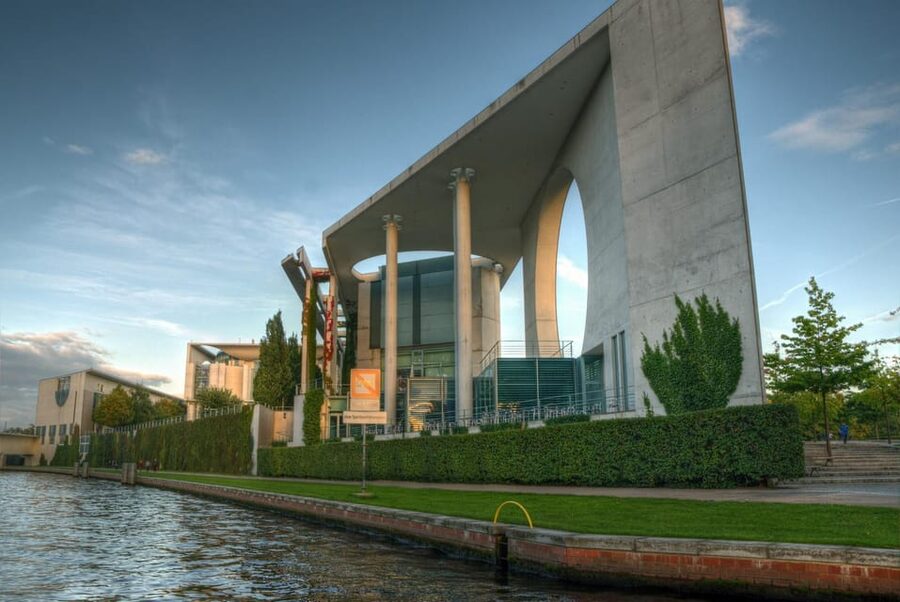
At Marshall Bridge, the route takes in the Spree and the water that runs through the government quarter. The bridge is a practical crossing, but it also provides a useful view of the relationship between the river, the Wall strip, and the newer federal buildings.
Walking beside the Spree slows the tour down a little. After several institutional buildings, the river gives you room to look around and see how the district fits together. Your guide can point out the political and historical meaning of the area while you move between the major stops.
The river walk also makes the tour less like a list of buildings. You get changing views and a sense of distance between the Chancellery, parliament offices, media facilities, and the Reichstag. If you enjoy seeing how a city’s public spaces are planned, this section should appeal to you.
ARD Hauptstadtstudio and politics in the news
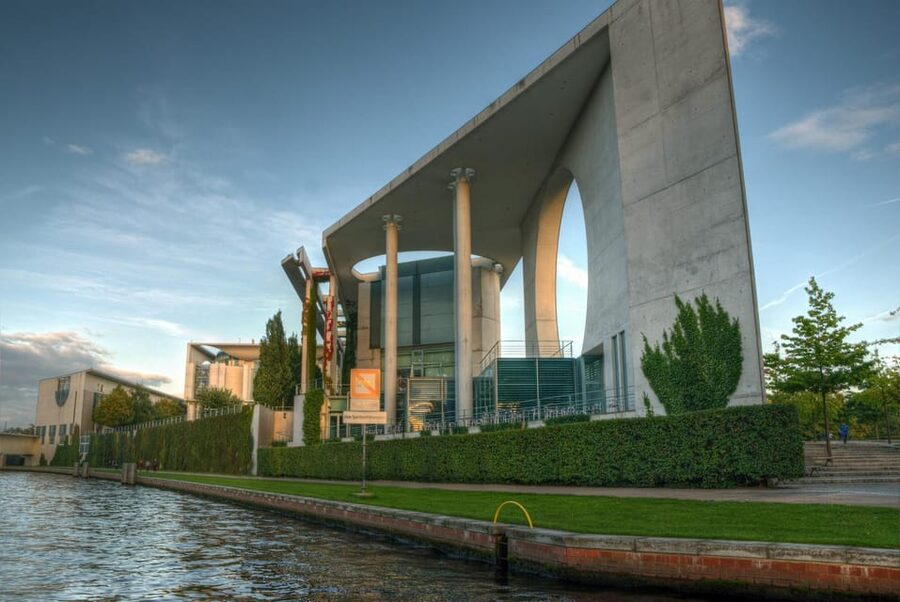
The ARD Hauptstadtstudio Berlin brings the media into the story. ARD is one of Germany’s major public broadcasters, and its capital studio is tied to the reporting and explanation of national politics.
This stop helps answer a question many visitors have: how do political decisions reach the public? Government is not only made in offices and parliamentary chambers. It is also discussed, reported, interpreted, and challenged through the media.
Your guide can explain the role of the capital press and broadcasting district without turning the tour into a lecture on German law. That balance matters. You want enough information to understand the system, but not so much detail that the walk becomes hard work.
Bundestag administration and Jakob-Kaiser-Haus
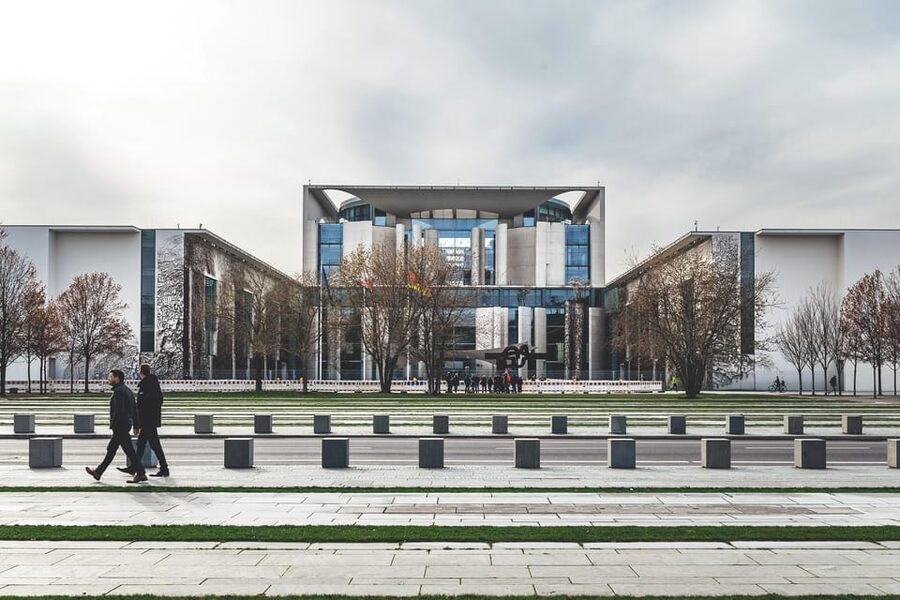
The route continues past the administration of the German Bundestag and Jakob-Kaiser-Haus. These stops show the support structure behind parliamentary debate.
A national parliament needs more than elected representatives. It needs staff, offices, meeting rooms, communications teams, security, and administrative systems. The buildings around the Reichstag make that support work visible.
Jakob-Kaiser-Haus is another chance to see how the government district combines practical office space with symbolic architecture. Your guide may also discuss movement through the district, including the less visible connections and tunnels that help the complex function.
This is a good section for asking questions. If you want to know how the Bundestag operates day to day, how MPs use the area, or how the buildings connect, the private format gives you more freedom to steer the conversation than a large scheduled group usually allows.
The Reichstag without going inside
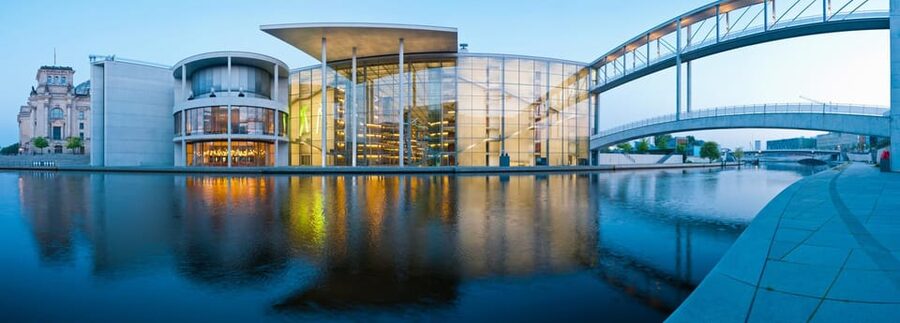
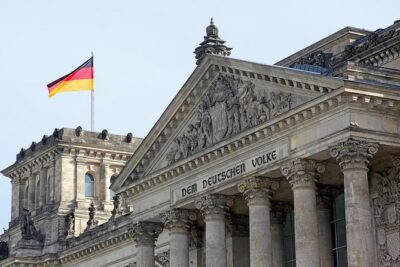
The final major stop is the Reichstag, ending at Platz der Republik. The building is the visual centerpiece of the walk, and your guide explains its role in the Bundestag and in Germany’s political story.
The Reichstag’s exterior carries several layers of meaning. It recalls the older German parliament, the damage and upheaval of the twentieth century, and the country’s decision to make Berlin its capital again after reunification. The modern additions also raise questions about transparency and public access.
You should keep your expectations clear. This tour does not include an interior visit to the Reichstag, the glass dome, or the Chancellery. If entering the building is your main goal, you will need a separate arrangement. This walk works better as an introduction to the district and its meaning.
Ending at Platz der Republik is practical. You finish beside one of Berlin’s most recognizable political sites, with the route’s main themes gathered in one place: democracy, architecture, division, reunification, and public communication.
How the guiding style affects the experience
The quality of this walk depends heavily on the person leading it. The available guide languages are English and German, and the strongest feedback points to lively storytelling rather than dry facts.
Stefan is specifically noted for sharing personal memories of East Berlin before the Wall came down. That kind of perspective can add something a textbook cannot. It helps you picture the city as a place of restrictions, divided families, and changing borders, rather than as a set of dates.
Another guide was praised for being an enthusiastic storyteller who brought personal angles into the wider history. That is the right approach for this district. The buildings are impressive, but they become easier to remember when tied to people, decisions, and lived experience.
You should also allow a little flexibility at the meeting point. One group waited about 10 minutes before connecting with the guide, though the information afterward was described as varied and strong. Arrive at the stated location early, stay near the elevator at U5 exit D, and keep your phone available in case the guide needs to find you.
Price, group size, and practical value
The price is $234 per group of up to 30 people. That is a significant amount for a two-hour walk if you are traveling alone or as a couple. Split among a larger private group, however, the cost becomes more reasonable.
For example, a group of 10 would pay about $23.40 per person, while a full group of 30 would pay about $7.80 per person. The value depends on how many people are sharing the booking and how much you want a private guide rather than a standard public walk.
The tour lasts two hours, with the route divided into roughly 10-minute sections at each listed stop. That makes the pace fairly structured. You cover a lot of ground, but you are not spending long periods inside any one place.
The walk is wheelchair accessible, which is useful in a district built around broad public spaces and modern buildings. You should still allow for an outdoor walking experience, with weather affecting comfort. English and German are available, and the private format lets your group ask questions along the way.
Free cancellation is available up to 24 hours before the start, and you can reserve now and pay later. Those terms help if your Berlin plans are still shifting.
Who should book this Reichstag district walk?
I would choose this tour if you want political context, Cold War connections, and modern architecture in one short outing. It suits first-time Berlin visitors who want a clear introduction to the government quarter, as well as repeat visitors who have seen the major monuments but want to understand how the city functions today.
It is also a good fit for families, school groups, work groups, and private parties that want a guide who can adjust the discussion. The full capacity is 30, so ask yourself how large your group really is. A private booking can be excellent for a small group, but a group of 30 will feel less personal.
You may want something else if your priority is entering the Reichstag or visiting the glass dome. You should also skip this walk if you are looking mainly for medieval Berlin, royal history, or long museum visits. Its focus is the federal government, the Wall, public architecture, and the way politics is explained to the public.
Should you book it?
Book this tour if you want to understand Berlin’s political center rather than simply photograph it. The best parts are the connection between the Spree and the Wall, the practical explanation of how the Bundestag works, and the personal stories that can bring East Berlin and reunification into focus.
The price makes the most sense for a group sharing the fee. Just remember that the Reichstag and Chancellery are viewed from outside. If that suits your plans, this is a focused and useful two-hour introduction to the buildings, people, and decisions that shape modern Germany.
FAQ
Where does the tour begin?
Meet at the intersection of Paul-Löbe-Allee and Konrad-Adenauer-Straße, next to the Bundestag U5 subway exit D, in front of the elevator.
Where does the tour finish?
The walk finishes at Platz der Republik in Berlin-Mitte, near the Reichstag.
How long does the tour last?
The tour lasts two hours.
Is the Reichstag included as an interior visit?
No. The tour visits the Reichstag from the outside, and there is no interior tour of the Reichstag or Chancellery.
What languages are available?
The live guide can lead the tour in English or German.
Is the tour private?
Yes. It is a private group tour for up to 30 people.
Can I cancel or pay later?
You can cancel up to 24 hours before the tour for a full refund. You can also reserve now and pay later.
Just added in Berlin
- Berlin & The Third Reich Private Guided Tour★ 5.0 · 3 reviews
- Third Reich Quest Experience in Berlin★ 4.5 · 7 reviews
- Private Analogue Photography Experience in Berlin★ 5.0 · 3 reviews
- Berlin Urbex Adventure and History Tour★ 5.0 · 9 reviews
- The Beauty of Berlin by Bike: Private Tour★ 5.0 · 59 reviews
- Berlin: Guided Bike tour of the Berlin Wall and Third Reich★ 5.0 · 160 reviews
- Beyond Currywurst: Berlin’s Hidden Street Food & Culture Tour★ 5.0 · 100 reviews
- Berlin Third Reich & Cold War Walking Tour With A Guide★ 5.0 · 7 reviews
Walking Tours, compared.


Berlin’s Best: 2 Hour Walking Tour Third Reich and the Cold War
Read our review →
Third Reich Berlin: Hitler and WWII Walking Tour
Read our review →Browse the lists this tour appears in