Reviewed · BERLIN TOURS
Berlin: David Bowie in 1970s West-Berlin
David Bowie’s Berlin was not a postcard city. It was a divided, restless place where the artist found distance from his old life, new electronic sounds, and material for some of his most important music. This private three-hour tour follows that chapter from Hansa Studios to Bowie’s former home, with guide Martin Sauter connecting streets, clubs, songs, and stories.
I like the way the tour links music to real places, especially the route past Hansa Studios and the former sites of Dschungel and Chez Romy Haag. I also like the personal format: Martin can adjust a private tour to your interests, and his detailed, warm approach gives the outing the feel of a knowledgeable friend showing you around.
The main drawback is the price, $288 per person, which is a serious spend for three hours. Several stops are viewed from outside, and some clubs no longer exist, so this is best for committed Bowie fans who value context and storytelling more than a long list of indoor attractions.
Key Points Before You Book

- Hansa Studios: See the building linked with Bowie’s Berlin recording years and the sound of Heroes.
- Martin Sauter: Expect a guide who explains both Bowie’s life and the wider story of West Berlin.
- Former nightlife sites: Visit the locations of Dschungel and Chez Romy Haag, even though the original clubs are gone.
- Bowie’s home: End at the Berlin residence where he lived during his years in the city.
- Private three-hour format: The tour suits fans who want room for questions and a route shaped around their interests.
- Hotel pickup and three languages: Pickup can be arranged, and the tour is offered in English, French, or German.
Why Bowie Chose West Berlin
The tour begins at Martin Gropius Bau, the site of the major David Bowie exhibition held in 2014. That opening point gives you a useful way into the story. You are not simply following a celebrity through Berlin. You are looking at a musician who had just finished The Man Who Fell to Earth and wanted to leave his previous life behind.
Bowie arrived in West Berlin between 1976 and 1978. His reasons were personal, artistic, and practical, and Martin explains them at the start. One important thread was Bowie’s interest in electronic music. Düsseldorf was central to that sound, but West Berlin also offered an unusual setting for new musical ideas.
Before finding his own flat, Bowie stayed at the apartment of Edgar Froese, founder of Tangerine Dream. That detail helps explain why the city suited him. Bowie was looking for fresh sounds and new surroundings, and Berlin gave him both. The city was divided, politically tense, and culturally unpredictable. Those qualities became part of the atmosphere around his work.
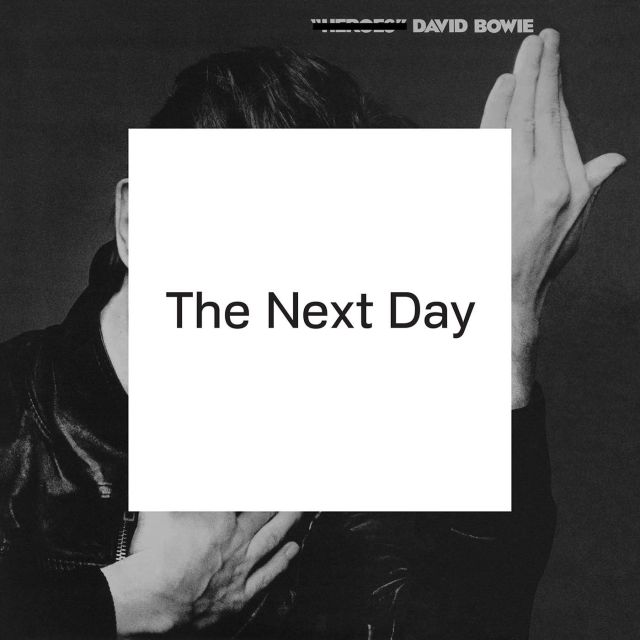
You will hear how this period connects to Heroes, the best-known song from his Berlin years, as well as Boys Keep Swinging, Yassassin, and Neuköln. Bowie intentionally misspelled the name of the Berlin district in the song title. The tour uses details such as this to show how the city entered the music, rather than treating Berlin as a simple backdrop.
A few more half-days in Berlin worth comparing
- Berlin: Reichstag, Dome and Government District Guided Tour
★ 4.7 · 18,288 reviews - Berlin: 1-Hour City Tour by Boat with Guaranteed Seating
★ 4.3 · 16,993 reviews - Berlin: Boat Tour Along the River Spree
★ 4.4 · 11,252 reviews
From Martin Gropius Bau to Potsdamer Platz
Martin Gropius Bau is a practical meeting point because it links Bowie’s past with his later reputation. The 2014 exhibition brought his career into public view in Berlin, while the tour looks back to the period when he was still building his connection with the city.
Your guide will be holding a David Bowie album, book, or CD, making the meeting easier. If you arrange hotel pickup, that can simplify the start, especially if your accommodation is not close to the first stop.
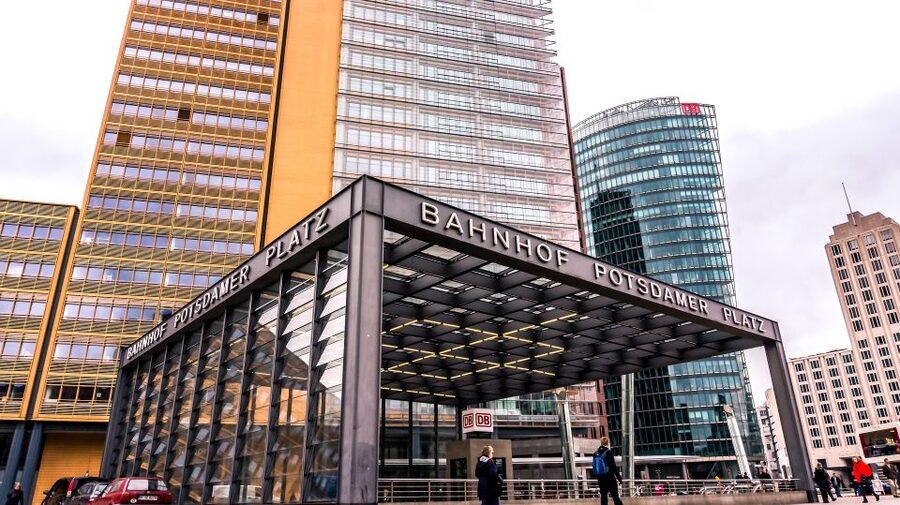
From there, the route continues toward Potsdamer Platz. Bowie returned to this location in Where Are We Now, released in 2012. The song looks back at Berlin and the changes that took place after the years he spent there. This stop gives the tour a useful time span: you are considering both Bowie’s original Berlin period and his later memory of the city.
Potsdamer Platz is also a reminder that Berlin changes quickly. The places Bowie knew were shaped by division, empty spaces, and the border between East and West. The modern city does not always look like the one Bowie experienced. That contrast is part of the point, and Martin helps fill in what the buildings alone cannot show.
Hansa Studios and the Sound of Heroes
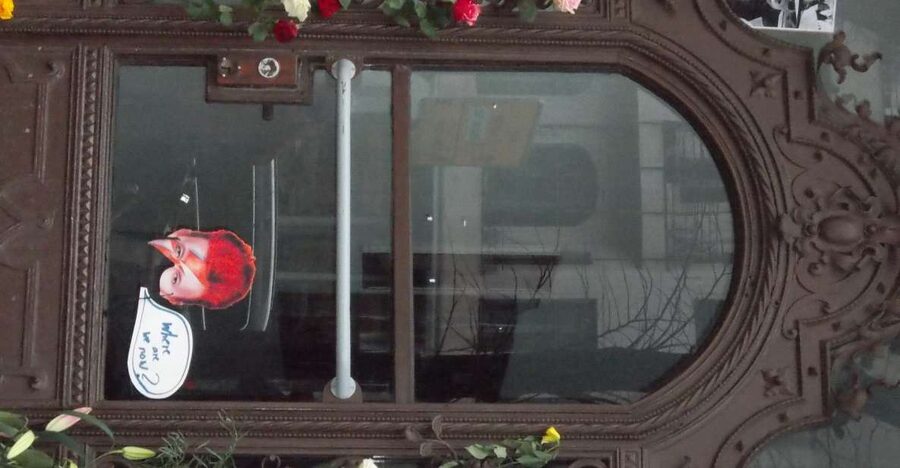
The visit to Hansa Studios is the musical center of the tour. You stand outside the studio associated with Bowie’s Berlin recordings and learn why the building matters. The experience is not presented as a studio visit or recording session, so you should expect an exterior stop rather than access to working rooms.
Still, the location carries real weight. Hansa Studios is closely linked with Heroes, one of Bowie’s defining songs and one of the clearest musical results of his Berlin period. Hearing about the song at the place where the work was made gives the music a physical address.
This is where a guide adds value. A quick photograph outside the building would tell you very little on its own. Martin’s role is to explain the people, sounds, and choices tied to Bowie’s life in West Berlin. His focus on both the artist and Berlin means the stop is not only for fans who can name every album. You can also use it to understand the city’s role in Bowie’s creative change.
City West, KaDeWe, and the Lost Clubs
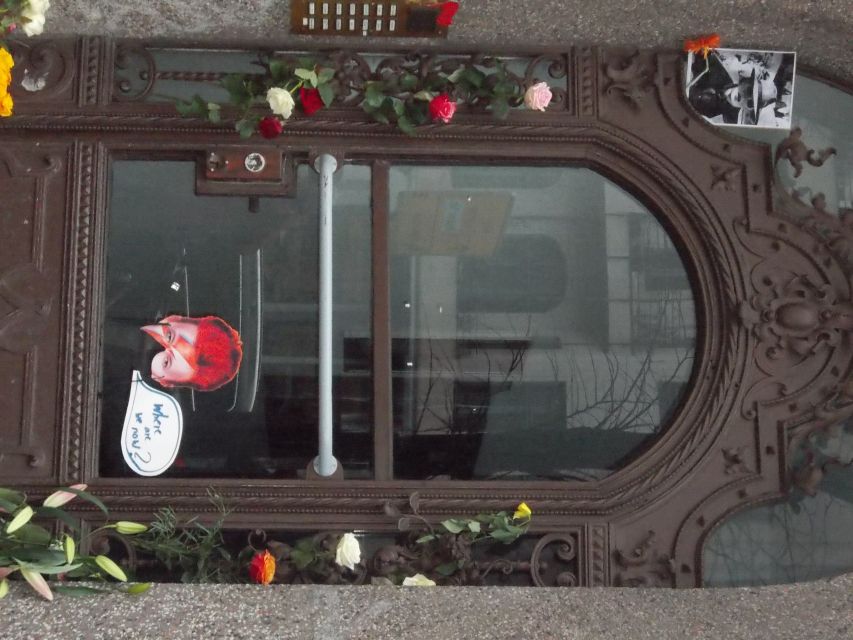
After Hansa Studios, the route moves into City West. You pass KaDeWe and continue toward places connected with Bowie’s daily life and nightlife. These stops are less polished than a conventional museum visit, which is exactly why they can feel useful.
The former Dschungel location is one example. The club was part of West Berlin’s social world, but the original venue is no longer there in the same form. The tour takes you to the place and explains what it meant during Bowie’s years in the city. You will need to use your imagination, but that is also an honest look at urban history. Many music landmarks survive only as addresses and stories.
The former Chez Romy Haag site brings a similar kind of atmosphere. You stand outside the place and are taken back to the club scene of the 1970s. The site is not presented as a preserved attraction, so do not expect period interiors or a recreated dance floor. Its value comes from Martin’s explanation of who went there and how it fitted into Bowie’s Berlin life.
These stops make the tour more than a checklist of famous buildings. You see how Bowie’s Berlin included hotels, studios, department stores, clubs, and ordinary city streets. The route also shows why a private guide is helpful. You can ask about the music, the people, or the changing streetscape without being tied to a large group’s fixed pace.
Same city, a completely different kind of day:
- Discover Berlin Half-Day Walking Tour
★ 5.0 · 9,624 reviews - Berlin: Hop-on Hop-off Bus Tour with Live Commentary
★ 4.3 · 8,579 reviews - Berlin: Government District around the Reichstag Guided Tour
★ 4.7 · 8,447 reviews - Berlin: Reichstag, Plenary Chamber, Cupola & Government Tour
★ 4.6 · 8,422 reviews
Bowie’s Berlin Home
The tour ends at David Bowie’s Berlin home. This is a quieter finish than Hansa Studios, but it brings the story back to everyday life. Bowie was not only recording and going out. He was living in the city, trying to build a different routine and find a new creative direction.
The information provided does not promise entry into the home, so plan to view it from outside. That is still meaningful for fans who want to understand where Bowie based himself during his Berlin years. The final stop gives the three-hour route a clear shape: you begin with the public story of Bowie in Berlin and finish at the private place where that life was rooted.
Because the tour ends there, you should think about your plans afterward. The description specifies a bus ride to reach Bowie’s home, but it does not give a return transfer. Ask Martin about the final location when booking if you need to coordinate lunch, a museum visit, or another appointment.
What Martin Sauter Adds
Martin Sauter is the named guide for this experience, and his style seems central to its appeal. He explains Bowie’s life in detail, but he also brings in Berlin more generally. That balance matters because the tour works best when you understand the city around the artist, not only the songs.
His approach is described as sympathetic, humorous, and adaptable. On a private outing, that can make a major difference. You can spend more time on the records that matter most to you, ask about a particular club, or focus on Bowie’s reasons for moving to Berlin.
The tour is available in English, French, and German. That gives you a useful choice if you are traveling with a mixed-language group. Martin’s strong communication skills have been praised in the available feedback, along with his ability to explain the subject clearly and with passion.
The private format also keeps the experience personal. It is not a large coach tour with a script delivered at every stop. You meet the guide, follow the route through central Berlin, use a bus for the final section, and have room to shape the conversation.
Is $288 Per Person a Fair Price?
At $288 per person, this is not a bargain sightseeing tour. The price makes the most sense if you are a serious Bowie fan, a music-history enthusiast, or someone who prefers a private guide to a group excursion.
You are paying for three hours, a private group, an in-depth presentation, several locations, and the chance to adjust the conversation to your interests. Hotel pickup is available if desired, which adds convenience, though you should confirm the arrangement before the day of the tour. Food and drinks are not included.
The value is less clear if you mainly want to see a famous studio and take a few photographs. Hansa Studios, the former clubs, and Bowie’s home are primarily exterior or location-based stops. You are buying interpretation rather than admission tickets.
I would compare the cost with the size of your group. For one person, $288 is a substantial personal expense. For a small private group, the price may feel more reasonable because the guide’s attention is shared only among your party. The flexible format also helps justify the cost if you have specific Bowie questions or want more than a standard sightseeing route.
Practical Details for the Three-Hour Route
The tour lasts three hours. It begins at Martin Gropius Bau, unless hotel pickup has been arranged, and the meeting guide carries a Bowie album, book, or CD so you can identify him.
The route includes walking through parts of central and western Berlin, followed by a bus ride to Bowie’s home. Wear comfortable shoes, since the experience moves between several locations. The available information does not specify the walking distance, bus line, or exact starting time, so check availability and confirm those details when you reserve.
You can cancel up to 24 hours in advance for a full refund. The reserve-now, pay-later option lets you hold a place without paying immediately, which may help if your Berlin schedule is still taking shape.
Since food and drinks are not included, plan a café stop before or after the tour. Three hours is long enough to build an appetite, particularly if you are walking between several stops.
Who Will Get the Most From It?
I would choose this tour if Bowie is one of the reasons you are visiting Berlin. It is especially suited to fans of Heroes and the Berlin trilogy, but the route also covers Boys Keep Swinging, Yassassin, and Neuköln.
It also works for visitors interested in music scenes, Cold War-era West Berlin, and the way artists respond to a city. You do not need to know every album in advance. Martin provides the setting and explains the links between the music and the places.
I would think twice if you prefer indoor attractions, preserved historic rooms, or a fast tour with many major sights. Several locations have changed or disappeared, and the value depends on your interest in stories attached to places that may look ordinary today.
The private format is a strong match for couples, families, and small groups with a shared interest in Bowie. It is also useful if you want the tour in English, French, or German.
Should You Book the Bowie Berlin Tour?
Book it if you want the story behind the addresses, not just a photograph outside them. Martin Sauter brings together Bowie’s move to Berlin, electronic music, nightlife, studio work, and the city he later remembered in Where Are We Now.
The tour earns its strongest marks for Martin’s detailed and personal guiding, the link to Hansa Studios, and the chance to follow Bowie through several parts of West Berlin. The $288 price is high, so I would reserve it only if those details matter to you.
For a dedicated Bowie fan, this is a focused and rewarding way to spend three hours. For a casual music tourist, the cost may be better spent on broader Berlin sights.
FAQ
How long does the David Bowie Berlin tour last?
The tour lasts three hours.
Where does the tour begin?
The tour starts at Martin Gropius Bau. Hotel pickup is also available if desired.
How will I recognize the guide?
The guide will be holding a David Bowie album, book, or CD.
Who leads the tour?
The named guide is Martin Sauter of Berlin-Tours Martin Sauter.
What languages are offered?
The tour is available in English, French, and German.
Is this a private tour?
Yes. The experience is arranged for a private group.
What places connected with Bowie are included?
The route includes Martin Gropius Bau, Potsdamer Platz, Hansa Studios, KaDeWe, the former locations of Dschungel and Chez Romy Haag, and David Bowie’s Berlin home.
Do I enter Hansa Studios or Bowie’s home?
The tour description specifies standing outside Hansa Studios and visiting Bowie’s home location. It does not state that either place includes interior access.
Is transportation included?
The tour includes a bus ride to David Bowie’s home. Hotel pickup can also be arranged if desired.
Are food and drinks included?
No. Food and drinks are not included.
Can I cancel the booking?
You can cancel up to 24 hours in advance for a full refund.
Can I reserve now and pay later?
Yes. The reserve-now, pay-later option lets you book without paying immediately.
Just added in Berlin
- Berlin & The Third Reich Private Guided Tour★ 5.0 · 3 reviews
- Third Reich Quest Experience in Berlin★ 4.5 · 7 reviews
- Private Analogue Photography Experience in Berlin★ 5.0 · 3 reviews
- Berlin Urbex Adventure and History Tour★ 5.0 · 9 reviews
- The Beauty of Berlin by Bike: Private Tour★ 5.0 · 59 reviews
- Berlin: Guided Bike tour of the Berlin Wall and Third Reich★ 5.0 · 160 reviews
- Beyond Currywurst: Berlin’s Hidden Street Food & Culture Tour★ 5.0 · 100 reviews
- Berlin Third Reich & Cold War Walking Tour With A Guide★ 5.0 · 7 reviews
Berlin Tours, compared.
Reichstag, Dome and Government District Guided Tour
Read our review →


Reichstag, Plenary Chamber, Cupola & Government Tour
Read our review →