
Reviewed · WALKING TOURS
Charlottenburg: 2-Hour City Walking Tour
Charlottenburg is more than a palace stop. This two-hour walk traces the district from its old village core to grand Prussian buildings, worker housing, cafés, thrift stores, and the palace that gave the neighborhood its name. I like the way it connects 800 years of urban history with ordinary city life, rather than treating Charlottenburg as a string of fancy façades.
I also like the route’s local angle. You see the places tied to artist Heinrich Zille, preserved schoolhouses dating from 1786, and the friendly street life of Klausener Kiez. The main drawback is that the guide speaks German only, and museum admission, food, and drinks are not included.
Key points to know before you book
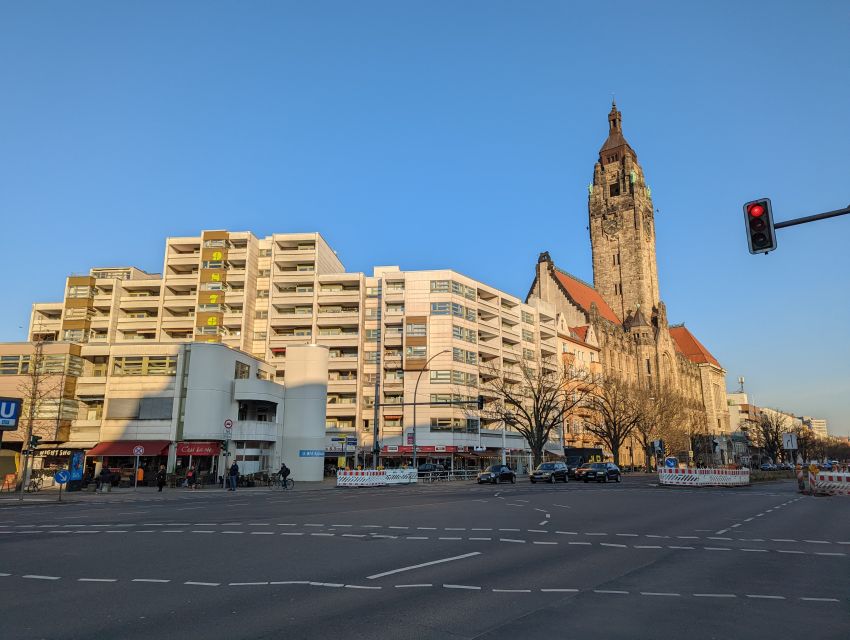
- The route begins at Rathaus Charlottenburg: Meet at the main entrance to the district’s imposing City Hall.
- The story moves from village to royal district: You’ll follow Charlottenburg’s growth through its old square, churches, housing, and Prussian landmarks.
- Klausener Kiez adds everyday Berlin: Cafés, corner shops, and thrift stores give the tour a lived-in feel.
- Charlottenburg Palace is the grand finale: The walk ends outside the palace, among the dome-topped Stüler buildings.
- The tour is in German: This matters if you need English commentary or want to ask questions in another language.
- The price is $23 per person: For two hours with a professional museum expert, that is fair value, especially if local history interests you.
Why Charlottenburg makes a good walking-tour subject
Central Berlin often gets the attention: Brandenburg Gate, Museum Island, the Berlin Wall, and the grand avenues around Unter den Linden. Charlottenburg offers a different story. It is a former independent town and one of Berlin’s more prosperous districts, with a mixture of royal ambition, middle-class housing, old village traces, and modern neighborhood life.
That mix gives the walk a useful shape. You are not simply looking at monuments in isolation. You are learning how streets, churches, schools, housing, and public buildings fit together as the district expanded.
The walk also helps explain why Berlin can feel so varied from one block to the next. A grand palace may be only a short distance from a modest local street. An elegant avenue can lead into a neighborhood of cafés and small shops. The guide’s job is to connect those contrasts, and this tour places particular emphasis on history and city planning.
The tour has a rating of 4.8 from 47 reviews, with repeated praise for the guide’s strong historical knowledge, clear explanations, friendly manner, and sensible walking pace. That is useful information for deciding what kind of experience this is. It is not a quick photo circuit. You should expect a guide-led history walk with plenty of explanation.
More Walking Tours in Berlin
- Discover Berlin Half-Day Walking Tour
★ 5.0 · 9,624 reviews - Berlin: Third Reich and Cold War 2 Hour Walking Tour
★ 4.9 · 6,830 reviews - Berlin: Discover Berlin Walking Tour
★ 4.9 · 5,998 reviews
Starting at Rathaus Charlottenburg
Your meeting point is the main entrance to Rathaus Charlottenburg, the district’s City Hall. It is a fitting place to begin because the building represents Charlottenburg’s former importance and prosperity.
From here, the guide sets the tone for the walk. Rather than starting at the palace and working backward through royal history, the route begins with the community itself. That choice helps you see Charlottenburg as a town and neighborhood, not only as the address of a famous residence.
Give yourself enough time to find the main entrance before the scheduled start. The tour lasts only two hours, so a late arrival could mean missing the opening explanation. Comfortable shoes are essential, and you should dress for the weather. The walk operates rain or shine.
Finding the medieval village inside modern Berlin
One of the most useful parts of the route is the move toward Charlottenburg’s old village square, the medieval nucleus of the area. Berlin is often presented as a modern capital shaped by the 19th and 20th centuries, but this stop takes you farther back.
Here, the guide explains how an older settlement developed into a larger urban district. You can begin to read the street plan as evidence of that change. The old village center gives the tour a historical anchor before it moves into later architecture and urban planning.
This is also where the tour may appeal most to repeat visitors and former residents. One person who had lived in Charlottenburg for more than a decade still found unfamiliar corners along the route. That says something important about the district’s scale and layers. You do not need to be a first-time visitor to learn from this walk.
Heinrich Zille and the working-class city
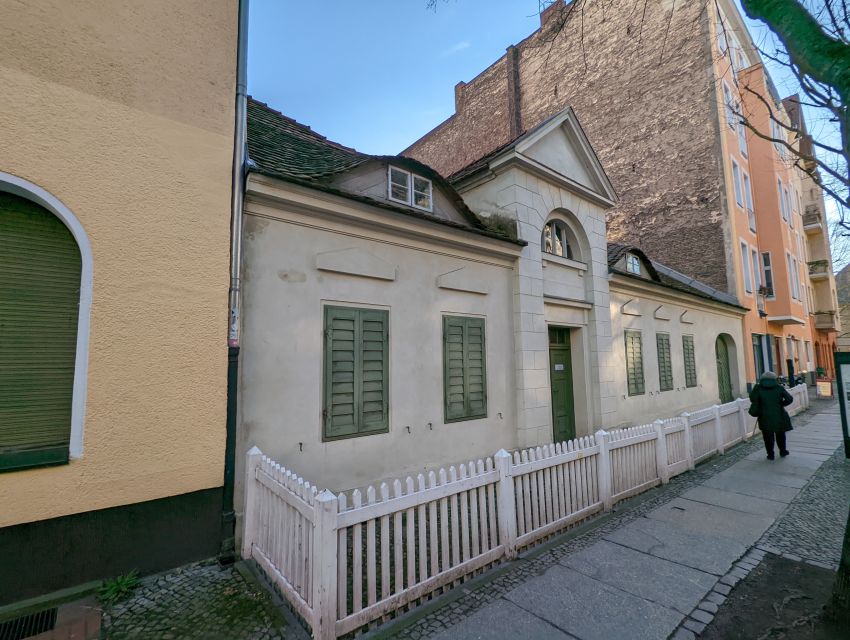
Near the historic Stadtbad, the guide introduces the connection to Heinrich Zille. Zille was famous for affectionate, sharply observed scenes of Berlin’s working class, and Charlottenburg supplied some of the settings and human detail behind his work.
This stop adds social history to the architectural story. Instead of looking only at wealthy residents, royal power, and grand villas, you get a sense of the people who lived and worked in the district. The reference to Zille also gives the guide a chance to explain how artists recorded city life, including its humor and hardships.
The historic Stadtbad makes a good landmark for that discussion because public buildings reveal how a city served its residents. You are not entering the bathhouse as part of the tour, but its presence helps place the story in a real neighborhood setting.
Same city, a completely different kind of day:
- Berlin: Reichstag, Dome and Government District Guided Tour
★ 4.7 · 18,288 reviews - Berlin: 1-Hour City Tour by Boat with Guaranteed Seating
★ 4.3 · 16,993 reviews - Berlin: Boat Tour Along the River Spree
★ 4.4 · 11,252 reviews - Berlin: Hop-on Hop-off Bus Tour with Live Commentary
★ 4.3 · 8,579 reviews
Luisenkirche and the logic of 18th-century planning
The walk continues toward Luisenkirche, where the focus shifts to architectural history and 18th-century urban planning. This part should interest you if you like understanding why streets and buildings look the way they do, rather than simply identifying architectural styles.
The guide points out examples of housing that still shape Berlin’s cityscape. The value here is in comparison. Grand royal projects and polished villas may grab attention, but ordinary residential buildings often tell you more about how a city actually grew.
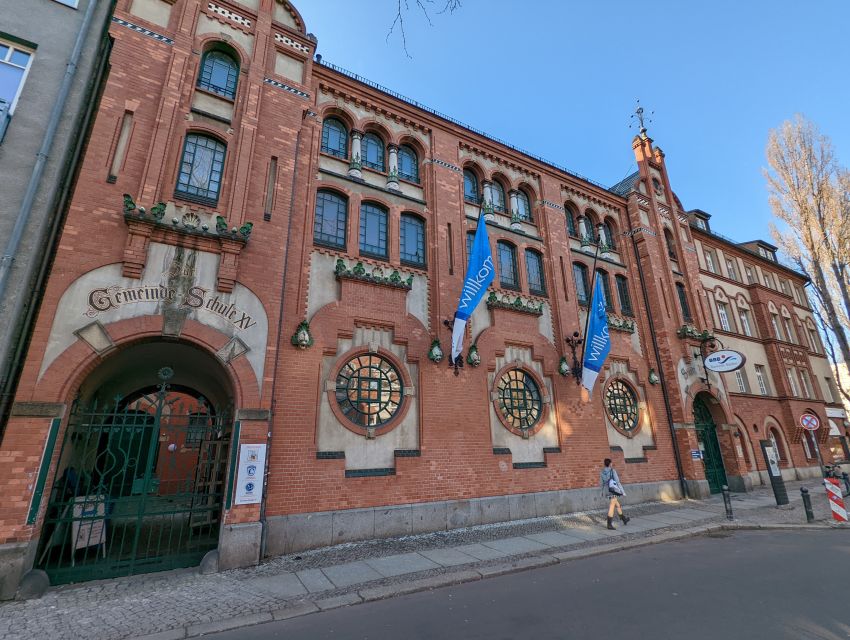
The route also includes preserved schoolhouses dating from 1786. These buildings offer a direct link between public education and urban development. A schoolhouse is not as famous as a palace, but it shows the practical side of a growing community. The guide uses these details to explain how Charlottenburg changed over time.
You should expect a fair amount of standing while listening. The pace is described as moderate, and the tour is wheelchair accessible, but old streets and changing surfaces can still affect comfort. If you use a wheelchair, it is sensible to confirm current route conditions when booking, even though the activity itself is listed as accessible.
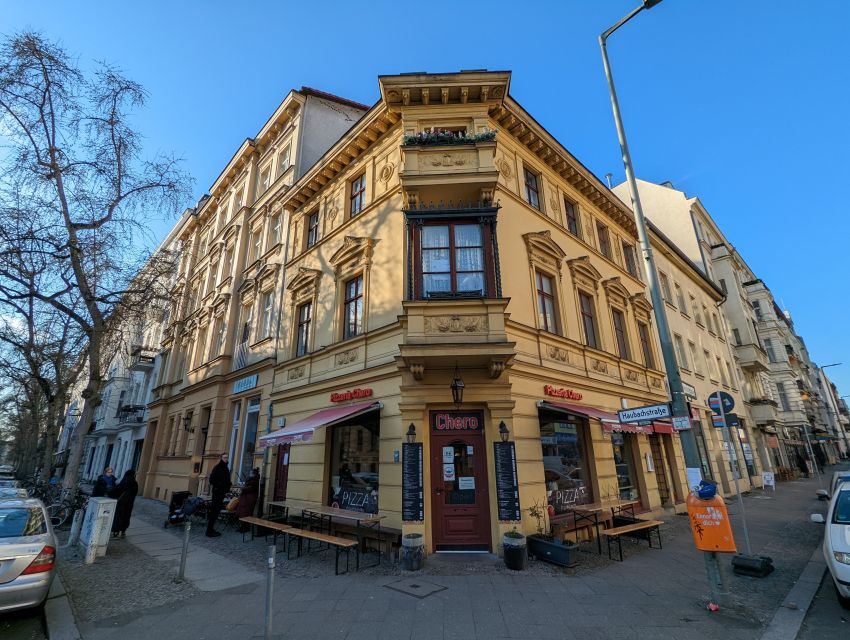
Haubachstraße and the city beyond postcard Berlin
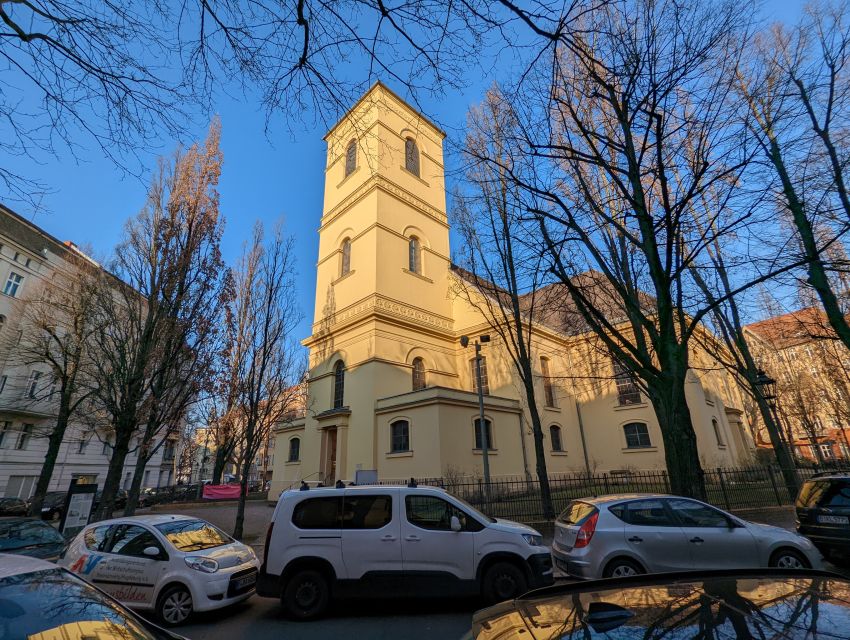
The route reaches toward Haubachstraße, bringing the story into a more residential part of Charlottenburg. This is where the tour’s approach becomes especially useful for anyone who has already seen Berlin’s headline sights.
You will encounter examples of pre-war urban development and housing that still define much of Berlin. The guide explains how these areas relate to the city’s changing population and planning choices. Instead of treating architecture as decoration, the walk shows it as a record of social and political decisions.
That makes this tour a good choice for travelers who enjoy context. You will not simply hear that a building is old or attractive. The point is to understand what kind of city Charlottenburg was trying to become, and how that ambition affected its streets.
The route avoids focusing only on the best-known tourist zone. That is one of its strongest features. You still see major landmarks, but much of the walk takes place in areas where people shop, live, and meet friends.
Klausener Kiez: cafés, corner shops, and local rhythm
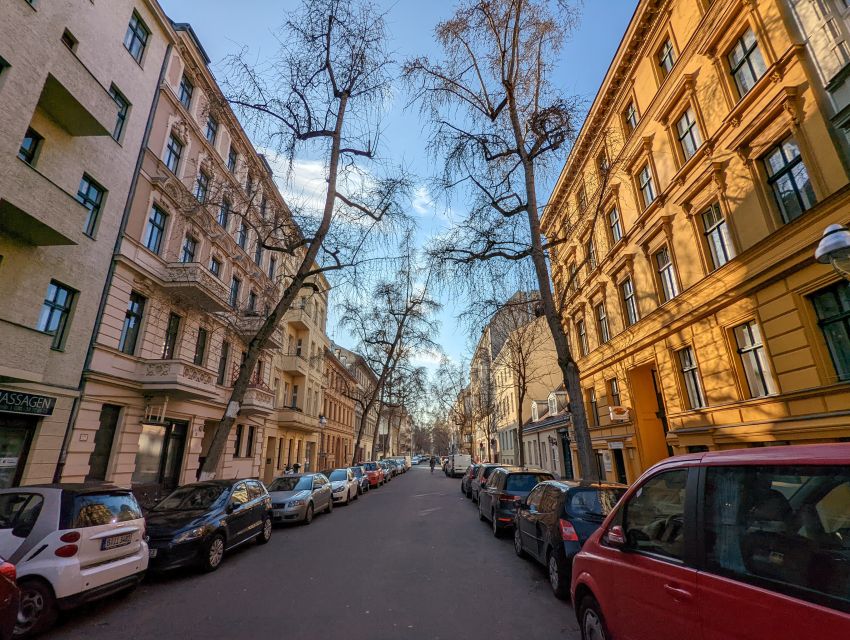
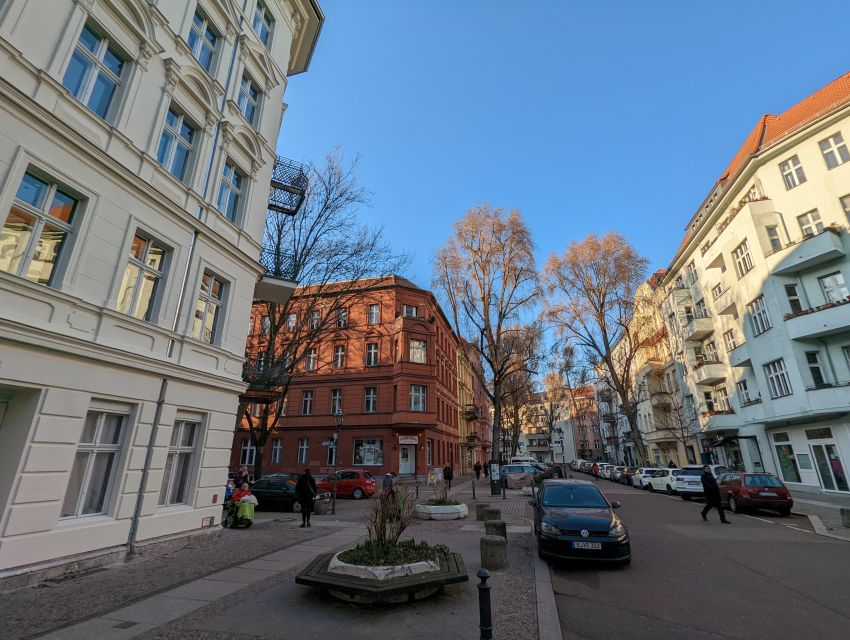
At the corner of Nehringstraße and Christstraße, the tour reaches Klausener Kiez, one of the more appealing neighborhood sections on the route. Here, the mood shifts from formal history to daily life.
You will see cafés, thrift stores, and corner shops. These details matter because they show Charlottenburg as a functioning neighborhood rather than a museum district. The guide explains how locals use the area, and you get a chance to observe the small-scale city life that a bus tour would miss.
This is a good place to take a short mental break from dates and architectural terms. Look at the shopfronts, notice how the streets meet, and pay attention to the mix of old buildings and current businesses. The tour does not include food or drinks, but you may want to return to the area afterward for a café stop.
The route does not promise a long shopping or dining break, so do not book it expecting free time in Klausener Kiez. The value lies in seeing the neighborhood with a guide who can explain how it fits into Charlottenburg’s wider story.
Villa Oppenheim and Schlossstraße
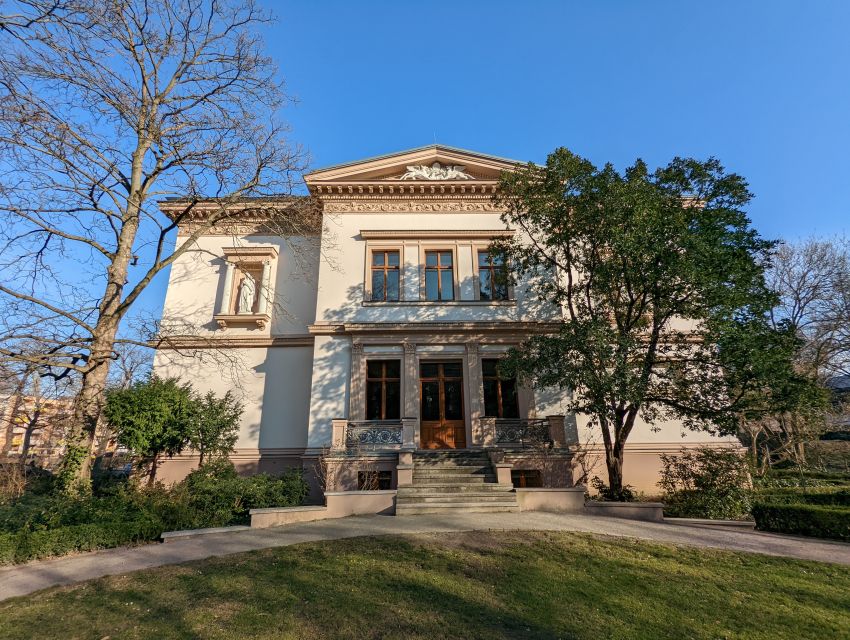
The next part brings you to Villa Oppenheim and the magnificent Schlossstraße. Villa Oppenheim adds another layer to the district’s story: wealth, culture, and private architecture. Its presence helps show how Charlottenburg attracted influential residents and institutions.
Schlossstraße then points you toward the district’s museum and palace quarter. The street now houses world-class museums, but this tour does not include museum visits. That distinction is important. You will learn where these cultural sites fit into the area, but you will need a separate ticket and separate time if you want to go inside.
I like this arrangement for a short walking tour because it keeps the focus on the neighborhood. A museum visit could easily take several hours and would change the purpose of the walk. Here, the guide gives you the setting and historical links, allowing you to decide later which interior visits deserve your time.
If you plan to visit museums or Charlottenburg Palace afterward, check their opening hours separately. The walking tour’s finish outside the palace does not include admission.
Finishing at Charlottenburg Palace
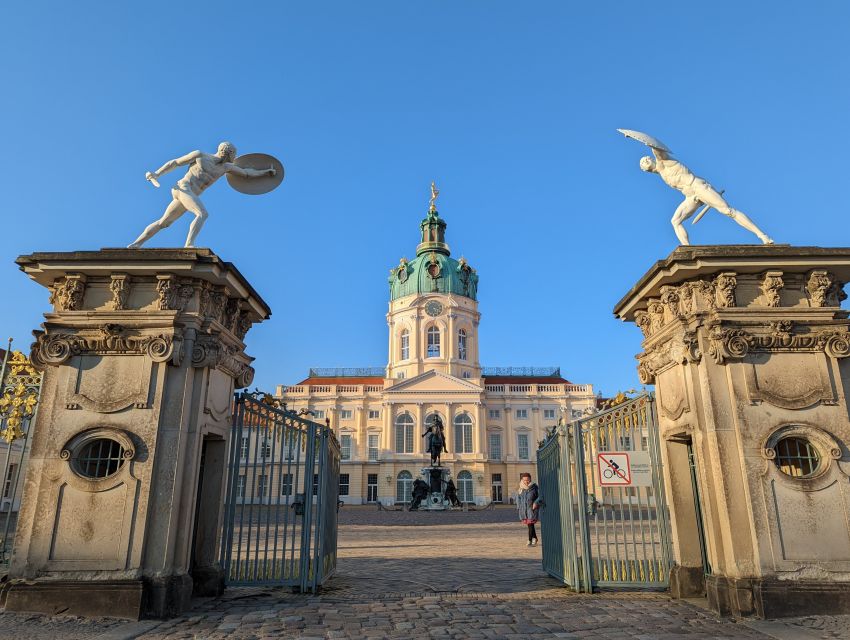
The final destination is Charlottenburg Palace, the former Prussian power center and the most obvious symbol of the district’s royal past. Its scale gives the walk a strong ending.
The palace is framed by magnificent dome-topped Stüler buildings, which add another layer of 19th-century architectural ambition. After seeing village streets, working-class references, churches, schools, and local shops, you arrive at a setting designed to project power and ceremony.
That sequence is more valuable than visiting the palace with no background. By the time you reach it, you have seen the neighborhood that grew around royal influence. You can better understand the difference between the palace world and the everyday city beyond its grounds.
The tour ends outside, so plan extra time if you want photographs or a museum visit. The palace itself is the visual high point, but the route’s real strength is the buildup. It shows how royal Charlottenburg, civic Charlottenburg, and residential Charlottenburg occupy the same district.
The guide’s role and the German-only format
The guide is a professional museum expert, and that description matches the tour’s strongest feature: explanation. The guide is expected to cover historical facts, architectural details, and engaging anecdotes rather than simply point out buildings.
The strongest praise has focused on clear, lively delivery and the ability to answer questions. One guide was described as both friendly and easy to spend time with, while another was praised for making a large amount of historical information feel entertaining and manageable.
The tour is conducted in German. If you understand German well, this can be an excellent way to hear local history in its original language. If you do not, this is not the right booking, even if the route itself interests you. There is no indication of English commentary or translation.
The German-only format also means the experience depends heavily on your listening comfort. A two-hour talk in a second language can be tiring, especially when the guide is discussing urban planning, architectural history, and Prussian politics. Choose it for the route only if you can follow the language with ease.
Is $23 good value for two hours?
At $23 per person, the tour offers fair value for a focused two-hour walk led by a professional museum expert. You are paying for interpretation and structure, not transport, meals, or entry tickets.
The price makes the most sense if you would otherwise wander through Charlottenburg without understanding its connections. A guide can point out the old village core, explain why the housing matters, introduce Heinrich Zille’s Berlin, and tie the palace to the district’s wider development.
The value is lower if you only want palace photographs or a quick overview of Berlin. You can see the palace without this tour, and the walk does not include palace or museum admission. It is also less useful if you prefer to explore silently at your own pace.
For history-minded visitors, though, $23 is a sensible outlay. The route covers a lot without requiring a full day, and it gives you ideas for further exploring Charlottenburg on your own.
Who should book this walk?
I would recommend it to you if you:
- Want Berlin history beyond the main central sights
- Enjoy architecture, city planning, and neighborhood stories
- Have already seen the major landmarks and want a different side of Berlin
- Speak German comfortably
- Like a guide who explains details and answers questions
- Want to combine a structured walk with a later palace or museum visit
It may not suit you if you need an English-language tour, dislike extended historical explanation, or want to spend the full two hours inside Charlottenburg Palace. It is also not designed as a food tour or shopping outing, although Klausener Kiez gives you useful ideas for both afterward.
Practical details for a smoother walk
Meet at the main entrance to Rathaus Charlottenburg. Wear comfortable shoes and clothing suited to the weather, since the tour runs outdoors in rain or shine.
The tour lasts two hours and is wheelchair accessible. Food, drinks, hotel pickup, and hotel drop-off are not included. You can cancel up to 24 hours before the start for a full refund, and the reserve-now, pay-later option lets you keep your plans flexible.
Because the tour is in German, consider your language ability before booking. The guide’s historical detail is a major part of the experience, so understanding the commentary matters more here than it would on a simple orientation walk.
Should you book the Charlottenburg walk?
Book this tour if you want to understand Charlottenburg as a real district, not just a palace address. The route links royal power with old village streets, public buildings, worker life, historic housing, local cafés, and modern museums.
The best reason to go is the combination of strong historical explanation and ordinary neighborhood detail. You get the palace, but you also get the streets that make the palace meaningful.
Skip it if you need English commentary, want museum entry included, or have only enough time for Berlin’s central landmarks. If you speak German and have two hours to spare, this is a well-priced way to see a quieter, more layered side of the city.
FAQ
Where does the Charlottenburg walking tour meet?
Meet your guide at the main entrance to Rathaus Charlottenburg.
How long does the tour last?
The tour lasts two hours.
What language is the tour conducted in?
The live guided tour is conducted in German.
Is Charlottenburg Palace admission included?
No. The tour ends at Charlottenburg Palace, but museum and palace visits are not included.
Are food and drinks included?
No. Food and drinks are not included in the tour price.
Is hotel pickup or drop-off provided?
No. Hotel pickup and drop-off are not included.
Is the tour wheelchair accessible?
Yes. The activity is listed as wheelchair accessible.
What should I bring?
Bring comfortable shoes and clothing suitable for the weather. The tour operates rain or shine.
More 2-Hour Experiences in Berlin
- Berlin’s Best: 2 Hour Walking Tour Third Reich and the Cold War
★ 5.0 · 5,486 reviews - Berlin: 2-Hour Lake Oberhavel Cruise from Tegel
★ 4.4 · 577 reviews - Berlin 2-Hour Segway Tour
★ 4.6 · 238 reviews - Berlin: Backyards of Berlin 2-Hour Tour
★ 4.7 · 163 reviews
Just added in Berlin
- Berlin & The Third Reich Private Guided Tour★ 5.0 · 3 reviews
- Third Reich Quest Experience in Berlin★ 4.5 · 7 reviews
- Private Analogue Photography Experience in Berlin★ 5.0 · 3 reviews
- Berlin Urbex Adventure and History Tour★ 5.0 · 9 reviews
- The Beauty of Berlin by Bike: Private Tour★ 5.0 · 59 reviews
- Berlin: Guided Bike tour of the Berlin Wall and Third Reich★ 5.0 · 160 reviews
- Beyond Currywurst: Berlin’s Hidden Street Food & Culture Tour★ 5.0 · 100 reviews
- Berlin Third Reich & Cold War Walking Tour With A Guide★ 5.0 · 7 reviews
Walking Tours, compared.

Berlin’s Best: 2 Hour Walking Tour Third Reich and the Cold War
Read our review →
Third Reich Berlin: Hitler and WWII Walking Tour
Read our review →Browse the lists this tour appears in