
Reviewed · WINE TOURS
Trier: Guided City Walk with Wine Tasting
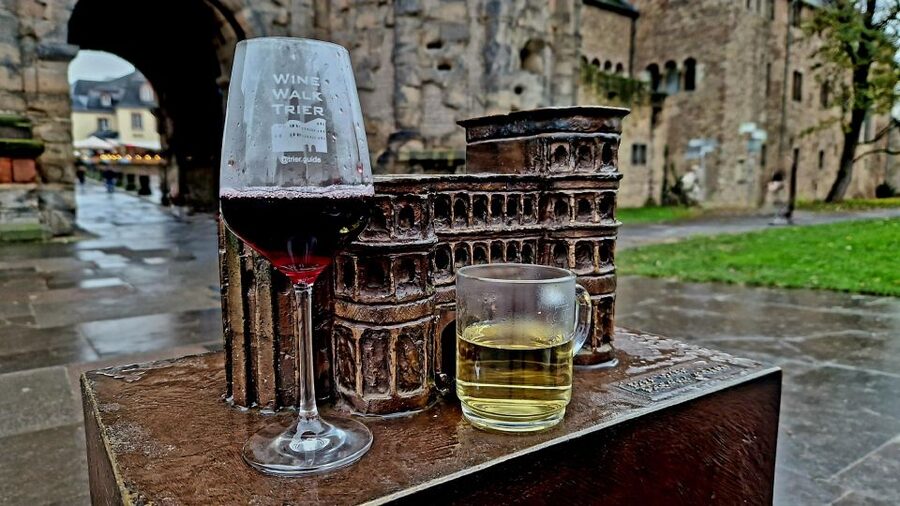
Trier’s Roman stones and Moselle wines make a natural pair, and this two-hour walking tour brings both together without sending you out to a vineyard. You follow a route from Porta Nigra to the Forum Baths, stopping at major monuments while tasting wines tied to Trier and its surrounding wine country.
I like the thoughtful link between each glass and a place in town, and I like that the walk covers the main historic center in a compact, easy-to-follow route. Guide Simon receives especially strong praise for his humor, local knowledge, and enthusiasm for the city. The main drawback is that tasting while walking through busy streets can make it harder to hear, and the tour runs rain or shine.
Key things to know before you book
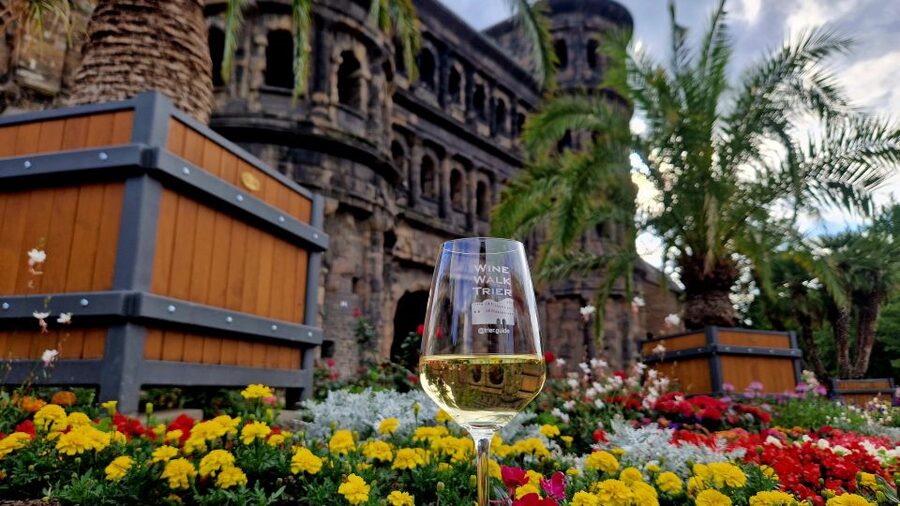
- Five wines in warmer months: The tasting usually includes five regional wines, with water and breadsticks provided.
- Winter means mulled wine: From mid-November through the end of January, groups of at least six may taste four local mulled wines instead.
- Simon is a major part of the appeal: He is a Trier native who connects Roman, Christian, medieval, and modern history with local wine.
- The route is barrier-free: You do not need to climb steps, and the tour is suitable for wheelchair users.
- The walk ends at the Forum Baths: You finish near the Roman bath ruins at Viehmarkt Square, not back at Porta Nigra.
- The $43 price covers more than samples: It includes the guide, walking tour, wine, water, breadsticks, and a voucher for a glass of wine with a main course at Weinwirtschaft Friedrich-Wilhelm.
Why this Trier tour works so well
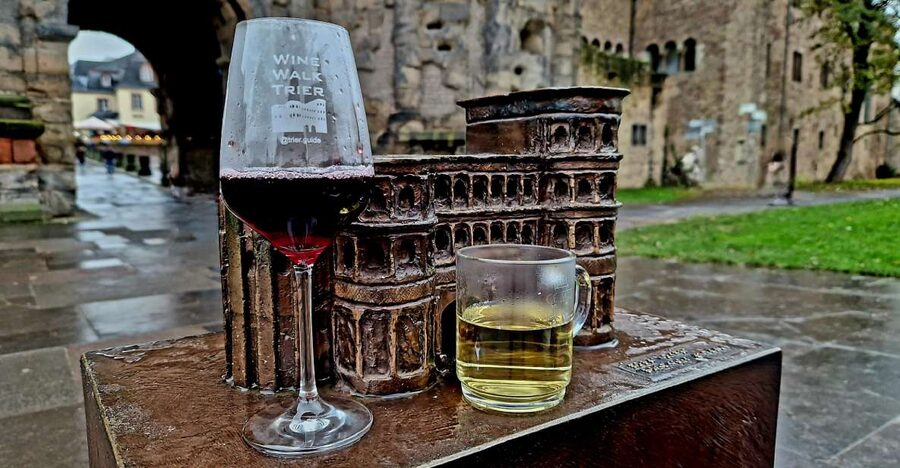
Trier can feel like several cities stacked in one place. The Romans left monumental gates and baths. Christianity added cathedrals and basilicas. Later rulers built a grand palace beside Roman remains. A standard sightseeing walk can show you these places, but it may not explain how they relate to one another.
This tour gives you a simple thread to follow: a place in the city, a piece of its past, and a wine from the Moselle region. That approach helps you remember the city after the tour ends. You are not just looking at the Porta Nigra, then moving on to a cathedral. You are hearing how Trier developed and tasting something tied to the wider region as you go.
The tasting also keeps the walk social. Five pours over two hours is not a formal wine course, and you should not expect long vineyard lectures or a seated tasting room. Instead, the wine becomes part of the sightseeing. Breadsticks and water help, but this is still an alcohol-centered activity, so pace yourself and eat a proper meal before or after if needed.
More Walking Tours in the Moselle Valley
- Trier: Guided Old Town Highlights and History Walking Tour
★ 4.7 · 687 reviews - Trier: City Walking Tour
★ 4.6 · 118 reviews - Trier: Private Guided Walking Tour
★ 4.2 · 32 reviews
Meeting near Porta Nigra and getting oriented
The meeting point is on the left side of the Tourist Information office, in front of the city model near the flags. The tour is not operated by the Tourist Information itself, so look for the guide rather than assuming the office staff will lead you.
This is a useful starting point. Porta Nigra is one of Trier’s clearest symbols and an easy landmark to find in the city center. The name means Black Gate, and the Roman structure immediately gives you a sense of Trier’s age and scale.
Guide Simon is frequently singled out for his warm manner, patience, humor, and strong grasp of both Trier and Moselle wine. He was born and raised in the city, which gives the walk a local voice rather than a script built only from guidebook facts. Other guides may lead the tour, and the operating languages are English and German.
The group size is not specified, so the sound issue is worth noting. One person found the traffic and city noise made it tricky to hear at times. If you have hearing difficulties, stay close to the guide and ask to stand where you can see and hear clearly during each stop.
Porta Nigra: starting with Rome
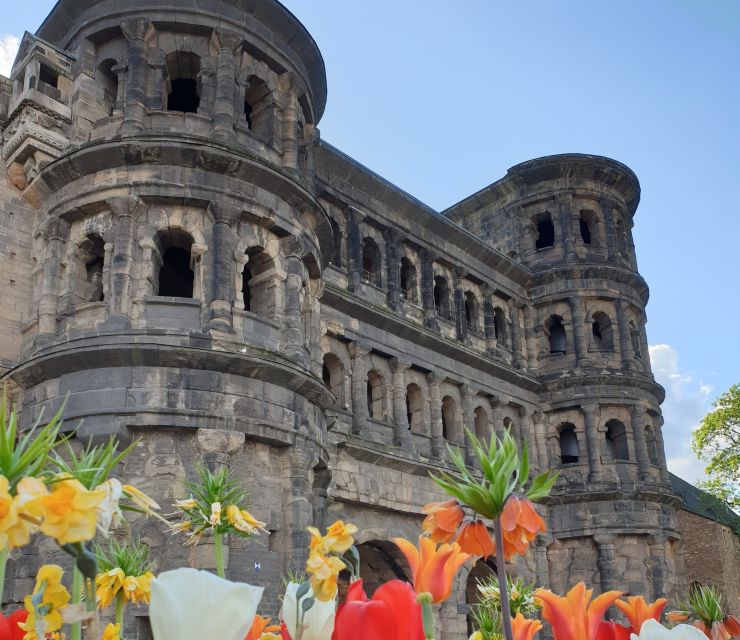
The first major stop is Porta Nigra, a Roman gate built as part of Trier’s fortifications. It is an impressive place to begin because it makes the city’s Roman past impossible to miss.
Expect a short introduction, a photo opportunity, and the first connection between wine and place. The itinerary lists a wine tasting here, though the exact pour order may vary. The important point is that the wine is not treated as a separate add-on. It is part of the story of the city and its surrounding region.
Because this is an outdoor walking tour, you will see the monument from the street rather than receive a full archaeological visit inside every site. That keeps the route moving, but you should not book this expecting extended interior tours of all the monuments.
The Main Market and its medieval setting
From Porta Nigra, the walk continues to the Market Cross on the Main Market. This square gives you a change of mood. The Roman gate feels defensive and monumental, while the market area presents Trier as a living city shaped by trade, worship, and civic life.
The guide uses the square to place the city’s later development beside its Roman foundations. This is also one of the listed tasting points, so you may enjoy another wine while looking at the buildings around the square.
I like this part of the route because it helps explain why Trier works well as a walking destination. Major sights are close together, and you can move from one period of history to another without needing a bus. The tradeoff is that the city center may be active and noisy, particularly at busy times, so the guide’s delivery matters.
More Wine Tours in the Moselle Valley
- Trier: Discovery Tour – Germany’s Oldest Wine Cellar
★ 4.7 · 218 reviews - Cochem, Moselle: Castle, boat and wine tour
★ 3.7 · 96 reviews - Reil, Mosel: Guided organic wine tasting and cellar tour
★ 4.8 · 84 reviews - Winetasting with tour through the winery
★ 4.8 · 74 reviews
Trier Cathedral and Liebfrauenkirche
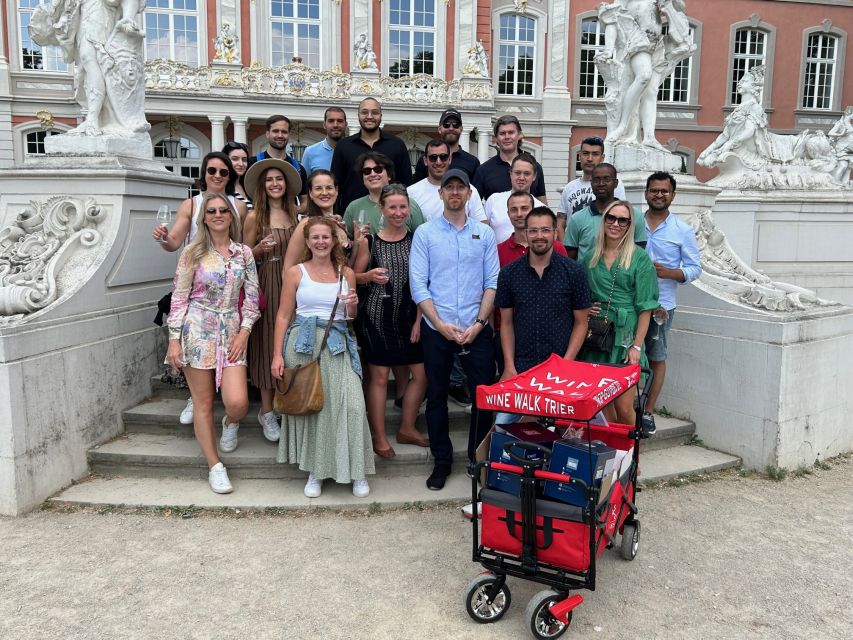
The cathedral is one of the central stops. Trier Cathedral, also known as the Cathedral of Saint Peter, is tied to the city’s long Christian story and provides a strong contrast to the Roman gate and bath ruins.
Nearby Liebfrauenkirche adds another layer. Its unusual medieval architecture and close relationship with the cathedral make this one of the more visually rewarding parts of the walk. The itinerary includes a tasting at Liebfrauenkirche, so you may be holding a glass while the guide explains the connection between the site, Trier, and the wine region.
You should allow yourself time to return to these churches after the tour if interiors matter to you. The walk includes guided stops and photo opportunities, but it does not promise a long visit inside each building. Several people particularly valued having time to see interiors and take photographs, yet the exact amount of free time can depend on the group and the day.
Aula Palatina and the Electoral Palace
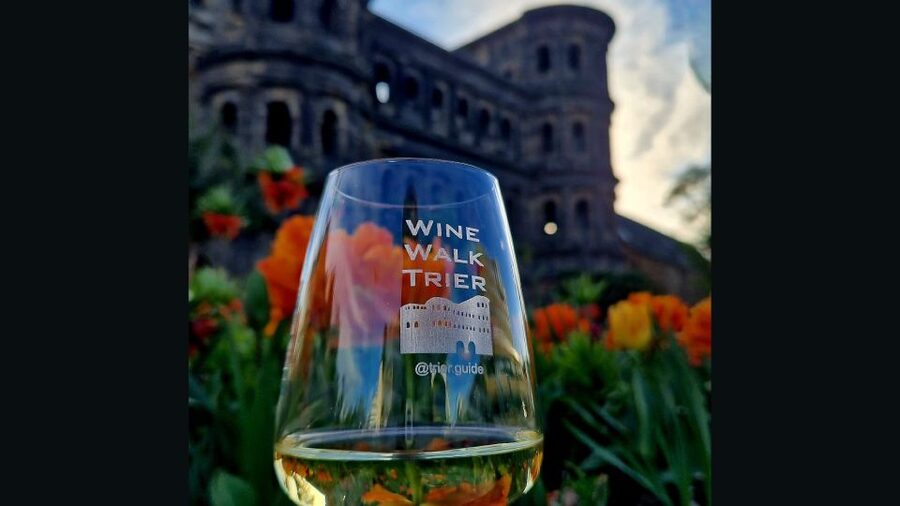
The route then reaches the Aula Palatina, the great Roman basilica better known as the Konstantin Basilica. Its vast interior was built for imperial use, and its plain scale can be more striking than ornate decoration.
Next comes the Electoral Palace, which sits beside the basilica. Its elaborate Baroque and Rococo appearance creates one of Trier’s sharpest visual contrasts: a Roman hall beside a palace built by later rulers.
This is where the tour’s broad historical range pays off. You move from imperial Rome to the age of prince-electors, with the guide showing how different powers used the same city over time. One wine tasting is listed at the Electoral Palace, giving you another pause in the route.
For photographers, this section is especially useful. The basilica, palace, and surrounding grounds offer a concentrated group of sights. For visitors with limited time in Trier, it is a good way to get the city’s major landmarks in one outing.
Kaiserthermen and the Roman Forum Baths
The final stretch leads to the Kaiserthermen, or Imperial Baths. These ruins reveal the engineering and public life of Roman Trier. You see the remains as part of the city rather than as an isolated museum object, which makes the route feel coherent.
The tour finishes at the Forum Baths on Viehmarkt Square. These are the remains of another Roman bathing complex, and the final tasting is connected with this end point.
The ending location matters. You are not returned to Porta Nigra, so plan your next stop from Viehmarkt Square. That is not a serious problem because the tour remains in the central area, but you should know where you are finishing if you have a train, restaurant booking, or another timed activity.
What the wine tasting is really like
In the warmer months, you taste five different regional wines. The focus is on local wine culture, with the guide explaining how each selection relates to a building or place in central Trier and to the Moselle growing area.
The wines are commonly described as Rieslings in the tasting, including chilled pours that suit hot weather. The emphasis is not on tasting jargon. You get a practical introduction while walking, hearing the story behind each wine, and comparing several styles.
Breadsticks and water are included. That is a small but useful detail, especially because five samples can add up over two hours. You can also request four grape juices instead of wine by arranging it through email, making the activity workable for non-drinkers. The supplied information does not specify the exact juice selection, so confirm the arrangement before booking.
From the middle of November through the end of January, the standard seasonal format changes. If at least six people register, the tasting includes four mulled wines from local wineries. Smaller winter groups may receive five different wines instead, as in summer.
The winter format sounds appealing if you like Christmas-market flavors, but it is not identical to the summer tasting. Choose your dates based on what you want: chilled regional wine and five samples in warmer months, or the possibility of four mulled wines in winter.
You may buy the tasting glass afterward for 6 euros. A glass holder costs 3 euros. These are optional purchases, not part of the listed price, so bring that extra cost only if you want a keepsake or an easier way to carry the glass.
Is $43 good value?
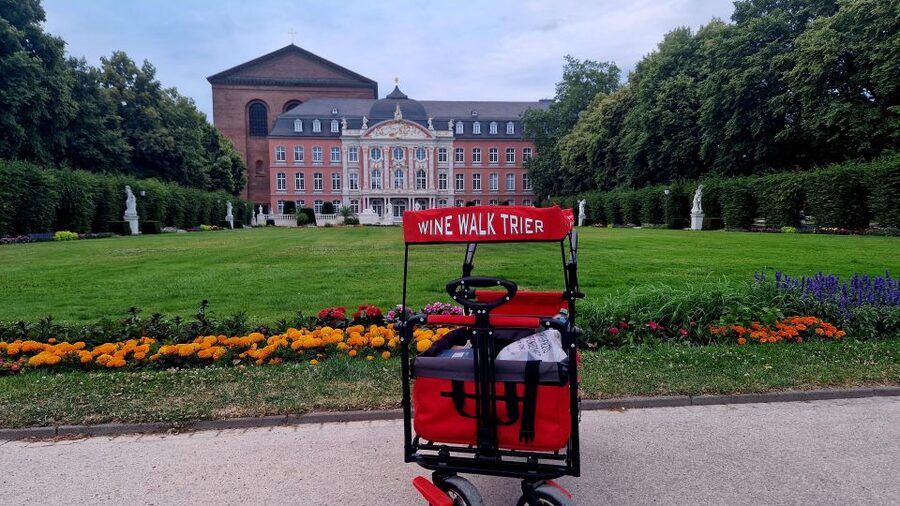
At $43 per person, the tour costs more than a basic city walk, but the comparison is not quite fair. You are paying for a guide, a two-hour route through the main historic center, five regional wines or four seasonal mulled wines, water, breadsticks, and a restaurant voucher.
The voucher is for one glass of wine with a main course at Weinwirtschaft Friedrich-Wilhelm, next to the basilica. It gives the tour an extra practical benefit if you plan to eat there, though you should understand it as a voucher connected to a main course, not a free meal.
I consider the price fair for visitors who want both sightseeing and wine. If you only want to see Roman monuments, a self-guided walk costs less. If you want a serious vineyard visit with extensive tasting notes, this tour may feel too brief. Its strength is the combination: a compact introduction to Trier plus enough wine to make the city’s regional identity clearer.
Weather, access, and useful planning advice
The tour runs rain or shine. Wear shoes suitable for city pavement and bring weather protection, since much of the activity takes place outdoors. You do not need to climb steps, and the route is described as completely barrier-free.
The activity lasts two hours, but the route includes several stops, photographs, explanations, and tastings. If you want to enter every major church or ruin at length, plan a return visit afterward.
Book this early if the timing matters to you, but the reservation terms are flexible: you can cancel up to 24 hours before the start for a full refund, and reserve now while paying later. Starting times vary, so check the date you want.
The walk suits first-time visitors, couples, small groups, history fans, and anyone arriving in Trier for only a day. It also works well for people coming by train from nearby Luxembourg, since the meeting point is easy to find and close to the station according to the route information.
Who should book this tour?
I would book it if you want a friendly introduction to Trier without choosing between monuments and local wine. Simon appears to be a particularly strong guide when available, especially if you enjoy questions, historical side stories, and a bit of humor.
This is also a good choice for repeat visitors who have seen Porta Nigra but want a clearer story linking the city’s Roman, Christian, medieval, and modern periods. The wine pairings give the familiar sights a new angle.
I would skip it if you dislike alcohol-focused activities, need a quiet museum-style tour, or want a full visit inside each monument. I would also think twice if you cannot walk outdoors in poor weather, since rain does not cancel the route.
For most visitors, though, the mix is smart and good value. You leave at the Forum Baths with a better map of Trier in your head, a taste of the Moselle region, and a restaurant voucher that may help shape the rest of your evening.
FAQ
How long is the Trier wine and city walking tour?
The tour lasts two hours.
Where does the tour meet?
Meet on the left side of the Tourist Information office, in front of the city model near the flags. The tour is not provided by the Tourist Information.
Where does the tour finish?
The tour ends at the Forum Baths on Viehmarkt Square.
How many wines are included?
The warmer-season format includes five different regional wines. In winter, groups of at least six may receive four different mulled wines from local wineries.
What happens during the winter season?
From the middle of November through the end of January, the tour may feature four local mulled wines instead of the normal wines when at least six people register. Smaller groups may receive five wines as in summer.
Are non-alcoholic options available?
Yes. Four different grape juices can be arranged instead of wine by booking through email.
Are food and water included?
Water and breadsticks are included. A voucher is also provided for one glass of wine with a main course at Weinwirtschaft Friedrich-Wilhelm next to the basilica.
Is the tour wheelchair accessible?
Yes. The route is described as completely barrier-free and does not require you to climb steps.
Is the tour available in English?
Yes. Live guiding is available in English and German.
Can I cancel the booking?
You can cancel up to 24 hours in advance for a full refund. You can also reserve now and pay later.
Just added in the Moselle Valley
- From Alken: Moselle Valley Sightseeing Cruise★ 4.5 · 10 reviews
- Kröv, Mosel: PLANWAGENFAHRT through the vineyards with wine tasting★ 5.0 · 5 reviews
- Luxembourg to Trier: Tour of Germany’s Oldest City.★ 4.6 · 9 reviews
- Evening-Cruise to the fireworks of the Cochemer Winefest.★ 4.5 · 4 reviews
- Cochem: Bike and Boat Tour with Picnic and Wine Tasting★ 3.7 · 35 reviews
- Cochem: Private Guided Walking Tour★ 4.8 · 9 reviews
- Trier: Private Guided Walking Tour★ 4.2 · 32 reviews
- Cochem: KD Panoramic Evening Cruise on the Moselle River★ 4.1 · 76 reviews
Wine Tours, compared.
Advent Tour with Stollen Tasting and Mulled Wine
Read our review →
Heidelberg and Rhine Valley Day Trip With Wine Tasting and Dinner from Frankfurt
Read our review →Browse the lists this tour appears in