
Reviewed · WINE TOURS
Winetasting with tour through the winery
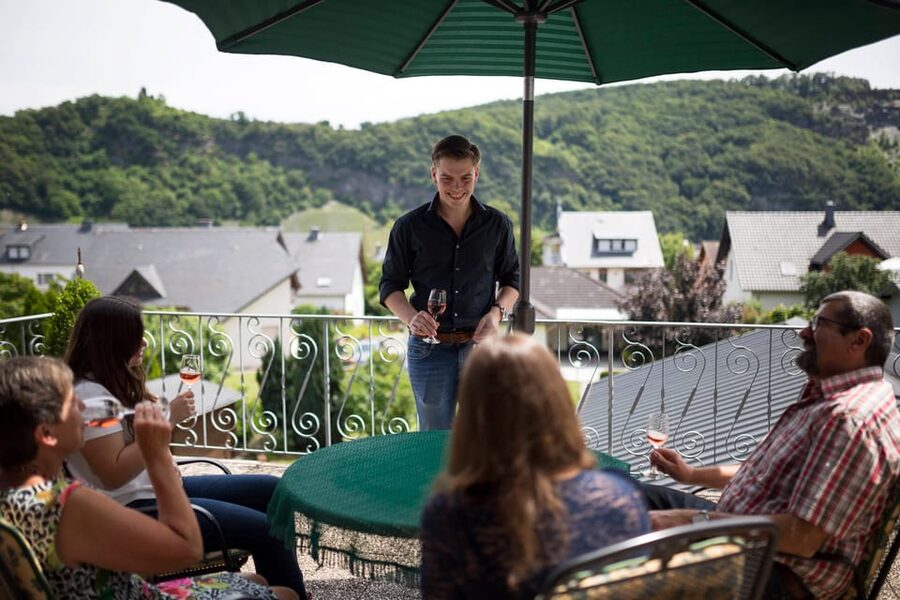
The most useful part of this Mosel wine tasting happens before the first glass. You enter the cellar, see where the wine ferments, and learn how vineyard work shapes what eventually reaches your table. That makes the tasting more than a pleasant succession of pours.
I like two things in particular: the tour explains wine in plain terms, and you taste five wines while learning what fruity, mineral, woody, and classic Riesling aromas actually mean. The friendly, good-humored style associated with host Lukas also adds a personal touch. The main drawback is that the tour is conducted in German, so you will get less from it without a solid understanding of the language.
Key points
- See the fermentation cellar: Start with a guided look at the working winery, not just a shop or tasting room.
- Taste five Mosel wines: Compare wines from the same regional tradition while learning how to describe them.
- Follow the winemaker’s year: Pictures and explanations connect vineyard work with the wine in your glass.
- Ask practical questions: The format gives you direct access to the winemaker or winery host.
- Plan for two hours: About 40 minutes are spent touring the winery, followed by an 80-minute tasting.
- German-language and adult-focused: The tour is wheelchair accessible, but children under 16 and pregnant women cannot join.
Start at Weingut Gerhard und Christel Trossen
Your visit begins at Weingut Gerhard und Christel Trossen in Rhineland-Palatinate, Germany. The setting matters here because the tasting is tied directly to the Mosel Valley, one of Germany’s best-known wine regions, rather than being a generic wine class with bottles brought in from elsewhere.
The opening introduction covers the people behind the winery and the character of the business. That small beginning is useful. Wine can feel abstract when you only read a label, but learning who makes it and how the winery works gives the bottles a human connection.
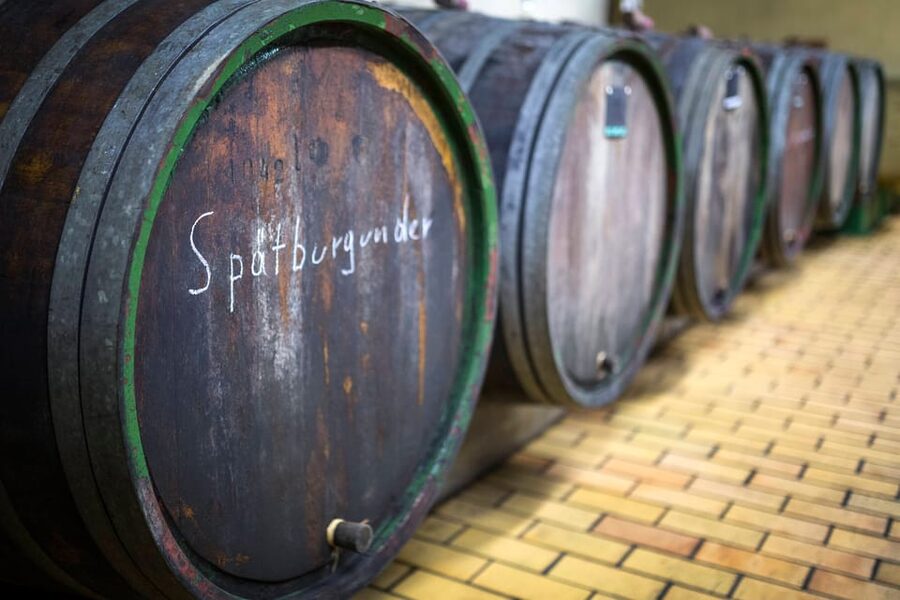
You will not spend the whole time standing around a tasting counter. The first section takes you into the winery itself, where you can see the cellar and the place where the wine ferments. For me, this is the most distinctive feature of the visit. Fermentation is the quiet, unseen stage that turns grape juice into wine, and seeing the working space helps you understand that wine is made through a series of choices, not just poured from a bottle.
The tour through the winery lasts about 40 minutes. It is long enough to give the cellar and production process proper attention, but short enough to leave plenty of time for the tasting. Wear something comfortable, since you will be moving through a working winery rather than attending a seated lecture from the start.
More Wine Tours in the Moselle Valley
- Trier: Guided City Walk with Wine Tasting
★ 4.8 · 979 reviews - Trier: Discovery Tour – Germany’s Oldest Wine Cellar
★ 4.7 · 218 reviews - Cochem, Moselle: Castle, boat and wine tour
★ 3.7 · 96 reviews
What the cellar adds to the tasting
A cellar visit can easily become a quick walk past tanks and barrels. Here, the purpose is more practical: you see where the wine ferments and can ask how the process fits into the work of the winery.
The experience does not provide a technical equipment list, so you should not expect a detailed engineering tour. Instead, the value is in making the process visible. When you later taste a wine described as fruity or mineral, you have already heard how the winemaker thinks about the wine from vineyard to cellar.
This is also where the tour suits curious beginners particularly well. You do not need a large vocabulary of wine terms before arriving. The format starts with the basic work of the winery and builds toward tasting language. You can ask what a description means instead of nodding along to words that sound impressive but remain vague.
That direct question-and-answer style is one of the strongest reasons to book this rather than simply order a glass at a restaurant. You have a chance to ask the person connected to the wine what you are actually tasting and why it is there.
Forty minutes on the winery’s working year
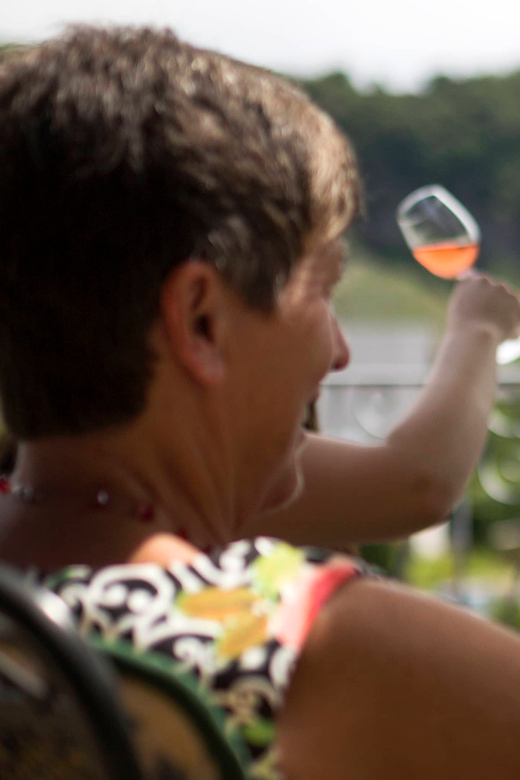
After the cellar tour, the guide explains the winemaker’s year with words and pictures. This connects the bottle to the work in the vineyard, which is easy to overlook when you are focused only on the finished drink.
The discussion covers the details of vineyard work and shows how the winemaker’s job changes across the year. The exact seasonal tasks are not specified, so I would not expect a month-by-month technical lesson. You can expect a broad explanation of the work involved in producing Mosel wine and how that work influences the final character of the bottle.
This section gives the tasting a useful framework. A wine is not only defined by sweetness, acidity, or aroma. It also reflects decisions made before the grapes reach the cellar. Once you understand that, tasting becomes less about deciding if a wine is simply good or bad and more about noticing its style.
The tone appears to be relaxed rather than solemn. Several comments describe the presentation as informative, entertaining, and never dull, while one calls it both useful and funny. That matters because wine explanations can become heavy going when every sentence sounds like a textbook. A little humor keeps the two-hour format moving.
Lukas is specifically associated with warm hosting, so his presence may be a plus if he is leading your session. The official language is German, and there is no indication of an English-language option. If you do not understand German well, this is the key issue to consider before paying.
An 80-minute tasting of five Mosel wines
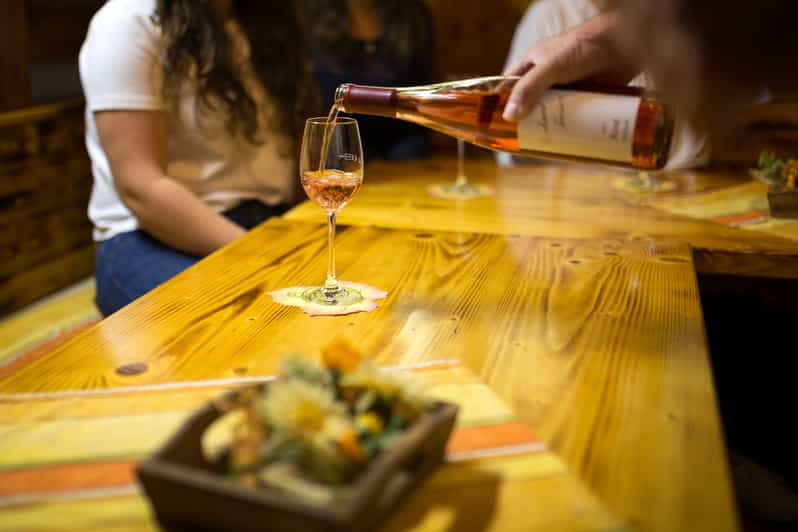
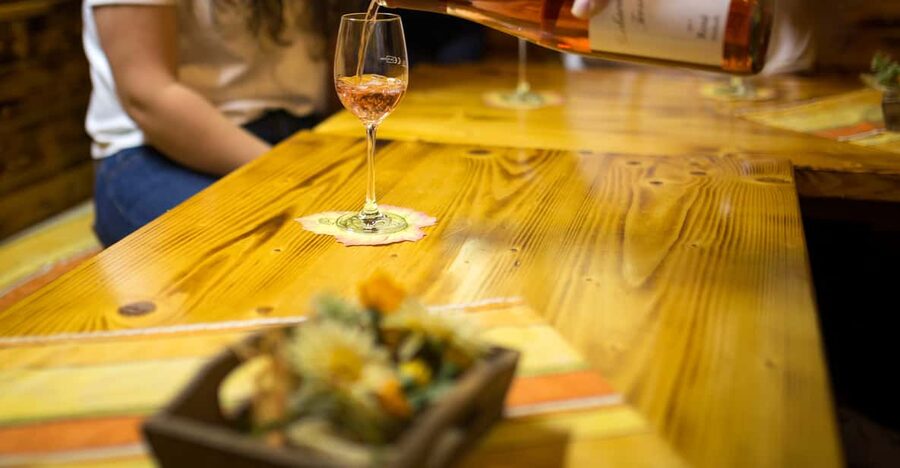
The second half lasts about 80 minutes and focuses on five wines from the winery’s range. That is a generous amount of time for five pours. You should have room to taste carefully, compare one wine with the next, and ask questions instead of rushing through a flight.
The wines are described as Mosel wines, with attention to characteristic Riesling aromas. The experience does not promise a fixed list of vintages or wine styles, so the exact lineup may vary. Think of this as a guided introduction to the winery’s range, not a guarantee of five named bottles.
The guide explains terms such as:
- Fruity: How fruit aromas and flavors show up in the wine.
- Mineral: A common wine word that can seem vague until someone explains how it is being used.
- Wood influence: The character that comes from contact with wood, where relevant.
- Riesling aromas: The scents and flavors associated with this important Mosel grape.
The best part is that these words are not meant to float around without explanation. You can ask what the host means and connect the term to the wine in your glass. That is useful for anyone who has heard wine language used as decoration rather than communication.
Five wines also provide enough comparison to reveal your preferences. You might prefer a more fruit-led wine, find mineral character more appealing, or notice that wood influence changes the texture and aroma. A single tasting can tell you what you like; five wines help you work out why.
You should pace yourself. This is an educational tasting lasting 80 minutes, not a quick sampling stop. The description does not state the pour sizes or whether food is served, so do not assume it replaces a meal. Plan it as a focused wine activity within your day.
Same city, a completely different kind of day:
- Cochem: Panoramic Cruise on the Moselle River
★ 4.4 · 1,004 reviews - Trier: Guided Old Town Highlights and History Walking Tour
★ 4.7 · 687 reviews - From Alken: Return Day Trip by Boat to Cochem
★ 4.6 · 141 reviews - Cochem: Panorama-Schiff-Tour 1 Stunde bis Ernst und zurück
★ 4.3 · 122 reviews
Why the $16 price is strong value
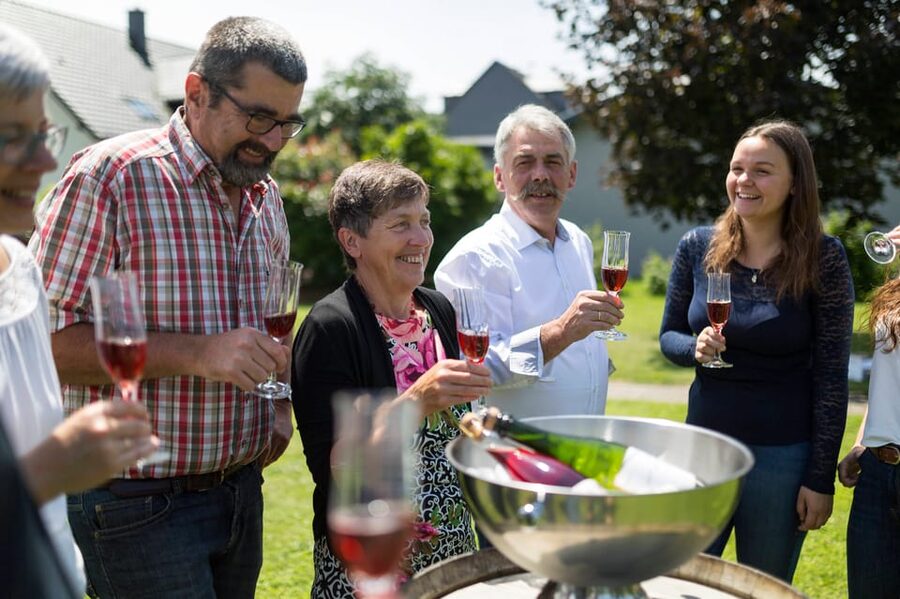
At $16 per person, the price is modest for a two-hour visit that includes both a winery tour and five Mosel wines. You are paying for more than the liquid in the glasses. The cost also covers access to the cellar, an explanation of vineyard work, and a guided comparison of the wines.
If you simply want a drink, a shorter tasting elsewhere might be enough. If you want to understand how the wine is made and leave with a better sense of regional style, this offers more substance for the money.
The value is especially good for people who are new to German wine. A bottle labeled with a grape, region, or style can be confusing if you do not know what to expect. The guide’s explanations give you a way to interpret those labels and make better choices later.
The price does not include transport, food, or any stated take-home bottle. Those items are not promised, so budget separately if you want them. Still, the combination of a cellar visit and five wines makes the admission fair.
Who will get the most from this visit
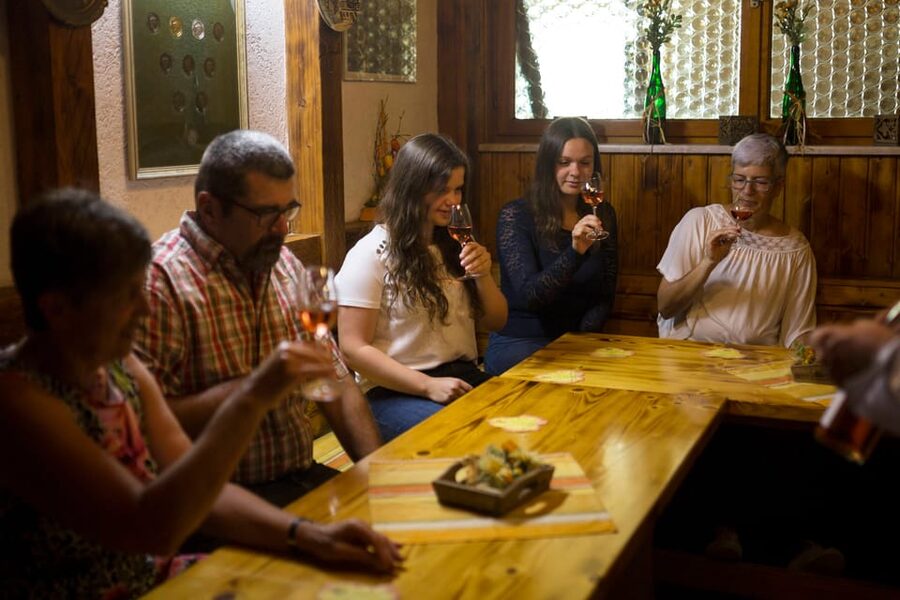
I would choose this tour if you enjoy learning how local products are made. It is also a good fit if you want a calm, structured activity rather than a full-day excursion with several stops.
Wine beginners should feel comfortable asking basic questions. The tasting is designed around explaining terms, not assuming you already know them. More experienced wine drinkers may enjoy the chance to focus on Mosel wines and compare the winery’s range, though anyone seeking a highly technical tasting should confirm how advanced the discussion will be.
The German-language format is the biggest filter. You will need enough German to follow the guide’s explanations and take part in questions. The strong 4.8 rating from 74 ratings supports the view that the presentation is both useful and enjoyable, but a high score cannot remove the language barrier.
The age policy is clear: children under 16 cannot participate, and the activity is not suitable for pregnant women. That makes this an adult wine visit, not a family stop where children can wait through the tasting.
Wheelchair access is available, which is helpful for planning. The available information does not describe every surface or the details of the cellar route, so anyone with specific mobility needs should confirm the route before arrival.
Timing, booking, and practical details
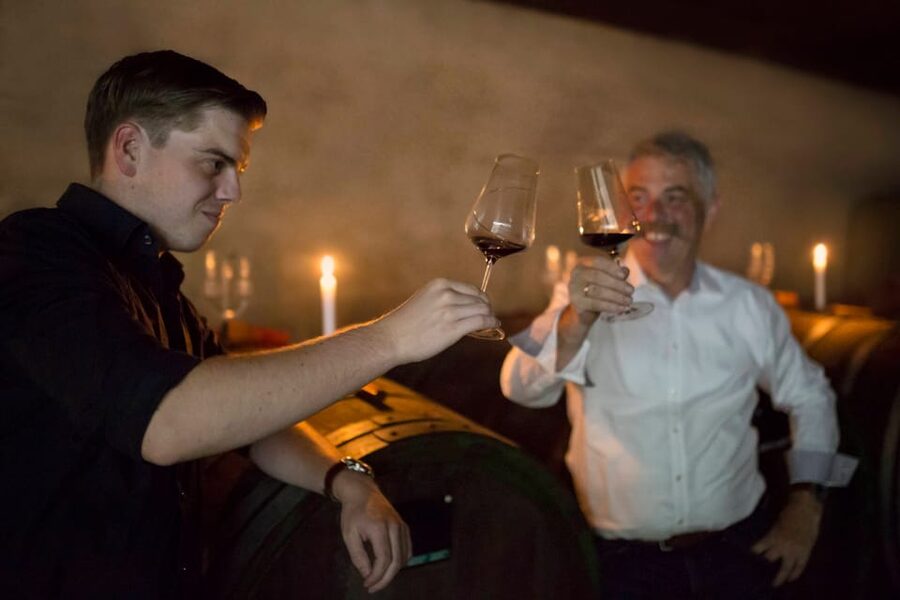
Set aside the full two hours. The usual structure is about 40 minutes touring the winery and 80 minutes tasting the wines. Arriving with enough time to find Weingut Gerhard und Christel Trossen will help you start with the group rather than miss the introduction.
Starting times vary, so check availability for your date. You can reserve now and pay later, which is useful when you are building a trip around changing plans. Free cancellation is available up to 24 hours in advance for a full refund.
The guide language is German. That point deserves more attention than the cancellation terms because it directly affects how much you will learn. If you speak German, you can ask about the cellar, vineyard work, aromas, and wine styles. If not, this may be better suited to someone in your group who can translate reliably, though the experience itself does not list another language.
Bring questions. Ask why a wine is described as fruity, what mineral character means in this particular tasting, or how wood affects the wine. The format is built for that kind of exchange, and the answers are likely to be more useful than memorizing a list of tasting terms.
Should you book the Trossen winery tasting?
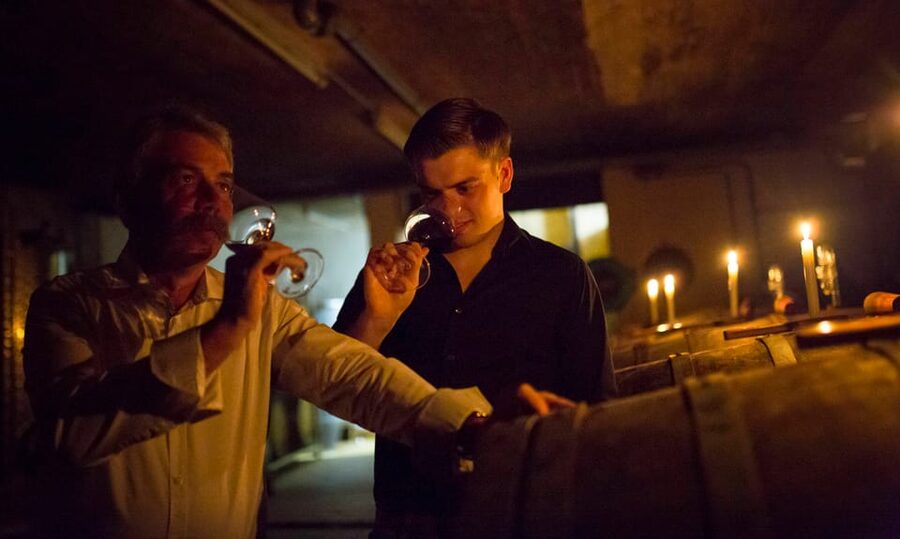
Book it if you want a low-cost, two-hour introduction to Mosel wine with real access to the winery and a clear explanation of how the wine is made. The combination of cellar tour, vineyard discussion, and five-wine tasting gives the visit more depth than a simple pour-and-go stop.
Skip it if you need an English-language tour, are traveling with children under 16, or are looking for a meal, a broad regional excursion, or a guaranteed list of specific bottles. For German-speaking adults interested in Riesling and the work behind the label, the price is hard to argue with.
FAQ
Where does the wine tasting take place?
It takes place at Weingut Gerhard und Christel Trossen in Rhineland-Palatinate, Germany.
How long does the experience last?
The experience lasts two hours. The winery tour takes about 40 minutes, followed by an 80-minute wine tasting.
How many wines are included?
Five Mosel wines are included in the tasting.
Is the tour conducted in English?
No. The listed tour language is German.
Is the winery wheelchair accessible?
Yes, the activity is listed as wheelchair accessible.
Can children join the wine tasting?
No. Children under 16 are not permitted to participate.
Can I cancel my reservation?
Yes. You can cancel up to 24 hours in advance for a full refund. You can also reserve now and pay later.
Just added in the Moselle Valley
- From Alken: Moselle Valley Sightseeing Cruise★ 4.5 · 10 reviews
- Kröv, Mosel: PLANWAGENFAHRT through the vineyards with wine tasting★ 5.0 · 5 reviews
- Luxembourg to Trier: Tour of Germany’s Oldest City.★ 4.6 · 9 reviews
- Evening-Cruise to the fireworks of the Cochemer Winefest.★ 4.5 · 4 reviews
- Cochem: Bike and Boat Tour with Picnic and Wine Tasting★ 3.7 · 35 reviews
- Cochem: Private Guided Walking Tour★ 4.8 · 9 reviews
- Trier: Private Guided Walking Tour★ 4.2 · 32 reviews
- Lieser: Covered wagon ride, the rolling wine tasting with picnic basket★ 4.7 · 51 reviews
Wine Tours, compared.

Advent Tour with Stollen Tasting and Mulled Wine
Read our review →Browse the lists this tour appears in