
Reviewed · WINE TOURS
Trier: Discovery Tour – Germany’s Oldest Wine Cellar
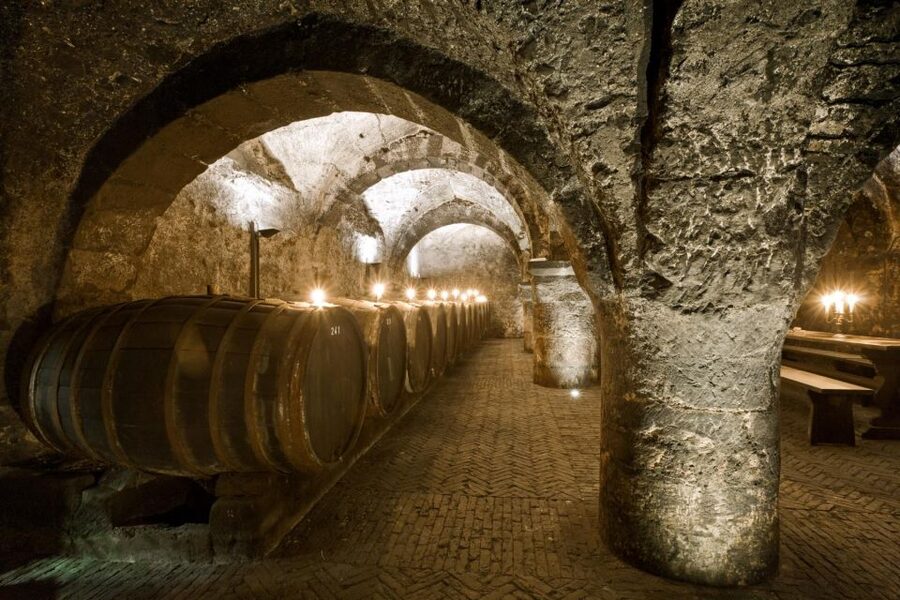
Trier’s wine story begins underground, in a Roman building from around 330 AD. This one-hour visit combines a look at Germany’s oldest wine cellar with two house wines, so you get both history and a taste of the local wine culture. I like the Roman setting and the fact that the tour feels built for enjoyment, not just display. I also like the short, focused format, which fits neatly into a day of sightseeing.
The main catch is language. The live tour is in German, and the cellar story may feel brief if you want a detailed architectural or historical lecture. The wine and winery receive plenty of attention, while one recent assessment wished for more information about the unique cellar and a longer tour.
Key points to know before booking
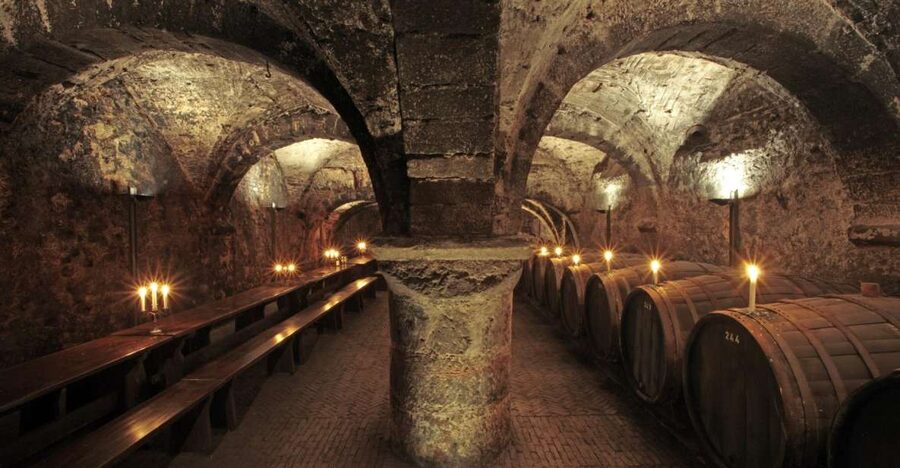
- A Roman storage building: The cellar was built around 330 AD and served as a magazine and storage house for citizens of the Roman imperial city.
- Two wines are included: Your visit ends with a tasting of two selected house wines in the cellar setting.
- One hour is the full running time: It is easy to fit before or after other sights in Trier.
- The tour is in German: Some material is presented in its original language, so basic German or a translation app may help.
- The experience runs in all weather: Plan clothing for the conditions outside and practical shoes for a cellar visit.
- Not wheelchair accessible: Wheelchair users should choose another wine or history activity.
A Roman wine cellar with a living purpose
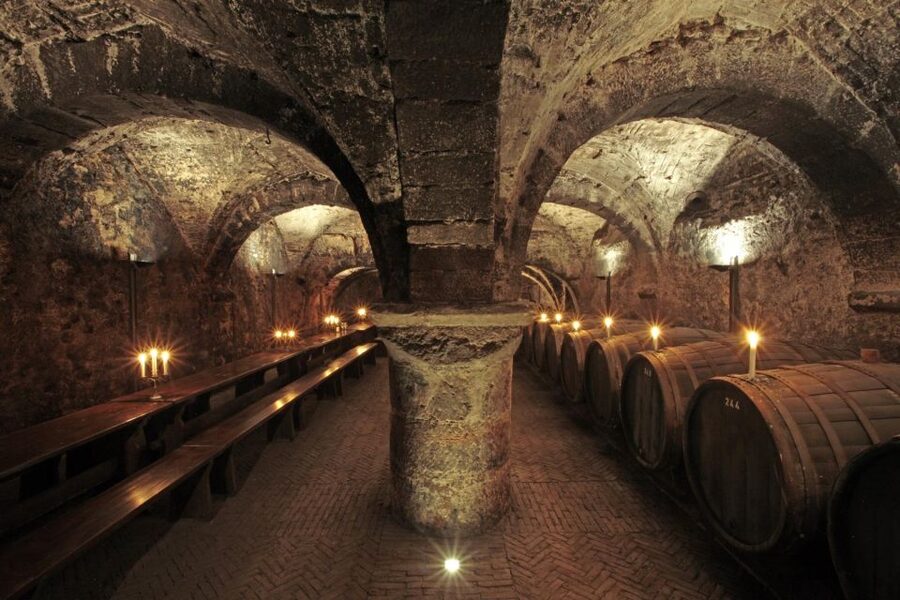
Trier is one of Germany’s great Roman cities, and this experience gives you a direct link to that period without turning the visit into a long museum stop. The cellar was built around 330 AD, when Trier was an imperial city, and it functioned as a storage building for Roman residents.
That detail matters. You are not simply looking at an old room that was later given a wine theme. The building had a working role in Roman urban life. The tour connects the stone structure with storage, trade, wine, and the daily needs of a large city.
I like the plain idea behind the visit: walk through an old Roman building, hear its story, then taste two wines connected with the site today. The setting gives the tasting more character than a standard bar stop, while the tasting gives the history a practical finish.
You should keep your expectations in check. The available information does not promise a long architectural tour, a large collection of Roman objects, or a full lesson in Trier’s ancient past. The emphasis is on the cellar and the winery, with a short introduction to its changing role over time.
More Wine Tours in the Moselle Valley
- Trier: Guided City Walk with Wine Tasting
★ 4.8 · 979 reviews - Cochem, Moselle: Castle, boat and wine tour
★ 3.7 · 96 reviews - Reil, Mosel: Guided organic wine tasting and cellar tour
★ 4.8 · 84 reviews
What happens during the one-hour visit
The experience is built around a guided walk through the historic cellar. Your guide leads in German and explains the eventful story of the building, its Roman beginning, and its place in Trier’s wine culture.
The tour’s first strength is its setting. A Roman structure dating to around 330 AD gives you something solid to picture when you think about Trier’s ancient period. Instead of hearing only about emperors, monuments, and dates, you see a building linked to storage and everyday urban use.
The second part is the wine tasting. You receive two selected house wines, tasted in the cellar atmosphere. The wines are not an optional extra added after the main ticket. They are part of the experience, and they help explain why the cellar remains connected with local life.
I would allow the full hour rather than assuming the tasting will be a quick sample at the end. The published duration includes the cellar tour and tasting, and one recent assessment suggested that the visit could even be longer. That is a useful clue for planning: the tour is concise, but you should not expect a rushed five-minute look.
The exact order of the walk and tasting may depend on the day and the guide. What you can count on is a German-language guided visit, historical context, and two wines in a distinctive setting.
Why the Roman date matters
The cellar’s date, around 330 AD, is the fact that gives this stop its punch. Trier was then an imperial city, and the building served as a magazine and storage house for Roman citizens. That makes it more than a pleasant wine venue. It is also a surviving piece of urban infrastructure.
I find this kind of site useful because it puts Roman life at ground level. Grand monuments show power. A storage building shows how a city worked. Goods had to be kept somewhere, and citizens needed places connected with food, drink, and supply.
The name Germany’s oldest wine cellar is memorable, but you should treat the experience as a guided introduction to the building rather than a full survey of every stage of German wine history. The material provided for the tour centers on the cellar’s origins, its history, and its present wine use.
That distinction helps you decide if it fits your interests. If you want Roman architecture explained in detail, you may wish for more time and more historical detail. If you want one well-chosen Roman site paired with a local tasting, the format makes sense.
Two house wines in an unusual tasting room
The two selected wines are the practical reward for the visit. They also give the tour a stronger local connection. You are not only hearing that Trier has a wine culture. You are tasting two wines from the house associated with the cellar.
The tasting takes place in a unique atmosphere, which is the key point here. A cellar built into a Roman building changes the mood of an otherwise ordinary wine sample. The historical surroundings help you remember the stop, even if you know little about wine.
The supplied information does not identify the grape varieties, vintages, sweetness levels, or exact pours. I would not book this expecting a formal wine class with technical tasting notes. Instead, think of it as a modest introduction to the house wines after a short historical walk.
That can be a good value at $20 per person. The price covers both the guided cellar visit and two wines, so you are paying for an experience rather than just a drink. In a city with many Roman sights, the combination also saves you from choosing between history and wine for one hour.
The value depends on your priorities. Wine fans who want several tastings or a detailed look at production may find the scope limited. Visitors who want an affordable, compact activity with a clear sense of place will likely find the package more satisfying.
Same city, a completely different kind of day:
- Cochem: Panoramic Cruise on the Moselle River
★ 4.4 · 1,004 reviews - Trier: Guided Old Town Highlights and History Walking Tour
★ 4.7 · 687 reviews - From Alken: Return Day Trip by Boat to Cochem
★ 4.6 · 141 reviews - Cochem: Panorama-Schiff-Tour 1 Stunde bis Ernst und zurück
★ 4.3 · 122 reviews
A German-language tour, and what that means
The live guide speaks German. Some content is shown in its original language, so this is not the best choice if you need a fully English-language explanation.
You can still enjoy the cellar’s physical setting and the wine tasting without fluent German, but the historical portion will be easier if you understand German or have a way to translate key points. The available details do not promise an English guide, printed translation, or audio guide, so do not assume those services are available.
This language issue is not a minor footnote. The tour lasts only one hour, and a short German explanation can be difficult to follow through a phone translation app while walking and tasting wine. If the story of the Roman building is your main reason for booking, language should be part of your decision.
If wine, atmosphere, and a brief look inside an ancient structure matter more to you than every spoken detail, the language limitation may be manageable. If you want a history lecture in English, choose a different activity or confirm language options before paying.
Weather, footwear, and access
The tour takes place in all weather conditions. That usually matters less for the time inside the cellar than for getting to the meeting point and waiting outdoors, so bring clothing that suits the day.
Practical footwear is sensible. The site is a historic cellar, not a modern tasting room, and the activity involves walking. The information provided does not specify the number of steps, floor surface, or exact accessibility arrangements, so you should not expect a fully adapted route.
Wheelchair users cannot take this tour. That restriction is clear and should guide your planning from the start. If you need step-free access, this is not the right choice.
The one-hour length is useful for several kinds of schedules. You can place it between major sightseeing stops, use it as a short afternoon activity, or make it part of a wine-focused day in Trier. Because the visit is compact, it is less of a commitment than a full winery excursion outside the city.
What the recent feedback tells me
The overall rating is 4.7 from 218 assessments, which points to a consistently strong experience. The most repeated strengths are clear information, an enjoyable atmosphere, and the combination of a cellar visit with wine.
One German-language assessment described the visit as very informative in a relatively short time. That matches the tour’s stated design: you get a compact explanation rather than an all-day lesson.
Another praised it as interesting, fun, and tasty. That is a good description of the balance the experience is aiming for. The cellar gives you history, while the two wines keep the visit social and relaxed.
The useful criticism is just as important. One person felt the overall impression was good but wanted more information about the unique historic cellar, saying the wine and winery received more attention. Another suggested making the tour longer. I would take both comments seriously if your first interest is Roman history.
In practical terms, this is a wine experience with a Roman setting, not a major archaeological tour with a wine sample attached. Knowing that in advance will make the visit easier to judge.
Who will get the most from this stop
I would recommend it most strongly to:
- People who want a short wine activity in Trier
- Visitors interested in Roman buildings but not looking for a full museum visit
- Wine drinkers who enjoy tasting in a historic setting
- Couples or small groups looking for an easy one-hour addition to a city day
- German speakers who can follow the guide without translation
- Anyone who values a low-cost activity with both admission and tasting included
I would be more cautious if you need English guiding, wheelchair access, or a detailed explanation of Roman construction. The tour may also feel too short if you want a broad survey of the winery, the cellar, and Trier’s complete wine history.
Is $20 a fair price?
At $20 per person, the price is reasonable for a guided one-hour visit that includes two selected wines. You are not paying only for a tasting. You are also paying for access to a Roman building, a guided account of its history, and the unusual setting.
The strongest value comes from the combination. A simple wine tasting might offer more wine but less sense of place. A short historical visit might offer more context but no local flavor. This experience puts both together in a compact package.
The value is less clear for serious wine students. Since the provided details do not list grape types, vintages, production methods, or a longer tasting lineup, you should not expect a technical seminar.
Flexible booking terms also make the activity easier to fit into a changing schedule. You can reserve and pay later, and cancellation is available up to 24 hours before the start for a full refund. Check the current starting times when you book, since the duration is fixed at one hour but the departure time can vary.
Should you book the Trier cellar tour?
Book it if you want a compact blend of Roman history and local wine, and you are comfortable with a German-language guide. The Roman date, the working-storage background, and the two house wines give the hour a clear identity.
Skip it if you need wheelchair access, require an English tour, or want a long and detailed examination of the cellar. The criticism about limited historical detail is worth noting, especially for anyone choosing the experience mainly for archaeology.
For most visitors who already plan to see Trier’s major Roman sights, this works best as a change of pace. You get a quieter look at how an ancient city stored its goods, followed by two wines in the same historic setting. At $20, that is a fair, focused addition to a day in Trier.
FAQ
How long does the Trier wine cellar tour last?
The tour lasts one hour, including the guided cellar visit and tasting of two selected wines.
What is included in the price?
The price includes the cellar tour, two selected wines, and the tasting in the historic cellar setting.
Is the tour offered in English?
The live guide speaks German. Some content is shown in its original language, and an English guide is not specified.
How old is the wine cellar?
The building was constructed around 330 AD, during Trier’s time as a Roman imperial city.
Can wheelchair users join the tour?
No. The activity is not suitable for wheelchair users.
Can I cancel the booking?
You can cancel up to 24 hours in advance for a full refund. The reserve now and pay later option also lets you keep your plans flexible.
Just added in the Moselle Valley
- From Alken: Moselle Valley Sightseeing Cruise★ 4.5 · 10 reviews
- Kröv, Mosel: PLANWAGENFAHRT through the vineyards with wine tasting★ 5.0 · 5 reviews
- Luxembourg to Trier: Tour of Germany’s Oldest City.★ 4.6 · 9 reviews
- Evening-Cruise to the fireworks of the Cochemer Winefest.★ 4.5 · 4 reviews
- Cochem: Bike and Boat Tour with Picnic and Wine Tasting★ 3.7 · 35 reviews
- Cochem: Private Guided Walking Tour★ 4.8 · 9 reviews
- Trier: Private Guided Walking Tour★ 4.2 · 32 reviews
- Cochem: Panorama-Schiff-Tour 1 Stunde bis Ernst und zurück★ 4.3 · 122 reviews
Wine Tours, compared.


Advent Tour with Stollen Tasting and Mulled Wine
Read our review →
Heidelberg and Rhine Valley Day Trip With Wine Tasting and Dinner from Frankfurt
Read our review →Browse the lists this tour appears in