
Reviewed · CONCENTRATION CAMP MEMORIALS
Berlin: Sachsenhausen Concentration Camp Tour in English
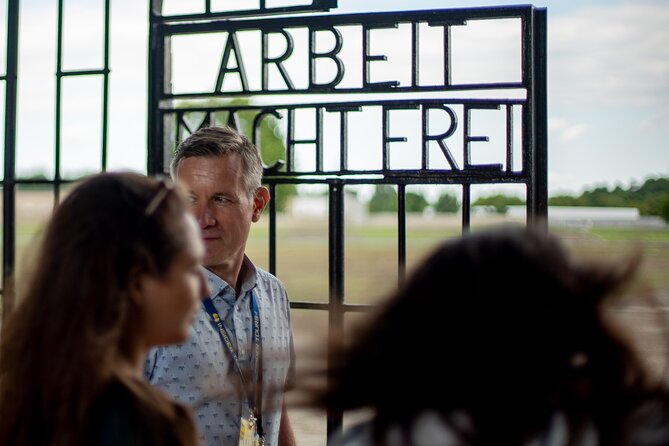
Sachsenhausen is not a sightseeing stop in the usual sense. It is a place where the camp administration center, barracks, punishment cells, and Station Z force you to confront how organized persecution became daily prison life and mass murder. I like the way this tour links the site to Berlin by public transport, and I like that a licensed guide stays with you from the city through the return journey. The drawback is the amount of walking and the exposed, often cold memorial grounds.
I especially like the human detail built into the history. Guides such as Daniel, Georgia, Xavier, Irish Paul, and Chris have been praised for explaining difficult material with care, answering questions, and adjusting the pace. You should also plan for the ABC public transport ticket, snacks, water, and several hours outdoors.
Key points at a glance
- A full half-day from central Berlin: Allow 5.5 to 6 hours, including trains, the walk from Oranienburg station, and roughly three hours at the memorial.
- A guide-led visit to difficult sites: See Station Z, the gallows, punishment cells, infirmary, pathology laboratory, Jewish barracks, and former SS facilities.
- History before, during, and after the Nazi period: The tour explains the camp’s construction in 1936, its wartime role, the 1945 death march, and its later use by the Soviets.
- Public transport is part of the experience: You travel by train with your guide rather than in a private vehicle, so you need an ABC ticket.
- Strong attention to tone and care: Guides including Daniel, Georgia, Xavier, Irish Paul, and Chris are noted for clear explanations and respectful handling of the subject.
- A low listed price with a few extra costs: At about $22 per person, the tour includes guiding and a €3 memorial donation, but not transport, food, or drinks.
Why Sachsenhausen needs a guided visit
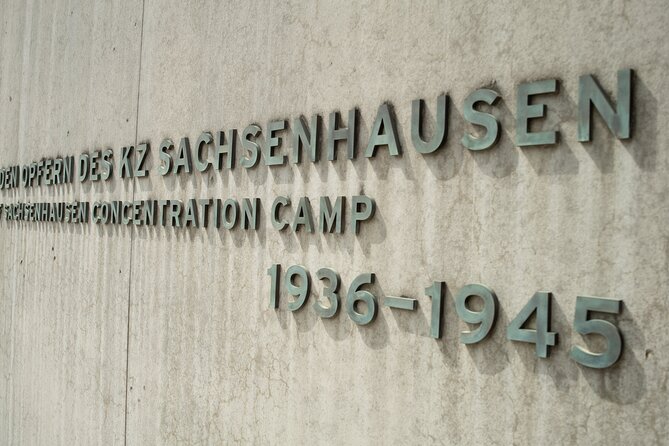
Sachsenhausen was built by the SS in 1936, first as a camp for people viewed as opponents of the Nazi regime. Its purpose widened quickly. Political prisoners, Jewish prisoners, prisoners of war, and many other groups were held there because the Nazi state labeled them dangerous, inferior, or unwanted.
The site is also important because it was not simply a prison in isolation. The camp administration center once directed the SS system covering 32 main camps and more than 1,000 satellite camps. That makes the building a useful starting point: you begin with the machinery behind the camp system before moving into the spaces where prisoners lived, worked, suffered, and died.
I would not choose a self-guided visit as your first option unless you have already studied Sachsenhausen. The memorial contains buildings, foundations, markers, and museum displays spread across a large area. A good guide gives those fragments a clear order and explains what you are seeing without reducing the visit to a list of dates.
The subject is severe. You will hear about executions, mass murder, starvation, forced labor, punishment, medical experiments, and the death march before liberation. The best guides keep the tone human and controlled. The aim is not shock for its own sake, but understanding.
More Concentration Camp Memorials in Berlin
- Berlin: Sachsenhausen Concentration Camp Tour in English
★ 5.0 · 5,711 reviews - Berlin: Sachsenhausen Concentration Camp Memorial Tour
★ 4.7 · 3,716 reviews - Sachsenhausen Concentration Camp Bus Tour in English from Berlin
★ 5.0 · 1,962 reviews
Meeting at Friedrichstrasse and taking the train
The tour begins outside Friedrichstrasse train station, on the square beside the Tränenpalast, also called the Palace of Tears. Look for the guide holding a yellow umbrella. This is a practical meeting point in central Berlin, but allow enough time to find the correct side of the station and the square.
Your guide helps with the public transport arrangements, but the ticket itself is not included. You need an ABC zone ticket for the journey to Sachsenhausen Memorial and the return to Berlin. Staff can help you buy it on the day, which removes some of the uncertainty, but you should still budget for this extra cost.
The train journey to Oranienburg takes roughly 25 to 45 minutes depending on the leg and schedule. The full trip from the city is short enough to make Sachsenhausen a realistic half-day outing, yet long enough for the guide to set the historical scene. Some guides use the journey to explain how the camp fitted into the wider Nazi system and to answer questions before arrival.
This is not a private transfer. You ride public transport with the guide, then walk from Oranienburg station to the memorial. That arrangement keeps the price low and gives you a better sense of the route prisoners were forced to take toward the camp, although the train and walking time require patience.
The 20-minute walk from Oranienburg
From the station, expect about a 20-minute walk to the memorial. It is not a difficult hike for most people, but it adds to the day, especially in winter or wet weather. One person specifically noted that the walk from the station felt long, so do not treat the train arrival as the end of the journey.
Wear shoes that can handle steady walking and bring water. You may also want a small snack before entering the site. The tour lasts most of a day, and food and drinks are not included. There is no reason to arrive hungry and distracted for a visit that asks for your attention.
The route is part of the experience. You are moving from an ordinary town and railway station toward a memorial site whose meaning becomes clearer as the guide explains what happened here. The transition helps you understand that the camp was connected to normal transport routes and nearby communities, not hidden in some unreachable wilderness.
The camp administration center sets the scale
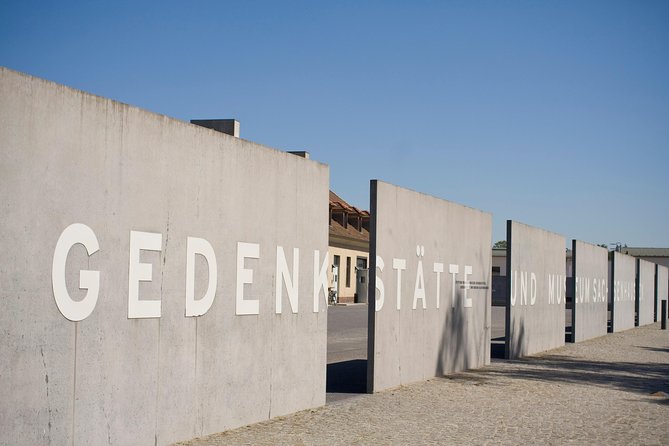
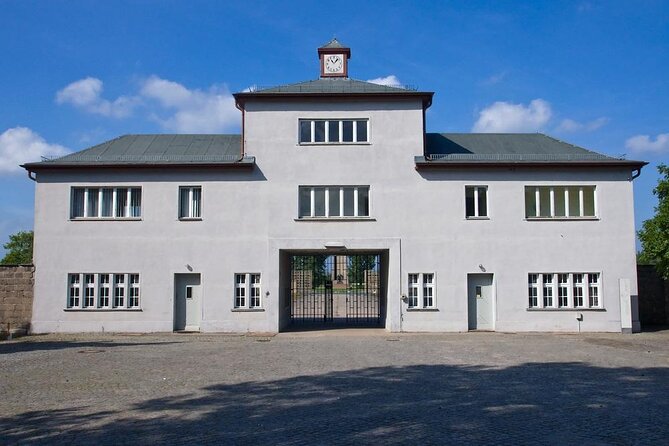
The guided visit begins at the former Concentration Camps Inspectorate, now the camp administration center and an on-site museum. This building once coordinated the Third Reich’s concentration camp network. Starting here gives the tour a clear structure: first the system, then the camp, then the individual stories.
I find this opening valuable because it prevents Sachsenhausen from being viewed as a collection of isolated horrors. The camp was planned, staffed, documented, and managed. Your guide can explain how official decisions reached the barracks and punishment areas, turning policy into hunger, forced labor, beatings, imprisonment, and death.
From this point, the tour moves through the remaining structures and marked locations. The site does not present a perfectly intact camp. Some buildings survive, some are reconstructed, and some places are marked by foundations or memorial displays. A guide helps you distinguish between what remains and what must be understood through explanation.
Same city, a completely different kind of day:
- Berlin: Reichstag, Dome and Government District Guided Tour
★ 4.7 · 18,288 reviews - Berlin: 1-Hour City Tour by Boat with Guaranteed Seating
★ 4.3 · 16,993 reviews - Berlin: Boat Tour Along the River Spree
★ 4.4 · 11,252 reviews - Discover Berlin Half-Day Walking Tour
★ 5.0 · 9,624 reviews
Barracks, Jewish prisoners, and daily camp life
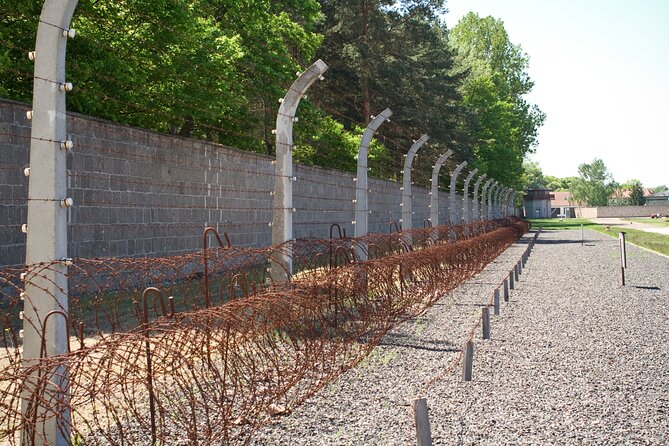
The barracks show the physical conditions prisoners faced. You will hear about overcrowding, harsh discipline, poor food, forced work, disease, and the constant power held by the SS and camp guards. The point is not just to see a building, but to understand how routine deprivation was used as a tool of control.
The tour includes the Jewish barracks and discusses the different prisoner groups held at Sachsenhausen. The camp contained people imprisoned for different reasons, and their treatment and chances of survival varied. A careful guide makes those differences clear without losing sight of the shared brutality of the system.
You also hear about notable prisoners, including Stalin’s son. Personal stories give the camp a human scale, but they should not distract from the many thousands whose names and biographies are less well known. The strongest part of this approach is the balance between individual lives and the larger machinery that destroyed them.
Stories of resistance are also central. The tour covers a Jewish prisoners’ revolt in 1942, defiance by British prisoners of war, and sabotage by Soviet and Polish prisoners. These episodes matter because they show that prisoners were not passive figures in a historical display. They resisted in ways that were dangerous, limited, and often punished severely.
Station Z, the gallows, and the places of killing
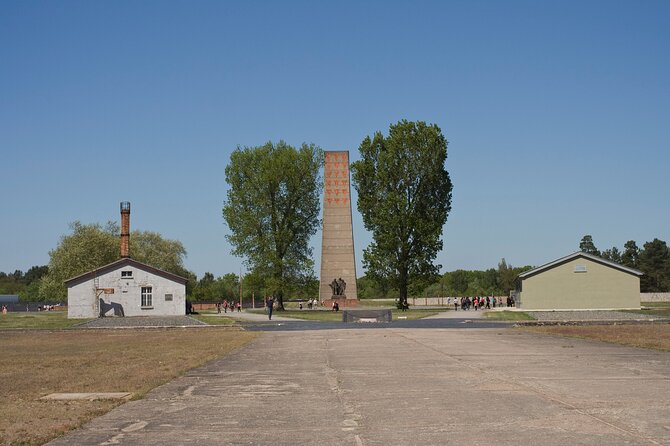
Station Z is the site associated with mass murder at Sachsenhausen. The tour also visits the gallows and explains the role of the gas chamber and other killing facilities. These are the moments when the visit becomes especially difficult.
Expect your guide to give context rather than rush from one grim point to the next. You will learn how killing was organized and how the camp’s language and procedures hid the reality of what was happening. At the same time, this is a memorial site, not a stage set. A respectful tour leaves room for silence and reflection.
The gallows are a stark reminder that violence took several forms. Some prisoners were killed through systematic mass murder, while others faced execution, punishment, disease, starvation, or exhausting forced labor. Seeing these locations together helps you understand the camp as a complete system of terror rather than one single method of killing.
The material can be upsetting. If you know that this subject affects you strongly, speak with the guide and take the time you need. The tour is structured, but you are still moving through real memorial spaces with descriptions of real crimes.
Punishment cells, the infirmary, and medical abuse
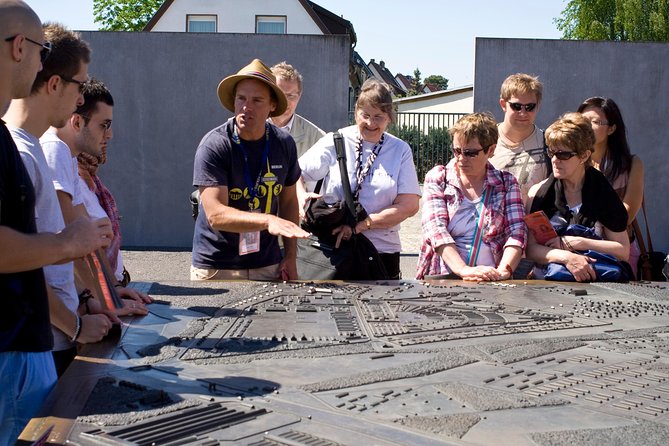
The punishment cells show how imprisonment within the camp could become even more severe. These spaces were used to isolate and punish prisoners, and the guide explains the rules and practices that governed them.
You also visit the pathology laboratory and infirmary, including sites connected with medical experimentation. These areas require careful explanation because their plain appearance can hide the cruelty that took place there. The guide connects the rooms to the prisoners who were examined, experimented on, or denied proper care.
This is where a live guide offers something an audio guide cannot easily provide. You can ask about a term, pause over a detail, or request clarification when the history becomes confusing. Guides praised in this tour include Xavier, Georgia, Daniel, and Irish Paul, each noted for combining clear facts with sensitivity.
The Soviet special camp after 1945
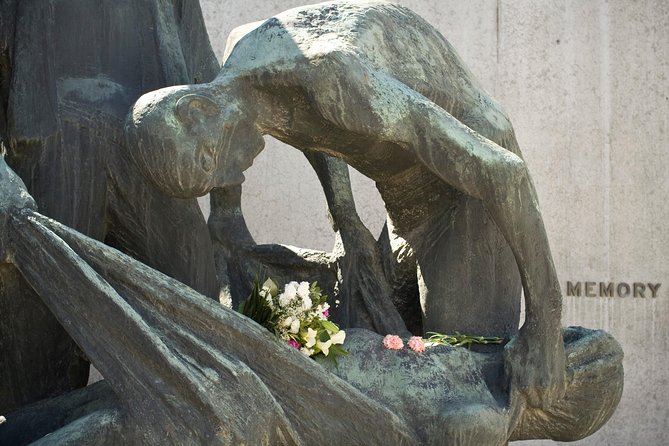
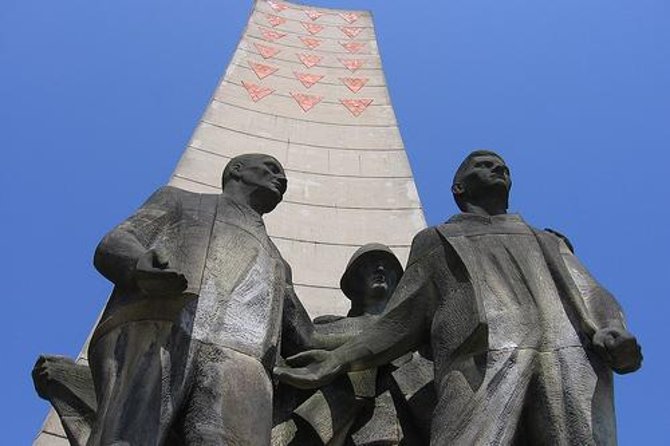
Sachsenhausen’s story did not end with the defeat of Nazi Germany. The tour visits Special Camp 1/7 and explains how the Soviets reused the site after the war. This later chapter is easy to miss if you focus only on the Nazi period.
The Soviet special camp had its own history of detention and suffering. Including it makes the visit more honest and more useful. The memorial is not presented as a single-period museum, but as a place whose buildings and grounds continued to be used for imprisonment after 1945.
You also learn about the camp’s liberation and the death march that preceded it. As Allied forces approached, prisoners were forced out of Sachsenhausen. Many died on the march. The topic links the final days of the camp to the continuing pattern of SS cruelty, even as the Nazi regime was collapsing.
The SS training camp and commandant’s house
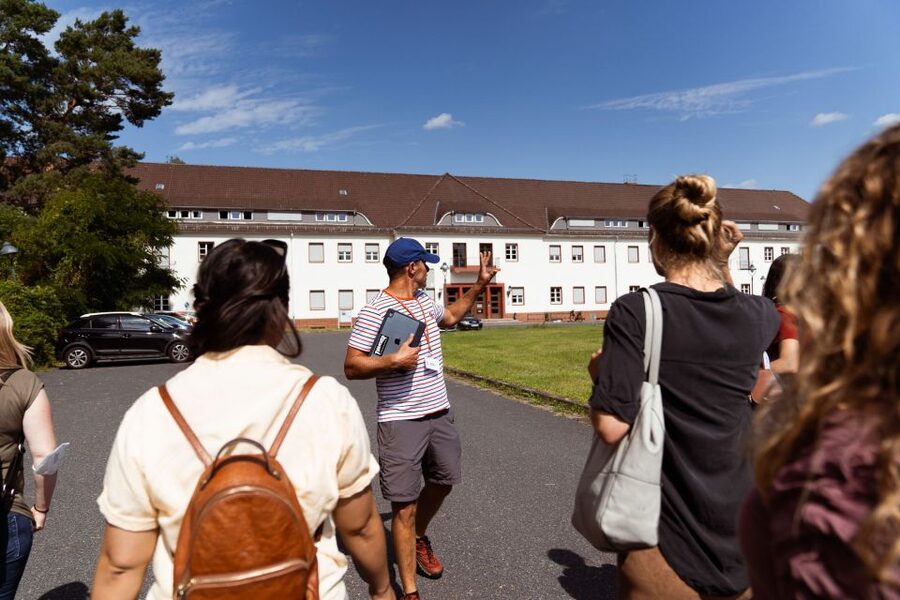
The former SS training camp and commandant’s house reveal another side of the site: the institutions and people who maintained it. These locations help you consider not only the prisoners but also the staff, commanders, and administrative structures that made the system function.
This is one reason I prefer the guided format. Without explanation, an ordinary-looking building may seem disconnected from the barracks and execution sites. Your guide shows how authority, training, paperwork, and physical control all supported the camp.
The route covers a lot of ground, so the pace matters. Guides are expected to keep the group together and make sure explanations are accessible to people with different levels of prior study. If you have walking difficulties, tell the operator before booking. The tour is not wheelchair accessible and is not recommended for people with limited mobility.
How the price compares with what you receive
At about $22 per person, this is an inexpensive way to visit Sachsenhausen with a licensed English-speaking guide. The price includes the guided camp tour and a €3 donation to the memorial. It does not include the ABC transport ticket, food, drinks, or hotel pickup.
The value comes from the time saved and the structure provided. You do not need to work out the train route alone, interpret every building from scratch, or organize the return journey without help. The guide remains with you from central Berlin to Oranienburg, through the memorial, and back toward the city.
The low price usually makes the most sense for a small group or standard group tour. Private tours are available, and private bookings can include hotel or preferred-location pickup by the guide, but this still uses public transport rather than a private car. If you want total privacy or door-to-door driving, this is not the right product.
Weather, group size, and the right expectations
The tour runs in all weather. Much of the memorial visit takes place outdoors, and winter conditions can make the day cold and exposed. Wear warm, comfortable clothes, bring water, and consider a snack that can be eaten quickly.
Groups can vary. A busy departure may be divided into smaller groups for the memorial portion, which makes it easier to hear and ask questions. The experience is still social and organized, not a quiet private visit, unless you book the private option.
The tone also varies slightly with the guide. Daniel is praised for energy and for keeping people engaged with a difficult subject. Georgia is noted for a careful, nuanced approach. Xavier is praised for clear explanations and respect, while Irish Paul is known for warmth, historical detail, and practical help during difficult weather. These names cannot be guaranteed, but they give you a useful sense of the guiding style on offer.
Should you book this Sachsenhausen tour?
Book it if you want a serious, well-organized introduction to Sachsenhausen and prefer help with the train, route, and historical setting. It suits first-time visitors, people with a strong interest in World War II history, and anyone who wants to understand both the Nazi camp and the Soviet special camp that followed.
Think twice if you dislike group transport, cannot manage several hours of walking, or want a visit without detailed descriptions of mass murder and medical abuse. This is an emotionally demanding outing, not a casual day trip.
For most people who can handle the subject and the walking, I think the guided format is worth the modest price. Bring the right shoes, buy the ABC ticket, dress for the weather, and give yourself time afterward to process what you have seen.
FAQ
How long does the Sachsenhausen tour take?
The complete experience takes about 5.5 to 6 hours. This includes the train journey from Berlin, the walk from Oranienburg station, about three hours at the memorial, and the return journey.
Where does the tour begin?
Meet the guide outside Friedrichstrasse train station on the square beside the Tränenpalast, or Palace of Tears. Look for the yellow umbrellas.
Is public transport included in the price?
No. You need an ABC public transport ticket for the journey to Sachsenhausen Memorial and back to Berlin. You can buy it on the day with help from on-site staff.
What places are visited at Sachsenhausen?
The route includes the former camp administration center, Station Z, a watchtower, the commandant’s house, Jewish barracks, punishment cells, the pathology laboratory, the infirmary, Special Camp 1/7, the SS training camp, and the gallows.
Is the tour suitable for wheelchair users?
No. The tour is not wheelchair accessible and is not recommended for people with mobility impairments or walking difficulties. It involves a moderate amount of walking, including about 20 minutes between Oranienburg station and the memorial.
What should I bring?
Bring comfortable shoes, water, snacks, comfortable clothing, and your public transport ticket. Since the tour runs in all weather and much of the visit is outside, dress for the forecast.
Just added in Berlin
- Berlin & The Third Reich Private Guided Tour★ 5.0 · 3 reviews
- Third Reich Quest Experience in Berlin★ 4.5 · 7 reviews
- Private Analogue Photography Experience in Berlin★ 5.0 · 3 reviews
- The Beauty of Berlin by Bike: Private Tour★ 5.0 · 59 reviews
- Berlin: Guided Bike tour of the Berlin Wall and Third Reich★ 5.0 · 160 reviews
- Berlin Urbex Adventure and History Tour★ 5.0 · 9 reviews
- Beyond Currywurst: Berlin’s Hidden Street Food & Culture Tour★ 5.0 · 100 reviews
- Berlin Third Reich & Cold War Walking Tour With A Guide★ 5.0 · 7 reviews
Concentration Camp Memorials, compared.
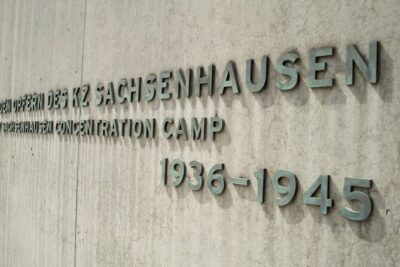
Sachsenhausen Concentration Camp Tour in English
Read our review →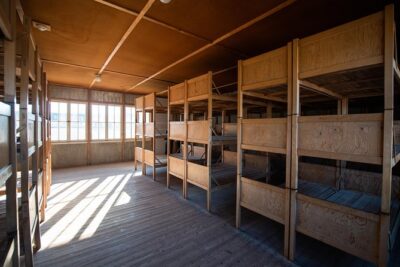
Dachau Concentration Camp Memorial Site Tour from Munich by Train
Read our review →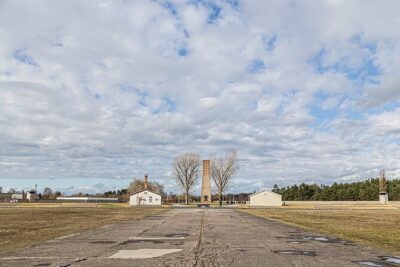
Sachsenhausen Concentration Camp Memorial Tour
Read our review →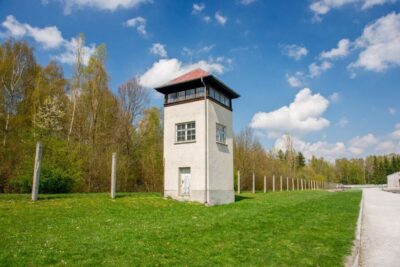
From Munich: Dachau Memorial Site Half-Day Trip
Read our review →
Sachsenhausen Concentration Camp Bus Tour in English from Berlin
Read our review →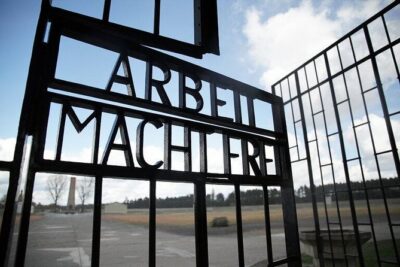
Sachsenhausen Concentration Camp Memorial Tour (Max. 15 Guests)
Read our review →
From Munich: Dachau Memorial Site Full-Day Tour
Read our review →Browse the lists this tour appears in