
Reviewed · CONCENTRATION CAMP MEMORIALS
From Munich: Dachau Memorial Site Full-Day Tour
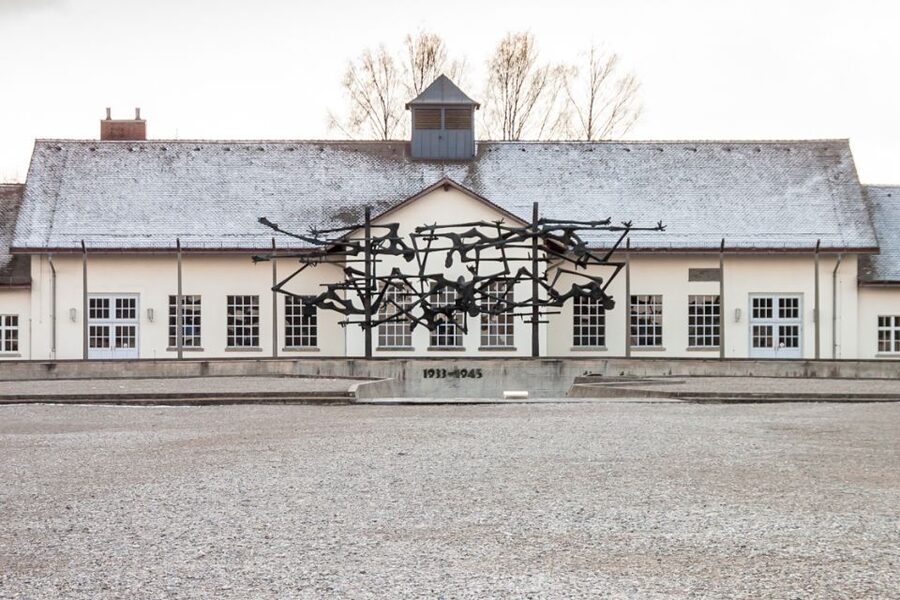
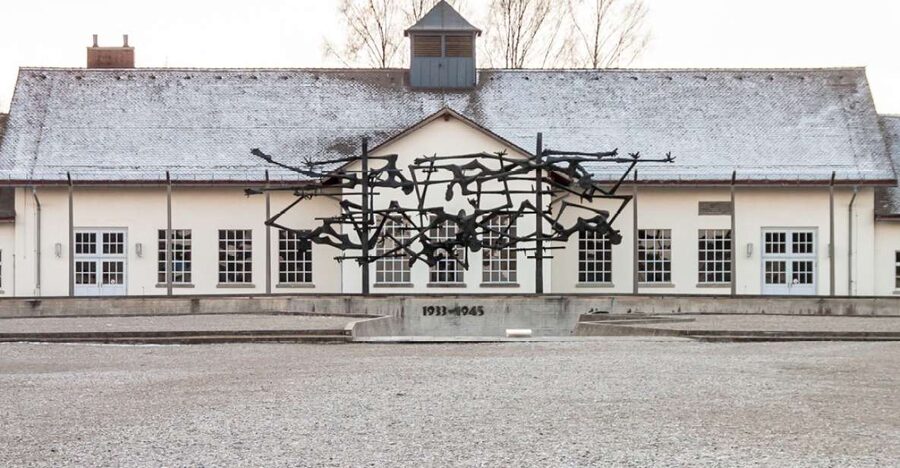
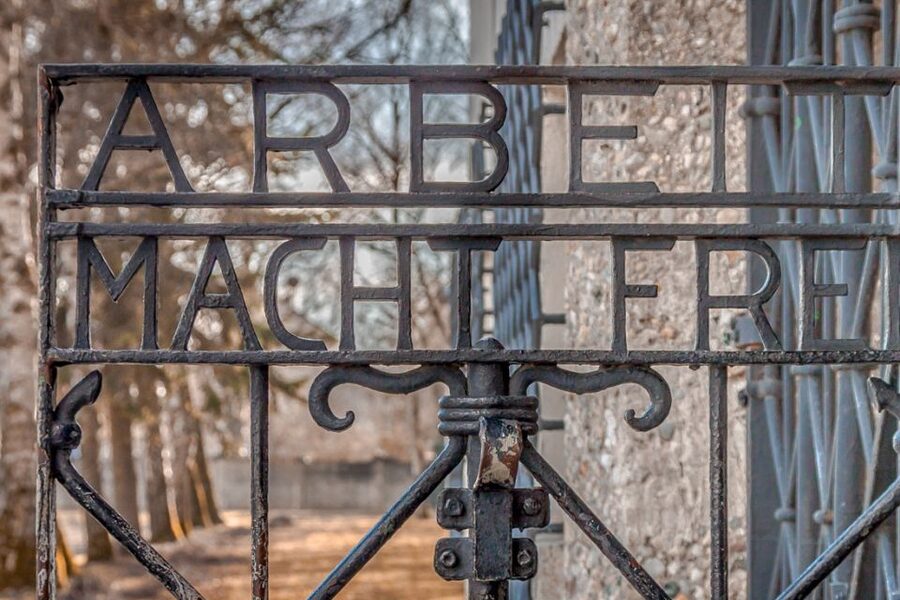
Dachau is not a sightseeing stop in the usual sense. It is the first permanent concentration camp built by Nazi Germany, and the Memorial Site traces how a place created in 1933 became a system of imprisonment, forced labor, punishment, and murder that lasted through the regime’s full 12 years. The Jourhaus gateway and its Arbeit Macht Frei sign make a grim first impression, but the most important part is hearing how the whole camp operated.
I like two things here. First, a Memorial-qualified guide gives the site structure and human context instead of leaving you to wander among stark buildings with only fragments of information. Second, the tour uses Munich’s regular train and bus system, so transport is included and you do not have to manage the route yourself. The drawback is the lack of a proper meal break: you spend roughly four hours at the camp, and eating is not permitted during the tour.
Key points
- The Jourhaus sets the tone: Enter through the former gateway and see the infamous Arbeit Macht Frei sign.
- Four hours at the Memorial Site: The visit covers the Appellplatz, Bunker, barracks, Barrack X, and other major areas.
- Guides make the difference: Sam, Adam, Marcin, Keith, Hein, and Scott are praised for clear explanations and a respectful approach.
- Public transport is part of the experience: Allow about 40 minutes by train and 10 minutes by bus each way.
- This is serious, graphic history: Children under 14 are not permitted, and the content is not suitable for a casual family outing.
- The price is reasonable for the help provided: At $51 per person, transport and a live English-speaking guide are included.
Why Dachau deserves a full day from Munich
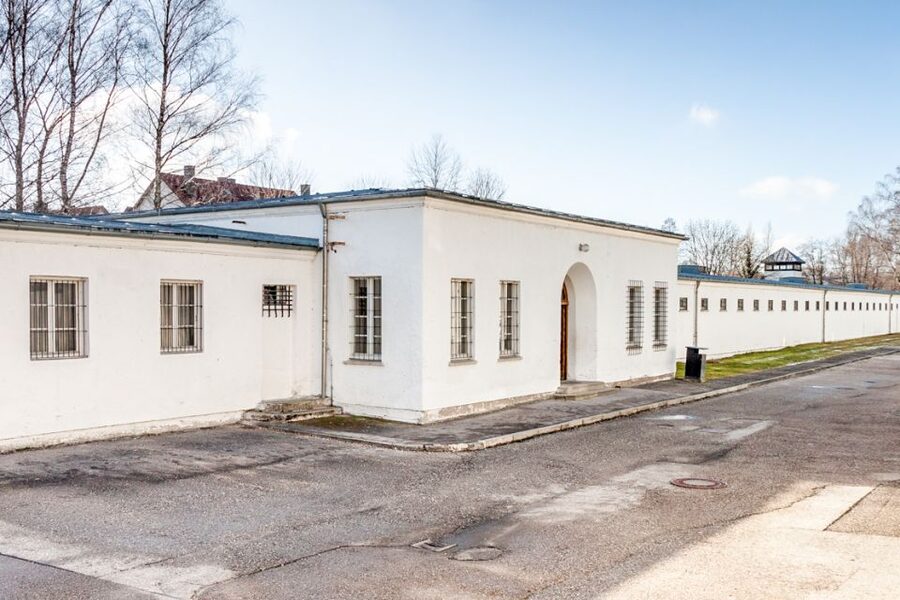
Dachau was the first permanent concentration camp established by the Nazi regime. It opened in 1933 and remained in operation until 1945, making it a place where the camp system developed over time rather than a site linked to only one short period.
That long span matters. You learn why the camp was created, who was first imprisoned there, and how its role changed through three major phases. The guide also explains the machinery of daily control, from prisoner registration to forced labor, punishment, torture, and death.
I find a guided visit especially useful at a place like Dachau because the physical remains can be difficult to interpret on their own. The open grounds, reconstructed areas, surviving buildings, and memorial spaces do not always explain what happened there. A good guide connects the pieces and keeps the focus on the people who were imprisoned.
This is also a place where context matters more than speed. You are not simply checking off a famous site near Munich. You are giving a large part of one day to learning how persecution became organized and how terror reached beyond the camp gates.
More Concentration Camp Memorials in Munich
- Dachau Concentration Camp Memorial Site Tour from Munich by Train
★ 4.5 · 5,637 reviews - From Munich: Dachau Memorial Site Day Tour
★ 4.8 · 2,723 reviews - From Munich: Dachau Memorial Site Half-Day Trip
★ 4.7 · 2,526 reviews
Meeting at Marienplatz and joining the group
The tour begins in central Munich at Marienplatz 11, in front of the Ludwig Beck department store. Look for the white and blue umbrella and signs for the Dachau tour.
This is a practical meeting point, but Marienplatz can be crowded. Give yourself enough time to find the guide, especially if you are unfamiliar with central Munich. If you are running late or cannot locate the group, use the emergency number supplied with your booking.
The tour ends at the same place in the late afternoon. That makes it easy to continue with dinner or another Munich activity, though I would avoid planning anything that requires you to arrive at an exact time. Public transport can be crowded, and the day is long.
Groups are described as small, with one guide noting a maximum of about 14 people. That size is useful at the Memorial Site. You can hear explanations more easily than in a large crowd, and the guide has a better chance of answering questions and keeping everyone together.
The train and bus ride to Dachau
The journey from Munich takes about 50 minutes each way: roughly 40 minutes by train and 10 minutes by bus. Your train and bus fares are included, and the guide leads the group through the process.
This part of the tour is not just dead time. It gives you a chance to settle into the day and hear the basic plan before reaching the camp. Guides such as Adam have also been praised for handling changes in the Munich transport system and keeping the group organized when subway services were disrupted.
The practical drawback is crowding. The trains can be packed in both directions, particularly at busy times. If you dislike standing on public transport, keep that in mind. Comfortable shoes are more important than stylish ones, since you will walk for hours after arriving.
Bring water, weather-appropriate clothing, and food for the train. You cannot eat while taking part in the tour at Dachau, so eat a solid breakfast or use the journey for a snack. There is a short break of about 15 minutes at the site, but you should not count on a normal café-style pause during the guided visit.
Entering through the Jourhaus gateway
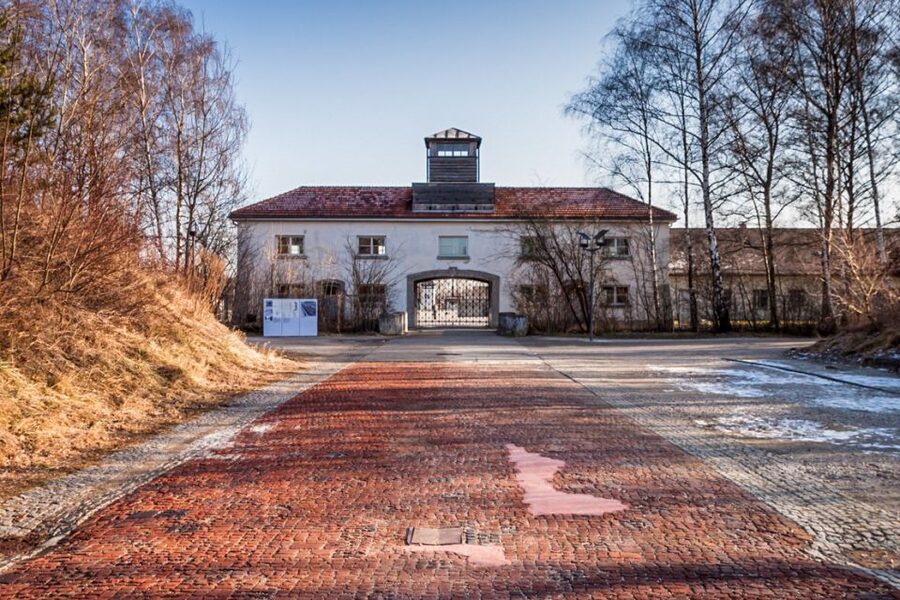
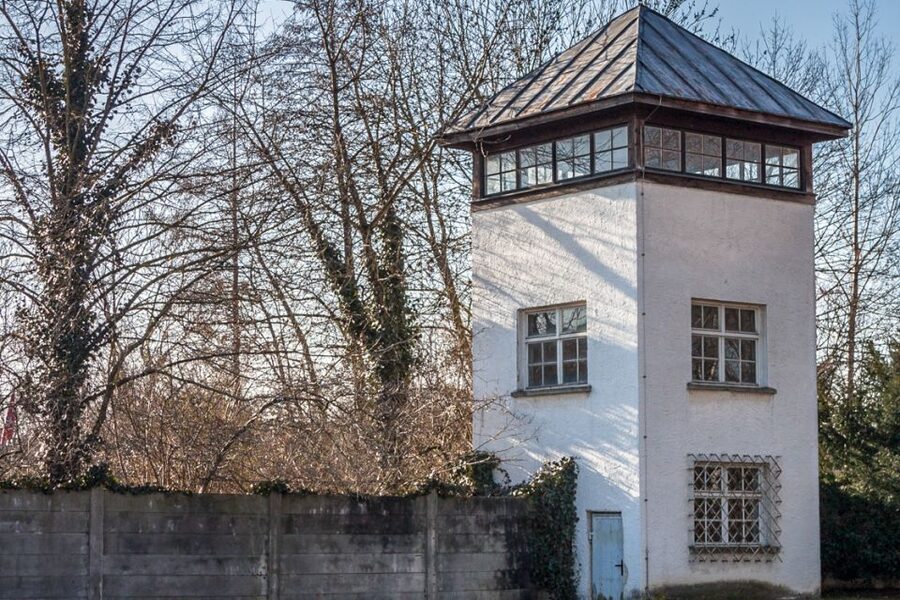
The Jourhaus was the entrance building and gateway into the camp. Passing through it gives the visit a clear beginning, and the Arbeit Macht Frei sign is one of the most recognizable and disturbing details at Dachau.
A guide can explain why this sign was part of the camp’s system of deception and intimidation rather than treating it as a simple historical object. The words are familiar, but the setting changes their meaning. You are standing at the point where prisoners entered a system designed to strip away their identity and control every part of daily life.
From here, the tour follows the basic route through the camp. The guide explains how new prisoners were registered, processed, and subjected to the rules of the camp. This helps you understand that the abuse was not random. It was organized through buildings, procedures, guards, schedules, punishments, and paperwork.
That structure is one of the strongest reasons to choose the guided option. You receive the story in a sequence that mirrors the prisoner experience, rather than seeing disconnected rooms and signs.
Same city, a completely different kind of day:
- Munich: Third Reich & WWII Walking Tour
★ 4.6 · 6,181 reviews - Third Reich Walking Tour Munich
★ 4.5 · 4,291 reviews - Munich Hop-On Hop-Off Tour: 1-Day or 2-Day Ticket
★ 4.3 · 4,161 reviews - Munich: Old Town & Viktualienmarkt City Walk in German
★ 4.7 · 2,304 reviews
The Appellplatz and the daily camp routine
The Appellplatz, or roll-call area, is one of the central spaces on the site. Here, the guide explains the daily operations of the camp and the role of discipline, surveillance, and punishment.
The details can be difficult. Prisoners could be held outside for roll calls, and the camp routine was designed to control bodies, time, movement, and communication. The guide also places the Appellplatz within the wider development of Dachau, showing how the camp changed during its 12 years.
This is an area where pace matters. The tour is information-heavy, but guides are expected to allow time for you to look and think. Sam is often praised for keeping a good walking pace and being considerate about cold weather, bathrooms, and keeping the group together. Adam is also praised for explaining the plan clearly and allowing quiet time at the right places.
You should not expect a light commentary style. The subject requires care, and the best part of the guiding approach is its restraint. The focus remains on what happened and why it matters.
The Bunker and the machinery of punishment
The Bunker was the camp prison. This section helps show that Dachau was not only a place of forced labor, but also a center of systematic punishment and terror.
Your guide explains the treatment of prisoners who were sent there and how punishment formed part of the wider camp system. The Bunker is one of the places where the mechanics of control become especially clear. You are not just hearing about suffering in general terms. You are learning how authorities used specific spaces and procedures to enforce obedience.
The subject can be emotionally draining. Guides including Marcin, Hein, and Keith are praised for handling the material with seriousness and for answering questions without turning the visit into a performance. Keith, in particular, is noted for explaining how Dachau’s terror reached beyond its barbed wire and watchtowers.
That broader point is important. Concentration camps were not isolated from society. Their existence sent a message to people outside the fences as well. A strong guide makes that connection without losing sight of the individual prisoners.
Barracks, Barrack X, and the camp’s physical remains
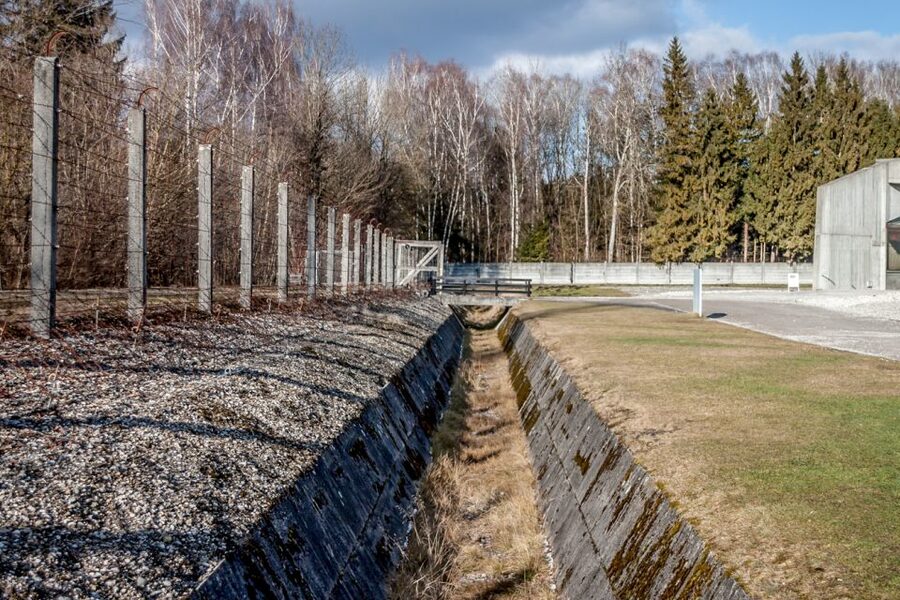
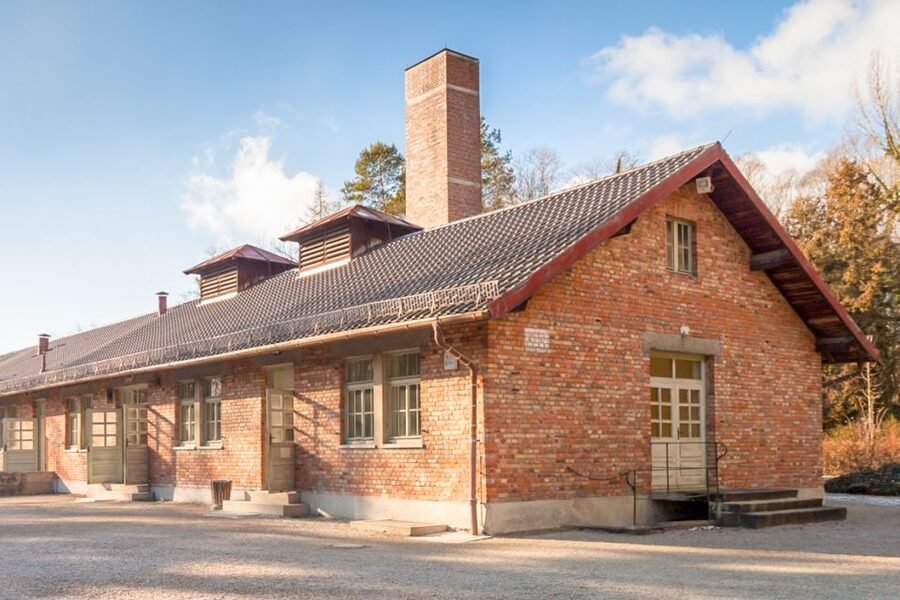
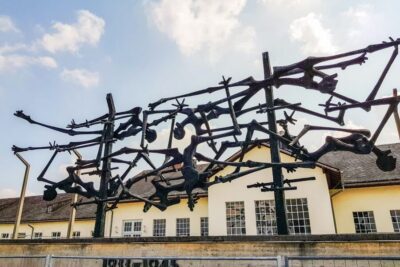
The barracks show how prisoners were housed and how the camp expanded as the number of prisoners grew. Some structures are reconstructed, while other parts of the site survive in different forms. The guide explains the changes instead of allowing you to assume that every building looks exactly as it did during the camp years.
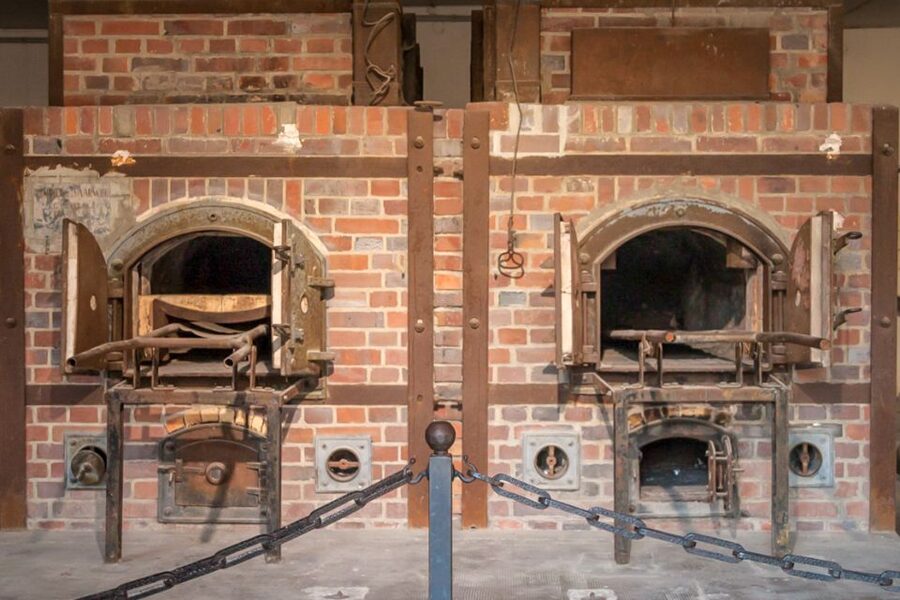
Barrack X is another major stop. The guide explains its purpose and place within the camp system. This section is among the hardest for many people, and you should be prepared for graphic themes and direct discussion of death.
The guided route also brings together details about camp life that can otherwise seem separate: registration, accommodation, work, punishment, illness, and death. That cumulative effect is one reason the visit takes nearly four hours inside the Memorial Site.
You may find the amount of information demanding. Dachau is not a place where you can absorb everything in one pass. Take notes only if that helps you, and remember that video recording is not permitted. It is better to listen carefully and give yourself space afterward than to treat the tour like a standard photo stop.
The guides: what makes the experience work
The strongest feature of this tour is the quality of the live guiding. Names frequently praised include Sam, Adam, Marcin, Keith, Hein, and Scott. Their individual styles vary, but the useful qualities are consistent: clear instructions, strong subject knowledge, a steady pace, and respect for the seriousness of the site.
Sam is praised for friendly, considerate guiding and for explaining brutal facts with care. Marcin is noted for answering questions and giving clear instructions throughout the transport and camp visit. Adam is described as passionate, well prepared, attentive to different walking speeds, and able to add survivor stories learned through personal contact with survivors.
Those details matter because Dachau can be confusing without a good route through it. The guide is not simply reading labels aloud. The guide explains the sequence of events, points out important locations, and gives you a way to connect the buildings with the people who passed through them.
You should still expect to do some reading yourself. One useful piece of advice given during the tour is to read the text rather than only look at the photographs. The guide provides the spoken framework, but the Memorial Site’s written material adds detail that cannot all fit into a six-hour schedule.
Is $51 good value?
At $51 per person, this is a fair price for a six-hour experience that includes train fare, bus fare, and a live English-speaking guide. You are paying mainly for organization and interpretation, not for an expensive attraction ticket.
The value is strongest if you would otherwise struggle with public transport or feel unsure about how to understand the site. The guide keeps the day moving, explains the major locations, handles the route, and returns you to Marienplatz.
You could visit Dachau without a tour, but the practical saving may not be worth the loss of context. At a place where the story is spread across buildings, grounds, documents, and memorials, a guide can help you use your limited time well.
The price does not include hotel pickup or drop-off, so you must reach Marienplatz on your own. It also does not turn the visit into a comfortable day trip. Expect walking, public transport, changing weather, and emotionally difficult material.
Who should book this Dachau tour?
I would choose this tour if you want a structured visit from Munich and prefer to have a guide explain the historical sequence. It suits adults and visitors aged 14 and over who are ready for graphic and upsetting subject matter.
It is also a good fit if you want to ask questions. The small group format gives you more access to the guide than a large coach tour, and guides such as Adam and Marcin are praised for taking time with individual questions.
I would think twice if you have mobility limitations, use a wheelchair, or have respiratory issues. The experience involves public transport, extended walking, and several hours on site. It is not suitable for children under 14, and proof of age may be required.
Wear comfortable shoes. Bring water, a snack for the train, and clothing suited to the weather. Do not plan on eating during the visit, smoking, using alcohol or drugs, or recording video.
My verdict: a serious and worthwhile day from Munich
Book this tour if you want to understand Dachau rather than simply see it. The four-hour visit is long, but that length gives the guide time to explain the camp’s creation, daily operation, punishment system, buildings, and development across the Nazi period.
The experience is sobering, and it should be. The excellent guides, included transport, small group size, and clear route make it a strong choice for an important visit. Just arrive prepared for a full day without a meal break and with enough emotional and physical energy to pay attention.
FAQ
How long does the Dachau tour last?
The tour lasts about six hours. This includes roughly two hours of travel time and about four hours at the Dachau Memorial Site.
Where does the tour begin?
Meet at Marienplatz 11 in Munich, in front of the Ludwig Beck department store. Look for a white and blue umbrella and signs advertising the Dachau tour.
Where does the tour end?
The activity ends back at the Marienplatz meeting point in Munich.
Is transport included?
Yes. The train and bus fees are included. The route takes about 40 minutes by train and 10 minutes by bus each way.
What language is the tour in?
The live guided tour is in English.
Can children join the tour?
Children aged 13 or under are not permitted. Children aged 14 and over may attend with their parents, who should understand that the tour includes graphic and difficult content. Proof of age may be requested.
Can I eat during the Dachau visit?
No. Eating is not permitted while taking part in tours at Dachau. Eat before arrival or bring food to eat on the train.
What should I bring?
Bring comfortable shoes, water, snacks for the train, and clothing suitable for the weather. Video recording is not permitted.
More Full-Day in Munich
- Full-Day Dachau Concentration Camp Memorial Site Tour from Munich
★ 5.0 · 897 reviews - From Munich: Neuschwanstein & Linderhof Castle Full-Day Trip
★ 4.5 · 12,494 reviews - From Munich: Neuschwanstein Castle Full-Day Trip
★ 4.7 · 3,977 reviews - From Munich: Neuschwanstein Castle Full-Day Trip by Van
★ 4.8 · 1,177 reviews
Just added in Munich
- Private transfer: Vilshofen to Munich with 2h sightseeing stop★ 5.0 · 6 reviews
- Pub crawl incl. Oktoberfest museum guided tour with beer tasting (private)★ 5.0 · 5 reviews
- South Tyrolean specialties and wine tasting★ 5.0 · 5 reviews
- Size Matters Beer Tour Munich★ 4.6 · 105 reviews
- Short & sweet: Tasting the Viktualienmarkt★ 4.8 · 37 reviews
- Secret Food Tours Munich★ 4.8 · 5 reviews
- Munich: Romantic Wine Experience for Two at Viktualienmarkt★ 4.2 · 14 reviews
- Munich: Resistance against Hitler – Historical Walking Tour★ 5.0 · 5 reviews
Concentration Camp Memorials, compared.
Sachsenhausen Concentration Camp Tour in English
Read our review →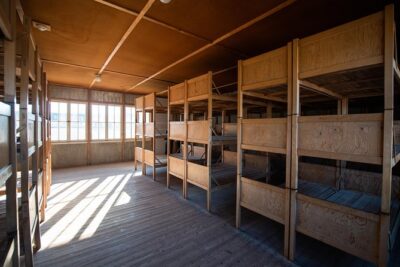
Dachau Concentration Camp Memorial Site Tour from Munich by Train
Read our review →
Sachsenhausen Concentration Camp Memorial Tour
Read our review →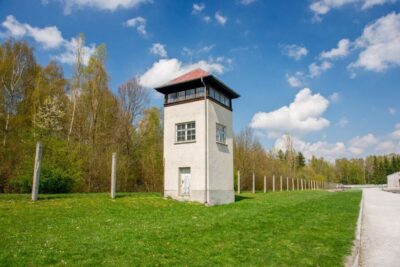
From Munich: Dachau Memorial Site Half-Day Trip
Read our review →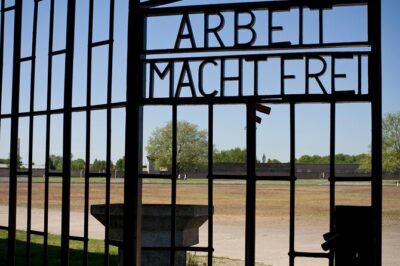
Sachsenhausen Concentration Camp Bus Tour in English from Berlin
Read our review →Sachsenhausen Concentration Camp Tour in English
Read our review →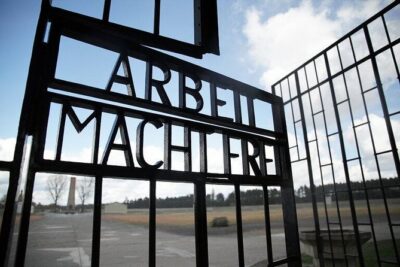
Sachsenhausen Concentration Camp Memorial Tour (Max. 15 Guests)
Read our review →Browse the lists this tour appears in