
Reviewed · CONCENTRATION CAMP MEMORIALS
Berlin: Sachsenhausen Concentration Camp Tour in English
Sachsenhausen is not a sightseeing stop. It is a place where the machinery of Nazi persecution becomes painfully real. This five-and-a-half-hour English tour takes you from central Berlin to the former camp, with a historian explaining what happened there and how it fit into the Third Reich.
I like two things here: the train journey gives useful context about Berlin and Oranienburg, and the guide brings order to a vast, emotionally difficult site. Guides such as Georgia, Daniel, Tina, Will, and Mikhail have been praised for clear explanations and careful handling of the subject. The main drawback is the long day outdoors, with roughly 10,000 steps, little shelter, and no food stop.
Key points to know before you book
- Sachsenhausen was built as a model concentration camp: It was constructed in 1936 specifically as a concentration camp, rather than adapted from older buildings.
- The tour includes the hardest sites: You visit punishment cells, Station Z, the gas chamber and crematorium area, burial pits, infirmaries, and the camp kitchen.
- The train ride is part of the lesson: Your guide travels with you from Berlin to Oranienburg and explains the town’s connection to the camp.
- Expect a serious outdoor visit: Wear sturdy shoes, carry water and food, and bring warm or wet-weather clothing.
- The guide makes a real difference: An English-speaking historian helps connect individual prisoner stories with the wider history of Nazi Germany.
- The price is only part of the cost: The tour is $36.16 per person, but you also need an ABC public transport ticket costing about €9 to €10.
Why Sachsenhausen matters
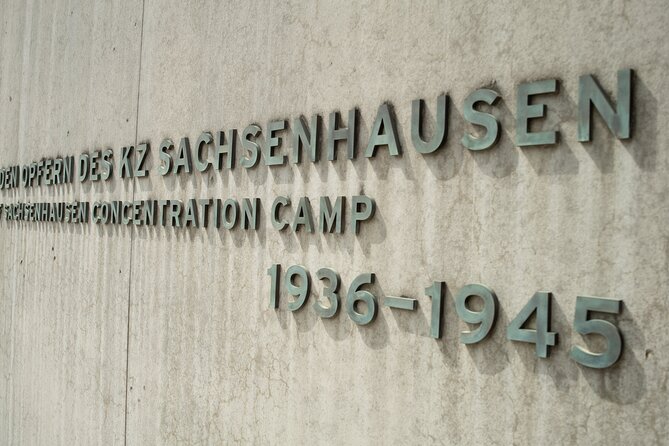
Sachsenhausen was built in 1936, north of Berlin, as a concentration camp designed by the SS. That detail matters. This was not simply an old prison put to new use. The site was planned to help the SS control prisoners, manage forced labor, and present the camp system as an efficient instrument of Nazi rule.
More than 200,000 people were imprisoned here between 1936 and 1945. At first, political opponents formed much of the prisoner population. Later, the Nazis imprisoned people they labeled racially or biologically inferior, along with large numbers of people from occupied European countries.
The camp’s history is not limited to executions. Prisoners died from hunger, disease, forced labor, beatings, neglect, and systematic killing. In April 1945, the camp was evacuated as Soviet forces approached. Thousands died on the death marches. About 3,000 sick prisoners, along with medical staff who had remained behind, were liberated by Soviet and Polish soldiers.
A guided visit helps you hold these facts together. You are not simply looking at buildings. You are learning how policy, administration, violence, forced labor, and racial ideology operated in one place.
More Concentration Camp Memorials in Berlin
- Berlin: Sachsenhausen Concentration Camp Memorial Tour
★ 4.7 · 3,716 reviews - Sachsenhausen Concentration Camp Bus Tour in English from Berlin
★ 5.0 · 1,962 reviews - Berlin: Sachsenhausen Concentration Camp Tour in English
★ 4.8 · 1,889 reviews
Meeting near Friedrichstrasse and taking the train north
The day begins at 10:00 a.m. near Friedrichstrasse in central Berlin. The supplied meeting information gives Reichstagufer 17 as the address, while the tour description refers to a meeting point at Friedrichstrasse train station. Check your booking confirmation carefully and arrive at least 15 minutes early. This is not the kind of morning when you want to be searching for the group beside a busy station.
Your guide handles the journey to Oranienburg and explains how to use the public transport system. Several guides have also helped people sort out train tickets and understand where to go at the end of the day. That practical support is useful because the camp lies outside Berlin and the visit depends on getting the correct ABC transport ticket.
The ticket is not included. Budget about €9 to €10 per person for the round trip. The tour price of $36.16 remains reasonable for a half-day guided visit, but the extra transport charge should be part of your calculation.
The train ride also gives the guide time to discuss Berlin under Nazi rule and the camp’s role in the surrounding area. You might hear about political life, racial persecution, forced labor, and the way concentration camps fit into the wider SS system. Some guides also offer suggestions for the rest of your time in Berlin, which makes the journey back more useful than a silent commute.
Oranienburg: a short look at the town
After arriving in Oranienburg, you spend about 15 minutes walking through the town. This is a brief stop, but it adds a point often missed when people explore memorial sites alone: camps did not exist in complete isolation from the places around them.
The guide discusses local involvement and shows where prisoners once worked. You will not get a long town tour, and you should not expect a full history of Oranienburg. Instead, this short walk frames the camp as part of a regional system involving transport, labor, administration, and civilian life.
That setting can be uncomfortable, which is exactly why it matters. It encourages you to think beyond the camp fence and consider how persecution was organized and sustained. The walk is also fairly easy, though it adds to the outdoor time on a day already filled with walking.
Entering the memorial grounds
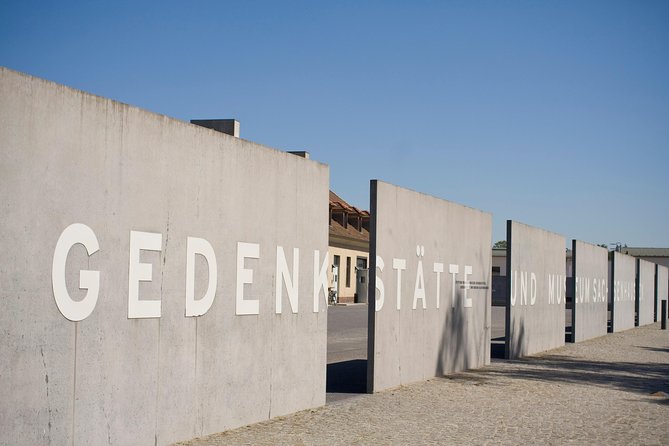
At Sachsenhausen Memorial and Museum, the main visit lasts about two and a half hours. The camp is large, open, and exposed. You move between surviving structures, reconstructed or marked areas, museum displays, and the remains of buildings that once served the camp system.
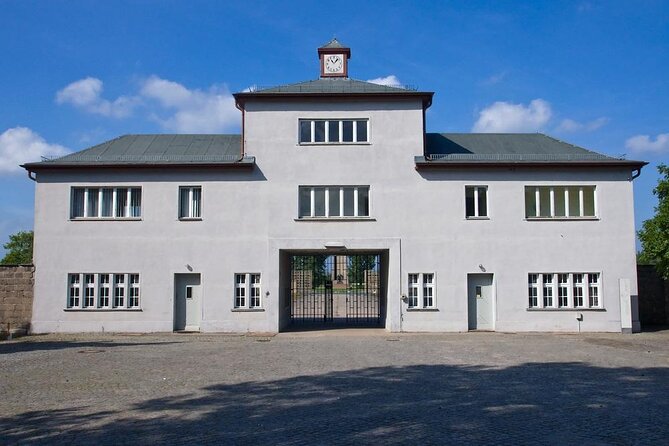
The site was arranged around a central axis with the main guard tower at the entrance. Tower A, the principal guard tower, is one of the first features that helps you understand the layout. From here, the geometric design of the camp becomes clear. That design was not decorative. It supported surveillance and control.
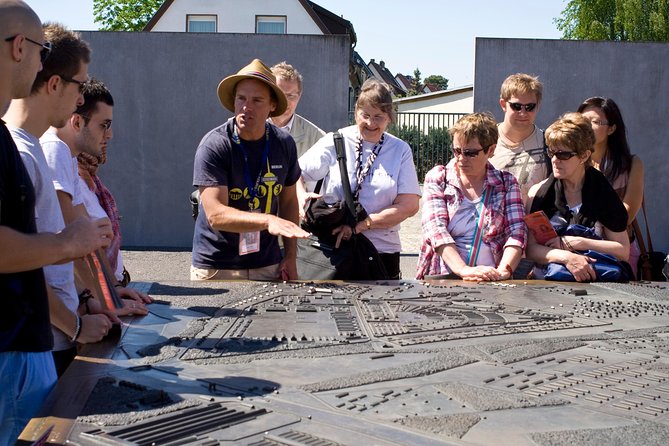
A guide gives you a route through the grounds and explains which areas are original, which have been reconstructed, and which are represented by foundations or memorial markers. That distinction matters. Concentration camp memorials can be misunderstood if every visible feature is treated as untouched. A careful guide helps you read the site honestly.
You should expect the subject matter to be upsetting. The visit includes murder, starvation, forced labor, torture, and the destruction of human dignity. A respectful guide does not turn this into theatrical storytelling. The strongest guiding reported here comes from people who combine facts with survivor testimony and individual stories, while giving you time to think and ask questions.
Same city, a completely different kind of day:
- Berlin: Reichstag, Dome and Government District Guided Tour
★ 4.7 · 18,288 reviews - Berlin: 1-Hour City Tour by Boat with Guaranteed Seating
★ 4.3 · 16,993 reviews - Berlin: Boat Tour Along the River Spree
★ 4.4 · 11,252 reviews - Discover Berlin Half-Day Walking Tour
★ 5.0 · 9,624 reviews
Barracks, punishment cells, and the camp kitchen
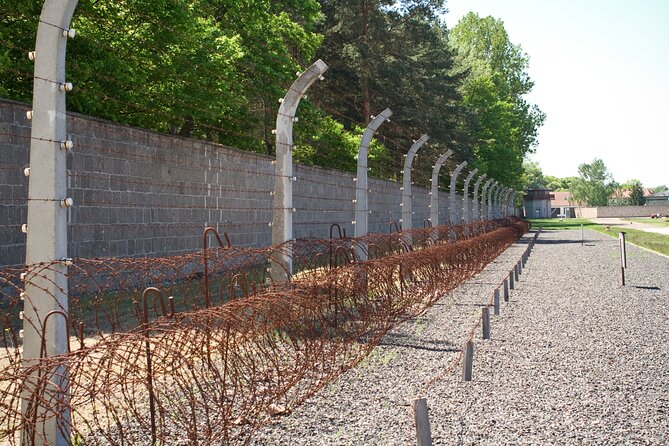
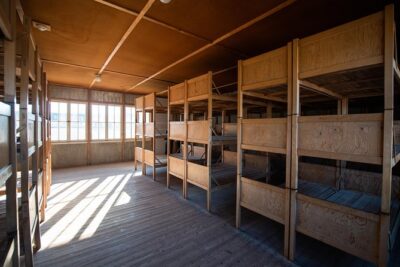
The old barracks show how prisoners were confined and managed. You will learn about daily life in a system designed to strip people of privacy, food, health, and control over their own time. The details are important because large numbers can feel abstract. A guide who brings attention back to individual people can make the history easier to understand without reducing it to spectacle.
The punishment cells are among the most difficult parts of the visit. These spaces were used for discipline and torture. Their small scale can make the system feel more immediate than a general description of camp policy.
The camp kitchen offers another useful angle. Food was a tool of control, and hunger was not an accidental side effect of the camp system. It was tied to forced labor, punishment, neglect, and the value the SS placed on different groups of prisoners. The kitchen also helps you see the camp as an organized institution, with supplies, staff, routines, and rules built around imprisonment.
This is where a well-prepared guide earns the fee. Without context, you might see rooms and walls. With an explanation of their function, you begin to understand how ordinary administrative spaces supported extraordinary cruelty.
Station Z, the crematorium, and the burial pits
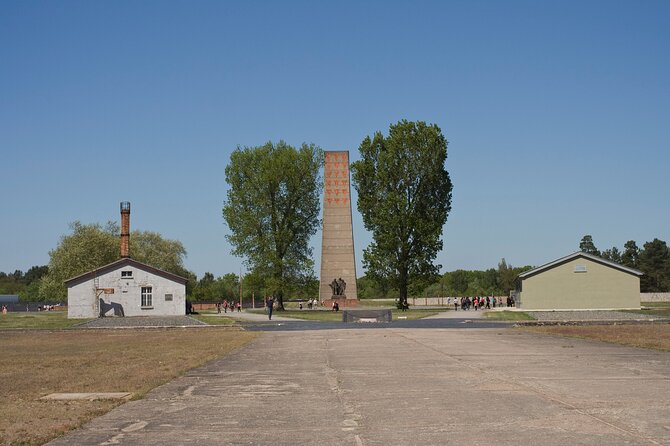
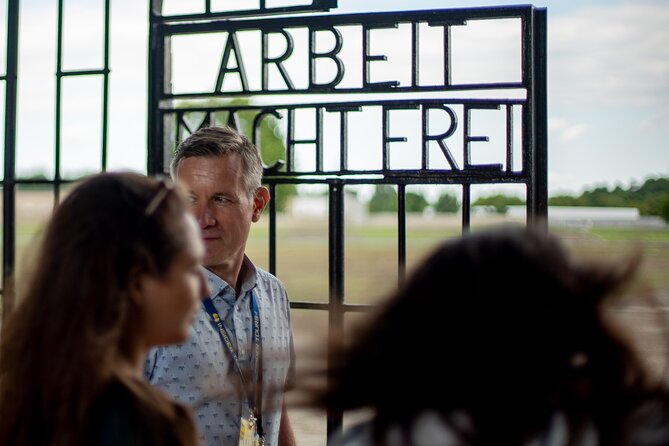
Station Z is the name given to the area where mass executions took place. The name itself reflected the SS idea that prisoners entered through the camp gate, associated with the first letter of the alphabet, and left through the final one. The phrase was a grim piece of camp language, and the location remains one of the most sobering parts of the visit.
The tour also covers the gas chamber and crematorium area, along with burial pits. These are not presented as dramatic attractions. They are evidence of organized killing and the attempt to hide or dispose of bodies.
Your guide explains what happened and places the site within the broader system of Nazi extermination. You should expect a serious tone and periods of silence. This is not a good tour for anyone hoping for a light historical outing or a quick photo stop.
The importance of visiting these areas lies in seeing how murder was made physical and bureaucratic. The camp was not only a place of imprisonment. It was also tied to forced labor, punishment, medical abuse, executions, and the destruction of evidence.
Infirmaries, pathology, and the prisoners’ final years
The infirmaries and pathology center show another side of the camp system. Medical spaces can suggest care, but here they also reveal neglect, experimentation, inspection, and the unequal value placed on prisoners’ lives. Your guide connects these buildings to disease, starvation, forced labor, and the treatment of sick prisoners.
The final period of Sachsenhausen’s operation is also covered. As the camp was evacuated in April 1945, thousands of prisoners were forced onto death marches. Those unable to leave, including sick prisoners and medical workers who stayed behind, were later freed by Soviet and Polish soldiers.
This part of the story helps prevent a narrow focus on the camp’s buildings. Liberation was not the same for everyone, and the end of Nazi rule did not erase the suffering that had already taken place. You leave with a clearer sense of both the camp’s long operation and its chaotic final weeks.
Guides who shape the experience
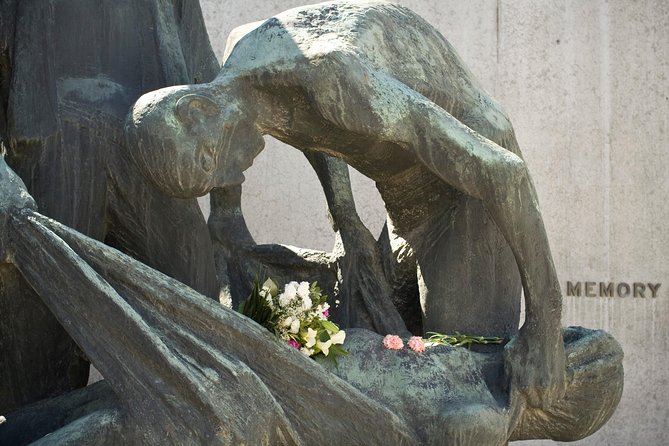
The provider uses licensed guides trained by the memorial authority, and the strongest part of the experience is the quality of the historical explanation. Georgia has been praised for repeating meeting instructions, answering questions, and adding useful Berlin context during the train ride. Daniel is noted for explaining complicated German history clearly and helping people get back to their hotels afterward.
Tina’s approach has been described as compassionate and focused on real people. Will has helped with train tickets while giving detailed explanations of the camp. Mikhail has blended facts, survivor testimony, and personal reflection. Other guides named in the feedback include Hannah, Ariel, Scott, Emma, Gregor, and Pete.
That list does not guarantee who will lead your departure. It does show the kind of guiding the company aims to provide. You want someone who can explain the political background without turning the visit into a lecture, and who can discuss atrocities without sensational language.
One practical concern is group size. The stated maximum is 29 people, though one experience involved a larger group and made hearing the guide difficult. Stay close, especially outdoors, and speak up if you cannot hear. On a site this large, losing a few sentences can make it harder to follow the route.
Walking, weather, food, and comfort
Plan for a physically active day. One account estimated about 10,000 steps, and the memorial grounds offer limited shelter. The tour is not recommended for people with limited mobility or walking impairments, and a moderate level of physical fitness is advised.
Wear good walking shoes. In cold weather, dress more warmly than you think you need. In wet weather, bring an umbrella or waterproof layer because shelter is not always available. The weather requirement also means poor conditions can lead to a rescheduled visit or a full refund.
There is no regular food stop during the tour. Bring water and something to eat, especially because the day can run roughly from 10:00 a.m. until around 4:00 p.m. Eat before meeting the group, then pack a simple snack. This is a small detail, but hunger and cold make a difficult subject harder to handle.
The site allows service animals. Public transport is nearby, but the combination of trains and extensive walking means this is not the easiest outing for every visitor.
Is $36.16 a fair price?
At $36.16 per person, the tour offers good value if you want historical guidance rather than a self-guided visit. Entry to the memorial is included, and the company donates €3 per person to the Sachsenhausen Memorial. You still pay about €9 to €10 for the ABC train ticket, plus your own food and drinks.
The real value is the guide. Sachsenhausen is large, emotionally difficult, and full of historical details that are not obvious from the buildings alone. A strong guide explains the site’s design, the prisoner groups, the role of the SS, the links to forced labor, and the meaning of places such as Station Z.
If you prefer to move at your own pace, read every display, or spend extra time in one section, an independent visit may suit you better. The guided option is better if you want a clear route, historical framing, help with transport, and the chance to ask questions.
Who should book this Sachsenhausen visit?
I would choose this tour if you have at least half a day in Berlin and want to understand Nazi Germany through a specific place. It suits adults and older teenagers who can handle disturbing material, outdoor walking, and a quiet, serious atmosphere.
It is especially useful if you do not speak German. The memorial contains important information, but an English-speaking historian can explain the wider context and help you interpret what you are seeing. The tour also suits first-time visitors who would find the transport and the size of the site hard to manage alone.
I would think twice if you have limited mobility, dislike long walks, or want a flexible schedule. The experience can be cold, tiring, and emotionally heavy. It is not a casual day trip, and it should not be treated as one.
Should you book it?
Book this tour if you want a guided, historically grounded visit to Sachsenhausen and are prepared to spend much of the day outdoors. The train journey, memorial entry, licensed English guide, and donation to the memorial make the total cost reasonable, especially for first-time visitors.
Bring food, water, warm layers, rain protection, and good shoes. Confirm the exact meeting point, arrive early, and stay close enough to hear the guide. If you make that preparation, this tour can give you a clearer understanding of how Nazi persecution operated and why Sachsenhausen remains an essential memorial site.
FAQ
How long does the Sachsenhausen tour last?
The tour lasts approximately five hours and 30 minutes, including the train journey between Berlin and Oranienburg.
Where does the tour begin?
The tour begins at 10:00 a.m. near Friedrichstrasse in Berlin. The supplied meeting information lists Reichstagufer 17, 10117 Berlin, while the tour details refer to Friedrichstrasse train station. Check your booking confirmation for the exact meeting point.
Is the tour offered in English?
Yes. The tour includes an English-speaking guide.
Is entry to Sachsenhausen Memorial included?
Yes. Entry to the memorial is included in the tour price.
Do I need to buy a train ticket?
Yes. You need an ABC public transport ticket for the round trip from Berlin to the memorial. The stated cost is approximately €9 to €10 per person.
What places are visited inside the memorial?
The tour includes the former barracks, punishment and torture cells, camp kitchen, Station Z, the gas chamber and crematorium area, burial pits, infirmaries, pathology center, and Tower A.
Is food provided?
No. Food and drinks are not included, and there is no regular food stop during the tour. Bring your own food and water.
Is the tour suitable for people with limited mobility?
No. The experience is not recommended for people with limited mobility or walking impairments. A moderate level of physical fitness is advised.
Can I cancel for a full refund?
Yes, if you cancel at least 24 hours before the start time. Cancellations or changes made less than 24 hours before the start time are not refunded. If poor weather causes the tour to be canceled, you will be offered another date or a full refund.
Just added in Berlin
- Berlin & The Third Reich Private Guided Tour★ 5.0 · 3 reviews
- Third Reich Quest Experience in Berlin★ 4.5 · 7 reviews
- Private Analogue Photography Experience in Berlin★ 5.0 · 3 reviews
- Berlin Urbex Adventure and History Tour★ 5.0 · 9 reviews
- The Beauty of Berlin by Bike: Private Tour★ 5.0 · 59 reviews
- Berlin: Guided Bike tour of the Berlin Wall and Third Reich★ 5.0 · 160 reviews
- Beyond Currywurst: Berlin’s Hidden Street Food & Culture Tour★ 5.0 · 100 reviews
- Berlin Third Reich & Cold War Walking Tour With A Guide★ 5.0 · 7 reviews
Concentration Camp Memorials, compared.
Dachau Concentration Camp Memorial Site Tour from Munich by Train
Read our review →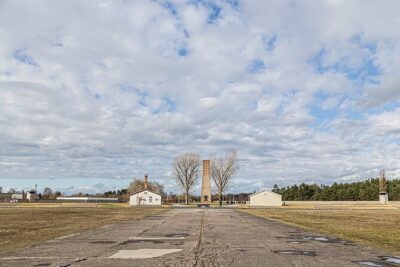
Sachsenhausen Concentration Camp Memorial Tour
Read our review →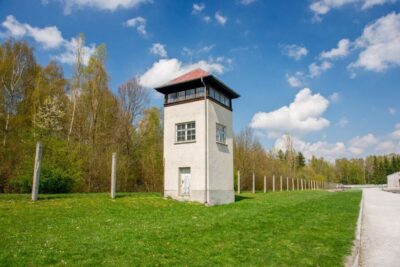
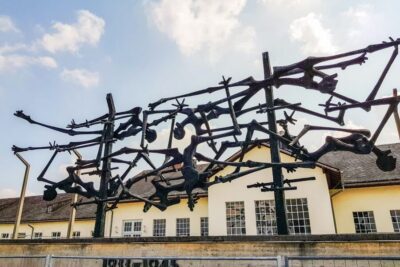
From Munich: Dachau Memorial Site Half-Day Trip
Read our review →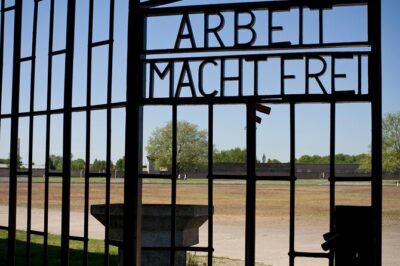
Sachsenhausen Concentration Camp Bus Tour in English from Berlin
Read our review →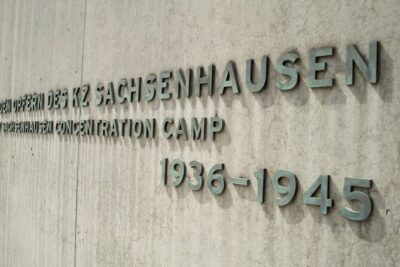
Sachsenhausen Concentration Camp Tour in English
Read our review →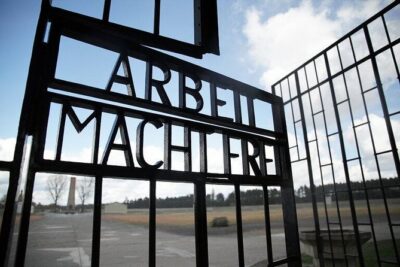
Sachsenhausen Concentration Camp Memorial Tour (Max. 15 Guests)
Read our review →
From Munich: Dachau Memorial Site Full-Day Tour
Read our review →Browse the lists this tour appears in