
Reviewed · CASTLE TOURS
Berlin: Guided Palace Tour by the Insider
Berlin Palace is not simply an old royal building brought back to life. It is a building argued over, torn down, rebuilt, and loaded with political meaning. This tour follows that story with a guide who worked on the reconstruction project and can explain the decisions behind the finished Humboldt Forum.
I like the firsthand project insight and the way architecture is linked to German politics. I also like the small groups, limited to 10 people, which gives you room to ask about design choices, the former GDR building, and the goals of the modern cultural center. The main consideration is timing: the booking information says 90 minutes, while other details describe about two hours, so confirm the exact length when you reserve.
Key points
- A reconstruction insider leads the walk, having worked for the public developer and owner from 2013 to 2020.
- The story covers three buildings in one place: the original royal palace, the GDR Palace of the Republic, and the rebuilt Humboldt Forum.
- Architecture and politics are explained together, with attention to why the palace was demolished and why its façades returned.
- Small groups of up to 10 people make this a more personal experience than a standard city walk.
- The tour stays mainly outside and around the site, while exhibitions inside the Humboldt Forum are not included.
- English, German, and French are available, and the meeting point is at Museumsinsel U-Bahn station.
Why Berlin Palace is such a debated place
You can look at Berlin Palace as a handsome reconstruction, but that only tells half the story. The building carries memories of the Prussian monarchy, wartime destruction, socialist planning, German reunification, and a long argument about what the center of Berlin should represent.
The original palace was badly damaged by bombing during the Second World War, but it was not completely destroyed. In 1951, the East German authorities demolished the remaining structure. The aim was to create a broad demonstration area, a very different use for this central site.
In 1975, the Palace of the Republic opened on the same ground. It served as a major public building in the German Democratic Republic, but the building later closed because of asbestos contamination. The final East German parliament, the Volkskammer, closed it in 1990.
That sequence matters because the rebuilt palace is not just a reconstruction of a lost building. It replaces a former GDR landmark and brings back the exterior form of a royal palace. Your guide can help you see why this choice remains politically sensitive, even when the façades look calm and classical.
More Castle Tours in Berlin
- Berlin: Charlottenburg Palace Entry Ticket
★ 4.4 · 2,076 reviews - Berlin: Palace of Köpenick Entrance Ticket
★ 4.3 · 21 reviews - Berlin: Rheinsberg Palace Entrance Ticket
★ 4.8 · 14 reviews
Meeting at Museumsinsel and getting oriented
The tour begins at Berlin Schlossplatz, close to the Museumsinsel U-Bahn station. Use the station exit listed in your booking details, then look for the guide carrying the Palace Berlin Book. That identifying detail is useful in a busy central area.
The walk is based around the palace site and the Humboldt Forum. You should wear comfortable shoes and clothing, since the experience involves walking outdoors around a large complex. The route is wheelchair accessible, though the experience still takes place across a public historic site rather than in a quiet room with seats.
The small group size is a real advantage here. With no more than 10 participants, you can ask about details that catch your eye instead of simply listening to a fixed speech. One strong feature of this format is the chance to ask why a particular design choice was made, rather than only hearing dates and names.
The original palace, damaged but not erased
The first major part of the explanation deals with the original Berlin Palace. Your guide describes its role before the war, the damage caused by bombing, and the fact that the structure was not entirely gone when the demolition took place.
That distinction is central to the site’s story. If the palace had vanished completely during wartime, the later decision to remove it would carry a different meaning. Instead, the postwar demolition became an active political act. The East German government cleared the remains to create a large public space suited to state demonstrations.
I like this part because it moves beyond the simple idea of an old palace destroyed by war. You learn that the site passed through several deliberate choices. First came wartime damage. Then came demolition under the GDR. Later came the decision to rebuild a historic exterior in reunified Germany.
The guide’s background in architecture and political studies should make this section especially useful if you want to understand how buildings reflect government aims. You are not only looking at walls. You are looking at a changing idea of German identity.
The Palace of the Republic and its asbestos problem
The tour then turns to the Palace of the Republic, the GDR building completed in 1975. Its place in the story is important because it was once a major symbol of East German public life, occupying the site where the royal palace had stood.
The building was closed because of asbestos contamination. The last GDR Volkskammer closed it in 1990, at the moment when the political system itself was disappearing. This gives the site a striking historical overlap: one building was being removed while a country was being absorbed into a new Germany.
Do not expect this to be a tour of the Palace of the Republic as a surviving interior. The experience focuses on the palace site and the buildings that shaped its present form. Your guide explains what the former building meant and why its removal became part of the argument over reconstruction.
This is also where the tour may suit you best if you have already seen Berlin’s major landmarks and want the political backstory. The subject is not presented as a simple victory for one period of German history. The palace, the GDR building, and the modern cultural center all represent competing ideas about the capital.
Same city, a completely different kind of day:
- Berlin: Reichstag, Dome and Government District Guided Tour
★ 4.7 · 18,288 reviews - Berlin: 1-Hour City Tour by Boat with Guaranteed Seating
★ 4.3 · 16,993 reviews - Berlin: Boat Tour Along the River Spree
★ 4.4 · 11,252 reviews - Discover Berlin Half-Day Walking Tour
★ 5.0 · 9,624 reviews
Reading the rebuilt baroque façades
The rebuilt exterior is the visual centerpiece. From 2013 to 2020, the project recreated baroque façades as part of the Humboldt Forum, a cultural center inside the reconstructed palace shell.
A guide who worked for the public developer, client, and owner during those years can explain the project from its planning and communication side. The focus is not only on what the building looks like now, but also on the intentions behind the reconstruction and the changes made along the way.
You will hear about the goals of the people commissioning the building, the reasoning behind the design, and later alterations to the original plan. That is particularly helpful because a rebuilt façade can look straightforward from the outside. The real story is in the decisions about what to reproduce, what to change, and how the building should function today.
The contrast is clear: the outside recalls the baroque palace, while the interior serves a modern cultural purpose. The tour helps you connect those two roles instead of treating the façade as a decorative shell.
Because the guide worked on the project, the explanation can include behind-the-scenes stories that are not yet part of the usual tourist account. The exact anecdotes will depend on the questions asked and the guide leading your tour, but the experience is designed around those less-public details.
What the Humboldt Forum adds to the visit
The Humboldt Forum is the present-day cultural center inside the rebuilt palace. The guided walk includes a full presentation of the reconstructed façades and the building’s purpose, but entrance to the exhibitions is not included.
That distinction is important when planning your day. You can take this tour to understand the building, then visit the exhibitions separately if you want to see more inside. The excluded collections include the Ethnological Museum, the Asian Art Museum, and the Berlin Museum.
I would not book this experience expecting a standard museum tour. The focus is the building’s history, architecture, political meaning, and reconstruction. If your main goal is to spend time with museum objects, allow separate time and budget for the exhibitions.
On the other hand, the separation may work well. You get a focused explanation of the structure first, then you can explore the cultural center on your own terms. The tour gives you the context needed to understand why a modern museum was placed inside a reconstructed palace.
A guide-led conversation, not just a fixed speech
The strongest part of this experience is the guide’s direct connection to the project. The guide presents the tour as an insider account, and the available feedback points repeatedly to the same qualities: clear explanations, strong subject knowledge, and an easy manner.
You should expect a serious subject presented in a relaxed way. Questions are welcome, and the format allows the guide to explain topics in plain language rather than burying you in specialist terms. That matters at a site where architecture, politics, and memory can become complicated quickly.
A German group praised the ability to ask individual questions about the building, the client’s aims, and the reasons for the design and later changes. The answers were described as competent and lightly humorous. That balance is useful here. A stiff lecture could make the subject feel remote, while a purely casual walk would miss the difficult issues.
The tour is offered in German, English, and French. The supplied information does not identify the guide by name, so check the booking details for the individual guide assigned to your date. The key point is the guide’s professional role in the project, not a famous public personality.
How much time to allow at $53
The listed price is $53 per person. For a small-group experience led by someone involved with the project, that can be fair value if you care about the building’s backstory and want access to a more personal explanation.
The timing needs a little care. The main activity details describe a 90-minute tour, and the summary also gives a duration of 90 minutes. Another part of the description refers to about two hours, including the Humboldt Forum portion. Treat 90 minutes as the safer planning estimate, then confirm the exact start and finish time before booking.
At this price, you are paying for interpretation rather than admission to museum collections. That is good value if you would otherwise walk past the palace and see only the finished façades. It is less appealing if you want a long indoor museum visit, since the exhibitions are not included.
The group limit of 10 improves the value. You are less likely to be lost in a large crowd, and the guide can respond to individual questions. For couples, families with an interest in architecture, or visitors who want a focused look at Berlin’s postwar decisions, this is a stronger purchase than a general sightseeing loop.
What is included, and what is not
The guided experience includes the walk around the palace site, an explanation of the original building, the former Palace of the Republic, and the reconstructed Humboldt Forum. It also includes the guide’s project perspective and the chance to ask questions during the visit.
The following are not included:
- Admission to exhibitions inside the Humboldt Forum
- Entry to the Ethnological Museum
- Entry to the Asian Art Museum
- Entry to the Berlin Museum
That list helps you plan honestly. You are booking a guided architectural and historical experience, not a full museum ticket. If you want both, schedule the tour as one part of a longer Museumsinsel visit.
Comfortable shoes are the only specific equipment advice, and that is sensible. Alcohol, drugs, fireworks, explosive substances, littering, nudity, and bare feet are not allowed. Bachelor and bachelorette party groups are also excluded, so this is meant for a respectful cultural visit rather than a party outing.
The activity is listed as wheelchair accessible. It is not suitable for people over 95, according to the supplied booking information.
Who will get the most from this tour
I would recommend this tour to you if you enjoy buildings with a political story. It is particularly useful if you want to understand why the palace was demolished, why the GDR building disappeared, and why a baroque exterior returned after reunification.
Architecture students, history readers, and visitors interested in German reunification should find plenty to discuss. You do not need specialist training, though. The explanations are intended to be clear and understandable, and the small group leaves room for basic questions as well as detailed ones.
It also suits repeat visitors to Berlin. If you have already seen the main museums, this gives you a different way to read the center of the city. You may find that the building changes meaning once you know which parts relate to the monarchy, the GDR, the war, and the new federal capital.
I would be more cautious if you want a relaxed indoor activity in bad weather. The experience is a walk around the site, so comfortable clothing matters. One German group still enjoyed the tour on a day when staying home might have seemed more tempting, but conditions can affect your comfort.
My verdict on the Berlin Palace insider tour
Book it if the rebuilt palace raises questions for you. Why recreate a royal façade? What happened to the GDR building? Who wanted the new Humboldt Forum, and why did the design change? This tour is built to answer exactly those questions.
At $53, the experience makes the most sense when you value the guide’s direct project experience and the chance to ask questions in a group of no more than 10. It is not the right choice if you mainly want museum admission or a general introduction to Berlin.
Allow at least 90 minutes, wear sensible shoes, and confirm the exact duration because the activity information gives both 90 minutes and about two hours. For visitors who want to understand the arguments behind one of Berlin’s most discussed modern building projects, this is a focused and worthwhile choice.
FAQ
Where does the Berlin Palace tour begin?
The meeting point is Berlin Schlossplatz, at the Museumsinsel U-Bahn station exit. Look for the guide carrying the Palace Berlin Book.
How long does the tour last?
The main booking information gives a duration of 90 minutes. Another description refers to about two hours, so confirm the exact timing when you reserve.
What languages are available?
The live tour guide is available in German, English, and French.
Are the Humboldt Forum exhibitions included?
No. Exhibitions inside the Humboldt Forum are not included, including the Ethnological Museum, the Asian Art Museum, and the Berlin Museum.
How large is the group?
The experience is limited to 10 participants.
Can I cancel the booking?
You can cancel up to 24 hours in advance for a full refund. A reserve now and pay later option is also available.
Just added in Berlin
- Berlin & The Third Reich Private Guided Tour★ 5.0 · 3 reviews
- Third Reich Quest Experience in Berlin★ 4.5 · 7 reviews
- Private Analogue Photography Experience in Berlin★ 5.0 · 3 reviews
- Berlin Urbex Adventure and History Tour★ 5.0 · 9 reviews
- The Beauty of Berlin by Bike: Private Tour★ 5.0 · 59 reviews
- Berlin: Guided Bike tour of the Berlin Wall and Third Reich★ 5.0 · 160 reviews
- Beyond Currywurst: Berlin’s Hidden Street Food & Culture Tour★ 5.0 · 100 reviews
- Berlin Third Reich & Cold War Walking Tour With A Guide★ 5.0 · 7 reviews
Castle Tours, compared.
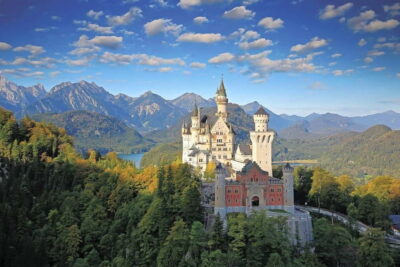
From Munich: Neuschwanstein & Linderhof Castle Full-Day Trip
Read our review →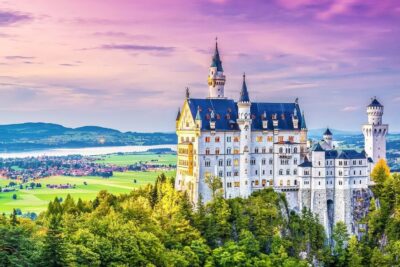
From Munich: Neuschwanstein Castle Full-Day Trip
Read our review →
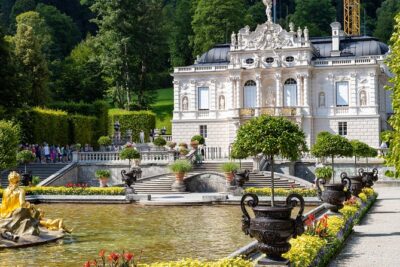
Premium Neuschwanstein Castle and Linderhof VIP Tour from Munich
Read our review →
Browse the lists this tour appears in