
Reviewed · CONCENTRATION CAMP MEMORIALS
Sachsenhausen Concentration Camp Bus Tour in English from Berlin
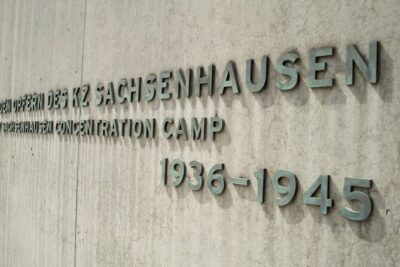
Sachsenhausen is not a casual sightseeing stop. It is a place built for terror, where about 35,000 people died between 1936 and 1945, and where the Soviet authorities later ran a special camp that claimed another 12,500 lives. This four-hour tour gives you a direct way to face that history without sorting out regional trains or finding your way around the memorial alone.
I like two things here: the licensed guide-led context begins before you reach the camp, and the air-conditioned coach returns you to central Berlin. Guides such as Hannah, Rebecca, Ariel, Jamie S., Joseph, and Irish Paul are praised for clear, sensitive presentations. The main drawback is time: this is an express visit, so you may not have enough time to read every personal account in the museum.
Key points to know before you book
- The tour begins at 10:00 a.m. near Friedrichstraße Station: Arrive 15 minutes early at Reichstagufer 17.
- The coach saves you a transport headache: Return travel to central Berlin is included, with no hotel pickup or drop-off.
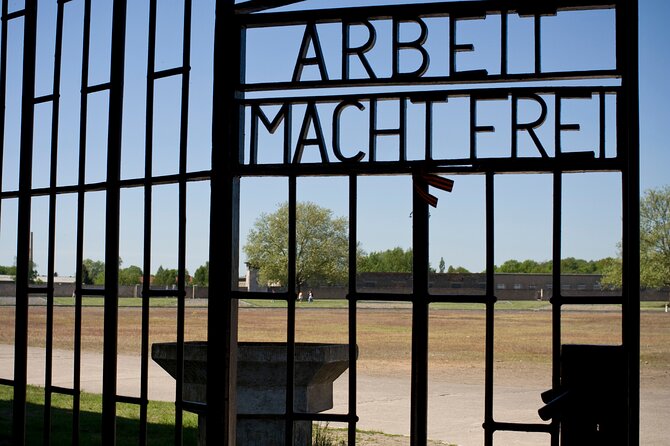
- You visit major parts of the memorial: These include Tower A, the gate marked Arbeit Macht Frei, the commandant’s house, infirmary barracks, and the Soviet special camp displays.
- Expect a serious, emotionally difficult morning: The subject is handled with care, but the site itself can be upsetting.
- The group can reach 28 people: That is manageable, though it is not a private tour.
- Bring water and a snack: Food and drinks are not included, and four hours with substantial walking can feel long.
Why Sachsenhausen matters in Berlin
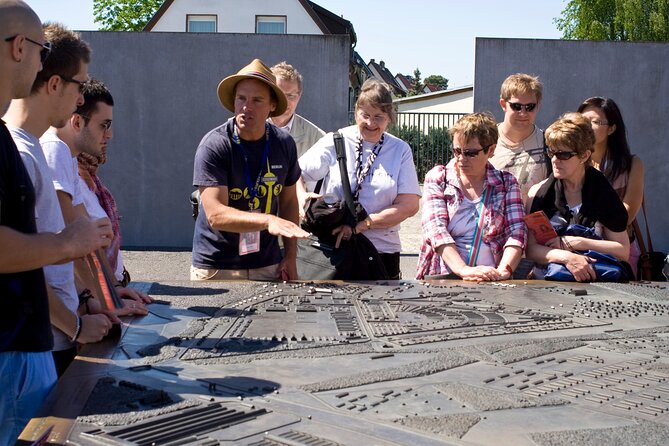
Berlin offers plenty of museums and monuments that explain the Nazi period. Sachsenhausen gives that history a physical setting. You are not simply looking at photographs in a city gallery. You are walking through the remains of a concentration camp designed to serve as a model for the wider camp system.
The camp operated from 1936 to 1945. Heinrich Himmler’s SS administration planned it as a modern, expandable facility, built around control, surveillance, and forced labor. That design is part of what makes the visit so disturbing. The layout was not accidental. It was meant to make power visible at every turn.
The guide sets the political and social context on the way from Berlin to Oranienburg. You hear about where prisoners worked in town and how much local people knew about the camp system. That early explanation matters because it helps you understand Sachsenhausen as part of everyday life in the region, not as an isolated site that appeared outside society.
Your guide may be Hannah, Rebecca, Ariel, Joseph, Maria, Paul, Mikhail, Jamie S., or another member of the operator’s guiding team. The strongest descriptions of the guides focus on their calm delivery, clear answers, and care with difficult material. That tone is important here. A dramatic or theatrical presentation would be out of place.
More Concentration Camp Memorials in Berlin
- Berlin: Sachsenhausen Concentration Camp Tour in English
★ 5.0 · 5,711 reviews - Berlin: Sachsenhausen Concentration Camp Memorial Tour
★ 4.7 · 3,716 reviews - Berlin: Sachsenhausen Concentration Camp Tour in English
★ 4.8 · 1,889 reviews
The coach ride from Friedrichstraße
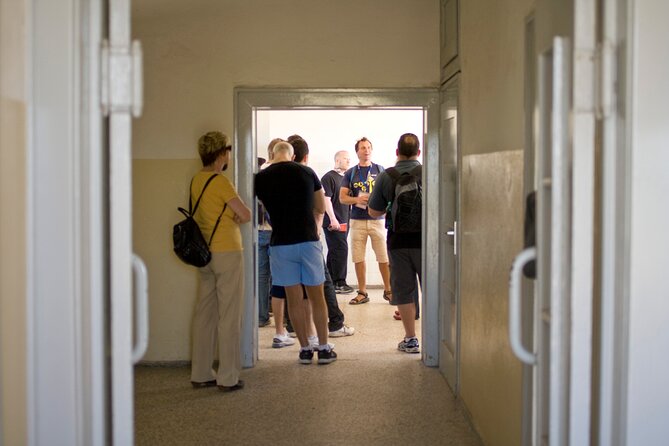
The meeting point is at Reichstagufer 17, near Friedrichstraße Station. The start time is 10:00 a.m., and you should arrive at least 15 minutes early. The group boards a hired, air-conditioned coach for the trip to Oranienburg.
The ride gives the guide time to prepare you for the visit. You may hear about the rise of the Nazis, wartime Berlin, forced labor, and the relationship between the camp and the surrounding town. Several guides also answer questions about Berlin more broadly on the return ride, so this is a useful moment to ask about places to eat or other sights.
The coach is a real benefit. You avoid arranging the trip to Oranienburg yourself, and you return to central Berlin at the end. Public transport is available in the area, but the included bus keeps the morning simple and helps the group stay together.
This is still a group tour, with a maximum of 28 people. That is small enough for a guide to speak to the group directly, but large enough that you should not expect a private conversation at every stop. If you have a question, ask it when the guide pauses rather than waiting until the end.
Entering through Tower A
The visit moves through the interior of Sachsenhausen, including Tower A and the main gate. The words Arbeit Macht Frei remain visible above the entrance, a phrase now recognized as one of the most chilling symbols of Nazi concentration camps.
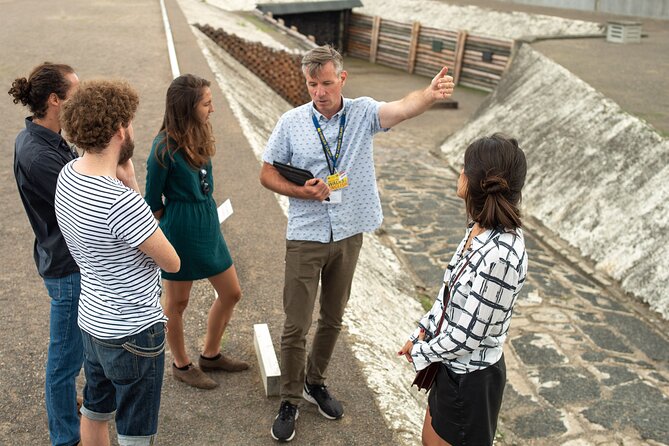
Your guide explains how the entrance functioned and how the camp was organized beyond it. The point is not simply to photograph the gate. The value comes from understanding the system that the gate represented: forced labor, punishment, surveillance, and the stripping away of personal freedom.
The site can feel stark, especially in cold or snowy weather. One guide, Ariel, was praised for keeping a good pace in winter conditions, which is practical advice for your own visit. Wear shoes suitable for walking on uneven outdoor paths and bring a warm layer in colder months. The memorial is not a compact indoor museum.
The barracks, infirmary, and commandant’s house
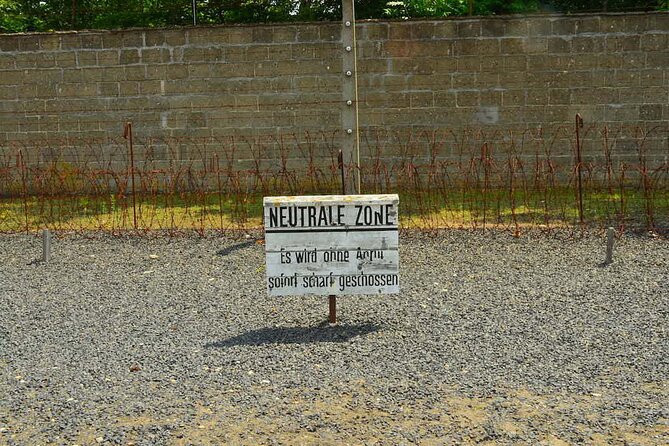
The tour continues through surviving structures and reconstructed or interpreted areas of the memorial. You visit the commandant’s house and the infirmary barracks, where medical experimentation took place during the war.
These stops give the history a human scale. General figures can become hard to grasp, but a barracks, a medical room, or a house linked to camp administration can make the system easier to understand. The contrast between the commandant’s residence and the prisoners’ conditions is especially important to the guide’s explanation.
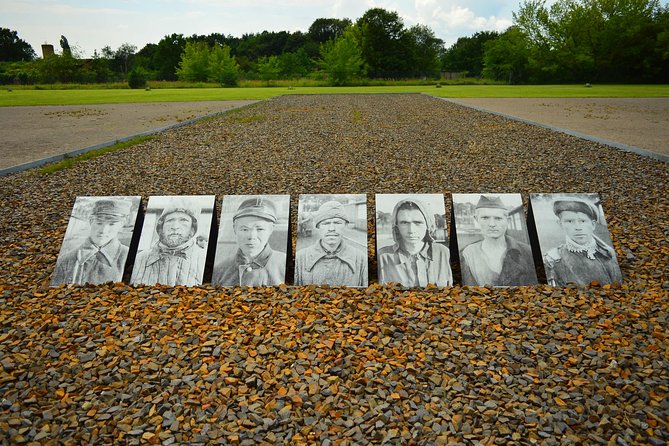
You will also encounter information about individual prisoners and the specific treatment they received. This is where the time limit becomes noticeable. The tour covers the major points, but you may not have enough time to read every testimony or study each display at length.
If personal stories are your main reason for coming, consider treating this tour as an introduction rather than a complete museum visit. The guide gives the broad structure and explains what you are seeing. An independent return visit would allow more time with the names, photographs, and individual accounts.
Same city, a completely different kind of day:
- Berlin: Reichstag, Dome and Government District Guided Tour
★ 4.7 · 18,288 reviews - Berlin: 1-Hour City Tour by Boat with Guaranteed Seating
★ 4.3 · 16,993 reviews - Berlin: Boat Tour Along the River Spree
★ 4.4 · 11,252 reviews - Discover Berlin Half-Day Walking Tour
★ 5.0 · 9,624 reviews
The Soviet special camp, 1945 to 1950
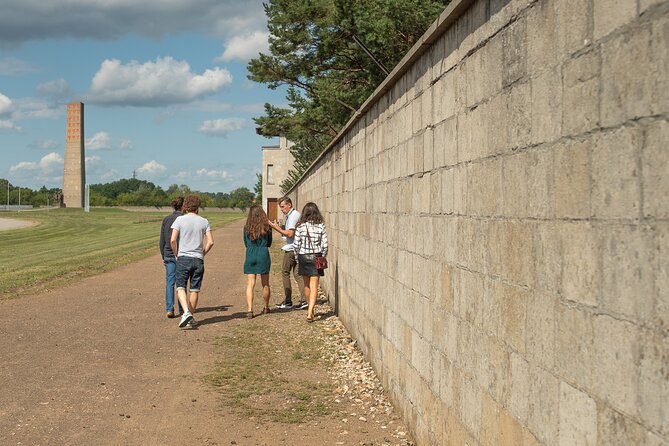
Sachsenhausen’s story did not end with the fall of Nazi Germany. After the war, the Soviet authorities reused the site as a special camp from 1945 to 1950. About 12,500 people died there during that period.
The tour explains this second chapter, which is often less familiar to people visiting Berlin. It is one of the strongest reasons to choose a guided visit. You receive a fuller account of the site instead of stopping with the Nazi period alone.
The guide also describes what life was like for inmates during those postwar years. The subject is complicated and painful, and a careful explanation helps you avoid viewing the memorial as a single, simple story. Sachsenhausen reflects more than one period of political repression, even though its Nazi-era history remains central.
How the guides shape the experience
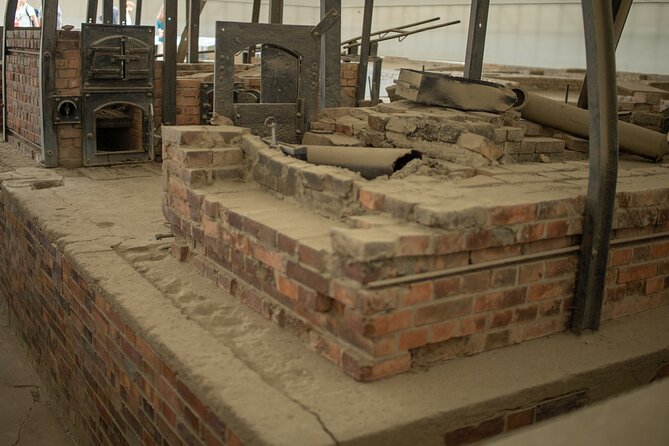
The guide can make or break a visit to a place this serious. Here, the most praised guides are described as informed, respectful, friendly, and able to answer questions without losing sight of the subject’s weight.
Hannah is noted for easing the concerns of someone who was unsure about visiting such a sad site. Her personal family connection to the escape from Nazi Germany also added meaning for some visitors, though you should not expect every guide to share the same personal story.
Rebecca is praised for combining clarity with sensitivity. She also makes time on the return ride to speak with people individually and offer Berlin recommendations. Ariel is described as engaging and good at keeping the pace moving. Irish Paul is praised for explaining the war and the camp with care, while Maria is singled out for giving a strong account of the events leading up to the camp’s operation.
Guide assignments can change, so book this tour for the overall format rather than a guarantee of one named guide. The consistent feature is the use of a licensed guide trained by the memorial authority.
The express pace and its limits
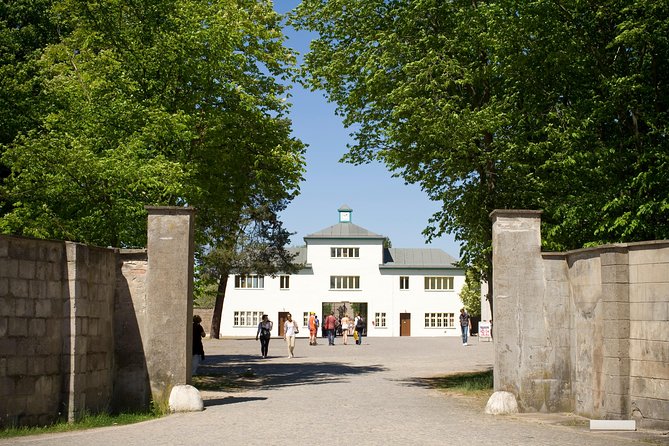
Four hours sounds generous until you include the coach ride, the outdoor walking, and the number of subjects covered. The tour has to explain the camp’s creation, prisoner life, forced labor, wartime crimes, the postwar Soviet camp, and the memorial itself.
That makes the visit efficient, but not exhaustive. You will see the principal areas and receive a structured explanation. You may not have enough time to stop at every display or read all of the individual stories scattered through the memorial.
I see this as the central choice. If you want a clear introduction with transport and a guide, the format works well. If you want to spend hours with documents, names, and personal testimonies, go independently or plan a separate visit with more time.
The walking is described as moderate, but the activity is not suitable for someone with limited mobility or a walking impairment. The exact pace can vary with weather, group size, and the guide, but you should expect to be outdoors and on your feet for a substantial part of the visit.
Is the $68.77 price good value?
At about $68.77 per person, this is not the cheapest way to reach Oranienburg. You are paying for more than entry. The price includes return coach transport from central Berlin, a driver, the memorial admission, a licensed guide, and a €3 donation to Sachsenhausen.
The value comes from the explanation. A self-guided visit can offer more time, but you must arrange transport, understand the layout, and build the historical context yourself. This tour handles those parts in one morning.
For a first visit to Sachsenhausen, I consider the price reasonable if you value convenience and a guide who can connect the site to Nazi Germany and postwar Berlin. It is less appealing if you already know the history well or prefer to read at your own pace.
Food and drinks are not included. Bring a bottle of water and a snack, especially because the tour occupies most of the morning and includes outdoor walking.
Who should book this tour?
This tour suits you if you are in Berlin for a short stay and want to visit Sachsenhausen without giving up an entire day. It also works well for families with older children, couples, and small groups who want a shared introduction to the site.
It is a good fit if you prefer explanations as you walk. The guide can point out details you might otherwise miss and answer questions while the setting is in front of you.
You should think twice if you are seeking a quiet, private visit or want to study every exhibit in detail. The subject is emotionally heavy, and the schedule is fairly tight. Some people find the visit moving and clarifying; others may need more personal space and time to process it.
There is no need to force yourself to visit a concentration camp simply because it appears on a Berlin checklist. But if you decide to go, a respectful, well-structured tour can help you understand the site without turning it into a rushed photo stop.
Booking and cancellation details
The start point is Reichstagufer 17, near Friedrichstraße Station. The tour returns to the same central meeting point, and hotel pickup and drop-off are not included.
Confirmation is normally sent at booking. If you book within one day of departure, confirmation is subject to availability. Free cancellation is available up to 24 hours before the start time. Cancellations or changes made less than 24 hours before departure are not refunded or accepted.
Arrive 15 minutes early. Missing the coach can ruin the entire morning, and the operator does not provide personal phone numbers for individual guides. Use the central contact details supplied with your booking if a problem comes up.
Should you book the Sachsenhausen bus tour?
Book it if you want a guided first visit with return transport, clear historical background, and a respectful presentation. The strongest part is the combination of practical ease and serious interpretation. Guides such as Rebecca, Hannah, Ariel, Maria, and Irish Paul have helped make difficult material understandable without making it feel like entertainment.
Skip it if you want several hours for every exhibit and personal testimony. The express pace is the main weakness, and an independent visit may suit you better.
For most first-time visitors with limited time in Berlin, I would choose this tour. Go prepared for a somber morning, wear comfortable shoes, bring water, and leave room afterward to think about what you have seen.
FAQ
Where does the Sachsenhausen tour begin?
The tour begins at Reichstagufer 17, 10117 Berlin, near Friedrichstraße Station.
What time does the tour start?
The scheduled start time is 10:00 a.m. You should arrive 15 minutes before departure.
How long does the experience last?
The tour lasts approximately four hours, including the coach journey to and from Sachsenhausen.
Is transportation to Sachsenhausen included?
Yes. An air-conditioned coach takes you from central Berlin to Oranienburg and returns you to the meeting point in Berlin.
Is hotel pickup included?
No. Hotel pickup and drop-off are not included. You must reach the meeting point at Friedrichstraße.
Is admission to the memorial included?
Yes. Entry to the Sachsenhausen Memorial is included, along with a €3 donation per person to the memorial.
How large is the group?
The maximum group size is 28 people.
What parts of Sachsenhausen will I see?
The tour includes Tower A and the Arbeit Macht Frei gate, the commandant’s house, infirmary barracks, the camp interior, and information about the Soviet special camp.
Is the tour suitable for people with limited mobility?
No. The tour is not recommended for people with limited mobility or walking impairments. A moderate level of physical fitness is advised.
Can I cancel for a full refund?
Yes. You can cancel for a full refund up to 24 hours before the experience starts. Cancellations made less than 24 hours before departure are not refunded.
Just added in Berlin
- Berlin & The Third Reich Private Guided Tour★ 5.0 · 3 reviews
- Third Reich Quest Experience in Berlin★ 4.5 · 7 reviews
- Private Analogue Photography Experience in Berlin★ 5.0 · 3 reviews
- The Beauty of Berlin by Bike: Private Tour★ 5.0 · 59 reviews
- Berlin: Guided Bike tour of the Berlin Wall and Third Reich★ 5.0 · 160 reviews
- Berlin Urbex Adventure and History Tour★ 5.0 · 9 reviews
- Beyond Currywurst: Berlin’s Hidden Street Food & Culture Tour★ 5.0 · 100 reviews
- Berlin Third Reich & Cold War Walking Tour With A Guide★ 5.0 · 7 reviews
Concentration Camp Memorials, compared.
Sachsenhausen Concentration Camp Tour in English
Read our review →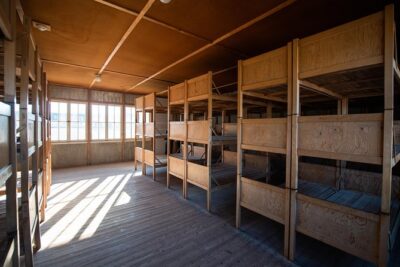
Dachau Concentration Camp Memorial Site Tour from Munich by Train
Read our review →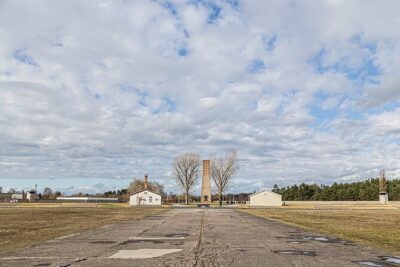
Sachsenhausen Concentration Camp Memorial Tour
Read our review →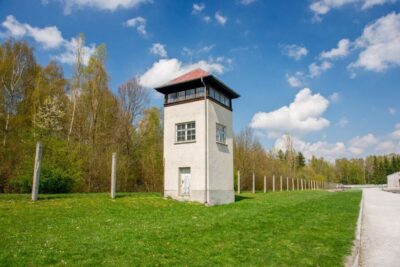
From Munich: Dachau Memorial Site Half-Day Trip
Read our review →Sachsenhausen Concentration Camp Tour in English
Read our review →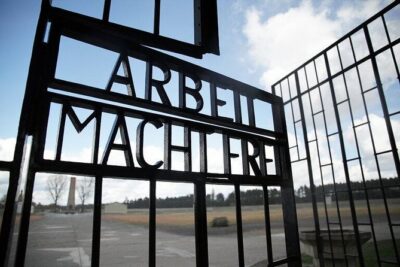
Sachsenhausen Concentration Camp Memorial Tour (Max. 15 Guests)
Read our review →
From Munich: Dachau Memorial Site Full-Day Tour
Read our review →Browse the lists this tour appears in